
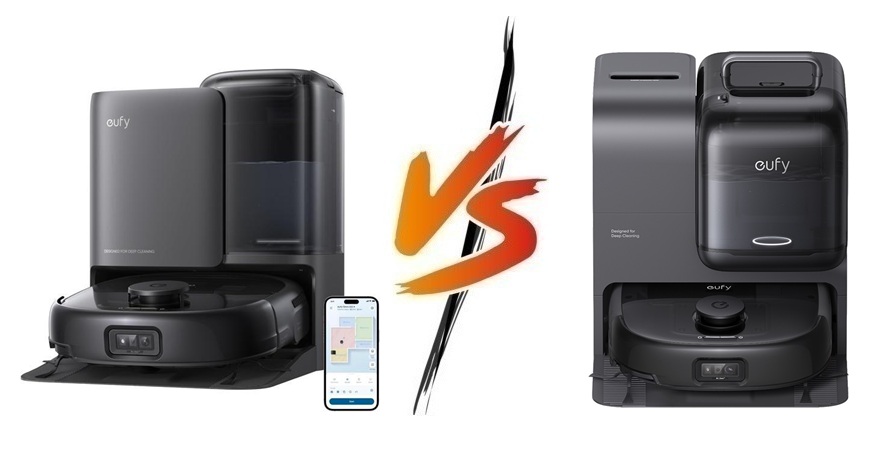
Robot vacuums have reached a point where they’re no longer just convenient gadgets. They’re starting to replace traditional cleaning routines entirely, especially in homes with hard floors and busy schedules. Eufy Omni E25 and Eufy Omni E28 sit right in the middle of that shift. On paper, they look almost identical. Same design language, similar suction power, and both promise hands-off cleaning with fully automated docks that handle emptying, washing, and drying.
But once you actually live with them, the differences begin to matter. These aren’t spec-sheet differences. They show up in how often you need to intervene, how flexible the system feels, and how well each machine fits into daily life. This comparison takes a practical approach, focusing less on marketing claims and more on what it’s like to rely on these machines day after day.
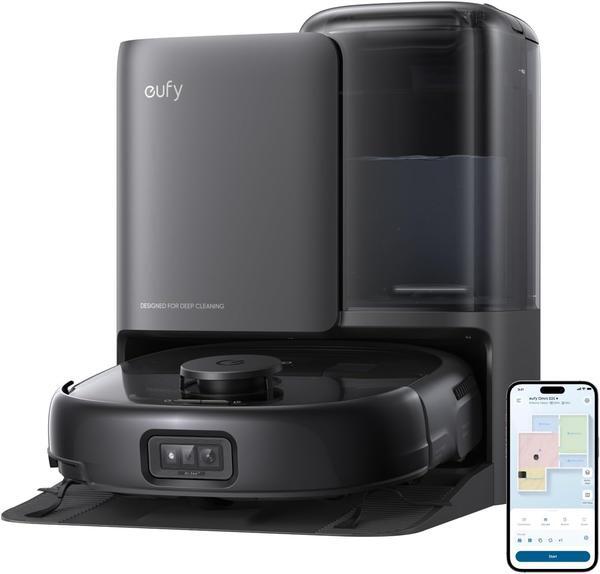
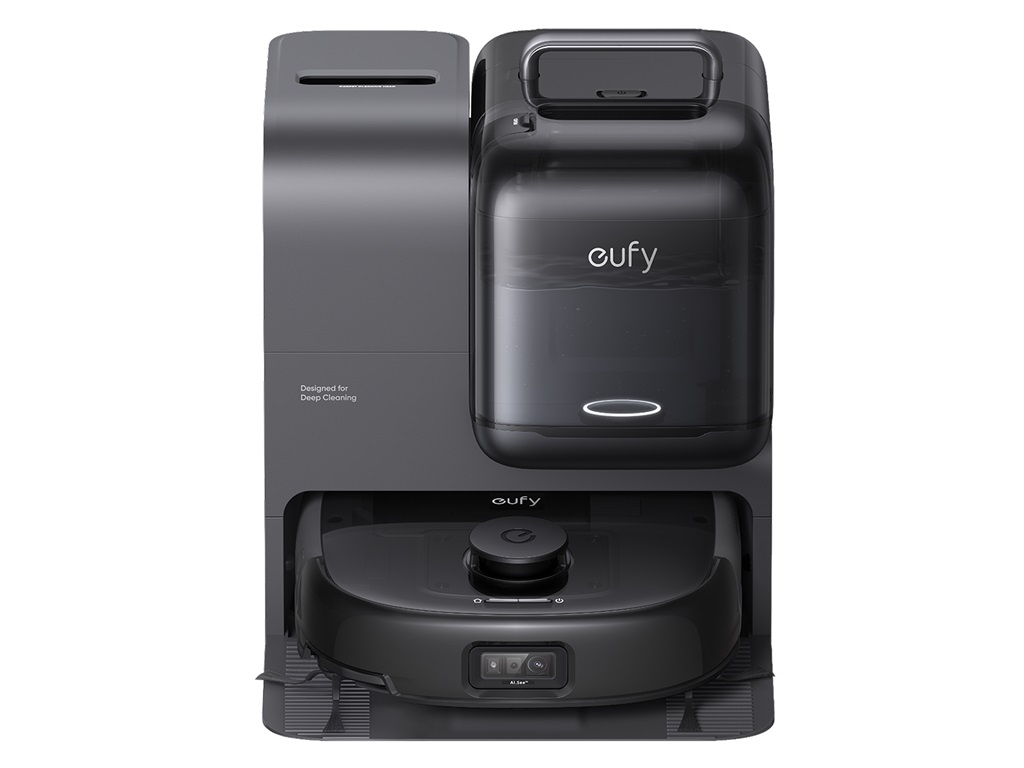
Eufy Omni E25 vs Eufy Omni E28 Comparison Chart
If you click the links below, under the product images, you will be redirected to Amazon.com. In case you then decide to buy anything, Amazon.com will pay me a commission. This doesn’t affect the honesty of this review in any way though.
| Specification | Eufy Omni E25 | Eufy Omni E28 |
|---|---|---|
 |  | |
| Check the best price on Amazon | Check the best price on Amazon | |
| Product Type | Robot vacuum & mop combo | Robot vacuum & mop combo |
| Navigation System | AI camera navigation + smart mapping | AI camera navigation + enhanced smart mapping |
| Obstacle Avoidance | AI object recognition | Improved AI object recognition |
| Suction Power | 20,000 Pa | 20,000 Pa |
| Main Brush System | DuoSpiral anti-tangle brushes | DuoSpiral anti-tangle brushes |
| Side Brush | Single edge-cleaning side brush | Single edge-cleaning side brush |
| Edge Cleaning Extension | CornerRover edge arm | CornerRover edge arm |
| Mopping System | HydroJet rolling mop | HydroJet rolling mop |
| Mop Pressure | Downward pressure scrubbing system | Enhanced downward pressure scrubbing system |
| Real-Time Mop Cleaning | Yes | Yes |
| Automatic Mop Washing | Yes | Yes |
| Automatic Mop Drying | Yes | Yes |
| Hot Air Drying | Yes | Yes |
| Automatic Dust Emptying | Yes | Yes |
| Self-Refilling Water Tank | Yes | Yes |
| Dirty Water Collection | Yes | Yes |
| Carpet Detection | Yes | Yes |
| Automatic Carpet Boost | Yes | Yes |
| Mop Lift on Carpet | Yes | Yes |
| Multi-Floor Mapping | Supported | Supported |
| Virtual No-Go Zones | Supported | Supported |
| Room-Specific Cleaning | Supported | Supported |
| App Control | Eufy Clean App | Eufy Clean App |
| Voice Assistant Support | Alexa & Google Assistant | Alexa & Google Assistant |
| Battery Runtime | Up to ~125 minutes | Up to ~125 minutes |
| Auto Recharge & Resume | Yes | Yes |
| Cleaning Solution System | Proprietary cartridge-style system | Refillable cleaning solution system |
| Dock Functionality | Emptying, washing, drying, refilling | Emptying, washing, drying, refilling |
| Maintenance Accessibility | Good | Improved accessibility |
| Hair Tangling Resistance | Excellent | Excellent |
| Pet Hair Performance | Strong | Strong with improved consistency |
| Dock Size | Large multifunction station | Large multifunction station |
| Noise During Dock Cleaning | Moderate | Slightly louder |
| Hard Floor Performance | Excellent | Excellent |
| Carpet Performance | Very good | Very good with slightly smoother transitions |
| Long-Term Maintenance Cost | Higher due to proprietary consumables | Lower due to refill flexibility |
| Best For | Users wanting strong performance and simplicity | Users wanting refinement and maintenance flexibility |
| My individual reviews | Eufy Omni E25 review |
Design & Build Quality
At first glance, the Eufy Omni E25 and Eufy Omni E28 look like twins. Same circular profile, same low-slung stance, same mix of matte and gloss finishes. If you placed them side by side without context, most people wouldn’t immediately know which is which. But after a few days of actual use, the differences start to emerge, and they matter more than you might expect.
Let’s start with the overall construction. Both robots feel solid in hand. There’s no creaking, no flex when you press down on the top shell, and the seams are tight and consistent. Eufy has clearly matured in how it builds these machines. Earlier generations sometimes felt a bit plasticky or hollow, but that’s not the case here. These feel like premium appliances, not gadgets.
That said, the E25 leans more toward a “finished product” feel, while the E28 leans toward something more modular and practical. The E25 has a cleaner aesthetic. Its top panel sits flush, the lines are uninterrupted, and the overall look is minimal. It’s the kind of device you don’t mind leaving out in the open. It blends into a modern home without drawing attention to itself.
The E28, on the other hand, sacrifices a bit of that visual simplicity for functionality. The changes are subtle, but they’re there. The access points are more obvious. The system feels like it was designed with maintenance in mind rather than pure aesthetics. That doesn’t make it unattractive, but it does give it a slightly more utilitarian vibe.
One of the more noticeable differences comes from how the top panel is handled. Both models use a removable cover rather than a hinged lid. In theory, this keeps the design cleaner. In practice, it’s a mixed experience. On the E25, removing the panel feels slightly delicate. It’s not fragile, but it doesn’t inspire confidence either. You find yourself being careful with it, especially when taking it off frequently.
The E28 improves on this slightly. The panel still detaches, but the tolerances feel tighter and the fit more secure. It’s a small refinement, but one that adds up over time. If you’re the kind of person who checks the dustbin or internal components regularly, you’ll notice the difference.
Material choice is another area where both models are strong, but not perfect. The matte surfaces hold up well. They resist fingerprints and minor scuffs, and they maintain their look over time. The glossy sections, however, are a different story. On both the E25 and E28, these areas tend to attract dust, smudges, and micro-scratches. After a few weeks, you’ll start to see fine swirl marks, especially if you wipe them down often.
It’s not a dealbreaker, but it does affect how “premium” the robot looks long term. The E25 is slightly more prone to this simply because of how its surfaces are finished. The E28, while still glossy in places, seems a bit more resistant or at least less visually affected.
Moving underneath, both robots use a similar brush and wheel layout. The DuoSpiral brush system is one of the standout design elements. It’s engineered to reduce hair tangling, and it actually works. From a build perspective, the brush feels durable and well-mounted. There’s no wobble, no sense that it might wear out quickly. The side brush is standard but sturdy, and the wheels have enough travel to handle thresholds and uneven flooring without issue.
Where things get more interesting is around the mopping system. Both models use a roller-style mop rather than the more common dual spinning pads. This choice has a direct impact on the design. The roller mechanism adds complexity, and you can see that in how the underside is structured. There’s more going on, more moving parts, and more areas that need to stay clean.
On the E25, the mop system feels tightly integrated but somewhat closed off. It does its job well, but you don’t get much flexibility in how it operates or how you maintain it. The E28 opens this up slightly. The components feel easier to access, and the system as a whole feels less restrictive. This ties into the broader design philosophy difference between the two.
Now let’s talk about the docking stations, because they’re a huge part of the overall build experience. Both the E25 and E28 come with large, multifunction docks. These aren’t simple charging bases. They’re full-service stations that handle dustbin emptying, mop washing, water refilling, and drying.
The E25’s dock is clean and cohesive. Everything is tucked away neatly. The water tanks are easy to remove, and the overall footprint, while large, feels organized. It’s designed to look like a single unit rather than a collection of parts. If you care about how your space looks, this matters.
The E28’s dock is more complex. It still looks good, but it’s more obviously functional. The added flexibility in cleaning solutions and maintenance shows up here. There are more components, more access points, and a slightly more industrial feel. It’s the kind of design that prioritizes usability over minimalism.
Build quality on both docks is excellent. The plastics are thick, the connections feel secure, and nothing feels like it’s going to wear out quickly. The water tanks are sturdy and don’t flex when full. The internal mechanisms, while hidden, operate smoothly and consistently.
One thing you do notice, though, is the size. These docks take up space. There’s no getting around it. If you’re coming from a simpler robot vacuum, this will feel like a step up in both capability and physical presence. You need to plan where it goes. It’s not something you can just tuck into a corner without thinking.
Another small but important detail is cable management. Both docks handle this reasonably well, with built-in routing to keep things tidy. It’s not perfect, but it’s better than having cables sticking out awkwardly. Again, small details, but they contribute to the overall experience.
From a durability standpoint, both the E25 and E28 feel like they’re built to last. The moving parts are well-engineered, the materials are appropriate for the job, and there’s a general sense of refinement that wasn’t always present in earlier models. The E28 has a slight edge here, mostly because its design feels more serviceable. If something needs cleaning or replacing, it’s easier to get to.
In everyday use, these design choices translate into subtle differences. The E25 feels like a polished, consumer-friendly product. It’s easy to live with, easy to understand, and visually appealing. The E28 feels like a tool that’s been optimized for long-term use. It asks a bit more from you in terms of understanding how it works, but it gives you more control in return.
Neither approach is inherently better. It depends on what you value. If you want something that looks good and works with minimal thought, the E25 delivers that. If you prefer a system that you can tweak, maintain, and adapt over time, the E28 is the stronger option.
In the end, both models represent a high level of design maturity. They’re not just functional; they’re considered. Every choice, from the materials to the layout to the dock design, reflects an understanding of how these machines are actually used. The differences between them are less about quality and more about philosophy.
Navigation Intelligence & Mapping
Navigation is where robot vacuums either feel intelligent or frustrating, and with the Eufy Omni E25 and Eufy Omni E28, the experience sits somewhere in the middle. Both are capable, sometimes impressive, but not completely flawless. The differences between them are subtle, yet noticeable over time, especially if you pay attention to how they move rather than just the end result.
Both models rely on a combination of camera-based vision and onboard sensors to map your home and navigate around obstacles. Unlike some competitors that use a prominent LiDAR turret, these robots maintain a low profile. That has practical advantages, like fitting under more furniture, but it also shapes how they perceive the environment. They depend more on visual recognition and less on pure spatial scanning.
The initial mapping process is straightforward on both. You send the robot out on a mapping run, and within a single pass, it builds a reasonably accurate layout of your space. Rooms are identified, walls are placed correctly, and major furniture pieces are recognized. In a typical apartment or house, you’ll end up with a usable map in under 20 minutes.
Where things get interesting is in how each model refines that map over time. The E25 does a decent job of updating its understanding as it cleans. If you move a chair or shift a table, it usually adapts without needing a full remap. However, it can occasionally get confused by more complex changes. For example, if you significantly rearrange a room or introduce new obstacles, it might take a couple of cleaning cycles before it fully adjusts.
The E28 feels slightly more confident in this area. It’s not dramatically smarter, but it seems quicker to adapt. Changes in layout are reflected more consistently, and there’s less hesitation when encountering something new. This gives the impression of a system that’s a bit more aware of its surroundings, even if the underlying technology is similar.
Path planning is another area where the differences show up. Both robots use a systematic cleaning pattern, typically moving in straight lines across a room before shifting over and repeating the process. This is efficient and ensures good coverage. On the E25, this pattern is generally reliable, but you’ll occasionally notice odd behavior. It might double back over a small section unnecessarily or take a slightly longer route between rooms.
These moments aren’t frequent enough to be a major issue, but they do break the illusion of intelligence. You can tell the robot is following a plan, but not always the best possible one. It gets the job done, just not always elegantly.
The E28 smooths out some of these quirks. Its movement feels more deliberate and less hesitant. Transitions between rooms are cleaner, and it spends less time “thinking” when it encounters something unexpected. Over the course of a full cleaning cycle, this adds up to a more efficient run, even if the total cleaning time isn’t dramatically shorter.
Obstacle detection is a key part of modern robot navigation, and both models handle it reasonably well. They can recognize and avoid common household items like shoes, cables, and small objects. The camera system plays a big role here, allowing the robot to identify objects rather than just bump into them.
In practice, the E25 is good but not perfect. It avoids most obstacles, but not all. Thin cables can still be a problem, especially if they’re partially hidden or lying flat against the floor. Small items like socks or pet toys may sometimes be nudged rather than avoided. When this happens, the robot usually recovers without getting stuck, but it’s not ideal.
The E28 shows incremental improvement. It’s slightly better at recognizing low-profile objects and less likely to make contact in the first place. Again, this isn’t a night-and-day difference, but it contributes to a smoother overall experience. You spend less time rescuing the robot or checking whether it got stuck somewhere.
One thing both models do well is handling complex room layouts. If you have an open-plan space with multiple zones, they can divide it logically and clean each section methodically. The app allows you to label rooms, set boundaries, and create no-go zones, which gives you a lot of control over how the robot operates.
Multi-floor mapping is also supported. You can save separate maps for different levels of your home, and the robot will recognize where it is when placed on a specific floor. This works reliably, as long as the environments are distinct enough. If two floors look very similar, there can be occasional confusion, but this is a common limitation across most robot vacuums.
Carpet detection is another important aspect of navigation, especially for hybrid vacuum-mop units. Both the E25 and E28 can identify when they’re on carpet and adjust their behavior accordingly. They’ll increase suction for vacuuming and lift or modify the mop to avoid soaking the carpet.
The detection itself is accurate. The transition from hard floor to carpet is handled smoothly, and there’s no noticeable delay in response. This is one area where both models feel polished and reliable.
Edge and corner cleaning is handled with a combination of navigation and mechanical design. The robots follow walls closely and use their side brushes to pull debris into the main suction path. The CornerRover arm helps extend reach into corners, which is a nice addition.
Navigation-wise, both models track edges well. They maintain a consistent distance from walls and don’t drift too far away. The E28 again feels slightly more precise, with fewer instances of minor misalignment, but the difference is subtle.
Lighting conditions can affect camera-based systems, and this is true here as well. In well-lit environments, both robots perform at their best. They move confidently, recognize objects more accurately, and maintain better pathing. In low-light conditions, performance can dip slightly. The robots still function, but you may notice more cautious movement and occasional hesitations.
The E28 seems to handle low-light scenarios a bit better, likely due to improved processing or sensor tuning. It’s still not perfect, but it maintains a higher level of consistency when the lights are dim or off.
Another aspect worth mentioning is how these robots handle tight spaces. Under furniture, around chair legs, and in narrow passages, navigation can become tricky. Both models do a good job of entering and exiting these areas without getting stuck. The low profile helps, and the sensors prevent most collisions.
However, the E25 can sometimes take longer to figure out how to navigate out of a tight spot. It might pause, adjust, and try a couple of angles before continuing. The E28 tends to resolve these situations more quickly, which again contributes to a smoother overall experience.
From a user perspective, the app plays a big role in navigation. Both models offer a clean interface where you can view maps, track cleaning progress, and customize behavior. You can set virtual walls, define cleaning zones, and schedule specific tasks for different rooms.
The responsiveness of the app is good on both, but the E28 feels slightly more integrated with the robot’s behavior. Commands are executed quickly, and updates to the map are reflected in near real time. The E25 is also responsive, but there can be occasional delays or minor inconsistencies.
In terms of reliability, both robots perform well over extended use. They don’t lose their maps, they don’t randomly forget rooms, and they recover gracefully from most errors. The E28 has a slight edge in consistency, but the E25 is still dependable.
Stepping back, the overall navigation experience with these two models is solid. They’re not the absolute best in the industry, but they’re more than capable for most homes. The E25 offers a good balance of intelligence and simplicity, while the E28 refines that experience with better consistency and slightly smarter behavior.
If you’re expecting perfect, human-like navigation, neither will fully deliver that. There are still moments where the robot makes decisions that seem inefficient or unnecessary. But those moments are becoming less frequent, especially with the E28.
In day-to-day use, both robots will clean your home effectively without requiring much intervention. The difference is in how smooth that process feels. The E25 gets the job done with occasional quirks. The E28 does it with fewer interruptions and a bit more confidence.
Cleaning Performance
Cleaning performance is the core of any robot vacuum, and this is where both the Eufy Omni E25 and Eufy Omni E28 need to justify their place as premium machines. On paper, they look nearly identical. Same advertised suction power, similar brush systems, and comparable internal hardware. But in real use, performance is not just about raw numbers. It’s about how consistently that power translates into actual results across different surfaces and situations.
Starting with hard floors, both models are excellent. This is the easiest environment for any robot vacuum, but it still reveals how well the system is tuned. Fine dust, crumbs, sand, and everyday debris are picked up in a single pass most of the time. You can run either robot daily and notice that your floors stay genuinely clean, not just visually tidy.
The suction here feels almost excessive. On tile or hardwood, even medium power settings are enough to handle typical messes. Running at maximum power doesn’t necessarily improve results dramatically, but it does give you confidence that nothing is being left behind. The airflow design and brush system work together effectively, pulling debris inward rather than pushing it around.
Where you start to see more nuance is with mixed debris. Things like cereal, rice, and small bits of dirt scattered together can sometimes challenge robot vacuums. The E25 handles this well overall, but there are moments where larger pieces get nudged before being picked up. It’s not a failure, just a reminder that even strong suction needs proper positioning to work efficiently.
The E28 behaves slightly better in these situations. It seems to manage airflow and brush engagement a bit more effectively, reducing the amount of debris that gets pushed ahead. The difference is subtle, but noticeable if you pay attention. Over time, this leads to more consistent one-pass cleaning, especially in high-traffic areas where debris varies.
Carpet performance is where expectations need to be more realistic. Both robots are strong for their category, but they’re still limited by their size and form factor. On low-pile carpets, they perform well. Dust, hair, and small particles are lifted effectively, and the automatic boost in suction when carpet is detected works as intended.
On medium-pile carpets, performance is still good, but you may notice that deeper debris requires multiple passes. The robots don’t struggle, but they don’t have the same agitation as a full-size upright vacuum. This is where the DuoSpiral brush design becomes important. It helps maintain consistent contact with the carpet surface and reduces hair tangling, which in turn keeps suction performance stable over time.
High-pile carpets are more of a challenge. Both the E25 and E28 can navigate them, but cleaning effectiveness drops slightly. They’ll pick up surface debris, but anything embedded deeper in the fibers may remain. This isn’t unique to these models; it’s a limitation of most robot vacuums. If your home has a lot of thick carpeting, you’ll still need a traditional vacuum for occasional deep cleaning.
Hair pickup is one of the standout strengths of both machines. Whether it’s human hair or pet fur, the DuoSpiral system does a genuinely impressive job. Hair doesn’t wrap tightly around the brush, which is a common issue with many vacuums. Instead, it gets guided into the suction path and collected in the dustbin.
In daily use, this makes a big difference. You don’t have to stop and manually cut hair off the brush, and performance doesn’t degrade as quickly. The E25 already handles this well, but the E28 feels slightly more consistent over longer cleaning sessions. It maintains performance without needing as much intervention, which contributes to a more hands-off experience.
Edge cleaning is another area worth looking at closely. Both models use a side brush combined with precise navigation to clean along walls and into corners. The addition of the CornerRover arm helps extend reach, allowing the robot to pull debris out from tight spots.
In practice, both robots do a good job along edges. Dust and small particles are usually collected in one or two passes. Corners are a bit more variable. The mechanical limitations mean that no robot can fully clean a sharp corner, but these models get closer than most. The E28 again shows a slight improvement in consistency, likely due to better alignment during edge tracking.
One thing that stands out during extended use is how both robots handle accumulation over time. If you run them daily, you start to notice that the overall cleanliness of your home improves beyond what you’d expect from occasional manual vacuuming. They pick up the fine dust that settles every day, and that has a compounding effect.
The E25 delivers this reliably, but the E28 feels more stable in maintaining that level of cleanliness. It’s less prone to small performance dips caused by minor clogs or debris buildup. This ties back to its slightly more refined internal design and airflow management.
Another important aspect is how these robots handle transitions between different floor types. Moving from hard floor to carpet and back again can disrupt cleaning if not handled properly. Both models manage this well. They adjust suction automatically and maintain consistent movement without getting stuck or losing efficiency.
The E28 transitions feel a bit smoother, with less hesitation at the boundary between surfaces. It’s a small detail, but it contributes to the overall impression of a more polished system.
Dustbin performance is also part of cleaning effectiveness. Both robots have bins that are large enough for daily cleaning, and the self-emptying dock ensures that they don’t fill up quickly. Suction during the emptying process is strong, and debris is transferred efficiently to the larger bag in the dock.
In terms of filtration, both models use multi-stage systems that capture fine particles effectively. This is especially important for households with allergies. The air expelled during cleaning feels clean, and there’s no noticeable dust leakage.
One area where performance can vary is with very fine debris, like flour or construction dust. Both robots can pick it up, but it may take more than one pass to fully remove it, especially on textured surfaces. This is a common limitation, and not a major drawback, but it’s worth noting if you’re expecting perfect results in a single run.
From a practical standpoint, the difference between the E25 and E28 in cleaning performance is not dramatic. They are more alike than different. The E25 already performs at a high level, and for most users, it will be more than sufficient.
The E28 doesn’t redefine performance, but it refines it. It’s more consistent, slightly more efficient in edge cases, and better at maintaining performance over time. These improvements are incremental, but they add up, especially if you rely on the robot as your primary cleaning tool.
In everyday use, both machines will keep your floors clean with minimal effort. The difference is in how often you notice small imperfections. With the E25, you might occasionally see a missed spot or a bit of debris that needed a second pass. With the E28, those moments are less frequent.
Ultimately, cleaning performance here is less about raw power and more about execution. Both robots have the strength to handle most household messes. The E25 proves that you don’t need constant upgrades to achieve excellent results. The E28 shows how small refinements can make an already strong system feel more complete.
If your priority is simply clean floors, either model will deliver. If you care about consistency and reducing those small, occasional misses, the E28 has the edge.
Mopping Capability
Mopping is where these machines try to separate themselves from the typical robot vacuum, and it’s also where the Eufy Omni E25 and Eufy Omni E28 feel meaningfully different from many competitors. Most robot vacuums treat mopping as an afterthought. A damp pad drags across the floor, picks up some light dirt, and that’s about it. These two take a more serious approach, and it changes how useful they are in day-to-day life.
At the center of both systems is the roller-style mop. Instead of two spinning discs or a static cloth, you get a continuously rotating cylinder that stays in contact with the floor. It’s constantly being fed with clean water while dirty water is removed and cycled away. That alone makes a big difference. You’re not just spreading moisture around. You’re actively scrubbing and lifting dirt.
With the E25, this system already feels like a step beyond what most people expect. When you run it on a floor that looks clean, you still end up with noticeably dirty wastewater in the dock. That’s usually the first sign that it’s doing more than surface-level cleaning. Light stains, dried footprints, and everyday grime are handled without much effort. It doesn’t require multiple passes for most situations, and the pressure applied by the roller helps break up residue that a simple wipe would miss.
In real-world use, this translates into floors that feel different underfoot. There’s less of that slight stickiness you sometimes notice even after cleaning with a traditional mop. The finish is more even, and there’s a subtle sheen that suggests the surface has actually been cleaned, not just dampened.
The E28 builds on this same foundation, but the improvements are less about raw scrubbing power and more about how the system is managed. The physical act of mopping feels very similar between the two. If you were to watch them side by side, you wouldn’t immediately see a dramatic difference in how they interact with the floor. Where the E28 pulls ahead is in consistency and flexibility.
One of the key aspects of any mopping system is how it handles water. Too little, and you’re not cleaning effectively. Too much, and you risk streaks or damage to sensitive flooring. Both models do a good job of regulating water flow, but the E28 feels slightly more controlled. It maintains a more consistent level of moisture across longer cleaning sessions, which helps avoid uneven results.
Another important factor is how the robot deals with dirty water. With a roller system, you’re constantly collecting grime, and if that grime isn’t managed properly, it can end up being redistributed. The E25 handles this well, with a built-in process that rinses the roller during operation and again when it returns to the dock. For most homes, this is more than sufficient.
The E28 refines this process. The cleaning cycle feels more thorough, and the roller seems to stay fresher for longer periods. This becomes noticeable in larger homes or during extended cleaning sessions, where the robot covers a lot of ground without returning to the dock frequently. The E28 maintains performance more consistently in these scenarios.
Edge mopping is another area where both models perform better than average. The roller design allows them to get closer to walls than many dual-pad systems. Combined with their navigation, they can clean along edges with reasonable accuracy. You won’t get perfectly clean corners, but the coverage is good enough that you don’t feel the need to go back and touch up manually very often.
The E28 again shows a slight advantage here, mostly due to its more precise movement. It aligns itself better along edges, which helps the mop maintain contact where it matters. The difference is subtle, but over time, it contributes to a more uniform clean.
Carpet handling is critical for hybrid machines, and both models manage this well. When they detect carpet, they adjust automatically. The mop is lifted or its behavior is modified to avoid soaking the fibers. This transition is smooth and reliable. You don’t have to worry about wet patches on rugs or carpets, which is a common concern with less advanced systems.
One of the biggest practical differences between the two models comes down to how cleaning solutions are handled. The E25 uses a more controlled, somewhat closed system. It’s designed to work with specific solutions, which simplifies things but also limits flexibility. You don’t have much control over what goes into the system, and over time, that can feel restrictive.
The E28 opens this up. It allows for more direct control over the cleaning solution, making it easier to use different types depending on your needs. This might not seem like a big deal at first, but it becomes more important the longer you use the robot. Different floors, different types of dirt, and personal preferences all come into play. Having that flexibility makes the system feel less locked in.
Maintenance is another part of the mopping experience that often gets overlooked. Both models are designed to minimize manual effort. The dock handles washing and drying the mop, which means you don’t have to deal with a dirty cloth after every run. This is a huge improvement over simpler systems.
With the E25, this process works well, but it’s somewhat fixed. The cleaning cycle is predefined, and while it does a good job, you don’t have much influence over it. The E28 feels more adaptable. The cleaning and drying process seems more robust, and the overall system is easier to manage if you want to tweak how it operates.
Drying is particularly important. A damp mop left sitting can develop odors over time. Both docks use heated air to dry the roller, which helps prevent this. The E28 appears to dry more thoroughly, or at least more consistently, which reduces the chance of any lingering smell.
Noise during mopping is also worth mentioning. The actual scrubbing process is relatively quiet on both models. You hear a soft mechanical hum rather than anything intrusive. The louder part comes when the robot returns to the dock and begins the cleaning cycle. The E28 tends to be a bit louder during this phase, likely due to a more intensive washing process.
From a usability standpoint, both systems are easy to integrate into daily routines. You can schedule mopping sessions, adjust intensity, and define which rooms should be mopped versus vacuumed only. The app interface makes this straightforward, and once set up, it largely runs on its own.
In terms of real-world impact, the difference between basic mopping and what these machines offer is significant. They don’t replace a deep manual scrub in extreme cases, but they reduce the need for it dramatically. For everyday maintenance, they’re more than capable.
Between the two, the E25 already delivers a strong mopping experience that goes beyond expectations. It’s effective, reliable, and largely hands-off. The E28 takes that same core capability and makes it more flexible and consistent over time. It’s less about cleaning better in a single pass and more about maintaining that level of performance with less effort and fewer limitations.
If you’ve never used a robot with this kind of mopping system, both will feel like a major upgrade. If you’re choosing between them, the decision comes down to how much you value long-term flexibility and refinement. The E25 proves that excellent mopping is possible in a relatively straightforward package. The E28 shows how that experience can be improved by focusing on the details that only become obvious after weeks or months of use.
Maintenance & Cleaning
Maintenance is the part most people underestimate when buying a robot vacuum. It’s easy to focus on suction power or smart features, but long-term satisfaction usually comes down to how much effort the machine demands after the novelty wears off. This is where the Eufy Omni E25 and Eufy Omni E28 quietly separate themselves. On the surface, both promise a hands-off experience. In reality, they deliver that promise to different degrees.
Let’s start with the basics: daily maintenance. Both models are built around the idea that you shouldn’t have to think about them very often. After a cleaning run, the robot returns to its dock, empties its dustbin, washes the mop, and begins drying it. In theory, you can go days or even weeks without touching anything.
With the E25, this works well most of the time. The self-emptying function is reliable, and the suction in the dock is strong enough to pull debris out of the onboard bin without leaving residue behind. You don’t get that annoying buildup where dust slowly accumulates because the system isn’t quite strong enough. It’s clean, efficient, and consistent.
The E28 performs similarly here, but with a slightly more refined feel. The emptying process seems a bit more controlled, with fewer instances of fine dust escaping or settling around the dock area. This is a small detail, but over time, it means less secondary cleaning around the station itself.
The dust bags inside the docks are another consideration. Both models use replaceable bags that can hold several weeks’ worth of debris, depending on how often you run the robot and how dirty your floors are. Swapping the bag is straightforward on both units. You open the compartment, pull out the old bag, and drop in a new one. There’s minimal contact with dust, which is important if you’re sensitive to allergens.
Where things begin to diverge is in how the two systems handle the mopping components during maintenance. The E25 follows a more fixed approach. The dock washes the roller using a predefined cycle, then dries it with warm air. It does a good job, and for most users, it’s enough to keep the mop clean and odor-free.
However, the process is somewhat closed. You don’t have much control over how the cleaning happens, and if you want to intervene manually, it’s not always as straightforward. Accessing certain parts of the system requires a bit more effort, and the overall design feels like it’s meant to be left alone rather than adjusted.
The E28 takes a more flexible approach. The washing process feels more thorough, and the system is easier to access if you want to clean components yourself. The internal layout of the dock is slightly more open, making it easier to rinse tanks, wipe surfaces, and check for buildup. This might not sound like a big deal, but it becomes important after a few weeks of regular use.
Water tank management is another key part of maintenance. Both models have separate tanks for clean and dirty water. The clean water tank feeds the mopping system, while the dirty tank collects wastewater from the cleaning process. Emptying and refilling these tanks is something you’ll do regularly, especially if you mop frequently.
On the E25, the tanks are easy to remove and carry, but the system feels a bit more rigid. You fill it, place it back, and that’s about it. The E28 offers a slightly more refined experience. The tanks feel more secure when inserted, and the overall handling is smoother. There’s less chance of minor spills or awkward positioning.
One of the most noticeable differences between the two models is how they handle cleaning solutions. The E25 uses a more controlled system, which can feel limiting over time. You’re expected to use specific solutions, and deviating from that isn’t always straightforward. This simplifies the process but reduces flexibility.
The E28 removes that limitation. You have more control over what goes into the system, which makes it easier to adapt to different cleaning needs. If you prefer a specific solution or want to adjust the concentration, you can do that. From a maintenance perspective, this also means fewer constraints and potentially lower long-term costs.
Filter maintenance is another area where both models perform well. The filters are easy to access and clean. You can remove them, tap out dust, or rinse them if needed. Regular cleaning helps maintain suction performance and ensures that fine particles are captured effectively.
The E25’s filter system is straightforward and functional. The E28 builds on that with slightly improved accessibility. It’s easier to remove and reinstall components without feeling like you might damage something. Again, small improvements, but they add up over time.
Brush maintenance is often a pain point with robot vacuums, especially in homes with pets or long hair. Both models handle this well thanks to the DuoSpiral brush design. Hair doesn’t wrap tightly around the brush, which reduces the need for manual cleaning. When you do need to clean it, the process is simple. The brush pops out easily, and any remaining debris can be removed quickly.
The E28 feels a bit more refined here as well. The brush housing is easier to open, and the components feel slightly more durable. It’s not a major difference, but it contributes to a smoother maintenance routine.
Another aspect that’s easy to overlook is how the dock itself needs to be maintained. Even with automated cleaning, residue can build up over time. The washing tray, in particular, can accumulate dirt and require occasional rinsing.
With the E25, accessing and cleaning this area is possible but not always convenient. The components are a bit more enclosed, which can make thorough cleaning slightly more time-consuming. The E28 improves on this by making the tray and surrounding areas easier to reach. You can remove parts more easily, rinse them, and put everything back without much effort.
Drying performance is also part of maintenance, even if it’s automated. A well-dried mop prevents odors and reduces the need for manual intervention. Both models use heated air to dry the roller, but the E28 seems to do this more consistently. The result is a mop that’s ready for the next run without any lingering dampness.
Noise during maintenance cycles is worth mentioning as well. The washing and drying processes are not silent. The E25 is noticeable but manageable. The E28 tends to be louder, especially during the washing phase. This doesn’t affect performance, but it does influence when you might choose to run cleaning cycles.
From a long-term perspective, maintenance is where the E28 starts to justify its position. It’s not that the E25 is difficult to maintain. It’s actually quite user-friendly compared to many other robot vacuums. The difference is that the E28 reduces friction even further. It anticipates the small inconveniences that show up over time and addresses them through design.
In everyday use, this means fewer moments where you feel like the robot is asking for attention. You still need to empty water tanks, replace dust bags, and occasionally clean components, but the process feels smoother and less constrained.
The E25 delivers a strong, mostly hands-off experience that will satisfy most users. It’s reliable, efficient, and requires minimal effort. The E28 takes that same foundation and refines it, making maintenance easier, more flexible, and more sustainable over time.
If you only think about maintenance in the short term, both models seem equally convenient. If you think about months or years of use, the differences become more meaningful. The E28 doesn’t eliminate maintenance, but it makes it feel less like a chore and more like a quick, manageable routine.
Ergonomics & Usability
Ergonomics and usability are where a robot vacuum either becomes part of your routine or slowly turns into something you avoid using. On paper, both the Eufy Omni E25 and Eufy Omni E28 promise a hands-off experience. In practice, the difference comes down to how intuitive they feel once the setup is done and how often they ask for your attention afterward.
Let’s start with the initial setup, because that’s your first real interaction with the product. Both models follow a similar process. You place the dock, fill the clean water tank, install the dust bag, connect the robot through the app, and run a mapping cycle. It’s all guided step by step, and neither device makes things unnecessarily complicated.
The app does a good job of walking you through everything. You’re not left guessing what to do next, and the pairing process is quick. Within 20 to 30 minutes, you typically have a mapped home and a robot that’s ready to start cleaning. For most users, this is a smooth experience.
Where the difference begins is in how the app feels once you start using it regularly. The E25 leans toward simplicity. The interface is clean, the main options are easy to find, and there’s very little that feels overwhelming. You can start a cleaning session, select rooms, adjust suction and water levels, and set schedules without digging through menus.
This makes the E25 approachable. If you don’t want to think too much about settings, you don’t have to. You can set it up once and let it run on a schedule, and it will handle most situations without needing constant adjustments.
The E28 adds more flexibility, and with that comes a bit more complexity. The interface is still clean, but there are more options to explore. You can fine-tune behavior in ways that the E25 doesn’t always allow. For example, you might have more control over how the robot handles certain floor types, how often it returns to the dock during mopping, or how it uses cleaning solution.
For some users, this is a clear advantage. It allows you to tailor the cleaning process to your home and preferences. For others, it can feel like more than they need. The key difference is that the E28 invites you to engage with the system, while the E25 is happy to run in the background.
Day-to-day interaction is minimal on both, which is exactly what you want. You don’t need to press buttons on the robot itself very often. Most of the control happens through the app. That said, both models include physical buttons for basic functions like starting or stopping a cleaning cycle. These are responsive and easy to access, which is useful if your phone isn’t nearby.
Handling the robot physically is also part of usability, even if it’s not something you do often. Both units are easy to pick up, with a balanced weight that doesn’t feel awkward. You might need to move them occasionally, especially if you have multiple floors or need to reposition them for a specific cleaning task.
The E25 feels slightly more streamlined in this regard. Its design is simple, and there’s nothing that gets in the way when you lift it. The E28, with its more functional design, feels just as solid but slightly more “busy” in terms of visible components. It doesn’t make it harder to handle, but it’s a subtle difference you notice over time.
Dock interaction is another important part of usability. This is where you’ll refill water, empty dirty tanks, and occasionally replace dust bags. Both docks are designed to make this process straightforward. The tanks slide in and out easily, and the compartments are clearly labeled.
The E25 keeps things simple. You remove the clean water tank, fill it, and put it back. The dirty water tank is just as easy to empty. Everything is intuitive, and you don’t need to think about it much. The E28 builds on this with slightly improved ergonomics. The tanks feel more secure when inserted, and the overall process is smoother.
One small but noticeable detail is how the components align when you place them back into the dock. The E28 feels more precise. Everything clicks into place with less effort, which reduces the chance of misalignment or minor leaks. It’s the kind of refinement that doesn’t stand out immediately but becomes appreciated over time.
Noise is also part of usability, even if it’s not always categorized that way. Both robots are quiet enough during cleaning that you can run them while you’re at home without much disruption. You can have a conversation, watch TV, or work without feeling like the robot is dominating the space.
The louder moments come from the dock, especially during emptying and mop washing. The E25 is noticeable but manageable. The E28 is a bit louder, particularly during the washing cycle. This doesn’t affect performance, but it does influence when you choose to run certain tasks. You might schedule cleaning for times when you’re out, especially if you’re sensitive to noise.
Another usability factor is how well the robot integrates into your routine. Both models support scheduling, which is one of the most useful features. You can set them to clean specific rooms at specific times, adjust settings based on the day, and essentially automate the entire process.
The E25 makes this easy to set up and forget. Once your schedule is in place, it runs reliably without needing much oversight. The E28 offers more customization, allowing you to create more detailed routines. For example, you might have different cleaning intensities for different rooms or adjust mopping frequency based on usage.
This flexibility is valuable, but it also requires a bit more initial setup. If you’re willing to spend the time, the E28 can be tailored more precisely to your needs. If you prefer simplicity, the E25 gets you most of the way there with less effort.
Notifications and feedback are handled well on both devices. The app keeps you informed about cleaning progress, maintenance needs, and any issues that arise. If the robot gets stuck or encounters a problem, you’ll receive a notification with enough detail to understand what happened.
The E28 feels slightly more responsive in this area. Updates appear quickly, and the information provided is clear and actionable. The E25 is also reliable, but there can be occasional delays or less detailed feedback.
Voice control is supported on both models, allowing you to start or stop cleaning using smart home assistants. This works as expected and adds a layer of convenience, especially if you’re already using voice commands for other devices. It’s not essential, but it’s a nice addition.
Another aspect of usability is how forgiving the system is when something goes wrong. Both robots handle errors reasonably well. If they get stuck, they usually attempt to free themselves before sending a notification. If a component needs attention, the app guides you through what to do.
The E28 seems slightly better at recovering from minor issues on its own. It’s less likely to require manual intervention for small problems, which contributes to a smoother overall experience.
From a broader perspective, usability is about how much the robot fades into the background. The best devices are the ones you don’t have to think about. They just do their job consistently.
The E25 achieves this through simplicity. It’s easy to understand, easy to operate, and reliable enough that you don’t feel the need to check on it constantly. The E28 achieves it through refinement. It reduces friction in small ways, making each interaction slightly smoother and more predictable.
Neither approach is inherently better. It depends on what you value. If you want something that works with minimal input, the E25 is a strong choice. If you prefer a system that gives you more control and adapts more precisely to your needs, the E28 offers that.
In everyday use, both models succeed in making cleaning feel less like a task and more like something that just happens. The difference is in how much you engage with the system along the way. The E25 stays out of your way. The E28 gives you more ways to shape the experience.
Pet-Friendliness
If you have pets, your expectations for a robot vacuum change completely. It’s no longer just about picking up crumbs or dust. It’s about dealing with constant shedding, stray litter, tracked-in dirt, and the occasional unexpected mess. In that context, the Eufy Omni E25 and Eufy Omni E28 are both clearly designed with pet owners in mind, but they approach the problem with slightly different levels of refinement.
Let’s start with the most obvious challenge: pet hair. Whether it’s short fur or long strands, hair has a way of getting everywhere. It settles into corners, clings to carpets, and wraps around brushes. This is where both models immediately stand out. The DuoSpiral brush system is genuinely effective at preventing tangles. Instead of hair wrapping tightly around a single roller, it’s guided into the suction path and collected in the dustbin.
In daily use, this makes a big difference. With many robot vacuums, you end up cleaning the brush manually every few days, cutting away tangled hair and dealing with buildup. With the E25 and E28, that task becomes far less frequent. Hair still accumulates over time, but it doesn’t choke the system or reduce performance as quickly.
Between the two, the E28 feels slightly more consistent over longer periods. It maintains performance without requiring as much intervention, which is especially noticeable in homes with multiple pets or heavy shedding. The E25 already performs well, but you may find yourself checking the brush a bit more often just to be safe.
Suction power also plays a big role in pet-friendliness. Both models are strong enough to pick up fur from hard floors in a single pass. On carpets, they do a good job of lifting surface hair, though deeply embedded fur may still require occasional manual vacuuming. This is a limitation of most robot vacuums, not just these two.
Where they excel is in maintaining cleanliness between deeper cleans. If you run either robot daily, you’ll notice a significant reduction in visible hair around your home. Floors stay cleaner, and that constant layer of fur that tends to build up simply doesn’t have time to accumulate.
Litter tracking is another common issue for pet owners, especially with cats. Small granules can spread quickly and end up in unexpected places. Both the E25 and E28 handle this well on hard floors. The suction is strong enough to pick up litter without scattering it too much, and the brush system helps guide particles into the intake.
On carpets, results are more mixed. They can pick up surface litter, but anything that gets pressed into the fibers may require a second pass or a traditional vacuum. The E28 again shows a slight advantage in consistency, but the difference isn’t dramatic.
Mopping is where things get more interesting for pet owners. Pets don’t just shed. They also track in dirt, leave paw prints, and occasionally create messes that require more than dry cleaning. The roller mopping system on both models is particularly useful here.
For everyday situations like muddy paw prints or dried drool spots, both robots do a solid job. The continuous scrubbing action helps break up residue, and the constant cleaning of the roller prevents dirt from being spread around. This is a noticeable step up from simpler mopping systems that tend to smear rather than clean.
The E28 feels slightly more reliable when dealing with repeated messes over time. Its mopping system stays fresher during longer cleaning sessions, which helps maintain consistent results. If you have an active pet that frequently brings dirt inside, this becomes more relevant.
That said, it’s important to be realistic. Neither robot is designed to handle large or complex messes like pet accidents. If something significant happens, you’ll still need to clean it manually before sending the robot in. This isn’t a limitation specific to these models. It’s simply the nature of robot vacuums.
Odor control is another factor that matters in pet households. Hair, dander, and organic debris can lead to unpleasant smells if not managed properly. Both models do a good job of containing odors thanks to their sealed dust bags and regular mop cleaning cycles.
The E28 has a slight edge here due to its more thorough cleaning and drying process. The mop is less likely to retain moisture or develop a smell over time. The difference isn’t huge, but it contributes to a fresher overall experience, especially if you run the robot frequently.
Navigation also plays a role in pet-friendliness. Pets leave things behind, from toys to random objects on the floor. Both robots are capable of detecting and avoiding many of these obstacles, but they’re not perfect. Small items like chew toys or thin cables can still cause issues.
The E25 does a decent job of avoiding common obstacles, but it can occasionally make contact or push things around. The E28 is slightly better at recognizing and navigating around these items, which reduces the chance of something getting stuck in the brush or blocking the robot’s path.
This becomes particularly important if you’re not always able to tidy up before running the robot. The E28 gives you a bit more confidence that it can handle a less controlled environment.
Noise is another consideration, especially if your pets are sensitive. Both models are relatively quiet during normal cleaning. They produce a steady hum rather than a harsh or sudden noise, which most pets can get used to over time.
The dock operations are louder, particularly during emptying and mop washing. This can startle some animals at first. The E25 is slightly quieter in this regard, while the E28 tends to be more noticeable. Over time, most pets adapt, but it’s something to keep in mind if your pet is particularly anxious.
Another aspect of usability for pet owners is how often you need to intervene. The whole point of a robot vacuum is to reduce manual work, and both models succeed here. You don’t need to empty the dustbin after every run, and the mop system largely takes care of itself.
The E28 reduces this burden slightly further. It’s more forgiving if you miss a maintenance step or let it run for longer periods without checking. This makes it better suited for busy households where you don’t want to think about cleaning logistics too often.
From a long-term perspective, both robots help create a cleaner environment for pets as well. Reduced dust and dander can improve air quality, and cleaner floors mean less dirt being tracked around. This benefits not just the owner, but the animals themselves.
In everyday life, the difference between the two models comes down to consistency and convenience. The E25 is already very capable and will handle most pet-related cleaning tasks without issue. The E28 builds on that by smoothing out the small frustrations that can appear over time.
If you have one pet with moderate shedding, the E25 is more than enough. If you have multiple pets, heavy shedding, or a more demanding cleaning environment, the E28 starts to make more sense.
Ultimately, both models are well-suited for pet households. They address the key challenges of hair, dirt, and maintenance in a way that feels practical and effective. The E25 proves that strong fundamentals go a long way. The E28 shows how refining those fundamentals can make daily life just a bit easier.
Conclusion
After spending time comparing the Eufy Omni E25 and Eufy Omni E28 across every major category, the biggest takeaway is that these two machines are much closer than their names might suggest. The E28 is not a complete reinvention of the E25. Instead, it feels like a refinement of an already strong platform. That distinction matters because it shapes who each robot is actually for.
The E25 succeeds because it focuses on the fundamentals. It delivers strong vacuuming performance, genuinely impressive mopping capability, reliable navigation, and a mostly hands-off maintenance experience. For many households, especially those with hard floors, pets, or busy schedules, it already feels like a premium robot vacuum that covers nearly everything you would realistically want. It’s simple to live with, easy to understand, and effective enough that you quickly start relying on it as part of your normal routine.
The E28 builds on that foundation by addressing the smaller frustrations that only become noticeable over time. It improves maintenance flexibility, feels slightly more refined in navigation, offers a more adaptable cleaning system, and generally creates a smoother ownership experience. None of those upgrades completely transform the cleaning results, but together they make the robot feel more polished and easier to integrate into daily life long term.
In the end, the better choice depends less on raw cleaning ability and more on what kind of experience you want. If price matters and you want excellent performance without overthinking it, the E25 remains a very strong value. If you care about refinement, flexibility, and reducing small annoyances over years of use, the E28 justifies its position as the more complete system.