

Robot vacuums have moved from being a novelty to something many of us rely on every week. Once you get used to your floors being cleaned automatically while you’re at work or asleep, it’s hard to go back. Shark has positioned itself as a strong alternative to iRobot and Roborock, offering advanced navigation and self-empty systems without pushing into ultra-premium pricing. Two of its most talked-about models are the Shark AI Ultra and the Shark Matrix Plus.
On paper, they look similar. Both offer LiDAR mapping, self-empty bases, app control, and multi-room cleaning. But once you dig deeper, they’re built with slightly different priorities in mind. The AI Ultra leans heavily into strong vacuum performance and intelligent navigation. The Matrix Plus adds sonic mopping and hybrid functionality to the mix.
If you’re trying to decide between them, the differences matter. In this review, I’ll break down exactly where each one excels and where compromises start to show.
Shark AI Ultra vs Shark Matrix Plus Comparison Chart
If you click the links below, under the product images, you will be redirected to Amazon.com. In case you then decide to buy anything, Amazon.com will pay me a commission. This doesn’t affect the honesty of this review in any way though.
| Specification | Shark AI Ultra | Shark Matrix Plus |
|---|---|---|
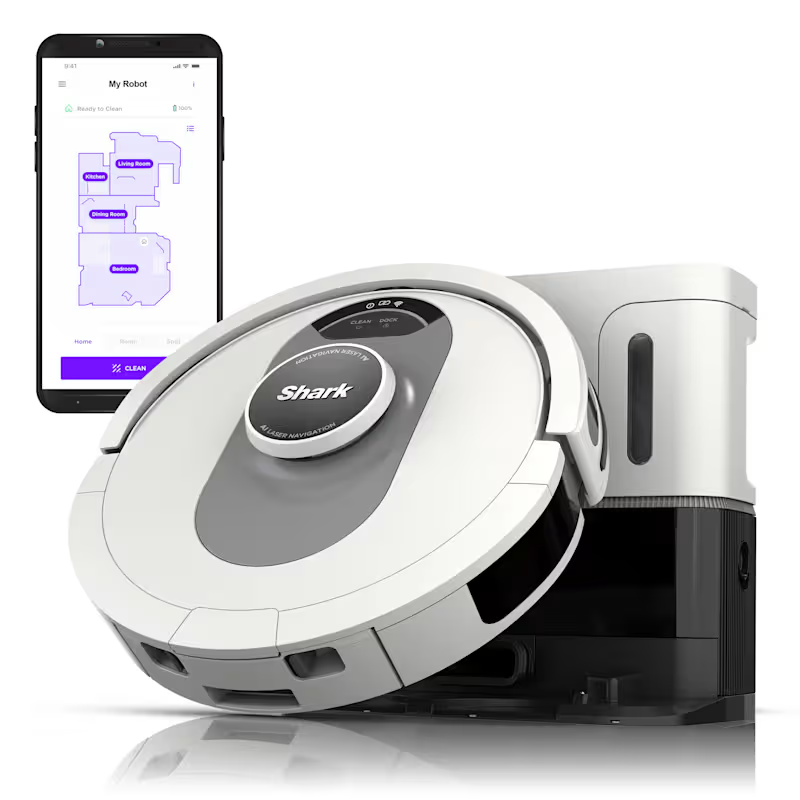 | 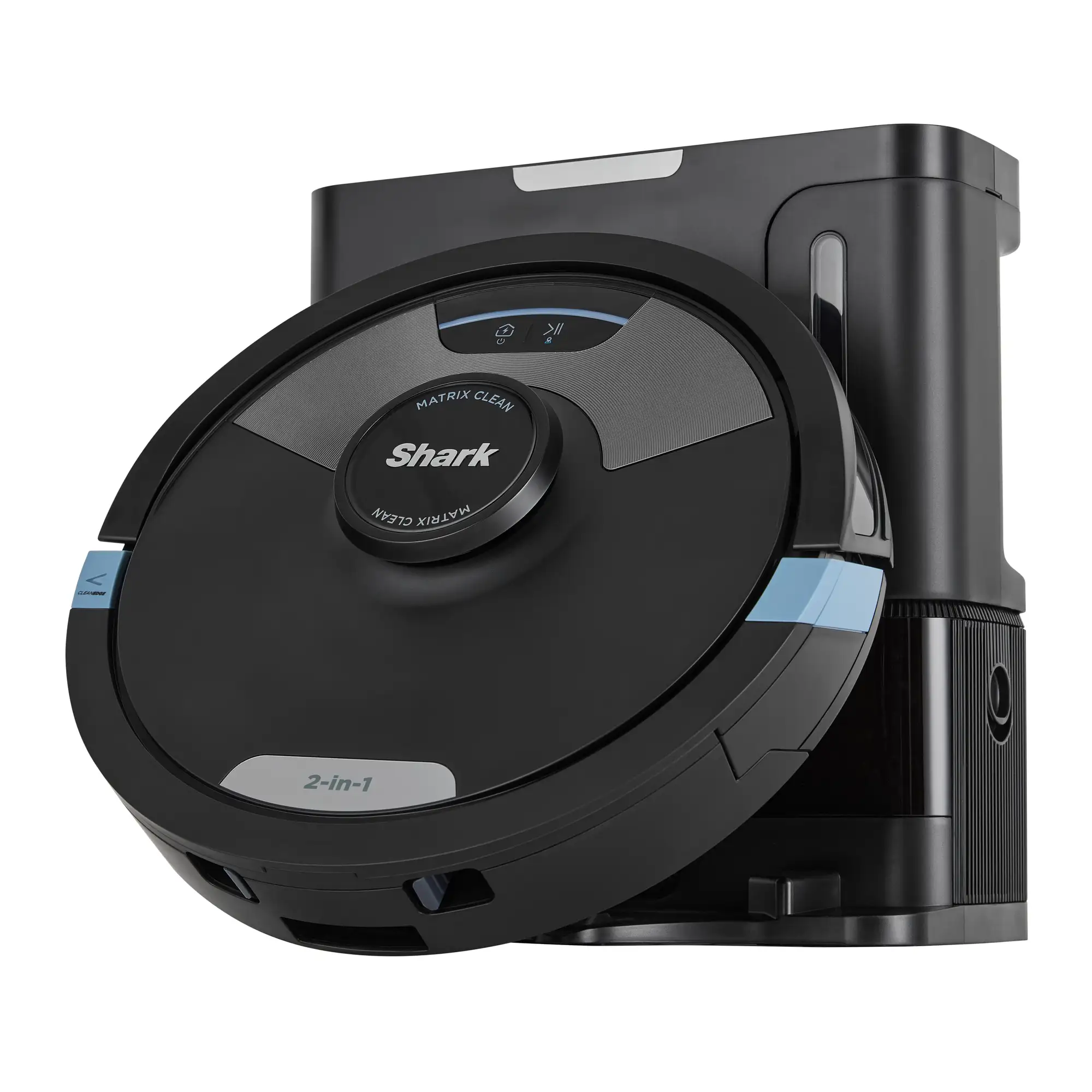 | |
| Check the best price on Amazon | Check the best price on Amazon | |
| Primary Function | Vacuum (some versions support basic mopping) | 2-in-1 Vacuum + Sonic Mopping |
| Navigation System | 360° LiDAR + Matrix Clean grid navigation | 360° LiDAR + Matrix Clean grid navigation |
| Mapping Capability | Multi-room mapping, room labeling, no-go zones | Multi-room mapping, room labeling, no-go zones |
| Cleaning Pattern | Precision grid with multi-pass Matrix Clean | Precision grid with Matrix Clean + mop logic |
| Suction Power | Strong suction, optimized for carpet extraction | Strong suction, slightly less aggressive than AI Ultra |
| Carpet Boost | Yes (automatic suction increase) | Yes (automatic suction increase) |
| Brushroll Type | Self-cleaning anti-hair-wrap brushroll | Anti-hair-wrap brushroll (hybrid compatible) |
| Mopping System | Optional/basic mop attachment (model dependent) | Integrated sonic vibrating mop pad |
| Mop Vibration | No | Yes (sonic scrubbing technology) |
| Water Tank Capacity | Small/attachment-based (if included) | Integrated water reservoir (adjustable output) |
| Automatic Mop Lifting | No | No |
| Self-Empty Base | Yes | Yes |
| Base Type | Bagless (in most versions) | Bagged or bagless depending on model |
| Base Capacity | Up to ~60 days (usage dependent) | Up to ~60 days (usage dependent) |
| Battery Runtime | Up to ~120 minutes (mode dependent) | Up to ~110–120 minutes (lower in mop mode) |
| Recharge & Resume | Yes | Yes |
| Wi-Fi Connectivity | Yes (2.4 GHz) | Yes (2.4 GHz) |
| App Control | SharkClean App | SharkClean App |
| Voice Assistant Support | Alexa & Google Assistant | Alexa & Google Assistant |
| Multi-Floor Mapping | Yes | Yes |
| Cliff Sensors | Yes | Yes |
| Object Avoidance | LiDAR-based obstacle detection | LiDAR-based obstacle detection |
| Robot Height | Slightly slimmer profile | Slightly taller due to hybrid design |
| Best For | Carpet-heavy homes, strong vacuuming, pet hair | Hard-floor homes needing vacuum + mopping |
| My individual reviews | Shark AI Ultra review | Shark Matrix Plus review |
Design & Build Quality
When you’re comparing robot vacuums, design is not just about how the machine looks sitting on the dock. It affects how well it fits under furniture, how durable it feels after six months of use, how easy it is to maintain, and even how confident you feel letting it run unattended. After spending time with both the Shark AI Ultra and the Shark Matrix Plus, the differences in their physical design and construction become more noticeable than you might expect from two models in the same brand family.
Overall Aesthetic and First Impressions
The Shark AI Ultra has a clean, understated look. It feels modern without trying too hard. The matte finish on the top helps prevent fingerprints and dust buildup from becoming too obvious, which matters more than you’d think if the robot lives in a visible area of your home. The top plate feels solid when you press down on it. There’s no flexing or creaking. The buttons are minimal and low-profile, which keeps the design simple and uncluttered.
The Matrix Plus looks slightly more technical. Depending on the version, you’ll notice more visible detailing around the top and edges. It gives off a “feature-packed” impression, which makes sense since it incorporates mopping hardware. The extra components do make it appear busier. It’s not unattractive, but it’s less minimalist than the AI Ultra.
If you prefer a cleaner, more subtle design that blends into modern interiors, the AI Ultra has the edge. The Matrix Plus looks more functional, and some people may actually prefer that slightly industrial feel.
Dimensions and Height Profile
Height matters more than you realize until your robot gets stuck under the couch. The AI Ultra has a relatively low profile for a LiDAR-equipped model. The turret on top is present, of course, but it doesn’t feel excessively tall. In my experience, it fits under most standard sofas and beds with reasonable clearance.
The Matrix Plus is slightly bulkier. Part of that is due to the added internal space needed for the mopping system and hybrid bin configuration. While the height difference is not dramatic on paper, in real homes it can mean the difference between clearing under a low coffee table and repeatedly bumping into it.
If your home has a lot of low-clearance furniture, the AI Ultra’s slightly slimmer build makes it the safer choice.
Materials and Structural Integrity
Both vacuums are primarily made of high-quality molded plastic, which is standard for this category. However, the way that plastic is reinforced and assembled differs slightly.
The AI Ultra feels tighter in its construction. When you pick it up, there’s a reassuring density to it. The panels align cleanly, and the seams are consistent. The dustbin clicks into place with a solid, defined motion. Over time, that kind of build quality matters. It reduces rattling during operation and suggests better long-term durability.
The Matrix Plus also feels sturdy, but there are more removable components involved. The hybrid dustbin and water reservoir system introduce extra moving parts. The latches and seals feel secure, but there’s simply more to manage. With more parts comes a slightly higher chance of wear over time.
Neither model feels fragile. Both are well above entry-level robot vacuum construction. Still, the AI Ultra feels a bit more refined and streamlined in how it’s put together.
Self-Empty Base Design
The self-empty dock is where you really see a philosophical difference between these two models.
The AI Ultra’s base is tall and solid. It has a vertical, tower-like design that feels stable. The dust collection chamber is internal and neatly concealed. One standout feature is the bagless design in many versions, which eliminates the need for disposable vacuum bags. That reduces ongoing costs and simplifies maintenance. The clear dust chamber makes it easy to see when it’s time to empty.
The Matrix Plus base is more compact vertically but slightly wider in footprint due to its mop handling system. The design is practical, but it doesn’t feel as minimal or streamlined as the AI Ultra’s dock. Because the Matrix Plus supports mopping, you’re dealing with additional components around the dock area, including mop storage and water management.
If you want something that looks clean and takes up less visual space, the AI Ultra’s base feels more cohesive. The Matrix Plus dock is functional but visually busier.
Brushroll and Underside Engineering
Flip both robots over, and you’ll notice one of Shark’s key selling points: the self-cleaning brushroll design.
The AI Ultra features a brushroll engineered specifically to reduce hair wrap. The fins and bristle layout are designed to separate and guide hair toward the suction path rather than allowing it to coil tightly around the roller. In homes with pets or long hair, this makes a real difference. After several cleaning cycles, the brushroll on the AI Ultra typically has far less tangled hair compared to many competitors.
The Matrix Plus also incorporates anti-hair-wrap technology, but because it serves dual roles with mopping, the underside is slightly more complex. The mop attachment and hybrid bin setup mean you’ll sometimes remove and reconfigure parts depending on your cleaning mode. That extra modularity is useful, but it adds complexity.
The AI Ultra’s underside feels purpose-built for vacuuming first and foremost. The Matrix Plus feels more like a multitool.
Wheel Design and Suspension
Both models use multi-directional wheels with good ground clearance. They handle thresholds and small transitions between rooms well. In testing across hardwood to low-pile carpet, neither struggled significantly.
The AI Ultra feels slightly more confident when climbing onto thicker rugs. The suspension seems tuned a bit more aggressively for carpet transitions. The Matrix Plus handles transitions well too, but the additional mopping hardware adds slight weight distribution differences.
Neither robot feels cheap in how it moves. They both have sturdy side wheels and a front caster that glides smoothly. But the AI Ultra feels just a touch more balanced during movement.
Water Tank and Mop Hardware (Matrix Plus Only)
This is where the Matrix Plus becomes more complex in design terms.
The integrated water reservoir and mop pad attachment are thoughtfully engineered. The pad attaches securely, and the water tank has a reliable seal that prevents leaks during normal operation. The sonic mopping mechanism adds internal vibration hardware, which is impressive from an engineering standpoint.
However, with more hardware comes more potential maintenance. The water tank must be removed, refilled, and cleaned. The mop pad must be washed and dried regularly. Over time, seals and gaskets can experience wear.
If you value simplicity, the AI Ultra’s vacuum-only focus keeps the design cleaner and more straightforward. If you want versatility, the Matrix Plus offers it, but you accept the trade-off of added mechanical complexity.
Durability Over Time
Based on handling and long-term design logic, the AI Ultra feels slightly better positioned for longevity. Fewer interchangeable parts mean fewer failure points. The self-cleaning brushroll reduces strain from hair buildup. The dock’s simpler configuration minimizes wear from repeated bin swaps.
The Matrix Plus is not fragile, but its hybrid nature means more components are regularly handled. Over several years, that may increase the likelihood of replacement parts being needed.
Design Verdict
Both the Shark AI Ultra and the Shark Matrix Plus are well-built machines that reflect Shark’s move into more premium robot vacuum territory. They don’t feel like budget appliances. They feel engineered.
That said, the AI Ultra stands out for its refined simplicity. It feels cohesive, streamlined, and purpose-driven. The Matrix Plus feels more feature-heavy and versatile, but also slightly more complex.
If you want something clean, solid, and built primarily for strong vacuuming performance with minimal fuss, the AI Ultra wins in design and build quality. If you want a multifunction system that integrates mopping into the same platform and you’re comfortable managing extra components, the Matrix Plus offers impressive engineering in a slightly busier package.
Navigation Intelligence & Mapping
Navigation is where robot vacuums either feel smart or frustrating. Strong suction is important, but if a robot can’t understand your space, avoid obstacles, and clean methodically, it won’t matter how powerful it is. This is also where midrange robots separate themselves from entry-level models. Both the Shark AI Ultra and the Shark Matrix Plus use LiDAR-based navigation, which already places them in a more advanced category. But how they apply that technology in real homes is where the real story unfolds.
LiDAR Hardware and Initial Mapping
Both robots rely on a 360-degree LiDAR sensor mounted in the familiar top turret. This system spins and scans the room using laser pulses to build a detailed map of your floor plan. Unlike older camera-based robots, LiDAR does not depend on ambient light. You can run either robot at night with the lights off, and they will still navigate accurately.
In practical use, the initial mapping process is fast and surprisingly thorough on both units. When you first set them loose in mapping mode, they move with purpose. They trace the perimeter of each room, identify major obstacles, and then fill in the center. Within one or two runs, both models create a usable floor plan inside the app.
Where the AI Ultra stands out is in how clean and stable that first map tends to be. The room segmentation feels more accurate from the start. Walls are defined sharply, and room boundaries make sense without much manual adjustment. The Matrix Plus also builds a clear map, but occasionally it may combine two adjacent spaces into one larger area that you’ll need to split manually in the app.
Map Editing and Room Management
Once the map is created, usability becomes critical. You don’t just want a map. You want control.
With the AI Ultra, dividing rooms, merging sections, and naming areas is straightforward. The editing tools are responsive. You can draw boundaries cleanly, set no-go zones, and establish high-traffic cleaning areas without the system feeling clunky. The interface feels stable, and map changes stick reliably.
The Matrix Plus offers similar controls, including room division, no-go zones, and scheduling by room. However, in extended use, it can feel slightly less consistent when updating the map. In some cases, if you move larger furniture or significantly rearrange a room, the Matrix Plus may require partial remapping to maintain accuracy. It’s not a deal-breaker, but it can interrupt that “set it and forget it” experience.
If you value long-term map stability with minimal reconfiguration, the AI Ultra has a slight advantage.
Cleaning Patterns and Coverage Logic
Both models use systematic row-by-row cleaning patterns rather than the random bounce navigation of older robots. They clean in organized grids, which makes coverage more efficient and predictable.
The AI Ultra incorporates what Shark calls Matrix Clean, which involves multi-pass cleaning in a tight grid formation. Instead of passing over an area once, it may overlap slightly to ensure more thorough coverage. In practice, you can see the robot moving in precise lines, then doubling back in certain zones. The effect is noticeable on carpets, where debris removal improves with the cross-pattern passes.
The Matrix Plus also uses structured navigation and can apply multiple passes when set to higher cleaning intensities. However, its movement sometimes feels slightly less aggressive in overlapping patterns compared to the AI Ultra. It’s still methodical, but the AI Ultra gives the impression of being more determined to cover every inch.
On hard floors, both perform well. On carpets, the AI Ultra’s tighter grid pattern often results in a more visibly thorough clean.
Obstacle Avoidance
LiDAR handles large structural mapping, but real-world homes are messy. Shoes, cords, pet bowls, and chair legs all create challenges.
The AI Ultra handles furniture legs and walls smoothly. It slows as it approaches obstacles, taps gently if necessary, and redirects without aggressive bumping. It’s not perfect with very thin objects like charging cables, but it performs above average in avoiding obvious hazards.
The Matrix Plus behaves similarly, though it can occasionally make firmer contact with lightweight objects before adjusting course. The difference is subtle, but noticeable if you watch closely. Neither robot has advanced AI camera-based object recognition like some premium models, so neither can reliably identify and avoid small items like socks or pet waste.
In daily use, both are competent. The AI Ultra just feels slightly more cautious in its approach.
Edge and Corner Navigation
Cleaning edges well requires accurate wall detection and consistent path tracking. Both models follow walls closely during perimeter cleaning. The LiDAR helps them maintain alignment without veering off course.
The AI Ultra tends to hug edges tightly and consistently. When combined with its edge-focused cleaning logic, it does a good job minimizing missed strips along baseboards. The Matrix Plus also performs well along edges, but you may occasionally notice slightly wider gaps in tight corners.
Neither robot is perfect in sharp 90-degree corners. That’s a limitation of round robot design more than navigation intelligence. Still, the AI Ultra’s wall-tracking feels marginally more refined.
Multi-Floor Mapping
If you live in a multi-level home, map memory becomes important.
Both robots support storing multiple floor maps. You can carry the robot upstairs, let it scan, and save that layout separately. The app allows switching between stored maps depending on where you place the unit.
The AI Ultra handles multi-floor storage smoothly. Switching maps is straightforward, and the robot identifies its environment quickly when placed on a previously mapped floor.
The Matrix Plus also supports multi-floor mapping, but may require slightly more manual confirmation during transitions. Again, the difference is not dramatic, but the AI Ultra feels more seamless.
Recharge and Resume Intelligence
Large homes test navigation systems in another way. When the battery runs low mid-clean, the robot must return to dock, recharge, and resume exactly where it left off.
Both models support recharge-and-resume functionality. In practice, the AI Ultra does an excellent job returning to the precise stopping point and continuing its cleaning pattern without noticeable overlap or missed sections.
The Matrix Plus performs well here too, but in rare cases may slightly overlap previously cleaned areas before recalibrating its position. It’s not inefficient enough to be problematic, but the AI Ultra feels slightly more precise.
Adaptability Over Time
Homes change. Chairs move. Rugs shift. Holiday decorations appear. A strong navigation system adapts without collapsing the entire map.
The AI Ultra handles incremental changes well. If a chair is moved, it adjusts during the next run without redrawing the entire room. It updates minor layout differences without losing its core structure.
The Matrix Plus adapts too, but seems slightly more sensitive to larger furniture rearrangements. Significant changes may trigger partial remapping. That’s not unusual in this category, but it’s worth noting.
App Responsiveness and Control Logic
Navigation intelligence is only as good as your ability to control it.
The AI Ultra’s app integration feels stable. Commands register quickly. If you select “clean kitchen only,” it moves directly there with minimal hesitation. Scheduling specific rooms on specific days works consistently.
The Matrix Plus app provides similar functionality, but occasionally feels slightly slower to respond to command changes. Again, not a major flaw, but enough to notice if you’re using it daily.
Overall Navigation Verdict
Both the Shark AI Ultra and the Shark Matrix Plus offer strong LiDAR-based navigation that far exceeds entry-level robot vacuums. They map efficiently, clean in structured patterns, and handle multi-room layouts with confidence.
However, the AI Ultra feels more polished in execution. Its mapping stability, slightly tighter cleaning grid, more cautious obstacle approach, and smoother recharge-and-resume performance give it a small but meaningful edge.
The Matrix Plus is fully capable and intelligent, but its hybrid design focus means its navigation feels a touch less refined in long-term consistency.
If navigation accuracy, map stability, and systematic coverage are your top priorities, the AI Ultra stands out as the stronger performer in this category.
Performance — Vacuuming & Debris Pickup
Performance is where expectations meet reality. A robot vacuum can look sleek, map your house perfectly, and connect to every smart assistant available, but if it leaves crumbs behind or struggles with pet hair, none of that matters. After extended use with both the Shark AI Ultra and the Shark Matrix Plus, the performance differences become clearer, especially once you test them across multiple floor types and debris conditions.
Suction Power and Real-World Cleaning Strength
On paper, both robots advertise strong suction, but real-world performance tells the full story.
The Shark AI Ultra feels noticeably more vacuum-focused. When it runs on standard mode, it already delivers solid pickup on hard floors and low-pile carpet. Switching to max suction produces a deeper, more aggressive cleaning pass, especially on rugs. You can actually hear the motor ramp up when it detects carpet, and the increase in power translates into visible results. Fine debris like dust, sand, and flour gets pulled from between floorboard seams and carpet fibers effectively.
The Matrix Plus is no slouch, but its suction feels tuned more toward balanced performance rather than maximum extraction. On hard floors, it performs very well. It collects everyday debris like crumbs, dirt, and cereal pieces without issue. On carpet, however, it doesn’t dig quite as deeply as the AI Ultra. Heavier debris embedded in thicker rugs may require multiple passes.
If your home has more carpet than hard flooring, the AI Ultra has a clear advantage in raw suction performance.
Hard Floor Performance
On hardwood, tile, and laminate, both robots perform strongly. This is where robotic vacuums generally excel, and neither model disappoints.
The AI Ultra’s brushroll and suction combination does an excellent job lifting fine dust along with larger debris. What stands out is how evenly it cleans across open spaces. You don’t see streaks or visible trails of missed dust behind it.
The Matrix Plus also performs impressively on hard floors. In fact, in some scenarios, it feels equally capable on smooth surfaces. Everyday debris pickup is consistent. Rice grains, pet kibble, and tracked-in dirt get removed without being scattered around by the side brush.
Where the AI Ultra slightly edges ahead is in edge consistency. It seems to maintain slightly tighter suction near baseboards, reducing the amount of dust left behind along walls.
For purely hard-floor homes, both are more than capable, but the AI Ultra feels just a bit more thorough.
Carpet Performance
Carpet is where performance differences become more pronounced.
The AI Ultra handles low- and medium-pile carpet confidently. The brushroll agitates fibers effectively, and the suction strength helps lift embedded dust. After a few cleaning cycles, carpets visibly look fresher. In homes with shedding pets, this difference becomes even more noticeable. It pulls up hair that previous cleaning cycles may have missed.
The Matrix Plus performs adequately on carpet but does not feel as aggressive. It cleans surface debris well, but deeper dirt sometimes requires either max power mode or multiple scheduled cleanings to achieve similar results.
If you have high-pile or plush carpet, neither robot replaces a full upright vacuum for deep cleaning. However, as maintenance cleaners, the AI Ultra maintains carpets more effectively between manual deep cleans.
Debris Types and Pickup Testing
Different debris types reveal strengths and weaknesses.
Fine debris such as flour, baking soda, or fine dust is often the hardest test. The AI Ultra handles these particles very well, particularly in its matrix cleaning pattern that overlaps passes slightly. It leaves very little visible residue.
The Matrix Plus also performs well with fine debris, though occasionally you may see faint traces along edges if the cleaning pattern does not overlap as tightly.
With medium debris like cereal pieces or dried leaves, both robots perform similarly. They capture larger pieces without pushing them around excessively.
With heavier debris such as small gravel near entryways, the AI Ultra feels slightly more powerful. It lifts and captures rather than scattering particles. The Matrix Plus handles them too, but sometimes requires a second pass.
Hair Pickup and Tangle Resistance
Hair is one of the biggest challenges for robot vacuums. Long human hair and pet fur can quickly wrap around brushrolls.
The AI Ultra’s self-cleaning brushroll design proves highly effective in daily use. After several cleaning cycles in a home with long hair, the brushroll remains relatively clear. Some hair still collects, but it is dramatically reduced compared to traditional bristle rollers.
The Matrix Plus also includes anti-hair-wrap technology, and it performs respectably. However, because it sometimes operates in hybrid mop mode, the brushroll’s design prioritizes balance between vacuuming and mopping compatibility. In very heavy shedding households, the AI Ultra seems slightly more resistant to buildup.
If pet hair is a primary concern, especially on carpet, the AI Ultra delivers stronger and more consistent results.
Multi-Pass Cleaning and Coverage Depth
One of the most noticeable performance advantages of the AI Ultra is its multi-pass grid cleaning pattern. Instead of simply passing once through a room, it overlaps slightly, creating a tighter cleaning matrix. This is particularly useful in high-traffic areas.
The Matrix Plus also allows for targeted or higher-intensity cleaning in selected rooms. However, its default cleaning pattern does not always overlap as tightly.
Over time, this difference adds up. The AI Ultra leaves fewer missed patches after a single session. The Matrix Plus may achieve similar results but occasionally benefits from scheduling more frequent runs.
Self-Empty Efficiency
Performance is not just about pickup. It is also about how well debris transfers to the base.
The AI Ultra’s self-empty system is strong and consistent. After docking, the suction in the base effectively pulls debris from the internal bin into the collection chamber. Clogs are rare, and the transfer sounds forceful.
The Matrix Plus also empties efficiently, but because it may use different bins for vacuum-only versus mop modes, the process sometimes involves additional user steps. The suction transfer itself is reliable, but the hybrid configuration introduces slight complexity.
In pure vacuum performance terms, the AI Ultra’s self-empty process feels more seamless.
Consistency Over Time
Some robot vacuums perform well during the first week and decline as filters clog or brushrolls tangle.
The AI Ultra maintains performance consistently thanks to its anti-hair-wrap brushroll and efficient airflow design. Even after multiple weeks of use, suction feels stable provided basic maintenance is performed.
The Matrix Plus also maintains good performance, but because it combines vacuuming and mopping, you may find yourself cleaning components more frequently to keep performance optimal.
Overall Performance Verdict
Both the Shark AI Ultra and the Shark Matrix Plus deliver strong everyday cleaning suitable for maintaining floors between deeper manual vacuum sessions.
However, the AI Ultra feels purpose-built for powerful vacuuming. Its stronger suction on carpet, more aggressive multi-pass cleaning pattern, better hair resistance, and slightly tighter edge performance give it a noticeable advantage in raw debris pickup.
The Matrix Plus performs very well, especially on hard floors, and adds the benefit of mopping functionality. But if your primary concern is vacuum performance above all else, especially in homes with carpets and pets, the AI Ultra stands out as the more capable cleaner.
Mopping Capability
Mopping is where these two models truly separate themselves. While both belong to the same Shark family and share navigation DNA, their approach to wet cleaning is very different. The Shark AI Ultra is primarily designed as a vacuum-first machine, with some versions offering optional mopping functionality. The Shark Matrix Plus, on the other hand, is engineered from the ground up as a hybrid vacuum and mop with sonic scrubbing built in.
If vacuuming is about power and extraction, mopping is about control, consistency, and how well the robot handles real-life messes. After extended use on tile, hardwood, and sealed laminate, the differences become clear.
Overall Approach to Mopping
The Matrix Plus integrates its mopping system as a core feature. It is not an afterthought. The robot includes a dedicated water reservoir and a mop pad attachment that works in combination with its sonic vibration system. This means the robot doesn’t just drag a damp cloth across the floor. It actively scrubs.
The AI Ultra, depending on configuration, may support a basic mop attachment. However, it is clearly vacuum-first in its design philosophy. If you’re buying an AI Ultra, you are primarily investing in vacuum performance, with mopping acting as a secondary add-on rather than a central feature.
That distinction shapes the entire experience.
Sonic Scrubbing Technology (Matrix Plus)
The defining feature of the Matrix Plus is its sonic mopping capability. The mop pad vibrates rapidly while in contact with the floor. The goal is to simulate manual scrubbing rather than passive wiping.
In real-world use, this makes a noticeable difference on dried spills. Sticky juice spots, light mud prints, and kitchen splashes that a standard mop robot might smear are more likely to lift with the Matrix Plus. The vibration helps break surface tension and loosen grime.
It does not replace deep manual scrubbing for heavily stained grout or dried-on food that’s been sitting for days. But for routine maintenance, especially in kitchens and entryways, it performs impressively.
The AI Ultra’s mopping function, where available, does not offer sonic vibration. It functions more like a damp pad being dragged behind the vacuum. That approach works for light dust and surface refreshing but struggles more with stubborn spots.
Water Tank and Flow Control
The Matrix Plus includes a dedicated water tank that allows for controlled water release. Through the app, you can often adjust the water output level depending on floor type. Lower settings are suitable for delicate hardwood, while higher settings can be used on tile.
In practice, the water distribution is even and consistent. The pad remains damp but not oversaturated. Floors dry within a reasonable time after cleaning, assuming normal ventilation.
The AI Ultra’s optional mopping attachment typically has more limited water control. It performs adequately for light damp wiping but lacks the same level of precision adjustment.
If you’re concerned about water management on sensitive wood floors, the Matrix Plus provides more confidence due to its controlled output.
Mop Pad Design and Coverage
The Matrix Plus uses a wide mop pad that covers a substantial portion of the robot’s rear underside. The contact surface is generous enough to clean efficiently without requiring excessive passes.
The pad attaches securely and stays aligned during operation. Even during tight turns, it maintains consistent contact with the floor.
With the AI Ultra’s mop attachment, the coverage is generally smaller and less aggressively pressed against the floor. It performs fine for maintenance wiping but does not exert the same scrubbing pressure.
In high-traffic zones, the Matrix Plus clearly delivers a more thorough wet clean.
Handling of Mixed Flooring
One of the biggest challenges for hybrid robots is transitioning between hard floors and carpet.
The Matrix Plus must be configured appropriately before running mop mode. In many setups, you’ll need to swap to a hybrid dustbin or attach the mop module before beginning a mopping session. Once engaged, it avoids carpets based on map boundaries and no-go zones.
The system works well when maps are clearly defined. However, you need to be thoughtful during setup. If you have rugs scattered across hardwood, you’ll need to ensure no-mop zones are accurately drawn.
The AI Ultra, being vacuum-first, handles carpet transitions seamlessly in vacuum mode. But if using a mop attachment, you may need to manually remove it when cleaning carpet-heavy areas.
Neither robot features automatic mop lifting like some higher-end competitors. That means you need to manage mop mode intentionally.
Cleaning Performance on Different Surfaces
On tile floors, especially in kitchens, the Matrix Plus performs very well. The sonic vibration helps loosen grime from smooth surfaces. After cleaning, floors look evenly refreshed rather than streaked.
On sealed hardwood, the Matrix Plus performs carefully and evenly when water output is set appropriately. It avoids pooling and dries within a moderate timeframe.
On laminate flooring, it also performs reliably, provided you avoid oversaturation settings.
The AI Ultra’s mopping is best described as light maintenance. It handles dust and faint surface marks but struggles with sticky residues. If someone spills soda and it dries overnight, the AI Ultra’s mop may pass over it without fully removing it.
Frequency of Use and Maintenance Trade-Off
Mopping capability is only useful if you’re willing to maintain it.
With the Matrix Plus, after every mop session, the pad should be removed, rinsed, and dried. The water tank needs refilling and occasional cleaning to prevent residue buildup. This adds a layer of routine maintenance that vacuum-only robots avoid.
If you mop frequently, this routine becomes normal. But it is undeniably more hands-on.
The AI Ultra, when used in vacuum-only mode, requires far less ongoing attention. If you attach a mop module, you introduce similar maintenance tasks, though typically without the added complexity of sonic components.
In other words, the Matrix Plus gives you stronger mopping but demands more involvement.
Streaking and Residue
One concern with robotic mops is streaking. The Matrix Plus does a good job minimizing streaks, especially when using clean water and regularly washed pads. The vibration action helps distribute moisture evenly.
If the mop pad becomes overly dirty mid-run, you may notice slight streaking, which is common in all robot mops without automatic pad washing systems.
The AI Ultra’s basic mop attachment is more prone to streaking if debris is not fully vacuumed first. Since it lacks active scrubbing, residue can sometimes smear instead of lift.
Noise During Mopping
The sonic vibration system in the Matrix Plus adds a faint buzzing sound during mop mode. It’s not loud, but it is noticeable. Combined with vacuum suction, it creates a slightly busier sound profile than vacuum-only operation.
The AI Ultra in mop mode remains quieter overall since it lacks the vibration component.
For most users, the difference is minor, but if you are sensitive to sound, it’s worth noting.
Overall Mopping Verdict
When it comes to mopping, the Shark Matrix Plus clearly takes the lead. Its sonic scrubbing technology, adjustable water flow, wide mop coverage, and consistent damp cleaning make it a legitimate hybrid solution for maintaining hard floors.
It does not replace deep manual mopping, but it meaningfully reduces how often you need to do it yourself.
The Shark AI Ultra’s mopping capability, where included, functions more as a light wipe-down system. It’s suitable for refreshing floors but not for tackling tougher spills or sticky buildup.
If mopping is a major priority in your home, especially in kitchens, dining areas, or pet-heavy households, the Matrix Plus delivers far more effective wet cleaning. If vacuum performance is your primary focus and mopping is occasional, the AI Ultra’s simpler approach may be sufficient.
Maintenance & Cleaning Upkeep
No matter how advanced a robot vacuum is, you still have to maintain it. Marketing often emphasizes “hands-free” cleaning, but in reality, every robot needs regular attention to keep performing well. The difference lies in how often you need to intervene and how complicated that intervention feels.
After living with both the Shark AI Ultra and the Shark Matrix Plus, it becomes clear that maintenance is one of the biggest practical differences between them. Both have self-empty systems and anti-hair-wrap brushrolls, which reduce daily hassle. But their long-term upkeep experience is not identical.
Self-Empty Base Maintenance
The self-empty dock is designed to minimize how often you interact with the robot’s dustbin. Both models transfer debris automatically into a larger base container after each cleaning session.
With the AI Ultra, the base feels straightforward and efficient. In bagless versions, debris collects in a sealed chamber that you empty manually every few weeks, depending on usage. In a pet-heavy home, that might mean emptying it every two to three weeks. In a smaller household, it can stretch longer.
The advantage of the bagless system is cost savings. You are not buying replacement bags. The downside is that emptying the chamber can release a small puff of dust if you are not careful. It’s not excessive, but it’s something to consider if allergies are a concern.
The Matrix Plus also includes a self-empty base, and depending on the model, may use a bagged system. Bagged systems tend to be more hygienic during disposal because you simply remove and replace the bag. However, that means recurring costs over time.
In terms of effort, both systems dramatically reduce how often you need to handle debris. The AI Ultra feels slightly simpler because it is vacuum-focused. The Matrix Plus works well too, but if you frequently switch between vacuum and mop bins, you interact with the system more often.
Dustbin and Filter Cleaning
Even with self-empty functionality, the internal dustbin and filters require periodic attention.
The AI Ultra’s dustbin is easy to remove. It slides out cleanly and snaps back in without forcing. The filter is accessible and simple to tap clean. Rinsing the filter periodically keeps suction strong, and it dries relatively quickly.
Because the AI Ultra is designed primarily for vacuuming, airflow channels feel optimized and less cluttered. Debris paths are straightforward, which reduces clogging risk.
The Matrix Plus uses a hybrid bin when operating in mop mode. This means you may need to swap bins depending on whether you’re vacuuming or mopping. The hybrid bin design works well, but it adds an extra step to routine cleaning. You also need to ensure that water-related components remain clean and dry between uses.
The filters in the Matrix Plus are also accessible, but because of the additional moisture exposure in mop mode, you need to be mindful of keeping everything fully dry before reinstalling components.
If you prefer a low-touch system with fewer parts to remove and clean, the AI Ultra feels easier to live with.
Brushroll Maintenance
Hair tangling is one of the most common frustrations with robot vacuums.
The AI Ultra’s self-cleaning brushroll does an impressive job reducing hair wrap. After multiple cleaning cycles in a household with long hair and shedding pets, the brushroll remains surprisingly clear. Some hair still collects at the ends, but it’s minimal and easy to remove.
This significantly reduces the need for frequent manual cutting and untangling. You might only need to check it every few weeks rather than after every few runs.
The Matrix Plus also features anti-hair-wrap technology, and it performs well. However, because the underside can be more complex when switching between mop and vacuum configurations, you may find yourself inspecting the brushroll more often.
Neither robot is completely maintenance-free, but the AI Ultra’s vacuum-first design makes brush upkeep slightly more straightforward.
Mop Pad and Water Tank Maintenance (Matrix Plus)
This is where maintenance demands increase noticeably for the Matrix Plus.
After every mop session, the mop pad should be removed, rinsed, and allowed to dry. If left damp and dirty, it can develop odors or bacteria. Washing it regularly is essential for hygiene and performance.
The water tank also requires attention. It needs refilling before mop runs and occasional cleaning to prevent buildup. If you use cleaning solutions, residue management becomes even more important.
While none of this is difficult, it does add recurring tasks. You must stay on top of it to maintain effective mopping performance.
The AI Ultra, when used purely as a vacuum, avoids these extra steps entirely. If you attach a mop module, similar maintenance applies, but most AI Ultra owners tend to use it primarily as a vacuum.
If you value simplicity and minimal weekly chores, the AI Ultra has the advantage.
Sensor Cleaning and Exterior Care
Both robots rely on LiDAR sensors, cliff sensors, and charging contacts. These components require occasional wiping to ensure accurate navigation and docking.
The AI Ultra’s sensor layout is simple and easy to access. Wiping down the top turret and underside sensors takes only a few minutes.
The Matrix Plus requires similar care, though you may also need to pay attention to additional contact points related to mopping components.
Exterior cleaning is straightforward for both. A damp cloth removes dust buildup from the housing. The matte finishes on both models help hide minor scuffs and fingerprints.
Wheel and Underside Debris Management
Over time, small debris and hair can wrap around side brushes and wheels.
The AI Ultra’s side brush is easy to detach and clean. The wheels can be inspected quickly without removing major components.
The Matrix Plus allows similar access, but because of the mop attachment and hybrid configuration, flipping and inspecting the underside can feel slightly more involved.
Again, not a major issue, but over months of ownership, small differences in convenience add up.
Long-Term Parts Replacement
Both robots use consumables: filters, side brushes, and eventually brushrolls.
Replacement parts for both models are readily available. The AI Ultra may have slightly lower long-term cost if you use a bagless base. The Matrix Plus may incur additional costs for replacement mop pads and possibly dust bags, depending on configuration.
Over a two- to three-year period, these small costs accumulate. If you want the most economical long-term setup, the AI Ultra likely edges ahead.
Reliability Over Time
Simplicity often correlates with durability. The AI Ultra’s focused vacuum design means fewer moving parts related to water systems and hybrid bins. Fewer components generally mean fewer potential failure points.
The Matrix Plus introduces additional complexity through its sonic vibration motor and water system. While well-engineered, more mechanical systems naturally increase long-term maintenance considerations.
This does not mean the Matrix Plus is unreliable. It simply means there are more elements that require attention.
Overall Maintenance Verdict
Both the Shark AI Ultra and the Shark Matrix Plus significantly reduce daily cleaning effort compared to traditional vacuums. Their self-empty systems, anti-hair-wrap brushrolls, and accessible components make upkeep manageable.
However, the AI Ultra stands out for simplicity. Its vacuum-first design means fewer removable parts, less routine handling, and lower long-term maintenance demands. It feels like a system you can largely forget about between occasional filter cleanings.
The Matrix Plus offers more versatility but requires more involvement. Regular mop pad washing, water tank cleaning, and bin swapping become part of your routine.
If you want the lowest-maintenance ownership experience, the AI Ultra is easier to live with. If you value the added cleaning versatility and are comfortable with a bit more hands-on upkeep, the Matrix Plus delivers strong performance at the cost of slightly higher maintenance effort.
Ergonomics & Usability
When people talk about robot vacuums, they usually focus on suction power or navigation. But ergonomics and usability are what determine whether you actually enjoy owning the device. A robot can perform well on paper and still frustrate you if the app is confusing, the setup is clunky, or daily interactions feel inconvenient.
After spending time with both the Shark AI Ultra and the Shark Matrix Plus, it becomes clear that while both are modern, app-connected robots, their usability experience differs in subtle but meaningful ways.
Initial Setup Experience
Getting started with either robot is relatively straightforward. Both connect through the SharkClean app and guide you through Wi-Fi pairing, firmware updates, and initial mapping.
The AI Ultra feels slightly smoother during this first phase. The instructions are clear, and the pairing process tends to complete quickly as long as you’re using a standard 2.4 GHz Wi-Fi network. The app walks you through mapping mode, and within a short time, your first floor plan appears.
The Matrix Plus setup is similar, but because it is a hybrid model, there are additional instructions regarding mop attachment and bin configuration. That extra complexity isn’t overwhelming, but it adds steps. If you are not particularly tech-inclined, you may find the AI Ultra easier to configure right out of the box.
For first-time robot vacuum users, simplicity matters. In that respect, the AI Ultra feels slightly more approachable.
App Interface and Layout
Both models rely heavily on the app for scheduling, room control, no-go zones, and cleaning customization.
The AI Ultra’s interface feels clean and organized. The main dashboard clearly shows battery level, cleaning status, and quick-start buttons. Room selection is intuitive, and editing map boundaries is straightforward. When you want to send the robot to a specific room, the process feels quick and logical.
The Matrix Plus app interface looks similar, but because it supports both vacuum and mop modes, there are more options to manage. You need to choose cleaning mode, water level (if mopping), and sometimes confirm bin configuration. It’s not confusing, but it feels slightly busier.
If you prefer a minimal interface that lets you press “clean” and move on, the AI Ultra’s app feels more streamlined. If you like having granular control over both vacuum and mopping settings, the Matrix Plus offers more customization.
Scheduling and Automation
Scheduling is essential for making robot vacuums feel truly automatic.
The AI Ultra allows you to create schedules by day, time, and specific room. For example, you can program it to clean the kitchen every weekday at 8 AM and the entire house on Saturday mornings. These schedules tend to run reliably without much intervention.
The Matrix Plus offers similar scheduling capabilities, with the added option of selecting mop or vacuum mode for each scheduled session. That flexibility is useful if you want vacuum-only runs on some days and hybrid cleaning on others.
The extra control is a benefit, but it also requires more thought. You need to ensure the correct bin is installed before a scheduled mop run. Otherwise, the robot cannot perform the task as intended.
From a usability standpoint, the AI Ultra’s simpler scheduling feels slightly more effortless.
On-Device Controls
Sometimes you do not want to open the app. You just want to press a button and start cleaning.
Both robots include physical buttons on the top panel for quick actions like start, stop, and return to dock. The AI Ultra’s button layout is minimal and easy to understand. The tactile feedback is solid, and accidental presses are unlikely.
The Matrix Plus also includes top controls, but because it has more modes, you may rely on the app more frequently to select the exact cleaning configuration you want.
In day-to-day use, both robots respond quickly to physical commands. However, the AI Ultra feels slightly more “grab-and-go” friendly.
Voice Assistant Integration
Both models support integration with common voice assistants like Amazon Alexa and Google Assistant.
In practical use, voice commands such as “start cleaning” or “send robot to the kitchen” work reliably once set up. The AI Ultra seems to respond promptly and execute commands without delay.
The Matrix Plus performs similarly, though when requesting mop-specific actions, you may need more precise phrasing depending on how you configured routines.
For most users, voice integration is a convenience feature rather than a necessity. Both models handle it competently.
Docking and Charging Interaction
Returning to dock smoothly is part of usability.
The AI Ultra tends to align and dock quickly, even if placed slightly off-angle. The LiDAR and docking sensors work together effectively. Watching it return home feels precise and predictable.
The Matrix Plus docks reliably as well, but because of its hybrid configuration, you may occasionally double-check that the correct bin is installed before sending it out again.
Charging indicators and battery status are clearly visible in the app for both models. Neither leaves you guessing about charge level.
Bin Swapping and Physical Interaction
This is where usability differences become more noticeable.
The AI Ultra typically uses a single vacuum bin that remains installed most of the time. You rarely need to remove it unless cleaning or replacing filters. This simplicity reduces daily friction.
The Matrix Plus often requires swapping between vacuum-only and hybrid bins depending on whether you plan to mop. While the bins are easy to remove and install, it introduces an extra step in your routine. If you forget to switch bins before a scheduled run, the robot may not perform the expected task.
Over weeks of use, this added interaction becomes either a manageable routine or a minor annoyance, depending on your preferences.
Notifications and Feedback
Both robots provide app notifications when a cleaning cycle completes, when the bin needs attention, or if the robot encounters an error.
The AI Ultra’s alerts are clear and usually straightforward to resolve. For example, if the brushroll is blocked, the app tells you exactly what to check.
The Matrix Plus provides similar notifications but may also alert you regarding mop-related issues, such as low water levels or missing attachments.
The clarity of feedback is good on both models, but the AI Ultra’s simpler system means fewer potential alerts.
Learning Curve
The AI Ultra has a shorter learning curve. Within a few days, most users will feel fully comfortable operating it without consulting instructions.
The Matrix Plus takes slightly longer to master because of the additional mopping features. Once you understand how the hybrid system works, it becomes second nature. But there is an adjustment period.
If you want a robot that feels intuitive almost immediately, the AI Ultra wins here.
Overall Ergonomics and Usability Verdict
Both the Shark AI Ultra and the Shark Matrix Plus offer modern, app-driven control systems with flexible scheduling and reliable smart home integration. Neither feels outdated or overly complicated compared to competitors in their price range.
However, the AI Ultra stands out for its simplicity. Fewer modes, fewer physical components to swap, and a streamlined app experience make it easier to live with day to day. It feels like a tool designed to fade into the background and do its job quietly.
The Matrix Plus offers more versatility thanks to its hybrid functionality. If you appreciate having detailed control over vacuum and mopping settings, you will value that flexibility. But it comes at the cost of slightly higher interaction and a modest learning curve.
If ease of use and minimal daily involvement are your priorities, the AI Ultra delivers a smoother ergonomic experience. If you are willing to trade a bit of simplicity for expanded cleaning functionality, the Matrix Plus provides a more feature-rich, though slightly more hands-on, usability experience.
Noise Levels & Energy Efficiency
Noise and energy use are often overlooked when comparing robot vacuums. Most buyers focus on suction power and smart features. But once the robot becomes part of your daily routine, sound levels and power consumption start to matter. If it’s too loud, you won’t run it while working from home or watching TV. If it’s inefficient, it may struggle to finish larger spaces without frequent recharging.
After extended use of both the Shark AI Ultra and the Shark Matrix Plus, the differences in sound profile and energy behavior become clearer, especially across different cleaning modes and floor types.
Baseline Operating Noise
In standard vacuum mode, both robots produce a steady mechanical hum typical of mid-range robot vacuums. They are noticeably quieter than upright vacuums but not silent.
The Shark AI Ultra produces a smooth, consistent suction sound. On hard floors, it maintains a moderate hum that blends into background noise reasonably well. You can comfortably hold a conversation in the same room, though you’ll need to raise your voice slightly. Watching television at moderate volume is still possible without being overwhelmed.
The Matrix Plus in vacuum-only mode sounds similar at baseline. The tone is slightly higher pitched compared to the AI Ultra, though the difference is subtle. In open rooms, the sound disperses evenly and does not feel intrusive.
If you’re comparing purely vacuum-mode noise at standard power, both are comparable and sit comfortably within what most people would consider “daytime acceptable.”
Noise in Max Power Mode
The difference becomes more noticeable when suction ramps up.
The AI Ultra increases motor intensity significantly in max mode or when detecting carpet. The shift in sound is clear. The pitch deepens and becomes more forceful. On thick rugs, it can approach the upper end of what most robot vacuums produce.
That said, it still remains far quieter than a traditional upright vacuum. You likely wouldn’t schedule it during a quiet work call in the same room, but it won’t shake the house.
The Matrix Plus also increases suction when necessary, but its maximum output feels slightly less aggressive overall. As a result, its peak noise level is marginally lower. However, the difference isn’t dramatic enough to influence a purchase decision for most users.
If maximum suction noise is a concern, the Matrix Plus has a slight edge simply because its peak output is slightly less intense.
Sonic Mopping Noise (Matrix Plus)
Where the Matrix Plus distinguishes itself is during mopping mode.
When sonic scrubbing is active, you’ll hear a faint vibration or buzzing layered on top of the vacuum motor sound. It’s not loud, but it adds complexity to the sound profile. Instead of a single steady hum, you hear a subtle oscillation underneath.
For some users, this additional vibration is barely noticeable. For others, especially in very quiet environments, it may stand out.
The AI Ultra, lacking sonic scrubbing hardware, does not produce this additional vibration noise. In vacuum-only use, its sound profile is simpler and more predictable.
If you are particularly sensitive to layered or buzzing sounds, this is worth considering.
Self-Emptying Noise
The loudest moment for both robots is when they empty their dustbins into the base.
The AI Ultra’s self-empty process is forceful and brief. It produces a loud suction burst that lasts several seconds. It is significantly louder than normal cleaning operation. If you run the robot at night, you will hear it when it docks and empties.
The Matrix Plus behaves similarly. The emptying cycle is short but sharp. The intensity feels comparable to the AI Ultra, though exact perception may vary depending on the room’s acoustics.
In both cases, if you want to minimize disruption, scheduling daytime cleaning is preferable.
Sound Behavior Across Surfaces
On hard floors, both robots glide smoothly and maintain steady sound levels.
On carpet, the AI Ultra’s motor adjusts more aggressively. You can clearly hear the increase in suction intensity when transitioning onto rugs. This automatic adjustment contributes to better deep cleaning but also raises sound output temporarily.
The Matrix Plus also adapts to carpet, but the change in sound is slightly less pronounced.
Wheel noise is minimal on both models. Neither produces excessive rattling or clicking during movement. This reflects solid build quality and well-balanced wheel systems.
Energy Efficiency and Battery Use
Energy efficiency is not just about electricity consumption. It also includes how effectively the robot uses battery capacity to clean a given space.
The AI Ultra is optimized for vacuuming performance. In standard mode, it delivers solid runtime that often approaches the upper range of its battery rating. In a medium-sized home, it can typically complete a full cleaning cycle without needing to recharge.
In max power mode, battery consumption increases noticeably. If you consistently use high suction across large carpeted areas, you may trigger recharge-and-resume cycles more often.
The Matrix Plus, because it supports both vacuuming and mopping, divides its energy use between suction motor and sonic scrubbing components. In vacuum-only mode, battery performance is similar to the AI Ultra, though slightly shorter on average.
In combined vacuum-and-mop mode, energy consumption increases. The vibration motor draws additional power, reducing overall runtime. For smaller homes, this is rarely an issue. For larger homes, it may require a mid-cycle recharge.
Recharge and Resume Efficiency
Both robots intelligently return to dock when battery levels drop below a certain threshold. They recharge and then resume cleaning from where they left off.
The AI Ultra tends to resume quickly and efficiently, minimizing redundant cleaning. This helps offset the impact of higher power use in max mode.
The Matrix Plus also resumes reliably, though mop mode may require confirming that water levels are sufficient before continuing.
Energy efficiency here is less about total consumption and more about intelligent power management. Both perform well, but the AI Ultra feels slightly more optimized for long vacuum-only sessions.
Standby Power Consumption
When docked and idle, both robots consume minimal standby power. The charging base maintains battery levels and connectivity without drawing excessive electricity.
Over the course of a year, the energy cost difference between the two models in standby mode would be negligible.
Heat Management
Neither robot produces excessive heat during operation. The AI Ultra’s stronger suction motor may generate slightly more warmth during extended max-power sessions, but it never feels concerning.
The Matrix Plus handles heat well even during combined mop and vacuum use. Internal components remain within safe operating ranges.
Overall Noise and Efficiency Verdict
Both the Shark AI Ultra and the Shark Matrix Plus operate within a comfortable noise range for modern robot vacuums. In standard cleaning modes, they are quiet enough for daytime use without major disruption.
The AI Ultra becomes louder in max suction mode, reflecting its stronger vacuum focus. The Matrix Plus produces slightly more layered sound during sonic mopping, but its peak vacuum noise is marginally lower.
In terms of energy efficiency, the AI Ultra is slightly more optimized for extended vacuum-only sessions, especially in larger carpeted homes. The Matrix Plus consumes more energy during hybrid cleaning due to its scrubbing motor but remains efficient for typical residential use.
If you prioritize maximum vacuum power and can tolerate brief increases in noise, the AI Ultra is the stronger performer. If you prefer a slightly more balanced sound profile and value integrated mopping, the Matrix Plus offers solid efficiency with only modest additional noise during scrub mode.
For most households, both robots strike a reasonable balance between performance, sound, and energy use, with the final choice depending on whether vacuum power or hybrid functionality matters more to you.
Pet-Friendliness & Allergens
If you share your home with pets, your expectations from a robot vacuum change immediately. It’s no longer just about crumbs or dust. It’s about constant fur shedding, tracked litter, dander in carpets, and the occasional unexpected mess near food bowls or litter boxes. Pet-friendly performance is one of the most important real-world tests for any robot vacuum.
After using both the Shark AI Ultra and the Shark Matrix Plus in pet-heavy environments, the strengths and weaknesses of each become very clear. Both are capable machines, but one leans more heavily into the needs of pet owners.
Hair Pickup on Hard Floors
On hardwood and tile, pet hair tends to gather along baseboards, under furniture, and in corners. It’s light, static-prone, and easily pushed around if suction and brush design aren’t properly tuned.
The Shark AI Ultra performs strongly here. Its brushroll design, combined with steady suction, pulls hair inward instead of scattering it. The side brush guides debris toward the intake path effectively, and you don’t see hair getting flung outward in random directions.
The Matrix Plus also handles pet hair well on hard floors. In fact, on smooth surfaces, both robots perform similarly in day-to-day maintenance. Loose fur, small clumps, and tracked litter are collected efficiently.
However, over time, the AI Ultra tends to leave fewer stray strands behind along wall edges. Its cleaning pattern and slightly stronger suction help ensure more consistent pickup near boundaries.
Hair Pickup on Carpet
Carpet is where pet owners truly test a robot vacuum.
The AI Ultra shines here. Its suction strength, especially in higher power modes, digs deeper into carpet fibers. That makes a difference when dealing with embedded fur from shedding dogs or long-haired cats. After a few cleaning cycles, carpets visibly look less fuzzy and more refreshed.
The Matrix Plus performs adequately on carpet, but it does not extract hair quite as aggressively. It removes surface-level fur effectively but may struggle more with deeply embedded strands in thicker pile.
If your home has significant carpet coverage and shedding pets, the AI Ultra provides stronger ongoing maintenance between manual deep cleans.
Anti-Hair Wrap Technology
Hair wrap around the brushroll is one of the most common pain points for pet owners.
The AI Ultra’s self-cleaning brushroll design is highly effective in reducing hair tangles. After multiple cleaning cycles in a home with long human hair and heavy pet shedding, the roller remains relatively clear. Some hair collects at the ends, but it rarely requires frequent manual cutting.
This dramatically lowers maintenance stress. Instead of checking the brushroll after every run, you can go weeks between inspections.
The Matrix Plus also features anti-hair-wrap technology and performs well, but in heavy-shedding homes, you may find yourself inspecting it slightly more often. The hybrid design prioritizes versatility, but the AI Ultra feels more optimized specifically for hair-heavy environments.
For pet owners who want minimal hands-on intervention, this difference matters.
Dander and Fine Allergen Capture
Pet dander is more problematic than visible fur. It’s microscopic, lightweight, and easily becomes airborne. Effective filtration and airflow design determine whether a robot vacuum helps reduce allergens or simply redistributes them.
The AI Ultra includes a high-efficiency filtration system in both the robot and the self-empty base. The base unit, in particular, is designed to contain fine particles when transferring debris from the onboard bin. This helps minimize dust clouds during emptying.
When emptying a bagless chamber, you still need to be careful, but overall allergen containment is solid.
The Matrix Plus also uses effective filtration, and in models that utilize dust bags in the base, disposal can be more hygienic. Sealed bags reduce direct exposure to collected debris when replacing them.
From an allergen management standpoint, both robots perform well. If you prefer fully enclosed disposal, the bagged configuration of some Matrix Plus models may feel cleaner. If you prefer avoiding recurring bag costs, the AI Ultra’s sealed system still performs strongly.
Litter Box and Entryway Performance
Homes with cats often deal with scattered litter around litter boxes. This fine, gritty debris can challenge weaker suction systems.
The AI Ultra handles litter confidently, especially on hard flooring. It captures small granules without pushing them around excessively. On low-pile carpet near litter areas, it removes surface litter effectively.
The Matrix Plus also handles litter well on hard floors. However, on carpet, the slightly less aggressive suction may require multiple passes to achieve similar results.
In entryways where pets track in dirt and debris, both robots perform solidly, though the AI Ultra’s stronger suction once again provides slightly more thorough removal in a single session.
Handling Pet Bowls and Obstacles
Pet-friendly design also includes navigation around feeding stations.
Both robots identify pet bowls as obstacles and slow down as they approach. They may gently nudge lightweight bowls if not secured, but neither aggressively shoves items across the floor.
Because neither model uses advanced camera-based object recognition, you should still clear small chew toys or scattered objects before cleaning. Both rely primarily on LiDAR for obstacle detection, which works well for larger items but not for tiny objects.
In practical use, they are safe enough to run daily in pet environments, provided obvious hazards are cleared.
Noise and Pet Sensitivity
Pets react differently to robot vacuums. Some ignore them. Others view them as rivals.
The AI Ultra’s stronger suction mode produces a deeper motor sound, which may initially startle more sensitive pets. Over time, most animals acclimate.
The Matrix Plus in vacuum-only mode is slightly quieter at peak intensity. However, in mop mode, the added sonic vibration creates a different sound profile that some pets may find unusual.
In either case, gradual introduction helps pets adjust. Neither robot is excessively loud compared to typical robot vacuums.
Odor Management
Pet hair and debris can lead to odors if trapped inside the robot.
The AI Ultra’s airflow system and regular self-emptying help prevent odor buildup inside the onboard bin. Emptying the base chamber regularly also reduces lingering smells.
The Matrix Plus requires more attention in mop mode. If the mop pad is not cleaned promptly after use, odors can develop. This is not unique to Shark, but it is part of hybrid robot ownership.
If odor management is a major concern, diligent pad washing is essential for the Matrix Plus.
Long-Term Pet Ownership Suitability
Over weeks and months, consistency matters more than one-time performance.
The AI Ultra feels purpose-built for homes with shedding animals. Its combination of strong carpet suction, anti-hair-wrap design, and reliable self-emptying system creates a low-maintenance, pet-focused cleaning routine.
The Matrix Plus performs well for pet homes that are primarily hard-floored and benefit from regular mopping to remove paw prints and light stains. It adds versatility, but with added upkeep responsibilities.
Overall Pet-Friendliness & Allergen Verdict
Both the Shark AI Ultra and the Shark Matrix Plus are capable machines for homes with pets. They manage everyday fur, litter, and dander competently.
However, the AI Ultra stands out for heavy-shedding households with carpeted areas. Its stronger suction and superior hair resistance make it particularly well-suited for ongoing fur management.
The Matrix Plus is an excellent choice for pet owners with mostly hard floors who value frequent mopping to handle muddy paw prints or food area spills.
If your biggest concern is pet hair accumulation and allergen reduction across carpets and upholstery-adjacent flooring, the AI Ultra feels like the more specialized, lower-maintenance solution. If your priority includes wet cleaning alongside fur control, the Matrix Plus offers a balanced but slightly more hands-on approach.
Conclusion
Choosing between the Shark AI Ultra and the Shark Matrix Plus ultimately comes down to what kind of cleaning support your home actually needs.
If your priority is strong, consistent vacuuming performance, especially on carpet and in pet-heavy households, the Shark AI Ultra is the more focused machine. It feels purpose-built for deep debris pickup, reliable mapping, and lower-maintenance ownership. The anti-hair-wrap brushroll works well, the suction is more aggressive on carpet, and the overall design is simpler to manage long term. It’s the kind of robot you can schedule daily and mostly forget about.
The Shark Matrix Plus, on the other hand, is about versatility. Its sonic mopping system adds a layer of cleaning that the AI Ultra simply cannot match in vacuum-only form. If your home has large areas of tile, hardwood, or laminate, and you want regular wet cleaning to handle paw prints, kitchen spills, or general grime, the Matrix Plus offers meaningful added value. You just need to be comfortable with a bit more hands-on upkeep.
Neither robot is a bad choice. They simply serve slightly different priorities. The AI Ultra is the stronger vacuum specialist. The Matrix Plus is the more flexible hybrid cleaner.
Think about your flooring, your pets, and how much maintenance you’re willing to handle. That answer will point you clearly toward the right one.