
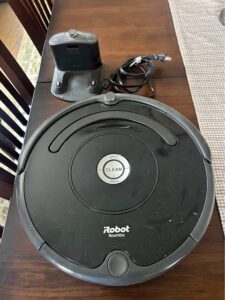
Robot vacuum cleaners have evolved from novelty gadgets into practical household appliances that can genuinely reduce the amount of time spent cleaning. The iRobot Roomba 505X enters a market filled with capable competitors, where buyers expect more than just automatic vacuuming. Today’s robot vacuums are judged on their navigation, cleaning performance, ease of maintenance, smart features, and overall reliability.
After spending considerable time evaluating the Roomba 505X across a variety of floor types and household conditions, it becomes clear that this model aims to balance convenience with dependable day-to-day cleaning rather than chasing flashy specifications. While it isn’t perfect, it succeeds in many of the areas that matter most to homeowners.
Rather than focusing solely on laboratory measurements or marketing claims, this review looks at how the Roomba 505X performs in everyday use. Does it save time? Can it be trusted to clean consistently? Is it suitable for homes with pets? And perhaps most importantly, does it offer enough value to justify its price?
If you click the button above you will be redirected to Amazon.com. In case you then decide to buy anything, Amazon.com will pay me a commission. This doesn’t affect the honesty of this review in any way though.
Design & Build Quality
The design of a robot vacuum plays a much larger role than simply determining how attractive it looks sitting on its charging dock. Every curve, sensor placement, wheel design, and material choice has a direct impact on how effectively the machine cleans, how well it holds up over time, and how pleasant it is to live with on a daily basis. While many manufacturers have started experimenting with increasingly complex designs, the iRobot Roomba 505X follows a more practical philosophy. Instead of trying to stand out through dramatic styling, it focuses on creating a machine that feels durable, functional, and capable of handling the everyday knocks and bumps that are inevitable during autonomous cleaning.
At first glance, the Roomba 505X has the familiar circular profile that has become synonymous with robot vacuum cleaners. This shape remains popular for a reason. A circular body allows the robot to rotate smoothly when navigating around obstacles, reducing the chances of sharp corners becoming caught on furniture or walls. Although a D-shaped design can sometimes offer better edge cleaning, the traditional round chassis generally provides greater maneuverability in cluttered environments, and the Roomba 505X takes full advantage of this characteristic.
The overall dimensions strike a sensible balance between accessibility and stability. The robot is low enough to travel beneath many sofas, coffee tables, entertainment units, beds, and cabinets, allowing it to clean areas that are often neglected during routine vacuuming. In many households, these hidden spaces become magnets for dust, pet hair, and allergens simply because they are inconvenient to reach with an upright vacuum cleaner. The relatively slim profile of the Roomba 505X allows it to tackle these locations with little effort, reducing the amount of manual cleaning required later.
Despite its compact appearance, the vacuum feels reassuringly solid when picked up. There is very little flex in the main body, and the housing feels well assembled without noticeable creaks or loose panels. That may sound like a minor detail, but robot vacuums inevitably experience repeated impacts throughout their lifespan. They gently bump into chair legs, walls, cabinets, and table bases hundreds, if not thousands, of times over the course of several years. A machine that feels flimsy from the outset rarely inspires confidence that it will withstand this kind of repetitive use. The Roomba 505X gives the impression that it has been engineered with these daily encounters in mind.
Material selection also contributes to this impression of durability. The outer shell feels sufficiently thick to resist scratches and minor scuffs that naturally occur during operation. While no glossy plastic finish remains pristine forever, the surface appears capable of maintaining its appearance reasonably well under normal household conditions. Fingerprints and dust are more visible on darker finishes, but this is largely a cosmetic issue rather than a flaw in the construction itself.
The front bumper deserves particular attention because it serves as the robot’s primary point of contact with obstacles. It has enough travel to absorb gentle impacts without transmitting unnecessary force into the body of the vacuum. During everyday cleaning, the robot occasionally taps furniture before adjusting its path, but these contacts feel controlled rather than aggressive. Instead of slamming into objects at full speed, the bumper helps cushion the impact, reducing the likelihood of damage to both the vacuum and household furniture.
One aspect that stands out during prolonged use is the overall rigidity of the chassis. Twisting forces generated by climbing over thresholds, transitioning between different flooring materials, or crossing uneven surfaces do not appear to introduce unwanted flex into the body. This rigidity helps maintain proper alignment between the wheels, brushes, and internal components, potentially contributing to better long-term reliability.
The wheel design is another area where thoughtful engineering becomes apparent. The primary drive wheels provide enough grip to maintain traction across a variety of common household surfaces, including hardwood flooring, laminate, vinyl, ceramic tile, and low-pile carpets. Their suspension allows the robot to adapt reasonably well to minor changes in floor height without becoming unstable or losing forward momentum.
Transitions between rooms are often an overlooked challenge for robot vacuums. Small door thresholds, expansion joints, and area rugs can interrupt cleaning if the wheels lack sufficient traction or suspension travel. The Roomba 505X generally handles these transitions competently, climbing over modest obstacles without requiring manual assistance. Larger thresholds may still present difficulties, but within the limits expected of a robot vacuum, its mobility remains dependable.
The front caster wheel also contributes to smooth movement. It rotates freely while allowing the robot to pivot efficiently during navigation. Over time, caster wheels inevitably collect dust, hair, and thread, making periodic cleaning necessary. Fortunately, the design allows relatively straightforward access for maintenance, which helps preserve smooth movement throughout the vacuum’s lifespan.
Attention has also been given to the placement of the cleaning components underneath the robot. The main brush assembly sits in a position that maximizes contact with the floor while remaining protected from accidental damage. The side brush extends slightly beyond the circular body, allowing it to sweep debris inward toward the primary suction path. This arrangement is particularly useful when cleaning along walls or around furniture legs where loose dust tends to accumulate.
Although no circular robot vacuum completely solves the challenge of cleaning tight corners, the placement of the side brush improves overall coverage compared to relying solely on central suction. Its flexible bristles help gather debris from edges before directing it underneath the main cleaning system.
The dustbin integrates neatly into the overall body rather than feeling like an afterthought. Removing it requires little effort, and the release mechanism feels secure without being overly stiff. A well-designed dustbin is more important than many buyers initially realize because it is one of the components handled most frequently. If removal requires awkward force or uncomfortable positioning, daily maintenance quickly becomes frustrating. Fortunately, the Roomba 505X keeps this process relatively simple.
Equally important is how accessible the consumable components are. Filters, brushes, and rollers all require periodic cleaning or replacement, and complicated access panels can significantly reduce the willingness of owners to perform routine maintenance. The layout here appears designed with regular servicing in mind, minimizing unnecessary disassembly and allowing users to reach commonly maintained components without specialized tools.
Weight is another practical consideration. While robot vacuums spend most of their time moving independently, there are occasions when they need to be carried between floors, repositioned after becoming stuck, or moved for storage. The Roomba 505X remains light enough to lift comfortably with one hand, yet heavy enough to feel planted during operation. That balance contributes to an overall impression of quality, avoiding the extremes of feeling either excessively bulky or surprisingly lightweight.
The charging dock follows the same functional design philosophy as the vacuum itself. Its compact footprint allows it to fit comfortably against a wall without occupying excessive floor space. The robot aligns with the dock confidently, and the charging contacts appear robust enough to withstand repeated docking cycles over many years. Good dock design is often overlooked until a robot struggles to reconnect reliably, but that does not appear to be a significant concern here.
Another positive aspect of the overall design is that nothing feels unnecessarily complicated. Some modern robot vacuums attempt to distinguish themselves with elaborate external mechanisms, multiple protruding sensors, or decorative design elements that add visual complexity without improving functionality. The Roomba 505X instead presents a clean, purposeful appearance where every visible component seems to serve a practical role.
From an ownership perspective, this restrained approach has advantages. Fewer exposed components generally mean fewer opportunities for accidental damage during daily use. It also makes the robot easier to wipe clean, as there are fewer awkward recesses where dust can accumulate.
After extended use, the Roomba 505X continues to leave the impression of a product built with longevity in mind. The body feels capable of handling years of regular cleaning, the wheels inspire confidence on a variety of surfaces, and the moving parts appear designed for repeated operation rather than occasional use. While aesthetics are ultimately subjective, the overall construction emphasizes reliability over visual flair, and that is arguably the right priority for an appliance intended to clean floors several times a week.
Taken as a whole, the design and build quality successfully support the vacuum’s primary purpose. It feels durable without being unnecessarily heavy, compact without sacrificing stability, and practical without appearing overly utilitarian. Although there is always room for refinement, particularly in reaching tight corners and negotiating unusually tall obstacles, the Roomba 505X delivers a level of construction that feels appropriate for a robot vacuum designed to become a dependable part of everyday household cleaning rather than simply another gadget.
Navigation Intelligence & Mapping
Navigation is arguably the single most important feature of any modern robot vacuum cleaner. No matter how powerful the suction motor or how effective the brush system may be, the machine still has to reach dirt before it can remove it. A robot that constantly misses rooms, becomes trapped under furniture, or repeatedly cleans the same area while ignoring others quickly becomes more of an inconvenience than a helpful household appliance. The iRobot Roomba 505X places a strong emphasis on dependable navigation, aiming to clean an entire home efficiently while minimizing unnecessary movements and interruptions.
One of the first things that becomes apparent during everyday use is that the Roomba 505X approaches cleaning in a much more deliberate manner than older generations of robot vacuums. Early robotic cleaners often relied on relatively random movement patterns, bouncing from obstacle to obstacle until they eventually covered most of a room. While this approach could eventually produce acceptable cleaning results, it was inefficient, consumed additional battery power, and often left users wondering whether every area had actually been cleaned.
The Roomba 505X feels considerably more organized in its approach. Instead of wandering aimlessly, it generally follows logical cleaning paths that maximize floor coverage while reducing excessive overlap. This immediately creates the impression of a machine that understands where it has already cleaned and where it still needs to go. The resulting cleaning cycle appears smoother, more predictable, and ultimately more efficient.
In open spaces, this organized movement becomes particularly noticeable. Large living rooms, dining rooms, or open-plan kitchens allow the robot to maintain long, uninterrupted cleaning passes. Watching the vacuum work in these environments gives confidence that it is systematically covering the available floor space rather than relying on chance. Straight cleaning lines help reduce wasted movement and contribute to shorter overall cleaning times.
Of course, very few homes consist entirely of wide-open spaces. Most households contain dining tables, chairs, sofas, coffee tables, bookshelves, floor lamps, and countless other obstacles that force the robot to constantly adapt its route. This is where navigation intelligence becomes much more important than simple movement.
The Roomba 505X handles furnished rooms with a good level of composure. As it approaches furniture, it adjusts its direction smoothly without appearing confused or hesitant. Chair legs, which often present one of the most difficult navigation challenges due to their narrow spacing, are negotiated reasonably well. The robot may spend additional time maneuvering through clusters of dining chairs, but it generally succeeds in cleaning beneath the table rather than abandoning the area altogether.
This ability to work around furniture contributes significantly to real-world cleaning performance. Many robot vacuums perform impressively in empty demonstration rooms but struggle considerably once everyday household furniture is introduced. The Roomba 505X demonstrates enough adaptability to remain useful in realistic home environments rather than only under ideal conditions.
Its obstacle detection also appears well balanced. The vacuum slows appropriately as it approaches walls and furniture, reducing unnecessary impacts while still maintaining steady progress. Gentle contact with the bumper occasionally occurs, but these interactions are typically controlled rather than forceful. Instead of repeatedly crashing into the same object, the robot quickly reassesses its route and continues cleaning.
Furniture with unusual shapes inevitably presents greater challenges. Curved chair bases, decorative table legs, and low furniture with irregular supports occasionally require multiple attempts before the robot successfully navigates around them. Even so, the Roomba 505X usually manages to free itself without requiring user intervention.
One area where navigation continues to depend partly on household preparation is floor clutter. Robot vacuums, regardless of manufacturer, perform best when obvious obstacles have been removed beforehand. Loose charging cables, children’s toys, socks, shoelaces, shopping bags, and lightweight clothing remain common sources of navigation problems.
The Roomba 505X is no exception. While it can avoid many larger obstacles, smaller objects lying flat on the floor may still become tangled in the brushes or block the robot’s movement. Spending just a few minutes tidying before a scheduled cleaning session dramatically improves both efficiency and reliability.
This preparation becomes less burdensome over time because users naturally adapt their routines. Once you become accustomed to owning a robot vacuum, keeping floors relatively clear quickly becomes second nature. The reward is a machine that can clean with minimal supervision.
Room transitions are another important aspect of navigation that often receives less attention than mapping itself. Many homes contain small thresholds separating different rooms or flooring materials. Laminate may transition into tile, hardwood into carpet, or one room may have a slightly raised doorway.
The Roomba 505X generally crosses these transitions confidently provided the height difference remains within reasonable limits. The suspension built into the drive wheels allows the robot to maintain traction while climbing modest thresholds without becoming stuck. This ability helps ensure that multiple connected rooms can be cleaned during a single session without constant manual assistance.
Area rugs present a similar challenge. Lightweight rugs with curled edges can sometimes interfere with any robot vacuum, particularly if loose corners become caught underneath the machine. Heavier rugs remain much less problematic, and the Roomba 505X transitions between hard flooring and low-pile rugs with relatively little hesitation.
Another strength of the navigation system is its ability to work around walls and room boundaries. The robot consistently follows perimeter edges during portions of its cleaning cycle, allowing the side brush to sweep loose debris inward toward the suction path. Since dust naturally accumulates along skirting boards and beneath furniture edges, this behavior contributes meaningfully to overall cleaning effectiveness.
That said, no circular robot vacuum completely solves the challenge of cleaning perfect ninety-degree corners. The round body physically prevents the machine from reaching fully into square corners, leaving tiny pockets of dust that may occasionally require manual attention. This limitation is shared by nearly every robot vacuum using a circular chassis rather than representing a specific weakness of the Roomba 505X.
Navigation also benefits from effective staircase detection. Multi-level homes require reliable cliff sensors capable of recognizing sudden drops before the robot reaches the edge. Throughout normal operation, the Roomba 505X demonstrates appropriate caution around staircases, elevated landings, and similar hazards. This allows owners to operate the vacuum upstairs without constantly worrying about accidental falls.
Dark flooring occasionally presents challenges for some robot vacuums because highly reflective or very dark surfaces can interfere with certain optical sensors. In practice, the Roomba 505X appears capable of handling most common flooring materials without significant navigation issues, although particularly unusual surface finishes may still affect performance depending on lighting conditions.
Lighting itself plays an interesting role in navigation. While modern robot vacuums are generally designed to operate both during the day and at night, consistent lighting conditions can improve sensor performance in some environments. Fortunately, the Roomba 505X remains usable regardless of whether cleaning takes place while the household is occupied during daylight hours or automatically overnight.
The mapping process also contributes to the overall user experience. Rather than treating every cleaning session as an entirely new task, a capable robot vacuum should build familiarity with the home over time. This allows future cleaning sessions to begin more efficiently, with fewer unnecessary detours and less repeated exploration.
In everyday use, the Roomba 505X demonstrates increasing confidence as it becomes more familiar with its surroundings. Areas that initially require careful exploration are approached more directly during subsequent cleaning sessions, reducing total cleaning time while maintaining thorough floor coverage.
Changes within the home naturally require occasional adjustments. Moving furniture, adding rugs, or rearranging rooms means the robot must adapt to a modified layout. Fortunately, the navigation system appears sufficiently flexible to accommodate these changes without becoming permanently confused or requiring extensive reconfiguration.
One practical advantage of intelligent navigation is battery management. Efficient movement means less energy wasted revisiting already-cleaned areas. Instead of driving in unnecessary circles, the robot can dedicate more of its battery capacity to productive cleaning. This becomes particularly valuable in larger homes where every minute of runtime matters.
Another noticeable benefit is consistency. With less efficient navigation systems, users may occasionally discover visibly dirty areas that the robot somehow missed entirely. The more organized movement of the Roomba 505X reduces the likelihood of these omissions, helping maintain cleaner floors across the entire home rather than concentrating cleaning effort in only certain locations.
There are still situations where navigation can be challenged. Highly cluttered rooms, dense collections of chair legs, pet toys scattered across the floor, or unusually narrow passages naturally increase the complexity of autonomous cleaning. In these environments, the robot may require additional time to complete its work or revisit certain areas more than once before achieving satisfactory coverage.
Similarly, homes with numerous decorative items placed directly on the floor may reduce cleaning efficiency. While the robot generally avoids larger obstacles, extensive floor-level decoration inevitably limits accessible cleaning space.
Despite these limitations, the Roomba 505X succeeds in making autonomous cleaning feel dependable rather than unpredictable. Most cleaning sessions complete without requiring intervention, and the robot generally finds practical solutions when faced with typical household obstacles. Instead of constantly needing to rescue the vacuum from difficult situations, owners are far more likely to simply let it work while focusing on other tasks.
Ultimately, the navigation intelligence of the Roomba 505X supports its role as a maintenance cleaning appliance exceptionally well. Its organized movement, confident obstacle handling, reliable room transitions, effective edge following, and sensible coverage patterns combine to create a robot that spends more time cleaning and less time wandering. While no robot vacuum completely eliminates the challenges posed by cluttered homes or complex room layouts, the Roomba 505X demonstrates enough intelligence and consistency to inspire confidence that, once started, it will quietly and methodically work its way through the home with remarkably little supervision.
Vacuuming Performance
Ultimately, every robot vacuum cleaner succeeds or fails based on one simple question: how well does it clean the floor? Features such as intelligent navigation, mobile apps, voice control, and automated scheduling all contribute to the ownership experience, but they become far less important if dirt, dust, and debris remain behind after each cleaning cycle. Fortunately, the iRobot Roomba 505X delivers a cleaning performance that is well suited to its intended role as a maintenance vacuum. Rather than attempting to replace a powerful upright vacuum cleaner for every cleaning task, it focuses on keeping floors consistently clean through regular, automated operation.
One of the biggest strengths of the Roomba 505X is its consistency. Instead of allowing dirt to accumulate over several days or weeks before tackling it during a lengthy cleaning session, the robot encourages a completely different approach to home maintenance. By cleaning frequently, it prevents everyday debris from building up in the first place. This means the machine often works with relatively small amounts of dust, crumbs, and pet hair rather than dealing with heavily soiled floors, making it much more effective in daily use.
On hard flooring, the Roomba 505X performs particularly well. Hardwood, laminate, luxury vinyl, ceramic tile, and stone floors all benefit from regular cleaning, and the robot demonstrates a strong ability to collect the kinds of debris commonly found in busy households. Fine dust, sand brought in from outdoors, breadcrumbs, cereal, dried leaves, pet fur, and everyday dirt are removed effectively during routine cleaning sessions.
Fine dust is often one of the most difficult types of debris to judge because it is not always immediately visible. Even when floors appear clean, a surprising amount of microscopic dust can accumulate over the course of a single day, especially in homes with children or pets. During testing, the Roomba 505X consistently collected visible amounts of fine dust even after floors appeared relatively clean to the naked eye. This reinforces one of the primary advantages of automated cleaning: maintaining a consistently cleaner living environment rather than reacting only when dirt becomes obvious.
Larger debris is handled confidently as well. Crumbs left beneath a dining table after meals, dry food spilled in the kitchen, cereal scattered by children, and similar household messes are generally picked up without difficulty. The combination of the side brush and central cleaning system works together to guide loose debris underneath the vacuum before it is collected.
The side brush deserves particular recognition because it contributes more to cleaning performance than many buyers initially realize. Positioned slightly beyond the circular body, it sweeps dirt away from walls, skirting boards, furniture legs, and other edges that the main suction path cannot directly reach. Without this component, much of the debris located along room boundaries would remain untouched.
Although the side brush performs its role effectively, expectations should remain realistic. Circular robot vacuums cannot physically reach every sharp interior corner due to the shape of their chassis. Tiny pockets of dust may occasionally remain in corners where two walls meet, especially if the debris has compacted over time. Fortunately, these missed areas are generally small enough that they require only occasional attention during manual deep cleaning.
Hard floors also benefit from the robot’s ability to move freely without the resistance created by carpet fibers. This allows the cleaning system to maintain close contact with the floor while efficiently lifting loose debris. As a result, everyday cleaning on hard surfaces feels dependable and consistent from one cleaning session to the next.
Carpets present a different challenge altogether. Unlike hard flooring, where dirt sits exposed on the surface, carpet fibers trap debris beneath the pile, requiring more mechanical agitation and stronger airflow to remove embedded particles. This is where the limitations of any robot vacuum become more apparent.
On low-pile carpets, the Roomba 505X performs well during routine maintenance cleaning. Dust, hair, lint, crumbs, and loose dirt are removed effectively, helping carpets retain a cleaner appearance between more intensive cleaning sessions. Areas such as bedrooms, home offices, and living rooms with standard low-pile carpeting benefit noticeably from regular automated vacuuming.
Medium-pile carpets naturally require more effort. The robot continues to collect surface debris successfully, but deeply embedded dirt that has accumulated over extended periods is more difficult to remove completely. This should not necessarily be viewed as a criticism of the Roomba 505X specifically, but rather as a limitation shared by virtually all robot vacuums when compared with full-sized upright machines.
Deep-pile carpets and thick rugs remain the most demanding surfaces. The increased resistance created by longer carpet fibers reduces the effectiveness of both the brushes and suction system. While the robot still contributes to keeping these areas cleaner through frequent maintenance, homeowners with extensive plush carpeting should continue using a conventional upright vacuum periodically for thorough deep cleaning.
One area where regular operation significantly improves perceived performance is pet hair removal. Pet owners know that fur rarely accumulates evenly across the floor. Instead, it gathers beneath furniture, along walls, under dining tables, and in room corners where air currents naturally push loose hair. Left unattended for several days, these collections can become surprisingly substantial.
The Roomba 505X excels at preventing this gradual buildup. Daily or scheduled cleaning removes fresh pet hair before it has an opportunity to accumulate into larger clumps. Rather than producing dramatic before-and-after transformations once a week, the robot quietly maintains consistently cleaner floors every day.
Long hair presents another challenge for many vacuum cleaners. Hair inevitably wraps around rotating brush rollers, reducing cleaning efficiency over time. While the Roomba 505X does collect long hair effectively from the floor, owners should expect to perform routine brush cleaning to remove tangled strands. This maintenance requirement is common among virtually all vacuum cleaners equipped with rotating brushes and should be viewed as a normal part of ownership rather than a design flaw.
The vacuum also performs well in homes with mixed flooring. Modern homes frequently combine hardwood flooring in living areas with tile in kitchens and bathrooms, along with carpeted bedrooms. The Roomba 505X transitions between these different surfaces with minimal interruption, allowing it to clean multiple flooring types during a single session without requiring manual adjustments.
Cleaning around furniture represents another important aspect of real-world performance. Open floor areas are relatively easy for any vacuum cleaner to manage, but much of the dirt in a typical home collects around table legs, beneath chairs, beside sofas, and underneath cabinets. The Roomba 505X navigates these obstacles with enough precision to provide useful cleaning coverage in areas that many homeowners would otherwise overlook.
Under-furniture cleaning is one of its most valuable strengths. Beds, sofas, entertainment units, and sideboards often have just enough clearance for the robot to pass underneath. These locations tend to collect significant amounts of dust because they are difficult to access with conventional vacuum cleaners. The Roomba 505X turns these previously neglected spaces into routinely cleaned areas, reducing overall dust accumulation throughout the home.
Performance along walls is similarly impressive thanks to the coordinated action of the side brush and the vacuum’s navigation pattern. Rather than simply driving through the center of each room, the robot deliberately follows perimeter edges, ensuring that debris gathered against skirting boards is regularly collected.
Of course, there are certain messes that fall outside the intended capabilities of a robot vacuum. Large piles of construction debris, broken glass, wet spills, excessive quantities of flour, fireplace ash, or heavy garden soil are better handled manually. Robot vacuums are designed for everyday household maintenance, not emergency cleanup after major accidents or renovation projects.
The frequency of cleaning also influences overall performance. Running the Roomba 505X every day typically produces much better long-term results than operating it only once each week. Daily cleaning prevents dirt from becoming compacted into carpets, reduces visible dust accumulation, and minimizes the amount of debris introduced into other areas of the home.
Another benefit of frequent operation is improved indoor cleanliness overall. By regularly removing dust before it circulates throughout the home, the vacuum contributes to maintaining cleaner surfaces beyond just the floor. Shelves, furniture, and electronics may require less frequent dusting simply because less airborne dust is generated from foot traffic across dirty floors.
Dustbin capacity inevitably influences uninterrupted cleaning performance. In homes with heavy shedding pets or unusually dusty environments, the dustbin may fill before an entire cleaning cycle has been completed. Emptying it regularly ensures that suction performance remains consistent and prevents collected debris from restricting airflow.
Similarly, routine maintenance plays a significant role in preserving cleaning performance over time. Clean filters, untangled brushes, and unobstructed airflow allow the vacuum to continue performing at its best. Neglecting these basic maintenance tasks gradually reduces efficiency regardless of the vacuum’s underlying capabilities.
Perhaps the most important aspect of the Roomba 505X’s vacuuming performance is that it changes the way people think about floor cleaning. Instead of waiting until visible dirt appears before bringing out a heavy upright vacuum, homeowners become accustomed to consistently clean floors with very little effort. Walking barefoot across hard flooring becomes noticeably more pleasant, pet hair is far less noticeable, and everyday debris rarely has the opportunity to accumulate.
Viewed purely as a replacement for a premium upright vacuum cleaner, the Roomba 505X naturally has limitations. It cannot match the raw suction power, deep carpet agitation, or intensive cleaning ability of a full-sized machine during occasional deep-cleaning sessions. However, that comparison overlooks the robot’s greatest advantage: it cleans automatically, consistently, and far more frequently than most people would vacuum manually.
For everyday maintenance, the Roomba 505X proves itself to be an effective and dependable cleaner. It handles hard floors with confidence, performs well on low- and medium-pile carpets, excels at controlling pet hair and household dust, and significantly reduces the amount of manual vacuuming required to maintain a clean home. While periodic deep cleaning remains advisable for carpets and hard-to-reach corners, the vacuum delivers exactly what most homeowners want from a robot cleaner: consistently tidy floors with minimal effort and dependable results day after day.
Mopping Capability
For many buyers, the addition of a mopping function transforms a robot vacuum from a simple maintenance appliance into a more comprehensive floor-care solution. The idea of having a single machine that vacuums and mops with minimal user intervention is undoubtedly appealing, especially in busy households where keeping hard floors clean can become a daily chore. The iRobot Roomba 505X approaches mopping with this philosophy in mind, offering a feature designed to complement its vacuuming performance rather than completely replace traditional manual mopping.
It is important to establish realistic expectations from the outset. Robot mops, regardless of brand or price, generally excel at maintaining already clean floors rather than restoring heavily soiled ones. The Roomba 505X follows this pattern. Its mopping system works best when integrated into a regular cleaning routine where dust, crumbs, and loose debris are removed before the mop begins its work. Under these conditions, the robot is capable of keeping hard floors looking fresh and noticeably cleaner throughout the week.
The overall concept is simple but effective. After vacuuming removes loose dirt from the floor, the mop addresses the finer layer of dust, light footprints, and surface residue that often remains behind. This combination creates a noticeably cleaner finish than vacuuming alone and helps preserve the appearance of hard flooring over longer periods.
One of the greatest advantages of automated mopping is consistency. Many homeowners only perform traditional wet mopping every few weeks because it requires time, effort, and preparation. During the time between cleaning sessions, floors gradually accumulate dust, dried footprints, kitchen residue, and other light contamination that slowly dulls their appearance.
With the Roomba 505X, mopping can become a routine activity rather than an occasional project. Running the robot several times each week prevents this gradual buildup from occurring, allowing floors to maintain a cleaner appearance with relatively little effort from the owner.
Hardwood flooring benefits particularly well from regular maintenance mopping, provided appropriate cleaning solutions and moisture levels are used. Instead of allowing dust to settle into visible layers, the mop removes fine particles before they become noticeable. The result is a floor that looks consistently maintained rather than cycling between visibly clean and obviously dirty.
Laminate flooring produces similarly satisfying results. Light shoe prints, everyday household dust, and small dried marks are gradually removed through repeated cleaning sessions. Since laminate often highlights footprints under bright lighting, regular mopping helps maintain a more polished appearance throughout the home.
Luxury vinyl flooring also responds well to routine automated mopping. This increasingly popular flooring material tends to reveal dust and fine debris quickly, particularly in darker finishes. The Roomba 505X keeps these surfaces looking noticeably cleaner through frequent maintenance rather than intensive scrubbing.
Ceramic tile is another area where automated mopping proves genuinely useful. Kitchens, bathrooms, utility rooms, and entranceways frequently experience higher levels of dirt due to cooking, outdoor foot traffic, and moisture. Regular mopping prevents these areas from developing the sticky film that gradually forms when small spills and dust accumulate together.
Stone flooring benefits in much the same way. While textured surfaces may occasionally require more intensive manual cleaning to remove dirt trapped within natural grooves, the robot effectively removes loose surface residue before it becomes compacted into the floor’s texture.
The effectiveness of the mopping system depends heavily on proper preparation. Perhaps the single most important factor is ensuring that the floor has already been vacuumed. Loose debris left on the floor before mopping can interfere with cleaning performance by becoming trapped beneath the mop pad. Rather than lifting dirt away, the pad may simply push larger particles across the floor.
Fortunately, this issue is largely avoided when vacuuming and mopping are performed together as part of the same cleaning routine. Once dust and larger debris have been removed, the mop can concentrate on lifting the finer particles and light surface stains that remain behind.
Water distribution also plays an important role in mopping performance. Too little moisture reduces cleaning effectiveness, while excessive water can leave streaks, create slippery surfaces, or potentially damage moisture-sensitive flooring over time. The Roomba 505X aims for a balanced approach, applying enough moisture to clean effectively without saturating the floor unnecessarily.
During routine operation, the floor is left slightly damp rather than wet, allowing it to dry relatively quickly after the robot completes its cleaning cycle. This makes it practical to schedule cleaning while away from home, with the floors typically ready for normal use upon returning.
One pleasant aspect of automated mopping is how effectively it handles everyday footprints. Hallways, kitchens, and entryways often develop visible shoe prints, particularly in households with children or pets. While these marks rarely justify a full manual mopping session on their own, they can gradually make otherwise clean floors appear neglected.
The Roomba 505X quietly removes these light marks during its regular cleaning routine, helping maintain a consistently tidy appearance throughout high-traffic areas. Over time, this ongoing maintenance contributes more to the overall cleanliness of the home than one might initially expect.
The robot also performs well when dealing with recently dried spills. Small splashes of juice, coffee drips, water spots, or light food residue are generally handled without difficulty, provided they have not hardened excessively. These are precisely the kinds of everyday messes that frequently occur in busy households and often remain unnoticed until they have dried completely.
However, there are clear limitations that should be acknowledged. Sticky substances that have dried over several days, greasy kitchen residue, or heavily soiled patches exceed the intended capabilities of a maintenance mop. While repeated cleaning sessions may gradually reduce these stains, manual scrubbing remains the faster and more effective solution.
Similarly, mud tracked indoors during wet weather presents a greater challenge. Fresh mud is best allowed to dry before vacuuming, while dried mud that has adhered firmly to textured flooring often requires manual cleaning for complete removal.
Kitchen floors deserve special mention because they represent one of the most demanding environments for any mopping system. Cooking oils, tiny food particles, beverage spills, and heavy foot traffic combine to create stubborn residues that gradually build up around cooking areas.
The Roomba 505X helps reduce this accumulation through frequent maintenance. While it cannot replace periodic deep kitchen cleaning, it significantly extends the time between manual mopping sessions by preventing everyday grime from becoming firmly established.
Bathroom floors also benefit from automated mopping. Water droplets, dust, hair, and cosmetic residue frequently collect around sinks and vanities. Regular mopping helps control these everyday contaminants before they become more difficult to remove.
Another practical advantage is odor control. Although the mop itself is not designed specifically to eliminate odors, regular removal of dust, pet footprints, and dried residues contributes to a fresher-smelling home over time. This becomes particularly noticeable in households with pets, where repeated cleaning helps minimize the gradual buildup of dirt brought indoors.
The mop pad itself is an important component of overall performance. Like any cleaning cloth, it gradually accumulates dirt during operation. Washing or replacing the pad regularly ensures that it continues lifting dirt effectively rather than simply redistributing previously collected residue. Fortunately, routine maintenance of the pad is straightforward and quickly becomes part of the normal ownership routine.
Cleaning frequency has a surprisingly significant effect on mopping results. Running the mop once every two or three weeks naturally requires it to tackle a much heavier layer of dirt. Operating it several times per week, by contrast, means each session deals with only a light amount of residue. This not only improves cleaning performance but also places less strain on the entire system.
Scheduling therefore becomes one of the most valuable features associated with automated mopping. Instead of waiting until floors visibly require cleaning, the robot quietly performs regular maintenance while the homeowner focuses on other activities. This shift from reactive cleaning to preventive cleaning fundamentally changes how clean the home feels on a day-to-day basis.
Homes with children are likely to appreciate this benefit even more. Young children inevitably spill drinks, scatter crumbs, and track dirt between rooms. While no robot can instantly eliminate every mess, the Roomba 505X helps prevent minor daily accidents from accumulating into larger cleaning tasks.
Pet owners similarly benefit from regular mopping. Paw prints, small traces of outdoor dirt, and fine pet hair residue that remain after vacuuming are gradually removed from hard floors. During rainy weather, this continuous maintenance becomes particularly valuable, reducing the frequency with which owners feel compelled to manually mop the entire house.
Noise during mopping remains similar to normal vacuuming operation, meaning the robot can clean without creating significant disruption. Since the mopping process itself introduces little additional mechanical noise, scheduling combined vacuuming and mopping sessions during daytime hours rarely becomes intrusive.
One subtle but meaningful benefit of regular mopping is the visual improvement it provides under natural light. Floors exposed to sunlight often reveal fine dust films and footprints that remain invisible under artificial lighting. Frequent mopping keeps these surfaces looking cleaner throughout the day, contributing to the overall impression of a well-maintained home.
Perhaps the most important aspect of the Roomba 505X’s mopping capability is understanding its intended role. It is not designed to replace intensive manual floor washing after renovation work, muddy outdoor activities, or major household accidents. Instead, it functions as a preventive maintenance tool that continuously preserves cleanliness between those occasional deep-cleaning sessions.
Viewed through that lens, the system performs exactly as intended. It keeps hard floors consistently fresher, removes everyday dust and light residue, minimizes visible footprints, and significantly reduces how often homeowners need to reach for a traditional mop and bucket. When paired with regular vacuuming, the result is a home that feels cleaner every day rather than one that alternates between spotless after manual cleaning and gradually dirtier as the weeks pass. While manual mopping will always remain necessary for stubborn stains and deep cleaning, the Roomba 505X succeeds in making those occasions far less frequent, and that everyday convenience is ultimately where its mopping capability delivers the greatest value.
Maintenance & Cleaning
One of the biggest selling points of any robot vacuum is convenience. The promise is simple: spend less time cleaning your home by letting the robot handle much of the work. However, this convenience does not mean the machine is completely maintenance-free. Like every vacuum cleaner, whether upright, cordless, canister, or robotic, the iRobot Roomba 505X requires regular care to continue operating at its best. Fortunately, the maintenance involved is neither complicated nor particularly time-consuming, and the vacuum has clearly been designed with routine servicing in mind.
The first thing prospective buyers should understand is that robot vacuums exchange occasional intensive cleaning for frequent, lightweight maintenance. Instead of pulling out a heavy vacuum once or twice a week, users spend a few minutes every so often emptying the dustbin, checking the brushes, cleaning the filters, and wiping down the sensors. Once this routine becomes familiar, it quickly feels like a small trade-off for having consistently clean floors every day.
Perhaps the maintenance task owners perform most frequently is emptying the dustbin. Since robot vacuums are considerably smaller than traditional upright vacuums, their internal dust containers naturally hold less debris. This is simply a consequence of the compact design. The Roomba 505X integrates its dustbin neatly into the body, allowing it to be removed without excessive force or awkward handling.
The release mechanism feels secure while remaining easy to operate. Once removed, the dustbin can be emptied directly into a household rubbish bin with minimal mess. Dry household dust, pet hair, crumbs, and general debris typically fall out easily, although finer dust may occasionally cling to the inside of the container due to static electricity. This is common among vacuum cleaners and is not unique to the Roomba 505X.
How frequently the dustbin requires emptying depends heavily on the household. Smaller homes occupied by one or two people may only need attention every few cleaning sessions, particularly if the robot runs daily. Larger homes with children, multiple occupants, or shedding pets will naturally fill the dustbin much more quickly.
Pet owners should expect to empty the container more often than average. Dog and cat hair occupies considerable space despite weighing very little, meaning the bin can appear full even when it contains relatively little actual dirt. Fortunately, the process is quick enough that frequent emptying rarely becomes frustrating.
Keeping the dustbin clean also helps maintain airflow. Over time, fine dust can begin coating the interior surfaces, particularly near the air channels leading toward the filter. A quick wipe with a dry cloth or gentle rinse, if appropriate for the dustbin design, helps prevent this gradual buildup and keeps airflow unrestricted.
The filtration system represents another important component requiring periodic attention. Filters capture fine dust particles before they are exhausted back into the room, contributing to cleaner indoor air while also protecting the vacuum’s motor from contamination.
As the filter collects dust, airflow gradually decreases. This reduction is often so gradual that owners may not immediately notice declining cleaning performance. Regular inspection and cleaning therefore become essential for maintaining consistent suction.
Fortunately, accessing the filter is straightforward. Once the dustbin has been removed, the filter can usually be reached without complicated disassembly. Lightly tapping accumulated dust into a rubbish bin or using an appropriate cleaning method restores much of its original airflow. Eventually, however, every filter reaches the point where replacement becomes necessary.
Replacing filters at appropriate intervals helps preserve cleaning efficiency while reducing strain on the motor. Attempting to extend filter life indefinitely often proves counterproductive because restricted airflow forces the vacuum to work harder while delivering poorer cleaning performance.
The main brush assembly deserves equally regular attention. Rotating brushes perform the demanding task of lifting dirt, dust, hair, and debris from the floor during every cleaning session. Unsurprisingly, they gradually accumulate tangled material, particularly in households with long-haired occupants or pets.
Hair wrapping around brush rollers is an unavoidable reality for virtually every vacuum cleaner equipped with rotating brushes. The Roomba 505X is no exception. Long strands gradually wind around the brush until they eventually begin reducing cleaning effectiveness or increasing mechanical resistance.
Fortunately, the brush assembly has been designed for relatively straightforward maintenance. Removing the roller for cleaning requires only a few simple steps, allowing wrapped hair and thread to be cut away or pulled free without excessive difficulty. Owners who perform this task regularly are rewarded with more consistent cleaning performance and smoother brush operation.
Pet owners will likely find themselves cleaning the brushes more frequently. Dogs and cats that shed heavily during seasonal coat changes can produce surprising quantities of hair over only a few days. Rather than allowing hair to accumulate excessively, brief but regular maintenance keeps the cleaning system functioning efficiently.
The side brush also requires occasional inspection. Positioned along the outer edge of the robot, it continually sweeps debris toward the central suction path while making frequent contact with walls, furniture legs, and skirting boards. Over time, hair, thread, and fine fibers can become wrapped around its shaft.
Cleaning the side brush typically takes only a few moments but helps ensure it continues spinning freely. If neglected for extended periods, accumulated material may eventually restrict movement and reduce edge-cleaning effectiveness.
The wheels are another area that benefits from periodic attention. Although often overlooked, they encounter dust, hair, and small fibers during every cleaning cycle. Hair wrapped around wheel axles can gradually increase rolling resistance, making navigation less efficient and potentially placing unnecessary strain on the drive motors.
Fortunately, inspecting the wheels is quick and simple. Removing visible debris from around the axles helps maintain smooth movement while extending the lifespan of the drive system.
The front caster wheel deserves similar attention. Because it rotates freely in all directions, it occasionally collects lint, hair, or fine thread that becomes wound around its axle. If left unchecked, this buildup may reduce maneuverability or create additional friction during navigation.
Sensor maintenance is another important aspect of long-term reliability. Robot vacuums depend on numerous sensors to navigate safely throughout the home, detect obstacles, avoid staircases, and locate their charging dock. These sensors naturally accumulate dust over time, particularly when the robot operates daily.
Fortunately, cleaning them requires little more than a soft, dry microfiber cloth. Wiping away accumulated dust restores optimal sensor performance while helping prevent unnecessary navigation errors. This simple maintenance task requires only a minute or two but contributes significantly to reliable operation.
Charging contacts also deserve occasional inspection. The metal contacts located on both the robot and its charging dock gradually collect fine dust or oxidation through repeated docking cycles. Keeping these surfaces clean helps ensure reliable charging without intermittent connection issues.
The exterior housing benefits from periodic cleaning as well. Dust inevitably settles on the top of the robot during operation, while fingerprints may accumulate around frequently handled areas such as the dustbin release. A quick wipe with a damp cloth restores the vacuum’s appearance and prevents dust from gradually entering ventilation openings.
The underside naturally requires more attention because it remains in direct contact with the floor throughout every cleaning session. Hair, dust, and small fibers occasionally become lodged around the brush housing or wheel wells. Inspecting these areas during routine maintenance helps prevent small accumulations from developing into more significant obstructions.
One particularly positive aspect of the Roomba 505X is that most maintenance tasks require no specialized tools. Basic cleaning can be completed using common household items such as a microfiber cloth, small scissors for cutting tangled hair, or a soft cleaning brush. This simplicity encourages regular maintenance because owners are unlikely to postpone servicing due to complicated procedures.
Maintenance frequency varies considerably depending on individual circumstances. A single person living in a small apartment with hard flooring may only need to perform thorough maintenance every couple of weeks. By contrast, a busy family home with multiple pets, carpets throughout, and heavy daily foot traffic naturally requires more frequent attention.
Environmental conditions also play a role. Homes located near beaches often accumulate fine sand, while rural properties may introduce more dust and organic debris indoors. These conditions increase the amount of material passing through the vacuum, making regular maintenance even more important.
Fortunately, the robot itself often provides subtle indications when maintenance is becoming necessary. Reduced pickup performance, increased brush noise, or more frequent navigation difficulties often signal that brushes, filters, or sensors would benefit from cleaning. Owners quickly learn to recognize these signs before they become serious problems.
Long-term ownership ultimately depends less on how often maintenance is required and more on how easy it is to perform. In this respect, the Roomba 505X leaves a positive impression. Components that require regular attention remain easily accessible, and most servicing tasks can be completed within five to ten minutes. This encourages owners to maintain the vacuum properly instead of delaying maintenance until performance noticeably declines.
Routine care also contributes directly to the longevity of the machine. Clean brushes reduce strain on the drive motors, unobstructed filters preserve airflow, clean sensors improve navigation accuracy, and debris-free wheels maintain smooth movement. Each individual maintenance task may appear minor, but together they significantly influence the vacuum’s long-term reliability and cleaning effectiveness.
Perhaps the greatest compliment that can be paid to the maintenance design of the Roomba 505X is that it quickly becomes routine rather than burdensome. Emptying the dustbin after a cleaning session, removing hair from the brushes every week or two, wiping sensors occasionally, and replacing consumable components when necessary require relatively little effort compared to the amount of manual vacuuming the robot eliminates.
No robot vacuum is entirely self-sufficient, and buyers expecting years of completely maintenance-free operation will inevitably be disappointed. However, those willing to spend a few minutes on regular upkeep are likely to find that the Roomba 505X rewards that small investment with dependable cleaning performance, consistent reliability, and a noticeably cleaner home. In the context of everyday ownership, its maintenance requirements strike an excellent balance between practicality and performance, ensuring that caring for the machine never feels like a chore substantial enough to outweigh the convenience it provides.
Ergonomics & Everyday Usability
The success of a robot vacuum is determined by far more than its cleaning performance alone. Even a machine that delivers excellent suction and thorough floor coverage can become frustrating if it is difficult to set up, awkward to maintain, or constantly demands the owner’s attention. The true value of a robot vacuum lies in how seamlessly it fits into everyday life. It should simplify household cleaning rather than introducing new complications. In this respect, the iRobot Roomba 505X delivers an ownership experience that emphasizes convenience, accessibility, and ease of use.
One of the first things new owners are likely to appreciate is how approachable the vacuum feels from the moment it is removed from the box. Unlike some smart home devices that require lengthy setup procedures before they become operational, robot vacuums are generally expected to begin cleaning with minimal preparation. The Roomba 505X follows this philosophy by presenting a straightforward ownership experience that does not overwhelm users with unnecessary complexity.
The physical controls on the vacuum are designed with simplicity in mind. Essential functions are easy to identify, making it possible to start or stop a cleaning cycle directly from the robot without needing to reach for a smartphone every time. This may seem like a small detail, but it contributes significantly to everyday usability. Not every cleaning session needs advanced scheduling or remote control. Sometimes, you simply want to press a button and let the robot begin working immediately.
The controls themselves provide reassuring tactile feedback, making it clear when commands have been registered. Whether starting a cleaning cycle, sending the robot back to its charging dock, or pausing operation, interactions feel responsive and intuitive rather than requiring repeated button presses.
For users who enjoy smart home integration, companion app functionality can further enhance the experience. Scheduling cleanings, monitoring progress, checking maintenance reminders, and adjusting settings from a mobile device add another layer of convenience. However, one of the strengths of the Roomba 505X is that it does not force users to rely exclusively on app-based controls. Owners who prefer a simpler, more traditional approach can still enjoy the majority of the robot’s functionality without constantly interacting with software.
Scheduling is perhaps the single most transformative feature from an everyday usability perspective. Once a cleaning routine has been established, the robot quietly becomes part of the household’s daily rhythm. Instead of remembering to vacuum every few days, owners simply allow the Roomba 505X to clean automatically at predetermined times.
This seemingly small shift fundamentally changes how people think about household cleaning. Floors remain consistently clean because maintenance happens proactively rather than reactively. Instead of noticing accumulated dust and deciding it is finally time to vacuum, the cleaning has already been completed before the dirt becomes obvious.
For people with busy work schedules, this automation is particularly valuable. Returning home after a long day to freshly vacuumed floors creates a subtle but noticeable improvement in overall comfort. It is one less household responsibility demanding attention during already limited free time.
Families with children also benefit considerably from automated scheduling. Busy households generate a constant stream of crumbs, dust, toy debris, and everyday messes that accumulate surprisingly quickly. Running the robot while everyone is at school or work helps prevent this gradual buildup without requiring additional effort from parents already managing numerous daily responsibilities.
Pet owners experience similar advantages. Rather than watching pet hair gradually spread throughout the home over several days, scheduled cleaning removes fresh fur before it becomes noticeable. This creates the impression of a home that remains consistently maintained rather than cycling between clean immediately after vacuuming and increasingly untidy as the week progresses.
The robot’s compact size also contributes positively to everyday usability. When manual intervention becomes necessary, such as carrying the vacuum between floors or repositioning it after maintenance, the machine remains light enough to lift comfortably. Most people will have little difficulty picking it up with one hand, making transportation around the home straightforward.
This portability becomes especially important in multi-story houses. While some homeowners purchase separate robot vacuums for each floor, many simply move a single unit as needed. The Roomba 505X is manageable enough that carrying it upstairs or downstairs never feels particularly inconvenient.
Storage requirements are minimal. The charging dock occupies relatively little floor space and can usually be positioned against a wall without disrupting normal household traffic. Unlike upright vacuums that require closet space or utility room storage, the robot remains discreetly parked on its dock until needed.
The docking process itself is an often-overlooked aspect of usability. Ideally, a robot vacuum should consistently locate and reconnect with its charging station without requiring manual assistance. Few experiences are more frustrating than discovering a robot stranded halfway across the house because it failed to find its dock after completing a cleaning session.
Fortunately, the Roomba 505X generally returns to its charging station reliably. Watching the robot successfully complete its work and dock independently reinforces the sense that the system genuinely operates with minimal supervision.
Another area where the robot performs well is everyday interaction during cleaning. Life rarely stops simply because the vacuum is operating. People continue walking around the house, preparing meals, working from home, or watching television while the robot completes its cleaning routine.
The Roomba 505X adapts reasonably well to these normal household activities. If someone walks through a room while the robot is cleaning, it simply adjusts its route and continues working rather than becoming confused. Likewise, temporarily moving furniture or opening and closing doors does not generally disrupt the overall cleaning process.
Noise also influences usability in subtle but important ways. A robot vacuum that is excessively loud quickly limits when it can realistically be used. If operating the machine makes conversations difficult or prevents television viewing, owners naturally become more selective about running it.
The Roomba 505X maintains moderate noise levels that remain noticeable without becoming overwhelming. Most people can comfortably continue working, reading, or carrying on conversations while the vacuum operates in another room. This flexibility makes scheduled daytime cleaning much more practical.
Maintenance tasks also affect long-term usability. Emptying the dustbin, cleaning brushes, and replacing filters are unavoidable responsibilities, but the Roomba 505X keeps these procedures relatively straightforward. Components requiring regular attention are easy to access, reducing the likelihood that owners postpone maintenance simply because the process feels inconvenient.
The dustbin release mechanism is intuitive, and removing accumulated debris generally takes only a few moments. Similarly, brush cleaning can be completed without excessive disassembly, encouraging regular upkeep that helps maintain consistent performance.
Another strength of the overall design is that the vacuum rarely demands unnecessary attention during normal operation. Instead of constantly generating alerts or requiring frequent user intervention, it generally completes its cleaning tasks independently. This reliability contributes significantly to overall satisfaction because automation only feels worthwhile when it genuinely reduces the owner’s workload.
The vacuum also fits naturally into a variety of household routines. Some owners may prefer running it early each morning before leaving for work, while others schedule overnight cleaning or operate it during weekends. Its flexibility allows each household to establish routines that best suit their lifestyle rather than forcing users to adapt around the machine.
Homes with elderly occupants may particularly appreciate the reduced physical effort associated with robot vacuum ownership. Traditional vacuuming can involve considerable bending, pushing, lifting, and repetitive movement. While robot vacuums do not eliminate all cleaning responsibilities, they substantially reduce the amount of physical work required to maintain clean floors.
Similarly, individuals with busy professional lives often value the time savings more than any specific cleaning feature. Spending even thirty minutes less each week vacuuming creates additional time for family, hobbies, or relaxation. Over the course of a year, these small savings accumulate into many hours that can be devoted elsewhere.
The learning curve associated with ownership remains refreshingly short. Most users become comfortable operating the Roomba 505X within the first few days. After a week of regular use, interactions such as emptying the dustbin, cleaning brushes, scheduling cleaning sessions, or relocating the robot become entirely routine.
The psychological impact of consistently clean floors should not be underestimated either. Because the robot operates regularly, homeowners gradually stop noticing dust accumulation altogether. Walking barefoot across hard flooring feels more pleasant, pet hair becomes far less visible, and unexpected visitors are less likely to encounter noticeably dirty floors.
Of course, the Roomba 505X is not completely autonomous. Owners still need to perform occasional maintenance, remove floor clutter before cleaning sessions, and carry the robot between floors if necessary. These small responsibilities remain part of the ownership experience. However, compared to traditional manual vacuuming, they represent a significant reduction in both physical effort and time commitment.
One particularly satisfying aspect of everyday use is how the robot quietly integrates into household life. After several weeks, many owners begin thinking of scheduled cleaning much like automatic lighting or programmable thermostats. The technology simply works in the background without demanding constant attention.
Over months of ownership, this reliability becomes one of the robot’s greatest strengths. Instead of being viewed as an exciting new gadget, it evolves into a dependable household appliance that performs its job consistently and predictably. That transition from novelty to necessity is perhaps the strongest indication that the product succeeds in its intended purpose.
Overall, the ergonomics and everyday usability of the iRobot Roomba 505X reflect careful consideration of how people actually live with a robot vacuum rather than merely how they interact with it during demonstrations. The straightforward controls, reliable scheduling, manageable maintenance requirements, compact size, dependable docking, and intuitive operation all contribute to an ownership experience that feels remarkably effortless. While no robot vacuum completely eliminates the need for occasional manual intervention, the Roomba 505X succeeds in making floor cleaning feel less like an ongoing responsibility and more like a task that quietly takes care of itself in the background. That everyday convenience is ultimately one of its greatest strengths and one of the main reasons robot vacuums have become such valuable additions to modern households.
Pet-Friendliness
For many households, one of the primary reasons for purchasing a robot vacuum is not simply to reduce the amount of time spent cleaning but to keep up with the constant mess created by pets. Dogs and cats can introduce an impressive amount of fur, dander, dirt, and debris into a home on a daily basis, regardless of how well groomed they are. Even indoor-only pets shed hair throughout the year, while outdoor pets bring in mud, grass, dust, and tiny stones after every walk. The iRobot Roomba 505X is well suited to addressing these everyday challenges, making it a particularly useful appliance for pet owners who want to maintain cleaner floors with less effort.
One of the biggest advantages of the Roomba 505X in pet-friendly households is not necessarily its ability to remove enormous amounts of fur in a single cleaning session. Instead, its greatest strength lies in preventing pet hair from accumulating in the first place. Rather than waiting until visible tumbleweeds of fur begin collecting along walls or beneath furniture, the robot quietly removes fresh hair every day. This shift from reactive cleaning to preventative maintenance dramatically changes how clean the home feels over time.
Pet owners quickly become familiar with the way fur seems to spread throughout an entire house. Hair collects beneath dining tables, drifts into corners, settles underneath sofas, and becomes trapped along skirting boards. Air movement created by heating, cooling systems, or simply walking through the house constantly redistributes loose hair, allowing it to migrate far from the areas where pets spend most of their time.
Daily automated vacuuming interrupts this process. By collecting hair before it has a chance to circulate throughout the home, the Roomba 505X helps maintain noticeably cleaner floors and reduces the amount of visible pet hair that accumulates between manual cleaning sessions.
This becomes especially valuable during seasonal shedding periods. Many dog and cat breeds shed significantly more hair during certain times of the year, creating cleaning demands that can quickly overwhelm even diligent homeowners. Instead of requiring full-house vacuuming every day, the robot keeps pace with much of the additional fur, making seasonal shedding considerably easier to manage.
Long-haired pets naturally create a greater challenge than short-haired breeds. Large dogs with thick double coats or long-haired cats can release remarkable amounts of fur each week. The Roomba 505X handles this continuous influx surprisingly well, provided owners remain realistic about maintenance requirements.
Hair pickup itself is consistently impressive during routine operation. Loose strands are lifted effectively from hard flooring and low-pile carpets before they have an opportunity to gather into larger clumps. In homes where the robot operates daily, floors rarely develop the visible layers of fur that often appear after only a few days without vacuuming.
The robot also performs well when cleaning areas where pets spend the majority of their time. Dog beds, cat trees, food bowls, and favorite sleeping spots naturally become focal points for fur accumulation. While the robot cannot climb onto pet furniture itself, it effectively cleans the surrounding floor where much of the loose hair eventually settles.
One noticeable benefit is how well the Roomba 505X handles hair beneath furniture. Pets frequently seek sheltered areas beneath beds, sofas, or tables for resting, resulting in surprising quantities of accumulated fur in places that are often difficult to reach with a traditional upright vacuum. Thanks to its relatively low profile, the robot can access many of these hidden spaces automatically, helping eliminate dust and pet hair from areas that might otherwise remain neglected for weeks.
Hard flooring presents the ideal environment for pet hair collection. Since fur rests directly on the surface rather than becoming embedded in fibers, the Roomba 505X removes it efficiently during regular cleaning sessions. Hardwood, laminate, tile, vinyl, and stone flooring all remain noticeably cleaner when the robot operates frequently.
Carpets present a more demanding challenge because pet hair tends to become intertwined with carpet fibers. On low-pile carpets, the robot continues to perform well, removing loose surface hair while preventing gradual accumulation. Medium-pile carpets require somewhat more effort, and deeply embedded fur may occasionally remain after a single cleaning session.
This is where realistic expectations become important. The Roomba 505X excels as a maintenance cleaner but does not completely replace the need for periodic deep carpet vacuuming using a more powerful upright machine. However, because the robot removes fresh hair every day, deep cleaning becomes necessary much less frequently.
Pet dander is another important consideration, particularly for allergy sufferers. While no vacuum cleaner can completely eliminate airborne allergens, regular removal of pet hair and fine dust from floors helps reduce the amount of material available to circulate throughout the home. Combined with regular filter maintenance, this contributes to a cleaner indoor environment.
Homes with multiple pets naturally place greater demands on any robot vacuum. Two shedding dogs or several cats generate considerably more debris than a single pet, meaning the dustbin fills more quickly and brushes require more frequent cleaning. Fortunately, these additional maintenance tasks remain relatively simple and are generally outweighed by the amount of manual vacuuming the robot eliminates.
The dustbin itself deserves mention in this context. Pet hair occupies significant volume despite weighing very little. As a result, the dustbin may appear full long before it contains a substantial amount of dust or dirt. Owners of heavily shedding pets should expect to empty the container more frequently than households without animals.
Fortunately, emptying the dustbin takes only a minute or two and quickly becomes part of the normal ownership routine. Regular emptying also helps maintain strong airflow, ensuring that cleaning performance remains consistent even during periods of heavy shedding.
Brush maintenance is perhaps the most important ongoing responsibility for pet owners. Hair inevitably wraps around rotating brush rollers, particularly when long-haired pets are involved. Over time, these tangles can reduce cleaning efficiency if left unattended.
The Roomba 505X makes brush access relatively straightforward, allowing accumulated hair to be removed without excessive difficulty. Performing this maintenance every week or two, depending on the number and type of pets in the home, helps preserve optimal cleaning performance while reducing unnecessary strain on the brush motor.
The side brush also benefits from occasional inspection. Fine strands of pet hair sometimes wind around its base, especially in homes with long-haired dogs or cats. Cleaning it periodically ensures that edge-cleaning performance remains effective.
Another area where the Roomba 505X performs well is managing the dirt pets bring indoors from outside. Even well-behaved dogs returning from daily walks often carry small amounts of sand, dried mud, leaves, grass, or tiny stones on their paws. Individually, these particles seem insignificant, but over the course of a week they accumulate surprisingly quickly.
Running the robot daily prevents this outdoor debris from spreading throughout the house. Entryways, hallways, and areas near back doors remain noticeably cleaner because dirt is removed before repeated foot traffic grinds it deeper into flooring or carpets.
Rainy weather naturally presents additional challenges. Wet paw prints, damp leaves, and muddy footprints require a slightly different approach. While the robot is effective at collecting dried dirt after mud has been allowed to dry, it is not intended to vacuum wet messes directly. Allowing muddy areas to dry before running the vacuum remains the safest and most effective practice.
Households with cats often appreciate another subtle benefit. Cat litter has an unfortunate tendency to migrate surprisingly far from litter boxes, particularly when lightweight granules cling to paws. The Roomba 505X handles scattered litter effectively during routine cleaning sessions, helping prevent granules from being tracked throughout the home.
Whether using clay, silica, or plant-based litter, small amounts inevitably escape the litter tray. Rather than allowing these particles to accumulate underfoot, regular cleaning keeps surrounding floors much tidier. Owners may still need to clean directly around the litter box occasionally, but the robot substantially reduces the overall workload.
Pet food also contributes to everyday household mess. Dry kibble frequently ends up scattered around feeding stations, while crumbs from treats may remain unnoticed until stepped on later. The Roomba 505X performs well at collecting these small food particles before they become an ongoing source of dirt.
An often-overlooked aspect of pet-friendly design is the robot’s behavior around animals themselves. Most pets require a brief adjustment period when first introduced to a robot vacuum. Curious cats may cautiously observe it from a distance, while some dogs initially bark or follow it around the house.
Fortunately, many pets gradually become accustomed to its predictable movements and moderate operating noise. After several cleaning sessions, it often becomes just another household appliance that they largely ignore. Individual personalities naturally vary, but most pets adapt surprisingly well over time.
The relatively consistent noise level also helps in this regard. Sudden loud changes in sound can frighten nervous animals, whereas steady operation tends to become background noise that pets learn to tolerate.
The robot’s low profile further minimizes disruption. Unlike an upright vacuum, which is actively pushed toward pets by a person, the Roomba 505X moves independently at floor level and generally avoids direct interaction with animals. If a pet blocks its path, the robot simply redirects itself rather than attempting to force its way through.
Odor control is another indirect benefit of regular automated cleaning. While the vacuum is not specifically designed to eliminate pet odors, removing hair, dust, tracked dirt, and dried organic debris helps reduce many of the materials that contribute to stale smells over time. Combined with routine maintenance of the dustbin and filters, this contributes to a fresher indoor environment.
The greatest advantage for pet owners, however, is the consistency the Roomba 505X brings to everyday cleaning. Instead of dedicating large blocks of time to removing accumulated fur every weekend, homeowners can rely on the robot to manage the majority of daily maintenance automatically. Floors remain cleaner, furniture collects less airborne hair, and the home generally feels tidier despite the constant activity that pets naturally create.
Of course, no robot vacuum completely eliminates every cleaning responsibility associated with pet ownership. Upholstery still requires occasional attention, deeply embedded carpet hair benefits from periodic deep vacuuming, and muddy accidents inevitably require manual cleanup. These realities are simply part of sharing a home with animals.
Viewed within its intended role, however, the iRobot Roomba 505X proves to be an excellent companion for pet owners. It effectively controls loose fur, manages everyday dirt, reduces tracked litter and food debris, cleans beneath furniture where pets often rest, and dramatically decreases the amount of manual vacuuming required to keep floors looking presentable. More importantly, it does so consistently, quietly, and with very little day-to-day effort from the owner. For households with dogs, cats, or other furry companions, that ongoing maintenance is arguably one of the robot’s most valuable qualities, helping create a cleaner and more comfortable living environment for both people and pets alike.
Conclusion
The iRobot Roomba 505X demonstrates why robot vacuums have become an increasingly popular addition to modern households. Rather than attempting to replace every aspect of traditional floor cleaning, it focuses on the task that matters most in everyday life: keeping floors consistently clean with minimal effort from the user. Over time, this regular maintenance approach proves to be far more valuable than occasional deep-cleaning performance alone.
Its strongest qualities lie in its balanced overall package. The solid build quality inspires confidence in long-term durability, while the navigation system provides efficient coverage across a variety of room layouts. Vacuuming performance is particularly impressive on hard floors and low-pile carpets, where the robot effectively removes everyday dust, crumbs, pet hair, and other common household debris. The optional mopping capability further enhances routine floor maintenance by tackling light footprints, fine dust, and minor surface residue, helping hard floors maintain a freshly cleaned appearance.
Equally important is the overall ownership experience. The Roomba 505X is straightforward to operate, relatively easy to maintain, and integrates naturally into daily life through automated cleaning schedules. Routine tasks such as emptying the dustbin, cleaning the brushes, and replacing filters require only a small investment of time, especially when compared to the amount of manual vacuuming the robot eliminates. Pet owners, in particular, are likely to appreciate its ability to keep shedding under control and prevent fur from accumulating throughout the home.
Like every robot vacuum, it does have limitations. Deep carpet cleaning, heavily dried stains, and tight corners still benefit from occasional attention with a traditional vacuum cleaner or mop. However, these compromises are far outweighed by the convenience of having a machine that quietly maintains floor cleanliness day after day without constant supervision.
Overall, the iRobot Roomba 505X succeeds in delivering exactly what most buyers expect from a robot vacuum: dependable cleaning, practical automation, and a noticeable reduction in everyday household chores. It may not eliminate manual floor cleaning entirely, but it significantly reduces how often it becomes necessary, making it a worthwhile investment for anyone looking to simplify their cleaning routine and maintain a consistently tidy home.