
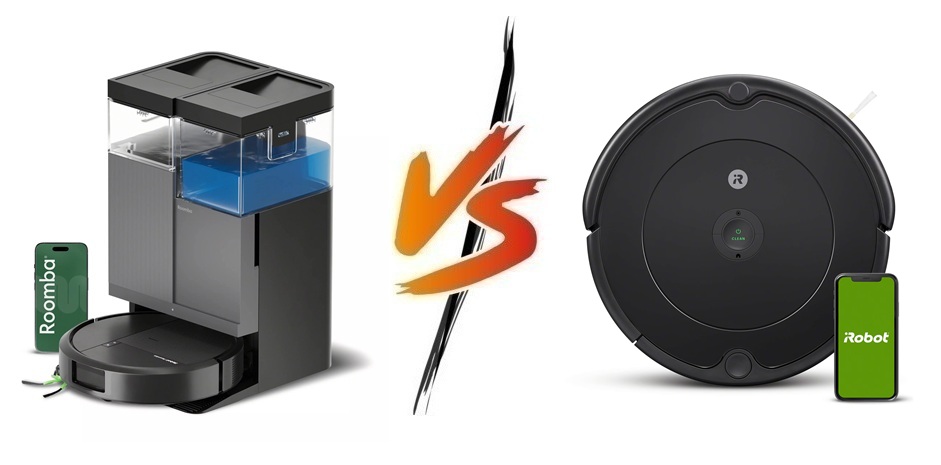
Robot vacuums have come a long way in a relatively short period of time. Not too many years ago, simply having a vacuum that could clean your floors while you were away from home felt futuristic. Today, the expectations are much higher. Buyers want intelligent navigation, reliable obstacle avoidance, powerful suction, effective mopping, self-emptying docks, app control, and minimal maintenance.
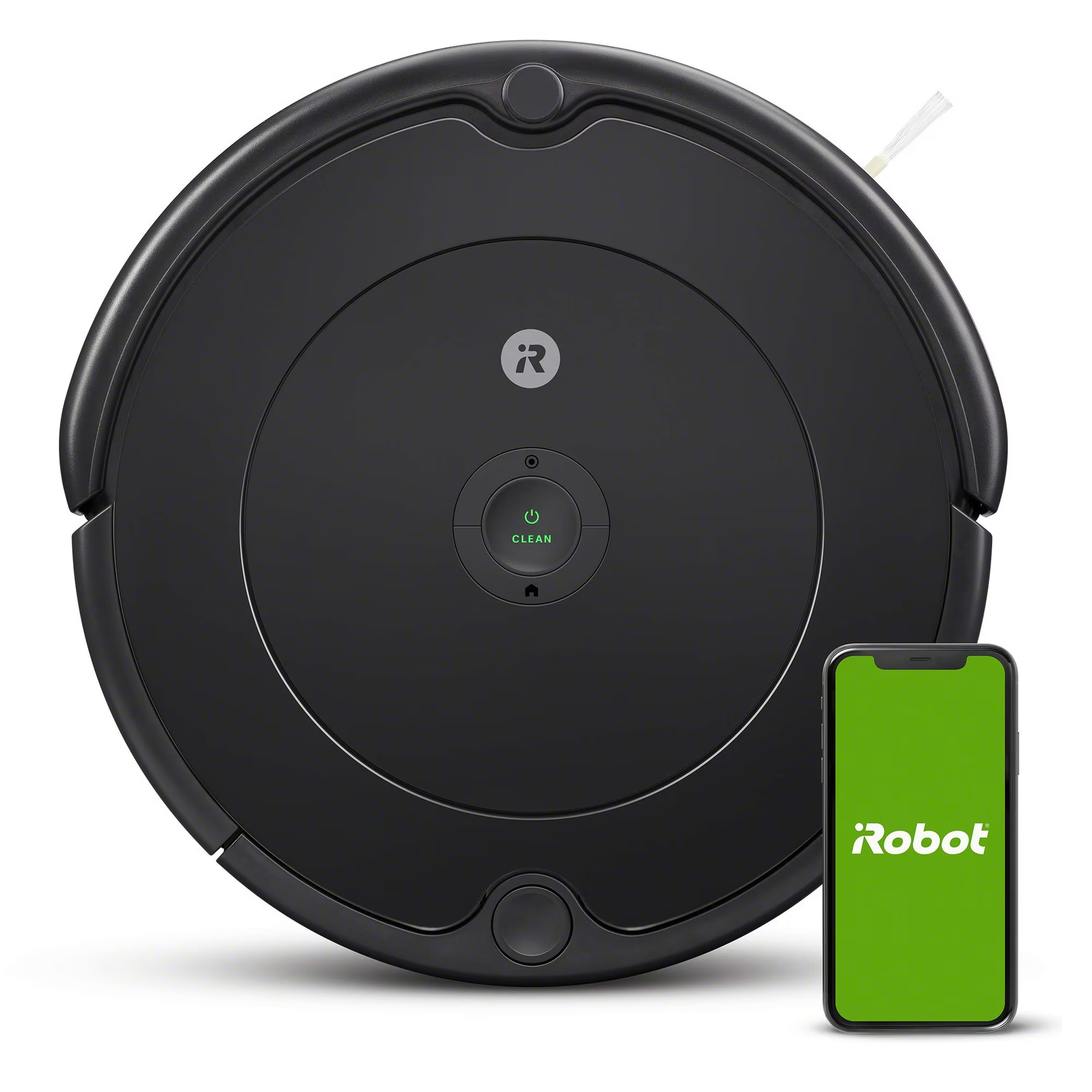
The iRobot Roomba 692 represents an earlier generation of robot vacuums. It focuses on doing one job well: vacuuming floors using a straightforward navigation system while offering convenient smartphone control and voice assistant integration. It has remained popular because it’s affordable, dependable, and simple to use.
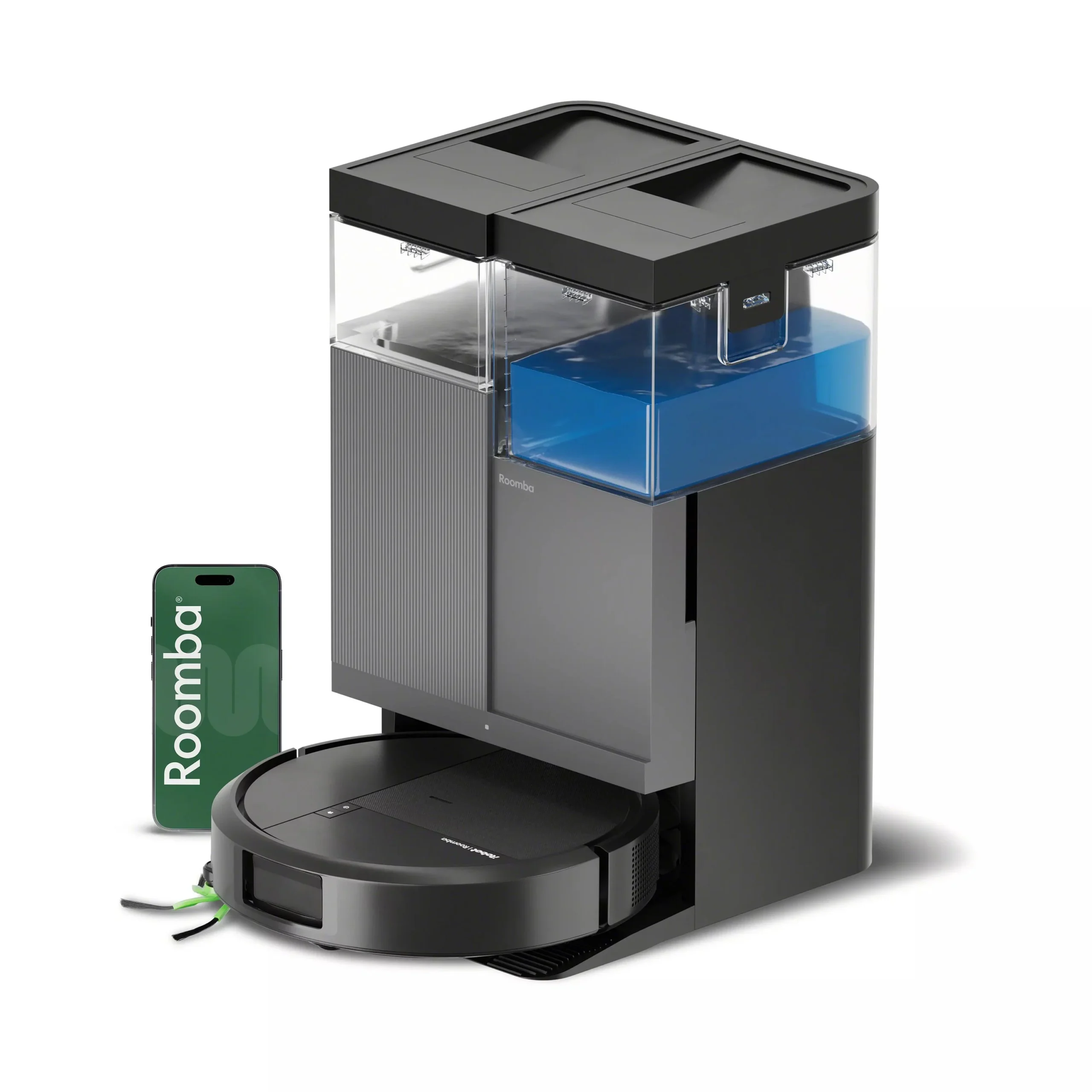
The Roomba 415X, on the other hand, reflects how much the market has evolved. Rather than simply vacuuming, it is designed to become a more complete floor-care system. It combines vacuuming and mopping, uses far more advanced navigation, and includes a multifunction dock that automates many of the chores owners previously had to perform themselves.
Although both products wear the Roomba name, they’re aimed at very different buyers. One is an entry-level cleaning companion that still performs well in smaller homes, while the other is intended to reduce household cleaning almost to the point of being hands-off.
After comparing their design, cleaning systems, navigation technologies, maintenance requirements, software features, and everyday usability, it’s clear that these two robots occupy entirely different generations of home cleaning technology.
iRobot Roomba 415X vs iRobot Roomba 692
If you click the links below, under the product images, you will be redirected to Amazon.com. In case you then decide to buy anything, Amazon.com will pay me a commission. This doesn’t affect the honesty of this review in any way though.
| Specification | iRobot Roomba 415X | iRobot Roomba 692 |
|---|---|---|
 |  | |
| Check the best price on Amazon | Check the best price on Amazon | |
| Product Type | Robot vacuum and mop | Robot vacuum |
| Vacuuming | Yes | Yes |
| Mopping | Yes (dual spinning mop pads) | No |
| Navigation | Intelligent navigation with home mapping | Reactive navigation |
| Home Mapping | Yes | No |
| Room-Specific Cleaning | Yes | No |
| Obstacle Avoidance | Advanced obstacle avoidance | Basic obstacle detection via sensors and bumper |
| Cleaning Pattern | Systematic, mapped cleaning | Adaptive/random cleaning pattern |
| Self-Emptying | Yes | No |
| Self-Cleaning Mop Pads | Yes | No |
| Automatic Mop Drying | Yes | No |
| Dock Type | Multifunction AutoWash™ Dock | Standard charging dock |
| Charging | Automatic recharge | Automatic recharge |
| Resume Cleaning After Charging | Yes (when required) | No |
| Vacuum & Mop Simultaneously | Yes | Not applicable |
| Edge Cleaning Brush | Yes | Yes |
| Carpet Detection | Yes | Yes (Dirt Detect™ sensors for concentrated cleaning) |
| Suitable Floor Types | Hardwood, tile, laminate, vinyl, low- and medium-pile carpets, rugs | Hardwood, tile, laminate, vinyl, low- and medium-pile carpets, rugs |
| App Control | Yes (iRobot Home app) | Yes (iRobot Home app) |
| Cleaning Schedules | Yes | Yes |
| Voice Assistant Support | Yes | Yes |
| Custom Cleaning Zones | Yes | No |
| No-Go Zones | Yes | No |
| Battery Recharge & Continue | Yes | No |
| Pet Hair Performance | Excellent for frequent maintenance | Good for routine maintenance |
| Dustbin Emptying Frequency | Automatically emptied into dock | Manual emptying after cleaning sessions |
| Filter Type | High-efficiency filter | High-efficiency filter |
| Maintenance Level | Low | Moderate |
| Recommended Home Size | Small to large homes | Small to medium homes |
| Best For | Buyers wanting a largely hands-free cleaning experience with vacuuming and mopping | Budget-conscious buyers looking for reliable automated vacuuming |
| My individual reviews | iRobot Roomba 415X review |
Design & Build Quality
The design of a robot vacuum influences far more than its appearance. It affects how well the machine navigates around furniture, how easy it is to maintain, how durable it feels after months of use, and even how willing you are to leave it out in the open instead of hiding it away between cleaning sessions. While both the iRobot Roomba 415X and the Roomba 692 share the familiar circular silhouette that has become synonymous with the Roomba brand, they represent two very different generations of product design. Looking at them side by side quickly reveals how much robot vacuums have evolved over the years.
The Roomba 692 follows a design philosophy that prioritizes simplicity. Everything about it feels straightforward and purposeful. Its low-profile circular body is compact enough to fit under many beds, sofas, coffee tables, and cabinets, allowing it to reach areas that are often neglected during manual vacuuming. The overall footprint is modest, making it suitable for apartments and smaller homes where storage space is limited.
The top panel is clean and uncluttered, featuring a textured finish that does a good job of resisting fingerprints and light scratches from everyday handling. At the center sits the familiar “Clean” button, surrounded by smaller controls that make operating the vacuum possible even without opening the companion app. This physical interface is one of the reasons the 692 has remained approachable for users who aren’t particularly interested in smart home technology. Someone can simply press a button and let the robot get to work without needing to navigate through menus or customize settings.
Despite being positioned as an entry-level model, the Roomba 692 doesn’t feel cheaply assembled. The plastic housing has enough rigidity to withstand the minor bumps and collisions that are an unavoidable part of robot vacuum ownership. During a typical cleaning session, the robot will inevitably make contact with chair legs, table bases, walls, and furniture. The spring-loaded front bumper absorbs these gentle impacts well, helping to protect both the vacuum and household furnishings.
The bumper itself has long been one of the defining features of Roomba robots. Rather than relying entirely on sensors to avoid every obstacle perfectly, the design anticipates occasional contact and incorporates it into the cleaning process. This approach may not look as elegant as today’s obstacle avoidance systems, but it has proven remarkably durable over years of real-world use.
Turning the Roomba 692 over reveals an equally practical design. The side brush, main cleaning rollers, wheels, and battery compartment are all arranged logically, and most routine maintenance tasks can be completed without special tools. Removing tangled hair from the brushes or replacing the filter is a relatively simple process, which is something owners come to appreciate after months of regular cleaning.
The dustbin is easy to remove from the rear of the robot, and although you’ll likely be emptying it frequently, particularly in homes with pets, the mechanism itself feels secure and well-engineered. Nothing feels loose or fragile, and replacement components have historically been easy to find, contributing to the robot’s reputation for longevity.
In contrast, the Roomba 415X reflects how dramatically consumer expectations have changed. Today’s buyers expect a robot vacuum to do much more than simply collect dust, and that shift is evident throughout its design.
At first glance, the 415X appears more refined. The exterior has a cleaner, more contemporary look that aligns with modern smart home appliances. While aesthetics are always subjective, the overall impression is that of a more premium product. The materials appear more sophisticated, and the robot feels like it was designed as part of an integrated cleaning system rather than as a standalone appliance.
One of the most noticeable differences is that the 415X has to accommodate significantly more hardware than the 692. In addition to the vacuuming system, it also incorporates a mopping system with dual rotating mop pads, water management components, and the electronics required to coordinate these functions. Integrating all of this without making the robot excessively bulky is an impressive engineering achievement.
Although there is more happening beneath the surface, the overall design still maintains a relatively compact profile that allows it to navigate beneath many pieces of furniture. As with most robot vacuums, clearance ultimately depends on the height of individual furniture, but the 415X remains practical for everyday household use rather than feeling oversized or cumbersome.
The underside of the 415X is considerably more complex than that of the 692. Instead of being dedicated exclusively to vacuuming, it must also support mopping hardware without compromising cleaning performance. The placement of the rotating mop pads is carefully integrated into the overall design so that vacuuming and mopping can work together as part of a coordinated cleaning routine.
Another significant design difference becomes apparent when examining the docking stations.
The Roomba 692 ships with a traditional charging dock that performs exactly one function: recharging the robot’s battery. It’s compact enough to fit against a wall without occupying much floor space, making placement relatively easy even in smaller homes. Once the robot finishes cleaning, it returns to this dock and waits for its next scheduled job.
The Roomba 415X’s multifunction dock is an entirely different piece of equipment. Rather than serving as a simple charging station, it becomes the operational hub of the entire cleaning system. In addition to charging the robot, it automatically empties the onboard dustbin and services the mopping components. This dramatically changes the ownership experience because many of the maintenance tasks that previously required user intervention are now handled automatically.
The trade-off, naturally, is size. The multifunction dock occupies considerably more floor space than the compact charger included with the 692. In smaller apartments, finding a suitable location may require a bit more planning. However, many users will gladly accept the larger footprint in exchange for the convenience it provides.
The design philosophy behind these two docking systems reflects the broader differences between the products themselves. The 692 assumes the owner will remain actively involved in maintaining the robot after most cleaning sessions. The 415X, by contrast, is designed with the goal of minimizing those interactions as much as possible.
Build quality also extends beyond the materials themselves to the way the product is engineered for long-term ownership. Both robots appear to uphold iRobot’s longstanding reputation for producing durable machines. The 692 has earned that reputation over years of use in countless households, while the 415X builds upon that foundation with a more sophisticated mechanical design.
There is, of course, an inherent trade-off between simplicity and complexity. The Roomba 692 has fewer moving parts and fewer integrated systems, which naturally reduces the number of components involved in its operation. Simpler machines are often easier to troubleshoot and maintain because there are simply fewer systems working together.
The 415X introduces additional complexity through its advanced navigation hardware, mopping system, water management components, and multifunction dock. While these features substantially improve convenience, they also create a more sophisticated overall system. Fortunately, much of that complexity remains hidden from the user during normal operation, which is exactly how good product design should work.
Another aspect worth mentioning is visual integration within the home. Robot vacuums spend much of their lives sitting on their charging stations in visible locations. The Roomba 692’s compact dock is relatively unobtrusive, while the 415X’s larger docking station makes more of a visual statement. Whether that’s viewed as a drawback depends largely on the available space and the user’s priorities. For many households, the convenience of automated maintenance easily outweighs the additional footprint.
Overall, both products are thoughtfully designed, but they pursue very different goals. The Roomba 692 emphasizes practicality, durability, and ease of use, delivering a design that has proven itself over many years. The Roomba 415X, meanwhile, embraces automation and integration, reflecting the modern expectation that a robot vacuum should require as little human intervention as possible. Neither approach is inherently wrong, but the 415X clearly demonstrates how far robot vacuum design has progressed, transforming what was once a simple automated vacuum into a far more comprehensive floor-care system.
Navigation Intelligence & Mapping
Navigation is arguably the single most important feature that separates a modern robot vacuum from an older generation model. Suction power certainly matters, and premium features like self-emptying docks and mopping systems can make ownership more convenient, but none of those capabilities reach their full potential if the robot cannot efficiently find its way around your home. When comparing the iRobot Roomba 415X with the Roomba 692, this is the category where the technological gap is immediately obvious. Although both robots are capable of cleaning an entire floor over time, they go about accomplishing that task in fundamentally different ways.
The Roomba 692 belongs to a generation of robot vacuums that relies primarily on reactive navigation. Rather than creating a detailed map of your home before or during a cleaning session, it moves through rooms using a combination of onboard sensors, bump detection, wall-following behavior, and programmed cleaning patterns. The robot constantly responds to its immediate surroundings instead of building a comprehensive understanding of the overall layout.
In practice, this means that a cleaning session can appear somewhat unpredictable. The vacuum may travel in a straight line across a room before changing direction after contacting a chair leg or detecting another obstacle. It might spend several minutes cleaning one section of the room before moving elsewhere, only to return to that same area later. To someone watching the robot work, its movements can sometimes seem random, even though they are based on carefully programmed algorithms designed to maximize overall floor coverage.
This style of navigation was perfectly acceptable when the 692 was introduced. At the time, the primary appeal of a robot vacuum was that it cleaned automatically without requiring constant supervision. Whether it reached every corner in the most efficient manner was often considered less important than simply eliminating the need to push a traditional vacuum around the house.
One advantage of this approach is its simplicity. Because the robot doesn’t rely on creating detailed maps of the home, setup is relatively straightforward. Once the charging dock is placed and the robot is connected to the companion app, it can begin cleaning without first performing an extensive mapping run. Users don’t need to label rooms, create cleaning zones, or configure detailed floor plans before getting started.
However, the limitations become increasingly apparent as the size and complexity of the home increase.
In a small apartment or a modest single-level home with an open floor plan, the Roomba 692 generally performs well enough. Given sufficient time, it will cover most accessible floor areas and eventually return to its charging dock. Since there are relatively few rooms to navigate, its less structured cleaning pattern doesn’t significantly impact the overall user experience.
The story changes in larger homes with multiple bedrooms, long hallways, or numerous obstacles. Here, the robot may spend considerable time revisiting areas it has already cleaned while taking longer to reach rooms that haven’t yet been addressed. This doesn’t necessarily result in poor cleaning, but it does reduce overall efficiency.
Another consequence of reactive navigation is that cleaning times can vary noticeably from one session to the next. Since the robot isn’t following a predefined map, each cleaning cycle unfolds a little differently. Some sessions may finish surprisingly quickly, while others involve considerably more repeated movement before the robot has covered the available floor space.
The Roomba 415X approaches navigation from an entirely different perspective.
Rather than reacting only to its immediate surroundings, it is designed to understand the structure of the home and clean with a deliberate plan. Intelligent navigation allows the robot to move through rooms in a more organized and systematic fashion, reducing unnecessary overlap while increasing overall cleaning efficiency.
Instead of wandering until every accessible area has eventually been covered, the robot can establish logical cleaning routes that make better use of both time and battery life. Watching a modern mapping robot clean often feels remarkably similar to watching a person vacuum a room. It works methodically across the available floor space instead of appearing to search for dirt by chance.
One of the biggest advantages of intelligent mapping is consistency.
Once the robot has learned the layout of the home, subsequent cleaning sessions become much more predictable. Rooms are typically cleaned in a similar order, coverage remains consistent, and homeowners develop confidence that specific areas are being addressed during every scheduled cleaning cycle.
This consistency is particularly valuable for people who rely on automatic daily cleaning while they are at work or away from home. Instead of wondering whether the robot happened to reach the kitchen that day, owners can trust that the cleaning routine is following an established plan.
Mapping also opens the door to significantly more advanced customization.
With the Roomba 692, cleaning is largely an all-or-nothing operation. The robot starts cleaning and continues until its job is complete. While scheduling is available, there is relatively little control over exactly where the robot spends its time.
The Roomba 415X offers a much more flexible experience. Because it understands the home’s layout, homeowners can tailor cleaning routines to fit their daily lives. Instead of cleaning the entire house every time, the robot can focus on areas that receive the most traffic or require more frequent attention.
This level of precision changes how many people use their robot vacuum. Rather than viewing it as a device that runs once every few days, it becomes possible to incorporate targeted cleaning into everyday routines. Kitchens, dining areas, entryways, and other busy spaces can receive regular attention without requiring the robot to clean rooms that are already spotless.
Another major improvement involves route optimization.
Older robot vacuums often spend a surprising amount of time simply traveling between areas. Because they don’t possess a complete understanding of the home’s layout, they may retrace long paths multiple times throughout a cleaning cycle.
A mapping robot like the 415X is better equipped to minimize unnecessary travel. Instead of repeatedly crossing the same hallway or circling around furniture multiple times, it can choose more efficient routes between rooms and devote a greater percentage of its operating time to actual cleaning.
Obstacle management also illustrates the difference between these two generations of technology.
The Roomba 692 primarily depends on physical contact and basic proximity sensing to identify obstacles. When it encounters a chair leg, table base, or other object, the front bumper absorbs the impact before the robot adjusts its direction and continues cleaning. This approach is dependable and has served Roomba products well for many years, but it inevitably results in occasional bumps and repeated attempts to navigate around complex furniture arrangements.
The Roomba 415X incorporates more advanced obstacle recognition designed to identify many common household objects before direct contact occurs. This capability becomes especially valuable in busy family homes where floors are rarely completely clear.
Charging cables, shoes, pet toys, backpacks, children’s toys, laundry baskets, and other everyday items often create challenges for robot vacuums. A robot capable of recognizing and avoiding many of these obstacles can complete cleaning sessions with fewer interruptions and less user intervention.
This doesn’t mean the floor can be left completely cluttered. Like all robot vacuums, the 415X performs best when major obstacles are removed beforehand. However, the improved navigation system makes it more forgiving of the small items that inevitably accumulate during daily life.
Navigation also influences battery efficiency in ways that aren’t always obvious.
Many buyers naturally focus on advertised battery runtime when comparing robot vacuums. While battery capacity is certainly important, efficient navigation can have an equally significant impact on how much floor space a robot can clean on a single charge.
The Roomba 692 sometimes expends battery power covering the same areas multiple times simply because it lacks a complete understanding of where it has already cleaned. In contrast, the 415X’s organized cleaning routes help ensure that more of its available energy is devoted to cleaning new areas rather than unnecessary repetition.
This becomes increasingly beneficial in larger homes where maximizing productive cleaning time is essential.
The mapping system also contributes to a smoother overall ownership experience. Once the initial setup is complete, homeowners generally spend less time thinking about where the robot is cleaning or whether it has missed a particular room. Instead, the robot operates with a level of predictability that inspires confidence over weeks and months of regular use.
It’s also worth remembering that navigation affects more than just vacuuming. Because the Roomba 415X integrates both vacuuming and mopping into a single cleaning routine, accurate navigation becomes even more important. Effective mopping benefits from consistent coverage and organized movement across hard floors, making intelligent mapping an essential part of delivering reliable results.
Ultimately, both robots accomplish the same fundamental objective: cleaning your floors without requiring you to push a vacuum manually. The difference lies in how efficiently and intelligently they achieve that goal.
The Roomba 692 remains a capable cleaner, particularly in smaller homes where its reactive navigation has fewer opportunities to become inefficient. Its straightforward approach has proven reliable over many years and continues to meet the needs of buyers looking for an affordable introduction to robotic floor cleaning.
The Roomba 415X, however, demonstrates just how much navigation technology has advanced. By combining intelligent mapping, organized route planning, improved obstacle avoidance, and greater customization, it transforms cleaning from a largely autonomous process into one that feels genuinely intelligent. The result isn’t simply a robot that cleans faster, but one that cleans with greater consistency, requires less supervision, and integrates more naturally into the routines of a modern home.
Cleaning Performance
When evaluating any robot vacuum, cleaning performance is ultimately the category that matters most. Smart navigation, app controls, automatic maintenance, and premium docks are all valuable additions, but none of those features compensate for mediocre cleaning. A robot vacuum exists to keep your floors clean with as little effort as possible, and its ability to remove dust, dirt, crumbs, pet hair, and everyday debris should always take priority over its list of features.
Comparing the iRobot Roomba 415X with the Roomba 692 highlights just how much robot vacuum technology has progressed over the years. While both machines are capable of maintaining clean floors, they achieve their results in very different ways. The Roomba 692 remains a dependable everyday cleaner for light to moderate messes, whereas the 415X combines more advanced cleaning technology with intelligent navigation to deliver a more consistent overall result.
One of the biggest factors affecting cleaning performance isn’t necessarily suction power alone. Coverage matters just as much. A robot with extremely powerful suction cannot clean areas it never reaches, while a robot with modest suction can still produce impressive results if it consistently covers the entire floor.
This is one of the reasons the Roomba 415X generally has an advantage in everyday use. Its organized cleaning routes allow it to spend more time actively cleaning and less time revisiting areas unnecessarily. The Roomba 692, meanwhile, often relies on repeated passes to achieve thorough coverage. Those additional passes can certainly help remove stubborn debris, but they also make the cleaning process less efficient.
On hard flooring, both robots perform well during routine maintenance cleaning. Hardwood, laminate, vinyl, tile, and similar surfaces present relatively few challenges for modern robot vacuums. Everyday dust, loose dirt, hair, food crumbs, cereal, and other common household debris are generally collected without difficulty.
The Roomba 692 performs particularly well when it is allowed to clean frequently. Robot vacuums work best as maintenance tools rather than deep-cleaning replacements for traditional vacuums. Running the 692 several times each week prevents dirt from accumulating, allowing the robot to maintain consistently clean floors without becoming overwhelmed.
This approach suits many households perfectly. Rather than waiting until floors appear dirty, owners schedule automatic cleaning sessions that keep dust and debris under control before they become noticeable.
The Roomba 415X follows the same philosophy but enhances it through more efficient operation. Because it spends less time navigating unpredictably, a greater portion of each cleaning session is devoted to actual dirt collection. This results in more uniform coverage across the home and helps reduce the likelihood that certain areas receive significantly more attention than others.
Another important aspect of cleaning performance is edge cleaning.
Most homes contain hundreds of linear feet of walls, cabinets, baseboards, and furniture edges where dust naturally accumulates. Robot vacuums rely on side brushes to sweep debris away from these edges and into the path of the main cleaning system.
The Roomba 692 uses a single edge-sweeping brush that performs this task effectively on most hard surfaces. Dust along walls and around furniture legs is generally collected well, although very tight corners remain a challenge. Like nearly every circular robot vacuum on the market, the 692 cannot physically reach into perfect ninety-degree corners because of its round shape.
The Roomba 415X faces the same geometric limitation. Circular robot vacuums inevitably leave tiny triangular areas in sharp corners that occasionally require manual attention. However, improved navigation allows the robot to approach edges and walls more consistently, helping maximize the effectiveness of its side brush during each cleaning pass.
Furniture performance is another area where intelligent navigation contributes to better overall cleaning.
Coffee tables, dining chairs, kitchen islands, and entertainment centers create complex environments that require careful movement. The Roomba 692 navigates these spaces using its traditional bump-and-adjust approach. While it generally succeeds in cleaning beneath and around furniture, it sometimes revisits the same obstacles repeatedly before finding an efficient exit.
The 415X moves through these areas with greater confidence. Its ability to better understand room layouts often translates into smoother navigation around furniture, allowing more consistent cleaning beneath tables and around chair legs without as much repetitive movement.
Carpet cleaning introduces additional challenges.
Hard floors allow debris to remain on the surface, making collection relatively straightforward. Carpets, by contrast, trap dust, pet hair, sand, and other particles within their fibers, requiring more agitation and stronger airflow to remove effectively.
The Roomba 692 performs admirably on low-pile and many medium-pile carpets during routine maintenance cleaning. Surface debris, pet hair, and everyday dust are collected effectively, especially when carpets are vacuumed regularly. For homes with mostly hard flooring and a few area rugs, the robot handles transitions without much difficulty.
However, expectations should remain realistic.
The 692 was never intended to replace a full-size upright vacuum for deep carpet cleaning. Embedded dirt, heavy sand accumulation, and deeply trapped pet hair may require occasional attention from a more powerful traditional vacuum cleaner.
The Roomba 415X builds upon these capabilities with a more modern overall cleaning system. While suction is certainly an important component, improved navigation also contributes to better carpet maintenance by ensuring that cleaning passes are distributed more evenly across the available floor area.
For mixed-floor homes containing hardwood, tile, and carpet, this organized approach produces a noticeably more consistent result over time.
One aspect that often goes overlooked is transition performance.
Many homes feature multiple flooring types separated by thresholds, area rugs, or transitions between hard surfaces and carpet. A robot vacuum that struggles to navigate these changes can interrupt cleaning sessions or leave certain areas neglected.
Both Roombas are designed to move between common household flooring types, although the 415X generally accomplishes this with greater confidence thanks to its newer navigation technology. The smoother these transitions become, the more autonomous the cleaning experience feels.
Dust pickup deserves particular attention because it represents the kind of debris robot vacuums encounter most frequently.
Fine household dust can be surprisingly challenging to remove consistently because it tends to spread thinly across large floor areas rather than accumulating in obvious piles. Frequent automated cleaning is actually one of the biggest strengths of robot vacuums, and both models benefit from this approach.
Instead of allowing dust to accumulate for an entire week before a traditional vacuuming session, both robots encourage more frequent cleaning that keeps surfaces consistently cleaner.
Pet hair presents another common challenge.
Hair behaves differently from ordinary dust because it can collect in corners, wrap around furniture legs, or become trapped along baseboards. Long hair from both people and pets can also wrap around brush components over time, making routine maintenance an important part of ownership.
The Roomba 692 performs well in homes with moderate shedding, particularly when cleaning sessions occur several times per week. Regular operation prevents hair from building into larger clumps that are more difficult to collect.
The Roomba 415X offers a clear convenience advantage in this area because its self-emptying functionality reduces the need to manually empty the dustbin after every session. In homes with multiple pets or heavy seasonal shedding, this seemingly small improvement becomes surprisingly significant over months of ownership.
Kitchen cleaning provides another useful real-world example.
Kitchens generate a wide variety of debris, including flour, sugar, rice, cereal, coffee grounds, breadcrumbs, dried leaves from vegetables, and countless other small particles. Hard flooring allows robot vacuums to excel in these environments, especially when cleaning occurs shortly after meal preparation instead of allowing debris to accumulate.
Both robots handle these everyday messes well, but the 415X benefits from being able to combine vacuuming with mopping during the same overall cleaning routine. While the mopping system is a separate feature discussed elsewhere, the ability to address both dry debris and light floor residue contributes to a noticeably cleaner finished result.
Large debris is one area where users should maintain realistic expectations regardless of model.
Robot vacuums are designed for routine household dirt rather than major cleanup jobs. Large piles of construction debris, broken glass, excessive quantities of soil from gardening, or oversized objects should always be removed manually before allowing either robot to begin cleaning.
Similarly, liquid spills remain outside the intended role of both machines while vacuuming.
Another factor influencing perceived cleaning performance is consistency over time.
Traditional vacuuming often occurs once every week or two, allowing visible dirt to accumulate between cleaning sessions. Robot vacuums reverse this pattern by encouraging frequent, automated maintenance cleaning.
Instead of producing dramatic “before and after” transformations, they keep floors from becoming noticeably dirty in the first place. This preventative approach changes how homeowners experience cleanliness. Floors simply stay cleaner throughout the week with much less effort.
In this regard, both the Roomba 692 and the Roomba 415X succeed.
The difference is that the 415X removes many of the obstacles that might discourage regular use. Intelligent navigation, automated maintenance, and integrated floor care make it easier to run the robot consistently, and consistency remains one of the biggest contributors to excellent cleaning results.
Ultimately, the Roomba 692 continues to offer dependable cleaning performance that justifies its reputation as a reliable entry-level robot vacuum. It handles everyday household debris well, performs admirably on hard floors and low-pile carpets, and remains an effective maintenance cleaner when used regularly.
The Roomba 415X builds upon that solid foundation by pairing capable vacuuming with smarter navigation, more efficient coverage, and a more automated ownership experience. Rather than relying solely on improvements in suction or hardware, it achieves better overall cleaning by ensuring that every part of the system works together more intelligently. The result is a robot that not only cleans effectively but also delivers cleaner floors more consistently with less involvement from the owner.
Mopping Capability
The inclusion of a mopping function has become one of the most significant developments in the robot vacuum market over the past several years. Early robot cleaners focused entirely on vacuuming, leaving homeowners to manually mop hard floors after the robot had finished collecting dust and debris. Today’s premium models aim to combine both tasks into a single automated routine, allowing homes to receive a much more comprehensive floor cleaning with minimal user involvement.
This is one of the areas where the iRobot Roomba 415X and the Roomba 692 differ most dramatically. In fact, calling it a comparison almost feels unfair because the Roomba 692 offers no integrated mopping capability whatsoever. It was designed solely as a robot vacuum, reflecting the expectations of its generation. The 415X, meanwhile, represents the current trend toward multifunction floor-care systems that vacuum and mop as part of the same cleaning process.
For buyers who only have carpeting throughout most of their home, this difference may not matter very much. However, for households with hardwood, laminate, vinyl, tile, stone, or other hard flooring surfaces, the ability to automate mopping can significantly reduce the amount of routine housework required each week.
The Roomba 692 performs one task, and it performs that task well. It vacuums floors, collects dust, removes everyday debris, and helps maintain clean surfaces through frequent scheduled cleaning. Once it finishes, however, any dried footprints, light stains, sticky residue, or fine dust that remains adhered to the floor must still be removed manually with a traditional mop or other cleaning tool.
This isn’t a flaw in the design so much as a reflection of the product’s intended purpose. At the time of its release, robot mopping systems were far less common, and many buyers preferred the simplicity of a dedicated vacuuming robot. Even today, there are homeowners who deliberately choose vacuum-only robots because they have little hard flooring or simply prefer to mop manually.
The Roomba 415X takes a much more ambitious approach.
Rather than treating mopping as an optional accessory or secondary function, it integrates vacuuming and wet cleaning into a coordinated floor-care routine. The goal is not simply to remove loose debris but also to address the fine layer of dust and light residue that vacuuming alone cannot eliminate.
This distinction is important because anyone who has vacuumed a hardwood or tile floor knows that even after all visible debris has been removed, the surface can still feel slightly dusty under bare feet. Vacuuming excels at collecting loose particles, but it cannot remove every trace of fine dust or dried residue that has become lightly bonded to the floor.
That is where mopping becomes valuable.
Instead of merely dragging a damp cloth behind the robot, the Roomba 415X employs dual rotating mop pads. This represents a meaningful evolution in robot mopping technology.
Earlier robot mops often relied on passive cleaning. A microfiber cloth would be dampened with water, and the robot would simply pull it across the floor while driving. While this method could remove some light dust, it offered relatively little scrubbing action. Stubborn marks or dried spills often remained untouched unless they happened to soften after repeated passes.
Rotating mop pads work differently.
Because the pads actively spin against the floor during operation, they apply gentle mechanical scrubbing as the robot moves. This creates greater friction between the cleaning pads and the floor surface, allowing the robot to tackle dried footprints, light kitchen residue, fine dust films, and other everyday messes more effectively than passive systems.
It’s important to keep expectations realistic, however.
Even advanced robot mops are not intended to replace intensive manual floor scrubbing. If your kitchen floor has sticky syrup that has dried for several days, or if muddy footprints have been allowed to harden completely, a traditional mop and some manual effort may still produce better results.
Where robot mopping truly excels is in maintenance cleaning.
Instead of allowing dirt to build up over several weeks before performing a deep cleaning, the robot can lightly mop floors multiple times each week. This frequent maintenance prevents many common household residues from becoming stubborn in the first place.
For example, kitchens often develop a thin film of cooking residue over time. Entryways accumulate fine dust from shoes. Hallways gradually collect footprints, while dining areas may develop small food stains that are barely noticeable until they begin attracting more dirt.
A robot mop that cleans these areas regularly can keep hard floors looking consistently cleaner with remarkably little effort from the homeowner.
The combination of vacuuming and mopping also makes logical sense from a cleaning perspective.
Vacuuming first removes loose dirt, crumbs, pet hair, and dust that could otherwise interfere with mopping performance. Once those dry particles have been collected, the mop pads can focus on cleaning the actual floor surface instead of pushing loose debris around.
This coordinated approach produces a noticeably more polished result than vacuuming alone.
Another important advantage of the Roomba 415X lies in its ability to automate much of the maintenance associated with mopping.
One of the reasons many early robot mops failed to gain widespread popularity was that they still required considerable user involvement. Owners needed to remove dirty mop pads after nearly every cleaning session, rinse them by hand, refill water tanks, and remember to wash the pads frequently to prevent unpleasant odors.
Over time, this reduced much of the convenience that robot cleaning was supposed to provide.
The multifunction dock supplied with the 415X addresses many of these concerns.
Instead of requiring immediate attention after every cleaning session, the dock is designed to service the mopping system automatically. This greatly reduces the amount of routine maintenance performed by the owner and encourages more frequent use of the mopping function.
The automatic cleaning of the mop pads is particularly valuable.
Dirty mop pads gradually become less effective if they continue spreading the same accumulated dirt across the floor. By cleaning the pads after use, the system helps ensure that future cleaning sessions begin with fresher cleaning surfaces.
Drying the pads is equally important.
Leaving damp microfiber pads enclosed inside a robot for extended periods can encourage unpleasant odors or mildew, especially in warm, humid environments. Automatic drying minimizes this issue and makes it much more practical to leave the robot docked between scheduled cleaning sessions.
This kind of automation changes owner behavior in subtle but meaningful ways.
A feature that requires multiple manual steps often ends up being used less frequently than intended. In contrast, when maintenance occurs automatically, homeowners are more likely to schedule regular mopping sessions because there is very little additional effort involved.
Floor compatibility is another consideration.
The Roomba 415X is intended primarily for sealed hard flooring such as hardwood, laminate, luxury vinyl plank, tile, stone, and similar surfaces. These materials benefit most from regular light mopping because they tend to show footprints, dust, and light residue more readily than carpeting.
As with any wet-cleaning appliance, users should always ensure that their flooring manufacturer recommends damp mopping for the specific material installed in their home.
One area where intelligent navigation also enhances mopping performance is coverage consistency.
Mopping requires even more methodical movement than vacuuming because missing sections of the floor becomes immediately visible once the surface dries. Organized navigation helps the 415X clean hard floors systematically, reducing the likelihood of skipped areas or excessive overlap.
This contributes to a more uniform finished appearance across the room.
Homes with mixed flooring particularly benefit from integrated vacuuming and mopping.
Many modern homes feature combinations of hardwood flooring, tile kitchens, carpeted bedrooms, area rugs, and vinyl bathrooms. Coordinating cleaning across these different surfaces can become surprisingly complicated.
A robot designed to manage multiple floor types as part of an intelligent cleaning routine simplifies this process considerably, allowing hard floors to receive appropriate wet cleaning while still maintaining effective vacuuming throughout the home.
Pet owners may notice some of the biggest advantages.
While vacuuming removes pet hair effectively, it cannot eliminate muddy paw prints, drool spots near water bowls, or the fine dust that often accumulates around pet feeding areas. Regular mopping helps maintain these surfaces more consistently without requiring constant manual attention.
Likewise, families with young children often appreciate automated mopping because kitchens, dining rooms, and play areas tend to accumulate small spills and sticky residue throughout the week. Frequent light mopping helps prevent these messes from becoming more difficult to remove later.
It’s also worth remembering what robot mopping is designed to accomplish.
The goal is not to replace deep seasonal floor cleaning entirely. Every home will still benefit from occasional manual mopping, particularly in areas that experience heavy traffic or stubborn staining.
Instead, robot mopping aims to dramatically extend the time between those intensive cleaning sessions by maintaining cleaner floors every day.
When viewed from that perspective, the Roomba 415X succeeds remarkably well.
Rather than transforming floor cleaning into a completely hands-free process, it removes the majority of routine maintenance while leaving only occasional deep cleaning for the homeowner.
The Roomba 692, by comparison, remains an excellent vacuum-only robot. Buyers who have predominantly carpeted homes or who simply don’t mind traditional mopping may find its simpler design perfectly adequate for their needs.
For households with significant hard flooring, however, the addition of an integrated mopping system fundamentally changes what a robot cleaner can contribute to everyday life. The Roomba 415X doesn’t simply add another feature to the specification sheet. It expands the robot’s role from maintaining dust-free floors to helping preserve the overall cleanliness and appearance of hard surfaces throughout the home. That evolution makes it feel less like a traditional robot vacuum and more like a comprehensive automated floor-care system.
Maintenance & Cleaning
Maintenance is one of the least exciting aspects of owning a robot vacuum, yet it has a greater impact on long-term satisfaction than many buyers initially realize. Every robot vacuum, regardless of price or brand, requires regular care to continue performing at its best. Dustbins need to be emptied, filters need replacing, brushes collect hair, sensors accumulate dust, and wheels occasionally require cleaning. The difference between entry-level and premium models often isn’t whether maintenance exists, but rather how much of it the robot can perform on your behalf.
When comparing the iRobot Roomba 415X and the Roomba 692, this distinction becomes one of the defining differences between the ownership experience. Both machines require routine upkeep, but the amount of hands-on involvement expected from the owner varies considerably.
The Roomba 692 follows a traditional maintenance model. After each cleaning session, or at least every few cleaning cycles depending on the amount of debris collected, you’ll need to remove the dustbin and empty it manually. This process is straightforward and only takes a minute or two, but it quickly becomes part of your regular routine.
For smaller homes or households with minimal dust, emptying the bin every couple of cleaning sessions may be sufficient. However, homes with children, multiple occupants, or pets will likely fill the dustbin much more quickly. Pet hair, in particular, occupies a surprising amount of space even when it weighs very little, meaning the container can appear full after cleaning only a few rooms.
Fortunately, removing the dustbin on the Roomba 692 is a simple process. The release mechanism is intuitive, the container slides out easily, and emptying it into a trash can is generally clean and uncomplicated. It’s the kind of maintenance task that becomes second nature after only a few weeks of ownership.
Even so, it’s impossible to ignore the fact that frequent dustbin emptying slightly reduces the “set it and forget it” appeal that draws many people to robot vacuums in the first place. If you need to remember to empty the robot every day, the experience is still more convenient than traditional vacuuming, but it isn’t completely hands-free.
The Roomba 415X approaches this issue very differently.
Instead of expecting the owner to empty the robot after each cleaning session, it works together with its multifunction dock to automate this process. Once the robot returns to its dock, the collected debris is transferred into a larger storage compartment, allowing the robot itself to remain ready for future cleaning sessions without immediate attention.
This seemingly simple feature dramatically changes everyday ownership.
Rather than interacting with the robot after nearly every cleaning cycle, you may only need to service the larger collection container periodically. For busy households, that reduction in maintenance becomes one of the most appreciated premium features over time.
It’s easy to underestimate the value of automatic dustbin emptying when reading a specification sheet. In practice, however, it removes one of the few repetitive chores that robot vacuum owners perform most frequently.
Brush maintenance represents another important area of routine care.
Hair, thread, carpet fibers, and other long materials inevitably become wrapped around rotating brush components over time. This is true regardless of manufacturer, suction power, or price category. Long human hair is particularly effective at wrapping itself around moving parts, and homes with pets often encounter the same issue.
The Roomba 692 makes brush access relatively straightforward. The bottom panel is designed so that owners can quickly remove accumulated hair from the rollers and side brush during routine maintenance. Most users will find that checking the brushes every week or two keeps the robot operating efficiently.
Neglecting this task for extended periods doesn’t usually damage the robot immediately, but heavily tangled brushes can gradually reduce cleaning effectiveness and place unnecessary strain on the cleaning system.
The Roomba 415X still requires periodic brush inspection because no self-cleaning mechanism can completely eliminate wrapped hair from rotating components. Even premium robot vacuums eventually require manual attention in this area.
The difference is that these maintenance sessions often occur less frequently because several other routine tasks have already been automated by the dock.
Filter maintenance remains another shared responsibility.
Robot vacuums move significant amounts of air while cleaning, and filters play an essential role in trapping fine dust before it can be released back into the room. Over time, filters naturally become clogged with microscopic particles that reduce airflow and cleaning efficiency.
The Roomba 692 requires occasional filter replacement to maintain optimal performance. Depending on household conditions, owners may also gently tap accumulated dust from the filter between replacements, although heavily worn filters should simply be replaced according to normal maintenance schedules.
The Roomba 415X follows a similar principle. Even with automatic dustbin emptying, filters remain consumable components that require periodic replacement. Fortunately, filter changes are infrequent compared to everyday maintenance tasks, making them relatively minor in the overall ownership experience.
Sensor cleaning is another maintenance task that many first-time robot vacuum owners overlook.
Robot vacuums rely on numerous sensors to navigate safely around the home. Dust accumulation on these sensors can eventually interfere with accurate navigation, docking, or obstacle detection.
The Roomba 692 benefits from occasional wiping of its sensors with a soft cloth to remove accumulated dust. Because the process is simple and takes only a few moments, it generally isn’t viewed as burdensome.
The same applies to the 415X. Although its navigation system is more advanced, keeping external sensors clean remains part of responsible long-term ownership. Fortunately, this is one of the quickest maintenance tasks performed on either robot.
Wheel maintenance is another area worth mentioning.
As robot vacuums travel across hard floors, carpets, rugs, thresholds, and occasionally pet hair or loose thread, small amounts of debris inevitably collect around the drive wheels and caster wheel. Periodic inspection helps ensure that the robot continues moving smoothly and maintains reliable traction across different flooring types.
Both models are designed to make wheel cleaning reasonably accessible, allowing users to remove trapped hair or debris before it begins affecting mobility.
Where the maintenance experience changes most dramatically is in relation to the mopping system.
The Roomba 692, of course, has no wet cleaning components. Owners never need to think about water tanks, mop pads, drying systems, or cleaning solutions because those features simply don’t exist.
The Roomba 415X introduces additional maintenance responsibilities through its integrated mopping capabilities, but it simultaneously automates many of those same responsibilities.
Traditionally, robot mops required users to remove dirty microfiber pads after every cleaning session, rinse them manually, refill water reservoirs, and allow damp pads to dry before the next use. While none of these tasks were especially difficult, together they significantly reduced the convenience of automated floor cleaning.
The multifunction dock addresses much of this work automatically.
After mopping is complete, the dock is designed to service the cleaning system without requiring immediate user involvement. Cleaning and drying the mop pads greatly reduces one of the most repetitive aspects of robot mop ownership.
This automation also offers hygiene benefits.
Allowing damp microfiber pads to remain wet for extended periods can encourage unpleasant odors or mildew, especially during warmer months. Automatic drying helps prevent this issue while ensuring the pads are better prepared for the next scheduled cleaning session.
Eventually, however, even automated systems require attention.
Mop pads remain consumable items that experience wear over time. Repeated washing, friction against flooring, and regular use gradually reduce their effectiveness. Replacing them periodically is simply part of maintaining optimal cleaning performance.
Likewise, larger maintenance tasks occasionally become necessary for the multifunction dock itself.
Although the dock dramatically reduces day-to-day interaction with the robot, it isn’t entirely maintenance-free. The larger debris collection container eventually needs to be emptied or replaced depending on its design, and components involved in the mopping system should be kept clean according to normal maintenance recommendations.
Even so, these larger maintenance sessions occur far less frequently than manually emptying a robot after every cleaning cycle.
Another important consideration is maintenance accessibility.
Some appliances are technically easy to maintain but frustrating to disassemble. Fortunately, both Roombas continue iRobot’s tradition of designing products with user maintenance in mind.
Most routine tasks can be completed without specialized tools, and commonly serviced components are generally easy to reach. This encourages regular upkeep because owners aren’t discouraged by overly complicated maintenance procedures.
Replacement parts are another factor that influences long-term ownership.
Brushes, filters, side brushes, and mop pads are all consumable components that naturally wear over time. The ability to obtain genuine replacement parts helps extend the usable life of the robot and maintain consistent cleaning performance for years after purchase.
From a durability standpoint, regular maintenance also contributes directly to longevity.
Cleaning hair from rollers before it becomes tightly wrapped, replacing clogged filters before airflow suffers, and keeping sensors free of dust all reduce unnecessary strain on the robot’s systems. Neither the Roomba 692 nor the Roomba 415X demands excessive maintenance, but both benefit significantly from consistent care.
The difference lies in how often that care is required.
With the Roomba 692, owners become active participants in the cleaning routine. Emptying the dustbin, inspecting brushes, and performing regular upkeep become familiar habits that accompany automated vacuuming.
The Roomba 415X shifts much of that responsibility to its multifunction dock. Instead of requiring attention after nearly every cleaning session, it allows owners to think about maintenance less frequently while still benefiting from consistently clean floors.
Ultimately, neither robot is maintenance-free because no robot vacuum truly is. Every automated cleaner contains moving parts, filters, brushes, and components that require occasional attention. The Roomba 692 embraces this reality through a straightforward, user-friendly design that makes routine maintenance simple and approachable.
The Roomba 415X, meanwhile, represents the next stage in robot vacuum evolution. Rather than eliminating maintenance altogether, it minimizes the frequency with which owners must perform it. By automating dustbin emptying, mop servicing, and several routine cleaning tasks, it transforms robot ownership from something that requires regular interaction into an experience that feels noticeably more autonomous. Over months and years of use, that reduction in repetitive chores may prove just as valuable as improvements in cleaning performance itself.
Ergonomics & Everyday Usability
A robot vacuum can have excellent suction, advanced navigation, and an impressive list of smart features, but if it isn’t pleasant to live with every day, those specifications lose much of their value. Ergonomics and usability are often overlooked during the buying process because they are difficult to measure on a specification sheet. Instead, they become apparent over weeks and months of ownership, when the novelty of owning a robot vacuum has worn off and the machine simply becomes another household appliance.
This is an area where the iRobot Roomba 415X and the Roomba 692 reveal two very different philosophies. The Roomba 692 emphasizes simplicity above all else. It is designed to perform its primary task with minimal setup, minimal configuration, and very little complexity. The 415X, meanwhile, aims to reduce the amount of work the owner performs over the long term by automating far more of the cleaning process. Although both approaches are successful, they appeal to different types of users.
One of the first aspects of usability is the initial setup experience.
The Roomba 692 is remarkably approachable. After charging the battery and placing the docking station in an appropriate location, the robot is largely ready to begin cleaning. Users who enjoy smart home integration can connect it to the companion app, create cleaning schedules, and pair it with supported voice assistants. Those who prefer a more traditional approach can simply press the large Clean button on top of the robot whenever they want it to start working.
This flexibility is one of the Roomba 692’s strengths. It doesn’t force owners into using advanced features if they don’t want them. The robot functions perfectly well as a standalone appliance, making it an attractive option for users who may not be particularly comfortable with smartphone apps or connected home technology.
The interface itself reflects this simplicity. The controls are clearly labeled, easy to understand, and require almost no learning curve. Even someone unfamiliar with robot vacuums can generally begin using the Roomba 692 within minutes.
The Roomba 415X introduces a more sophisticated setup process, although this added complexity comes with meaningful long-term benefits.
Because the robot incorporates intelligent mapping and advanced cleaning routines, the initial setup often involves allowing it to learn the home’s layout before taking full advantage of its capabilities. This requires a little more patience during the first few days of ownership, but once the mapping process is complete, the robot becomes significantly more capable.
Rather than viewing setup as a one-time inconvenience, it is more accurate to think of it as an investment. Spending additional time configuring rooms and preferred cleaning routines ultimately reduces the amount of effort required during everyday operation.
Another important aspect of ergonomics is how frequently the owner needs to interact with the robot.
The Roomba 692 encourages regular interaction simply because of its design. Emptying the dustbin, checking the brushes, and occasionally moving the robot to a different location all become part of the normal ownership experience. None of these tasks are particularly difficult, but they do require ongoing attention.
For many people, this isn’t a problem.
Emptying the dustbin after a cleaning session takes only a few moments, and routine maintenance quickly becomes part of a weekly household routine. In exchange, owners receive dependable automated vacuuming without paying for premium automation features they may not need.
The Roomba 415X shifts that balance considerably.
Instead of expecting frequent interaction, it is designed to operate independently for much longer periods. Automatic dustbin emptying, automated mop servicing, and intelligent navigation all contribute to an ownership experience where the robot can continue cleaning with very little direct involvement from the user.
This reduction in interaction changes the way many people use their robot vacuum.
Rather than thinking about whether the dustbin needs emptying before scheduling another cleaning session, owners can simply allow the robot to continue following its schedule. The appliance gradually fades into the background, quietly performing its job without requiring constant reminders or supervision.
Scheduling flexibility is another important usability consideration.
Both robots support scheduled cleaning, allowing homeowners to automate routine maintenance while they are at work, asleep, or otherwise occupied. This alone represents one of the biggest advantages of robot vacuums over traditional cleaning methods.
However, the level of customization differs significantly.
The Roomba 692 provides straightforward scheduling that works well for households seeking consistent whole-home cleaning. Users can establish regular routines that keep floors clean without requiring manual intervention every day.
The Roomba 415X expands this concept through its mapping capabilities.
Instead of treating every cleaning session as identical, it allows much greater flexibility in how cleaning routines are organized. High-traffic areas can receive more frequent attention, while less frequently used rooms can be cleaned on different schedules.
This level of customization becomes especially useful in busy households where different areas accumulate dirt at different rates.
For example, kitchens and entryways often require far more frequent cleaning than guest bedrooms or home offices. Intelligent scheduling allows homeowners to reflect these real-world usage patterns instead of cleaning every room equally regardless of need.
Ease of transport is another practical consideration.
Although robot vacuums are designed to operate autonomously, there are occasions when owners need to carry them between floors or relocate them temporarily.
The Roomba 692 remains relatively lightweight and easy to handle. Its compact design makes it comfortable to lift using one hand, and there are few protruding components that make handling awkward.
The Roomba 415X naturally incorporates additional hardware due to its integrated mopping system. While it remains manageable to carry when necessary, the overall system is more substantial, particularly when considering the larger multifunction dock that accompanies it.
Fortunately, once installed, neither robot requires frequent relocation unless the home contains multiple levels without additional docking stations.
Noise also contributes significantly to everyday usability.
Neither robot operates silently, but both produce sound levels that are generally acceptable for normal household environments.
The Roomba 692 generates the familiar operating sound associated with traditional robot vacuums. It is noticeable enough that many users prefer scheduling cleaning while they are away from home, but it is rarely disruptive enough to prevent everyday activities.
The Roomba 415X produces a similarly manageable operating noise while actively cleaning. The most noticeable difference occurs when the robot returns to its dock and automatically empties its dustbin. This process is considerably louder than ordinary vacuuming, although it typically lasts only a short time.
Because the emptying cycle occurs automatically, many owners schedule cleaning sessions during periods when the brief increase in noise is unlikely to cause inconvenience.
Daily reliability is perhaps one of the most underrated aspects of usability.
The most enjoyable robot vacuum is often not the one with the most features but the one that consistently completes its cleaning routine without requiring assistance.
The Roomba 692 has earned a reputation for dependable operation over many years. Although its navigation is less sophisticated than newer models, it generally performs predictably within the limits of its design.
The Roomba 415X builds upon this reliability with more advanced navigation intended to reduce interruptions caused by navigation errors or avoidable obstacles.
A robot that successfully completes its cleaning routine every day without becoming trapped under furniture or tangled around common household objects quickly becomes a trusted household appliance rather than a gadget that constantly demands attention.
Storage requirements also influence the ownership experience.
The Roomba 692’s compact charging dock occupies relatively little floor space and can usually be positioned discreetly against a wall or beneath furniture with adequate clearance.
The multifunction dock accompanying the 415X requires considerably more room.
For homeowners with spacious laundry rooms, utility rooms, or dedicated storage areas, this larger footprint may not matter at all. In smaller apartments, however, finding a suitable permanent location may require additional planning.
Whether this represents a disadvantage depends largely on personal priorities. Many users will gladly dedicate extra floor space in exchange for substantially reduced maintenance.
Accessibility is another area where both robots perform well.
Routine maintenance tasks such as removing the dustbin, cleaning the brushes, or replacing filters are designed to be completed without specialized tools or technical knowledge. This encourages regular upkeep because owners are not intimidated by complicated procedures.
The companion app also contributes to overall usability.
Even users who rarely change advanced settings appreciate being able to start or stop cleaning remotely, monitor cleaning progress, and receive maintenance reminders. These small conveniences gradually become part of everyday life, particularly for households that rely heavily on scheduled cleaning.
One subtle but important difference between the two robots is how much they encourage user confidence.
With the Roomba 692, owners often develop routines around the robot. They empty the dustbin after each cleaning session, occasionally check that everything is functioning properly, and manually perform most routine maintenance.
With the 415X, many of those routines simply disappear.
Because so many tasks occur automatically, owners gradually stop thinking about the robot altogether. It quietly leaves its dock, cleans according to schedule, returns for maintenance, and prepares itself for the next cleaning session with minimal human involvement.
Ironically, this reduced interaction may be one of the greatest compliments a robot vacuum can receive.
The best household appliances are often the ones that blend seamlessly into daily life. Rather than constantly reminding you that they exist, they simply perform their function reliably and efficiently.
Ultimately, both the Roomba 692 and the Roomba 415X deliver enjoyable ownership experiences, but they achieve that goal in different ways.
The Roomba 692 succeeds through simplicity. It is approachable, intuitive, easy to understand, and refreshingly uncomplicated. It asks relatively little of its owner beyond occasional maintenance, making it an excellent choice for buyers who value straightforward operation over advanced automation.
The Roomba 415X embraces a more ambitious vision of robotic floor care. By combining intelligent navigation, automated maintenance, customizable cleaning routines, and integrated vacuuming and mopping, it minimizes the number of daily tasks the owner must perform. While the initial setup is more involved and the overall system occupies more space, the reward is an ownership experience that feels noticeably more effortless over time.
In the end, ergonomics isn’t simply about how comfortable a product is to hold or how easy it is to operate. It’s about how naturally it fits into everyday life. Both Roombas accomplish this in their own way, but the 415X goes a step further by making the cleaning process feel almost invisible. Once everything is configured, it quietly becomes part of the household routine, allowing homeowners to spend less time thinking about floor cleaning and more time simply enjoying a consistently cleaner home.
Pet Friendliness
For many households, pet friendliness is no longer a secondary consideration when buying a robot vacuum. It is often one of the primary reasons people decide to purchase one in the first place. Dogs and cats can dramatically increase the amount of cleaning required to keep floors looking presentable. Loose fur accumulates surprisingly quickly, muddy paw prints appear after walks, litter can scatter across hard floors, and food or water bowls frequently leave behind small messes that require regular attention. A robot vacuum that can help control these everyday problems has the potential to save owners hours of work every month.
Both the iRobot Roomba 415X and the Roomba 692 are capable of helping households with pets maintain cleaner floors, but they approach the challenge from very different technological generations. The Roomba 692 offers dependable everyday vacuuming that can significantly reduce visible pet hair between traditional cleaning sessions. The Roomba 415X expands that role considerably by combining automated vacuuming, mopping, intelligent navigation, and dock-based maintenance into a much more comprehensive cleaning solution.
One of the first challenges any pet-friendly robot vacuum must address is loose hair.
Pet hair behaves differently from ordinary household dust. Instead of remaining evenly distributed across the floor, it often gathers into small clusters along walls, underneath furniture, and in room corners where airflow naturally carries lighter debris. Long-haired dogs and cats can shed continuously throughout the year, while seasonal coat changes may dramatically increase the amount of hair produced over a relatively short period.
The Roomba 692 performs well under normal shedding conditions, particularly when it is allowed to clean frequently.
This point cannot be emphasized enough. Robot vacuums are most effective when used as maintenance cleaners rather than occasional replacements for a traditional vacuum. Instead of allowing pet hair to accumulate for an entire week before vacuuming, scheduling daily or every-other-day cleaning sessions prevents large buildups from forming in the first place.
When used this way, the 692 can noticeably reduce the amount of visible pet hair on hard floors, low-pile carpets, and area rugs. Owners often find themselves needing to perform far fewer manual vacuuming sessions simply because the robot continuously keeps loose fur under control.
The Roomba 415X builds upon this same maintenance philosophy but improves the experience through more efficient navigation and increased automation.
Because it follows organized cleaning routes rather than relying primarily on reactive navigation, the robot generally delivers more consistent coverage across the home. High-traffic areas where pets spend much of their time receive predictable attention during every scheduled cleaning session.
This consistency becomes particularly valuable in homes with multiple animals.
When several pets share the same living space, hair accumulation can become a daily occurrence rather than a weekly issue. A robot that reliably cleans every day without requiring frequent intervention quickly becomes an essential household appliance instead of an occasional convenience.
Another important factor is dustbin capacity.
Pet hair occupies considerably more physical volume than ordinary household dust. Even relatively small amounts of fur can fill a robot vacuum’s dustbin long before the actual weight of collected debris becomes significant.
With the Roomba 692, owners of heavily shedding pets should expect to empty the dustbin frequently.
In homes with one short-haired pet, this may only require attention every few cleaning sessions. Larger dogs, multiple pets, or long-haired breeds can easily fill the dustbin after a single cleaning cycle.
Fortunately, emptying the dustbin is quick and uncomplicated, but it remains another recurring task that pet owners need to remember.
The Roomba 415X dramatically changes this experience through automatic dustbin emptying.
Instead of stopping after every cleaning session to empty the onboard container, the robot transfers collected debris into the multifunction dock when it returns to recharge.
For pet owners, this feature often proves more valuable than expected.
Rather than worrying whether the dustbin has enough remaining capacity for tomorrow’s scheduled cleaning, owners can simply allow the robot to continue operating according to its routine. This uninterrupted automation becomes increasingly beneficial as the amount of pet hair increases.
Homes with long-haired pets also present another common maintenance challenge: tangled brushes.
Hair naturally wraps around rotating brush components over time. This occurs with both human hair and pet hair, and no robot vacuum is completely immune to the problem.
The Roomba 692 requires periodic inspection of its cleaning rollers and side brush to remove accumulated hair before it begins affecting performance. Fortunately, accessing these components is straightforward, making routine cleaning relatively simple.
The Roomba 415X still requires similar brush maintenance because even premium robotic cleaning systems cannot eliminate wrapped hair entirely.
However, because other routine maintenance tasks have largely been automated, owners often find that checking the brushes becomes one of the few remaining manual responsibilities.
Another important consideration for pet owners is cleaning around feeding stations.
Pet food inevitably produces crumbs, scattered kibble, and small particles that accumulate around food bowls. Water bowls can leave behind dried water spots, saliva, or minor residue that vacuuming alone cannot address.
The Roomba 692 handles dry food particles quite well, collecting loose kibble fragments and surrounding debris during routine vacuuming sessions. Larger pieces of dry food may occasionally require manual pickup, but everyday messes are generally handled without difficulty.
The Roomba 415X extends this capability through its integrated mopping system.
After vacuuming removes loose debris, the mopping function can help clean the fine residue that often develops around feeding areas. This contributes to cleaner hard floors while reducing the amount of manual spot cleaning required throughout the week.
Similarly, muddy paw prints represent another challenge unique to pet ownership.
Dogs returning from rainy walks often track fine dirt and moisture into entryways, kitchens, and hallways. While vacuuming effectively removes dried soil once it has loosened, it cannot eliminate every footprint or light stain left behind on hard flooring.
The integrated mopping system of the 415X helps address these everyday marks as part of routine maintenance cleaning.
It is important to remember that heavily soiled floors or fresh mud still require occasional manual attention, but regular automated mopping helps prevent minor dirt from accumulating into more noticeable staining over time.
Litter management is another area worth discussing.
Cat owners know that even enclosed litter boxes rarely contain every piece of litter. Small granules often become scattered around the immediate area as cats leave the box, gradually spreading into surrounding rooms.
Robot vacuums are particularly well suited to managing this type of debris because litter typically accumulates in predictable locations.
Both the Roomba 692 and the Roomba 415X perform well when scheduled to clean regularly near litter areas, reducing the amount of grit tracked throughout the home.
The 415X’s mapping capabilities offer an additional advantage by allowing homeowners to target these specific areas more frequently if desired.
Navigation itself also contributes significantly to pet friendliness.
Pets rarely keep floors perfectly tidy.
Dog toys, chew bones, scratching posts, blankets, food bowls, and other pet accessories frequently become obstacles during cleaning sessions.
The Roomba 692 approaches these environments using its traditional bump-and-adjust navigation strategy. While it generally succeeds in working around common household obstacles, it may occasionally spend additional time maneuvering around pet accessories.
The Roomba 415X benefits from more advanced obstacle recognition designed to identify and navigate around many everyday objects with less physical contact.
Although owners should still tidy particularly cluttered areas before cleaning, the improved navigation system reduces interruptions and helps maintain more consistent cleaning schedules.
One issue frequently discussed among pet owners is how animals themselves react to robot vacuums.
Responses vary enormously depending on the individual pet.
Some cats completely ignore robot vacuums after only a few days, while others cautiously observe them from a safe distance. Dogs may initially bark or follow the robot during cleaning sessions before gradually accepting it as another household appliance.
Neither the Roomba 692 nor the 415X appears inherently more intimidating from a behavioral perspective, although the brief noise produced by the 415X’s automatic dustbin emptying may surprise particularly sensitive animals until they become accustomed to it.
Fortunately, most pets adapt remarkably well to scheduled cleaning once it becomes part of the daily household routine.
Odor management is another subtle benefit of frequent automated cleaning.
Pet ownership naturally introduces additional dust, dander, and organic debris into the home. While robot vacuums are not air purifiers, regularly removing hair and loose debris from floors contributes to a cleaner overall living environment and may help reduce the accumulation of pet-related dust between deep cleaning sessions.
Long-term cleanliness also improves.
Homes with pets often require much more frequent floor maintenance than homes without animals. Robot vacuums reduce the amount of visible debris that accumulates each day, making traditional deep cleaning sessions both easier and less frequent.
Rather than facing large amounts of pet hair every weekend, homeowners spend far less time catching up because the robot continuously maintains the floors throughout the week.
One important point deserves emphasis, however.
No robot vacuum completely replaces responsible pet-related housekeeping.
Large accidents, wet messes, excessive mud, pet vomit, or other biological materials should always be cleaned manually before allowing any robot vacuum to begin operating. Doing so protects both the machine and the cleanliness of the home.
Viewed within its intended role, however, a robot vacuum becomes one of the most valuable household appliances for pet owners.
The Roomba 692 continues to offer dependable everyday cleaning that significantly reduces loose hair and common household debris. For owners with one or two pets and moderate cleaning needs, it remains a capable and practical solution.
The Roomba 415X takes that experience considerably further.
Its combination of intelligent navigation, integrated mopping, automatic dustbin emptying, and reduced maintenance creates an ownership experience that feels particularly well suited to busy households with multiple pets or heavy seasonal shedding. Instead of simply helping manage pet hair, it addresses many of the small, repetitive cleaning tasks that accompany life with animals, from scattered litter and dusty paw prints to dried water spots and everyday floor residue.
Ultimately, both robots contribute meaningfully to maintaining a cleaner home for pet owners. The Roomba 692 succeeds by providing reliable automated vacuuming that helps control one of the biggest challenges of pet ownership: constant shedding. The Roomba 415X builds on that foundation by expanding automated cleaning beyond vacuuming alone, offering a more complete floor-care solution that requires less intervention while keeping up with the demands of households where pets are truly part of the family.
Conclusion
The iRobot Roomba 415X and the Roomba 692 may share the same brand name and the familiar circular Roomba design, but they represent two distinctly different generations of robotic floor care. Comparing them highlights not only how much iRobot’s product lineup has evolved but also how dramatically consumer expectations have changed over the years.
The Roomba 692 remains an excellent choice for buyers who want a dependable, uncomplicated robot vacuum that focuses on the fundamentals. It delivers reliable vacuuming performance on hard floors and low-pile carpets, offers convenient app connectivity and scheduling, and requires very little technical knowledge to operate. For smaller homes, apartments, or anyone shopping on a tighter budget, it continues to provide excellent value. While it lacks many of the advanced features found in newer models, it still accomplishes its primary purpose well: keeping everyday dust and debris under control with minimal effort.
The Roomba 415X, however, is designed for homeowners who want much more than automated vacuuming. Intelligent navigation, integrated vacuuming and mopping, advanced obstacle avoidance, automatic dustbin emptying, and dock-based mop maintenance combine to create a far more autonomous cleaning experience. Rather than simply reducing the amount of time spent vacuuming, it reduces the amount of time spent thinking about floor care altogether. Once configured, it can maintain a home with remarkably little day-to-day intervention, making it particularly appealing for busy families, pet owners, and households with extensive hard flooring.
Ultimately, the decision comes down to your expectations and budget. If your goal is an affordable robot vacuum that reliably handles routine cleaning, the Roomba 692 remains a practical and trustworthy option. If you’re looking for a more comprehensive floor-care system that automates both vacuuming and mopping while requiring significantly less maintenance, the Roomba 415X is the clear winner. It isn’t simply an upgraded Roomba; it reflects the direction robot vacuums have taken as they evolve from convenient gadgets into intelligent household assistants capable of handling an increasing share of everyday cleaning responsibilities.