
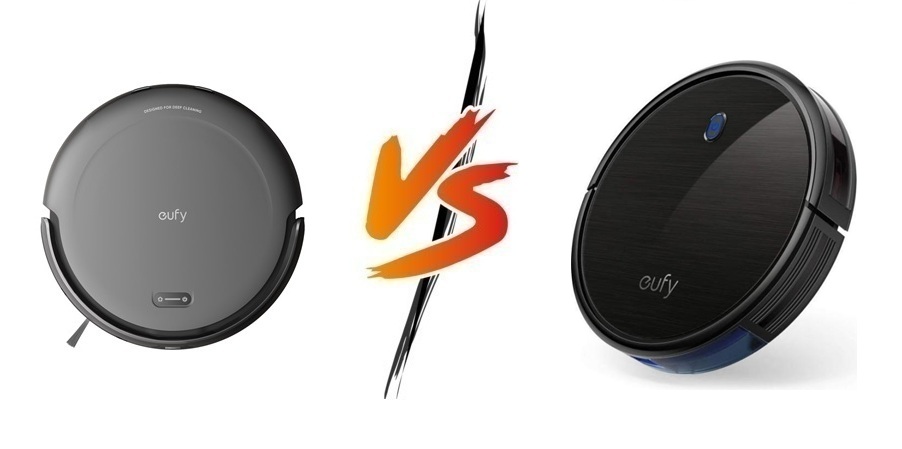
Eufy has built a strong reputation for producing affordable robot vacuum cleaners that focus on reliable cleaning rather than overwhelming buyers with expensive features they may never use. Two models that attract a lot of attention are the Eufy C10 and the Eufy RoboVac 11S Max. Although both are designed to automate floor cleaning, they represent different generations of robot vacuums with noticeably different priorities.
The RoboVac 11S Max has become something of a classic. It offers straightforward operation, impressive suction for its size, and an ultra-slim profile that allows it to clean underneath furniture that many competing models cannot reach. It is designed for users who want a dependable robot vacuum without needing smartphone apps, Wi-Fi connectivity, or advanced mapping technologies.
The Eufy C10 takes a more modern approach. It introduces smarter navigation, app-based controls, improved route planning, and more efficient cleaning patterns while maintaining Eufy’s reputation for value. Rather than simply wandering through a room until the battery runs low, the C10 attempts to clean more methodically, resulting in shorter cleaning times and fewer missed areas.
The biggest question for most buyers is whether the additional technology in the C10 justifies choosing it over the proven simplicity of the 11S Max. The answer depends largely on the layout of your home, the type of flooring you have, whether you own pets, and how much involvement you want in your robot vacuum’s day-to-day operation.
This review compares both models across every important category to help determine which vacuum offers the better overall ownership experience.
Eufy C10 vs Eufy RoboVac 11S Max Comparison Chart
If you click the links below, under the product images, you will be redirected to Amazon.com. In case you then decide to buy anything, Amazon.com will pay me a commission. This doesn’t affect the honesty of this review in any way though.
| Specification | Eufy C10 | Eufy RoboVac 11S Max |
|---|---|---|
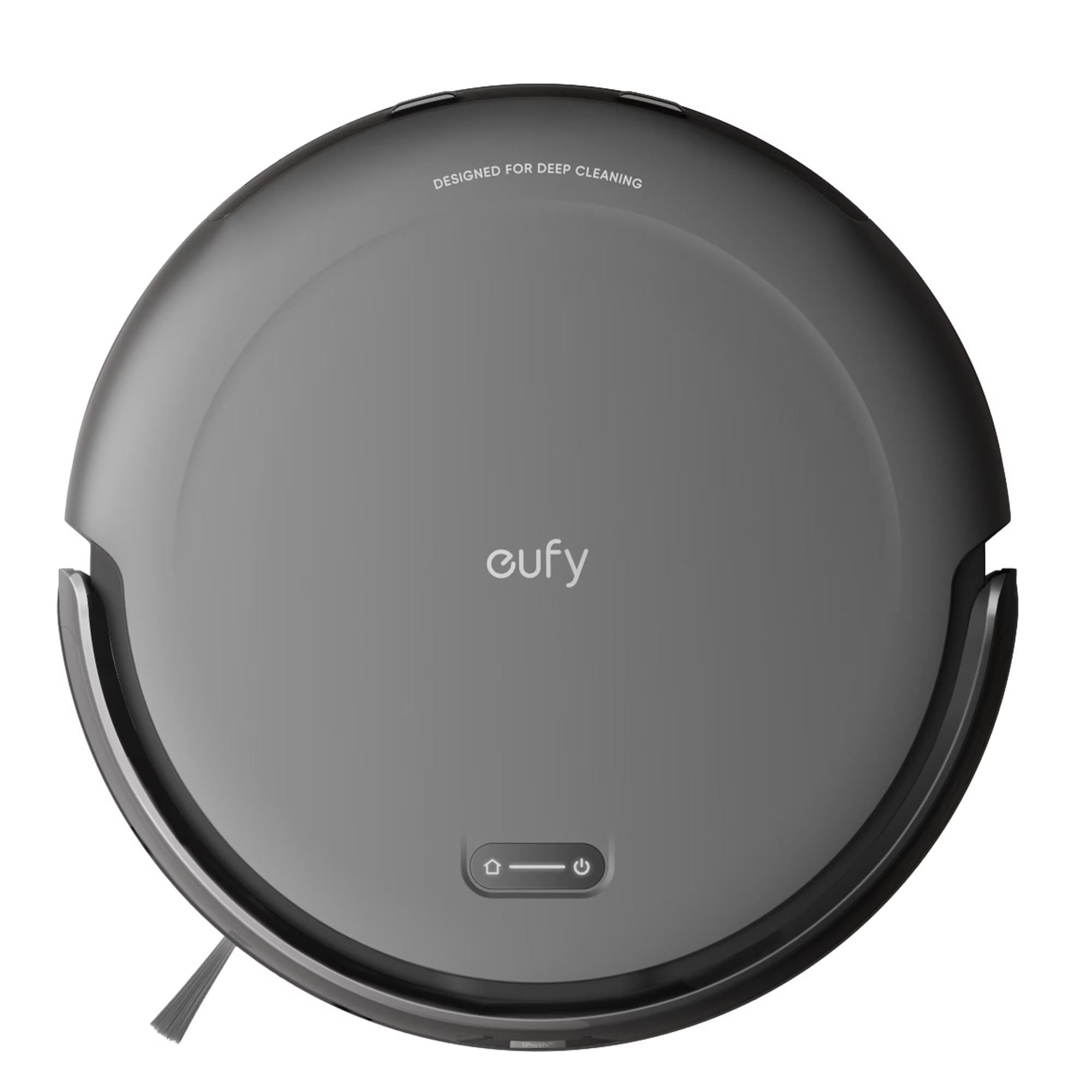 | 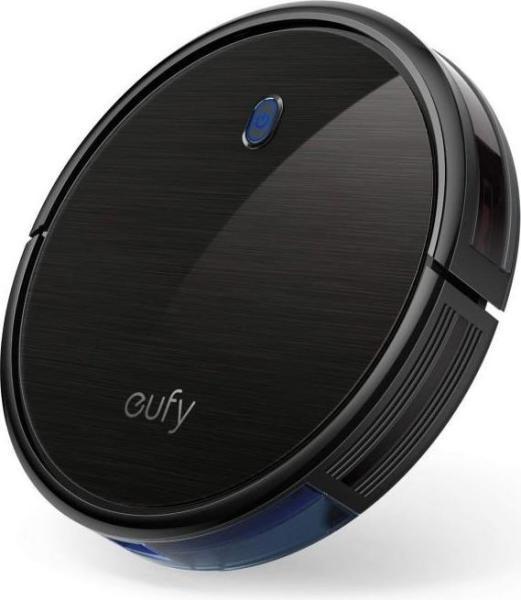 | |
| Check the best price on Amazon | Check the best price on Amazon | |
| Product Type | Robot Vacuum (vacuum-only or vacuum & mop variant, depending on model) | Robot Vacuum (vacuum-only) |
| Navigation System | Intelligent systematic navigation | Random (Bounce) navigation |
| Home Mapping | Yes | No |
| Room-by-Room Cleaning | Yes | No |
| No-Go Zones / Virtual Boundaries | Supported (depending on software/features) | No |
| Obstacle Avoidance | Advanced obstacle detection | Basic infrared sensors with bumper navigation |
| Cleaning Pattern | Methodical, organized rows | Random cleaning pattern |
| Suction Power | Up to 4,000 Pa | Up to 2,000 Pa (BoostIQ) |
| Automatic Carpet Boost | Yes | Yes (BoostIQ) |
| Cleaning Modes | Auto, Spot, Edge, Scheduled, Custom (feature-dependent) | Auto, Spot, Edge, Single Room, Max, Manual |
| Mopping Function | Available on selected versions | No |
| Water Tank | Available on mopping versions | Not available |
| Side Brushes | 1 rotating side brush | 1 rotating side brush |
| Main Brush | Floating roller brush | Roller brush |
| Dustbin Capacity | Approximately 600 mL | 600 mL |
| Auto-Empty Dock | Available on selected bundles | No |
| Battery Capacity | Approximately 2,600 mAh | 2,600 mAh |
| Maximum Runtime | Up to 120 minutes* | Up to 100 minutes (BoostIQ mode) |
| Automatic Recharge | Yes | Yes |
| Recharge & Resume Cleaning | Yes (feature-dependent) | No |
| Wi-Fi Connectivity | Yes | No |
| Smartphone App | Yes | No |
| Voice Assistant Support | Amazon Alexa & Google Assistant (where supported) | No |
| Scheduling | App-based scheduling | Remote control scheduling |
| Remote Control Included | No (app control) | Yes |
| Firmware Updates | Yes | No |
| Noise Level | Approximately 55–60 dB | Approximately 55 dB |
| Carpet Cleaning | Excellent on low- and medium-pile carpets | Very good on low- and medium-pile carpets |
| Hard Floor Cleaning | Excellent | Excellent |
| Pet Hair Performance | Excellent | Very Good |
| Edge Cleaning | Very Good | Good |
| Corner Cleaning | Good | Good |
| Cliff Sensors | Yes | Yes |
| Obstacle Sensors | Yes | Yes |
| Stair Detection | Yes | Yes |
| Robot Height | Approximately 2.85 in (72.5 mm) | 2.85 in (72.5 mm) |
| Robot Diameter | Approximately 12.8 in (325 mm) | 12.8 in (325 mm) |
| Weight | Approximately 2.7–3.0 kg (depending on configuration) | Approximately 2.7 kg |
| Recommended Home Size | Small to large homes | Small to medium homes |
| Best For | Users wanting smart navigation, app control, and greater automation | Budget-conscious users wanting simple, reliable cleaning without smart features |
| My individual reviews | Eufy C10 review | Eufy RoboVac 11S Max review |
*Actual runtime varies depending on the selected suction mode, floor type, battery condition, and home layout.
Design & Build Quality
Design is often the first thing buyers notice when comparing robot vacuum cleaners, but it also has a significant impact on how well a machine integrates into everyday life. The shape, height, material quality, wheel design, brush placement, and even the finish on the exterior all contribute to how durable, practical, and enjoyable a robot vacuum is to own. While both the Eufy C10 and the Eufy RoboVac 11S Max follow the familiar circular design found on most robot vacuums, they represent different generations of engineering. Looking beyond their appearance reveals several meaningful differences that can influence your overall experience.
At first glance, both models embody Eufy’s philosophy of producing products that prioritize functionality over flashy styling. Neither vacuum tries to stand out with extravagant colors or decorative elements. Instead, they feature clean, understated designs that blend naturally into most homes. Whether placed in a modern apartment, a traditional family home, or a minimalist office, neither robot looks out of place. This restrained approach has long been one of Eufy’s strengths, as the focus remains on practical usability rather than visual gimmicks.
One of the defining characteristics of the RoboVac 11S Max is its exceptionally slim profile. Even years after its introduction, it remains one of the thinnest robot vacuums available in its class. This low height allows it to access areas that many taller robot vacuums simply cannot reach. It slides comfortably underneath beds, sofas, entertainment units, sideboards, and cabinets, making it particularly useful for homes with low-clearance furniture. Dust tends to accumulate in these hard-to-reach spaces, and having a robot that can clean beneath them without requiring furniture to be moved is a genuine advantage.
The Eufy C10 also maintains a relatively compact profile, although its design accommodates more advanced hardware associated with modern navigation. While it remains capable of cleaning under most household furniture, buyers should be aware that extremely low furniture may still favor the slimmer dimensions of the 11S Max. In everyday use, however, the difference is unlikely to affect the majority of households unless nearly all furniture sits unusually close to the floor.
The overall construction quality of both models reflects Eufy’s reputation for producing reliable consumer electronics. The plastic used throughout each robot feels sturdy without becoming unnecessarily heavy. Pressing gently on the outer shell produces very little flex, suggesting a rigid internal structure capable of withstanding years of routine bumps into furniture, walls, and other household obstacles. Since robot vacuums inevitably experience hundreds of minor impacts during their lifetime, this structural rigidity contributes to long-term durability.
One noticeable difference lies in the finish of the top panel. The RoboVac 11S Max features a glossy, reflective surface that gives it an attractive appearance when new. It looks elegant straight out of the box and provides a premium impression despite its affordable price. However, glossy plastic comes with familiar drawbacks. Fingerprints become visible almost immediately after handling the unit, dust settles noticeably on the surface, and fine scratches accumulate over time. Owners who appreciate spotless-looking electronics may find themselves wiping the top cover regularly to maintain its appearance.
The Eufy C10 adopts a more contemporary matte finish that addresses many of these concerns. Matte surfaces naturally hide fingerprints, light scratches, and everyday dust far better than glossy materials. Even after weeks of regular use, the vacuum tends to maintain a cleaner appearance with minimal effort. This may seem like a minor cosmetic improvement, but it contributes to a product that continues to look newer throughout its lifespan.
Another area where the C10 benefits from newer engineering is the fit and finish of its various panels. The seams between components appear tighter and more consistent, giving the impression of improved manufacturing precision. Nothing feels loose or poorly assembled, and removable components such as the dustbin fit securely into place while remaining easy to remove for routine maintenance.
The bumper design deserves attention because it plays an important role in protecting both the robot and household furniture. Both vacuums incorporate a spring-loaded front bumper that absorbs light impacts when approaching walls, chair legs, table legs, or other obstacles. The bumper compresses smoothly and allows onboard sensors to detect collisions without transferring excessive force to surrounding furniture.
The bumper on the C10 feels slightly more refined during operation. Impacts are generally softer, and the robot appears to approach obstacles with greater confidence before making small adjustments to its path. The RoboVac 11S Max, relying on its simpler navigation system, often makes more frequent physical contact with furniture as part of its cleaning strategy. While these gentle bumps rarely cause damage, they can make the robot appear somewhat less sophisticated during operation.
Looking underneath the robots reveals thoughtful engineering on both models. Each uses a combination of side brushes, a central roller brush, drive wheels, and multiple sensors positioned around the base. The layout has been optimized to maximize cleaning efficiency while allowing straightforward access for maintenance.
The main brush housing on both vacuums can be removed without tools, making it relatively easy to clear tangled hair or accumulated debris. This is particularly important for households with pets or long-haired family members, where hair wrapping around the brush is inevitable regardless of the vacuum model.
The side brushes are also designed for simple replacement. Since these brushes experience regular wear from sweeping along walls and baseboards, owners will eventually need to replace them as part of routine maintenance. Eufy’s straightforward attachment mechanism allows this to be completed in minutes without specialized tools or technical expertise.
Wheel design is another area where both vacuums perform well. Large rubberized drive wheels provide sufficient grip across a variety of flooring types, including hardwood, laminate, tile, vinyl, and low-pile carpeting. The suspension built into the wheels allows each robot to transition smoothly over modest thresholds between rooms without becoming stuck. While neither vacuum is intended for climbing tall obstacles or thick rugs, both handle typical household transitions with confidence.
Ground clearance remains similar between the two models, allowing them to navigate over small floor irregularities while maintaining a low overall profile. This balance helps prevent the robots from becoming trapped on slightly uneven flooring or catching on the edges of area rugs during normal cleaning cycles.
The dustbin design reflects the different generations these vacuums belong to. The RoboVac 11S Max features a practical rear-mounted dustbin that slides out easily for emptying. Its operation is simple and dependable, requiring little explanation even for first-time users. The C10 refines this concept with a dustbin that feels slightly more ergonomic to remove and reinstall. The release mechanism operates smoothly, and the overall process feels more polished.
From a maintenance perspective, both robots are designed with accessibility in mind. Filters are easy to remove for cleaning or replacement, brush guards detach without excessive force, and sensors can be reached without disassembling major components. These thoughtful design choices encourage owners to perform regular maintenance, ultimately extending the life of the vacuum.
Noise generated by physical construction also deserves mention. Solid assembly helps minimize rattles and vibrations while the robots are operating. Neither model feels flimsy or produces distracting mechanical noises beyond the expected sound of the vacuum motor and brushes. The C10 appears slightly quieter mechanically, likely due to improvements in internal component mounting and overall chassis refinement.
The charging contacts on both units are positioned to ensure reliable docking. Over years of use, these contacts should be kept clean, but their placement minimizes accidental contamination from everyday floor debris. Similarly, the positioning of the cliff sensors helps prevent accidental falls down staircases while remaining well protected from everyday wear.
Aesthetic preferences will naturally vary between buyers. Some users may actually prefer the sleek, glossy appearance of the RoboVac 11S Max, particularly when it is freshly cleaned. Others will appreciate the understated, modern look of the C10’s matte exterior, which remains presentable with far less maintenance. Neither design is objectively superior from a visual standpoint, but the C10’s finish is undeniably more forgiving during daily ownership.
Perhaps the biggest difference between these two vacuums is not any single design feature but the overall sense of refinement. The RoboVac 11S Max was engineered during a period when affordability and dependable cleaning were the primary goals. It accomplishes those objectives remarkably well and remains a thoughtfully designed product even today. The Eufy C10 builds upon that foundation with numerous small improvements rather than radical changes. Better material choices, improved component integration, tighter construction tolerances, and a more contemporary finish collectively create a product that feels like the natural evolution of Eufy’s design philosophy.
Ultimately, both robot vacuums demonstrate solid build quality that should withstand years of regular household use. The RoboVac 11S Max continues to impress with its ultra-slim design, practical construction, and proven durability, making it an excellent option for buyers who prioritize reaching beneath low furniture. The Eufy C10, however, offers a more refined overall package, combining improved materials, better panel fit, enhanced ergonomics, and a more modern appearance into a robot that simply feels more polished. While the differences may seem subtle when viewed side by side, they become increasingly noticeable during long-term ownership, giving the C10 a modest but well-deserved advantage in the Design & Build Quality category.
Navigation Intelligence & Mapping
Navigation is one of the most important factors separating entry-level robot vacuums from more advanced models. While suction power often receives the most attention in marketing materials, even the strongest vacuum can struggle to clean efficiently if it doesn’t know where it has been or where it still needs to go. A robot that spends half its battery repeatedly cleaning the same section of floor will almost always deliver a less satisfying experience than one that follows a deliberate, organized route. This is where the differences between the Eufy C10 and the Eufy RoboVac 11S Max become most apparent.
Although both robot vacuums are designed to automate floor cleaning, they approach navigation in fundamentally different ways. The RoboVac 11S Max belongs to an earlier generation of robot vacuums that prioritize simplicity and affordability, while the C10 reflects Eufy’s move toward more intelligent, structured cleaning. The result is a noticeable gap in efficiency, consistency, and overall convenience.
The RoboVac 11S Max relies primarily on what is commonly referred to as random or bounce navigation. Rather than creating a map of your home or following a carefully planned route, it changes direction whenever it encounters an obstacle. As it moves around the room, it gradually covers the available floor space through repeated changes in direction, alternating between straight paths, angled movements, wall-following behavior, and occasional spirals depending on what its sensors detect.
At first glance, this method may appear inefficient, and compared to modern mapping systems, it certainly is. However, it is important not to dismiss it entirely. In smaller homes or apartments with relatively open layouts, random navigation often performs better than many people expect. Given enough time, the RoboVac 11S Max usually manages to clean most accessible floor areas reasonably well. It simply takes a less direct route to achieve that result.
One of the biggest challenges with bounce navigation is inconsistency. Every cleaning session is slightly different because the robot reacts dynamically to its surroundings rather than following a predefined plan. On one day, it may spend several minutes cleaning a dining room before moving into the kitchen. The next day, it might head toward the living room first and leave the dining area until much later. This unpredictability doesn’t necessarily prevent effective cleaning over time, but it does make individual cleaning sessions less efficient.
The Eufy C10 takes a considerably more organized approach. Rather than relying solely on collisions and obstacle detection to determine its path, it uses more advanced navigation technology to move methodically through the home. Instead of wandering aimlessly, it attempts to clean in logical sections, reducing unnecessary overlap while improving overall coverage.
This difference becomes immediately noticeable during operation. Watching the C10 clean feels purposeful. It travels in straighter lines, makes smoother turns, and appears to understand that it is systematically working through a room rather than simply exploring it. There is far less of the back-and-forth wandering commonly associated with older robot vacuums.
One of the biggest practical benefits of structured navigation is cleaning efficiency. Every minute the robot spends re-cleaning an already clean area is a minute that could have been spent cleaning somewhere else. Because the C10 minimizes unnecessary overlap, it generally completes cleaning cycles faster than the RoboVac 11S Max when operating in similarly sized spaces.
Battery usage also improves as a result. Efficient movement means less wasted travel, allowing more of the available battery capacity to be devoted to actual cleaning instead of repeated navigation adjustments. This becomes especially valuable in larger homes, where maximizing battery life directly affects how much floor area can be cleaned before returning to the charging dock.
Coverage consistency is another major advantage of intelligent navigation. One of the frustrations some owners experience with randomly navigating robot vacuums is discovering that certain areas seem to have been missed after a cleaning cycle. A corner of the kitchen, part of a hallway, or a section beneath a coffee table may remain untouched simply because the robot never happened to travel there before its battery ran low.
The C10 greatly reduces this issue by approaching cleaning as a planned process rather than a random one. While no robot vacuum is perfect, systematic navigation significantly lowers the likelihood of large untouched areas remaining after a complete cleaning session.
Homes with multiple rooms highlight these differences even further. The RoboVac 11S Max can certainly clean several connected rooms, but its movements between them are largely unpredictable. It may spend a disproportionate amount of time in one room while only briefly entering another before changing direction again. Eventually it usually covers the available space, but the distribution of cleaning time often feels uneven.
The C10 handles multi-room cleaning much more confidently. Its navigation allows it to transition between rooms in a way that feels intentional rather than accidental. Instead of repeatedly crossing the same doorway dozens of times, it is more likely to complete one section before progressing naturally to the next. This creates a noticeably smoother cleaning experience, particularly in medium-sized and larger homes.
Obstacle avoidance also benefits from improved navigation intelligence. Every home contains numerous objects that challenge robot vacuums, including dining chairs, coffee tables, floor lamps, pet bowls, and decorative furniture. Successfully navigating these obstacles requires balancing caution with efficiency.
The RoboVac 11S Max primarily relies on physical contact and proximity sensors to determine its path. Gentle bumps into furniture are entirely normal and expected. The spring-loaded bumper absorbs these impacts well, preventing damage to both the vacuum and household furnishings. However, frequent contact can make the robot appear somewhat clumsy, especially compared to newer models.
The C10 demonstrates more refined movement around obstacles. While it still occasionally makes light contact with furniture, it often adjusts its course earlier and more smoothly. This results in fewer abrupt direction changes and creates the impression of a machine that understands its surroundings more effectively.
Table and chair legs represent one of the most challenging navigation environments for any robot vacuum. Dining rooms, in particular, can resemble obstacle courses filled with narrow gaps and irregular pathways. The RoboVac 11S Max often requires several attempts to work its way through these spaces, occasionally becoming temporarily trapped before eventually finding an exit.
The C10 generally handles these situations with greater confidence. Its structured navigation allows it to maneuver through complex furniture arrangements more efficiently, reducing the amount of time spent circling individual chair legs or repeatedly entering and exiting the same area.
Another important aspect of navigation is wall following. Cleaning along walls and baseboards is essential because dust, pet hair, and small debris naturally accumulate around room edges. Both vacuums include dedicated edge-cleaning behavior that encourages them to follow walls while sweeping debris inward using their side brushes.
The difference lies in how consistently this behavior is integrated into the overall cleaning pattern. Because the RoboVac 11S Max relies on reactive navigation, edge cleaning often occurs intermittently throughout the cleaning cycle. The C10, by contrast, tends to incorporate wall-following into a more organized overall strategy, resulting in more consistent coverage along room boundaries.
Large open spaces provide another useful comparison. In an open-plan living room or kitchen, the RoboVac 11S Max may repeatedly cross the same section of floor while leaving another section untouched until much later. Although repeated cleaning isn’t necessarily harmful, it represents inefficient use of time and battery life.
The C10’s systematic movement allows it to divide large spaces into more manageable sections. Instead of relying on chance, it progresses steadily across the floor, making better use of every cleaning pass.
Homes with pets also benefit from improved navigation. Pet hair accumulates continuously, especially around feeding stations, sleeping areas, and frequently traveled pathways. Because the C10 distributes its cleaning efforts more evenly across the home, these high-traffic areas receive more consistent attention during each cleaning session. The RoboVac 11S Max certainly collects pet hair effectively when it passes through these locations, but its less predictable movement means cleaning frequency varies more from one session to the next.
Navigation intelligence also affects user confidence. One of the advantages of owning a robot vacuum is being able to start a cleaning cycle and trust that the machine will complete its work with minimal supervision. With the RoboVac 11S Max, some owners may occasionally wonder whether every room has actually been cleaned, particularly in larger homes. The C10 inspires greater confidence because its organized movement makes it easier to see that the cleaning process is progressing logically.
The charging process illustrates another benefit of more advanced navigation. Both robots automatically return to their charging docks when battery levels become low. However, a robot that has maintained better awareness of its surroundings throughout the cleaning cycle generally locates its charging station more efficiently. While both vacuums perform this task reliably under normal conditions, the C10’s navigation system contributes to a smoother return-to-base experience, especially in homes with more complex layouts.
It’s worth noting that navigation technology should always be considered alongside the size and layout of the home. In a compact apartment with only a few rooms, the practical advantages of intelligent navigation may be less dramatic. The RoboVac 11S Max has enough time and battery capacity to eventually cover most of the available floor area, making its random approach less problematic.
As homes become larger, however, the benefits of systematic navigation increase substantially. Additional bedrooms, longer hallways, larger living spaces, and more furniture all create situations where efficient route planning becomes increasingly valuable. In these environments, the C10’s organized movement not only saves time but also produces more consistent cleaning results with less wasted energy.
Ultimately, both robot vacuums succeed in navigating typical household environments, but they do so in very different ways. The RoboVac 11S Max relies on a proven, straightforward navigation strategy that emphasizes simplicity and affordability. It remains capable of cleaning effectively, particularly in smaller homes where its limitations are less pronounced. The Eufy C10, however, represents a significant evolution in navigation technology. Its structured cleaning patterns, improved obstacle handling, more consistent room coverage, and greater overall efficiency make it feel noticeably smarter during everyday operation. For buyers seeking a robot vacuum that cleans with purpose rather than persistence alone, the C10 delivers a substantially more polished navigation experience and earns a clear advantage in this category.
Cleaning Performance
When evaluating any robot vacuum, cleaning performance is ultimately the category that matters most. A vacuum can have an attractive design, advanced navigation, and a feature-rich mobile app, but if it cannot consistently remove dirt from your floors, none of those extras carry much value. Fortunately, both the Eufy C10 and the Eufy RoboVac 11S Max are capable cleaners, but they achieve their results in different ways. While their core objective is the same, their approach to cleaning reflects the evolution of robot vacuum technology over the years.
One important point to understand before comparing these models is that robot vacuums are designed to maintain clean floors rather than replace a full-size upright or canister vacuum. Their greatest strength lies in frequent, automated cleaning. Running a robot vacuum every day prevents dust, pet hair, crumbs, and other debris from accumulating in the first place. Instead of waiting until the floors visibly need cleaning, these machines quietly handle the routine maintenance, reducing the amount of manual vacuuming required each week.
Viewed through that lens, both the C10 and the RoboVac 11S Max perform well, but the C10 generally delivers a more complete cleaning experience because it combines capable suction with more efficient navigation.
On hard flooring, both vacuums excel. Hardwood, laminate, vinyl, ceramic tile, engineered wood, and stone floors are ideal surfaces for robot vacuums because debris remains on the surface rather than becoming embedded in fibers. Everyday household dirt such as dust, food crumbs, cereal, rice, dried leaves tracked in from outside, fine sand, and small pieces of paper are collected effectively by both machines.
The RoboVac 11S Max has earned a strong reputation over the years for delivering surprisingly powerful suction considering its slim design. Despite its compact body, it has enough airflow to collect most common household debris without difficulty. In homes where the primary concern is dust and small particles on hard floors, the 11S Max rarely disappoints. It moves confidently across smooth surfaces, picking up loose debris while its spinning side brush sweeps dirt from edges toward the main brush.
The Eufy C10 builds upon this foundation. Although raw suction numbers often attract attention, the difference in real-world cleaning isn’t always about suction alone. Cleaning efficiency is heavily influenced by how thoroughly the robot covers the available floor space. Since the C10 follows a more systematic cleaning pattern, it spends less time revisiting areas that are already clean and more time reaching areas that have not yet been covered. As a result, floors often appear more uniformly cleaned after a complete cycle.
One of the strengths shared by both models is their ability to deal with fine household dust. Dust is often invisible until it accumulates, particularly on dark-colored flooring where even a thin layer becomes noticeable. Daily cleaning with either robot significantly reduces this buildup, helping maintain cleaner-looking floors with very little user intervention.
Kitchen floors are another area where robot vacuums prove especially useful. Crumbs from meals, spilled cereal, coffee grounds, flour, and small food particles accumulate quickly in busy households. Both the C10 and the RoboVac 11S Max perform well in these environments, provided spills are dry. Neither machine is designed to handle liquids, but dry kitchen debris is generally removed with little difficulty.
The side brushes play an important role during everyday cleaning. As the robot approaches walls, cabinets, or furniture, these rotating brushes sweep debris inward toward the main suction channel. This allows both vacuums to clean areas that the central brush alone would struggle to reach. While neither robot can completely eliminate the need for occasional manual edge cleaning, they do a respectable job of reducing dust accumulation along baseboards.
Carpet performance introduces a more nuanced comparison. Low-pile carpets and rugs are well within the capabilities of both models. Everyday dust, hair, lint, and small debris resting on the surface are collected effectively during routine cleaning. The RoboVac 11S Max features automatic suction adjustment when additional power is needed, allowing it to increase cleaning performance as it transitions from hard flooring onto carpet. This automatic adaptation is particularly useful because users don’t need to manually change cleaning modes when moving between different flooring types.
The C10 also performs well on low-pile carpets, but its greatest advantage once again comes from navigation rather than raw suction alone. By following organized cleaning paths, it is less likely to miss sections of carpet during a cleaning session. Instead of repeatedly crossing one area while overlooking another, it distributes its cleaning effort more evenly across the room.
Medium-pile carpets present a greater challenge for any robot vacuum. Dust and debris begin to settle deeper within the carpet fibers, requiring stronger airflow and more agitation from the brush roll. Both vacuums continue to perform reasonably well for routine maintenance, but homeowners should maintain realistic expectations. Deeply embedded dirt that has accumulated over weeks or months still benefits from occasional cleaning with a powerful upright vacuum.
High-pile carpets remain outside the ideal operating range for both models. The thicker fibers increase rolling resistance and make it more difficult for the brush roll to reach deeply embedded debris. While both vacuums may still travel across some high-pile rugs, cleaning performance is generally reduced compared to lower-profile flooring.
Hair pickup is another area where both robots perform admirably. Human hair, especially in homes with multiple occupants, can quickly accumulate on floors. Long strands often collect in bathrooms, bedrooms, and hallways. Both the C10 and the RoboVac 11S Max effectively gather loose hair during daily cleaning, reducing visible buildup throughout the home.
Pet owners will also appreciate their ability to collect fur before it spreads into larger clumps. Cats and dogs shed continuously, and pet hair has a tendency to gather beneath furniture, around feeding stations, and along walls. Running either vacuum daily significantly reduces this accumulation, making homes feel cleaner with minimal effort.
That said, neither vacuum completely eliminates maintenance associated with hair collection. Long strands inevitably wrap around the main brush over time. Owners should expect to remove tangled hair periodically to maintain peak cleaning performance. Fortunately, both models allow relatively easy access to the brush compartment, making routine cleaning straightforward.
Larger debris provides another useful comparison. Small cereal pieces, dry pet food, popcorn, rice, and similar materials are generally handled without issue by both vacuums. Their intake systems are well suited to everyday household messes rather than unusually large debris. Objects significantly larger than typical crumbs may occasionally be pushed ahead by the side brushes before eventually being collected, but this behavior is common across many robot vacuums.
The consistency of cleaning is where the C10 begins to separate itself. A robot vacuum that removes 95 percent of debris but misses several sections of the floor ultimately provides a less satisfying experience than one that removes the same amount while covering every accessible area. The C10’s methodical cleaning patterns help ensure that dirt is removed more evenly throughout the home.
Repeated cleaning passes also deserve consideration. Because the RoboVac 11S Max follows a less structured path, some areas naturally receive multiple passes while others may only be visited once. In certain situations, these repeated passes can actually improve cleaning in heavily trafficked areas. However, they also consume valuable battery life that could have been used to clean other sections of the home.
The C10 uses its available cleaning time more efficiently. Rather than relying on repeated overlap, it aims for consistent single-pass coverage before moving on. This often results in faster overall cleaning while maintaining excellent debris removal.
Cleaning around furniture is another practical concern. Coffee tables, dining chairs, sofas, and entertainment centers create numerous obstacles that interrupt the robot’s movement. The RoboVac 11S Max occasionally spends extra time navigating these environments because its route changes with every obstacle encountered. Although it eventually cleans most accessible areas, the process can appear somewhat random.
The C10 generally handles these situations more gracefully. Its organized navigation allows it to work around furniture in a more predictable manner, reducing unnecessary repetition while maintaining good coverage beneath tables and around chair legs.
Daily maintenance cleaning is where both robots truly shine. Floors that are vacuumed every day simply stay cleaner. Dust has less opportunity to accumulate, pet hair never reaches overwhelming levels, and crumbs disappear before becoming noticeable. Whether in a small apartment or a busy family home, this regular maintenance significantly reduces the workload required during traditional weekly cleaning sessions.
For households with children, robot vacuums provide additional convenience by constantly managing the small messes that seem to appear throughout the day. Cracker crumbs, cereal, craft materials, and tracked-in dirt are all well within the capabilities of both models, provided larger toys and obstacles are removed beforehand.
It’s also worth noting that cleaning performance extends beyond visible dirt. Regular vacuuming reduces airborne dust by preventing fine particles from being repeatedly disturbed through foot traffic. While neither robot functions as an air purifier, maintaining consistently clean floors contributes to a cleaner overall living environment.
Over weeks and months of ownership, the difference between the two models becomes increasingly noticeable. The RoboVac 11S Max continues to impress with its dependable suction, straightforward operation, and ability to keep floors consistently clean. Its performance has stood the test of time, and it remains an excellent choice for buyers seeking reliable everyday cleaning without unnecessary complexity.
The Eufy C10, however, builds upon those strengths by combining effective suction with significantly improved cleaning efficiency. Its organized movement allows it to make better use of every cleaning session, reducing missed areas while maximizing battery life. Rather than relying solely on suction power, it delivers stronger overall cleaning through a combination of intelligent navigation and consistent floor coverage.
In the end, both robot vacuums are capable of maintaining clean homes when used regularly. The RoboVac 11S Max remains a dependable performer, particularly for smaller homes and straightforward floor plans where its navigation limitations are less significant. The Eufy C10, however, provides a more polished cleaning experience by pairing strong debris pickup with smarter movement, making it the better choice for homeowners seeking the most thorough and consistent automated floor cleaning.
Mopping Capability
Mopping has become one of the most desirable features in modern robot vacuums, offering homeowners the convenience of vacuuming and light floor washing in a single cleaning session. However, it is also one of the most misunderstood features. Many buyers assume that a robot equipped with a mop can fully replace the traditional bucket and mop, only to discover that robot mopping is designed with a different purpose in mind. Instead of performing deep cleaning, most robot mops focus on maintaining already-clean floors by removing light dust, footprints, and everyday surface grime.
When comparing the Eufy C10 and the Eufy RoboVac 11S Max, it is important to first establish an important distinction. The RoboVac 11S Max is a vacuum-only robot. It was designed exclusively for dry debris collection and does not include a water tank, mopping pad, or any wet-cleaning functionality. The Eufy C10, on the other hand, may be available in configurations that include mopping capabilities, depending on the specific model or regional variant. If you are comparing a vacuum-only version of the C10, then neither robot offers mopping. If your C10 includes a mopping module, however, it introduces an entirely new level of floor maintenance that the older 11S Max simply cannot provide.
For the purposes of this comparison, it is useful to evaluate what the C10’s mopping functionality adds to the overall ownership experience while also acknowledging its limitations.
The primary advantage of an integrated mopping system is convenience. Rather than vacuuming the floor first and then returning later with a traditional mop, the robot can perform both tasks during a single cleaning routine. This is particularly beneficial for households that generate a steady amount of light dirt each day. Dust, footprints, pollen, and small amounts of dried residue never have the opportunity to build up because the robot addresses them regularly.
The result is not necessarily cleaner floors after a single session, but consistently cleaner floors over weeks and months of daily maintenance.
Hard flooring benefits the most from robotic mopping. Hardwood, laminate, vinyl, ceramic tile, porcelain tile, and sealed stone surfaces all respond well to regular light wiping. These flooring materials naturally collect fine dust that may remain even after vacuuming. While a vacuum removes loose particles, it cannot always eliminate the thin film of dirt that develops through daily foot traffic. A damp microfiber pad gliding across the surface can noticeably improve the appearance of these floors by removing residue that suction alone leaves behind.
In a typical family home, this means kitchen floors remain fresher between deep cleaning sessions. Hallways where shoes regularly track in dirt maintain a cleaner appearance. Entryways lose the dusty film that often develops after several days, and dining areas stay free from light food residue left behind after meals.
The effectiveness of robot mopping depends largely on realistic expectations. The system is intended for maintenance cleaning rather than restorative cleaning. Fresh footprints, light dust, small splashes, and recently dried spills are usually handled quite well. The microfiber pad gently wipes the floor as the robot moves, collecting fine particles and lifting light dirt from the surface.
More stubborn messes are another matter entirely.
Dried coffee spills, sticky juice residue, mud that has fully hardened, grease splatters, or food that has been left on the floor for several days generally require manual attention. Robot mops do not apply the downward pressure necessary to scrub these tougher stains effectively. Unlike a person using a traditional mop, the robot cannot focus additional effort on heavily soiled areas.
This limitation applies not only to the C10 but to the vast majority of robot vacuums with integrated mopping systems.
Water management also plays an important role in determining cleaning performance. A properly designed robot mop distributes water evenly across the microfiber pad without oversaturating the floor. Too much water can leave streaks or create excessively wet surfaces, while too little reduces cleaning effectiveness. The goal is to maintain a lightly damp pad that continuously wipes the floor without leaving standing water behind.
When functioning properly, this approach is particularly suitable for sealed hardwood flooring, where excessive moisture should always be avoided. The light moisture used during robot mopping generally dries quickly, allowing homeowners to walk across the floor again within a relatively short period.
One area where robot mopping truly shines is dust removal after vacuuming. Even excellent vacuum cleaners can leave behind microscopic dust particles that are too fine to be completely captured by airflow alone. A damp microfiber cloth naturally attracts these remaining particles, leaving floors with a noticeably cleaner finish.
This is especially apparent on dark-colored hardwood or tile flooring, where fine dust often becomes visible within a day or two. Regular mopping sessions help maintain the freshly cleaned appearance much longer than vacuuming alone.
The difference becomes even more noticeable in homes located near construction sites, gravel roads, or dry climates where fine dust enters the home more frequently. In these environments, combining vacuuming with light mopping creates a cleaner overall living space without requiring additional manual effort every few days.
Navigation also influences mopping performance. Since the C10 uses a more organized cleaning pattern than the RoboVac 11S Max, it can apply the mop more consistently across the available floor space. Rather than randomly revisiting one section several times while missing another, it is better able to distribute its cleaning evenly throughout each room.
Consistency matters because a microfiber pad gradually becomes dirtier as it cleans. Efficient coverage ensures that every part of the floor receives attention before the pad reaches the point where it should ideally be rinsed or replaced.
Kitchen cleaning deserves special attention because it is often the room where robot mopping provides the greatest benefit. Daily cooking inevitably creates fine debris, tiny grease particles, flour dust, and small food crumbs. Vacuuming removes the loose material, while the damp mop helps eliminate the thin residue that gradually develops around cooking and dining areas.
Although it will not replace occasional deep scrubbing, the overall cleanliness of the kitchen improves significantly when these small deposits are removed every day rather than once a week.
Bathrooms also benefit from routine maintenance mopping. Hair, dust, and dried water spots accumulate surprisingly quickly on tile flooring. Running a robot with mopping capability several times each week helps keep these surfaces looking fresher between more thorough cleanings.
Homes with pets present another scenario where mopping adds value. Dogs and cats frequently track in dirt from outside, leave faint paw prints on smooth flooring, or shed fine hair that clings to the floor through static electricity. Vacuuming removes the loose fur, while the mop addresses the remaining dusty residue that often surrounds pet sleeping areas or feeding stations.
This combination creates floors that not only look cleaner but also feel cleaner underfoot.
Maintenance requirements for the mopping system are relatively straightforward but should not be overlooked. The microfiber pad should be cleaned after each mopping session to prevent dirt from being redistributed during future cleanings. Fortunately, most reusable pads can simply be rinsed or machine washed before being used again.
Likewise, any water remaining in the reservoir should be emptied if the robot will not be used for an extended period. Fresh water helps reduce odors and prevents mineral deposits from accumulating inside the tank over time.
Compared to traditional mopping, robotic systems require less physical effort but more consistent maintenance. Rather than performing an intensive cleaning session every week, owners spend a minute or two maintaining the robot after each use. Many people find this tradeoff worthwhile because it distributes the workload into small, manageable tasks.
One limitation worth considering is the inability of basic robot mops to distinguish between different floor coverings. Homes containing a mixture of hard flooring and carpets require some planning before initiating a mopping cycle. Depending on the robot’s capabilities, owners may need to remove rugs, define cleaning zones through the companion app if supported, or simply run vacuum-only cleaning in carpeted areas.
The RoboVac 11S Max avoids this consideration entirely because it performs only dry vacuuming. While that simplicity has its advantages, it also means owners who want freshly mopped floors must perform the entire task manually after vacuuming.
Long-term convenience is perhaps the strongest argument in favor of integrated mopping. Small amounts of dirt rarely become major cleaning problems because they are addressed daily. Floors maintain a consistently clean appearance with far less effort than relying exclusively on weekly manual mopping sessions.
That said, buyers should avoid viewing robotic mopping as a complete substitute for traditional floor care. Deep cleaning remains necessary from time to time, particularly in high-traffic areas or homes with children, multiple pets, or frequent spills. The greatest strength of robot mopping lies in reducing how often those intensive cleaning sessions are required.
Ultimately, the comparison in this category depends almost entirely on the specific C10 configuration being considered. If both machines are vacuum-only models, there is effectively no distinction to make, and mopping cannot influence the buying decision. However, if the Eufy C10 includes an integrated mopping system, it offers a clear functional advantage over the RoboVac 11S Max. While it does not replace manual mopping for stubborn stains or heavily soiled floors, it adds a valuable layer of day-to-day maintenance that helps keep hard floors cleaner, fresher, and more presentable with minimal effort. For homeowners seeking a more complete automated floor-care solution, that added capability makes the C10 the more versatile choice.
Pet-Friendliness
For many households, pet-friendliness is not just another feature to consider when buying a robot vacuum. It is often the deciding factor. Dogs and cats bring companionship and joy into a home, but they also introduce a constant stream of hair, dander, tracked-in dirt, scattered litter, and the occasional unexpected mess. A vacuum that performs well in a pet-free home may struggle to keep up in a household with one or more shedding animals. When comparing the Eufy C10 and the Eufy RoboVac 11S Max, both machines prove capable of helping manage the daily challenges of pet ownership, although they do so with different strengths.
One of the biggest realities of owning pets is that cleaning never truly ends. Unlike ordinary household dust, pet hair is produced continuously. Even short-haired breeds shed throughout the year, while long-haired cats and dogs can release astonishing amounts of fur during seasonal coat changes. Hair quickly accumulates along baseboards, under furniture, around pet beds, beneath dining tables, and in corners where air circulation naturally pushes lightweight fur.
Robot vacuums are particularly well suited to addressing this type of mess because they can operate every day without requiring much effort from the owner. Rather than allowing hair to build up over several days before vacuuming manually, daily robotic cleaning keeps accumulation under control. This is one of the biggest advantages both the C10 and the RoboVac 11S Max offer to pet owners.
The RoboVac 11S Max has built a strong reputation for handling loose pet hair effectively. Its suction power is more than adequate for collecting hair resting on hard floors, and the rotating brush helps lift fur that has settled into low-pile rugs. In homes with one or two pets, running the vacuum daily often prevents visible hair from accumulating altogether.
The Eufy C10 performs equally well in terms of raw hair pickup, but its improved navigation gives it a meaningful advantage during everyday operation. Since it follows a more organized cleaning pattern, it spends less time revisiting areas that are already clean and more time ensuring that every accessible section of the floor receives attention. This becomes increasingly valuable in larger homes where pets tend to roam throughout multiple rooms.
One important distinction is that hair pickup depends on more than suction power alone. Lightweight pet hair behaves differently from ordinary dust or crumbs. Air currents created by walking, opening doors, or operating heating and cooling systems constantly move hair around the home. A robot vacuum that misses one room during a cleaning cycle may allow hair to continue circulating until the next cleaning session.
The C10’s systematic coverage reduces the likelihood of these untouched areas, leading to a more consistent level of cleanliness throughout the home.
Hard flooring is where both vacuums perform particularly well for pet owners. Hair remains on the surface of hardwood, laminate, vinyl, and tile flooring, allowing both robots to collect it efficiently. Long strands that would otherwise gather in visible clumps beneath furniture or along walls are swept toward the suction inlet by the rotating side brush before being collected into the dustbin.
The difference becomes more noticeable on carpets. Pet hair has a tendency to work its way into carpet fibers, particularly in areas where animals regularly lie down or sleep. Low-pile carpets remain manageable for both vacuums, with the RoboVac 11S Max’s automatic suction adjustment providing additional cleaning power when needed.
However, owners should maintain realistic expectations. Neither robot vacuum is designed to replace a full-size upright vacuum for deep carpet cleaning. Hair that has become deeply embedded over weeks or months will still require occasional attention from a more powerful machine. The robot’s job is to prevent that buildup from occurring in the first place.
Homes with multiple pets naturally create a greater cleaning challenge. Two shedding dogs or several indoor cats can generate enough fur to fill a robot vacuum’s dustbin surprisingly quickly. In these situations, both models may require the dustbin to be emptied after every cleaning session to maintain peak performance.
Fortunately, emptying the dustbin is a quick and simple process on both models. Regular maintenance ensures suction remains consistent while preventing excessive hair from compacting inside the collection chamber.
Pet dander represents another important consideration. Although largely invisible, dander consists of tiny skin flakes shed by animals and is one of the primary contributors to indoor allergens. Regular vacuuming helps reduce the amount of dander settling onto floors where it can later become airborne through foot traffic.
While neither robot vacuum functions as a dedicated air purifier, maintaining consistently clean floors contributes to a healthier indoor environment, particularly for family members with mild pet allergies.
One area where robot vacuums provide tremendous value is cleaning beneath furniture. Pet hair naturally collects under sofas, beds, entertainment units, and cabinets because these areas experience little disturbance from everyday foot traffic. They also tend to become favorite hiding places for curious cats and resting spots for dogs seeking cool surfaces.
The RoboVac 11S Max has long been praised for its exceptionally slim design, allowing it to access areas that many taller robot vacuums cannot reach. In homes with low furniture, this advantage remains significant. Dust and pet hair hiding beneath couches or beds are removed regularly without requiring furniture to be moved.
The C10 also performs well beneath most furniture, although the 11S Max’s lower profile may occasionally allow it to reach spaces that are inaccessible to slightly taller robots.
Pet feeding areas present another common cleaning challenge. Dry kibble, scattered treats, and small food crumbs often accumulate around bowls. Both vacuums handle these dry messes effectively, collecting loose food before it is spread throughout the house.
Water bowls require a bit more caution. Neither robot is designed to clean liquid spills, and owners should ensure large puddles are wiped up before initiating a cleaning cycle. Fortunately, most pets quickly become accustomed to the robot’s routine and learn to avoid it while eating or drinking.
Cat owners face an additional concern in the form of litter tracking. Even cats using high-quality litter boxes often carry small granules onto nearby floors. These particles quickly spread into surrounding rooms as people walk through the area.
Both the C10 and the RoboVac 11S Max perform well at collecting scattered litter from hard flooring. Fine granules are generally picked up without issue, helping keep the area around the litter box much cleaner. Larger accumulations may occasionally require two passes, but regular daily cleaning prevents litter from spreading extensively throughout the home.
Noise levels can also influence how suitable a robot vacuum is for homes with pets. Every animal reacts differently to household appliances. Some dogs enthusiastically follow robot vacuums from room to room, while others prefer to avoid them entirely. Cats often display initial curiosity before eventually ignoring the machine altogether.
Neither the C10 nor the RoboVac 11S Max is unusually loud by robot vacuum standards. The sound they produce is steady rather than abrupt, allowing many pets to gradually become accustomed to their presence. Scheduling cleaning sessions during times when pets are naturally more relaxed can further ease this adjustment period.
Obstacle handling becomes especially relevant in pet-friendly homes because pets introduce items that are not always present in other households. Toys, chew bones, food bowls, scratching posts, blankets, and pet beds all become part of the robot’s environment.
The C10’s more advanced navigation generally allows it to maneuver around these obstacles more gracefully, reducing unnecessary contact and making cleaning sessions feel smoother overall. The RoboVac 11S Max, relying on simpler navigation, may bump gently into pet accessories before changing direction. While this rarely causes damage, it can occasionally shift lightweight toys or empty food bowls.
Long pet hair introduces another maintenance consideration for both machines. Breeds such as Golden Retrievers, German Shepherds, Maine Coons, Persian cats, and many others shed long strands that naturally wrap around the main brush during cleaning. This is not unique to Eufy products but rather an unavoidable characteristic of nearly all brush-equipped robot vacuums.
Owners should expect to inspect the main roller regularly and remove tangled hair as part of routine maintenance. Fortunately, both models are designed to make this process relatively simple. The brush guard detaches easily, allowing wrapped hair to be removed in just a few minutes. Performing this maintenance consistently helps preserve suction performance and reduces strain on the brush motor.
Scheduling flexibility also benefits pet owners. Animals do not stop shedding simply because the floors were cleaned yesterday. Daily cleaning schedules are particularly valuable because they maintain consistently low levels of fur throughout the week. The C10’s app-based scheduling provides greater flexibility for automating these routines, while the RoboVac 11S Max also supports scheduled cleaning through its controls, although with fewer customization options.
One often-overlooked advantage of regular robotic cleaning is odor management. Hair, dander, and tracked-in outdoor debris can all contribute to lingering pet odors over time. By removing these materials before they accumulate, both vacuums help maintain a fresher-smelling home. While neither vacuum directly eliminates odors, cleaner floors reduce one of the primary sources contributing to them.
The daily convenience offered by robot vacuums is perhaps their greatest strength for pet owners. Instead of spending time vacuuming every evening after work or constantly sweeping up fur from hard floors, owners can allow the robot to handle routine maintenance automatically. This doesn’t eliminate all cleaning responsibilities, but it significantly reduces the amount of manual effort required to maintain a tidy home.
Ultimately, both the Eufy C10 and the RoboVac 11S Max are well suited to households with pets. The RoboVac 11S Max continues to impress with strong suction, reliable hair pickup, and an exceptionally slim design that reaches beneath low furniture where pet hair often collects. It remains an excellent choice for smaller homes and apartments with one or two pets.
The Eufy C10, however, builds upon those strengths with more intelligent navigation, more consistent room coverage, and improved overall efficiency. By cleaning methodically rather than randomly, it provides a more reliable level of cleanliness across larger homes and complex floor plans. For pet owners seeking the most effective day-to-day maintenance with minimal intervention, the C10 ultimately offers the more polished and capable experience, making it the stronger choice in the Pet-Friendliness category.
Maintenance & Cleaning
Robot vacuums are often marketed as devices that clean your home automatically, and while that is certainly true, they are not entirely maintenance-free. Like any household appliance, they require regular care to continue performing at their best. Fortunately, maintaining a robot vacuum is generally much easier than maintaining a traditional upright vacuum, and most tasks take only a few minutes. The Eufy C10 and the Eufy RoboVac 11S Max are both designed with user-friendly maintenance in mind, but the C10 benefits from several refinements that make routine upkeep slightly more convenient.
The first thing to understand is that robot vacuum maintenance is preventative rather than reactive. Instead of waiting until the machine begins to lose suction or develops a fault, owners are encouraged to perform small maintenance tasks regularly. These simple habits help preserve cleaning performance, extend the lifespan of consumable parts, and reduce the likelihood of unexpected issues.
The most common maintenance task is emptying the dustbin. Every cleaning session removes dust, hair, crumbs, dirt, and countless other small particles from your floors, and all of that material eventually ends up in the vacuum’s collection bin. How often it needs to be emptied depends on several factors, including the size of the home, the number of occupants, whether pets are present, and how frequently the robot is used.
In an apartment occupied by one or two people, the dustbin may only need emptying every few cleaning cycles. In a larger household with children and shedding pets, however, it is often best to empty the bin after every cleaning session. Doing so ensures the vacuum always has maximum available capacity and helps maintain strong airflow.
Both the RoboVac 11S Max and the C10 feature removable dustbins that can be detached quickly without requiring tools. The removal process is intuitive and unlikely to confuse even first-time robot vacuum owners. The C10’s dustbin feels slightly more refined in its design, with a smoother release mechanism and a more ergonomic grip, making it marginally easier to remove and reinstall.
Emptying the dustbin itself is straightforward. Most debris falls out easily with a gentle tap into a household waste bin. Fine dust occasionally clings to the interior walls, particularly in dry environments where static electricity is common. A quick wipe with a dry cloth or soft brush usually resolves this issue.
Hair buildup represents another routine maintenance task that every robot vacuum owner should expect. Human hair and pet fur naturally wrap around rotating brushes during normal cleaning. This is not a design flaw but rather an unavoidable consequence of how rotating brush systems work.
The frequency of brush cleaning depends largely on the household. Homes with long-haired occupants or multiple pets may require weekly attention, while smaller households with short-haired occupants can often go considerably longer between cleanings.
Fortunately, both Eufy models make this process relatively simple. The brush guard can be removed without tools, exposing the main roller for cleaning. Tangled hair can then be pulled away by hand or cut carefully using the small cleaning tool that typically accompanies many robot vacuums.
Regular brush maintenance provides several important benefits. It allows the brush to rotate freely, maintains consistent suction performance, reduces strain on the brush motor, and prevents hair from becoming so tightly wrapped that removal becomes difficult.
The side brushes also require occasional attention. Unlike the main roller, these flexible brushes primarily sweep debris toward the center of the robot where it can be collected by the vacuum. Over time, long hair may wrap around their bases, and the bristles gradually wear through repeated contact with walls, furniture, and flooring.
Inspecting the side brushes every few weeks is usually sufficient. Hair can be removed in seconds, while worn brushes are inexpensive and easy to replace. Since these components simply snap or screw into place depending on the design, replacement requires very little technical knowledge.
Filter maintenance is equally important. Every robot vacuum relies on a filtration system to trap fine dust while allowing clean air to exit the machine. As dirt accumulates within the filter, airflow gradually decreases, reducing suction efficiency and forcing the motor to work harder.
Both the Eufy C10 and RoboVac 11S Max feature filters that are easy to access once the dustbin has been removed. Cleaning generally involves gently tapping the filter to remove loose dust or using the included cleaning brush to dislodge accumulated particles.
Some filters can also be rinsed with water depending on the manufacturer’s recommendations, although they must always be allowed to dry completely before being reinstalled. Replacing filters at appropriate intervals helps maintain strong cleaning performance while improving overall air quality during vacuuming.
Sensor cleaning is another maintenance task that many owners overlook. Robot vacuums rely on multiple sensors to detect walls, furniture, cliffs, and other obstacles. Dust accumulating over these sensors can interfere with their operation, potentially affecting navigation accuracy or causing the robot to behave unpredictably.
Fortunately, cleaning the sensors is remarkably easy. A soft microfiber cloth is usually all that is needed to wipe away dust from the exterior sensor windows. Performing this quick task every few weeks helps ensure reliable navigation throughout the robot’s lifetime.
The charging contacts deserve similar attention. Located on both the robot and its charging dock, these small metal contacts allow the battery to recharge automatically after each cleaning cycle. Dust, oxidation, or residue can gradually reduce charging efficiency if left uncleaned for extended periods.
A quick wipe with a dry cloth every month is generally sufficient to maintain reliable charging performance. This simple habit can prevent frustrating situations where the robot fails to dock properly or charges inconsistently.
The underside of both vacuums naturally collects dirt during operation and benefits from occasional inspection. Fine threads, pet hair, string, and even small pieces of fabric can become wrapped around the wheel axles over time. Left unchecked, these materials may eventually interfere with wheel movement.
Both models provide good access to their wheels, allowing accumulated debris to be removed without significant disassembly. Rotating each wheel manually during cleaning helps identify any hidden tangles that might otherwise go unnoticed.
Owners with pets should pay particular attention to this area. Pet hair has an uncanny ability to work its way into moving parts, especially after months of regular cleaning.
Battery maintenance is refreshingly uncomplicated. Unlike older rechargeable technologies that required careful charging habits, the lithium-ion batteries used in modern robot vacuums are largely self-managing. Both the C10 and the RoboVac 11S Max automatically return to their charging docks when battery levels become low, minimizing the need for user intervention.
To maximize battery longevity, it is generally advisable to leave the robot connected to its charging dock when not in use. This ensures it remains ready for scheduled cleaning while allowing the onboard charging electronics to manage battery health appropriately.
Long-term storage requires a little more consideration. If the vacuum will not be used for several months, storing it in a cool, dry environment with a partially charged battery is generally preferable to leaving it completely discharged. Periodic recharging during extended storage also helps preserve battery condition.
Maintenance requirements naturally increase in homes with pets. Fur, dander, tracked-in dirt, and scattered litter all contribute to heavier workloads for the vacuum. As a result, dustbins fill faster, brushes require more frequent cleaning, and filters accumulate dust more quickly.
However, this should not discourage pet owners. The maintenance itself remains simple; it merely needs to be performed more often. Spending five or ten minutes each week maintaining the vacuum is still considerably easier than manually vacuuming pet hair throughout the house every day.
One area where the C10 offers an advantage is overall maintenance accessibility. Its newer design reflects years of product development, with components that feel slightly easier to remove and reinstall. Nothing about the RoboVac 11S Max is particularly difficult to maintain, but the C10’s dustbin, filter access, and general component layout feel just a little more refined.
Replacement parts are another important aspect of long-term ownership. Consumable items such as filters, side brushes, and main brushes naturally wear over time regardless of the vacuum model. Fortunately, both robots use components that are widely available and reasonably affordable. Replacing worn parts at recommended intervals helps restore the vacuum’s original cleaning performance without requiring expensive servicing.
Durability also benefits from consistent maintenance. Motors experience less strain when filters remain clean, brushes rotate more freely when hair is removed regularly, and navigation systems function more accurately when sensors remain free of dust. Small maintenance habits therefore contribute directly to extending the overall lifespan of the appliance.
Perhaps the biggest advantage of both Eufy models is that maintenance never feels intimidating. Owners do not need specialized tools, technical expertise, or lengthy disassembly procedures to perform routine care. Nearly every maintenance task can be completed in just a few minutes using little more than the supplied cleaning tool and a microfiber cloth.
For first-time robot vacuum owners, this simplicity is particularly reassuring. The learning curve is minimal, and the maintenance schedule quickly becomes part of a regular household routine. Empty the dustbin, check the brushes, wipe the sensors, and occasionally clean the filters. Those few habits are enough to keep either machine operating efficiently for years.
Ultimately, both the Eufy C10 and the RoboVac 11S Max are impressively easy to maintain. Their modular designs, accessible components, and straightforward cleaning procedures minimize the effort required to keep them running smoothly. The RoboVac 11S Max continues to impress with its dependable, no-nonsense design that has proven itself over years of everyday use. The Eufy C10 builds upon that foundation with subtle improvements that make routine maintenance feel slightly more polished and user-friendly. While the differences are not dramatic, they become increasingly noticeable over long-term ownership, giving the C10 a modest but well-earned advantage in the Maintenance & Cleaning category.
Ergonomics & Usability
Ergonomics is not a category that immediately comes to mind when discussing robot vacuum cleaners. Unlike upright or cordless stick vacuums, robot vacuums are not held, pushed, or carried around the house during normal use. However, ergonomics is about much more than physical comfort. It encompasses how intuitive a product is to operate, how easily it fits into daily routines, how much effort it requires from the owner, and how effectively it minimizes unnecessary interaction. In many ways, these considerations are even more important for a robot vacuum than for a traditional vacuum cleaner because the goal of robotic cleaning is to reduce household chores rather than simply make them easier.
Both the Eufy C10 and the Eufy RoboVac 11S Max are designed with simplicity in mind, but they represent different philosophies regarding usability. The RoboVac 11S Max focuses on delivering a straightforward, uncomplicated experience that almost anyone can understand within minutes. The C10, meanwhile, embraces modern convenience by offering greater automation, smartphone integration, and expanded customization while still maintaining an approachable interface.
For many users, the setup process creates the first impression of a product’s usability. The RoboVac 11S Max excels in this regard because there is very little to configure. After charging the battery and placing the docking station in a suitable location, the vacuum is essentially ready to begin cleaning. There is no requirement to connect to Wi-Fi, download a mobile application, create an online account, or configure smart home devices. Owners who prefer appliances that simply work without involving additional technology often appreciate this straightforward approach.
The Eufy C10 introduces a slightly more involved setup process due to its additional smart features. Pairing the vacuum with a smartphone, connecting it to a wireless network, and completing the initial software configuration require a few extra steps. Fortunately, these tasks are generally well guided and only need to be completed once. Although the process takes longer than with the RoboVac 11S Max, it unlocks a much broader range of functionality that many users will find worthwhile.
The physical controls on both vacuums are intentionally minimal. Robot vacuums are designed to operate autonomously, so there is little need for numerous buttons or complex control panels. The RoboVac 11S Max features a simple interface that allows users to start, stop, and manage basic cleaning functions without confusion. The controls respond reliably, and their purpose is immediately obvious even to users unfamiliar with robot vacuums.
The C10 follows a similarly clean design philosophy but places greater emphasis on companion app controls. Physical buttons remain available for basic operation, ensuring the vacuum can still function independently of a smartphone when necessary. However, many of its more advanced capabilities are accessed through the mobile application, giving owners far greater flexibility when managing cleaning schedules and preferences.
One of the biggest differences between the two models becomes apparent during everyday operation. The RoboVac 11S Max offers an experience that could best be described as uncomplicated. Press the cleaning button, and the robot begins working. There are very few decisions to make and almost no learning curve. For buyers who dislike configuring electronic devices or navigating numerous settings, this simplicity can actually be a significant advantage.
The C10, on the other hand, rewards users who enjoy having more control over their appliances. Depending on its available features, owners may be able to adjust cleaning modes, create schedules, monitor cleaning progress, review cleaning history, and customize how the robot behaves in different situations. While these additional options inevitably introduce more complexity, they also provide a much more personalized cleaning experience.
Scheduling is one area where modern usability truly shines. Both vacuums support automated cleaning routines, allowing owners to schedule cleaning sessions while they are at work, asleep, or away from home. Once configured, the robot simply leaves its charging dock, cleans the designated area, and returns to recharge without requiring further attention.
The C10 generally offers more flexible scheduling through its mobile application. Depending on the supported features, users may be able to create different cleaning routines for weekdays and weekends, adjust cleaning frequency, or customize cleaning behavior for specific situations. This flexibility allows the robot to integrate more naturally into busy households where cleaning requirements vary throughout the week.
The RoboVac 11S Max also supports scheduled cleaning, but its simpler interface naturally provides fewer customization options. For many households, however, a single daily cleaning schedule is more than sufficient.
Another important aspect of usability is how much supervision the robot requires during cleaning. Neither vacuum is completely immune to becoming trapped by charging cables, loose clothing, or small objects left on the floor, but both are designed to navigate typical household environments with minimal intervention.
The C10’s more advanced navigation contributes significantly to its ease of use. Because it moves more systematically, owners often feel more confident allowing it to clean unattended. It generally requires fewer manual rescues from complicated furniture arrangements and spends less time wandering unpredictably through the home.
The RoboVac 11S Max remains reliable but occasionally requires slightly more attention, particularly in homes with complex layouts or numerous obstacles. Its simpler navigation can sometimes lead it into situations where it needs a little assistance, although these occurrences are rarely frequent enough to become frustrating.
The process of emptying the dustbin also contributes to overall usability. Since this is one of the most common maintenance tasks, even small ergonomic improvements become noticeable over time. Both vacuums feature removable dustbins that are easy to access, but the C10’s newer design feels slightly more polished. The release mechanism operates smoothly, and the dustbin slides into place with reassuring precision.
Maintenance accessibility further reinforces the usability of both models. Cleaning filters, removing tangled hair from brushes, and inspecting sensors are all tasks that owners perform regularly. Neither vacuum requires complicated disassembly for routine maintenance, and most components can be accessed within a few moments.
The C10 again benefits from subtle design refinements that make these tasks feel just a bit easier. While the RoboVac 11S Max remains perfectly serviceable, its successor reflects years of incremental improvements in user-centered design.
Noise can also influence perceived usability. A quieter vacuum is less disruptive during daily life, allowing cleaning sessions to occur while family members are working, reading, or watching television. Both models operate at relatively moderate noise levels for robot vacuums, making them suitable for regular daytime use.
The consistency of the sound profile also matters. Sudden changes in motor speed or repeated impacts with furniture can make a robot feel more intrusive than its measured noise level alone would suggest. The C10’s smoother navigation results in fewer abrupt changes in direction and less frequent bumper contact, creating a more refined overall operating experience.
Smartphone integration significantly expands the usability of the C10. Rather than physically interacting with the vacuum, owners can often manage cleaning sessions remotely. Starting a cleaning cycle while leaving work, checking cleaning progress from another room, or adjusting settings without bending down to the robot all contribute to a more convenient ownership experience.
This remote accessibility becomes particularly valuable for busy professionals or frequent travelers who want their floors cleaned before returning home.
The RoboVac 11S Max intentionally avoids much of this digital complexity. For some buyers, this represents a limitation. For others, it is one of the product’s greatest strengths. Not everyone wants household appliances connected to wireless networks or managed through smartphone applications. Many users simply appreciate pressing a button and allowing the vacuum to perform its task without additional technology.
Accessibility for older users deserves mention as well. The RoboVac 11S Max’s uncomplicated interface may actually make it the easier choice for individuals who are less comfortable with smartphones or app-based appliances. There are fewer menus to navigate, fewer settings to configure, and fewer opportunities for software-related confusion.
The C10 remains approachable, but its expanded feature set naturally introduces a somewhat steeper learning curve. Fortunately, owners who prefer a simpler experience can still use the basic controls without exploring every available function.
Daily interaction with the charging dock also contributes to long-term usability. Both vacuums automatically return to their charging stations when battery levels become low, reducing the need for manual charging. This automation is fundamental to the robot vacuum experience, allowing the machine to remain ready for its next scheduled cleaning session with virtually no owner involvement.
The C10’s more intelligent navigation generally results in a smoother return to the charging dock, particularly in homes with multiple rooms or more complicated floor plans. While the RoboVac 11S Max also docks reliably under normal circumstances, its less structured navigation occasionally results in a slightly longer search for the charging station.
The overall learning curve differs noticeably between the two models. The RoboVac 11S Max can be understood almost immediately. Most users require only a few minutes before feeling completely comfortable operating it. This simplicity is one of its greatest strengths and explains why it has remained popular for so many years.
The C10 asks owners to invest a little more time during initial setup and familiarization, but it rewards that investment with greater flexibility and automation. Once configured, much of the additional complexity fades into the background as cleaning routines become fully automated.
Ultimately, ergonomics and usability come down to how naturally a product fits into everyday life. Both the Eufy C10 and the RoboVac 11S Max succeed in minimizing the amount of work required from the owner, but they achieve this goal through different philosophies. The RoboVac 11S Max emphasizes straightforward operation, dependable performance, and minimal learning, making it an excellent choice for users who value simplicity above all else. The Eufy C10, meanwhile, combines intuitive hardware with modern software features that provide greater convenience, customization, and automation. For buyers willing to embrace its additional smart capabilities, the C10 delivers a more refined and versatile user experience, earning a clear advantage in the Ergonomics & Usability category while still remaining approachable for everyday use.
Conclusion
Choosing between the Eufy C10 and the Eufy RoboVac 11S Max ultimately comes down to what you expect from a robot vacuum and how much automation you want in your daily cleaning routine. While both models share Eufy’s reputation for dependable performance, solid build quality, and excellent value for money, they are designed for different types of users.
The RoboVac 11S Max remains an impressive option despite its age. Its ultra-slim profile allows it to clean beneath furniture that many robot vacuums cannot reach, its suction power is more than capable of handling everyday dust, crumbs, and pet hair, and its straightforward operation makes it ideal for users who simply want to press a button and let the robot get to work. It avoids unnecessary complexity, making it particularly appealing for smaller homes, apartments, or buyers who prefer a simple appliance without relying on smartphone apps or advanced smart features.
The Eufy C10, however, represents a clear step forward in terms of overall technology and user experience. Its intelligent navigation system allows it to clean more methodically, covering rooms more efficiently while reducing missed areas and unnecessary battery usage. The addition of modern smart features, improved ergonomics, easier maintenance, and optional mopping functionality creates a more complete and convenient cleaning solution for today’s households.
Neither model completely replaces the need for occasional deep cleaning with a traditional vacuum, particularly on thick carpets or when dealing with stubborn dirt. Instead, both excel as maintenance cleaners that keep floors consistently clean with minimal effort. Used regularly, they significantly reduce the amount of manual vacuuming required while helping to maintain a tidier home every day.
Overall, the RoboVac 11S Max continues to be an excellent budget-friendly robot vacuum that delivers reliable cleaning performance without unnecessary complications. The Eufy C10, however, builds upon that strong foundation with smarter navigation, greater efficiency, enhanced convenience, and a more refined ownership experience. For most buyers, particularly those with medium to large homes or more complex floor plans, the Eufy C10 is the stronger long-term investment and the overall winner in this comparison.