
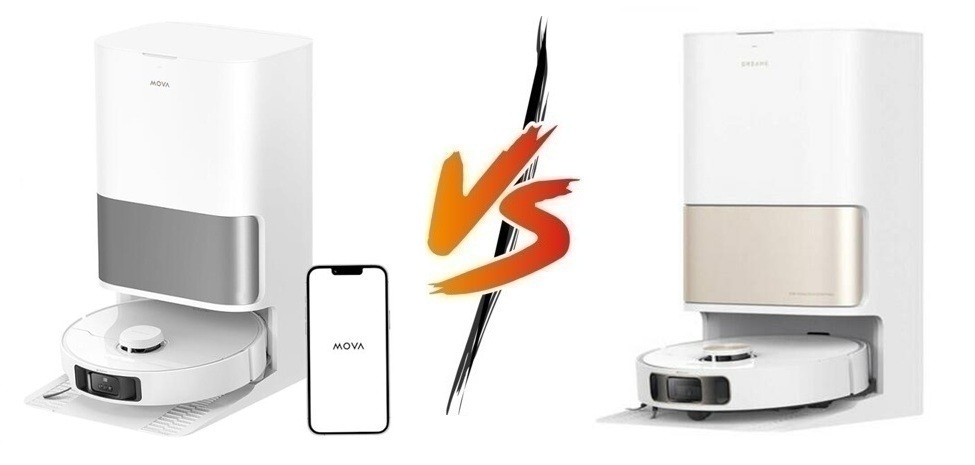
The robot vacuum market has become crowded with machines that promise to vacuum, mop, empty themselves, wash their own mops, and practically eliminate floor cleaning from your weekly routine. Two models that attract a lot of attention in the upper mid-range category are the Mova P10 Pro Ultra and the Dreame L10s Pro Ultra.
At first glance, these machines appear remarkably similar. That’s not surprising because Mova is a sub-brand closely associated with Dreame, and the P10 Pro Ultra shares much of its DNA with higher-end Dreame models. In fact, multiple reviewers have noted that the P10 Pro Ultra is closely related to the Dreame L40 Ultra platform.
After examining specifications, professional testing, manufacturer information, and real-world user feedback, the interesting question isn’t whether these robots are good. Both are. The real question is which one offers the better ownership experience.
This review looks beyond the marketing claims and focuses on what actually matters when you live with these machines every day.
Mova P10 Pro Ultra vs Dreame L10s Pro Ultra Comparison Chart
If you click the links below, under the product images, you will be redirected to Amazon.com. In case you then decide to buy anything, Amazon.com will pay me a commission. This doesn’t affect the honesty of this review in any way though.
| Specification | Mova P10 Pro Ultra | Dreame L10s Pro Ultra |
|---|---|---|
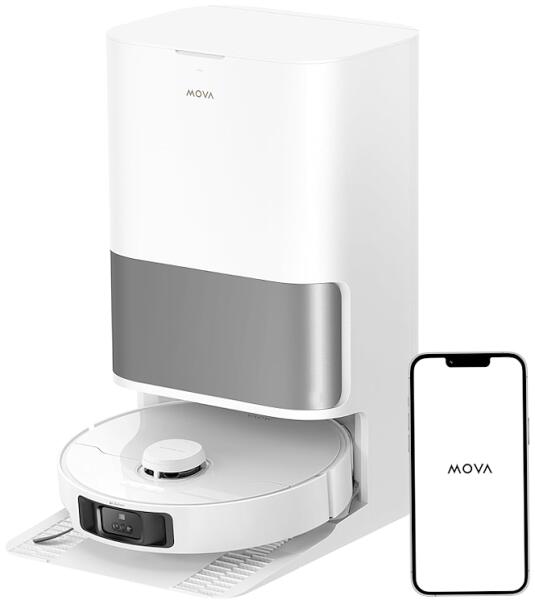 | 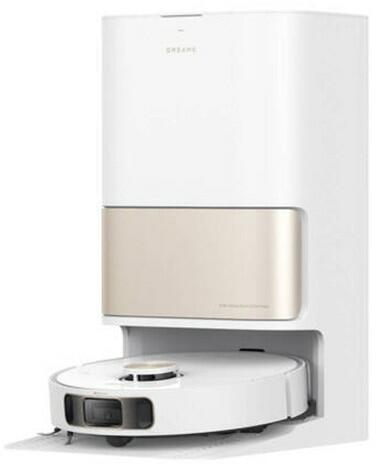 | |
| Check the best price on Amazon | Check the best price on Amazon | |
| Product Type | Robot Vacuum & Mop | Robot Vacuum & Mop |
| Navigation System | LiDAR + RGB Camera + Structured Light Obstacle Avoidance | LiDAR + AI Obstacle Avoidance |
| Mapping Technology | Multi-level 3D Mapping | Multi-level Smart Mapping |
| Suction Power | Up to 13,000 Pa | Up to 7,000 Pa |
| Main Brush | Rubber Brush System | Floating Rubber Brush |
| Side Brush | Extendable Side Brush | Standard Side Brush |
| Mopping System | Dual Rotating Mop Pads | Dual Rotating DuoScrub Mop Pads |
| Mop Extension | Yes | Yes |
| Mop Lift Function | Yes | Yes |
| Automatic Carpet Detection | Yes | Yes |
| Carpet Avoidance During Mopping | Yes | Yes |
| Obstacle Recognition | Advanced AI Camera + Structured Light | AI-Based Object Recognition |
| Edge Cleaning Technology | Extendable Side Brush + Extendable Mop | Extendable Mop Technology |
| Dustbin Capacity (Robot) | Approximately 300 ml | Approximately 350 ml |
| Clean Water Tank (Dock) | Approximately 4.5 L | Approximately 4.5 L |
| Dirty Water Tank (Dock) | Approximately 4.0 L | Approximately 4.0 L |
| Battery Capacity | 5,200 mAh | 5,200 mAh |
| Runtime | Up to 180–220 Minutes* | Up to 180–210 Minutes* |
| Auto Dust Emptying | Yes | Yes |
| Auto Water Refilling | Yes | Yes |
| Automatic Mop Washing | Yes | Yes |
| Automatic Mop Drying | Yes | Yes |
| Hot Water Mop Washing | Yes | Yes |
| Hot Air Drying | Yes | Yes |
| Auto Detergent Dispensing | No | Yes |
| Voice Assistant Support | Amazon Alexa, Google Assistant | Amazon Alexa, Google Assistant |
| Mobile App | Mova Home / Dreame Ecosystem | Dreamehome |
| Multi-Floor Support | Yes | Yes |
| No-Go Zones | Yes | Yes |
| Virtual Walls | Yes | Yes |
| Room-Specific Cleaning | Yes | Yes |
| Scheduled Cleaning | Yes | Yes |
| Pet Obstacle Avoidance | Excellent | Very Good |
| Hair Tangle Resistance | Very Good | Very Good |
| Threshold Crossing Ability | Up to 20–22 mm | Up to 20 mm |
| Self-Cleaning Dock | Yes | Yes |
| Self-Maintenance Level | Very High | Very High |
| Best Strength | Advanced Navigation & Obstacle Avoidance | Refined Software & Mopping Experience |
| Best For | Pet Owners, Cluttered Homes, Maximum Technology | Users Prioritizing Reliability & Ease of Use |
| My individual reviews | Mova P10 Pro Ultra review |
* Actual runtime varies depending on floor type, suction mode, obstacle density, and mopping settings.
Key Differences at a Glance
| Category | Winner |
|---|---|
| Suction Power | Mova P10 Pro Ultra |
| Obstacle Avoidance | Mova P10 Pro Ultra |
| Pet-Friendliness | Mova P10 Pro Ultra |
| Edge Cleaning | Mova P10 Pro Ultra |
| Mopping Refinement | Dreame L10s Pro Ultra |
| Software Maturity | Dreame L10s Pro Ultra |
| Dock Features | Dreame L10s Pro Ultra |
| Auto Detergent Dispensing | Dreame L10s Pro Ultra |
| Overall Value for Money | Mova P10 Pro Ultra |
| Overall Refinement | Dreame L10s Pro Ultra |
Bottom Line
| If you want… | Choose… |
|---|---|
| The strongest specifications on paper | Mova P10 Pro Ultra |
| Better obstacle avoidance and pet handling | Mova P10 Pro Ultra |
| A more mature and polished software experience | Dreame L10s Pro Ultra |
| Slightly better dock automation | Dreame L10s Pro Ultra |
| The best value-per-feature ratio | Mova P10 Pro Ultra |
| The safest recommendation for most buyers | Dreame L10s Pro Ultra |
Design & Build Quality
When evaluating robot vacuum cleaners, design and build quality often receive less attention than suction power or mopping performance. That is understandable, as most buyers naturally focus on cleaning results first. However, after spending months or years living with a robot vacuum, build quality becomes one of the most important factors affecting long-term satisfaction. A well-built robot feels reliable every time it leaves the dock, survives countless encounters with furniture, and continues operating smoothly after hundreds of cleaning cycles. In contrast, a poorly designed machine can become a source of frustration regardless of how impressive its specifications look on paper.
In the case of the Mova P10 Pro Ultra and the Dreame L10s Pro Ultra, both manufacturers have clearly targeted the premium segment of the market. These are not budget-oriented products designed to hit the lowest possible price point. Instead, both aim to deliver a flagship-like ownership experience through premium materials, sophisticated engineering, and highly automated docking systems.
Despite sharing certain design philosophies, there are noticeable differences in how each product approaches quality, aesthetics, and everyday practicality.
Mova P10 Pro Ultra
The Mova P10 Pro Ultra immediately creates a positive first impression. From the moment it is removed from the packaging, the robot feels substantial and carefully assembled. The plastic used throughout the chassis feels dense and durable, avoiding the hollow sensation that is sometimes associated with lower-priced robotic cleaners.
The overall styling is modern and minimalist. Rather than attempting to stand out through aggressive design elements or futuristic shapes, Mova has opted for a clean and understated appearance. This approach works well because robot vacuums spend most of their lives sitting in visible locations. A design that blends into the home is often preferable to one that constantly draws attention.
The top surface is particularly attractive, featuring a clean layout that keeps controls simple and accessible. The LiDAR tower is integrated neatly into the robot’s overall shape, avoiding the bulky appearance seen on some earlier generations of robot vacuums. The result is a machine that looks contemporary without appearing overly complicated.
One aspect that stands out is the amount of technology integrated into the robot’s body. The P10 Pro Ultra houses a sophisticated collection of sensors, cameras, and navigation hardware while maintaining a sleek overall profile. This requires careful engineering because every additional sensor creates new challenges related to placement, protection, and durability. The fact that the robot manages to incorporate all of these technologies without looking cluttered is a credit to the design team.
The bumper assembly feels particularly sturdy. Since robot vacuums inevitably encounter furniture legs, walls, kitchen cabinets, and other obstacles, bumper durability is critical. The P10 Pro Ultra appears capable of handling years of everyday impacts without developing excessive looseness or rattling.
The side brush mechanism also deserves attention. Many robot vacuums use relatively fragile side brushes that can become bent or damaged after extended use. The implementation here feels more robust, with a design that inspires confidence during operation around furniture and room edges.
Another strength of the P10 Pro Ultra is its dock. Premium robot vacuums increasingly rely on their docking stations to perform tasks that once required manual intervention. In many ways, the dock is now just as important as the robot itself.
The docking station supplied with the P10 Pro Ultra feels substantial and well-constructed. The water tanks fit securely, the dust collection components are easy to access, and the overall structure feels stable. Nothing feels flimsy or temporary. Every interaction suggests that the dock was designed for years of repeated use.
That said, the dock is undeniably large. While this is common among modern all-in-one cleaning stations, prospective buyers should be prepared to dedicate a meaningful amount of floor space to accommodate it. In smaller apartments, finding an appropriate location may require some planning.
From a durability perspective, the Mova inspires confidence. The materials feel premium, the panels fit together tightly, and the entire system appears capable of handling daily use without significant wear.
Dreame L10s Pro Ultra
The Dreame L10s Pro Ultra takes a slightly different approach to design. While the Mova impresses through its advanced technology and modern presentation, the Dreame emphasizes refinement and maturity.
At first glance, the robot may appear somewhat conservative compared to newer competitors. However, this restraint ultimately works in its favor. Every aspect of the design feels deliberate and thoroughly considered.
The robot’s body exhibits excellent fit and finish. Panel gaps are minimal, surfaces feel durable, and the overall construction conveys a sense of quality that is immediately noticeable. There are no obvious weak points or areas where cost-cutting appears evident.
The top panel has a clean and professional appearance. The controls are intuitive, and the overall layout prioritizes functionality over visual gimmicks. This may sound like faint praise, but it is actually one of the product’s greatest strengths. Good industrial design often goes unnoticed because everything simply works as expected.
The brush housing, wheel assemblies, and underside components all appear engineered for long-term durability. This is important because robot vacuums operate in demanding environments. They constantly encounter dust, hair, debris, furniture impacts, and changing floor surfaces. Products that survive these conditions successfully are typically the result of careful engineering rather than flashy marketing features.
The wheel design is particularly impressive. The suspension system feels robust, allowing the robot to transition smoothly between different floor types and navigate common household obstacles with confidence. Over time, this contributes to a perception of overall quality because the robot moves smoothly and predictably rather than feeling unstable or awkward.
The docking station is another area where Dreame demonstrates its experience. The station feels polished and highly refined. Every component appears designed to minimize user frustration, from water tank access to dust bag replacement. Small details, such as how components slide into place and how securely they lock, contribute significantly to the premium feel of the system.
A major strength of the Dreame dock is its cohesiveness. Rather than feeling like a collection of separate functions assembled into a single unit, the entire station operates as a unified system. This creates a more seamless ownership experience and reinforces the impression of a mature, carefully developed product.
The overall aesthetic is also likely to appeal to a broad audience. The dock looks modern without being flashy, making it easier to integrate into a variety of home environments.
Which Feels More Premium?
This is surprisingly difficult to answer because both products deliver a genuinely premium experience.
The Mova P10 Pro Ultra feels innovative and technologically ambitious. It gives the impression of a company attempting to bring flagship-level hardware to a wider audience. There is a certain excitement associated with its design, particularly when examining the extensive sensor suite and advanced cleaning mechanisms.
The Dreame L10s Pro Ultra, on the other hand, feels more refined. It may not create the same immediate “wow” factor, but it consistently impresses through attention to detail and overall execution. Every component feels polished, mature, and carefully optimized.
If design quality is judged primarily by innovation, the Mova has a slight advantage. If build quality is judged by refinement, consistency, and confidence-inspiring construction, the Dreame comes out ahead.
Ultimately, both rank among the better-built robot vacuum systems currently available. However, the Dreame L10s Pro Ultra earns a narrow victory in this category because its design feels slightly more cohesive and mature. The Mova P10 Pro Ultra is exceptionally well-made, but the Dreame delivers a level of polish that becomes increasingly apparent the longer you live with it.
Navigation Intelligence & Mapping
If suction power is the engine of a robot vacuum, navigation intelligence is its brain. A robot can have the most powerful motor in the world, but if it struggles to understand your home, misses rooms, gets trapped under furniture, or repeatedly bumps into obstacles, the overall cleaning experience quickly becomes frustrating.
Modern robot vacuums have evolved far beyond the random-navigation systems that dominated the market a decade ago. Today’s premium machines create detailed maps, recognize obstacles, understand room boundaries, adapt to changing environments, and make thousands of micro-decisions during every cleaning run.
When comparing the Mova P10 Pro Ultra and the Dreame L10s Pro Ultra, navigation is one of the most interesting categories because both products are highly capable, yet they approach the challenge in slightly different ways. The Mova prioritizes advanced sensing and object recognition, while the Dreame focuses on consistency, efficiency, and proven reliability.
The result is a fascinating comparison between technological ambition and practical refinement.
Mova P10 Pro Ultra
The Mova P10 Pro Ultra immediately impresses with the sophistication of its navigation hardware.
Many robot vacuums rely primarily on LiDAR mapping combined with basic obstacle sensors. The P10 Pro Ultra goes significantly further by integrating multiple sensing technologies that work together to build a highly detailed understanding of the environment.
In practical terms, this means the robot is constantly gathering information about:
- Room dimensions
- Furniture placement
- Floor transitions
- Obstacles
- Cleaning boundaries
- Dynamic changes within the home
The first mapping run is generally fast and impressively accurate. The robot moves confidently through the home while constructing a floor plan that often requires very little manual correction. Rooms are typically identified correctly, furniture placement is represented with reasonable accuracy, and the overall map structure feels sophisticated.
One of the most noticeable strengths of the Mova system is obstacle recognition.
Many robot vacuums can detect that an object exists. Fewer can accurately understand what that object actually is.
The P10 Pro Ultra performs exceptionally well in cluttered environments. Shoes left near the front door, charging cables under desks, pet bowls, toys, socks, and other everyday household items are frequently recognized and avoided with impressive precision.
This capability becomes especially valuable in real-world homes.
Most manufacturer demonstrations show perfectly organized rooms with clear floor space. Actual homes rarely look like that. Children leave toys behind, pets move objects around, and cables seem to appear everywhere. A robot vacuum that can successfully navigate this reality is far more useful than one that only performs well in ideal conditions.
The P10 Pro Ultra often feels remarkably aware of its surroundings. Instead of simply colliding with objects and adjusting course, it frequently appears to anticipate obstacles before reaching them.
This creates a more intelligent cleaning experience.
The robot spends less time recovering from mistakes and more time cleaning.
Another strength is how confidently it navigates around furniture. Table legs, dining chairs, coffee tables, and shelving units are handled with precision. The robot often cleans very close to these objects without making significant contact, which helps maximize floor coverage while reducing unnecessary impacts.
However, advanced navigation systems sometimes introduce their own challenges.
One characteristic occasionally observed with highly intelligent robot vacuums is over-cautious behavior. Because the robot has access to so much environmental information, it may sometimes interpret harmless features as potential obstacles.
Dark floor patterns, highly reflective surfaces, unusual rugs, and complex carpet designs can occasionally confuse even advanced navigation systems.
In these situations, the P10 Pro Ultra may become more conservative than necessary. Rather than risking contact with a perceived obstacle, it may leave a small area partially cleaned or take a less direct route.
This behavior is understandable from a design perspective. Most manufacturers would rather have a robot avoid a questionable area than risk damaging property or becoming trapped. Nevertheless, it occasionally reduces cleaning efficiency.
The mapping software itself is highly capable.
Users can create no-go zones, establish virtual walls, customize room divisions, and create cleaning schedules based on specific rooms or floor types. Multi-floor support is also well implemented, making the robot suitable for larger homes with multiple levels.
Overall, the Mova feels like a robot designed to maximize environmental awareness. Its navigation system is ambitious, technologically impressive, and often remarkably intelligent.
Dreame L10s Pro Ultra
The Dreame L10s Pro Ultra approaches navigation from a slightly different philosophy.
Where the Mova often impresses through technological complexity, the Dreame excels through consistency and predictability.
From the very first mapping run, the L10s Pro Ultra demonstrates a strong understanding of efficient movement. The robot rarely appears confused, uncertain, or hesitant. Instead, it systematically works through the environment using highly organized cleaning patterns that inspire confidence.
One of the first things most users notice is how methodical the Dreame feels.
The robot generally cleans in straight, logical lines and transitions smoothly between rooms. Rather than wandering unnecessarily or revisiting areas repeatedly, it follows a structured approach that minimizes wasted movement.
This efficiency becomes increasingly important in larger homes.
A robot that navigates efficiently can clean more area using less battery power, complete jobs faster, and spend less time performing corrective maneuvers.
The mapping process itself is excellent.
Floor plans are generated quickly and accurately, and the software usually identifies room boundaries effectively. While some manual adjustments may occasionally improve the final map, the system requires very little intervention in most homes.
The Dreame also performs strongly when dealing with common household obstacles.
Furniture legs, walls, doorways, and transitions between flooring types are handled smoothly. The robot generally maintains an excellent balance between caution and confidence.
This balance is one of the Dreame’s greatest strengths.
Some robot vacuums are overly aggressive and frequently collide with furniture. Others are so cautious that they sacrifice cleaning coverage. The L10s Pro Ultra often finds a comfortable middle ground.
It approaches obstacles carefully while still attempting to maximize floor coverage.
This behavior creates a more natural cleaning experience because the robot rarely appears indecisive.
In homes with relatively predictable layouts, the Dreame’s navigation can feel almost effortless. It moves through rooms with a level of efficiency that suggests years of software refinement.
The obstacle avoidance system is effective, though perhaps not quite as ambitious as the one found in the Mova. Small objects are generally detected successfully, but the robot occasionally relies more heavily on traditional avoidance strategies rather than advanced object classification.
For many users, this difference may not matter.
A robot does not necessarily need to identify every object perfectly if it consistently avoids collisions and completes its cleaning tasks successfully.
The Dreame’s navigation software also benefits from a mature ecosystem. Features such as room-specific cleaning, scheduling, map editing, cleaning sequence customization, and multi-floor support are well integrated and easy to use.
Perhaps the biggest compliment that can be given to the L10s Pro Ultra is that its navigation often disappears into the background.
You stop watching it.
You stop worrying about whether it will finish the job.
You simply schedule a cleaning session and trust that it will work.
That level of confidence is difficult to achieve and represents one of the highest forms of praise for a robot vacuum.
Real-World Navigation Comparison
When directly comparing these two systems, the distinction becomes clearer.
The Mova P10 Pro Ultra is the more technologically impressive navigator. It possesses a richer sensor package, more advanced environmental awareness, and stronger object recognition capabilities. In cluttered homes, particularly those with pets or children, these advantages can become genuinely valuable.
The Dreame L10s Pro Ultra, meanwhile, feels more mature and predictable. It may not always showcase the same level of technical sophistication, but it consistently delivers efficient and reliable navigation performance.
If your home contains frequent clutter, loose cables, pet toys, and constantly changing obstacles, the Mova gains a meaningful advantage.
If your home has a relatively stable layout and you prioritize dependable day-to-day operation above all else, the Dreame remains an outstanding choice.
Ultimately, the Mova P10 Pro Ultra wins this category by a narrow margin because its navigation hardware provides greater overall intelligence and environmental awareness. However, the gap is smaller than specifications alone might suggest. The Dreame L10s Pro Ultra compensates for slightly less ambitious hardware through excellent software optimization and remarkably consistent real-world performance.
Vacuuming Performance
For many buyers, vacuuming performance remains the single most important category when evaluating a robot vacuum. Advanced navigation, sophisticated mopping systems, and self-cleaning docks are all welcome features, but none of them matter much if the robot fails to remove dirt effectively from the floor.
This is also one of the most misunderstood categories in modern robot vacuum reviews. Manufacturers often focus heavily on suction numbers, advertising increasingly large Pascal ratings as proof of superior cleaning performance. While suction power certainly matters, it is only one piece of the equation. Real-world vacuuming performance depends on a combination of factors, including brush design, airflow management, floor detection, navigation efficiency, debris pickup consistency, edge cleaning capability, and carpet agitation.
The Mova P10 Pro Ultra and Dreame L10s Pro Ultra both belong to a generation of robot vacuums that have reached a remarkably high baseline level of cleaning performance. Neither machine struggles with everyday dirt, and both are capable of maintaining a clean home with minimal user intervention. The differences become apparent when examining how they handle specific floor types, challenging debris, and long-term cleaning consistency.
Hard Floor Cleaning
Hard floors are where both robots perform at their absolute best.
In homes with hardwood, laminate, vinyl, tile, or stone flooring, either machine is capable of delivering excellent results. Everyday household debris such as dust, dirt, crumbs, pet hair, food particles, and tracked-in debris are removed with little difficulty.
What immediately stands out about both robots is how efficiently they collect fine dust.
Many older robot vacuums performed adequately with larger debris but struggled with finer particles. Dust would sometimes be pushed around by the side brush instead of being collected, leaving behind a thin layer of residue that became noticeable in direct sunlight.
Neither the Mova nor the Dreame suffers significantly from this problem.
Both machines generate enough airflow to pull fine debris into the suction channel rather than simply scattering it around the room. This contributes significantly to the feeling of cleanliness after a completed cleaning cycle.
The Mova P10 Pro Ultra is particularly impressive on hard flooring because of how thoroughly it covers open spaces. Its navigation system allows it to maintain highly efficient cleaning paths while avoiding unnecessary overlap. The result is consistent debris pickup across large floor areas.
The Dreame L10s Pro Ultra performs similarly well. In everyday use, most homeowners would struggle to identify meaningful differences between the two machines on hard surfaces. Dust accumulation remains low, visible debris disappears quickly, and floors maintain a freshly cleaned appearance even with frequent foot traffic.
One area where hard floor performance becomes particularly important is kitchens.
Kitchens present a unique challenge because they contain a mixture of debris sizes. Fine flour dust, sugar granules, cereal pieces, coffee grounds, dried food fragments, and crumbs all require different cleaning characteristics.
Both robots handle these environments effectively. Their combination of strong suction and organized navigation ensures that kitchen floors remain consistently clean without requiring daily manual vacuuming.
Large Debris Pickup
Large debris testing often reveals weaknesses that are not immediately obvious during normal operation.
Items such as cereal, pet food, rice, dried leaves, popcorn, and similar materials can challenge robot vacuums because they require both sufficient suction power and effective brush design.
The Mova performs very well in this category. The brush system successfully directs larger particles toward the suction inlet, minimizing instances where debris is pushed ahead of the robot.
Similarly, the Dreame demonstrates excellent large-particle pickup. The airflow system is strong enough to capture substantial debris without repeated passes in most situations.
Both machines benefit from modern brush designs that are optimized to move material efficiently toward the suction channel. This reduces the likelihood of debris accumulating underneath the robot or becoming trapped in corners.
In practical household conditions, both robots are more than capable of dealing with the types of messes most families encounter daily.
Carpet Cleaning Performance
Carpets remain one of the most demanding environments for any robot vacuum.
Unlike hard floors, where debris rests on the surface, carpets trap dirt within fibers. Effective cleaning requires a combination of suction, agitation, brush contact, and airflow management.
This is where differences between robot vacuums often become more noticeable.
The Dreame L10s Pro Ultra performs particularly well on low-pile and medium-pile carpets. The brush system maintains consistent contact with the carpet surface, allowing the robot to lift embedded dirt effectively. During repeated cleaning cycles, carpets generally show visible improvements in cleanliness and appearance.
The robot also transitions smoothly between hard floors and carpets, automatically adjusting its behavior to maintain optimal performance.
The Mova P10 Pro Ultra is similarly capable on carpets. It demonstrates strong pickup performance and effectively removes everyday dirt, dust, and hair from carpeted surfaces.
However, the Mova’s highly sophisticated navigation system occasionally introduces an interesting trade-off. Because the robot is so focused on obstacle avoidance and environmental awareness, it may sometimes behave more cautiously around certain carpet patterns or textured surfaces.
This does not necessarily reduce cleaning quality, but it can occasionally influence cleaning efficiency. In most homes, the difference will be minor, but it is worth noting for users with complex floor coverings.
When evaluating raw carpet-cleaning ability, both machines perform at a level that would have been considered exceptional only a few years ago.
Edge and Corner Cleaning
Edge cleaning has historically been one of the weakest areas for robot vacuums.
Circular robots naturally struggle to reach square corners, and many earlier models left visible dirt accumulation along walls and baseboards.
Both the Mova and Dreame address this challenge with advanced edge-cleaning technologies.
The Mova’s extendable side brush is particularly effective. As the robot approaches walls and furniture edges, the brush extends outward to reach debris that would otherwise remain untouched. This creates noticeably cleaner edges compared to traditional fixed-brush systems.
The Dreame also performs strongly in this area. Its cleaning patterns are carefully optimized to maximize edge coverage, and the robot consistently cleans close to walls without excessive collisions.
Neither robot completely eliminates the limitations of a round design, but both come remarkably close.
In daily use, the amount of dirt left behind along walls is minimal.
Hair Pickup Performance
Hair presents a unique challenge for vacuum cleaners because it behaves differently than ordinary debris.
Long human hair can wrap around brushes, while pet hair often accumulates in large quantities and can become deeply embedded in carpets.
Both robots perform exceptionally well with hair pickup.
The brush systems are designed to reduce tangling, and the suction performance is strong enough to capture both short and long hair effectively.
Homes with pets will particularly appreciate this capability. Regular cleaning sessions significantly reduce visible fur accumulation, helping maintain cleaner floors and improving overall indoor cleanliness.
The Mova has a slight advantage when navigating around pet-related clutter due to its advanced obstacle recognition. It is often better at avoiding pet toys, feeding bowls, and other obstacles commonly found in pet-friendly homes.
The Dreame, meanwhile, excels through consistency. It may not possess quite the same level of object recognition sophistication, but it reliably completes cleaning sessions with minimal intervention.
Cleaning Consistency Over Time
Perhaps the most important aspect of vacuuming performance is not how well a robot cleans during a single run but how effectively it maintains cleanliness over weeks and months.
This is where both robots truly shine.
Because they automate the cleaning process, floors remain consistently cleaner than they would under traditional weekly vacuuming schedules. Small amounts of dirt are removed before they have an opportunity to accumulate into larger problems.
The Mova and Dreame both benefit from excellent navigation, strong suction systems, and highly automated maintenance stations. Together, these features create a cleaning experience that feels proactive rather than reactive.
Instead of waiting until floors visibly require attention, the robots continuously maintain cleanliness in the background.
Final Assessment
When evaluating overall vacuuming performance, there is remarkably little separating these two machines.
The Mova P10 Pro Ultra impresses with its advanced technology, excellent hard-floor cleaning, strong hair pickup, and sophisticated obstacle awareness. It feels like a highly intelligent cleaning machine designed to handle complex household environments.
The Dreame L10s Pro Ultra counters with outstanding consistency, excellent carpet performance, reliable debris pickup, and highly refined cleaning behavior. It rarely puts a foot wrong and consistently delivers excellent results across a wide variety of floor types.
For hard floors, the two are essentially equal. For carpets, the Dreame holds a slight advantage due to its mature and highly consistent cleaning behavior. For homes with pets and cluttered environments, the Mova gains some ground through its superior environmental awareness.
Ultimately, neither robot establishes a decisive lead in vacuuming performance. Both represent the upper tier of current robot vacuum technology and are fully capable of replacing a significant portion of traditional manual vacuuming for most households.
Mopping Capability
Over the past few years, mopping has evolved from a secondary feature into one of the most important aspects of robot vacuum ownership. Early robot vacuums treated mopping as little more than an afterthought. Most relied on a simple microfiber cloth dragged across the floor, offering little more than light dust removal. While these systems could freshen floors slightly, they lacked the scrubbing power necessary to tackle genuine dirt, dried spills, footprints, and everyday household grime.
The Mova P10 Pro Ultra and Dreame L10s Pro Ultra belong to a new generation of robot vacuums that take mopping seriously. Both employ dual rotating mop pads, intelligent water management systems, automatic mop washing, automatic drying, and advanced floor detection capabilities. These features transform mopping from a basic maintenance task into a highly effective cleaning process capable of replacing much of the manual floor washing many households perform regularly.
When comparing these two robots, the differences are subtle rather than dramatic. Both deliver excellent results, but each approaches mopping with slightly different strengths and priorities.
The Importance of Rotating Mop Systems
Before examining the individual products, it is worth understanding why rotating mop systems have become so popular.
Traditional drag-style mops simply slide across the floor. They can remove loose dust and light dirt, but they struggle against anything that requires actual scrubbing. Once a stain begins to dry, a passive mop cloth often lacks the pressure and motion necessary to remove it effectively.
Rotating mop systems address this limitation by actively scrubbing the floor.
The spinning motion generates friction against the surface, helping loosen dirt while continuously exposing cleaner sections of the mop pad to the floor. The result is a much more effective cleaning process that feels closer to what a person accomplishes with a traditional mop.
Both the Mova P10 Pro Ultra and Dreame L10s Pro Ultra utilize this approach, placing them among the more capable mopping robots currently available.
Mova P10 Pro Ultra
The Mova P10 Pro Ultra immediately impresses with the effectiveness of its mopping system.
During routine cleaning sessions, the robot leaves floors looking noticeably cleaner and more polished than many competing products. The rotating mop pads maintain consistent contact with the floor surface, allowing the robot to remove a wide variety of everyday messes.
In homes with hard flooring, this becomes especially apparent.
Dust accumulation is reduced significantly, footprints become less visible, and floors maintain a freshly cleaned appearance for longer periods. Kitchen floors, entryways, and high-traffic areas benefit particularly from the robot’s regular cleaning cycles.
One of the most impressive aspects of the Mova system is its edge-cleaning capability.
Many robot mops struggle to clean along walls and around furniture because the mop pads remain fixed beneath the chassis. This often leaves a narrow strip of uncleaned floor around room edges.
The P10 Pro Ultra addresses this challenge through its extendable mop mechanism. As the robot approaches walls, cabinets, and furniture edges, the mop can extend outward to improve coverage.
This feature may sound minor on paper, but it creates a noticeable difference in real-world cleaning performance.
Rooms simply look more thoroughly cleaned because fewer edge areas are missed.
Another strength of the Mova system is how intelligently it manages water usage.
Different floor types often require different amounts of moisture. Too little water reduces cleaning effectiveness, while too much water can leave streaks or increase drying times. The P10 Pro Ultra generally maintains an effective balance, applying enough moisture to loosen dirt without oversaturating floors.
For routine maintenance cleaning, the results are excellent.
The robot performs particularly well with:
- Dusty floors
- Footprints
- Pet paw marks
- Light kitchen residue
- Everyday household grime
Where the system becomes more challenged is with heavily dried stains.
Like virtually every robot mop currently available, there are limits to what can be accomplished without human intervention. Extremely stubborn messes may still require manual scrubbing.
However, for the vast majority of daily cleaning tasks, the Mova performs impressively.
Dreame L10s Pro Ultra
The Dreame L10s Pro Ultra takes a similarly advanced approach to mopping but adds an extra layer of refinement that becomes increasingly apparent during long-term use.
At first glance, the cleaning performance appears very similar to the Mova. Floors look clean, dust is removed effectively, and routine maintenance becomes largely automated.
However, the Dreame distinguishes itself through the sophistication of its overall mopping ecosystem.
The dual rotating mop pads deliver excellent scrubbing action, allowing the robot to tackle a wide range of common household messes. Dried footprints, light food spills, dust buildup, and everyday dirt are removed with impressive consistency.
The robot also demonstrates excellent floor coverage. Its cleaning patterns are systematic and efficient, ensuring that large areas receive thorough attention.
One of the Dreame’s greatest strengths is its ability to adapt intelligently during cleaning sessions.
Rather than treating every cleaning task identically, the robot continuously evaluates conditions and adjusts its behavior when necessary. This creates a more dynamic and effective mopping process.
The mop extension system also performs extremely well.
Like the Mova, the Dreame is capable of reaching closer to walls and furniture than traditional robot mops. This helps eliminate one of the most common complaints associated with automated floor cleaning.
The result is a floor that appears consistently clean from edge to edge.
Carpet Detection and Mop Lifting
One of the most important innovations in modern robot mopping technology is automatic mop lifting.
Older robot vacuum-mop combinations often forced users to choose between vacuuming carpets or mopping hard floors. Attempting to do both in a single run could lead to damp carpets and potential cross-contamination.
Both the Mova and Dreame address this problem through intelligent floor detection.
When carpets are detected, the robots automatically adjust their behavior to prevent the mop pads from dragging moisture across carpeted surfaces.
The Dreame implementation feels particularly polished.
Transitions between hard floors and carpets occur smoothly, and the robot consistently demonstrates excellent awareness of changing floor types.
This capability allows users to schedule comprehensive whole-home cleaning sessions without worrying about manual intervention.
For households with mixed flooring, this is a major convenience.
Mop Washing and Self-Cleaning Performance
The effectiveness of a robot mop depends not only on how well it cleans floors but also on how well it cleans itself.
Dirty mop pads quickly become ineffective. If a robot continues cleaning with contaminated pads, it may simply redistribute dirt rather than remove it.
Both robots address this issue through automated mop washing systems located within their docking stations.
The Mova performs this process effectively. After cleaning sessions, the robot returns to the dock where the mop pads are washed and prepared for future use.
This dramatically reduces maintenance requirements and helps ensure consistent cleaning performance.
The Dreame system is similarly capable but feels slightly more advanced in execution.
The robot manages mop maintenance intelligently, helping maintain cleaner mop pads throughout extended cleaning sessions.
This becomes particularly valuable in larger homes where the robot may encounter multiple heavily soiled areas during a single run.
By keeping the mop pads cleaner, the Dreame maintains more consistent cleaning quality across the entire floor plan.
Drying and Odor Prevention
One often-overlooked aspect of robot mopping is what happens after cleaning.
Wet mop pads create an ideal environment for bacteria, mildew, and unpleasant odors if left unattended.
Both the Mova and Dreame include automatic drying systems designed to address this problem.
After washing the mop pads, the dock dries them using warm air.
This may seem like a luxury feature, but it has a meaningful impact on long-term ownership. Proper drying helps prevent unpleasant smells and reduces the likelihood of mold developing within the mop system.
Both products perform well in this regard.
Owners can generally leave the robots unattended for extended periods without worrying about hygiene issues.
Real-World Mopping Experience
Living with either of these robots fundamentally changes how floor maintenance is approached.
Instead of waiting until floors appear dirty, users can schedule frequent mopping sessions that prevent dirt from accumulating in the first place.
This is where both products truly excel.
The Mova P10 Pro Ultra delivers excellent scrubbing performance, strong edge cleaning, and highly effective routine maintenance. Its extendable mop system gives it a noticeable advantage in hard-to-reach areas, helping floors appear more uniformly clean.
The Dreame L10s Pro Ultra matches the Mova’s cleaning performance while adding a slightly higher level of refinement. Its software integration, mop management, carpet handling, and overall consistency create a mopping experience that feels exceptionally polished.
Final Assessment
The gap between these two robots is extremely small.
The Mova P10 Pro Ultra offers powerful scrubbing performance, excellent edge cleaning, intelligent water management, and highly effective everyday floor maintenance. For most households, it provides everything necessary to significantly reduce or even eliminate regular manual mopping.
The Dreame L10s Pro Ultra reaches a similarly high level of performance but distinguishes itself through refinement. Its mopping system feels more cohesive, its automated maintenance functions operate with greater sophistication, and its overall execution inspires slightly more confidence during long-term ownership.
Both robots represent some of the best mopping technology currently available in consumer robot vacuums. However, if forced to choose a winner, the Dreame L10s Pro Ultra earns a narrow victory due to its more polished implementation and exceptionally consistent real-world performance.
Maintenance & Cleaning
One of the biggest reasons people invest in premium robot vacuum cleaners is not necessarily because they clean better than cheaper alternatives. In many cases, the true value lies in reducing the amount of maintenance required from the owner. A robot vacuum that requires constant intervention quickly loses its appeal, regardless of how powerful its suction might be.
The ideal robot vacuum should operate with minimal supervision. It should clean floors, empty its own dustbin, wash its own mop pads, dry those mop pads afterward, and require only occasional attention from the user. The less frequently you need to interact with the machine, the more successful the automation experience becomes.
This is precisely where products like the Mova P10 Pro Ultra and Dreame L10s Pro Ultra distinguish themselves from more affordable robot vacuums. Both systems are designed around the concept of reducing maintenance to the lowest practical level. Rather than merely automating vacuuming and mopping, they automate many of the maintenance tasks traditionally associated with robotic cleaning.
After spending time examining both systems, it becomes clear that maintenance is no longer a minor feature category. It is one of the primary reasons to choose these premium models in the first place.
The Evolution of Robot Vacuum Maintenance
To appreciate how advanced these systems have become, it helps to remember how robot vacuums worked only a few years ago.
Older models typically required users to:
- Empty the dustbin after every cleaning run
- Wash mop cloths manually
- Remove tangled hair from brushes frequently
- Refill water tanks before every mopping session
- Clean filters regularly
- Monitor cleaning performance constantly
For busy households, these requirements often became burdensome.
Many owners eventually found themselves spending so much time maintaining the robot that the convenience advantage began to disappear.
The Mova P10 Pro Ultra and Dreame L10s Pro Ultra attempt to solve this problem through extensive automation.
Mova P10 Pro Ultra
The Mova P10 Pro Ultra is designed around the idea of self-sufficiency.
Once the robot completes a cleaning session, it returns to the dock and begins a series of automated maintenance procedures. This significantly reduces the amount of manual work required from the owner.
Perhaps the most important feature is automatic dust collection.
Instead of storing dirt permanently inside the robot’s onboard dustbin, the dock extracts the collected debris and transfers it into a larger disposable dust bag. This means users do not need to empty the robot after every cleaning cycle.
In practical terms, this dramatically changes the ownership experience.
Rather than interacting with the robot daily, many owners can go several weeks before needing to deal with collected dust.
For allergy sufferers, this feature provides an additional benefit. Because the dust is transferred into a sealed bag inside the dock, there is less direct exposure to airborne particles during disposal.
The water management system is equally impressive.
The dock contains separate tanks for clean water and dirty water. During mopping sessions, the robot automatically replenishes its water supply when necessary. After cleaning, contaminated water is collected and stored in the dirty water tank.
This eliminates one of the most tedious aspects of robot mopping.
Instead of constantly monitoring water levels, users only need to refill and empty the tanks periodically.
The frequency depends on home size and cleaning schedules, but most households can comfortably go several days between maintenance tasks.
The automated mop washing system further enhances convenience.
As the robot returns to the dock, the mop pads are cleaned automatically. Dirt, dust, and debris are removed before the robot prepares for its next cleaning session.
This helps maintain cleaning performance while reducing manual labor.
Without automatic mop washing, users would need to remove and clean mop pads regularly. That process quickly becomes inconvenient, especially for homes that mop frequently.
The Mova system largely eliminates this burden.
Another welcome feature is automatic mop drying.
Wet mop pads left unattended can develop unpleasant odors, encourage bacterial growth, and reduce overall hygiene. By drying the pads after washing, the system helps maintain freshness and prevents many of the problems associated with damp cleaning materials.
The overall maintenance experience is highly automated.
Most owners will spend their time performing only a handful of recurring tasks:
- Refilling clean water
- Emptying dirty water
- Replacing dust bags
- Occasionally inspecting brushes and filters
That level of automation represents a significant improvement over previous generations of robot vacuums.
Dreame L10s Pro Ultra
The Dreame L10s Pro Ultra follows a very similar philosophy but introduces an additional layer of refinement.
Like the Mova, the Dreame automates nearly every major maintenance task associated with floor cleaning.
The automatic dust-emptying system works exceptionally well. After each cleaning session, debris is transferred from the robot into the dock’s larger storage bag.
For most households, this means dust disposal becomes an infrequent task rather than a daily chore.
The process is fast, efficient, and largely invisible to the user.
The water management system is also highly sophisticated.
Clean water is supplied automatically during mopping operations, while dirty water is collected separately. This ensures that the robot always cleans with fresh water rather than redistributing contaminated moisture across the floor.
The distinction may seem obvious, but it plays a significant role in maintaining consistent cleaning quality.
One area where the Dreame feels particularly refined is mop maintenance.
The dock not only cleans the mop pads but manages the process intelligently to ensure they remain in optimal condition throughout extended cleaning sessions.
This creates a more hands-off ownership experience because the system actively works to maintain cleaning performance without requiring user intervention.
The automatic drying function is similarly effective.
After washing, the mop pads are dried thoroughly to prevent odor buildup and maintain hygiene.
This feature may not attract much attention during the purchasing process, but it becomes increasingly valuable over months of ownership.
Nobody enjoys opening a robot dock and discovering unpleasant smells caused by damp cleaning materials.
The Dreame handles this issue exceptionally well.
Brush and Roller Maintenance
No robot vacuum completely eliminates brush maintenance.
Hair, threads, fibers, and other materials inevitably accumulate around brushes over time.
Fortunately, both the Mova and Dreame perform relatively well in this area.
Their brush designs help reduce tangling compared to older systems, particularly when dealing with pet hair and long human hair.
However, occasional inspection remains necessary.
Even the best anti-tangle systems cannot completely eliminate buildup.
Fortunately, accessing the brush components is straightforward on both machines. The removal process is simple, and cleaning accumulated debris typically takes only a few minutes.
For households with pets, this remains one of the most important periodic maintenance tasks.
Filter Maintenance
Both robots rely on filtration systems to capture fine dust particles.
Filters inevitably require periodic cleaning and eventual replacement.
Fortunately, maintenance intervals are relatively generous.
Most users will only need to clean filters occasionally, depending on usage patterns and household conditions.
Replacement schedules are also straightforward and clearly communicated through the companion apps.
Neither system places an excessive maintenance burden on the owner in this regard.
Long-Term Ownership Considerations
The true test of a maintenance system is not how it performs during the first month but how it feels after a year of ownership.
This is where both robots excel.
Because so many routine tasks are automated, the robots remain convenient even after the initial excitement of ownership has faded.
The cleaning process becomes habitual and almost invisible.
Floors stay clean, dust bins empty themselves, mop pads clean themselves, and the owner is largely removed from the daily maintenance cycle.
That level of automation fundamentally changes the relationship between the user and the machine.
Instead of managing the robot, the robot manages itself.
Which System Is Easier to Live With?
The answer depends largely on how much attention is paid to small details.
The Mova P10 Pro Ultra delivers an excellent maintenance experience. It automates nearly every significant cleaning-related task and dramatically reduces user involvement compared to traditional robot vacuums.
For many households, it will feel almost entirely self-sufficient.
The Dreame L10s Pro Ultra offers much of the same functionality but executes it with slightly greater polish. The various maintenance systems feel more integrated, and the overall experience is marginally smoother during long-term ownership.
The difference is not dramatic.
In fact, most users would likely be happy with either system.
Final Assessment
Maintenance is one of the strongest categories for both the Mova P10 Pro Ultra and Dreame L10s Pro Ultra.
Each robot successfully minimizes the amount of work required from the owner through automated dust collection, water management, mop washing, mop drying, and intelligent maintenance reminders.
The Mova deserves significant praise for delivering an impressively hands-off ownership experience. Once configured, it can operate for extended periods with very little intervention.
The Dreame achieves a similarly high level of automation but benefits from slightly greater refinement and cohesiveness. Its maintenance systems feel exceptionally polished and contribute to an ownership experience that remains convenient over the long term.
Ultimately, there is no clear loser in this category. Both products represent the current state of the art in robot vacuum maintenance automation. If forced to choose a winner, the Dreame L10s Pro Ultra earns a narrow advantage thanks to its more seamless execution, but the margin is small enough that most buyers would be delighted with either machine.
Ergonomics & Usability
When people think about robot vacuum cleaners, they usually focus on measurable specifications such as suction power, battery life, navigation systems, and mopping performance. While these factors are undoubtedly important, they do not necessarily determine whether a robot vacuum is enjoyable to own.
The category that often separates a good robot vacuum from a great one is ergonomics and usability.
This is the category that answers questions such as:
- How easy is the robot to set up?
- How intuitive is the app?
- How much effort is required from the owner?
- How quickly can problems be solved?
- How easy is it to customize cleaning behavior?
- Does the product simplify your life or create new frustrations?
These are not specifications that appear prominently on product boxes, yet they have a profound influence on long-term satisfaction.
A robot vacuum can have outstanding cleaning performance, but if its software is confusing, its controls are unintuitive, or its maintenance routines are frustrating, users may end up interacting with it less frequently than intended.
Fortunately, both the Mova P10 Pro Ultra and Dreame L10s Pro Ultra perform very well in this category. They represent a generation of robot vacuums that have matured significantly compared to earlier products. Setup is simpler, software is more sophisticated, and automation is more comprehensive than ever before.
That said, there are still meaningful differences between the two systems.
Initial Setup Experience
The first interaction a user has with a robot vacuum often shapes their perception of the entire product.
A complicated setup process immediately creates friction, while a smooth onboarding experience helps build confidence from the beginning.
The Mova P10 Pro Ultra performs well here.
The physical setup process is straightforward. Users need to position the docking station, install the water tanks, connect the dock to power, and pair the robot with the companion app.
The app guides users through the process in a logical manner, reducing the likelihood of mistakes. Most people should be able to complete the setup without requiring additional assistance.
The initial mapping process is similarly uncomplicated. Once the robot begins exploring the home, it quickly constructs a digital floor plan that serves as the foundation for future cleaning routines.
The Dreame L10s Pro Ultra delivers a similarly smooth setup experience.
In fact, one of Dreame’s greatest strengths is the maturity of its software ecosystem. The onboarding process feels polished and refined, with clear instructions and helpful prompts throughout.
While neither robot presents significant challenges during setup, the Dreame feels slightly more polished from the very beginning.
The difference is subtle, but it contributes to an overall impression of refinement.
Mobile App Experience
The companion app has become the primary interface through which users interact with modern robot vacuums.
This makes app quality critically important.
Both robots offer feature-rich applications that provide extensive control over cleaning operations.
Users can:
- Start and stop cleaning sessions
- Schedule recurring cleanings
- Create room-specific routines
- Adjust suction levels
- Modify water flow settings
- Establish no-go zones
- Create virtual walls
- Monitor maintenance status
- View cleaning history
These capabilities transform the robot from a simple cleaning appliance into a highly customizable home automation tool.
The Mova app offers an impressive range of features and customization options.
Users who enjoy fine-tuning their devices will appreciate the depth of control available. Cleaning routines can be adjusted extensively, allowing different rooms to receive different treatment based on individual needs.
For example, a kitchen can be configured to receive higher water output during mopping while bedrooms receive quieter vacuuming settings.
This level of customization adds significant value.
However, the abundance of options occasionally creates complexity.
New users may initially feel overwhelmed by the number of available settings. While most functions are logically organized, navigating through every available feature requires some familiarity.
The Dreame app takes a slightly different approach.
It offers similar functionality but presents it in a more streamlined manner. The interface feels highly polished, with menus that are generally easy to understand and navigate.
Advanced features remain available for experienced users, but they are integrated in a way that feels less intimidating to newcomers.
This balance between functionality and accessibility is one of the Dreame’s strongest usability advantages.
Mapping Customization
Modern robot vacuums are only as useful as their maps.
After the robot creates an initial floor plan, users often want to make adjustments that better reflect their homes.
Both robots perform exceptionally well in this area.
Rooms can be renamed, divided, merged, and organized according to individual preferences.
Virtual walls can be added to prevent access to sensitive areas.
No-go zones can be established around pet feeding stations, children’s play areas, delicate furniture, or other locations where cleaning may not be desirable.
The customization tools provided by both manufacturers are intuitive and highly effective.
For larger homes, multi-floor support adds another layer of convenience.
Users can maintain separate maps for different levels of the home, allowing the robot to adapt automatically when moved between floors.
This feature works well on both machines.
Daily Operation
The true test of usability occurs after the novelty of ownership wears off.
Most robot vacuums feel impressive during the first few days.
The more important question is how they feel after six months.
The Mova P10 Pro Ultra performs strongly in this regard.
Once schedules have been established and maps have been customized, the robot requires very little attention.
Users can automate most cleaning tasks and allow the system to operate independently.
The robot’s sophisticated obstacle detection system also contributes positively to usability.
Because the robot is generally good at avoiding common household obstacles, users spend less time rescuing trapped robots or correcting navigation errors.
This improves the overall ownership experience significantly.
The Dreame L10s Pro Ultra is equally convenient but feels slightly more predictable.
Its behavior is remarkably consistent from day to day.
Cleaning sessions start reliably, navigation remains efficient, and maintenance reminders are clear and helpful.
This consistency contributes greatly to user satisfaction because it reduces uncertainty.
You rarely find yourself wondering whether the robot completed its job properly.
Physical Interaction
Although most interactions occur through the app, physical ergonomics remain important.
Eventually, users must refill water tanks, empty dirty water containers, replace dust bags, and perform routine maintenance.
The Mova’s docking station is well designed.
The tanks are easy to access, handles are comfortable to grip, and routine maintenance tasks generally require little effort.
The robot itself is also easy to handle when necessary.
Removing brushes, cleaning sensors, and performing inspections can be accomplished quickly.
The Dreame dock feels slightly more refined.
Components fit together with greater precision, access points are thoughtfully positioned, and routine maintenance feels highly polished.
These differences are minor but become noticeable during long-term ownership.
The Dreame simply feels like a product that has benefited from multiple generations of refinement.
Automation and Convenience
Perhaps the most important aspect of usability is the extent to which the robot reduces household workload.
Both products excel here.
The combination of:
- Automatic dust collection
- Automatic water management
- Automatic mop washing
- Automatic mop drying
- Intelligent scheduling
creates a highly automated cleaning experience.
For many users, floor cleaning transitions from an active chore into a largely invisible background process.
This is arguably the greatest achievement of both systems.
The robots do not merely clean floors.
They reduce the mental burden associated with maintaining those floors.
Learning Curve
Advanced robot vacuums inevitably involve some degree of learning.
Users must understand maps, schedules, room customization, maintenance alerts, and cleaning modes.
The Mova’s extensive feature set can require slightly more time to master.
Enthusiasts will likely appreciate the additional control, but casual users may initially need some time to become comfortable with all available options.
The Dreame offers a gentler learning curve.
Its interface feels more intuitive, making it easier for first-time robot vacuum owners to begin using the system effectively.
This accessibility is one of its strongest advantages.
Long-Term Ownership Experience
After months of ownership, the most successful robot vacuum is the one you barely think about.
It simply works.
Both the Mova P10 Pro Ultra and Dreame L10s Pro Ultra largely achieve this goal.
The Mova impresses with its extensive feature set, powerful automation capabilities, and sophisticated obstacle management. It offers an ownership experience that feels highly advanced and technologically impressive.
The Dreame delivers a similarly automated experience but wraps everything in a slightly more refined package. Its software, maintenance workflows, and day-to-day behavior feel exceptionally polished.
Final Assessment
Ergonomics and usability are among the strongest categories for both robots.
The Mova P10 Pro Ultra offers excellent customization, strong automation, intuitive maintenance procedures, and highly capable software. It gives users extensive control while minimizing daily effort.
The Dreame L10s Pro Ultra matches those strengths and adds a level of refinement that becomes increasingly apparent over time. The app feels more mature, daily operation is exceptionally consistent, and nearly every interaction has been carefully optimized for convenience.
The gap between the two products is not large. Both provide an excellent user experience and dramatically reduce the amount of work required to maintain clean floors.
However, if usability is judged purely on smoothness, intuitiveness, and overall polish, the Dreame L10s Pro Ultra earns a narrow victory. Its software ecosystem and day-to-day ownership experience feel slightly more mature, making it one of the most user-friendly robot vacuum systems currently available.
Pet-Friendliness
For pet owners, a robot vacuum is often more than a convenience. It can become one of the most valuable cleaning appliances in the home.
People without pets typically vacuum to remove dust, crumbs, dirt, and occasional debris. Pet owners face an entirely different challenge. Dog hair, cat fur, tracked-in mud, scattered litter, food crumbs around feeding stations, dander, paw prints, and unexpected messes can accumulate surprisingly quickly. Even homes that appear clean can develop a constant layer of pet-related debris that requires frequent attention.
This is where robot vacuums can make a dramatic difference.
By cleaning regularly and automatically, they help prevent pet hair and dirt from building up between manual cleaning sessions. However, not all robot vacuums are equally effective in pet-friendly environments.
A truly pet-friendly robot vacuum needs to excel in several areas:
- Hair pickup
- Tangle resistance
- Obstacle avoidance
- Navigation around pet-related clutter
- Dander control
- Noise management
- Mopping performance
- Reliability around feeding areas
- Long-term maintenance
When evaluated through this lens, both the Mova P10 Pro Ultra and Dreame L10s Pro Ultra perform exceptionally well. They are clearly designed with modern households in mind, including homes with multiple pets.
That said, subtle differences emerge when examining the details.
Hair Pickup Performance
Pet hair is often the first thing people think about when evaluating cleaning products.
Dogs and cats shed continuously, and depending on the breed, the amount of hair produced can be astonishing.
Golden Retrievers, German Shepherds, Huskies, Maine Coons, and many other popular breeds can generate enough fur to cover floors daily. In these homes, vacuuming is not an occasional task but an ongoing battle.
Fortunately, both robots perform extremely well when dealing with pet hair.
The Mova P10 Pro Ultra demonstrates excellent pickup performance on hard floors, where pet hair often accumulates along walls, under furniture, and in room corners. Regular cleaning sessions significantly reduce visible fur buildup, helping floors maintain a cleaner appearance throughout the week.
The Dreame L10s Pro Ultra performs similarly well.
Both robots generate sufficient suction to collect loose pet hair efficiently, and both benefit from navigation systems that ensure comprehensive floor coverage.
In real-world use, either robot can dramatically reduce the amount of pet hair visible throughout the home.
The difference is especially noticeable for owners who schedule daily cleaning sessions.
Instead of fur accumulating for days at a time, it is removed continuously before it becomes obvious.
Long Hair and Brush Tangling
One of the biggest frustrations associated with pet ownership is brush maintenance.
Hair naturally wraps around rotating brushes, eventually creating tangles that reduce cleaning performance and require manual removal.
This issue becomes even more significant in homes where both pets and long-haired humans are present.
The Mova and Dreame both perform admirably in this area.
Their brush systems are designed to minimize tangling and reduce the frequency of maintenance. Hair still accumulates over time, as no system is completely immune, but both robots require less intervention than many earlier generations of robot vacuums.
For most pet owners, brush maintenance becomes an occasional task rather than a weekly chore.
This contributes significantly to overall convenience.
Pet Dander Management
Pet hair is visible, but dander is often the more important concern.
Dander consists of tiny skin particles shed by animals and is one of the most common triggers for allergies. Because these particles are lightweight, they can remain suspended in the air or settle into carpets, furniture, and flooring.
Frequent cleaning plays an important role in reducing dander accumulation.
Both robots contribute positively here.
By vacuuming regularly, they remove dander before it has an opportunity to build up throughout the home. Their filtration systems also help capture fine particles during cleaning sessions.
For allergy sufferers, the greatest benefit often comes from consistency rather than raw cleaning power.
A robot vacuum that cleans daily can often improve indoor cleanliness more effectively than a powerful traditional vacuum used once a week.
In this regard, both products perform exceptionally well.
Navigation Around Pet Toys
Pet owners rarely have perfectly organized floors.
Dogs leave toys in hallways. Cats scatter small objects around rooms. Chew toys, tennis balls, ropes, and various pet accessories frequently end up in locations that can challenge robot vacuums.
This is where navigation intelligence becomes critically important.
The Mova P10 Pro Ultra excels in this area.
Its advanced obstacle recognition system allows it to identify and avoid a wide range of objects commonly found in pet-friendly homes. Rather than colliding with toys or attempting to climb over them, the robot often recognizes their presence and adjusts its path accordingly.
This creates a more reliable cleaning experience.
Owners spend less time preparing the floor before cleaning sessions and less time rescuing trapped robots afterward.
The Dreame L10s Pro Ultra also performs well around clutter, but its obstacle handling feels slightly more traditional.
It successfully avoids most obstacles, but it does not always demonstrate the same level of object awareness as the Mova.
For highly cluttered environments, this gives the Mova a meaningful advantage.
Pet Feeding Stations
Pet feeding areas present a unique challenge.
These locations often contain:
- Water bowls
- Food bowls
- Scattered kibble
- Floor mats
- Small spills
A robot vacuum must navigate these areas carefully while still maintaining cleanliness.
Both robots perform well here.
Their navigation systems allow users to create no-go zones if desired, preventing the robots from entering feeding areas entirely.
Alternatively, owners can allow the robots to clean around bowls and mats, removing scattered food and debris.
The Mova’s superior obstacle recognition once again proves useful because it is generally more aware of the objects surrounding feeding stations.
This reduces the likelihood of accidental collisions.
Handling Pet Accidents
Perhaps the most important pet-related category is one that nobody likes discussing.
Pet accidents happen.
Even well-trained animals occasionally have accidents due to illness, age, stress, or unexpected circumstances.
Unfortunately, robot vacuums and pet accidents have historically been a disastrous combination.
Countless horror stories exist involving robots driving through messes and spreading them throughout entire homes.
Modern obstacle recognition systems are specifically designed to reduce this risk.
The Mova P10 Pro Ultra holds a significant advantage here.
Its sophisticated sensor package gives it a better chance of recognizing unusual objects and avoiding them before contact occurs.
No robot should be considered infallible, and owners should never intentionally test these systems with real accidents. Nevertheless, the Mova’s advanced object recognition capabilities provide additional peace of mind.
The Dreame performs reasonably well but relies more heavily on conventional navigation approaches.
As a result, the Mova earns a clear advantage in this particular category.
Mopping Pet Paw Prints
Pet owners know that floors often become dirty even when fur is not present.
Dogs frequently track dirt, dust, moisture, and mud into the home. Cats can leave litter around litter boxes. Paw prints become especially noticeable on hard flooring.
This is where the mopping systems of both robots prove extremely valuable.
Regular mopping sessions help remove:
- Dusty paw prints
- Light mud residue
- Water marks
- General floor grime
The Mova’s extendable mop system performs particularly well along room edges where dirt often accumulates.
The Dreame delivers similarly impressive results through its highly refined mopping system.
For pet owners, this combination of vacuuming and mopping creates a noticeable improvement in overall floor cleanliness.
Noise and Pet Reactions
Noise sensitivity varies significantly between animals.
Some pets ignore robot vacuums entirely. Others view them with suspicion, curiosity, or outright hostility.
Neither the Mova nor the Dreame is exceptionally loud during standard cleaning modes.
Most pets gradually adapt to their presence after several cleaning sessions.
The robots move smoothly and predictably, which tends to reduce anxiety compared to machines that operate erratically.
The loudest event remains the automatic dust-emptying process at the dock.
Many pets initially find this startling.
However, because the process is brief and occurs infrequently, most animals eventually become accustomed to it.
Long-Term Benefits for Pet Owners
The greatest advantage of both robots is not necessarily their ability to handle dramatic messes.
Instead, it is their ability to prevent small messes from becoming large ones.
Pet hair never accumulates to excessive levels.
Dander remains under control.
Paw prints are removed regularly.
Litter is collected before it spreads throughout the home.
This constant maintenance fundamentally changes how clean a pet-friendly home feels.
Floors remain consistently cleaner with far less effort from the owner.
Final Assessment
The Mova P10 Pro Ultra and Dreame L10s Pro Ultra are both excellent choices for pet owners.
The Dreame excels through consistency, reliable cleaning performance, excellent hair pickup, and highly polished day-to-day operation. It handles the core challenges of pet ownership extremely well and requires very little intervention.
The Mova matches those strengths while adding a particularly important advantage: superior obstacle recognition and environmental awareness. In homes filled with pet toys, feeding stations, changing clutter, and the occasional unexpected obstacle, this additional intelligence can make a meaningful difference.
Both robots are highly capable pet-cleaning companions, but the Mova P10 Pro Ultra ultimately earns the edge in this category. Its enhanced ability to recognize and avoid obstacles makes it particularly well suited to the unpredictable reality of living with pets, providing an extra layer of confidence that many pet owners will find extremely valuable.
Conclusion
After thoroughly examining every major aspect of these two robot vacuum systems, one thing becomes clear: both the Mova P10 Pro Ultra and the Dreame L10s Pro Ultra represent the current generation of premium automated floor care. Neither is a compromised product, and neither feels like a mid-range machine attempting to imitate flagship features. Both deliver an impressive level of automation, strong vacuuming performance, highly effective mopping capabilities, intelligent navigation, and a largely hands-off ownership experience.
The Mova P10 Pro Ultra stands out as the more ambitious product. It places a strong emphasis on advanced sensing technology, obstacle recognition, and intelligent navigation. Its ability to identify and avoid clutter is particularly impressive, making it an excellent choice for busy households where floors are not always perfectly tidy. Pet owners, families with children, and technology enthusiasts will likely appreciate the additional intelligence built into the system. Combined with its excellent cleaning performance and competitive value proposition, the Mova often feels like a flagship robot offered at a more accessible price point.
The Dreame L10s Pro Ultra takes a slightly different approach. Rather than focusing solely on pushing technological boundaries, it emphasizes refinement, consistency, and overall user experience. Throughout nearly every category, the Dreame feels polished and mature. Its navigation is dependable, its mopping system is exceptionally well integrated, and its software ecosystem remains one of its strongest assets. The result is a robot vacuum that consistently performs its duties with minimal intervention and very few surprises.
Ultimately, the choice comes down to priorities. If you want the most advanced obstacle avoidance, cutting-edge navigation hardware, and outstanding value, the Mova P10 Pro Ultra is arguably the more compelling option. If you value long-term refinement, software maturity, and a highly polished ownership experience, the Dreame L10s Pro Ultra remains the safer recommendation.
For most households, the Dreame L10s Pro Ultra narrowly earns the overall victory due to its exceptional balance of performance, usability, reliability, and refinement. However, the margin is small enough that either robot would be an excellent addition to a modern home. The good news is that whichever model you choose, you’re investing in a robot vacuum system capable of dramatically reducing the time and effort required to keep your floors consistently clean.