
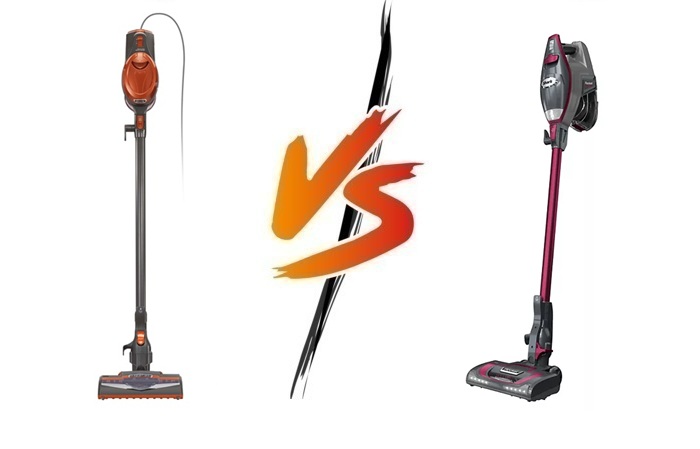
Shark’s Rocket series has built a reputation for offering lightweight, corded vacuums that punch above their weight. They’re designed for people who want strong, reliable suction without dealing with bulky upright machines or battery limitations. Among the most popular models in this lineup are the Shark Rocket HV301 and the Shark Rocket HV371, two vacuums that look similar at first glance but serve slightly different types of users.
Both models promise powerful suction, easy maneuverability, and the convenience of converting from a stick vacuum into a handheld unit. However, the details matter. Differences in dust cup size, accessories, lighting, and overall usability can significantly affect how enjoyable these vacuums are to live with day to day. In this comparison, I’ll break down how each model performs in real-world use, where they excel, where they fall short, and which one makes more sense depending on your home, flooring, and cleaning habits.
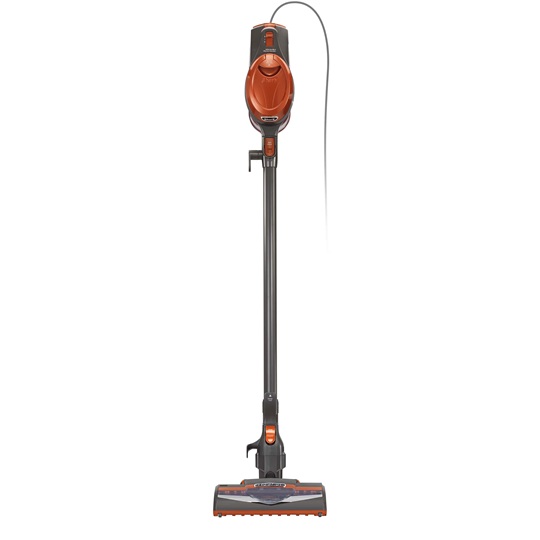
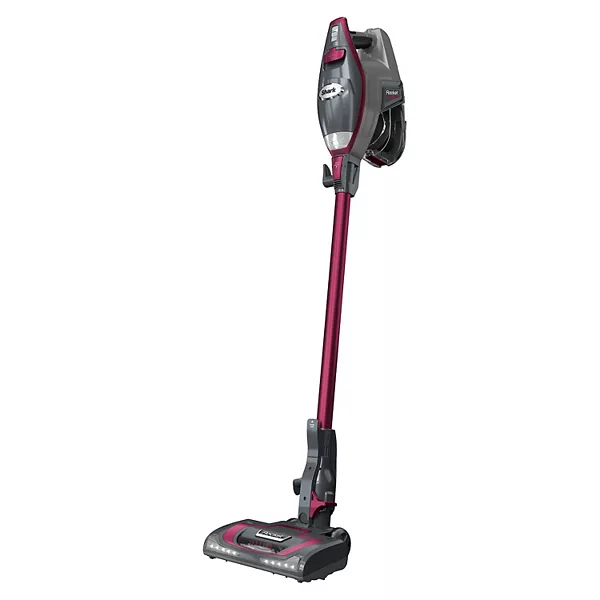
Shark Rocket HV301 vs Shark Rocket HV371 Comparison Chart
If you click the links below, under the product images, you will be redirected to Amazon.com. In case you then decide to buy anything, Amazon.com will pay me a commission. This doesn’t affect the honesty of this review in any way though.
| Feature / Specification | Shark Rocket HV301 | Shark Rocket HV371 |
|---|---|---|
 |  | |
| Check the best price on Amazon | Check the best price on Amazon | |
| Vacuum Type | Corded stick / upright convertible | Corded stick / upright convertible |
| Power Source | Corded electric | Corded electric |
| Motor Power | ~500 W (approx.) | ~500 W (approx.) |
| Weight | ~7.6 lbs (3.4 kg) | ~8.6 lbs (3.9 kg) |
| Form Factor | Stick converts to handheld | Stick converts to handheld |
| Dust Cup Capacity | Smaller (approx. 0.3 qt) | Larger XL capacity (approx. 0.7 qt) |
| Dust Cup Type | Bagless | Bagless |
| Filtration | Washable foam filters | Washable foam filters |
| HEPA Filtration | No (not sealed HEPA) | No (not sealed HEPA) |
| Floor Head | Standard motorized brush roll | Motorized brush roll with LED headlights |
| LED Headlights | No | Yes (floor head + handheld) |
| Floor Type Compatibility | Hard floors, low-pile carpet | Hard floors, low-pile carpet |
| Carpet Performance | Good for light cleaning | Better consistency and agitation |
| Pet Hair Performance | Moderate | Better (pet-focused tools included) |
| Brush Roll Hair Wrap | Moderate | Slightly reduced in real-world use |
| Handheld Mode | Yes | Yes |
| Included Attachments | Crevice tool, basic brush | Crevice tool, upholstery tool, pet tools |
| Stair Cleaning | Adequate | Easier and more effective |
| Upholstery Cleaning | Basic | Stronger and more efficient |
| Swivel Steering | Yes | Yes |
| Cord Length | Long cord (approx. 25 ft) | Long cord (approx. 25 ft) |
| Cord Storage | Manual wrap | Improved manual wrap |
| Noise Level | Loud, higher-pitched | Loud, smoother tone |
| Storage | Lean or wall mount | More stable lean storage |
| Warranty | 5-year limited | 5-year limited |
| Target User | Budget-focused, light cleaning | Pet owners, mixed surfaces, frequent use |
| My individual reviews | Shark Rocket HV301 review |
Design & Build Quality
Design and build quality are often overlooked with lightweight stick vacuums, but they matter more than people expect. These machines get dragged across floors, bumped into furniture, leaned against walls, and picked up dozens of times per cleaning session. A good design doesn’t just look decent on paper; it holds up to daily use and feels right in your hands. The Shark Rocket HV301 and HV371 share the same basic DNA, but there are clear differences in how refined and complete each one feels once you actually live with them.
Starting with overall construction, both vacuums rely heavily on molded plastic. That’s expected in this category and price range, and Shark generally does a good job here. Neither model feels flimsy, but neither feels premium in the way a high-end upright or canister might. The plastics are rigid enough to avoid creaking or flexing during use, and the connection points between the wand, motor unit, and floor head feel secure. That said, the HV371 feels slightly more solid when assembled. The tolerances are a bit tighter, and there’s less of that hollow, lightweight sensation you sometimes get with entry-level stick vacuums.
The HV301 is clearly designed with minimalism in mind. Its shape is straightforward, with clean lines and no unnecessary visual clutter. This simplicity works in its favor if you want a vacuum that feels easy to understand the moment you pick it up. There are fewer parts, fewer attachments, and fewer things to store. However, that simplicity also means fewer refinements. The plastic finish feels more utilitarian, and while it holds up well, it doesn’t disguise wear as effectively over time. Scuffs and scratches tend to show a bit sooner, especially on the floor head.
The HV371 takes the same basic form factor and adds subtle upgrades that make it feel more thought-out. The most noticeable design difference is the inclusion of LED headlights on the cleaning head and handheld unit. From a design perspective, these aren’t just gimmicks bolted on at the last minute. They’re integrated cleanly into the housing and don’t feel fragile or exposed. Over time, this kind of integration matters, because lights that stick out or feel loosely attached are often the first thing to break.
Another key difference is the dust cup. The HV301’s dust cup is smaller and more compact, which helps keep the vacuum lighter and slimmer. This is great if storage space is tight or if you want the lightest possible setup. However, the smaller bin also means it fills up faster, and the latch mechanism feels a bit basic. It works, but it’s not especially confidence-inspiring if you’re emptying it frequently.
The HV371 features a noticeably larger dust cup, and this affects both function and perceived build quality. The cup feels sturdier, with thicker plastic and a more robust hinge and release mechanism. Emptying it feels more controlled, and the cup snaps back into place with a reassuring click. Over time, this kind of detail makes a difference. A dust cup is one of the most frequently handled parts of a vacuum, and the HV371’s design inspires more confidence that it will hold up after hundreds of open-and-close cycles.
Looking at the wand and handle design, both vacuums use a slim, straight wand that keeps weight down and makes it easy to reach under furniture. The handle shape is similar on both models and generally comfortable, though neither offers padding or rubberized grips. The grip angle is natural enough that wrist strain isn’t an issue during short to medium cleaning sessions. However, the HV371’s balance feels slightly better. The extra weight from the larger dust cup and additional features is distributed more evenly, making it feel less top-heavy when used as a stick vacuum.
When converted into handheld mode, the differences become more noticeable. The HV301 feels extremely light and agile in handheld form, which is great for quick spot cleaning or stairs. However, the exposed plastic and simpler attachment points feel more delicate. You’re aware that this is a lightweight machine, and you may handle it a bit more carefully as a result.
The HV371, by contrast, feels more substantial in handheld mode without becoming cumbersome. The attachment ports feel more durable, and the included tools lock into place more securely. This gives the impression that the vacuum was designed to spend a lot of time in handheld configuration, not just as an occasional bonus feature.
Another design aspect worth mentioning is the floor head. On both models, the floor head is relatively slim and low-profile, which helps with cleaning under couches and beds. The HV301’s head is basic but effective. It does the job, but the materials feel thinner, and the housing shows wear sooner if you’re frequently cleaning rough surfaces or bumping into baseboards.
The HV371’s floor head feels more reinforced. It’s still lightweight, but the housing seems better protected against everyday impacts. Combined with the LED lights, it gives the impression of a more durable, long-term tool rather than a strictly budget-focused design.
Storage is another area where build quality and design intersect. Neither vacuum is truly freestanding in the way a traditional upright is, but the HV371 is easier to manage when stored. It feels more stable when leaned against a wall, and some configurations include clips or better cord management. The HV301 often requires more careful placement or wall mounting to avoid tipping over, which can become annoying in small spaces.
In terms of long-term durability, both models are built to last within the expectations of their category. You’re not getting metal components or luxury finishes, but you are getting a design that prioritizes low weight and practical use. That said, the HV371 consistently feels like it was designed with heavier, more frequent use in mind. Its reinforced components, larger dust cup, and better-integrated features suggest it will age more gracefully over time.
In summary, the HV301’s design and build quality focus on simplicity, lightness, and affordability. It feels like a vacuum made to do one thing well without extras. The HV371 takes that same foundation and refines it with sturdier components, better integration, and small design choices that improve day-to-day experience. Neither is poorly built, but if design quality and long-term feel matter to you, the HV371 clearly shows more attention to detail.
Performance & Cleaning Power
Performance is where expectations either get met or fall apart, especially with lightweight, corded stick vacuums. On paper, the Shark Rocket HV301 and HV371 look very similar. They use comparable motors, rely on constant corded power rather than batteries, and share a general design philosophy focused on everyday cleaning rather than deep commercial-grade carpet restoration. In practice, though, how that power is delivered, controlled, and applied across different surfaces makes a noticeable difference.
Starting with raw suction, both vacuums perform impressively for their size. Because they are corded, suction remains consistent from the beginning of a cleaning session to the end. There’s no gradual power drop like you’d experience with a cordless model. This alone makes them appealing if you’re used to managing battery life or dealing with fading performance mid-room. When you flip either vacuum on, you get immediate, steady pull that feels reliable and predictable.
On hard floors, both the HV301 and HV371 excel. Fine dust, crumbs, and everyday debris are picked up efficiently in a single pass. The suction is strong enough to pull particles from cracks in tile or seams in hardwood flooring without scattering debris forward. The brush roll agitates just enough to lift dirt without kicking it around, which is especially important on smooth surfaces. In this area, there’s very little difference between the two models. Both feel well-tuned for hard floor cleaning and perform better than many bulkier uprights that can sometimes feel overpowered and messy on bare surfaces.
Low-pile carpet is where these vacuums start to show more nuance. The HV301 handles rugs and low carpet reasonably well, lifting surface dirt, pet hair, and tracked-in debris without much effort. However, it sometimes requires slower passes to fully clean areas where dirt has settled deeper into the fibers. The suction is there, but the overall head design feels slightly less aggressive, which can be a positive or negative depending on your expectations.
The HV371 feels more confident on carpet. While the underlying suction is similar, the floor head design and overall weight distribution allow the brush roll to maintain better contact with the carpet fibers. This translates into more consistent agitation and better pickup in fewer passes. You still won’t get the deep, carpet-refreshing clean of a full-size upright designed for plush carpeting, but for apartments, mixed flooring, and everyday messes, the HV371 feels more effective and less finicky.
Edge cleaning is another important aspect of performance that often gets overlooked. Both vacuums do a decent job along baseboards, though neither is perfect. The HV301 sometimes leaves a fine line of debris right against walls, especially on hard floors, requiring a second pass or handheld cleanup. The HV371 performs slightly better in this regard, likely due to its head design and more consistent suction at the edges. It’s not a dramatic difference, but it’s noticeable if you pay attention to detail.
Above-floor cleaning is a strong suit for both models. Converting either vacuum into handheld mode instantly changes how you use it. The suction remains strong enough to clean stairs, upholstery, shelves, and even ceiling corners. The HV301 feels extremely nimble in handheld mode, which makes it great for quick tasks. However, it sometimes struggles with stubborn debris on fabric surfaces unless you take your time.
The HV371 shines more in this area, mainly because of its included tools and slightly more controlled airflow. Upholstery cleaning feels more efficient, and pet hair comes off couches and chairs with less effort. The vacuum doesn’t feel like it’s fighting against the surface, which makes above-floor cleaning faster and more satisfying.
Hair pickup is a major concern for many buyers, and both vacuums perform well within their limits. On hard floors, pet hair is pulled in easily without tangling excessively around the brush roll. On carpets, hair pickup is solid, though longer hair can still wrap around the brush over time. The HV301 is more prone to visible hair wrap, which means you’ll need to check and clean the brush roll more often. The HV371 handles hair slightly better, not because it eliminates wrap entirely, but because its overall performance reduces the amount of repeated passes that cause hair to tangle in the first place.
Another aspect of performance that matters in daily use is maneuverability under load. Strong suction is only helpful if the vacuum remains easy to push and pull. Both models handle this well, but the HV371 again feels more stable. The HV301 can occasionally feel like it’s pulling itself forward on carpet, which takes some adjustment. The HV371 feels more balanced, allowing smoother control without fighting the vacuum.
Consistency over time is also worth mentioning. With regular maintenance, both vacuums maintain their performance well. Because they’re corded and use washable filters, there’s less risk of gradual performance decline compared to battery-powered models. That said, the smaller dust cup on the HV301 fills up faster, and performance drops more noticeably once it’s nearing capacity. The HV371’s larger dust cup allows airflow to remain consistent for longer stretches of cleaning.
Noise plays a subtle role in perceived performance. Both vacuums are fairly loud, but the sound profile is different. The HV301 has a sharper, higher-pitched sound that makes the suction feel more aggressive than it actually is. The HV371 has a slightly deeper, more even tone, which makes it feel smoother and more controlled, even when the actual suction level is similar.
In real-world use, performance isn’t just about numbers or specs. It’s about how quickly you can clean a room, how many passes it takes, and how much effort is required. In this respect, the HV301 delivers solid, dependable performance for basic cleaning needs. It’s a capable vacuum that handles everyday messes without complaint. The HV371, however, feels more efficient and forgiving. It cleans more thoroughly with less adjustment and fewer repeat passes, especially on mixed surfaces.
In summary, both the Shark Rocket HV301 and HV371 offer strong cleaning power for lightweight stick vacuums, with consistent suction that makes them reliable day-to-day tools. The HV301 performs well and holds its own, particularly on hard floors and quick cleanups. The HV371 builds on that foundation with better carpet performance, improved hair pickup, and more efficient above-floor cleaning. The difference isn’t night and day, but in daily use, the HV371’s performance feels more refined and easier to live with.
Maintenance & Cleaning
Maintenance is one of those aspects of vacuum ownership that doesn’t get much attention until something goes wrong. A vacuum can have great suction and design, but if it’s frustrating to empty, clogs easily, or requires constant upkeep, it quickly becomes a chore rather than a convenience. With the Shark Rocket HV301 and HV371, maintenance is generally straightforward, but the differences between the two models become more noticeable the longer you own them.
Starting with the dust cup, this is where day-to-day maintenance begins. The HV301 has a relatively small dust cup, which keeps the vacuum lightweight and compact. In practice, this means you’ll be emptying it more often, especially if you have pets or clean larger spaces. The emptying process itself is simple: you detach the cup or open the bottom latch over a trash bin, and debris drops out. However, because the cup fills quickly, fine dust tends to cling to the interior walls, sometimes requiring a light tap or shake to fully clear it. Over time, this can feel a bit repetitive.
The HV371 improves on this experience with a larger dust cup that holds noticeably more debris. This means fewer interruptions during cleaning and less frequent trips to the trash. The cup design also feels more refined. The release mechanism is sturdier, and the bin opens wider, allowing debris to fall out more freely. Fine dust still clings occasionally, as it does with most bagless vacuums, but it happens less often than with the HV301. From a maintenance standpoint, this alone makes the HV371 easier to live with on a daily basis.
Filter maintenance is another important area where these two models are largely similar. Both vacuums use washable foam filters rather than disposable bags or cartridges. This is a cost-saving and eco-friendly choice, but it does require a bit of regular attention. Filters need to be rinsed periodically to maintain airflow and suction. If you stay on top of this, performance remains consistent. If you forget, suction can drop noticeably.
The filters are easy to access on both models, typically located near the dust cup. Removing them doesn’t require tools, and washing is straightforward. You rinse them under running water, squeeze out excess moisture, and allow them to air dry completely before reinstalling. The key word here is completely. Putting a damp filter back into the vacuum can lead to odors or reduced performance. In this regard, both models demand the same level of care, and neither has a clear advantage.
Brush roll maintenance is where differences in daily use start to show. The HV301’s brush roll does a good job of picking up hair and debris, but it’s more prone to hair wrap, especially if you’re dealing with long human hair or shedding pets. Over time, hair can build up around the brush, reducing effectiveness and requiring manual removal. Cleaning the brush roll isn’t difficult, but it does require you to flip the vacuum over, cut away hair with scissors or pull it free by hand, and check for debris lodged near the ends.
The HV371 also experiences hair wrap, but it tends to be less severe. This isn’t because the brush roll is radically different, but because the overall cleaning process often requires fewer passes. Fewer passes mean less opportunity for hair to wrap tightly around the brush. Additionally, the included tools allow you to remove hair from furniture and tight spaces without relying solely on the main brush, which reduces wear and buildup over time.
Clogs are another maintenance concern. Both vacuums have fairly narrow air pathways, which is typical for stick vacuums. Large debris, clumps of pet hair, or fibrous materials can occasionally cause blockages. The good news is that both models are designed with accessible air paths. If a clog does occur, it’s usually easy to locate and clear by detaching the wand or removing the dust cup. The HV371’s slightly wider airflow path and larger bin reduce the frequency of clogs, but they can still happen if you’re not careful.
Cleaning the vacuum itself is often overlooked, but it plays a role in long-term maintenance. Both models accumulate dust on their exterior surfaces, especially around vents and seams. A quick wipe with a dry or slightly damp cloth keeps them looking presentable and prevents dust from migrating into unwanted areas. The HV371’s finish tends to hide minor scuffs and dust a bit better than the HV301, which shows wear more readily over time.
Odor control is another subtle maintenance factor. Bagless vacuums can develop unpleasant smells if dust, hair, and moisture build up inside. With regular filter washing and timely dust cup emptying, both the HV301 and HV371 remain relatively odor-free. However, because the HV301’s dust cup fills faster, debris sits in it longer if you’re not diligent, which can lead to odors developing sooner. The HV371’s larger capacity gives you a bit more leeway, though good habits are still important.
Long-term maintenance also includes checking seals, latches, and attachment points. Over time, frequent detaching and reattaching of components can cause wear. The HV301’s simpler construction means fewer parts that can wear out, but the parts it does have feel slightly less robust. The HV371’s components feel sturdier and more forgiving of frequent use, particularly the dust cup latch and attachment connectors.
Neither vacuum requires professional servicing under normal conditions, which is a major advantage. Most maintenance tasks can be done at home in a few minutes. Replacement filters and parts are readily available if needed, though the goal with regular care is to avoid frequent replacements altogether.
From a cleaning perspective, meaning how easy it is to keep the vacuum itself clean, both models perform adequately. Neither is completely mess-free when emptying, and both require occasional hands-on maintenance. The difference lies in frequency and convenience. The HV301 demands more frequent attention simply because of its smaller capacity and higher tendency for hair wrap. The HV371 spreads those maintenance tasks out over longer intervals, making them feel less intrusive.
In summary, maintenance for both the Shark Rocket HV301 and HV371 is manageable and straightforward, especially compared to more complex or bagged systems. The HV301 rewards minimalists who don’t mind frequent emptying and quick brush checks. The HV371 offers a more relaxed maintenance schedule, with a larger dust cup, sturdier components, and better overall ease of cleaning. Over months and years of use, those small differences can add up to a noticeably smoother ownership experience.
Energy Efficiency & Noise Levels
Energy efficiency and noise levels aren’t always the first things people think about when buying a vacuum cleaner, but they play a bigger role in daily satisfaction than many realize. A vacuum that uses power inefficiently can feel wasteful, while one that’s excessively loud can make cleaning stressful or disruptive, especially in shared living spaces. The Shark Rocket HV301 and HV371 are both corded stick vacuums, which sets certain expectations right away, but there are still meaningful differences in how they feel during use.
Starting with energy efficiency, both models benefit from being corded. Unlike cordless vacuums that rely on lithium-ion batteries, these Sharks draw power directly from the outlet. This eliminates energy losses associated with charging and discharging batteries and allows the motor to run at full power consistently. In practical terms, this means you’re not using extra energy just to maintain battery health or compensate for declining charge levels. From an efficiency standpoint, this is already a win.
The motors in both vacuums are tuned to provide strong suction without excessive power draw. They sit in that middle ground where performance feels robust but not wasteful. Neither model includes multiple power modes or eco settings, which simplifies operation but also means you don’t have fine control over energy usage. That said, because the suction is well-matched to the intended use case, there’s rarely a feeling that power is being wasted. You turn it on, clean efficiently, and turn it off.
In real-world use, the difference in energy consumption between the HV301 and HV371 is negligible. Both draw a similar amount of power and deliver comparable suction. What matters more is how quickly you can clean your space. A vacuum that cleans faster indirectly uses less energy by shortening cleaning sessions. In this respect, the HV371 can feel slightly more energy-efficient in practice, not because it uses less power per minute, but because its improved usability and performance often reduce the number of passes needed to achieve the same result.
Heat generation is another subtle indicator of energy efficiency. Both vacuums warm up during use, but neither becomes uncomfortably hot, even during longer sessions. The motor housing on both models disperses heat reasonably well, suggesting that energy is being converted efficiently into suction rather than wasted as excess heat. Over time, this contributes to both energy efficiency and motor longevity.
Noise levels are where user experience becomes much more personal. Both the HV301 and HV371 are clearly audible when running. These are not quiet vacuums, and anyone expecting near-silent operation will be disappointed. However, there’s an important distinction between loud and unpleasant. The quality of the sound matters just as much as the volume.
The HV301 produces a sharper, higher-pitched sound. It gives the impression of strong suction, but the tone can become tiring during longer cleaning sessions. In small apartments or echo-prone rooms, the noise can feel more intrusive than necessary. It’s not unbearable, but it does encourage shorter, more focused cleaning sessions rather than extended whole-house cleanups.
The HV371, while not significantly quieter in terms of raw decibel output, has a slightly deeper, more even sound profile. The motor noise feels smoother and less shrill, which makes it easier to tolerate over time. This difference becomes noticeable if you’re vacuuming multiple rooms in one go. The sound blends more into the background rather than demanding constant attention.
Another factor affecting perceived noise is vibration. The HV301 transmits more vibration through the handle and wand, especially on carpet. This can amplify the sensation of noise, even if the actual volume isn’t dramatically higher. The HV371 feels more stable and controlled, with less vibration during operation. This contributes to a quieter-feeling experience, even if the vacuum is technically producing a similar level of sound.
Floor type also influences noise. On hard floors, both vacuums are slightly louder due to sound reflecting off the surface. On carpet, the noise is dampened somewhat, but brush roll engagement adds its own mechanical sound. The HV371’s brush roll engagement feels smoother, which again contributes to a less harsh overall noise profile.
Noise matters not just for comfort, but for practicality. If you live in an apartment with thin walls, have sleeping children, or share space with others, a vacuum that sounds aggressive can limit when you feel comfortable cleaning. Neither of these models is suitable for late-night vacuuming, but the HV371 is marginally more considerate in shared environments.
Energy efficiency and noise also intersect when it comes to cleaning habits. A vacuum that’s loud and tiring to listen to often leads to rushed cleaning or skipped areas. In that sense, the HV371’s more tolerable sound encourages more thorough cleaning without feeling like a chore. This indirectly improves efficiency, as you’re more likely to clean properly the first time.
Another overlooked aspect is how noise changes over time. As filters clog and dust cups fill, vacuums can become louder. The HV301, with its smaller dust cup, tends to reach this point more quickly if not emptied regularly. The HV371 maintains a more consistent sound level over longer sessions, provided basic maintenance is kept up.
Neither vacuum includes noise-dampening features like insulated motor housings or advanced airflow channels found in premium models. However, within their category, both are reasonably well-balanced. They deliver strong suction without crossing into the painfully loud territory that some compact vacuums suffer from.
In summary, the Shark Rocket HV301 and HV371 are similar in terms of raw energy use, benefiting from efficient corded operation and motors that prioritize consistent suction. The real difference lies in how that energy translates into user experience. The HV301 feels slightly more aggressive and louder, especially over time, while the HV371 delivers a smoother, more controlled sound and slightly more efficient cleaning in practice. If energy efficiency and noise comfort matter to you, the HV371 offers a subtly better balance, even though both models perform respectably in this category.
Ergonomics & Usability
Ergonomics and usability are where a vacuum either feels like a helpful tool or a constant annoyance. You can forgive a lot if a vacuum is comfortable to use, intuitive to operate, and doesn’t fight you at every turn. With the Shark Rocket HV301 and HV371, both models are clearly designed with ease of use in mind, but subtle differences in balance, controls, and overall handling become more apparent the longer you use them.
Weight is the first thing most people notice. Both vacuums are lightweight, especially compared to traditional upright models. The HV301 is slightly lighter, and you feel that immediately when lifting it off the floor or carrying it up and down stairs. This makes it appealing for users who struggle with heavier machines or want something they can move effortlessly from room to room. However, lighter isn’t always better. Because the HV301 is so light, it can sometimes feel a bit top-heavy, particularly when the dust cup is full. This doesn’t make it difficult to use, but it does require more conscious control during longer cleaning sessions.
The HV371 strikes a better balance between weight and stability. It’s still light enough to handle comfortably, but the extra weight is distributed more evenly throughout the unit. This makes it feel more grounded on the floor and easier to guide in straight lines. When pushing or pulling the vacuum, especially on carpet, the HV371 feels less likely to tip or pull itself forward unexpectedly.
Handle design plays a big role in comfort. Both models use a simple, upright handle with a natural angle that aligns well with the wrist. There’s no thick padding or soft-touch grip, but the shape is ergonomic enough for most hand sizes. The controls are placed within easy reach, so you don’t need to shift your grip to turn the vacuum on or adjust settings. The HV371’s controls feel slightly more responsive and solid, whereas the HV301’s buttons feel more basic, though still functional.
Maneuverability is a major strength of both vacuums. The swivel steering allows you to navigate around furniture legs, table bases, and tight corners with minimal effort. The floor head pivots smoothly, and you can easily change direction without lifting the vacuum. This is particularly useful in cluttered rooms or small spaces where constant turning is required. In this regard, both models perform similarly, though the HV371’s added stability makes its movements feel more controlled.
Cleaning under furniture is another area where ergonomics matter. The slim floor head and low-profile design of both vacuums allow them to reach under beds, sofas, and cabinets that bulkier vacuums can’t access. The HV301’s lighter weight makes it easier to extend your reach without strain, but the HV371’s LED lights make it easier to see what you’re actually cleaning. From a usability standpoint, being able to see dust and debris clearly reduces guesswork and improves cleaning efficiency.
The ability to convert from a stick vacuum to a handheld unit is central to the usability of both models. Detaching the handheld unit is quick and doesn’t require tools. The HV301 excels here in terms of pure agility. In handheld mode, it feels almost effortless, making it great for stairs, car interiors, and quick spot cleaning. However, its lighter build can make it feel slightly less stable when using heavier attachments.
The HV371’s handheld mode feels more deliberate and controlled. The unit has a reassuring heft that makes attachments feel better balanced. This is especially noticeable when cleaning upholstery or reaching overhead. The vacuum feels like it’s working with you rather than pulling awkwardly at your wrist.
Attachment usability is another important aspect. Both vacuums come with a basic set of tools, but the HV371 includes more specialized attachments that expand its usability. Switching between tools is straightforward on both models, with attachments snapping into place securely. The HV371’s connectors feel more robust and less prone to wobble, which improves confidence during use.
Cord management is an often-overlooked part of usability. Both vacuums use a cord that’s long enough to clean most rooms without constantly switching outlets, but neither offers automatic cord rewind. Instead, you manually wrap the cord around hooks on the vacuum. The HV371 handles this slightly better, with more convenient placement and better cord retention. The HV301’s cord storage works, but it feels more like an afterthought.
Storage overall is another usability consideration. Neither vacuum stands fully upright on its own like a traditional upright vacuum. The HV301 often needs to be leaned carefully against a wall or stored using a wall mount. This can be inconvenient in small spaces. The HV371 feels more stable when leaned and is easier to store without constant worry about tipping over.
Fatigue is an important but subjective usability factor. Over short cleaning sessions, both vacuums feel comfortable. Over longer sessions, the differences become clearer. The HV301’s lighter weight reduces arm strain, but its balance and vibration can lead to more wrist fatigue. The HV371’s smoother operation and better weight distribution make it easier to use continuously without discomfort.
Another usability detail is how intuitive the vacuum feels. Both models are easy to figure out without reading a manual. Controls are straightforward, and there’s little risk of user error. The HV371’s added features don’t complicate the experience; they enhance it. The LED lights, for example, require no extra input from the user and simply work when the vacuum is on.
In real-life use, usability is about how often you reach for the vacuum and how much you enjoy using it. The HV301 is a practical, no-frills option that’s easy to grab and use for quick jobs. The HV371 feels more refined and versatile, encouraging more thorough and frequent cleaning because it’s comfortable, intuitive, and less tiring to operate.
In summary, both the Shark Rocket HV301 and HV371 score well in ergonomics and usability, especially compared to heavier, bulkier vacuums. The HV301 prioritizes lightness and simplicity, making it ideal for quick cleanups and users who value minimal effort. The HV371 builds on that foundation with better balance, smoother handling, and thoughtful usability enhancements that make it easier and more pleasant to use over time.
Pet-Friendliness
For many households, pet-friendliness isn’t just a bonus feature in a vacuum cleaner, it’s a requirement. Pet hair, dander, tracked-in dirt, and the occasional mess all place unique demands on a vacuum. The Shark Rocket HV301 and HV371 are not marketed as heavy-duty pet vacuums in the same way some larger uprights are, but they are often chosen by pet owners because of their lightweight design and strong suction. How well they handle pet-related challenges in real-world use is where meaningful differences emerge.
Starting with pet hair pickup on hard floors, both vacuums perform very well. Loose fur, whether short or long, is easily pulled into the dust cup without being scattered around. The suction is strong enough to lift hair that clings lightly to hardwood or tile, and the brush roll doesn’t kick debris forward the way some overly aggressive designs do. In this scenario, the HV301 and HV371 feel evenly matched. Quick daily passes to collect fur near feeding areas or favorite lounging spots are fast and effective with either model.
Carpeted surfaces introduce more complexity. On low-pile carpets and rugs, both vacuums can lift surface-level pet hair reasonably well. The HV301 does a decent job, but it often requires slower movement or multiple passes to fully remove embedded fur. Pet hair tends to cling to carpet fibers, and the HV301’s lighter head and brush roll sometimes struggle to agitate deeply enough in a single pass.
The HV371 feels more capable on carpets. Its slightly heavier and better-balanced head allows the brush roll to maintain stronger contact with the carpet surface. This leads to better agitation and more consistent hair pickup. While it still isn’t designed for deep, high-pile carpet cleaning, it handles everyday pet shedding more efficiently and with less effort from the user.
Furniture and upholstery are major battlegrounds for pet owners, and this is where the difference between the two models becomes clearer. The HV301 can handle pet hair on couches and chairs, but it often requires patience. Hair tends to cling stubbornly to fabric, and while suction is strong, the lack of specialized tools means you rely heavily on technique. You may find yourself going over the same spot multiple times or using your free hand to loosen hair.
The HV371 is much better suited for upholstery cleaning. Its included tools are designed to lift hair from fabric rather than just pull it with suction. This makes a noticeable difference, especially on textured upholstery or pet beds. Hair comes off more easily, and cleaning feels less like a battle. For pet owners who frequently clean furniture, this alone can justify choosing the HV371.
Another important aspect of pet-friendliness is how well the vacuum handles dander and fine debris. Neither vacuum uses a fully sealed filtration system, which means they’re not ideal for households with severe pet allergies. However, both do a respectable job of capturing visible dander and dust when filters are properly maintained. Regular filter washing is essential here. If filters are neglected, pet odors and fine dust can escape back into the air.
Odor control is a subtle but important consideration for pet owners. Pet hair, especially when mixed with moisture or food debris, can develop unpleasant smells if it sits in the dust cup for too long. The HV301’s smaller dust cup fills quickly, which means pet hair accumulates faster and needs to be emptied more often to prevent odors. If you stay on top of emptying, this isn’t a major issue, but it does require consistency.
The HV371’s larger dust cup provides more breathing room. You can collect more pet hair before emptying, which is convenient, but it also means hair and debris sit in the vacuum longer if you’re not careful. The difference is that the HV371’s dust cup design makes emptying easier and cleaner, encouraging more frequent maintenance. This helps keep pet-related odors under control.
Hair wrap is a common frustration for pet owners. Long pet hair, especially from dogs with thick coats or cats that shed heavily, can wrap tightly around brush rolls. The HV301 is more prone to this issue. Over time, hair builds up and needs to be cut away manually. This isn’t difficult, but it’s an extra maintenance task that becomes more frequent in pet households.
The HV371 isn’t immune to hair wrap, but it handles it better in practice. Because it often removes more hair in fewer passes, there’s less opportunity for hair to wrap tightly around the brush. Additionally, the ability to rely on handheld tools for furniture and stairs reduces the workload on the main brush roll, which helps minimize buildup.
Stairs are another challenge for pet owners, especially if pets frequently use them. Both vacuums can be converted to handheld mode, making stair cleaning manageable. The HV301 feels very light and easy to maneuver on stairs, which is a plus. However, its lack of specialized tools means hair can be harder to remove from carpeted steps.
The HV371 performs better on stairs due to its attachments and more controlled handling. Cleaning stair edges, corners, and carpeted risers feels less awkward, and pet hair is removed more effectively. This makes routine stair maintenance less time-consuming.
Noise sensitivity is also relevant when pets are involved. Some animals are easily startled by loud appliances. Both vacuums are noisy, but the HV371’s smoother sound profile tends to be less jarring. Pets may still avoid the vacuum, but the experience feels slightly less chaotic compared to the sharper sound of the HV301.
In daily life with pets, convenience matters as much as raw power. A vacuum that’s easy to grab for quick cleanups encourages more frequent use. The HV301 excels here due to its simplicity and light weight. If you just need to pick up scattered fur quickly, it does the job with minimal effort.
The HV371, however, supports a more thorough pet-cleaning routine. It’s better suited for homes where pet hair accumulates on multiple surfaces and where furniture, stairs, and tight spaces need regular attention.
In summary, both the Shark Rocket HV301 and HV371 can handle pet hair and everyday pet messes within their limitations. The HV301 is adequate for light to moderate shedding and quick maintenance. The HV371 is clearly more pet-friendly overall, offering better carpet agitation, more effective upholstery cleaning, reduced hair wrap in practice, and a more forgiving maintenance experience. For households with pets that shed frequently or spend time on furniture, the HV371 is the more practical and satisfying choice.
Attachments & Versatility
Attachments and overall versatility are what turn a vacuum from a single-purpose floor cleaner into a multi-use household tool. For many people, the ability to clean furniture, stairs, shelves, cars, and tight corners is just as important as cleaning floors. The Shark Rocket HV301 and HV371 both offer this flexibility through their convertible stick-to-handheld design, but the range and effectiveness of their attachments play a major role in how versatile they truly are.
Starting with the basic configuration, both vacuums are designed to transition quickly between upright stick mode and handheld mode. This alone adds significant versatility. Detaching the motor unit from the wand takes only a few seconds, and no tools are required. In handheld form, the vacuums become compact enough to use on stairs, upholstery, and even inside vehicles. This shared design philosophy means that both models already outperform traditional uprights in terms of adaptability.
Where the two models begin to differ is in the number and type of attachments included. The HV301 comes with a minimal set of tools designed to cover essential tasks. Typically, this includes a crevice tool and a basic dusting or upholstery brush. These tools are functional and do what they’re supposed to do, but they don’t feel specialized. They’re useful for cleaning along baseboards, between cushions, and in tight spaces, but they require more effort and patience when dealing with stubborn debris or pet hair.
The HV371 expands on this by including a more comprehensive set of attachments. These tools are designed with specific cleaning scenarios in mind, such as upholstery, pet hair, and tight corners. While the suction power remains similar, the way that power is applied changes significantly depending on the tool. This makes the HV371 feel more adaptable and better suited to varied cleaning routines.
Upholstery cleaning is one of the clearest examples of this difference. With the HV301, upholstery cleaning relies heavily on suction and repeated passes. The basic brush helps, but it often feels like you’re coaxing hair and debris off the fabric rather than actively lifting it. This can be effective, but it takes time and technique.
The HV371’s upholstery-focused tools improve this experience noticeably. The attachments are better shaped for fabric surfaces and do a better job of loosening embedded hair before suction pulls it in. This makes cleaning couches, chairs, and pet beds faster and less frustrating. For households where furniture cleaning is a regular task, this added versatility makes a meaningful difference.
Stair cleaning is another area where attachments matter. Both vacuums can handle stairs reasonably well when converted to handheld mode, but the HV371 again feels more capable. Its attachments allow you to clean stair edges, corners, and risers more thoroughly. The HV301 can still do the job, but it often requires repositioning or repeated passes to reach the same level of cleanliness.
Above-floor cleaning extends beyond furniture and stairs to include shelves, ceiling corners, curtains, and vents. Both models have enough suction to handle light dust in these areas, but attachment design influences how easy it is. The HV301’s basic tools are adequate, but they don’t always make full contact with surfaces, especially in awkward angles.
The HV371’s tools offer better reach and contact, making it easier to clean high or hard-to-reach areas without strain. Combined with the LED lights, which help you see dust in dim corners, the HV371 feels more purpose-built for comprehensive home cleaning rather than just floors.
Car cleaning is another scenario where versatility becomes apparent. Both vacuums are small and light enough to use inside a car, especially in handheld mode. The HV301’s lightness makes it easy to maneuver around seats and footwells, but the lack of specialized attachments can make cleaning tight spaces more challenging.
The HV371’s crevice and upholstery tools are better suited for car interiors. They allow you to reach between seats, clean fabric surfaces, and pick up pet hair more effectively. If you regularly clean your car with your vacuum, the HV371 feels like a more complete solution.
Versatility also includes how well the vacuum adapts to different floor types. While this is partly a performance issue, attachments and design play a role. Both models can handle hard floors, low-pile carpets, and area rugs, but the HV371’s head design and accessory support make transitions feel smoother. You spend less time adjusting technique and more time cleaning.
Storage and attachment management are often overlooked but important aspects of versatility. The HV301’s minimal attachment set is easy to store, but it also means fewer options. The HV371’s additional tools require more storage space, but they’re easier to organize and access. Some configurations include clips or better storage solutions, which encourage you to actually use the attachments rather than leaving them in a drawer.
Ease of switching attachments also affects usability. Both models allow tools to snap on and off easily, but the HV371’s connectors feel more secure. There’s less wobble, and attachments feel like a natural extension of the vacuum rather than an add-on. This improves confidence and reduces frustration during cleaning.
Versatility is also about how often you use the vacuum for tasks beyond floor cleaning. The HV301 is versatile in theory, but in practice, its limited attachments and more basic setup mean it’s most often used as a floor cleaner with occasional handheld use. The HV371, on the other hand, encourages broader use. Its tools and features make it easier to justify grabbing the vacuum for quick furniture touch-ups, stair cleaning, or car maintenance.
In summary, both the Shark Rocket HV301 and HV371 offer solid versatility thanks to their convertible design and lightweight construction. The HV301 provides basic adaptability that covers essential cleaning tasks without complexity. The HV371 builds on this foundation with a more thoughtful attachment set and better overall integration, making it more capable across a wider range of cleaning scenarios. If versatility and multi-surface cleaning are priorities, the HV371 stands out as the more flexible and practical option.
Conclusion
Both Shark Rockets are capable, lightweight vacuums that deliver solid suction thanks to corded power and easy handling. If you’re choosing solely on raw surface cleaning, they’re similar. But in almost every practical category — bin size, accessories, lighting, pet tools, and everyday usability — the HV371 stands out as the more complete, versatile, and future-ready choice.
The HV301 is a competent, simpler option, ideal if you want basic vacuuming at a lower price. But most buyers, particularly those with pets or varied floor types, will appreciate the HV371 Rocket Pro DLX as the better all-around machine.