
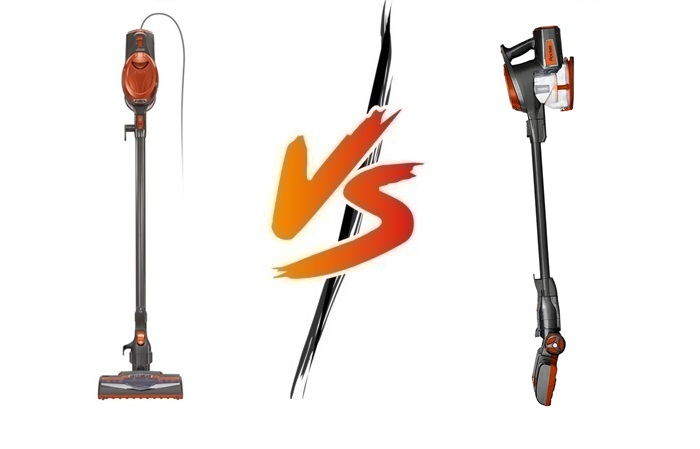
Choosing between the Shark Rocket HV301 and the Shark Rocket HV302 can feel oddly difficult, mostly because these two vacuums look, feel, and function so similarly at first glance. Both sit in Shark’s popular Rocket lineup, a series known for offering strong suction in a lightweight, no-nonsense design. They’re corded, bagless stick vacuums that convert into handheld units, aimed squarely at people who want dependable power without the bulk or cost of a full-size upright.
That said, small differences matter when a vacuum becomes something you use several times a week. Weight distribution, attachment selection, cleaning width, and how well each model handles pet hair can quietly shape your day-to-day experience. This comparison isn’t about lab tests or marketing claims. It’s about what actually changes when one of these vacuums lives in your closet. Below, I break down where the HV301 and HV302 feel the same, where they don’t, and which type of home each one really suits.
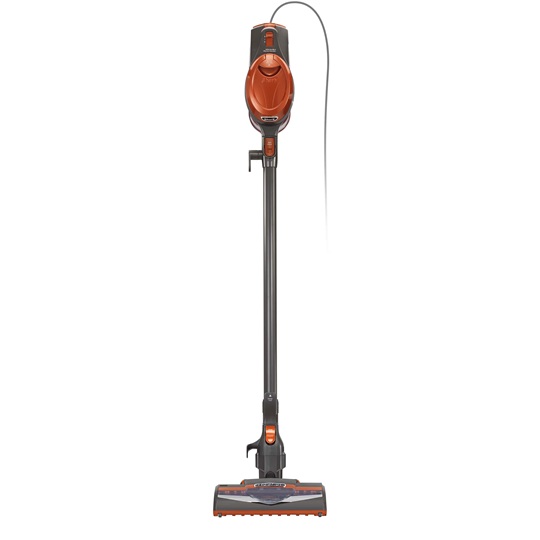
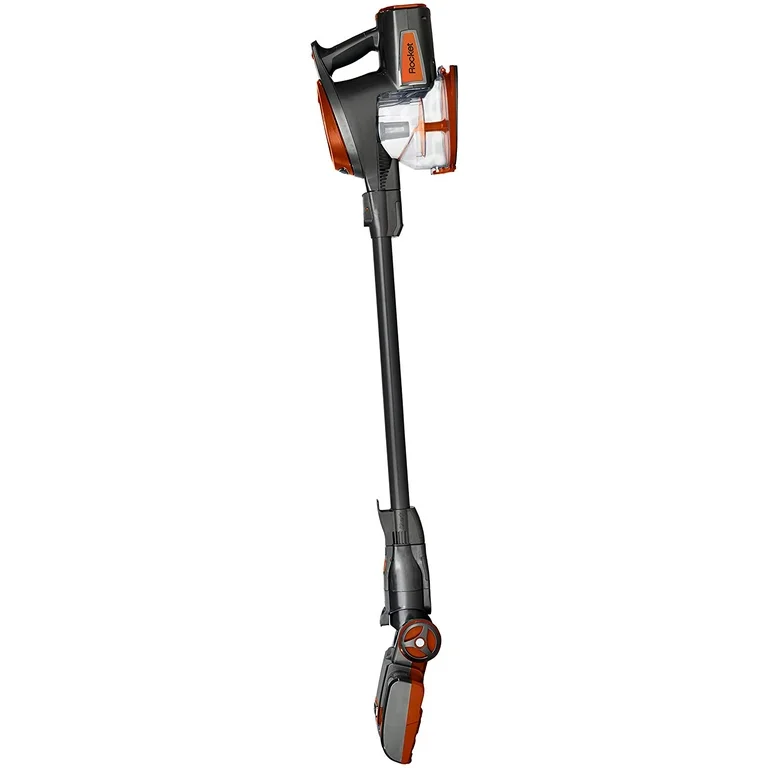
Shark Rocket HV301 vs Shark Rocket HV302 Comparison Chart
If you click the links below, under the product images, you will be redirected to Amazon.com. In case you then decide to buy anything, Amazon.com will pay me a commission. This doesn’t affect the honesty of this review in any way though.
| Specification | Shark Rocket HV301 | Shark Rocket HV302 |
|---|---|---|
 |  | |
| Check the best price on Amazon | Check the best price on Amazon | |
| Vacuum Type | Corded stick / upright convertible | Corded stick / upright convertible |
| Cleaning Modes | Stick vacuum, handheld | Stick vacuum, handheld |
| Weight | Approx. 7.6 lbs (3.4 kg) | Approx. 8.3 lbs (3.8 kg) |
| Power Source | Corded electric | Corded electric |
| Motor Power | ~500 W | ~500 W |
| Suction Type | Single-speed, constant suction | Single-speed, constant suction |
| Dust Cup Type | Bagless | Bagless |
| Dust Cup Capacity | Small (frequent emptying) | Small (frequent emptying) |
| Filter Type | Washable foam & felt filters | Washable foam & felt filters |
| HEPA Filtration | No true HEPA | No true HEPA |
| Brush Roll | Standard rotating brush roll | Standard rotating brush roll |
| Anti-Tangle Technology | No | No |
| Cleaning Path Width | Wider (approx. 10 in) | Narrower (approx. 8.5 in) |
| Floor Type Suitability | Hard floors, low-pile carpet | Hard floors, low-pile carpet |
| Thick Carpet Performance | Limited | Limited |
| Pet Hair Performance | Good on floors, basic on upholstery | Better overall due to pet tool |
| Included Attachments | Crevice tool, dusting brush, upholstery tool | Crevice tool, precision duster, pet multi-tool |
| Pet-Specific Tools | No | Yes |
| Swivel Steering | Yes | Yes |
| Headlights | No | No |
| Cord Length | Long (approx. 25–30 ft) | Long (approx. 25–30 ft) |
| Noise Level | Moderately loud | Moderately loud |
| Wall Mount Included | Yes | Yes |
| Best For | Lightweight everyday cleaning | Pet owners, more versatile cleaning |
| My individual reviews | Shark Rocket HV301 review |
Design & Build Quality
Design is one of the main reasons people end up looking at the Shark Rocket HV301 and HV302 in the first place. These are not bulky, old-school uprights that dominate a closet and feel like a chore to pull out. Shark clearly designed both models around the idea that a vacuum should be easy to grab, easy to move, and easy to put away. In that sense, the two vacuums share a common design language, but subtle differences in size, weight, and balance change how they feel in daily use.
At a glance, both models look nearly identical. They have the same slim stick-vac silhouette, the same top-mounted motor and dust cup, and the same low-profile cleaning head. The color schemes are similar as well, with neutral tones and Shark’s familiar branding. Nothing about either vacuum looks flashy or premium, but they don’t look cheap either. They look practical, which is probably the best compliment you can give a vacuum in this category.
The materials used in both the HV301 and HV302 are primarily hard plastic, as you’d expect at this price point. The plastic feels reasonably thick and sturdy in the main body, especially around the motor housing and handle. There’s no obvious flex when you lift the vacuum or apply normal pressure while cleaning. That said, these are lightweight machines, and that lightness comes from thinner materials in certain areas, particularly the wand and some attachment connection points. They’re not fragile, but they do require a bit of care. You wouldn’t want to bang either vacuum down a staircase or drop it repeatedly without expecting some wear over time.
One of the most noticeable physical differences between the two models is weight. The HV301 is lighter overall, and that difference is immediately noticeable when you pick it up. It feels more nimble, especially when using it in handheld mode or lifting it to clean stairs or shelves. The HV302, while still light compared to traditional uprights, has a slightly heavier and more solid feel. That extra weight largely comes from the additional attachments and slightly different head design, but it affects how the vacuum balances in your hand.
Balance is an important part of build quality that doesn’t always show up on a spec sheet. Both vacuums have a top-heavy design, with the motor and dust cup positioned near the handle. This makes them easy to push on floors, but when you convert them into handheld mode, the weight shifts into your wrist and forearm. The HV301’s lighter build makes this less tiring during longer handheld sessions. The HV302 isn’t uncomfortable, but if you’re cleaning upholstery or stairs for more than a few minutes, you’ll feel the extra weight.
The floor head design is another area where build quality shows through. The HV301 has a slightly wider cleaning head, which gives it a more confident feel on open floor areas. It glides smoothly across hard floors and low-pile carpets, and the swivel steering feels responsive without being loose. The HV302’s head is a bit narrower, which makes it easier to maneuver in tight spaces, such as between chair legs or around table bases. Neither head feels flimsy, but both can feel a little light at the front, especially on thicker rugs where the vacuum may lift slightly if you move too quickly.
The swivel steering mechanism itself feels well-built on both models. There’s no grinding or looseness, and the head responds predictably to small wrist movements. This contributes a lot to the perception of quality, because poor swivel steering can make a vacuum feel cheap even if the suction is strong. Shark gets this part right on both the HV301 and HV302.
The wand and locking mechanisms deserve some attention as well. The wand clicks securely into place on both models, and there’s a reassuring snap when attachments are connected. Over time, plastic locking tabs can wear down, but out of the box, both vacuums feel solid and secure. The release buttons are easy to press without feeling loose or overly sensitive, which is important when you’re switching between modes frequently.
The dust cup design is functional rather than elegant. It’s transparent, so you can see when it’s full, and it’s easy to remove. The plastic here feels slightly thinner than the main body, which makes sense since it needs to be lightweight. The bottom-release door opens wide enough for most debris to fall out without much shaking, though fine dust and hair can still cling to the sides. From a build perspective, the dust cup feels adequate but not overengineered. You wouldn’t want to force it or twist it aggressively during emptying.
Cord placement and cord hooks are small details, but they matter. Both vacuums have a long power cord, which adds convenience but also needs to be managed well. The cord hooks on both models are sturdy and hold the cord securely when stored. They don’t feel like they’ll snap off with normal use, though, again, this is plastic hardware and benefits from reasonable care. The cord itself feels thick enough to inspire confidence and doesn’t kink easily.
Attachments are another area where design quality becomes more obvious. The HV302 includes a few extra tools, and those tools feel well-made for their purpose. The pet tool, in particular, feels solid and designed for repeated use on upholstery and stairs. The HV301’s more basic attachments are simpler but still functional. None of the tools feel like throwaways, which is important since attachments are often the first thing to break or get lost.
Storage is something Shark clearly thought about in the design phase. Both vacuums are slim enough to fit into narrow closets, and the included wall mounts help keep everything organized. The wall mount itself is sturdy plastic and holds the vacuum securely when properly installed. This adds to the feeling that these vacuums were designed for real homes with limited storage space, not just showroom floors.
Over time, build quality also shows in how a vacuum handles minor wear and tear. The Rocket series, including these two models, has a reputation for holding up reasonably well if treated properly. You may see scuffs and cosmetic wear, especially on the cleaning head, but that’s normal. What matters is that the core structure remains intact, and both the HV301 and HV302 seem capable of that.
In terms of overall design and build quality, neither vacuum feels premium, but both feel thoughtfully designed for their role. The HV301 leans slightly more toward minimalism and lightness, while the HV302 feels a bit more purposeful and accessory-driven. Neither choice feels poorly made. Instead, the decision comes down to whether you value the lightest possible handling or a slightly more robust, feature-rich feel.
Performance
Performance is where most people decide whether a vacuum is worth keeping or quietly returned after a few weeks. With the Shark Rocket HV301 and HV302, performance is less about raw power numbers and more about how that power translates into everyday cleaning. These are corded stick vacuums, which already puts them in a different category from cordless models. You’re getting consistent suction from start to finish, no fading as a battery drains, and no waiting for a recharge before you can clean again.
In real-world use, both vacuums deliver strong suction for their size. On hard floors like tile, laminate, or hardwood, they perform especially well. Fine dust, crumbs, and pet hair are pulled in easily, often in a single pass. The suction feels immediate when you switch the vacuum on, and there’s no ramp-up delay. This makes quick cleanups feel genuinely quick, which is one of the biggest advantages of these models.
On low-pile carpet and area rugs, performance remains solid, though this is where technique starts to matter. If you move too quickly, the lightweight head can skim over the surface and leave some debris behind. Slowing down and letting the brush roll and suction do their work makes a noticeable difference. The HV301’s slightly wider cleaning head helps cover more ground per pass, which can make room cleaning feel faster. The HV302’s narrower head, on the other hand, can feel more precise, especially in tighter spaces or along edges.
Neither vacuum is designed to replace a full-size upright when it comes to deep carpet cleaning. On thicker carpets or plush rugs, you’ll often need multiple passes to lift embedded dirt and hair. The suction is there, but the lightweight build limits how aggressively the brush roll can dig into dense fibers. That’s not necessarily a flaw, but it’s an important expectation to set. These vacuums shine as everyday cleaners, not deep-cleaning specialists.
Edge cleaning is respectable on both models. Dirt along baseboards and room edges is usually picked up with careful passes, though it’s not flawless. The slim profile of the cleaning head helps get close to walls, but you may still need to use the crevice tool occasionally for truly tight corners. This is common for stick vacuums and not a deal-breaker, but it’s worth noting if edge-to-edge perfection matters to you.
Above-floor performance is one of the strongest areas for both the HV301 and HV302. Converting them into handheld mode is quick, and suction remains strong even without the floor head attached. Cleaning couches, chairs, stairs, and shelves feels efficient, especially compared to dragging a traditional upright around. The HV302 gains an advantage here thanks to its extra attachments, particularly the pet tool, which helps agitate hair out of fabric surfaces more effectively.
Pet hair performance deserves special attention because it’s often the deciding factor for buyers. Both vacuums handle loose pet hair on hard floors very well. Hair is pulled in cleanly without scattering, which isn’t always the case with lighter machines. On carpets and upholstery, results depend more on the tool being used. The HV301 can manage pet hair with its standard attachments, but it often takes more passes. The HV302’s pet-focused tool speeds things up and makes the process feel more deliberate and less like a workaround.
Suction consistency is another area where these models perform well. Because they’re corded, there’s no gradual drop-off in power, even during longer cleaning sessions. This consistency is something people often underestimate until they go back to a battery-powered vacuum and notice the difference. Whether you’re cleaning one room or the entire apartment, the performance feels stable from start to finish.
The airflow design also contributes to how effective the vacuums feel. Debris moves smoothly into the dust cup without frequent clogging, as long as the cup isn’t overfilled. Larger debris like cereal or dry pet food can be picked up, but you may hear them rattle through the system, which can be a bit jarring. It’s best to approach larger pieces slowly to avoid blockages or loud impacts.
One performance-related drawback worth mentioning is how these vacuums handle fine dust. While they do a good job overall, very fine particles can sometimes cling to the inside of the dust cup or filters, especially if you’re cleaning a particularly dusty area. This doesn’t usually affect suction immediately, but it does mean you’ll need to empty and clean the vacuum regularly to maintain peak performance.
Noise is also part of performance, not just comfort. Both vacuums produce a high-pitched motor sound that’s typical for stick vacuums with strong suction. It’s not painfully loud, but it’s noticeable, especially in smaller spaces. The sound is consistent rather than rattly, which suggests a well-balanced motor rather than loose components.
When comparing the two directly, the core cleaning performance is very similar. If you were blindfolded and handed one or the other, you’d struggle to tell them apart on bare floors or standard carpets. The difference shows up in efficiency and versatility rather than raw power. The HV301 feels slightly quicker on open floor areas due to its wider head and lighter feel. The HV302 feels more capable when switching between different surfaces and tasks, especially when pet hair is involved.
Another subtle performance factor is how forgiving each vacuum is of user technique. The HV301’s lighter build makes it easy to push, but it can feel a bit floaty if you’re used to heavier vacuums. The HV302’s added weight gives it a slightly more planted feel, which can help maintain consistent contact with the floor. Neither approach is objectively better; it comes down to personal preference.
Over extended use, both vacuums maintain their performance well as long as basic maintenance is done. Keeping filters clean and the dust cup emptied makes a noticeable difference. When neglected, suction drops are noticeable, but once cleaned, performance returns quickly, which is a good sign of a well-designed airflow system.
In summary, the Shark Rocket HV301 and HV302 deliver dependable, practical performance that suits everyday cleaning needs. They excel on hard floors, do a solid job on low-pile carpets, and perform well above floor level. The HV301 prioritizes speed and lightness, while the HV302 leans into versatility and pet-focused performance. Neither is a powerhouse meant for deep carpet restoration, but for regular, real-life cleaning, both perform exactly as they promise.
Maintenance & Cleaning
Maintenance is the part of vacuum ownership that rarely gets attention until something goes wrong. With the Shark Rocket HV301 and HV302, routine care plays a big role in how well they continue to perform over time. The good news is that neither model demands complicated upkeep or expensive replacement parts. Most of what’s required is simple, hands-on maintenance that fits easily into a normal cleaning routine.
Both vacuums use a bagless dust cup, which immediately reduces ongoing costs. There are no bags to replace, no special cartridges to hunt down, and no compatibility issues to worry about. The dust cup is easy to remove on both models. A simple button release lets you detach it from the main body, and the bottom flap opens to release debris. The opening is wide enough for most dirt and hair to fall out without excessive shaking, though finer dust can cling to the sides, especially after vacuuming carpets or dusty surfaces.
Emptying the dust cup is straightforward, but it does require a bit of care to avoid mess. If you dump it too quickly or too close to the bin, fine dust can puff back up. Taking an extra moment to empty it slowly makes the process cleaner. Over time, you may notice a thin layer of dust sticking to the inside of the cup. This is normal and doesn’t affect performance, but occasional rinsing keeps everything cleaner and easier to manage.
Filter maintenance is one of the most important aspects of keeping both the HV301 and HV302 running at full power. Each model uses washable filters that sit between the dust cup and the motor. These filters trap fine dust and allergens, protecting the motor and maintaining suction. Cleaning them regularly is essential. When filters are clogged, suction drops noticeably, and the vacuum may start to sound strained.
Washing the filters is simple. You remove them, rinse them under cool water until the water runs clear, and then allow them to air-dry completely. Drying is crucial. Reinstalling damp filters can damage the vacuum and reduce performance. A full drying cycle can take up to 24 hours, so it’s smart to plan filter cleaning ahead of time. Some owners choose to rotate between two sets of filters to avoid downtime, though this isn’t strictly necessary.
The brush roll is another area that requires regular attention, especially in homes with long hair or pets. Neither the HV301 nor the HV302 has an automatic anti-tangle system, so hair wrapping around the brush roll is inevitable. Over time, this buildup can reduce cleaning effectiveness and put strain on the motor. Checking the brush roll every few weeks and cutting away tangled hair with scissors helps prevent problems.
Accessing the brush roll is relatively easy. The design allows you to remove the floor head or access the brush area without specialized tools. While this isn’t a glamorous task, it’s manageable and doesn’t feel overly complicated. If you stay on top of it, it only takes a few minutes.
Cleaning the vacuum’s air pathways is something most people overlook, but it matters. Small clogs can form in the wand or near the dust cup inlet, especially if you frequently vacuum larger debris. If suction suddenly drops, checking these areas is a smart first step. Both models make it easy to detach components and visually inspect them. Clearing a blockage usually restores performance immediately, which is reassuring.
The attachments themselves require minimal maintenance. Dusting brushes and upholstery tools can accumulate hair and lint over time, but they’re easy to rinse or wipe clean. The HV302’s pet tool, in particular, benefits from occasional cleaning, as hair and fibers can build up in the bristles. Keeping attachments clean helps maintain their effectiveness and extends their lifespan.
Cord care is another small but important maintenance task. Both vacuums have long cords, and how you store them affects how long they last. Wrapping the cord loosely around the hooks, rather than tightly, reduces stress on the internal wiring. The cord itself feels durable, but repeated bending at sharp angles can eventually cause wear. Being mindful here can prevent frustrating electrical issues down the line.
Long-term durability is closely tied to how well these vacuums are maintained. While the plastic components are sturdy enough for normal use, they won’t tolerate abuse. Dropping the vacuum, forcing parts into place, or yanking the cord can all shorten its lifespan. Treated with reasonable care, both the HV301 and HV302 tend to hold up well over time.
Odor management is another aspect of maintenance that’s easy to forget. If you vacuum pet hair, food crumbs, or damp debris, smells can develop inside the dust cup or filters. Regular emptying and filter washing go a long way toward preventing this. Occasionally rinsing the dust cup itself can also help keep things fresh. Just be sure it’s completely dry before reattaching it.
One advantage of both models is that replacement parts are relatively easy to find. Filters, brush rolls, and attachments are commonly available and reasonably priced. This makes repairs and upkeep more practical compared to some budget vacuums where parts are difficult to source. Knowing you can replace a worn filter or broken attachment instead of replacing the entire vacuum adds to the overall value.
From a cleaning perspective, the vacuums themselves are easy to keep clean on the outside as well. A quick wipe-down with a damp cloth removes dust and fingerprints from the plastic housing. This may seem cosmetic, but keeping vents clear of dust helps maintain airflow and motor cooling.
Comparing the two models directly, maintenance requirements are nearly identical. The HV302’s extra attachments mean a bit more to clean and keep track of, but the difference is minor. Neither model demands more attention than the other in any meaningful way. What matters most is consistency. Regular filter cleaning, brush roll checks, and dust cup emptying keep both vacuums performing like new.
In day-to-day life, maintenance on these vacuums doesn’t feel like a burden. Tasks are simple, predictable, and infrequent if you stay on top of them. For people who want a vacuum that doesn’t require constant fussing or specialized care, both the Shark Rocket HV301 and HV302 strike a good balance between performance and practicality.
Energy Efficiency & Noise Levels
Energy efficiency and noise are often overlooked when choosing a vacuum, yet they shape how comfortable and practical a machine feels in everyday life. The Shark Rocket HV301 and HV302 are both corded stick vacuums, which immediately sets expectations in these areas. Unlike cordless models, they don’t rely on batteries, charging docks, or power management systems. Instead, they draw a steady amount of power directly from the wall, delivering consistent performance with fewer variables.
From an energy efficiency standpoint, both models are fairly sensible for what they offer. They use relatively compact motors that provide strong suction without excessive power draw. You’re not running a massive upright motor designed for deep commercial cleaning, so overall energy consumption stays within a reasonable range. For most households, the difference in electricity use between these vacuums and larger uprights will be noticeable over time, especially if you vacuum frequently.
Because they’re corded, there’s no energy lost to charging inefficiencies or battery degradation. Every time you plug the vacuum in, you get full performance without the overhead of keeping a battery topped up. This can be more efficient in the long run, particularly if you clean often or for extended periods. There’s also no concern about declining battery capacity after a year or two, which indirectly affects energy efficiency in cordless models.
Another efficiency-related advantage is that both vacuums encourage shorter, more targeted cleaning sessions. Their lightweight design makes it easy to grab them for quick cleanups rather than letting messes build up. Cleaning more frequently but for shorter durations can actually reduce overall energy use, since you’re not running the vacuum at full power for long stretches trying to tackle heavy buildup.
Neither the HV301 nor the HV302 offers adjustable power levels or eco modes. They operate at a single suction setting, which simplifies operation but removes the option to lower power for light cleaning. While some users might miss this flexibility, a single power mode ensures consistent cleaning results and avoids the temptation to underpower the vacuum and leave dirt behind. From a practical perspective, the energy use feels well-matched to the cleaning performance.
Heat management is another part of energy efficiency that doesn’t get much attention. Both vacuums dissipate heat reasonably well during operation. Even during longer cleaning sessions, the motor housing becomes warm but not uncomfortably hot. This suggests that energy is being converted efficiently into suction rather than wasted as excess heat, which can shorten motor lifespan.
Noise levels are where personal tolerance comes into play. Both the HV301 and HV302 produce a high-pitched, steady motor sound that’s typical of lightweight stick vacuums with strong suction. The sound isn’t erratic or rattly, which is a positive sign of solid internal construction. However, it’s not quiet. If you’re used to low-noise cordless models or premium uprights with sound-dampening features, these vacuums will feel noticeably louder.
The pitch of the noise matters as much as the volume. High-pitched sounds tend to feel more intrusive, even if the decibel level isn’t extreme. In smaller spaces, such as apartments or narrow hallways, the sound can feel amplified. On the other hand, the noise is consistent, which makes it easier to tolerate than vacuums that fluctuate or scream under load.
When used on hard floors, the noise feels slightly less aggressive than on carpets. On carpeted surfaces, the brush roll engagement and airflow resistance add a bit of extra intensity to the sound. This isn’t dramatic, but it’s noticeable. The HV301 and HV302 sound very similar in this regard, and it would be difficult to tell them apart by ear alone.
Handheld use introduces another noise-related consideration. When you’re using the vacuum close to your body, especially for upholstery or stairs, the motor is closer to your ears. This can make the vacuum feel louder than it actually is. The HV301’s lighter build makes handheld tasks quicker, which indirectly reduces noise exposure. The HV302’s extra attachments can make cleaning more efficient, but handheld sessions may last longer depending on the task.
Neither vacuum is particularly suitable for late-night cleaning in shared living spaces. While they’re not outrageously loud, they’re not discreet either. If you live in an apartment with thin walls or have sleeping children or pets, you’ll likely want to schedule vacuuming for daytime hours. That said, short spot-cleaning sessions are usually manageable without causing too much disruption.
One positive aspect of their noise profile is the absence of mechanical rattling or vibration. The sound you hear is mostly airflow and motor noise, not loose parts or poorly fitted components. This contributes to a perception of quality, even if the volume itself is on the higher side.
From a user comfort perspective, the relationship between energy use and noise feels balanced. You’re not sacrificing cleaning power for silence, nor are you dealing with an overpowered machine that sounds like a jet engine. The vacuums feel appropriately matched to their role as lightweight, everyday cleaners.
Over time, noise levels can change if maintenance is neglected. Clogged filters or obstructed airways can make the motor work harder, increasing both noise and energy consumption. Regular maintenance helps keep the sound consistent and prevents the vacuum from feeling strained. This is one of those areas where proper care directly improves the ownership experience.
Comparing the two models directly, there’s no meaningful difference in energy efficiency or noise output. They use similar motors, similar airflow designs, and similar construction materials. Any perceived difference is more likely due to surface type or cleaning technique than the vacuum itself.
In everyday use, both the Shark Rocket HV301 and HV302 strike a reasonable balance. They’re efficient enough to use regularly without guilt over energy consumption, and while they’re not quiet, their noise is predictable and manageable. For most users, these factors fade into the background once the vacuum becomes part of a routine. As long as expectations are realistic, neither model is likely to disappoint in this area.
Ergonomics & Usability
Ergonomics and usability are where a vacuum either fits naturally into your routine or quietly becomes something you avoid using. The Shark Rocket HV301 and HV302 are both designed around the idea that cleaning shouldn’t feel physically demanding or overly complicated. In many ways, they succeed at that goal, though the experience differs slightly depending on your height, strength, and cleaning habits.
One of the first things you notice when using either vacuum is how light they feel compared to traditional uprights. This immediately reduces fatigue, especially during quick cleanups. The HV301, being lighter overall, feels especially easy to guide across floors. It responds quickly to small movements, which makes navigating around furniture almost instinctive. The HV302, while still lightweight, feels a touch more substantial in the hand. That added weight can either feel reassuring or slightly tiring, depending on personal preference.
The handle design is simple and functional. Both vacuums have a straight, narrow handle with a comfortable grip that accommodates different hand sizes. The power button is positioned within easy reach of the thumb, so you don’t need to adjust your grip to turn the vacuum on or off. This small detail improves usability more than you might expect, especially during short cleaning sessions where you’re frequently stopping and starting.
Swivel steering plays a big role in how ergonomic these vacuums feel. The cleaning head pivots smoothly, allowing you to steer around table legs, chairs, and corners without twisting your wrist or arm awkwardly. This reduces strain during longer cleaning sessions. Both the HV301 and HV302 handle this equally well, and the steering feels intuitive rather than overly sensitive.
The height and angle of the wand are well-suited to average-height users. For taller users, the vacuums may feel slightly short, requiring a bit of bending during extended use. Shorter users, on the other hand, often find the compact design comfortable and easy to control. This is one area where a telescoping wand would improve usability, but neither model offers that feature.
Switching between floor cleaning and handheld mode is one of the standout usability features. Detaching the wand and cleaning head is quick and doesn’t require excessive force. This makes it easy to move from vacuuming floors to cleaning stairs, upholstery, or shelves without breaking your rhythm. The transition feels natural, which encourages people to use the vacuum more often rather than putting off small tasks.
In handheld mode, usability depends heavily on weight distribution. Because the motor and dust cup are located near the handle, both vacuums feel top-heavy when lifted. The HV301’s lighter build makes this more manageable, especially for overhead tasks like cleaning curtains or ceiling corners. The HV302’s extra weight can cause fatigue more quickly during these tasks, though the right attachment can reduce the time required.
Attachments themselves are easy to swap and intuitive to use. The connections feel secure, and there’s no guesswork involved in figuring out how tools attach. The HV302’s wider range of attachments increases usability for specific tasks, such as cleaning pet hair from upholstery or reaching delicate surfaces with a precision tool. The HV301’s simpler set of tools covers the basics but may require more effort in certain situations.
Cord management is a mixed aspect of usability. On one hand, the long cord provides excellent reach, allowing you to clean multiple rooms without changing outlets. On the other hand, managing the cord requires some awareness to avoid tangling or pulling it around furniture. The cord hooks are easy to use, but during active cleaning, you still need to be mindful of where the cord is trailing.
The vacuums’ lightweight nature makes them easy to carry between rooms or up and down stairs. This is a major advantage for multi-level homes. Carrying either model feels manageable, though the HV301 again has a slight edge due to its lower weight. The built-in handle placement makes lifting feel balanced rather than awkward.
Usability also includes how forgiving a vacuum is of imperfect technique. Both models respond well to gentle guidance rather than forceful pushing. If you try to rush, the head can lift slightly or skip debris, which can be frustrating. Slowing down improves results and feels more natural with these lightweight machines. This learning curve is short, but it exists.
Another ergonomic consideration is how easy it is to see what you’re cleaning. The slim head profile allows you to see debris being picked up, which helps guide your movements. There are no built-in lights on the cleaning head, which some users may miss, especially in dimly lit areas. However, the simplicity of the design keeps the vacuum lighter and easier to maneuver.
Storage usability is another strong point. Both vacuums are slim and easy to store in small closets. The wall mount allows you to keep the vacuum off the floor and ready to grab. Installing the mount takes a bit of effort, but once it’s in place, daily use becomes more convenient. The vacuum clicks securely into the mount and doesn’t feel like it might fall.
Button placement and controls are minimal, which reduces confusion. There are no modes to cycle through, no screens to interpret, and no settings to adjust. While some users might prefer more control, many appreciate the straightforward approach. You turn it on, clean, and turn it off. That simplicity enhances usability, especially for people who don’t want to think about settings.
Fatigue over longer sessions is where ergonomics truly matter. On large cleaning days, the lightweight design helps, but the top-heavy balance can still cause arm and wrist strain. Taking breaks and switching hands can help. The HV301’s lighter build slightly reduces this issue, while the HV302 compensates by finishing certain tasks faster thanks to its attachments.
Comparing the two models directly, ergonomics and usability are more similar than different. The HV301 prioritizes lightness and simplicity, making it feel effortless for quick, frequent use. The HV302 adds versatility at the cost of a bit more weight, which can affect comfort during extended handheld use. Neither model is uncomfortable, but each suits a different cleaning style.
In everyday life, both vacuums are easy to live with. They don’t demand physical strength, complicated setup, or constant adjustment. Once you get used to their balance and movement, they become intuitive tools rather than obstacles. For many people, that ease of use matters just as much as raw cleaning power, and in this area, both the Shark Rocket HV301 and HV302 perform well.
Pet-Friendliness
Pet-friendliness is often one of the most important factors when choosing a vacuum, especially for households with dogs or cats that shed regularly. Hair has a way of working itself into carpets, clinging to upholstery, and collecting in corners no matter how often you clean. The Shark Rocket HV301 and HV302 approach this challenge in similar ways, but the differences between them become more noticeable in pet-heavy homes.
On hard floors, both vacuums perform well with pet hair. Loose fur, dander, and tracked-in debris are picked up easily, usually in one or two passes. The suction is strong enough to pull hair in without pushing it around, which is important because lighter vacuums can sometimes scatter fur rather than collect it. In everyday use, quick passes through kitchens, hallways, or living rooms where pets spend time feel effective and efficient.
Carpeted areas are where pet-friendliness really gets tested. Both models can handle surface-level hair on low-pile carpets with reasonable success. However, hair that has been walked on or worked into carpet fibers takes more effort. Multiple passes are often needed, and slowing down improves results significantly. The vacuums don’t struggle due to lack of suction so much as limited downward pressure, which is a common trade-off in lightweight designs.
The brush roll plays a central role in how well pet hair is lifted from carpets. While it does a decent job of agitating fibers, it doesn’t have specialized features designed specifically for pet hair. As a result, hair can wrap around the brush roll over time. This affects both the HV301 and HV302 equally. Regular inspection and cleaning are essential in pet-owning households to maintain performance.
Upholstery is where the difference between the two models becomes clearer. The HV301 comes with basic tools that can remove pet hair from couches, chairs, and pet beds, but it often feels like you’re working around the problem rather than tackling it directly. Hair comes off, but it can take multiple passes and some patience, especially on textured fabric.
The HV302, by contrast, includes a pet-focused attachment that improves the experience noticeably. This tool is designed to agitate fabric more effectively, loosening hair that’s embedded in cushions or carpeted stairs. The difference isn’t dramatic, but it’s meaningful in daily life. Cleaning a couch or pet bed takes less time and feels more intentional, which matters when pet hair is a constant issue rather than an occasional nuisance.
Another pet-related concern is how well the vacuum handles dander and fine particles. Both models do a solid job capturing visible debris, but fine pet dander can still escape if filters aren’t maintained properly. Regular filter cleaning becomes especially important in homes with pets, as clogged filters reduce airflow and allow more fine dust to linger in the air. While neither vacuum is a specialized allergen-focused machine, proper maintenance helps keep indoor air feeling cleaner.
Odors are another aspect of pet-friendliness that’s easy to overlook. Pet hair often carries oils and smells, especially if pets spend time outdoors. Both vacuums can develop odors if hair and debris are left sitting in the dust cup or filters. Frequent emptying and occasional rinsing of the dust cup help prevent this. The smaller dust cup size means you’ll likely be emptying it more often in pet-heavy homes, which is actually a benefit for odor control.
Noise is also worth considering when pets are part of the household. Some animals are sensitive to loud or high-pitched sounds. Both the HV301 and HV302 produce a noticeable motor noise that may startle pets at first. Over time, many animals get used to it, but it’s something to keep in mind. The lightweight design allows for shorter cleaning sessions, which can reduce stress for pets compared to long, noisy vacuuming sessions.
Ease of cleaning pet-related messes extends beyond hair. Accidents happen, especially with younger animals. While these vacuums are not designed for wet messes, they can handle dry debris like litter or kibble reasonably well if approached carefully. Larger pieces should be picked up slowly to avoid clogs. This flexibility makes them useful for day-to-day pet cleanup, as long as expectations are realistic.
Pet owners often clean more frequently than households without animals. In this context, usability becomes part of pet-friendliness. Both vacuums are easy to grab and use, which encourages quick cleanups rather than letting hair accumulate. The HV301’s lighter build makes it especially appealing for frequent touch-ups, while the HV302’s attachments make deeper pet-related cleaning tasks more manageable.
Storage of pet tools is another small but relevant detail. The HV302’s extra attachments add convenience but also require organization. Keeping them accessible makes a difference in how often they’re used. The included wall mount helps with this, ensuring tools are within reach rather than buried in a drawer.
For multi-pet households or homes with heavy shedders, neither vacuum will eliminate the need for regular maintenance. Hair buildup on the brush roll, filters, and attachments will be a recurring task. However, both models are easy to maintain, and staying on top of this routine keeps them effective.
Comparing the two directly, the HV302 is clearly the more pet-friendly option overall. The additional attachment is not just a marketing extra; it genuinely improves how efficiently pet hair is removed from upholstery and stairs. That said, the HV301 is still a capable option for homes with pets, particularly if shedding is moderate and cleaning is frequent.
Ultimately, pet-friendliness isn’t just about how much hair a vacuum can pick up in one pass. It’s about how manageable the entire cleaning process feels over time. In that sense, both the Shark Rocket HV301 and HV302 perform well, with the HV302 offering a slight but meaningful advantage for pet owners who deal with hair, dander, and messes on a daily basis.
Conclusion
Choosing between the Shark Rocket HV301 and the Shark Rocket HV302 ultimately comes down to how you clean and what you expect from a vacuum on a day-to-day basis. These are not radically different machines, and that’s important to say upfront. They share the same core strengths: reliable corded suction, lightweight construction, simple controls, and a design that encourages frequent use rather than avoidance. In many homes, either model would do the job just fine.
The HV301 feels like the more stripped-down, efficiency-focused option. It’s lighter, slightly quicker to move across open floor areas, and easier on the arm during handheld use. If your home has mostly hard floors, a few low-pile rugs, and you value speed and simplicity over extras, the HV301 makes a lot of sense. It’s the kind of vacuum you grab without thinking and put away just as easily.
The HV302, on the other hand, is the more versatile choice. The added weight is noticeable but not excessive, and the extra attachments genuinely expand what the vacuum can handle comfortably. For homes with pets, stairs, upholstery, or more varied cleaning needs, those tools reduce effort and frustration over time. Cleaning feels more deliberate and less improvised.
Neither vacuum is perfect. Both require regular maintenance, neither excels on thick carpet, and neither is especially quiet. But they’re honest machines that perform consistently when treated properly. If you want a lightweight, corded stick vacuum that prioritizes practicality over gimmicks, the Shark Rocket HV301 and HV302 both deliver. The right choice isn’t about which is “better” overall, but which one fits your home and habits more naturally.