
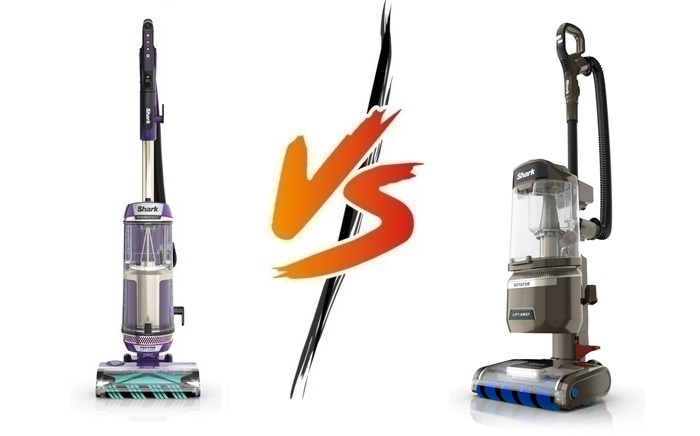
If you are shopping for a high-performance upright vacuum and the Shark PowerDetect line is on your radar, you might have noticed two model numbers popping up: the AZ4002 and the AZ4000. They look similar on the shelf and share a lot of the same marketing language, but there are meaningful differences worth knowing before you spend your money.
Choosing a new upright vacuum can feel like navigating a maze of model numbers, overlapping features, and similar-looking machines. Shark in particular loves to release closely related variants, which is how most people end up comparing the Shark PowerDetect AZ4002 with the Shark PowerDetect AZ4000. At first glance they look almost identical, and in many ways they are built on the same foundation. Both promise strong suction, advanced sensor-driven cleaning, and the familiar Shark mix of carpet power and hard-floor polish. But you want to know whether one is actually better, whether accessories differ, and whether performance changes in real homes with pets, rugs, and tight spaces.
Shark PowerDetect AZ4002 vs Shark PowerDetect AZ4000 Comparison Chart
If you click the links below, under the product images, you will be redirected to Amazon.com. In case you then decide to buy anything, Amazon.com will pay me a commission. This doesn’t affect the honesty of this review in any way though.
| Category | Shark PowerDetect AZ4002 | Shark PowerDetect AZ4000 |
|---|---|---|
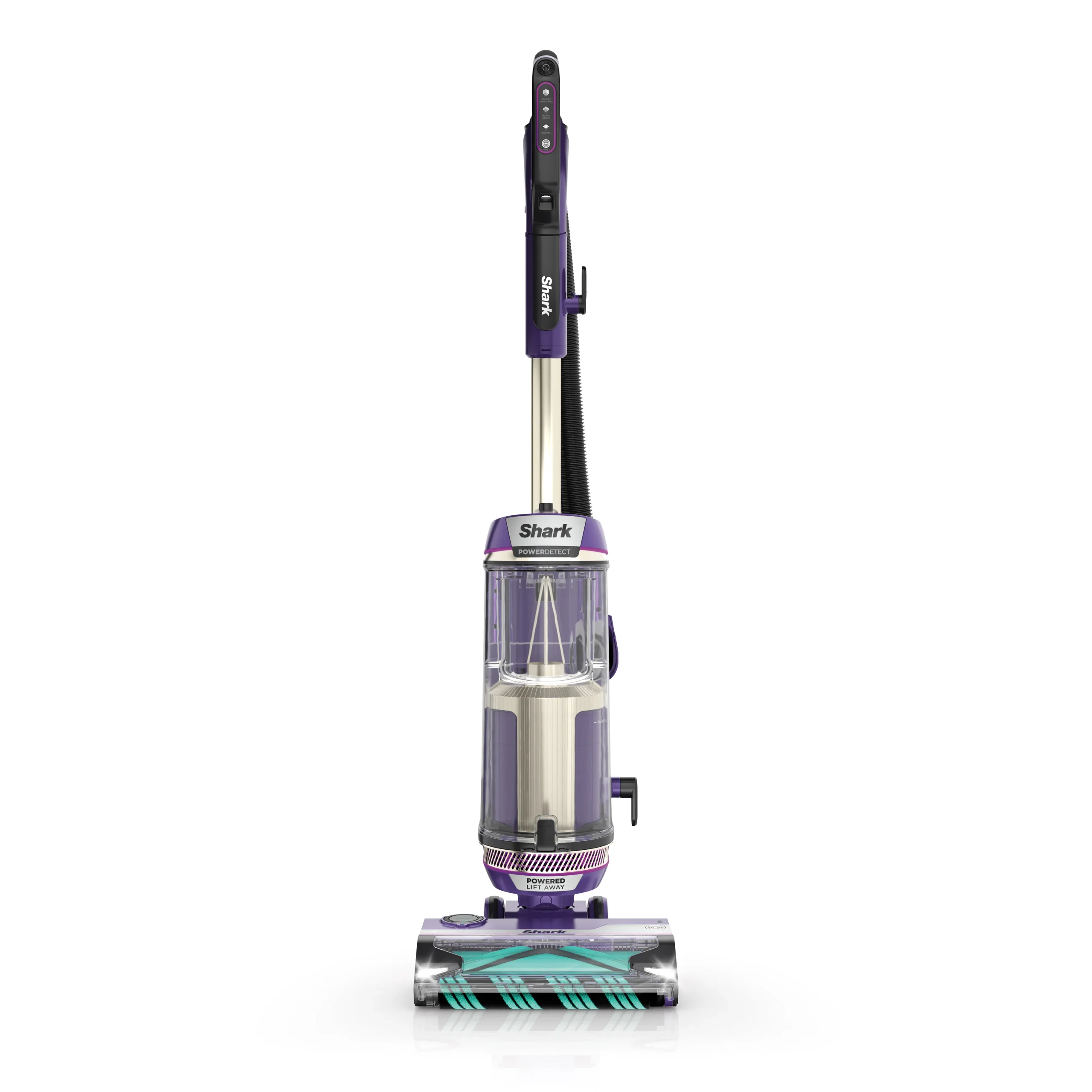 | 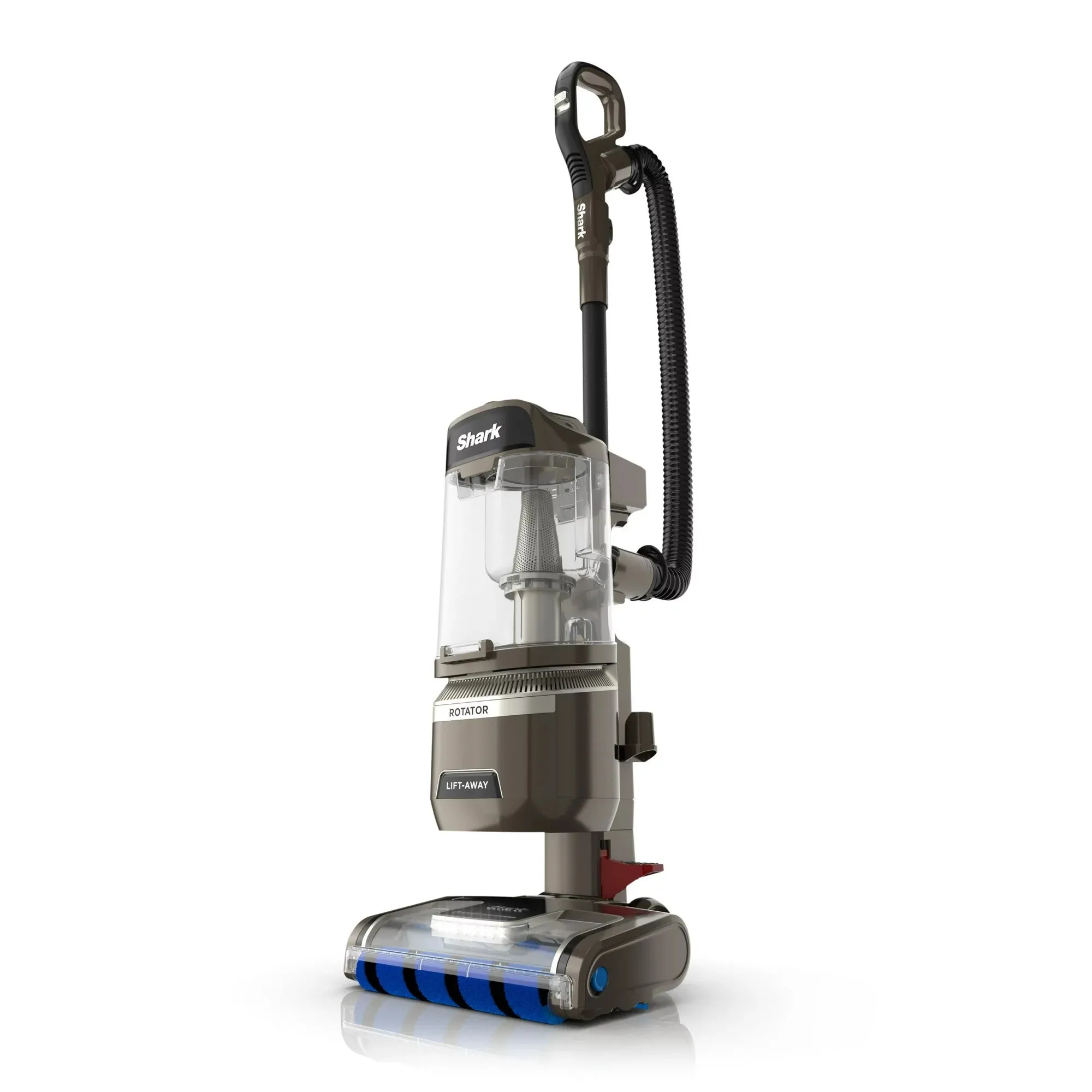 | |
| Check the best price on Amazon | Check the best price on Amazon | |
| Core Cleaning Technology | DuoClean + PowerFins; PowerDetect suction adjustment | DuoClean + PowerFins; PowerDetect suction adjustment |
| Brushroll Type | Self-cleaning PowerFins | Self-cleaning PowerFins |
| Lift-Away Function | Yes, powered lift-away | Yes, powered lift-away |
| Suction Power | Same core motor system | Same core motor system |
| Filtration | HEPA + Anti-Allergen Complete Seal | HEPA + Anti-Allergen Complete Seal |
| Dust Cup Capacity | Same capacity as AZ4000 | Same capacity as AZ4002 |
| Floor Compatibility | Hard floors, low-, mid-, and high-pile carpet | Hard floors, low-, mid-, and high-pile carpet |
| LED Headlights | Yes, on floor nozzle | Yes, on floor nozzle |
| Hose & Wand | Standard Shark wand and hose | Standard Shark wand and hose |
| Cord Length | Same (typically long upright cord) | Same (typically long upright cord) |
| Weight | Same chassis and weight class | Same chassis and weight class |
| Noise Level | Similar due to identical motor and airflow design | Similar due to identical motor and airflow design |
| Accessory Bundle | Often includes more pet-focused tools such as the self-cleaning pet power brush (bundle-dependent) | More basic bundle in many packages; may lack the upgraded pet tool depending on retailer |
| Upholstery Tool | Often upgraded | Standard upholstery tool depending on bundle |
| Crevice Tool | Included | Included |
| Dusting Brush | Included | Included |
| Color / Finish | Varies by retailer; often premium or alternate color | Varies by retailer; often standard Shark finish |
| Ideal For | Multi-pet homes, upholstery-heavy cleaning, users who want an all-in-one bundle | Users who want the same cleaning performance at a lower cost or already own Shark attachments |
| My individual reviews | Shark AZ4002 review | Shark AZ4000 review |
Design & Build Quality
When you put the Shark PowerDetect AZ4002 and AZ4000 side by side, the first thing you notice is how familiar they look. Shark has a distinct design language, and both models follow it closely: tall, purposeful, and built to look like real tools rather than futuristic gadgets. They share the same overall silhouette, the same style of dust cup, and the same compact motor housing perched above the intake. At a glance, you might think they are different trims of the exact same vacuum, and you would not be far off. The design choices Shark makes across this series are consistent for a reason. These machines are meant to survive regular use in homes with pets, kids, rugs, and stairs, so durability and practicality take priority over sleek minimalism.
Both vacuums use thick, rigid plastic for most of the body. That includes the spine, the dust cup enclosure, the wand release points, and the handle. The plastic is not flimsy. It has the same feel as the material used in higher-end consumer appliances, with a slight texture that gives your hand some grip. The weight distribution of both machines is also similar. They feel substantial, which can be interpreted two ways. On the one hand, the solid build inspires confidence. On the other, the weight can be noticeable if you are used to lightweight cordless sticks. These are upright vacuums built for power and versatility, not featherweight maneuvering.
The dust cup design is another shared element. Shark’s clear XL dust cup is large enough to handle multiple rooms before needing to be emptied. The shape makes it easy to see when the cup is filling up, and the wide door at the bottom opens with a simple latch. Both the AZ4002 and AZ4000 use this same system, and the hinge mechanism is sturdy enough to survive repeated opening and closing without wobbling or leaking. The top of the dust cup also detaches for deeper cleaning, which is helpful when fine dust clings to the interior walls. From a usability standpoint, this design balances convenience with practicality. You do not need to wrestle with the vacuum to empty it, and you do not need special tools to clean it out.
If you look at the nozzle, which houses the DuoClean Detect system, you will see more evidence of Shark’s design priorities. The nozzle sits low enough to reach under low furniture edges while still having enough height to house two brush systems. The front soft roller and the rear PowerFins brushroll are mounted within a casing that feels solid in hand. There is minimal flex if you press on the plastic, which suggests smart reinforcement along stress points. The brush guard and access doors use plastic tabs that snap in and out without feeling fragile. Anyone who has ever broken a brushroll door on a cheaper vacuum knows how important that is. With these models, you feel like you can pop the access open for cleaning without worrying about snapping off a hinge.
Color schemes vary depending on retailer, but both the AZ4002 and AZ4000 typically feature Shark’s modern palette: deep purples, charcoal grays, and muted metallic accents. This is not the loud styling seen on some older uprights from other brands. Shark’s aesthetic here is clean and subdued. It also makes both models blend well in storage spaces. If your vacuum lives in a hallway or laundry room where it’s visible, it will not look out of place or overly mechanical.
One area where build quality shows its strengths is at the connection points: the wand, the handle, the powerhead, and the hose. These receive the most stress during normal use because they are repeatedly clicked in and out. On cheaper vacuums, these joints often become loose over time, leading to rattling or misalignment. On both the AZ4002 and AZ4000, the release points engage with a firm, deliberate click. There is very little wiggle when the wand locks into place. The hose has enough flexibility to handle above-floor cleaning without kinking, yet the outer layer resists scuffing and stretching. That balance matters in homes where the vacuum doubles as the primary tool for reaching ceiling corners, curtains, or vents.
The handle design follows Shark’s typical upright structure. It is tall, slightly angled, and shaped to sit comfortably in one hand. The weight of the machine sits low enough that the handle does not feel top-heavy, although users with wrist issues may notice the weight when navigating tight corners. Still, the ergonomics are better than many uprights of similar power. The transition from pushing on carpet to gliding on hard floors feels controlled because the pivot point of the vacuum head is smooth and predictable. Shark’s swivel steering system has been improved over several product generations, and both these models reflect that refinement.
From a durability standpoint, the motor housing and dust cup locking mechanisms are well thought out. There is minimal flex at the top of the machine, where cheaper uprights sometimes wobble. The center column that holds the motor is reinforced and does not bend under pressure. The power cord is thick and securely anchored at the base of the unit. Users who wrap their cords tightly after each cleaning session will appreciate that the strain relief at the cord entry point prevents fraying. The cord itself is long enough to reach far corners of large rooms without needing to stop and replug, which also reduces strain on the plug and outlet.
One thing that does separate the feel of Shark’s PowerDetect models from lower-cost vacuums is the overall density of the components. There are no hollow-feeling sections or thin plastic panels that bend under light pressure. Every piece, from the brush housing to the dust cup latch, feels like it was designed to withstand repeated daily use. That said, this design choice does mean the vacuum is not light. People who prioritize durability will appreciate the sturdiness, while those who prioritize effortless mobility may find it heavier than they would like. This is simply the nature of a full-power upright with advanced cleaning systems.
Finally, it is worth noting how the two models compare to each other in this section. The truth is that they are so closely matched in design and build quality that you would struggle to identify meaningful differences without reading the model number on the label. Both are built from the same materials, with the same structural layout, the same dust cup system, the same nozzle design, and the same durability expectations. If anything varies, it is usually color accents or the accessories included in the box. In terms of pure build quality, the AZ4002 and AZ4000 are essentially equals.
Performance
Performance is where upright vacuums prove their worth. Design and features matter, but how a vacuum behaves on real floors with real messes is what determines whether it becomes your weekly workhorse or something that lives in a closet. The Shark PowerDetect AZ4002 and AZ4000 share the same core technology, so their performance is more similar than different. Even so, breaking down how they act on different surfaces, how they handle debris sizes, and how their sensor-driven systems influence cleaning makes it easier to understand what you get with either model.
The first thing that stands out when using either vacuum is the sheer suction power. These are high-suction uprights, and you feel it the moment the nozzle meets the floor. On hard floors, the vacuum has enough pull to capture fine dust, pet hair, sand, crumbs, and the kind of micro debris you usually only notice in streaming sunlight. The soft roller at the front of the nozzle helps here. Instead of pushing debris forward like traditional brushrolls sometimes do on hard floors, the roller pulls everything inward and lifts it directly into the airflow path. As the vacuum rolls forward, the combination of suction and the soft brush gives your floors a faint polished look, almost as if you used a microfiber mop. This is one of the most noticeable advantages of Shark’s DuoClean system, and it shows up immediately in performance tests.
On carpet, things get even more interesting. The PowerFins brushroll on both models grips carpet fibers firmly. It does not rely on traditional bristles, which can beat the carpet without extracting deeper debris. Instead, the textured rubber fins dig into pile, loosening dirt that has settled deep and pulling it up effectively. The suction does the rest. On low- and medium-pile carpets, you can feel the vacuum lock into the fibers, pulling up lint, grit, and hair in a way that makes the carpet look refreshed. You often see more in the dust cup than you expect, especially during the first few uses in a home that previously relied on a lighter or older vacuum.
High-pile carpets and shag rugs are always a stress test for uprights. Both the AZ4002 and AZ4000 handle them reasonably well, though like most powerful uprights, you may feel resistance because the suction is so strong. You will likely need slower passes. The sensor system helps by adjusting power when it detects more drag, but physics is physics. The vacuum can clean high pile, but it performs best on low to medium pile where the brushroll can maintain consistent contact.
One of the real advantages of these models is the PowerDetect sensor suite. This system is not just a light that turns on when dirt is detected. It actively adjusts brush speed and suction based on what it senses. For example, imagine you are vacuuming a hallway with a runner that gathers pet hair at the edges. When the vacuum moves along the edges, the suction often increases because the vacuum recognizes resistance and debris density. This helps pick up embedded dirt without requiring multiple passes. Then, when you transition to open hardwood, the vacuum calms down. The motor noise lowers, the brushroll adjusts, and you glide easily over the surface without feeling like the vacuum is dragging itself forward. This automatic modulation is subtle, but once you get used to it, going back to a completely manual vacuum feels like more work.
Forward and reverse cleaning are also strong points for both models. Some vacuums clean well in one direction but scatter debris or lose efficiency when pulled backward. The PowerDetect nozzle does not suffer from this. The forward pass is naturally the strongest, but the reverse pass also picks up debris effectively because of how the brushes and airflow channels are positioned. This is especially handy when cleaning under tables or around furniture legs, where you may need to pull the vacuum backward more often than push it forward.
Hair pickup deserves special mention because both the AZ4002 and AZ4000 excel here. The combination of suction, PowerFins, and the self-cleaning brush design means they scoop up pet hair, long human hair, and even fine fur without leaving strands behind on the carpet. The brushroll does a good job at resisting tangles, though it is not completely immune to them. Long hair will still gather near the ends eventually, but compared to older Shark models with traditional bristles, the reduction in tangling is significant. If you have multiple pets, you will likely find hair accumulating in the dust cup quickly, which is an indicator of strong pickup rather than inefficiency.
Edge cleaning is another area where performance stands out. Many uprights require the use of a crevice tool to finish cleaning along baseboards because the main nozzle leaves a thin line of untouched debris. The PowerDetect design improves this by funneling more suction toward the edges of the nozzle. When you glide along a wall, you can see debris pulled inward rather than pushed aside. It is not perfect, but it is far better than average. In real household cleaning, this saves time and reduces the need to crouch down with attachments.
Larger debris handling is equally strong. Both vacuums can pick up cereal, dry pet food, coffee beans, and larger grit without snowplowing it ahead of the nozzle. The soft roller plays a major role here by pulling debris into the vacuum instead of letting it escape. Even on carpets, where larger debris can sometimes get stuck on the surface, the PowerFins brushroll breaks the debris up and moves it into the airflow path efficiently.
In terms of overall consistency, both the AZ4002 and AZ4000 maintain strong suction even when the dust cup begins to fill. Some vacuums lose power as the canister gets fuller, but the multi-stage airflow design in these models keeps performance steady. You will notice minor drops only when filters are overdue for cleaning or if a clog develops.
The one area where performance can be challenging is maneuvering on very thick rugs or plush carpet. The suction strength can pull the vacuum downward with enough force that you need to push harder than on standard carpet. This is common with high-powered uprights and not a flaw unique to Shark. If your home has mainly thick pile carpets, you may want to test the vacuum first, but for most households with a mix of surfaces, the strong performance outweighs the occasional effort required on dense fibers.
Ultimately, the performance of both the Shark PowerDetect AZ4002 and AZ4000 is exceptional across the board. They deliver strong suction, versatile multi-surface cleaning, excellent hair pickup, effective edge cleaning, and smooth transitions between floor types. They also benefit from smart sensor-driven adjustments that give them a more refined feel than many other uprights in the same price range. While they are not ultra-light machines, their cleaning power is undeniable, and both models deliver the kind of performance that makes floors look noticeably cleaner after just a few passes.
Maintenance & Cleaning
Maintenance often decides whether a vacuum stays reliable after years of service or slowly becomes less effective. Even the most powerful upright loses performance if filters clog, brushrolls jam, or dust cups leak. The Shark PowerDetect AZ4002 and AZ4000 share a nearly identical maintenance routine, and both are designed with user-friendly upkeep in mind. Shark tends to prioritize easy access to internal components, and these two models follow that tradition closely.
The dust cup is a good place to start because it is the part you empty most often. Both vacuums use the same XL-capacity dust bin with a bottom-release flap. This design is simple but effective. You hold the cup over the trash, press a latch, and the door swings open. In most cases debris falls out cleanly, which keeps your hands away from dust and hair. The interior of the cup is smooth enough that fine powder does not cling to the sides too aggressively, though static can cause extremely fine dust to stick during dry weather. It helps that the dust cup also opens from the top. You can remove the entire lid to rinse the inside under water. This is useful after a deep cleaning day when the cup starts looking cloudy or dusty.
Both vacuums allow the dust cup to detach easily from the body with a simple press of a button. The latch that connects it to the main housing is sturdy and does not wear quickly, even with frequent use. Many upright vacuums use small plastic tabs that loosen over time, leading to unsteady connection points. That is not an issue here. The cup slides in and locks with a confident click. For households with pets or heavy use, this matters because the dust cup may be emptied daily.
Filters are the next major component. The AZ4002 and AZ4000 have a pre-motor foam and felt filter set, along with a post-motor HEPA filter. These are all easily accessible. The pre-motor filters sit behind a front panel that pulls off with minimal effort. You rinse them under water, let them air dry for a full day, then reinstall them. This simple cleaning restores airflow and keeps suction levels high. It also saves money because you are not buying disposable filters every month. Shark recommends washing these filters regularly, but the frequency depends on the environment. Homes with pets, heavy traffic, or fine dust from construction may need monthly cleanings. Light-use households can stretch the interval longer.
The HEPA filter sits behind a rear access panel and is just as easy to remove. It is technically washable, but you should wash it sparingly because over-washing can weaken the structure. Most users simply tap it gently outside to remove surface dust every few months, then replace it annually. The benefit of the HEPA filter in these models is that it seals well. There are no major gaps where unfiltered air escapes, which means the vacuum exhaust stays clean. This is especially important for allergy-sensitive households.
Brushroll maintenance tends to be the most intimidating task for many owners, but Shark has worked to simplify it over the years. The PowerFins brushroll and soft roller are both accessible without tools. On the bottom of the nozzle, you have release tabs that open the brush housing. The soft roller lifts out easily. You can rinse it under water, squeeze it dry, and let it finish air drying completely before reinstalling it. Because the soft roller is made of dense fabric-like material, it picks up fine dust quickly and needs periodic cleaning. Otherwise, it can become discolored or start leaving faint streaks on hard floors.
The PowerFins brushroll handles hair better than traditional brushes, but eventually long strands will gather near the edges. Fortunately, the brushroll lifts out without unscrewing anything, and you can cut away any hair with scissors. Shark’s design prevents the majority of tangles, but no brushroll is completely immune. Being able to clean it quickly is a real advantage.
The self-cleaning system on the PowerFins does help minimize buildup. As the brush rotates, internal combs keep hair from wrapping too tightly. For most daily messes, you will notice very little accumulation. It is only during heavy shedding seasons or after vacuuming extremely long hair that you need to give the brushroll direct attention.
The airflow pathways inside the vacuum also deserve inspection from time to time. Both models include access points that let you check for clogs. The most common clog areas are the hose, the elbow joint near the powerhead, and the dust cup intake. Removing the hose is straightforward, and you can visually inspect it by holding it up to the light. The hose is flexible enough that you can loosen debris by bending it slightly. If the blockage is deeper, a broom handle or flexible cleaning rod can push it out gently. Shark uses a reinforced hose lining that resists internal damage from routine maintenance, which is reassuring if you clean the hose more often than most people.
Another important maintenance step is keeping the swivel mechanism and floor nozzle wheels clear of string, lint, and hair. Over time, hair can wind around the wheel axles and create resistance. The wheels on the AZ4002 and AZ4000 pop off more easily than you might expect. Once removed, you can cut away debris without dealing with tight clearances. The swivel joint itself rarely needs lubrication, but wiping it down removes dust that can interfere with smooth steering.
The powerhead channels also benefit from a quick wipe. Fine dust tends to collect near the LED light housing and the edges of the nozzle. A damp microfiber cloth is usually enough to keep it looking fresh. The LED lights themselves are sealed and do not require special care.
Shark’s lift-away feature adds another maintenance angle. Since the pod detaches from the rest of the vacuum, you can clean the surrounding contact points. Dust often builds around the lift-away latch and the airway ports that connect the pod to the powerhead. Keeping these clear helps maintain suction efficiency.
Cord maintenance is simple but worth mentioning. The cord is thick and durable, but repeated tight wrapping around the hooks can strain the ends. Looser loops and alternating the direction of wrapping help prolong its life. If you regularly vacuum large rooms, checking the cord for twists reduces internal stress on the wiring.
In general, the Shark PowerDetect AZ4002 and AZ4000 stand out because maintenance does not feel like a chore. Nothing requires specialized tools, and the most common upkeep tasks take only a few minutes. The overall design encourages regular cleaning, which leads to better long-term performance.
The two models behave almost identically in this category. If you are choosing between them based on maintenance expectations, there is no difference significant enough to sway your decision. Both vacuums are built with accessible parts, washable filters, straightforward brushroll systems, and predictable wear points. With regular upkeep, they maintain excellent performance for years, which is exactly what most buyers want from a full-power upright.
Filtration & Allergy Relevant Performance
Filtration is one of the most important elements for anyone who deals with dust allergies, pet dander, or general sensitivity to airborne particles. Strong suction is useful, but without proper air sealing, a vacuum can release just as much dust back into the home as it picks up. Both the Shark PowerDetect AZ4002 and AZ4000 rely on a sealed system paired with a HEPA filter, and this combination gives them a noticeable edge over many upright vacuums that only use basic post-motor filters or partial sealing.
At the heart of their filtration system is Shark’s sealed design. A sealed vacuum ensures that all air drawn into the machine passes through the filters before it is released as exhaust. If any part of the airflow path leaks, fine particles bypass the filters and end up back in the room. This is more common than many people realize. A vacuum can have a HEPA filter and still leak if the housing is not sealed. With both PowerDetect models, the internal connections between the dust cup, motor compartment, and exhaust filter are tight. There are rubber gaskets at the major seams that prevent air from escaping around the edges. This structure helps the vacuums trap allergens effectively rather than just circulating them.
The HEPA filter itself is positioned on the rear of the vacuum, catching the final stream of air before it exits the machine. HEPA filtration is designed to capture tiny particles that other filters miss, such as pollen, mold spores, and microscopic dust. In practice, this means the air coming out of the exhaust feels cleaner and does not have that faint dusty smell that older or cheaper uprights sometimes produce. For allergy-sensitive users, this is often the first difference they notice. Breathing feels easier after vacuuming because fewer fine particles float around afterward.
The pre-motor filters, which include a foam and a felt layer, play an important supporting role. They trap larger debris and mid-sized dust before it reaches the HEPA filter. This extends the HEPA filter’s lifespan and keeps airflow strong. When these pre-motor filters get clogged, suction can drop noticeably. Fortunately, both are washable and easy to remove. When maintained properly, they help the system keep its airflow consistent, which is a big part of effective filtration. Good airflow means the vacuum can keep pulling allergens from deep within carpets rather than just skimming the surface.
Carpet performance influences filtration too. Both vacuums use the PowerFins brushroll, which has a way of lifting deep-set dust and dander out of carpet fibers. People often underestimate how much allergen buildup hides in carpets, especially if pets are part of the household. The deeper a vacuum can clean, the more allergens it removes from the environment. These models do a strong job in that regard. After a full-room cleaning session, you can see a large amount of fine dust captured in the dust cup, which would otherwise linger in the carpet and get stirred up into the air during daily activity.
Hard floors also benefit. Fine dust on hard surfaces tends to scatter or cling to corners. The soft roller in the DuoClean system draws in this light dust rather than blowing it aside. This prevents clouds of debris from becoming airborne. It is a quiet but important factor for maintaining a low-allergen environment. You are not just sucking up crumbs; you are capturing the invisible stuff that affects breathing.
Another subtle part of allergy performance is how well the vacuum keeps dust contained during emptying. The bottom-release dust cup opens cleanly, reducing the need to dig inside with your hand. While no vacuum truly eliminates dust exposure when emptying, the design here minimizes the plume effect that some cup systems cause. If you are especially sensitive, emptying the cup outdoors makes it even cleaner.
The sealed lift-away feature also matters. When you detach the canister for above-floor cleaning, the air seal remains intact. This means that whether you are vacuuming stair treads, shelves, or upholstery, the filtration stays effective. Some uprights lose filtration efficiency when using attachments because the airflow path changes, but the PowerDetect system maintains consistent filtration even in portable mode.
In real-world living spaces, these combined features make a difference. Rooms feel less dusty after cleaning. Light-sensitive allergy symptoms do not flare up as strongly. Homes with pets stay fresher because dander does not escape back into the air. Neither the AZ4002 nor the AZ4000 has a meaningful advantage over the other in filtration. They share the same parts, the same airflow approach, and the same sealed system. For buyers who prioritize allergy performance, both models deliver equally strong results.
Energy Efficiency & Noise Levels
Energy efficiency and noise levels often get overlooked during the buying process, but they can make a noticeable difference once the vacuum becomes part of your weekly routine. Uprights tend to be more powerful than cordless stick vacuums, which usually means they draw more electricity and produce more noise. The Shark PowerDetect AZ4002 and AZ4000 are no exceptions, but they manage both areas with more refinement than many traditional uprights. They deliver strong suction without feeling excessively power-hungry, and their noise output is surprisingly controlled for machines with this level of performance.
To understand their efficiency, it helps to look at how their motors behave. Both models use a high-efficiency motor designed to balance suction with consumption. They are not the kind of appliances that fluctuate wildly in power draw or strain under heavy debris loads. Their consistency comes partly from the PowerDetect system. Instead of running at full blast from the moment you switch the vacuum on, the motor adjusts itself based on the level of debris and the resistance of the floor surface. On clean hard floors, the suction lowers slightly because the vacuum senses less workload. This leads to quiet operation and reduced energy use. On carpets, especially those with deeper pile or heavy messes, the motor ramps up, but only as much as needed. This automatic modulation prevents unnecessary power spikes.
Another factor that adds to their efficiency is the airflow design. When air moves smoothly through the vacuum without obstruction, the motor does not need to work as hard to maintain strong suction. Both models use well-sealed channels and direct airflow paths. This contributes to consistent performance even as the dust cup fills. Lesser vacuums lose efficiency when dust accumulates because clogs begin to build inside the air pathways. With the AZ4002 and AZ4000, as long as filters are kept reasonably clean, energy use stays stable. They are not officially marketed as low-energy appliances, but they run with enough mechanical efficiency that you do not feel like you are powering a commercial extractor every time you clean.
Noise levels are often more noticeable than energy use, and this is where these two vacuums surprise people. Uprights are usually loud by nature. A strong motor paired with a rotating brushroll creates mechanical noise you cannot fully escape. Even so, both the AZ4002 and AZ4000 manage to sound controlled rather than harsh. The noise remains within a tolerable range even during deep carpet cleaning. The pitch of the sound is low and steady, which matters more than decibel levels alone. Higher-pitched motors can feel piercing even at lower volumes, while lower tones feel softer to the ear. These models lean toward the lower, smoother end of the spectrum.
On hard floors, noise output drops because the brushroll encounters less resistance and the PowerDetect system lowers power accordingly. This is one of the moments where you notice the advantage of sensor-driven cleaning. If you vacuum kitchens or hallways late at night, you will appreciate how quietly the vacuum glides over tile or vinyl. The soft roller also helps reduce noise. Instead of bristles tapping against the surface, the roller makes smooth contact, dampening vibration and creating a softer sound profile.
Carpet cleaning naturally increases noise because the brushroll engages more aggressively and the motor may increase power. Even so, neither model sounds as loud as many full-strength uprights from previous generations. The sealed body also plays a role. When a vacuum leaks air, it not only loses filtration but also produces whistling or whooshing sounds. With a sealed system, air moves predictably, and the noise remains stable.
One of the most useful noise-related improvements is during lift-away mode. When you detach the canister to clean stairs, upholstery, or vehicle interiors, the sound becomes more focused and less echoing. Without the floor nozzle, the vacuum produces a contained hum rather than a broad, room-filling noise. If you use attachments frequently, this makes the experience more pleasant. You can vacuum sofas or shelves without feeling like you are holding a jet engine.
Noise perception also changes depending on floor type, speed of movement, and debris type. For instance, when picking up larger objects like dry pet food or cereal pieces on hard floors, there is an audible clattering inside the nozzle. This is normal for any vacuum with a soft roller because debris hits the inner walls before entering the suction path. With these models, the clatter is brief and not overly sharp. The brushroll system directs debris inward quickly, reducing prolonged noise.
Energy use during above-floor cleaning tends to be lower because the brushroll is not in use and suction requirements drop. This is particularly helpful for people who spend a lot of time vacuuming drapes, shelves, or tight corners. The motor does not strain, and the handheld mode feels efficient and controlled.
One area where both models excel is maintaining performance without requiring maximum power at all times. Many traditional uprights run at full strength whether needed or not, which wastes electricity and creates unnecessary noise. The PowerDetect system solves this problem by constantly reading the environment. You get high suction only when the floor demands it, not by default. This smart response makes a difference over time, especially in larger homes where vacuuming is a long process.
When comparing the AZ4002 and AZ4000 directly, there is no practical difference in energy efficiency or noise output. They share the same motor design, the same airflow system, and the same brushroll technology. Any difference you might perceive between them would come from external variables, not internal engineering. For buyers who care about noise sensitivity or who prefer a vacuum that feels efficient instead of wasteful, both models perform equally well.
In day-to-day use, these vacuums hit a good balance. They are powerful but not overwhelming. They save energy without sacrificing cleaning capability. They produce noise, but not the kind that rattles your nerves. And most importantly, they feel refined during operation, which is not always the case with upright vacuums in this power class.
Ergonomics & Usability
Ergonomics determine whether a vacuum feels like a tool you enjoy using or something you tolerate because you have to. Even the strongest suction or the smartest sensors cannot make up for a machine that strains your wrists, feels clumsy in corners, or requires too much fiddling to switch modes. The Shark PowerDetect AZ4002 and AZ4000 sit in a sweet spot for upright vacuums. They are not featherweight machines, but they are thoughtfully designed so that the weight is managed well, the controls feel intuitive, and the overall experience encourages you to clean rather than dread the process. Both models behave almost identically in this category, so most of what applies to one applies to the other.
The first ergonomic feature you experience is the handle. Shark’s upright handles have a particular shape that fits the natural curve of your hand. They are slightly angled to reduce the need to twist your wrist as you turn the vacuum. This matters more than people realize. If you spend a long cleaning session maneuvering in tight rooms or working around furniture legs, the difference between a straight handle and an angled one can add up to real wrist fatigue. The grip material is smooth but not slippery, even if your hands are slightly damp. You do not feel any sharp edges or seams digging into your palm, which helps keep the machine comfortable during extended use.
Weight is always part of the equation with full-size uprights. Both the AZ4002 and AZ4000 are on the heavier side compared to cordless sticks, but their balance offsets much of that heaviness. Most of the weight sits low in the motor and brush housing. This keeps the vacuum from feeling top-heavy, which can be a major issue in cheaper models. When a vacuum’s weight sits too high, every turn feels exaggerated and every lift strains your wrist. With these models, the distribution creates a grounded feel. You push the vacuum rather than hold it up. This allows you to clean larger rooms without thinking about the weight constantly.
The swivel steering is an important part of usability. Some swiveling systems feel loose and unpredictable, while others feel stiff and resist your movements. Shark’s system strikes a good balance. You can turn the vacuum with small wrist movements, yet it does not swing out uncontrollably. The nozzle follows your hand naturally. When navigating between chair legs or weaving through narrow hallways, the steering feels responsive. It does not fight you or lag behind. This makes both models easier to maneuver than many other uprights in their power category.
When transitioning between floor types, the usability stays smooth. You can go from carpet to hardwood without stopping to flip a switch or change a setting. The PowerDetect system senses the shift and adjusts automatically. Some vacuums require manual toggles or separate modes that you have to remember to change. These two do the work for you. This also cuts down on moments where the vacuum feels like it is dragging itself forward on hard floors or digging too deep on carpets. The adjustable motor power helps keep the vacuum feeling controlled across different surfaces.
The reach of the machine contributes heavily to usability. The hose length and wand design give you enough flexibility to hit corners, curtains, and ceiling vents without having to move the entire machine every few seconds. The lift-away mode is especially helpful on stairs. Upright vacuums are notoriously inconvenient for stair cleaning, but with these models, you press a button, detach the canister, and carry only the lighter pod with you. The pod is not ultra-light, but it is manageable. It sits comfortably in one hand while the other hand holds the wand or attachment. This dramatically improves the experience of cleaning staircases, sofas, vehicles, and overhead surfaces.
Attachment usability is also worth discussing. Both vacuums come with standard Shark tools, such as a crevice tool and a brush. Some versions or bundles include additional pet tools, depending on retailer. What stands out is how easily these tools click onto the wand or hose. You do not need excessive force or awkward twisting. They slide on and lock with a simple motion. The release buttons are large enough to press without hunting for them, even if your hands are tired or dusty. This helps when you switch tools often, such as when you move from floor cleaning to baseboards, then to upholstery, then back to the floor again.
The cord length is another usability win. Both models offer a long cord that reduces the need for constant outlet changes. This may seem like a small detail, but in daily cleaning, fewer interruptions make the whole process feel faster and smoother. The cord wraps neatly around the back hooks. The top hook swivels, allowing you to release the entire cord quickly without unspooling it loop by loop. This is something many vacuums still get wrong, and it is a relief to see Shark thinking through these practical touches.
The dust cup location enhances usability as well. It sits in a spot that keeps the center of gravity stable. Emptying it does not require bending awkwardly or lifting the vacuum off the floor. You simply detach it, hold it over a trash can, and release the bottom flap. Since the dust cup is transparent, you can see exactly how full it is, which eliminates guesswork and prevents the vacuum from losing efficiency due to overfilled debris. Visibility matters for usability because it removes another mental step. You do not have to wonder whether the vacuum is slowing down because it is full. You see it instantly.
Lighting also plays a role. The LED headlights on the nozzle illuminate debris that blends into carpet fibers or hides in low light. This does not just make cleaning more thorough. It also reduces the need to tilt your head or reposition furniture to identify dusty areas. Usability is about effort, and anything that reduces effort makes a real difference.
Noise influences perceived usability. While this belongs partly in the noise section, it matters here too because a vacuum that sounds aggressive or sharp can feel harder to use, even if the mechanics are smooth. These models produce a steady noise that does not spike unpredictably. The smoother sound makes longer cleaning sessions feel less tedious.
One final usability factor is the learning curve. Some vacuums require a few uses before you understand how they behave, how to switch modes, or how to handle them without resistance. The AZ4002 and AZ4000 are straightforward from the start. You turn them on, you move forward, and they respond predictably. The controls are minimal. The switches are logically placed on the handle. You do not need to memorize anything complicated. This makes the machines accessible for users of all comfort levels, including those who do not enjoy overly technical appliances.
In everyday use, both the Shark PowerDetect AZ4002 and AZ4000 feel like tools designed with real homes in mind. They are easy to steer, easy to empty, easy to carry in lift-away mode, and easy to control with one hand. They do not eliminate the inherent weight of a full-size upright, but they do a great job making that weight feel manageable. Overall, their ergonomics and usability contribute significantly to why both models are consistently well received by people who vacuum frequently and expect a machine that works with them rather than against them.
Pet-Friendliness
Pet-friendliness is one of the biggest selling points for many upright vacuums, and the Shark PowerDetect AZ4002 and AZ4000 build their reputation on handling pet hair, dander, and everyday messes that come with animals. A vacuum can claim to be “great for pets,” but the real test is how well it deals with long hair, heavy shedding seasons, litter scatter, tracked-in dirt, upholstery fur, and the fine dust created by dander. Both PowerDetect models approach these challenges with a combination of strong suction, smart brushroll technology, useful attachments, and reliable filtration. They perform at a level that makes them genuinely helpful tools for multi-pet households.
The foundation of their pet performance comes from the DuoClean nozzle paired with the PowerFins self-cleaning brushroll. Traditional brushrolls use bristles that can quickly wrap with long strands of fur or human hair. Once wrapped, performance drops, and cleaning the brush becomes an unpleasant chore. The PowerFins system uses flexible rubber fins that maintain direct contact with carpet fibers and hard floor surfaces. These fins resist wrapping more effectively than bristles. When hair enters the brush chamber, the rotation works it toward the internal combs, breaking it up and lifting it into the airflow path. This dramatically cuts down on tangles. Even in homes with long-haired dogs or cats, the brushroll stays cleaner for longer than what you see from many upright vacuums in the same power class.
That said, no self-cleaning system is completely immune to tangling. If you have multiple pets that shed heavily, you may still find some hair accumulating at the ends of the brushroll. The difference is how easy it is to clear. Both vacuums allow the brushroll to lift out without tools. This turns what used to be a dreaded chore into a quick, one-minute task. In testing and real-world use, owners often report that they clean the brushroll because they want to, not because the vacuum forces them to do so by clogging.
The soft roller at the front of the DuoClean system plays a major role for pet owners as well. Pet hair on hard floors tends to float around or get pushed forward by uprights without a soft roller. Instead of scattering hair, the roller grabs it gently and funnels it inward. If your pets shed heavily and leave hair drifting across kitchen tile, hardwood, or laminate floors, this roller is a game changer. It not only picks up fur but also removes fine dander that clings to the surface. Anyone who has ever wiped a supposedly clean floor and still seen a dusty layer on the cloth will understand how meaningful this is.
Carpet performance is where pet vacuums either shine or fall apart, and these two models shine. Pet hair gets trapped in carpet fibers in ways that can trick you into thinking your carpet is clean when it’s not. The PowerFins dig into fibers and pull out hair that older brushrolls would miss. The suction is strong enough to gather the loosened hair and dander quickly. After a full cleaning session, the dust cup often fills with more hair and fine debris than expected. This isn’t a flaw, it’s evidence of how much the vacuum is pulling out of the carpet.
On stairs, the lift-away feature is a major ergonomic advantage for pet owners. Pets love stairs; they sleep on them, play on them, and shed all over them. Cleaning stairs with a full upright is usually awkward, but with these models, you detach the pod and use the wand or an attachment to vacuum the treads easily. The suction remains strong in lift-away mode, which means you still get the benefit of the upright’s deep-cleaning ability even when using smaller tools.
Speaking of attachments, the included tools can vary slightly depending on the package or retailer. Many AZ4002 bundles come with a self-cleaning pet power brush, which is one of the most useful tools for pet owners. This handheld brushroll tool is designed for upholstery, car seats, pet beds, and stairs. Unlike simple suction-based upholstery tools, this one uses a rotating brush that also resists tangles. It pulls fur from fabric instead of smearing it around. If you have microfiber couches, plush blankets, or carpeted cat trees, this tool alone can justify choosing the AZ4002 over configurations that only include basic attachments.
The AZ4000 may or may not include the same upgraded pet tool depending on the retailer, but both models work well with any Shark pet attachment. If your version includes the basic upholstery tool instead of the self-cleaning brush, you can still clean pet surfaces effectively, but you may need more passes to gather all hair. The good news is that both vacuums offer strong enough suction to compensate even with simpler tools.
Another important part of pet-friendliness is how well the vacuum manages dander and fine dust in the air. Pets produce more than visible hair; they produce microscopic particles that float in sunlight, collect on furniture, and linger in the air after vacuuming. This is where the sealed HEPA filtration system becomes invaluable. When a vacuum lacks proper sealing, all the suction in the world cannot stop allergens from leaking back into the room. Both the AZ4002 and AZ4000 keep collected dander inside the dust cup and filters until you empty them. This is crucial for households where allergies are triggered by pets.
Odor management also matters for pet owners. A vacuum that leaks air often takes on a faint “dog smell” or “litter smell” after a few months. A sealed system avoids this issue. When the filters are kept clean, the vacuum exhaust smells neutral, not dusty or animal-heavy. This makes a huge difference in multi-pet homes where frequent vacuuming is necessary.
Pet-friendly performance also extends to how well the vacuum handles dry food, litter, and tracked-in debris. The soft roller is excellent at picking up small scatter on hard floors. Cat litter is a good test, because the granules can bounce around or damage softer rollers in low-quality vacuums. The PowerDetect DuoClean nozzle handles it well. The granules move smoothly into the airflow path, and the vacuum does not spit them backward or sideways. For dog owners, the vacuum also handles dry kibble that gets kicked under tables or spreads along feeding areas.
One area that pet owners appreciate is the visibility provided by the LED headlights. Pet hair on floors can be difficult to see unless the lighting is perfect. The LEDs illuminate fur clumps hiding under furniture edges or sticking to carpet fibers. This helps you pick up everything on the first pass rather than discovering missed patches later.
Across all these angles, the AZ4002 and AZ4000 behave almost identically. The only notable difference tends to be in the accessory bundles, with the AZ4002 more commonly packaged with additional pet tools. In terms of core performance, both are among the best upright vacuums for pet households. They clean deeply, handle fur easily, maintain strong filtration, and make upkeep manageable. Whether you have one shedding dog or a house full of cats, both vacuums are built to handle the workload without adding stress to your cleaning routine.
Attachments & Accessories
Attachments matter more than people think when comparing upright vacuums. The base machine can perform well, but the right tools determine how versatile it feels day to day. The Shark PowerDetect AZ4002 and AZ4000 share a similar core set of accessories, although the AZ4002 is often bundled with more pet-focused tools, depending on the retailer. Both models support the same attachment system, so anything that fits one will fit the other. What differs is the experience of using them, the ease of switching between them, and how well they extend the vacuum’s reach beyond floors.
The standard crevice tool is the simplest but remains one of the most important. Every vacuum includes one, but Shark’s version is designed with a long, narrow profile that reaches deeper between couch cushions, along baseboards, and into the corners that uprights cannot physically reach. The airflow through this tool is surprisingly strong, so it does not feel like an afterthought. For quick spot cleaning, especially around pet areas, the crevice tool becomes the go-to attachment.
The dusting brush is another staple that both models include. Its bristles are firm enough to loosen dust from shelves, blinds, vents, and picture frames, but soft enough not to scratch delicate materials. On both machines, the suction remains steady through the hose, making it easy to remove the fine dust that collects on electronics or tabletop surfaces. If you have pets who shed near windowsills or surfaces where fur drifts and settles, the dusting brush turns those quick touch-ups into simple tasks rather than chores you put off.
Where the AZ4002 tends to pull ahead is in the inclusion of the self-cleaning pet power brush in many of its bundles. This tool contains a mini brushroll that actively grabs pet hair from upholstery, stairs, car interiors, and pet beds. Instead of relying on suction alone, the spinning brush digs hair out of fabric and keeps itself from tangling. Anyone with pets that shed into couches or fabric headboards will immediately appreciate how much more effective this tool is compared to a passive upholstery brush. The AZ4000 sometimes includes this tool, but not always. If pet cleanup is a big part of your routine, the presence or absence of this attachment can influence your choice between models.
For users whose bundles include only the standard upholstery tool, you still get solid performance, although you may need to make more passes. This simpler tool excels on flat fabrics and car seats but struggles more with embedded fur compared to the self-cleaning version. On the upside, switching tools on both vacuums is seamless. The locking mechanism uses wide, easy-to-press buttons that hold securely but release instantly when needed. You do not have to wrestle with twisting plastic or misaligned clips.
The wand itself also counts as part of the accessory system. Both models use a straight, lightweight wand that works with all the attachments and remains comfortable to hold for long sessions. In lift-away mode, the wand becomes the backbone of overhead cleaning. Combined with the crevice tool or dusting brush, you can clean ceiling corners, vents, curtain rods, and crown molding without needing a ladder. This is particularly nice for pet owners dealing with cobwebs or dust produced by indoor animals.
Another helpful design element is onboard storage. Both the AZ4002 and AZ4000 include designated spots on the vacuum body to store two commonly used tools. This prevents the usual problem where attachments disappear into a drawer or get tucked in a closet. The ones you use most often stay right with the machine, which makes switching mid-clean far easier. You do not have to go hunting through the house for the crevice tool every time you want it.
If your version comes with the anti-allergen dust brush, it adds even more versatility. This tool has softer, denser bristles for lifting allergens from delicate surfaces like lamp shades, fan blades, and fabric curtains. Combined with the sealed HEPA system, it creates a one-two punch that improves air quality during cleaning rather than stirring everything up.
One practical detail that enhances all attachments is how steady the suction remains through the hose. Some uprights lose a noticeable amount of power when you separate the hose from the floor head. These two do not. Whether you attach the crevice tool, pet brush, or dusting brush, the suction feels strong and consistent. This steady performance makes the accessories feel like true extensions of the vacuum rather than optional extras that limp along with reduced power.
Overall, both machines offer a well-rounded and genuinely useful attachment ecosystem. The AZ4002 usually stands out for pet owners because of its more generous tool bundle, but the AZ4000 remains fully compatible with the same accessory lineup. Whichever model you choose, the attachments broaden the vacuum’s abilities, turning it into a whole-home cleaning system rather than a device that only shines on floors.
Conclusion
Choosing between the Shark PowerDetect AZ4002 and AZ4000 comes down to understanding how similar they are at their core and where the subtle differences matter. Both machines deliver strong suction, reliable PowerFins brushroll performance, and the kind of all-surface cleaning that makes Shark uprights appealing to busy homes. They steer well, they adapt to different floor types automatically, and they offer lift-away capability that expands their usefulness far beyond basic vacuuming. In real use, they feel steady, predictable, and capable of handling both routine cleaning and heavy messes without slowing down.
The AZ4002 tends to justify its slightly higher price with more generous accessory bundles, especially for pet owners. The self-cleaning pet power brush, when included, gives it an edge for households with shedding animals and upholstered furniture that collects fur. If you rely heavily on attachment-based cleaning or want a vacuum that is ready for pet duty straight out of the box, the AZ4002 feels like the more complete package.
The AZ4000, on the other hand, delivers nearly identical core performance at a lower cost. If you prefer to keep things simple, or if you already own compatible Shark attachments, this model offers impressive value. It cleans just as deeply, handles dander just as well, and performs with the same consistency across floors.
Both vacuums are built for users who want a dependable upright that does not require constant babysitting. They balance power and usability, they manage pet debris effectively, and they make maintenance relatively painless. Whether you choose the AZ4002 for its upgraded toolkit or the AZ4000 for its cost efficiency, you end up with a vacuum that feels ready for real homes with real messes. Both models earn their place as strong, long-lasting choices in the upright vacuum category.