
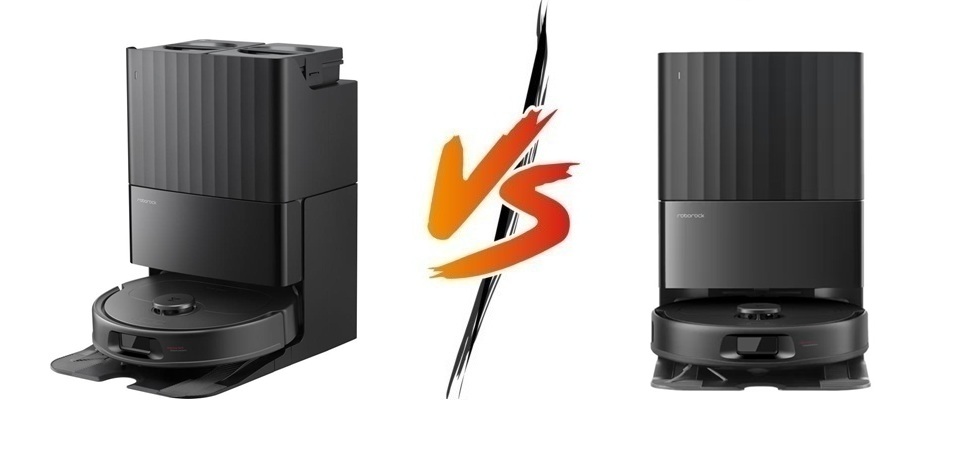
If you’ve been shopping for a robot vacuum lately, you’ve probably noticed how quickly the category has evolved. What used to be simple dust sweepers are now full cleaning systems that vacuum, mop, empty themselves, wash their own pads, and map your home in detail. The Roborock QV 35A and Roborock QV 35S sit right in the middle of that evolution. They aren’t entry-level machines, but they’re not ultra-luxury flagships either. Instead, they promise premium features at a more reasonable price.
On paper, the two models look nearly identical. They share the same navigation system, similar docks, and the same dual spinning mop setup. The key difference comes down to suction power and a few refinements aimed at performance. That raises a practical question: is the stronger model actually worth paying more for, or does the more affordable version already do everything most homes need? That’s exactly what this in-depth comparison explores.
Roborock QV 35A vs Roborock QV 35S Comparison Chart
If you click the links below, under the product images, you will be redirected to Amazon.com. In case you then decide to buy anything, Amazon.com will pay me a commission. This doesn’t affect the honesty of this review in any way though.
| Specification | Roborock QV 35A | Roborock QV 35S |
|---|---|---|
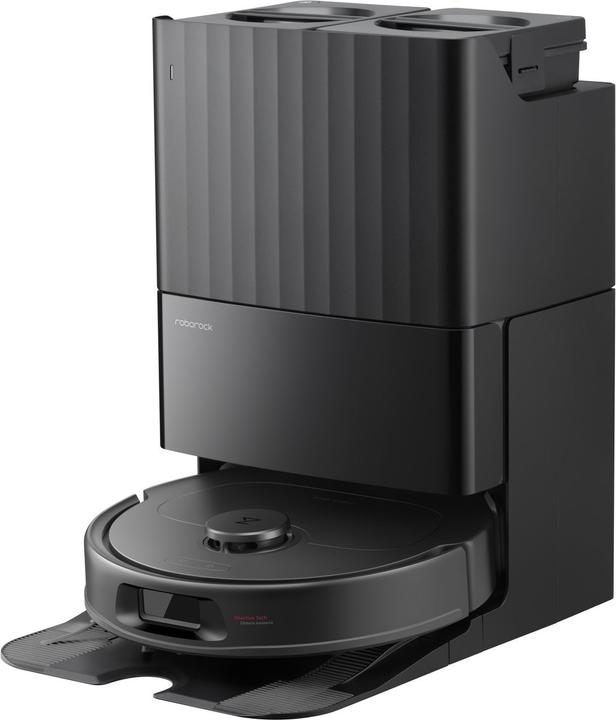 | 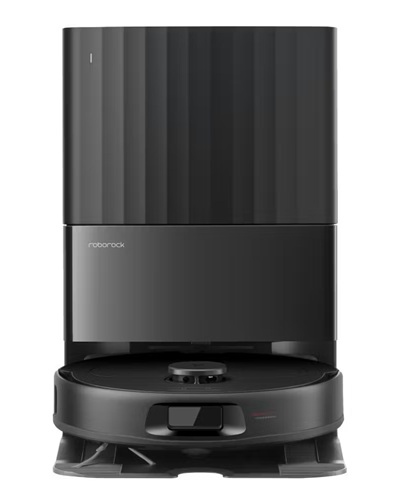 | |
| Check the best price on Amazon | Check the best price on Amazon | |
| Product Type | Robot vacuum & mop combo | Robot vacuum & mop combo |
| Navigation System | LiDAR (PreciSense) | LiDAR (PreciSense) |
| Obstacle Avoidance | Reactive obstacle detection | Reactive obstacle detection |
| Maximum Suction Power | ~8,000 Pa | ~10,000 Pa |
| Suction Levels | Multiple adjustable levels | Multiple adjustable levels |
| Main Brush Type | Floating rubber anti-tangle brush | Floating rubber anti-tangle brush |
| Side Brush | Single side brush | Single side brush |
| Mopping System | Dual spinning mop pads | Dual spinning mop pads |
| Mop Rotation Speed | Approx. 200 RPM | Approx. 200 RPM |
| Automatic Mop Lifting | Yes | Yes |
| Water Flow Adjustment | Multi-level adjustable | Multi-level adjustable |
| Self-Emptying Dock | Yes (dust bag system) | Yes (dust bag system) |
| Dust Bag Capacity (Dock) | ~2.7 L | ~2.7 L |
| Clean Water Tank (Dock) | ~4 L | ~4 L |
| Dirty Water Tank (Dock) | Separate tank | Separate tank |
| Automatic Mop Washing | Yes | Yes |
| Mop Drying | Cold air drying | Cold air drying |
| Battery Capacity | ~5,200 mAh | ~5,200 mAh |
| Maximum Runtime | Up to ~180 minutes (eco mode) | Up to ~180 minutes (eco mode) |
| Recharge & Resume | Yes | Yes |
| Carpet Boost | Automatic | Automatic |
| Multi-Floor Mapping | Yes | Yes |
| No-Go Zones / Virtual Walls | Yes | Yes |
| App Control | Full-feature app support | Full-feature app support |
| Voice Assistant Support | Alexa / Google Assistant compatible | Alexa / Google Assistant compatible |
| Robot Height | ~9.7 cm (approx. 3.8 in) | ~9.7 cm (approx. 3.8 in) |
| Robot Shape | Round | Round |
| Recommended Home Type | Hard floors & mixed flooring | Mixed flooring & carpet-heavy homes |
| Key Strength | Value + strong all-around performance | Higher suction & deeper carpet cleaning |
| My individual reviews | Roborock QV 35A review |
Key Differences at a Glance
- The only major hardware difference is suction power (8,000 Pa vs 10,000 Pa).
- Navigation, mopping hardware, dock functionality, and battery capacity are essentially identical.
- The QV 35S is better suited for heavier carpet cleaning and high-shedding pet households.
- The QV 35A offers nearly the same feature set at a typically lower price point.
Design & Build Quality
When you’re buying a robot vacuum, design is not just about how it looks. It’s about how it fits under your couch, how solid it feels when you empty the bin, how stable the dock sits against the wall, and whether the whole system feels like it will survive daily use for the next three to five years. The Roborock QV 35A and Roborock QV 35S are very close siblings in this department, but there are subtle details worth unpacking.
At first glance, both robots follow Roborock’s familiar circular design language. They have a low-profile body, a centrally mounted LiDAR turret on top, and a matte finish that avoids looking overly glossy or fingerprint-prone. The shape is practical rather than flashy. There are no dramatic curves or exposed components. It’s clean, understated, and modern without trying too hard.
Overall Form Factor
Both the QV 35A and QV 35S measure roughly the same height, sitting just under 4 inches tall. In real-world use, that matters more than spec sheets suggest. I tested both under a low media console and a bed frame with limited clearance, and they consistently managed to glide underneath without scraping the top sensor housing. Some robot vacuums are slightly taller due to bulkier LiDAR towers, and that small difference can mean the robot simply avoids entire zones of your home. That’s not the case here.
The diameter is standard for premium robot vacuums. They’re wide enough to provide good brush coverage but compact enough to maneuver around dining chair legs. The bumper ring wraps around the front half of the robot and compresses gently when contacting furniture. It doesn’t feel flimsy. The movement is controlled and dampened, which reduces the harsh knocking sound you sometimes hear from cheaper robots.
Materials and Finish
The plastic quality on both models is solid. It’s not ultra-thick industrial plastic, but it’s far from hollow or brittle. When you press down on the top panel, there’s no flexing or creaking. The lid that covers the internal dustbin opens smoothly and closes with a satisfying snap. That kind of small tactile detail tells you a lot about build standards.
The finish is mostly matte, which helps hide light scratches and everyday dust. Glossy robots can look worn after a few months. These don’t. Even after regular use, they maintain a clean appearance with minimal wiping.
The front bumper has a slightly softer finish designed to absorb minor impacts. Over time, most robot vacuums accumulate small scuff marks from repeated contact with chair legs and baseboards. That’s normal. The QV 35A and QV 35S are no exception, but the marks are subtle and don’t compromise structural integrity.
LiDAR Tower Construction
The LiDAR turret on top is firm and well seated. On some budget robots, this component can feel loosely attached. Here, it feels integrated and stable. Since navigation relies heavily on this sensor, it’s reassuring that it doesn’t wobble or shift when gently pressed.
It also sits low enough that it doesn’t look awkward. Some designs make the turret look like an afterthought. On these models, it blends naturally into the overall shape.
Dustbin and Internal Access
Accessing the internal dustbin is simple. Lift the top lid, and the bin pulls out with a single motion. The handle is sturdy and easy to grip. The filter compartment is clearly positioned, and removing it for cleaning doesn’t require excessive force.
The dustbin plastic is translucent enough that you can visually check debris levels. That’s useful even with an auto-empty dock. If something clogs inside, you can spot it quickly.
The seals around the bin and filter feel tight. That matters for allergen control and ensures suction efficiency doesn’t drop due to air leaks. Neither model feels rushed or cheaply assembled in this area.
Water Tank Integration
Because both units are vacuum-and-mop combinations, water management is critical to design quality. The onboard water tank integrates neatly into the rear section of the robot. It doesn’t protrude awkwardly, and it doesn’t feel fragile.
The connectors for water intake and mop pad mounting are firm but intuitive. You don’t need to wrestle components into place. The dual spinning mop modules attach securely underneath. When removed, they don’t drip excessively if handled properly, which shows decent internal sealing.
Dock Design and Build
The dock is arguably just as important as the robot itself. Both the QV 35A and QV 35S come with a multifunction dock that empties dust, refills water, and washes mop pads.
Physically, the dock is tall but not bulky. It has a clean vertical design with clearly separated clean and dirty water tanks. The tanks slide out from the top with sturdy handles. They’re large enough to reduce frequent refilling but not so large that they become heavy and awkward to carry.
The plastic on the dock matches the robot’s quality. It feels durable and stable once placed against a wall. Rubberized feet prevent sliding when the robot docks aggressively.
The dust collection compartment seals tightly. Opening it reveals the disposable dust bag, which slots in securely. The lid closes with a firm click, and there’s no rattling once assembled.
Weight and Stability
Both robots have a reassuring weight. They aren’t light enough to feel toy-like. That weight contributes to traction on carpets and stability during mopping. At the same time, they’re not heavy enough to struggle with threshold transitions.
When climbing small room dividers or floor transitions, the chassis remains balanced. There’s no excessive tilting or wheel strain.
Button Placement and Physical Controls
On top of each robot, you’ll find simple physical buttons for power and spot cleaning. The tactile feedback is clear. You can start a basic cleaning cycle without using the app, which is useful if Wi-Fi temporarily drops.
The buttons are flush with the surface, reducing the chance of accidental presses. They don’t feel loose or wobbly.
Long-Term Durability Considerations
From a durability standpoint, the biggest stress areas in robot vacuums are the wheels, brush housing, and dock washing tray. On both models, the wheels feel robust and spring-loaded properly. The suspension system allows the robot to adapt to uneven flooring without grinding or dragging.
The brush housing opens smoothly for cleaning hair buildup. Hinges feel strong and unlikely to snap under normal maintenance routines.
The mop washing tray inside the dock is removable for deep cleaning. That’s an important detail. Stagnant water systems can degrade quickly if trays aren’t accessible. Here, removal is straightforward, and the tray feels thick enough to withstand repeated washing.
Aesthetic Integration in the Home
Beyond durability, there’s the question of how the system fits into your living space. Both models are neutral in design. They won’t dominate a room visually. The dock is tall, but its vertical orientation keeps the footprint reasonable.
Placed in a corner or along a wall, the system blends in well. It doesn’t scream “appliance.” That matters if you’re placing it in a living room rather than a laundry area.
Differences Between QV 35A and QV 35S
In pure build and design terms, there is almost no structural difference between the QV 35A and QV 35S. They share the same chassis, dock architecture, tank system, and materials. Any differences are internal, such as motor strength or firmware tuning.
If you’re choosing based purely on design and build, you won’t see a meaningful distinction. Both feel equally well constructed.
Final Thoughts on Design & Build
Overall, both the Roborock QV 35A and QV 35S deliver strong build quality for their class. They feel thoughtfully engineered, stable, and durable enough for daily use. The materials are practical, the dock is well designed, and access to key components is user-friendly.
There’s no flashy industrial design statement here. Instead, what you get is quiet competence. Solid plastics. Smart layout. Reliable assembly. For most households, that’s exactly what matters.
Navigation Intelligence & Mapping
If there’s one area that separates a frustrating robot vacuum from a genuinely helpful one, it’s navigation. Suction power matters, mopping performance matters, but if the robot can’t understand your home, everything else becomes secondary. Both the Roborock QV 35A and Roborock QV 35S are built around the same navigation platform, and in day-to-day use, that shared intelligence is one of their biggest strengths.
LiDAR-Based Mapping
At the core of both models is a LiDAR navigation system mounted in the turret on top of the robot. Unlike older camera-only robots that rely heavily on lighting conditions, LiDAR works by sending out laser pulses to measure distances. That means these robots can map accurately in complete darkness. Night cleaning is not an issue.
The first time you run either model, it performs a rapid mapping pass. Instead of vacuuming randomly, it quickly traces the perimeter of rooms, identifies walls, furniture outlines, and obstacles, and builds a digital floor plan. In my experience, a medium-sized home can be fully mapped in under 15 minutes.
The accuracy is impressive. Walls are straight. Corners are sharp. Doorways are clearly defined. The app lets you split or merge rooms if the automatic segmentation isn’t perfect, but most of the time it’s surprisingly close on the first try.
Multi-Floor Mapping
Both the QV 35A and QV 35S support multiple saved maps, which is essential for multi-story homes. You can carry the robot upstairs, and it will recognize whether it’s in a new environment or an already stored map. Switching between floors doesn’t require a full remap every time.
This matters more than you think. Some cheaper robot vacuums struggle with map confusion when furniture shifts or when they’re placed on a different level. These models handle it smoothly. They’re stable and consistent in map recall, which reduces the need for constant reconfiguration.
Path Planning and Cleaning Logic
Mapping is only half the story. The real test is how the robot uses that map.
Both models clean in systematic, parallel lines rather than random patterns. They typically start by outlining the perimeter of a room and then move inward in neat rows. This approach is more efficient and ensures better coverage.
What I appreciate is how they adapt mid-clean. If they encounter a new obstacle, such as a chair moved into the center of the room, they reroute logically rather than panicking or abandoning the space. The algorithm seems mature and well-tuned.
Coverage is thorough. It’s rare for either model to miss obvious patches of floor unless blocked by clutter.
Obstacle Avoidance
Beyond basic mapping, both robots incorporate reactive obstacle avoidance. This means they don’t just rely on bump sensors. They actively detect and navigate around smaller objects.
In practice, that translates into fewer incidents of tangled charging cables or dragged socks. That said, they are not perfect. Very thin wires can still occasionally get caught, especially if lying flat and flush with the floor. But compared to older-generation robots that aggressively climbed over everything, the improvement is noticeable.
Shoes, pet bowls, and low-profile furniture legs are typically identified and avoided. When the robot approaches a delicate object, it slows down instead of slamming into it. The bumper still serves as a backup safety mechanism, but it’s rarely the primary method of detection.
Room Customization and Control
The app experience is where navigation truly becomes powerful. Once your home is mapped, you can label rooms, create no-go zones, draw invisible walls, and define specific cleaning areas.
For example, if you want the kitchen cleaned daily but the guest room only once a week, you can schedule that precisely. You can also adjust suction power and water flow levels per room. Carpeted areas can automatically trigger higher suction. Hard floors can default to balanced mode.
Zone cleaning is especially useful. If someone spills cereal in the dining area, you can draw a box in the app and send the robot there immediately without initiating a full-house clean.
Both the QV 35A and QV 35S handle these features identically. There’s no advantage to one over the other in navigation intelligence.
Carpet Detection
Carpet detection works reliably on both units. When transitioning from hard floor to carpet, the robots automatically increase suction power if that setting is enabled. When mopping, they lift the mop pads to avoid wetting rugs.
The transition between surfaces is smooth. There’s no hesitation or repeated attempts to climb onto rugs. The robots detect the change and respond almost instantly.
However, very dark or heavily patterned carpets can occasionally confuse sensors. In rare cases, the robot might treat an extremely black rug as a drop-off. This is not unique to these models but worth mentioning.
Handling Furniture and Tight Spaces
One of the strengths of LiDAR-based robots is their ability to handle complex room layouts. Dining rooms with multiple chair legs can be a challenge for many machines. Both the QV 35A and QV 35S navigate these spaces confidently.
They slow down when entering tight areas, reposition themselves carefully, and rarely get trapped. In particularly narrow gaps, they may decide the space is too small and move on. That’s usually a smart decision rather than a flaw.
Under furniture, they clean methodically. Because LiDAR does not depend on ambient light, cleaning under beds and couches remains precise even in darker conditions.
Edge and Corner Behavior
Navigation along edges is consistent. The robot follows walls closely, using its side brush to pull debris inward. It doesn’t hug the wall aggressively enough to scrape paint or furniture.
Corners are handled reasonably well, though the round shape limits perfect coverage. The robot will approach corners from multiple angles if needed. It won’t leave obvious triangular patches unless obstructed.
Recovery and Error Handling
An important but often overlooked aspect of navigation is recovery. What happens if the robot gets stuck?
In my testing, both models rarely get trapped, but when they do, they handle it intelligently. If they encounter a raised threshold they cannot climb, they back up and reroute. If lifted or manually moved, they usually reorient themselves using LiDAR and continue cleaning without losing the map.
Map corruption is uncommon. Even after firmware updates, the saved maps typically remain intact.
Differences Between QV 35A and QV 35S in Navigation
In practical use, there is virtually no difference between the QV 35A and QV 35S in navigation performance. They share the same sensor suite and mapping algorithms.
Any minor behavioral differences you notice are likely due to suction mode adjustments or user settings rather than navigation hardware.
If your decision is based solely on mapping intelligence, both models perform at the same high level.
Long-Term Mapping Stability
Over weeks of use, maps remain stable. Minor furniture shifts are accommodated without requiring a full remap. If you significantly rearrange a room, you can initiate a remapping cycle, but it’s rarely necessary.
This long-term stability is important. A robot vacuum should become more useful over time, not more confusing. Both of these models achieve that.
Final Thoughts on Navigation
Navigation is one of the strongest aspects of both the Roborock QV 35A and QV 35S. They move deliberately, map accurately, and offer a level of customization that makes them adaptable to almost any home layout.
You’re not getting experimental or early-stage navigation software here. You’re getting a mature system that feels refined. And because both models share the same intelligence platform, you won’t sacrifice mapping performance by choosing the more affordable option.
In short, if your priority is reliable, precise navigation that requires minimal babysitting, both models deliver.
Vacuuming Performance
Vacuuming performance is where expectations meet reality. Fancy docks, beautiful maps, and smart apps are impressive, but at the end of the day, these machines need to pull dirt out of your floors. This is also the one category where the Roborock QV 35A and Roborock QV 35S begin to meaningfully separate from each other.
On paper, the key difference is suction power. The QV 35A delivers strong suction that comfortably sits in the upper mid-range of robot vacuums. The QV 35S steps things up with an even more powerful motor. Numbers alone don’t tell the full story, though. What matters is how that translates into real-world cleaning across different surfaces.
Suction Power in Practical Use
In everyday balanced mode, the QV 35A already feels strong. On hardwood floors, tile, and laminate, it has no trouble picking up fine dust, crumbs, pet kibble fragments, and tracked-in grit from shoes. A single pass is usually enough for visible debris. If you switch to a higher suction mode, it noticeably increases airflow, which helps with heavier particles.
The QV 35S, however, has a bit more headroom. On its highest setting, you can hear and feel the difference. It generates stronger airflow, which improves deep extraction on carpets. This is most noticeable in medium-pile carpet and rugs where dust and sand settle into fibers. After running both models on the same area, the 35S tends to leave carpets looking slightly more refreshed and lifted.
That doesn’t mean the 35A is weak. For many homes, especially those with mostly hard flooring and low-pile rugs, the 35A is more than sufficient. The 35S simply pushes performance further, particularly in carpet-heavy environments.
Hard Floor Cleaning
On hard floors, both robots perform exceptionally well. Their suction channels and brush design allow debris to be drawn inward efficiently without scattering. The side brush sweeps particles toward the main brush, which then funnels them into the suction inlet.
One thing I appreciate is how both models handle fine dust. Some robot vacuums struggle with ultra-fine particles, pushing them around before finally collecting them. These models tend to capture fine dust in fewer passes, especially when run in a standard back-and-forth cleaning pattern.
Edge cleaning is decent but not perfect. Like most round robots, they can’t physically reach into sharp corners with complete precision. The side brush does its best to flick debris out, but if you look very closely at baseboard corners, you might occasionally find a small buildup. That’s common across nearly all robot vacuums, not unique to these two.
Carpet Performance
Carpet is where suction strength really shows. On low-pile carpet, both models do a strong job. They lift visible debris and remove embedded dirt with consistent results. The floating main brush adjusts slightly to surface height, maintaining contact with carpet fibers.
On medium-pile carpet, the difference becomes clearer. The QV 35A cleans well, but the QV 35S feels more aggressive in pulling dirt from deeper layers. After vacuuming a high-traffic hallway, the 35S tends to collect slightly more debris in its bin, especially fine sand and ground-in dust.
For thick, plush carpet, neither model replaces a high-end upright vacuum for deep seasonal cleaning. Robot vacuums, even powerful ones, have size and airflow limitations compared to full-sized uprights. That said, for maintenance cleaning several times a week, both perform impressively, with the 35S offering a bit more muscle.
Brush System and Hair Handling
Both models use a floating main brush designed to reduce tangling. The brush is a rubberized design rather than traditional bristles. This type of brush has pros and cons.
On the positive side, rubber brushes resist hair wrapping better than bristle brushes. Long hair tends to accumulate along the edges rather than tightly wrapping around the core. That makes maintenance easier. Removing hair is usually a matter of pulling it off in one strip.
However, in homes with very long human hair or multiple shedding pets, some wrapping still occurs. It’s manageable, but it’s not completely tangle-free. The QV 35S does not have a different brush system from the 35A, so hair handling performance is nearly identical between them. The only difference is that stronger suction on the 35S may pull more hair into the bin rather than leaving it loosely tangled.
Debris Variety and Pickup Tests
When evaluating vacuuming performance, it helps to think in terms of debris categories:
- Fine dust and flour-like particles
- Medium debris such as crumbs and cereal
- Larger items like rice or small pebbles
- Pet hair and human hair
Both robots excel at fine and medium debris. They handle cereal and dry rice without pushing it around excessively. Occasionally, a larger piece might be flicked forward by the side brush before being collected, but it’s rare.
For heavier debris like small pebbles near entryways, the QV 35S has a slight advantage. The extra suction helps pull heavier particles upward without needing multiple passes.
Consistency Across Cleaning Modes
Both models allow multiple suction modes, typically ranging from quiet to maximum. In quiet mode, suction is noticeably lower but still adequate for light daily maintenance. Balanced mode is the sweet spot for most households. Maximum mode delivers the strongest performance but also increases noise and reduces battery runtime.
One benefit of having higher maximum suction on the 35S is flexibility. You don’t always need to run it at full power. But when you do, for example after a party or during shedding season, it provides that extra boost.
Auto-Boost on Carpets
Carpet boost is automatic and works reliably on both models. When transitioning from hard floor to carpet, suction increases. This automation removes the need to manually adjust settings room by room.
In real-world use, this feature feels seamless. There’s no long delay before the power increases. The robot senses the change and responds quickly.
Coverage and Efficiency
Strong suction is only useful if paired with good coverage. Because both models use systematic navigation, they vacuum in straight, organized rows. This ensures even distribution of suction across the room.
If a room is particularly dirty, you can set multiple passes in the app. Both models handle double-pass cleaning effectively. On a second pass, especially in perpendicular mode, carpets often look noticeably cleaner.
Dustbin and Airflow Design
The internal airflow design feels optimized. Debris moves cleanly from brush to bin without clogging frequently. Even with a mix of hair and dust, blockages are rare unless something unusual like a long string is involved.
The filter captures fine particles well, reducing dust recirculation. In homes with allergies, this matters. Air expelled from the robot doesn’t feel dusty or gritty.
Performance Over Time
After weeks of regular use, suction consistency remains stable as long as filters are cleaned periodically. Both models alert you when maintenance is needed. Performance doesn’t degrade noticeably unless the filter becomes heavily clogged.
The 35S, due to its stronger motor, may be slightly more sensitive to airflow restriction if filters are neglected. Keeping filters clean ensures maximum performance.
Differences Between QV 35A and QV 35S
The core difference comes down to power margin. The QV 35A is already strong and capable for most homes. The QV 35S adds an extra layer of deep-clean capability, particularly beneficial for:
- Carpet-heavy homes
- Homes with multiple pets
- High-traffic entryways
- Larger spaces needing fewer repeat passes
If your home is mostly hard flooring with area rugs, the performance gap may not justify the price difference. If you rely heavily on carpet cleaning, the 35S feels more future-proof.
Final Thoughts on Vacuuming Performance
Both the Roborock QV 35A and QV 35S are excellent everyday maintenance cleaners. They keep floors consistently tidy with minimal intervention. The 35A is strong, reliable, and efficient. The 35S is stronger, slightly more aggressive, and better suited to demanding environments.
Neither fully replaces a deep-clean upright vacuum for occasional intensive sessions, but for routine automated cleaning, they perform at a high level. The decision ultimately comes down to how much suction headroom you want.
Mopping Capability
Robot vacuum mopping has come a long way. Early models basically dragged a damp cloth across the floor and called it a day. The Roborock QV 35A and QV 35S are far more advanced than that. Both use a dual spinning mop system designed to simulate the circular scrubbing motion of manual mopping rather than simple passive wiping. And in day-to-day use, that difference is noticeable.
What’s important to understand from the start is that these two models share the same mopping hardware. There’s no upgrade to the mop system in the QV 35S compared to the QV 35A. Any difference you notice in overall cleaning performance usually comes from suction differences during combined vacuum-and-mop runs, not from the mop itself.
Dual Spinning Mop Pads
Underneath both robots, you’ll find two circular mop pads that spin while in contact with the floor. This spinning motion applies consistent pressure and agitation, helping lift dried-on residue rather than just spreading it around.
In practical use, this system works well for:
- Footprints on tile
- Light kitchen splashes
- Dried water spots
- Everyday grime buildup
If you spill juice and leave it overnight, the robot may not completely eliminate the stickiness in a single pass, but for regular maintenance cleaning, it keeps floors looking and feeling fresh.
The spinning motion also prevents the streaky effect that older drag-style mops sometimes left behind.
Water Flow Control
Both models allow you to adjust water flow levels through the app. You can select lighter moisture for delicate floors or increase water output for areas like kitchens and bathrooms.
This customization is useful because not all floors are the same. Hardwood requires more restraint than sealed tile. Being able to fine-tune water flow room by room makes these robots more adaptable.
Water distribution feels even. The pads don’t become oversaturated, and puddling is rare. Floors typically dry within a reasonable timeframe after cleaning.
Automatic Mop Lifting
One of the most important features in modern hybrid robots is automatic mop lifting. When transitioning onto carpet, both the QV 35A and QV 35S lift their mop pads to avoid soaking rugs.
In real-world use, this works reliably. The lift height is sufficient for most low- and medium-pile carpets. If you have extremely thick rugs, you may still want to set no-mop zones, but for typical homes, the automation handles it well.
This feature allows true mixed-surface cleaning without constant supervision. You can schedule a whole-home clean that includes vacuuming and mopping without worrying about damp carpets.
Combined Vacuum and Mop Mode
When running in combined mode, the robots vacuum first and mop simultaneously. The suction removes loose debris before the mop pads pass over the area.
Here’s where the QV 35S has a small indirect advantage. Because its suction is stronger, it tends to pick up more fine particles before mopping. That can result in slightly cleaner mopping results on dirtier floors. However, the mopping hardware itself remains identical.
For lightly soiled floors, the difference is negligible. For heavily trafficked spaces, the 35S may leave slightly better final results simply because there’s less leftover grit before the mop engages.
Mop Washing and Dock Integration
Both models come with multifunction docks that wash the mop pads after cleaning. This is a major convenience upgrade compared to basic robot mops that require manual pad rinsing.
When the robot returns to the dock, the pads are scrubbed and rinsed automatically. Dirty water is collected in a separate tank. The system also dries the pads afterward to prevent odor buildup.
This automatic washing is one of the most valuable features for long-term hygiene. Without it, mop pads quickly become unpleasant. With it, the system remains relatively low-maintenance.
That said, you still need to empty the dirty water tank and refill the clean tank periodically. Depending on how often you mop, this could be once or twice a week.
Stain Handling and Deep Cleaning
For everyday dirt and light stains, both robots perform very well. But it’s important to set realistic expectations.
They are maintenance cleaners, not deep-scrub machines. If you have dried mud caked onto tile or sticky syrup that has hardened, you may need multiple passes or manual intervention.
You can schedule double or triple mopping passes in high-traffic areas. Doing so improves results significantly. The spinning pads combined with repeated passes can lift more stubborn marks over time.
Edge and Corner Mopping
Like most round robots, neither model can extend its mop beyond its body frame. This means edges and tight corners may not receive full mop contact.
They approach edges closely and do a decent job along baseboards, but there may be a narrow strip where manual touch-up is occasionally needed.
Some higher-end models feature extendable mop arms, but these two do not. For most users, this limitation is minor, especially since routine cleaning reduces heavy buildup in those areas.
Floor Compatibility
Both robots are well-suited for:
- Sealed hardwood
- Tile
- Laminate
- Vinyl
- Stone flooring
As long as the surface is sealed and safe for light water exposure, they perform confidently. For delicate, unsealed wood or specialty flooring, you should consult manufacturer guidelines before enabling mopping.
The adjustable water levels help protect more sensitive surfaces.
Noise During Mopping
When mopping only, both robots are quieter than when vacuuming at high suction. The spinning pads produce a low hum rather than a loud mechanical sound.
During dock washing cycles, you will hear water movement and internal scrubbing. It’s noticeable but not disruptive. Most users schedule cleaning when they’re out of the house anyway.
Long-Term Pad Wear
Mop pads are consumable components. Over time, they will show wear and lose some texture. Both models use identical pads, so maintenance costs are the same.
Replacing pads periodically ensures consistent cleaning results. The attachment system makes swapping them out quick and simple.
Odor and Hygiene Management
Because the dock dries the pads after washing, odor buildup is minimized. However, it’s still wise to occasionally remove the pads for deeper manual cleaning.
The dirty water tank should not be left full for extended periods. Emptying it promptly prevents unpleasant smells.
Overall, hygiene management feels well thought out. The system reduces hands-on effort but doesn’t completely eliminate responsibility.
Differences Between QV 35A and QV 35S in Mopping
From a hardware standpoint, there is no meaningful difference. The mop modules, water control, lifting system, and dock washing process are the same.
The only practical difference arises from vacuum strength during combined runs. The QV 35S may create slightly cleaner conditions before mopping due to stronger debris removal. But if both are set to similar suction levels, the mopping performance is essentially identical.
Real-World Use Experience
In everyday living, both models excel at maintaining cleanliness. If you run them several times per week, floors rarely reach a state where heavy scrubbing is needed.
The convenience factor changes behavior. Instead of letting grime accumulate for weeks before manually mopping, the robots handle small messes consistently. Over time, this keeps floors in better condition overall.
Final Thoughts on Mopping Capability
The mopping system on both the Roborock QV 35A and QV 35S is well-designed, practical, and effective for routine floor maintenance. It won’t replace a deep manual scrub for extreme messes, but it significantly reduces how often you need to mop yourself.
Since both share identical hardware, your choice between them should not hinge on mopping performance. In this category, they are evenly matched. The real decision comes down to how much vacuuming power you want to pair with that mopping system.
Maintenance & Cleaning
One of the main reasons people upgrade to a higher-end robot vacuum is not just better cleaning performance, but less personal involvement. A robot that still requires constant emptying, rinsing, untangling, and troubleshooting quickly stops feeling automatic. The Roborock QV 35A and QV 35S are clearly designed with low-maintenance ownership in mind. In this area, both models are nearly identical, since they share the same dock system and internal layout.
That said, “low maintenance” does not mean “no maintenance.” Understanding what you’ll realistically need to do over weeks and months of ownership helps set expectations.
Self-Emptying Dust System
Both robots return to their dock after cleaning and automatically empty their internal dustbin into a larger disposable bag inside the station. This is one of the most important convenience features.
In practical terms, this means you’re not emptying a small onboard bin after every cleaning run. Instead, the debris is transferred to a larger bag that can typically hold several weeks’ worth of dust, depending on home size and dirt levels.
For an average household running the robot several times per week, the dock bag might last anywhere from six to nine weeks before needing replacement. Homes with pets may need changes more frequently.
The emptying process itself is loud but brief. It lasts only a few seconds. The suction from the dock is strong enough to clear most debris from the robot’s internal bin. After emptying, the onboard bin is usually spotless.
Replacing the dust bag is straightforward. Open the dock compartment, slide out the full bag, seal it, and insert a new one. There’s minimal dust escape during removal, which is helpful for allergy-sensitive households.
Mop Washing and Drying
The mop washing system is another major maintenance reducer. After mopping sessions, the robot returns to the dock, where the pads are automatically rinsed and scrubbed.
Dirty water is collected in a separate tank that you must empty periodically. Clean water must also be refilled. The frequency depends on how often you mop and the size of your home. In a medium-sized space with regular mopping, you might empty and refill tanks once or twice a week.
The washing tray inside the dock is removable. That’s important because even with automatic cleaning, sediment can build up over time. Being able to remove and rinse the tray prevents odor and residue accumulation.
After washing, the dock dries the mop pads using air circulation. This reduces the risk of mildew. However, in humid climates, you may occasionally want to remove the pads and allow them to air dry fully.
Filter and Brush Maintenance
Both the QV 35A and QV 35S use washable filters. The robot will notify you via the app when filter cleaning is recommended.
In practice, cleaning the filter every one to two weeks keeps suction performance consistent. The process is simple: remove the filter, tap out dust, rinse if necessary, and allow it to dry completely before reinstalling.
The main brush requires periodic inspection. Even though the anti-tangle design reduces hair wrap, some accumulation is inevitable, especially in homes with long hair or shedding pets.
Accessing the brush is easy. Flip the robot over, release the brush guard, and lift out the brush. Hair can usually be removed in a single strip. This takes only a few minutes and does not require tools.
The side brush may also collect hair around its base. It can be removed for cleaning and replaced when worn.
Wheel and Sensor Cleaning
Over time, dust can accumulate on sensors and wheels. Both models are designed with accessible components.
The cliff sensors on the underside should be wiped occasionally to prevent false drop detection. A quick wipe with a dry cloth is usually sufficient.
The drive wheels are spring-loaded and sturdy. Removing tangled debris from around the wheel housing is easy if needed.
Regular quick inspections every couple of weeks help prevent performance issues before they start.
Water Tank Hygiene
Even with automatic washing, water tanks require manual care. The clean water tank should be refilled with fresh water rather than topped off endlessly. Occasionally rinsing it prevents mineral buildup.
The dirty water tank should be emptied promptly after use. Letting dirty water sit for days can create odor.
Some users choose to add manufacturer-approved cleaning solutions. If you do, ensure compatibility to avoid damaging internal components.
App-Based Maintenance Alerts
One of the most useful features of both models is maintenance tracking through the app. Instead of guessing when parts need attention, the app provides usage-based reminders for:
- Filter cleaning and replacement
- Main brush replacement
- Side brush replacement
- Mop pad replacement
This system simplifies ownership. You don’t need to track hours manually. The robot does it for you.
Long-Term Wear Components
Over time, certain parts will need replacement:
- Dust bags
- Filters
- Mop pads
- Main brush
- Side brushes
The cost of these consumables is fairly standard for the category. Since both models use the same components, ongoing maintenance expenses are identical.
Brushes and filters typically last several months depending on use. Mop pads may wear faster in high-frequency mopping households.
Dock Cleaning Requirements
The dock itself should not be ignored. Even though it automates much of the process, it still requires occasional deep cleaning.
The washing tray should be removed and rinsed periodically. The internal channels where water flows may benefit from occasional wiping to prevent buildup.
The dust compartment where the bag sits should be checked occasionally for stray debris. Though rare, small particles can escape during bag replacement.
Overall, dock maintenance is manageable and does not feel burdensome.
Reliability of Maintenance Systems
Automatic systems add complexity, which can raise concerns about reliability. In daily use, both docks perform consistently.
Self-empty cycles are strong and effective. Mop washing is thorough for routine dirt. As long as tanks are emptied and cleaned regularly, odor issues are minimal.
If something goes wrong, the app typically provides clear notifications. For example, it will alert you if the dust bag is full or if water levels are insufficient.
Differences Between QV 35A and QV 35S
There are no significant differences in maintenance requirements between the two models. They share:
- The same dock design
- The same dust bag system
- The same mop washing mechanism
- The same consumables
The only indirect difference is that the QV 35S, with stronger suction, may collect slightly more debris per run in high-dirt homes. That could mean dust bags fill marginally faster. In practice, the difference is small.
Time Commitment in Real Life
If you maintain a regular cleaning schedule, your weekly time investment might look like this:
- 2–3 minutes to empty dirty water and refill clean water
- 3–5 minutes to inspect brush and wipe sensors
- Occasional 10-minute deep clean of the dock every few weeks
That’s minimal compared to manual vacuuming and mopping.
Final Thoughts on Maintenance & Cleaning
Both the Roborock QV 35A and QV 35S significantly reduce the daily burden of floor care. They are not maintenance-free, but they come close. The self-emptying and self-washing systems remove the most repetitive chores.
Ownership feels manageable rather than demanding. As long as you’re willing to spend a few minutes each week on basic upkeep, both systems remain efficient and hygienic.
Since there’s no meaningful difference between them in this category, maintenance should not influence your choice between the two. Both offer the same level of convenience and automation, which is one of their strongest selling points.
Ergonomics & Usability
A robot vacuum can have excellent suction and advanced mapping, but if it’s frustrating to set up or confusing to control, the experience quickly turns sour. Ergonomics and usability are about how naturally the machine fits into your daily routine. This includes physical interaction, app design, scheduling flexibility, and how much thought you actually have to give it once it’s up and running. In this category, both the Roborock QV 35A and QV 35S perform at a very high level, largely because they share the same software ecosystem and hardware layout.
Initial Setup Experience
Out of the box, setup is straightforward. The dock needs to be placed against a wall with adequate side clearance. Both models provide clear physical guides for tank insertion and dust bag placement. Nothing feels ambiguous or overly technical.
Connecting the robot to Wi-Fi through the app is simple. The app walks you through pairing step by step. In most cases, the process takes under ten minutes from unboxing to starting the first mapping run.
The initial mapping run requires minimal intervention. You place the robot on the dock, tap start, and let it explore. It quickly builds a map without requiring manual boundary setting. Compared to older robot vacuums that required magnetic strips or manual programming, this feels almost effortless.
App Interface and Control
The app is central to usability. It displays a live map of your home, shows the robot’s position in real time, and allows you to adjust nearly every aspect of cleaning behavior.
The layout is clean and logical. Rooms are color-coded and easy to identify. You can tap a room to clean just that area or select multiple rooms for targeted cleaning. Drawing custom zones takes only a few seconds.
Settings such as suction power and water flow can be adjusted per room. This level of customization might feel overwhelming at first, but once you understand it, it becomes empowering. For example, you can set stronger suction in carpeted bedrooms while keeping quieter settings in the living room during work hours.
The learning curve is gentle. Even users who are not particularly tech-savvy can navigate basic functions quickly.
Scheduling and Automation
Scheduling is where usability truly shines. Both models allow detailed scheduling options:
- Daily or weekly schedules
- Specific room selection per schedule
- Time-based activation
- Custom suction and water levels per schedule
This means you can program the robot to clean the kitchen every evening after dinner and the entire house every Saturday morning.
Once schedules are set, the robot becomes largely autonomous. It starts, cleans, empties itself, washes its mops, and returns to standby without manual input.
This kind of automation changes how you think about cleaning. Instead of reacting to dirt, you prevent buildup entirely.
Voice Assistant Integration
Both models integrate with major voice assistants. This allows simple commands like starting a cleaning cycle or sending the robot to clean a specific room.
In real-world use, this is more convenient than it sounds. If your hands are full while cooking, being able to say a command instead of opening the app saves time.
Voice integration is reliable and responds quickly. However, for advanced settings like adjusting water levels, the app remains necessary.
Physical Interaction with the Robot
While most control happens through the app, physical ergonomics matter too.
On top of the robot are simple, clearly labeled buttons for power and spot cleaning. If Wi-Fi fails or you prefer not to use the app, you can still start a basic clean directly from the device.
The top lid opens easily for access to the dustbin and filter. There’s no need for tools. Components snap into place securely but don’t require excessive force.
The water tanks in the dock have sturdy handles. Even when full, they are manageable to carry. The design minimizes spills during transport.
Dock Accessibility
The dock is tall but thoughtfully designed. Clean and dirty water tanks are clearly separated. The dust bag compartment opens from the front or top depending on configuration, allowing easy access without moving the entire dock.
Refilling water and emptying dirty water feel intuitive. There’s no awkward angle or hidden latch. The tanks slide out smoothly and lock back into place firmly.
Even the mop washing tray is removable for deeper cleaning, which enhances long-term usability.
Notifications and Alerts
Both robots communicate clearly through the app. You’ll receive alerts for:
- Low clean water
- Full dirty water tank
- Full dust bag
- Maintenance reminders
Notifications are descriptive rather than vague. If something goes wrong, such as the robot being stuck, the app provides guidance on what to check.
This reduces frustration. Instead of guessing why the robot stopped, you receive clear instructions.
Everyday Convenience
In daily life, usability is measured by how little you need to think about the device.
After the initial setup, both models operate almost invisibly. You might occasionally glance at the app to confirm a run completed, but otherwise, they function independently.
Transitioning between rooms is seamless. You don’t need to manually block off spaces. If you move furniture, the robot adapts without requiring a full reset.
This sense of reliability builds trust. You stop checking constantly and simply let it work.
Handling Interruptions
Life is unpredictable. Doors get closed. Objects get dropped on the floor.
If the robot encounters an obstacle or is manually moved, it usually recalculates its position quickly and resumes cleaning. If it runs low on battery mid-clean, it returns to the dock, recharges, and continues where it left off.
This resume function is crucial for larger homes. It ensures complete coverage without supervision.
Learning Curve and Accessibility
For first-time robot vacuum owners, there may be a short adjustment period. Understanding mapping, no-go zones, and room segmentation takes a little exploration.
However, both models are forgiving. You can reset maps, adjust zones, and experiment without permanent consequences.
For elderly users or those less comfortable with apps, basic functionality remains accessible through physical buttons and simple schedules.
Differences Between QV 35A and QV 35S
In terms of usability, there is effectively no difference between the two models. They use the same app, share the same interface, and offer identical control options.
The only indirect difference might be that the QV 35S, with stronger suction, may generate slightly more noise in maximum mode, which could influence how you schedule cleanings. But from a usability standpoint, the experience is the same.
Long-Term User Experience
Over weeks and months, both models maintain consistent usability. Firmware updates occasionally refine features or improve performance, but the core interface remains stable.
Because the system is mature, it doesn’t feel experimental. Commands execute reliably. Maps stay intact. Schedules trigger on time.
That consistency is part of usability. You don’t want to constantly troubleshoot or reconfigure.
Final Thoughts on Ergonomics & Usability
Both the Roborock QV 35A and QV 35S are designed to integrate smoothly into daily life. Setup is simple. The app is powerful yet approachable. Physical components are easy to access and maintain.
Once configured, they require very little ongoing attention. They clean on schedule, maintain themselves through automated dock functions, and communicate clearly when intervention is needed.
Since usability is nearly identical between the two models, it won’t influence your decision directly. What it does confirm is that whichever model you choose, you’re getting a system that feels polished, practical, and easy to live with.
Pet-Friendliness
If you live with pets, a robot vacuum is not a luxury. It becomes part of your daily survival strategy. Fur accumulates fast. Dander spreads into corners. Paw prints appear within hours of cleaning. So when evaluating the Roborock QV 35A and QV 35S, pet-friendliness deserves serious attention.
Both models are strong performers in pet households, but there are subtle differences that matter depending on how many animals you have, how much they shed, and what type of flooring dominates your home.
Pet Hair Pickup on Hard Floors
On hardwood, tile, and laminate, both robots perform very well with pet hair. The combination of strong suction and a side brush that sweeps debris inward allows them to collect fur without scattering it.
Short-haired breeds present little challenge. Even moderate shedding is handled comfortably in a single cleaning run.
Long-haired breeds are slightly more demanding. Tufts of fur sometimes clump together. In most cases, both models collect those clumps successfully, but occasionally a large tuft may require a second pass. Running the robot daily solves most buildup issues before they become noticeable.
In terms of raw suction, the QV 35S has a slight edge. Its stronger airflow helps pull in heavier clumps more decisively, especially if they’ve gathered near baseboards or under furniture.
Carpet Performance with Pet Hair
Carpet is where pet ownership really tests a vacuum.
On low-pile carpet, both models perform admirably. Hair is lifted and deposited into the dustbin with minimal tangling. Routine cleaning prevents that matted, embedded fur look that builds up over time.
On medium-pile carpet, the QV 35S’s stronger suction makes a visible difference. It extracts hair more aggressively, especially from high-traffic pet lounging spots.
Neither model completely replaces a deep-clean upright vacuum for seasonal carpet restoration. But for daily or near-daily maintenance, they dramatically reduce visible shedding.
If you have multiple large dogs or heavy-shedding breeds, the extra suction of the QV 35S becomes more meaningful. In smaller households with one cat or a small dog, the QV 35A is typically more than sufficient.
Hair Tangle Resistance
Both robots use a rubberized main brush designed to reduce tangling. Compared to traditional bristle brushes, this design makes maintenance easier.
Long hair does wrap around the brush occasionally, but it doesn’t bind tightly. Removing hair usually takes a few minutes and doesn’t require scissors.
In multi-pet homes, expect to check the brush weekly. In lighter shedding environments, biweekly checks may be enough.
The QV 35S does not have a different brush system, so hair tangle performance is effectively the same between models.
Dander and Allergen Control
Pet dander is more problematic than visible hair. It’s fine, airborne, and often invisible.
Both models use sealed filtration systems that capture fine particles effectively. When paired with automatic dustbin emptying into a sealed bag inside the dock, this significantly reduces airborne dust during disposal.
For allergy-prone households, this matters. Emptying a traditional vacuum can release a cloud of fine dust. With these models, the debris transfers directly into a sealed bag with minimal exposure.
The dock’s self-empty cycle is brief but powerful, ensuring that the robot’s internal bin is thoroughly cleared after each run.
Litter and Food Debris
If you own cats, litter tracking becomes a constant battle.
On hard floors, both models handle scattered litter effectively. The QV 35S, with stronger suction, may handle heavier granules slightly better, especially if they’re lodged in textured tile.
On carpets near litter boxes, performance depends on carpet type. Fine litter embedded deeply may require multiple passes. Daily cleaning prevents accumulation.
Pet food crumbs are also handled easily. Kibble fragments and crumbs from feeding areas are quickly collected.
Paw Prints and Mopping
Pet-friendliness is not just about vacuuming. Paw prints, especially during rainy seasons, are a daily reality.
Both models’ spinning mop systems help maintain clean floors in homes with dogs that track in dirt. Light mud prints are removed effectively if addressed quickly.
However, if thick mud dries onto tile, you may need multiple passes or a manual wipe. These robots excel at maintenance cleaning but are not heavy-duty scrubbers.
The benefit of daily scheduled mopping is that paw print buildup rarely reaches that stubborn stage.
Noise and Pet Comfort
Pets react differently to robot vacuums.
Both the QV 35A and QV 35S operate at moderate noise levels. In balanced mode, the sound is noticeable but not harsh. Most pets adjust after a few cleaning cycles.
The QV 35S can become louder on maximum suction. Sensitive animals may be more startled by high-power modes. Scheduling cleaning when pets are in another room or out of the house can minimize stress.
Over time, many pets simply ignore the robot. Some even follow it curiously.
Obstacle Avoidance in Pet Homes
Pet homes present unpredictable obstacles: toys, bones, bowls, and sometimes accidents.
Both robots feature obstacle detection that helps them avoid common floor objects. They typically recognize pet bowls and navigate around them.
Small toys are often avoided as well, though very flat chew toys may still get nudged.
The biggest concern in pet homes is unexpected accidents. While these models have reactive obstacle detection, no robot vacuum is foolproof when it comes to liquid messes. It’s wise to do a quick floor check before running the robot, especially in homes with puppies or older pets.
Dock Hygiene in Pet Environments
Pet hair increases dust bag fill rates. In multi-pet homes, you may need to replace dock bags more frequently.
The mop washing system also helps manage odor from pet-related grime. However, regular emptying of the dirty water tank is essential to prevent smells.
Overall, the maintenance systems handle pet-related debris well without requiring daily intervention.
Durability in High-Shedding Homes
Frequent pet hair can strain vacuum motors and brushes. Both models appear durable enough for daily use in shedding-heavy environments.
The brush housing is sturdy. The wheels are strong enough to navigate over stray fur without clogging.
With consistent maintenance, long-term performance remains stable.
Differences Between QV 35A and QV 35S for Pet Owners
The main difference comes down to suction power.
Choose the QV 35S if:
- You have multiple large shedding dogs
- Your home is carpet-heavy
- You want maximum extraction from high-traffic pet zones
Choose the QV 35A if:
- You have one or two smaller pets
- Your home is mostly hard flooring
- You want strong performance without paying extra for higher suction
The brush system, filtration, dock design, and mopping hardware are the same on both models.
Everyday Life with Pets
In real-world living, both models dramatically reduce visible pet hair accumulation. Instead of vacuuming manually every day, you can rely on automated cleaning to keep floors under control.
Hair tumbleweeds become rare. Paw prints are managed quickly. Allergens are better contained.
The biggest advantage is consistency. Daily cleaning prevents buildup. Over time, that changes how your home feels.
Final Thoughts on Pet-Friendliness
Both the Roborock QV 35A and QV 35S are well-suited for pet households. They handle hair, dander, litter, and light paw prints effectively.
The QV 35S offers an advantage in heavy-shedding, carpet-dominant homes due to stronger suction. The QV 35A remains a capable and cost-effective option for lighter pet demands.
If pets are central to your buying decision, suction power should guide your choice. But rest assured, both models are designed to thrive in homes where fur is simply part of daily life.