
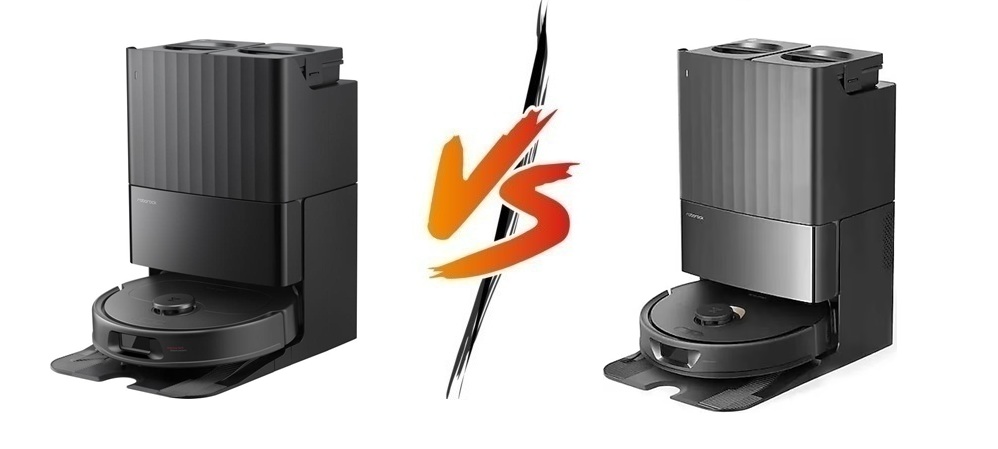
Choosing between the Roborock QV 35A and the Roborock Qrevo S isn’t as simple as picking the newer or more powerful model. On paper, they look very similar. Both are robot vacuum and mop combos from Roborock, both use LiDAR navigation, and both come with large multifunction docks that wash and dry their mop pads automatically. If you skim a spec sheet, you might assume the differences are minor.
But once you start looking closer, the details begin to matter.
Suction power, brush design, obstacle avoidance, dock drying methods, and real-world hair handling all influence how these machines behave in an actual home. And that’s where buying decisions are really made, not in marketing copy.
In this review, I’ll break down how the QV 35A and Qrevo S compare across every practical category that affects daily use, especially if you have pets, carpets, or a busy household.
Roborock QV 35A vs Roborock Qrevo S Comparison Chart
If you click the links below, under the product images, you will be redirected to Amazon.com. In case you then decide to buy anything, Amazon.com will pay me a commission. This doesn’t affect the honesty of this review in any way though.
| Specification | Roborock QV 35A | Roborock Qrevo S |
|---|---|---|
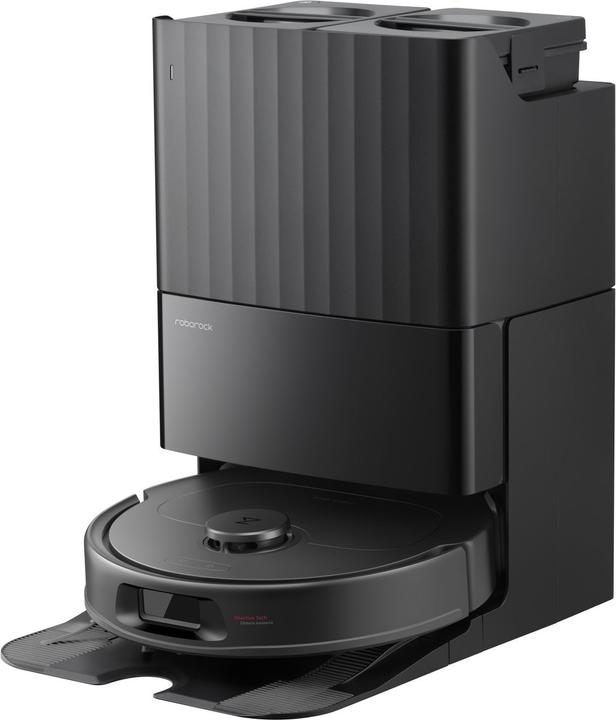 | 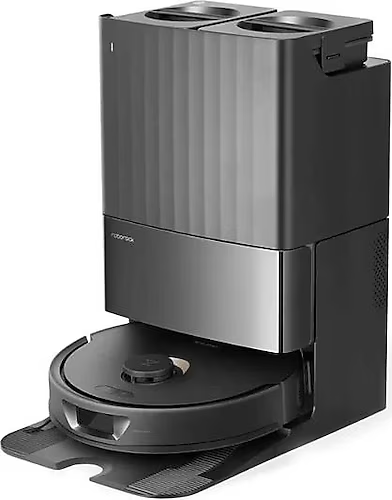 | |
| Check the best price on Amazon | Check the best price on Amazon | |
| Maximum Suction Power | 8000 Pa | 7000 Pa |
| Navigation System | LiDAR + Reactive obstacle avoidance | LiDAR + structured light |
| Mapping | Multi-floor mapping | Multi-floor mapping |
| Main Brush Type | Anti-tangle rubber brush | Standard floating rubber brush |
| Side Brush | Anti-tangle optimized design | Standard side brush |
| Mopping System | Dual spinning mop pads | Dual spinning mop pads |
| Mop Lift on Carpet | Yes (automatic lift) | Yes (automatic lift) |
| Water Flow Control | Multiple adjustable levels (fine control) | Multiple adjustable levels |
| Mop Washing | Automatic in dock | Automatic in dock |
| Mop Drying | Air drying | Hot air drying |
| Self-Emptying Dock | Yes (dust bag system) | Yes (dust bag system) |
| Clean Water Tank (Dock) | Yes | Yes |
| Dirty Water Tank (Dock) | Yes | Yes |
| Battery Capacity | 5200 mAh | 5200 mAh |
| Runtime (Approx.) | Up to ~180 minutes (mode dependent) | Up to ~180 minutes (mode dependent) |
| Auto Recharge & Resume | Yes | Yes |
| Carpet Detection | Yes | Yes |
| App Control | Roborock App | Roborock App |
| Voice Assistant Support | Alexa, Google Assistant | Alexa, Google Assistant |
| No-Go Zones / Virtual Walls | Yes | Yes |
| Obstacle Avoidance Performance | More refined, improved small object detection | Reliable but more basic |
| Noise Level (Vacuum Mode) | Slightly louder at max power | Slightly quieter overall |
| Best For | Homes with pets & carpets | Balanced hard-floor + carpet homes |
| My individual reviews | Roborock QV 35A review |
Quick Summary
- QV 35A Advantages:
Higher suction power, improved anti-tangle brush system, slightly more refined obstacle handling. - Qrevo S Advantages:
Hot air mop drying, slightly quieter vacuuming, mature and balanced performance.
Design & Build Quality
When you’re spending serious money on a robot vacuum, build quality matters more than people think. These machines don’t just sit in a closet. They live in your home, move around daily, bump into furniture, roll over thresholds, dock and undock multiple times a day, and run for years if you’re lucky. Design is not only about looks. It’s about durability, practicality, and how thoughtfully everything has been put together.
Both the Roborock QV 35A and the Roborock Qrevo S follow Roborock’s familiar design language: a circular body, raised LiDAR turret on top, and a front-facing bumper integrated into the shell. At first glance, they look almost interchangeable. But once you spend time with them, subtle differences start to show.
Overall Aesthetic and First Impressions
The Qrevo S has a slightly more conservative, classic Roborock appearance. Its matte finish gives it a clean, understated look. It blends into most modern interiors without drawing attention. It feels intentional and balanced. The plastics don’t flex when you press on them, and the seams between panels are tight and even. Nothing rattles. That alone gives confidence.
The QV 35A, on the other hand, feels a bit more refined and contemporary. The finish looks slightly smoother and more polished. The design feels a touch more streamlined, especially around the bumper and top plate. It gives off the impression of being the next iteration in the design evolution rather than a completely different model. It’s subtle, but noticeable.
In everyday use, both robots look premium. Neither feels cheap or toy-like. They feel like serious appliances.
Materials and Structural Integrity
Roborock generally uses high-grade ABS plastic, and both models follow that standard. The outer shell resists scratches reasonably well, though like any glossy or semi-gloss finish, you’ll see scuffs over time if they frequently brush against rough furniture.
The bumper design is solid on both. The spring-loaded front bumper compresses smoothly when encountering obstacles. There’s no hollow sound when tapped. It feels dense and engineered to last. Over time, this matters. A loose or poorly mounted bumper can cause navigation errors, but both units feel secure and well mounted.
The dustbin compartments are also well constructed. On both models, the bin slides in and out smoothly without sticking. The latch mechanisms feel sturdy. They don’t require force, but they also don’t feel flimsy. This balance is important because you’ll interact with the dustbin more than you might expect, especially during deeper cleaning weeks.
Brush Housing and Underside Construction
Flip either robot over and you get a better sense of the engineering.
The Qrevo S features a standard floating rubber brush system. It’s well mounted and adjusts slightly to uneven surfaces. The brush housing clicks into place securely. The floating mechanism allows it to maintain contact with floors, which improves suction consistency.
The QV 35A introduces a more advanced anti-tangle brush design. Structurally, it feels slightly more robust. The brush guard snaps in firmly, and the internal housing appears reinforced. It gives the impression that Roborock anticipated heavy hair use and designed the mounting accordingly. If you’ve ever owned a robot vacuum that developed loose brush assemblies over time, you’ll appreciate this.
The side brushes differ slightly in design philosophy. The QV 35A’s anti-tangle approach feels engineered to minimize hair wrapping around the axle. That means fewer times you’ll need to manually untangle strands. From a durability standpoint, less hair wrapping also means less stress on the motor shaft.
The wheels on both models are large, rubberized, and spring-loaded. They feel durable and capable of handling thresholds and minor elevation changes. The suspension system compresses evenly. There’s no wobble or uneven alignment. That’s a good sign for long-term reliability.
LiDAR Turret and Top Controls
Both units feature the raised LiDAR dome on top. The turret housing feels solid on both models. There’s no looseness or creaking when lightly pressed. The dome rotates smoothly and quietly during operation.
The top buttons are minimal. Power and home buttons are slightly recessed, making accidental presses unlikely. The tactile feedback is crisp. Neither model feels cheap in this area.
The top lid that covers the dustbin lifts cleanly and closes flush. Hinges feel secure. It’s a small detail, but poorly designed lids often become loose over time. That doesn’t appear to be the case here.
Dock Design and Construction
The dock is where the biggest physical differences show up.
The Qrevo S dock is substantial. It’s tall and deep because it houses a dust bag compartment, clean water tank, dirty water tank, mop washing tray, and drying system. It has presence. If you’re placing it in a living room or open area, you’ll notice it.
The plastic housing feels sturdy. The water tanks slide in and out smoothly with solid handles. The lids seal tightly. Nothing feels fragile. The internal mop washing tray is well built, though it has multiple components that require occasional removal and cleaning.
The QV 35A dock is similarly large but feels slightly more streamlined. The layout inside is marginally simplified. Fewer moving tray components can mean fewer parts to worry about long term. The dust bag compartment door closes firmly. The water tank alignment is smooth.
One noticeable difference is in the drying system construction. The Qrevo S uses a hot air drying system, which adds slightly more internal hardware. The QV 35A’s drying approach is simpler. From a build perspective, simpler sometimes means fewer potential failure points. Whether that translates to long-term reliability remains to be seen, but the QV 35A dock feels marginally less mechanically complex.
Fit and Finish in Daily Use
After repeated docking cycles, both robots align consistently with their stations. The charging contacts feel solid and well positioned. There’s no awkward shifting or need to manually adjust placement.
Noise from docking mechanisms is minimal and doesn’t sound strained. The emptying process on both feels powerful but controlled. There’s no vibration or rattling that would suggest loose internal parts.
The mop mounting system on both robots feels secure. The pads attach firmly and don’t wobble during spinning. The lifting mechanism engages smoothly when transitioning onto carpet.
Long-Term Durability Considerations
In terms of wear points, the most vulnerable areas on robot vacuums are usually:
- Side brush mounts
- Main brush bearings
- Bumper springs
- Dock tray components
The QV 35A’s anti-tangle brush design reduces stress caused by hair buildup, which may improve long-term durability in pet households.
The Qrevo S’s hot air drying system introduces slightly more internal components in the dock. While it works well, more parts can sometimes mean more maintenance over years of use.
However, both models feel engineered to Roborock’s usual standards. Neither gives off the impression of cost-cutting in critical areas.
Weight and Stability
Both robots have a reassuring weight. They’re not heavy in a way that makes them difficult to handle, but they feel dense enough to stay grounded during operation. That density contributes to stability when crossing thresholds or bumping into furniture.
The docks are stable as well. They don’t slide easily once placed. Their footprint is wide enough to prevent tipping, even during strong suction emptying cycles.
Overall Design Verdict
If I had to describe the difference in simple terms:
- The Qrevo S feels solid, established, and mature.
- The QV 35A feels slightly refined, modernized, and optimized for real-world annoyances like hair tangling.
Both are well-built. Neither feels fragile. Neither feels like a budget compromise.
From a pure design and construction standpoint, they’re close. Very close. But the QV 35A edges slightly ahead in practical refinement, particularly in brush engineering and internal simplicity. Meanwhile, the Qrevo S holds its ground with a proven, sturdy dock system and consistent structural integrity.
In short, whichever you choose, you’re getting a robot that feels thoughtfully built and ready for daily use. The differences aren’t dramatic, but they are meaningful when you consider years of ownership rather than weeks.
Navigation Intelligence & Mapping
Navigation is where robot vacuums either feel impressive or frustrating. Strong suction and good mopping don’t matter much if the robot gets lost, misses areas, or constantly bumps into chair legs. In daily life, mapping accuracy and obstacle handling often define whether you trust the machine enough to run it while you’re away.
Both the Roborock QV 35A and the Roborock Qrevo S rely on LiDAR-based navigation. That raised turret on top isn’t just for show. It scans the room with a rotating laser to build a detailed map of your home. Compared to older camera-only systems, LiDAR offers faster mapping, better low-light performance, and more consistent path planning. In practice, both robots feel confident and structured in how they move.
Initial Mapping and Setup
The first run is important. It sets the foundation for everything else.
With both models, initial mapping is quick and surprisingly precise. They move methodically around the perimeter first, tracing walls, then filling in the center in neat rows. Within one run, you get a usable floor plan. Rooms are automatically divided, and in many cases, the segmentation is surprisingly accurate.
The Qrevo S tends to create clean, clearly separated rooms right out of the box. Doorways are recognized well. Long hallways are mapped accurately. If you live in a fairly standard layout home or apartment, you’ll likely need minimal manual adjustments.
The QV 35A performs similarly but feels slightly more refined in how it handles complex layouts. In open-concept spaces, it sometimes does a better job distinguishing subtle boundaries, such as a living area flowing into a dining space. That doesn’t mean it’s perfect, but it feels just a bit more confident in interpretation.
Both allow manual map editing. You can split or merge rooms, rename them, and create custom zones. This flexibility is essential because no automatic mapping system gets everything right 100 percent of the time.
Path Planning and Cleaning Patterns
Once mapped, daily navigation becomes the real test.
Both robots follow logical, grid-like cleaning paths. They don’t wander randomly. They clean in straight lines, overlapping slightly to ensure coverage. Watching either robot work is reassuring. They move with purpose.
The Qrevo S is very consistent. It rarely leaves visible gaps on hard floors. On carpets, it maintains straight lines even when encountering mild resistance. It rarely revisits the same area unnecessarily.
The QV 35A behaves similarly but seems slightly more adaptive when encountering obstacles mid-path. If something unexpected blocks its route, it recalculates efficiently without appearing confused. The redirection feels smoother and quicker.
This difference is subtle. You wouldn’t notice it in a nearly empty room. But in cluttered spaces with chairs, pet bowls, and small furniture pieces, the QV 35A feels a touch more fluid in rerouting.
Obstacle Detection and Avoidance
This is where things get more interesting.
The Qrevo S uses LiDAR along with structured light sensors for basic obstacle detection. It handles large objects well. It won’t drive straight into a wall or table leg at full speed. It slows down before contact and gently nudges obstacles if necessary.
However, smaller items can be more challenging. Loose cables, socks, and pet toys may not always be identified as obstacles in advance. Sometimes it will lightly push them before adjusting.
The QV 35A features a more updated obstacle avoidance system. In practice, this translates into slightly better recognition of smaller objects. It’s not flawless. Very thin cables or flat objects can still be problematic. But overall, it feels more cautious and observant.
For example, in a room with scattered shoes and charging cords, the QV 35A tends to navigate around them more cleanly. The Qrevo S may gently nudge first and correct after contact.
If you’re disciplined about keeping floors clear, both are excellent. If your home has unpredictable clutter, the QV 35A has a slight advantage.
Low-Light and Night Cleaning
Because both rely primarily on LiDAR rather than cameras, low-light performance is strong.
You can run either robot at night with the lights off and expect consistent navigation. That’s a major benefit over camera-dependent systems that struggle in darkness.
In this regard, both perform nearly identically. There’s no meaningful difference. Nighttime cleaning runs are smooth and reliable.
Multi-Floor Mapping
If you live in a multi-level home, this feature matters a lot.
Both robots support multiple saved maps. You can carry the robot upstairs, place it down, and it will recognize which map to use. The detection process is fairly quick. It scans briefly, aligns itself, and proceeds with the correct layout.
Map switching is seamless in both models. There’s no need to manually select floors each time, unless you want to.
In homes with similar floor layouts on different levels, recognition remains accurate. Neither model seems easily confused by mirrored room shapes or repeated layouts.
No-Go Zones and Custom Cleaning
Smart mapping is only as good as the customization options that follow.
Both models allow you to set:
- No-go zones
- No-mop zones
- Virtual walls
- Room-specific cleaning intensity
- Custom cleaning sequences
This level of control makes a big difference in daily usability. For example, you can tell the robot to clean the kitchen twice but vacuum the hallway only once. You can block off delicate areas or high-pile rugs from mopping.
The responsiveness in the app is similar for both. Edits apply quickly, and maps update cleanly.
Carpet Detection and Mop Lifting
Both robots detect carpet automatically and lift their mop pads to avoid soaking rugs. The transition feels smooth.
The Qrevo S lifts effectively and avoids dragging damp pads across low-pile carpet. However, very thick rugs may sometimes trigger slight hesitation before full adjustment.
The QV 35A performs similarly but appears slightly quicker in lifting response. The delay between detection and full lift feels marginally shorter.
In daily use, both handle mixed flooring homes confidently.
Recovery After Interruptions
Real life isn’t perfect. Doors close. Furniture moves. Kids relocate chairs.
Both robots are strong at resuming cleaning after interruptions. If paused mid-cycle, they remember where they left off. If moved manually, they usually reposition themselves accurately once restarted.
The QV 35A seems slightly more forgiving if physically relocated. It recalibrates with fewer hesitations. The Qrevo S may take an extra moment to reorient itself in some scenarios.
Again, these differences are small but noticeable in edge cases.
Edge Cleaning and Wall Tracking
Wall tracking is important for cleaning along baseboards.
Both robots trace edges carefully during their perimeter pass. They maintain a consistent distance from walls and furniture. The side brush reaches into corners reasonably well, though like most round robots, neither achieves perfect corner coverage.
In tight spaces, the QV 35A appears slightly more deliberate, slowing down just a bit to maintain alignment. The Qrevo S sometimes moves a touch faster along long walls.
Neither feels careless. Both are competent and precise.
Real-World Intelligence
Navigation intelligence isn’t just about sensors. It’s about behavior.
After repeated runs, both robots create efficient patterns tailored to your home. They don’t waste time in already-cleaned areas. They adapt schedules well.
However, over extended use, the QV 35A gives the impression of being just a little more modern in its logic. Its obstacle avoidance feels more refined. Its rerouting feels smoother. Its reaction to unexpected clutter feels more controlled.
The Qrevo S is very capable and reliable, but it feels like a slightly earlier generation of the same navigation philosophy.
Overall Navigation Verdict
In simple terms:
- The Qrevo S is dependable, structured, and consistent.
- The QV 35A is equally structured but slightly more adaptive and cautious around obstacles.
For clean, minimalist homes, both perform almost identically.
For busier environments with pets, kids, and shifting floor clutter, the QV 35A holds a small but meaningful edge in intelligence and responsiveness.
Neither robot feels lost or chaotic. Both deliver systematic, predictable cleaning paths that inspire confidence. But if navigation refinement is your top priority, the QV 35A feels like the more evolved system.
It’s not a dramatic difference. It’s the kind of improvement you notice after months of use rather than on day one. And for many households, that subtle refinement can make all the difference in how much you truly trust your robot to clean unattended.
Vacuuming & Suction Performance
Suction power is the headline number most people look at first, and for good reason. If a robot vacuum can’t actually pick up dirt effectively, nothing else matters. But raw suction is only part of the story. Real-world cleaning performance depends on airflow design, brush engineering, debris path efficiency, carpet agitation, and how intelligently the robot adjusts power on different surfaces.
On paper, the Roborock QV 35A holds the advantage. It delivers higher maximum suction than the Roborock Qrevo S. But numbers alone don’t tell you how that translates into everyday cleaning. After spending time observing how both perform across different floor types, the differences become clearer and more practical.
Suction Power in Real Terms
The Qrevo S already offers strong suction by robot standards. On hard floors like tile, laminate, or hardwood, it easily picks up fine dust, crumbs, pet hair, and small debris in a single pass. For everyday maintenance cleaning, it rarely leaves visible traces behind.
The QV 35A pushes suction further. On hard floors, the improvement isn’t dramatic because most debris on smooth surfaces doesn’t require extreme airflow. However, when dealing with heavier particles like cereal, cat litter, or sand tracked in from outside, the QV 35A feels slightly more confident. It captures debris without needing to slow down or revisit the area.
Where the extra suction becomes more noticeable is on carpet.
Performance on Low-Pile Carpet
Low-pile carpet is common in apartments and modern homes. It doesn’t trap dirt as deeply as thick carpet, but it still holds dust and hair in its fibers.
The Qrevo S performs well here. It transitions onto carpet smoothly, increases suction automatically, and maintains straight cleaning lines. After a full cycle, the carpet looks refreshed. Surface debris disappears, and loose pet hair is mostly removed.
The QV 35A, however, extracts just a bit more. After similar runs, you may notice slightly fuller dustbin contents. That suggests it’s pulling deeper-set debris from the fibers rather than just surface-level dirt. If you vacuum manually after either robot runs, you’re likely to find less remaining dust with the QV 35A.
The difference isn’t massive, but over time it adds up, especially in high-traffic areas.
Performance on Medium and Thicker Carpet
This is where robot vacuums traditionally struggle. Thicker carpet requires stronger suction and good brush agitation to lift embedded dirt.
The Qrevo S does a respectable job. It doesn’t stall or struggle excessively. It increases power and works methodically. But in deeper carpet, it sometimes leaves behind a subtle sense that the cleaning was maintenance-level rather than deep cleaning.
The QV 35A feels more capable in this scenario. The higher suction combined with improved brush design allows it to dig deeper into fibers. It still won’t replace a powerful upright vacuum for heavy-duty cleaning, but it narrows the gap more effectively.
If your home has mostly hard floors with a few rugs, either model is sufficient. If you have wall-to-wall carpet, especially medium-pile, the QV 35A feels more suitable.
Brush Design and Hair Handling
Suction alone doesn’t capture hair efficiently. Brush design plays a huge role.
The Qrevo S uses a standard rubber main brush. Rubber brushes are generally better than bristle brushes for durability and hair pickup. They resist tangling better and are easier to clean. The Qrevo S handles short pet hair well and does reasonably well with longer strands.
However, long human hair can wrap around the brush ends over time. You’ll need to manually remove buildup occasionally.
The QV 35A improves on this with an anti-tangle brush system. In practice, this makes a real difference. Long strands are directed toward the dustbin airflow rather than tightly wrapping around the brush core. After multiple cleaning sessions, you’ll notice less hair accumulation around the brush bearings.
For households with pets or long-haired residents, this isn’t just about convenience. Hair buildup can reduce suction efficiency and strain brush motors. Minimizing tangles supports both performance and longevity.
Edge and Corner Cleaning
No round robot vacuum cleans corners perfectly. That’s simply geometry.
Both models rely on a spinning side brush to pull debris away from edges into the suction path. The Qrevo S performs reliably here. Along walls and baseboards, it gathers dust effectively.
The QV 35A’s side brush design appears slightly optimized to reduce hair tangling. In practical use, both gather edge debris similarly. The difference is less about pickup and more about reduced maintenance afterward.
Corners still require occasional manual attention with any round robot. Neither model completely eliminates that need.
Fine Dust and Allergen Pickup
Fine dust is harder to evaluate visually. It settles invisibly and affects air quality more than appearance.
Both robots use efficient filtration systems inside their dustbins. They capture fine particles effectively and prevent most dust from being released back into the air during operation.
In terms of actual pickup, both handle fine debris on hard floors equally well. On carpet, the QV 35A’s stronger suction helps extract slightly more fine dust embedded in fibers.
If allergies are a major concern, either robot serves well for daily maintenance, but neither fully replaces periodic deep cleaning with a high-powered manual vacuum.
Debris Path and Bin Efficiency
A powerful motor is useless if debris clogs the airflow path.
Both robots have well-designed internal channels guiding debris from the brush chamber to the dustbin. In testing with mixed debris like rice, crumbs, and hair, neither clogged easily.
The QV 35A’s airflow seems slightly more forceful when emptying into the dock. The automatic bin-emptying process is strong and thorough. The Qrevo S also empties reliably, though occasionally you may hear a brief secondary suction cycle to clear remaining debris.
Dustbin capacity on both is appropriate for daily cleaning, especially since the dock empties them automatically. In larger homes, they can complete full cycles without manual bin intervention.
Adaptive Suction Adjustment
Smart suction adjustment improves both cleaning and battery efficiency.
Both robots automatically increase suction on carpet and reduce it on hard floors when appropriate. The transitions are smooth. There’s no abrupt noise spike.
The QV 35A appears slightly more responsive in switching modes, especially when moving between mixed flooring in quick succession. The Qrevo S occasionally maintains high suction for a moment longer than necessary.
This isn’t a major flaw, just a minor difference in responsiveness.
Noise vs Power Trade-Off
Stronger suction often means more noise.
At maximum settings, the QV 35A is slightly louder than the Qrevo S. It’s not disruptive, but the difference is noticeable in a quiet room.
The Qrevo S strikes a slightly better balance between performance and noise control. If quiet operation is a top priority, the Qrevo S may feel more comfortable during daytime runs.
If performance is the priority, the QV 35A’s extra noise at full power is a reasonable trade-off.
Long-Term Performance Stability
Over time, consistent suction matters more than peak numbers.
The QV 35A’s anti-tangle brush design helps maintain stable airflow. Less hair wrapping means fewer performance dips between maintenance sessions.
The Qrevo S remains strong but requires slightly more manual brush cleaning to maintain peak efficiency in hair-heavy homes.
Both feel engineered to maintain consistent performance if maintained properly.
Overall Vacuuming Verdict
If your home is mostly hard floors with light debris, both perform exceptionally well. You likely won’t see dramatic differences.
If you have carpets, pets, or heavy foot traffic, the QV 35A stands out. The stronger suction and anti-tangle system create a measurable improvement in deep cleaning and reduced maintenance.
The Qrevo S is still a capable cleaner. It handles everyday dust and debris with confidence. But the QV 35A feels like the more powerful and slightly more future-proof option, especially for households that challenge a robot vacuum beyond simple surface cleaning.
In short:
- Qrevo S: Strong, balanced, reliable daily cleaner.
- QV 35A: Stronger, more aggressive on carpet, better with hair, and slightly more durable in performance over time.
For many homes, either is sufficient. But if you’re choosing based on pure vacuuming power and long-term cleaning efficiency, the QV 35A takes the lead.
Mopping Capability
Robot vacuum mops have improved dramatically over the last few years. What used to be a simple damp cloth dragged across the floor has evolved into pressurized, spinning mop systems with automatic washing and drying. Both the Roborock QV 35A and the Roborock Qrevo S sit firmly in this newer generation. They don’t just wipe floors. They actively scrub.
But even when two robots use similar spinning mop pads, the details matter. Water control, pressure, pad speed, drying systems, and software logic all shape how effective and convenient the mopping experience really is.
The Core Mopping System
Both the QV 35A and the Qrevo S use dual spinning mop pads mounted at the rear underside of the robot. Unlike passive mop plates that simply drag a damp cloth, these pads rotate at high speed to create friction against the floor. That friction is what lifts dried spills, footprints, and light grime.
In everyday use, both systems feel far more effective than older drag-style mops. On dried coffee drops or sticky juice spots, you can see the difference. Instead of just smearing the area, the spinning pads actually break up residue.
The Qrevo S performs consistently here. The spinning action feels strong and steady. It applies even pressure across the pads, and the robot moves slowly enough during mop mode to allow proper scrubbing time.
The QV 35A delivers a very similar experience. The spinning motion is equally firm, and the robot maintains a deliberate pace while mopping. In side-by-side scenarios, there is no dramatic difference in basic scrubbing ability.
Water Flow and Moisture Control
Water control is crucial. Too little water and the pads drag dry. Too much water and you risk streaks or excessive dampness, especially on wood floors.
Both robots allow adjustable water flow through the app. You can select different levels depending on floor type. For lightly soiled floors, a low setting is sufficient. For kitchen areas or entryways, higher levels add more moisture.
The QV 35A offers finer gradation in water adjustment. That gives slightly more control over how damp the pads stay. If you’re careful about protecting sensitive flooring, this added control can be helpful.
The Qrevo S still offers multiple water levels and performs well on hardwood when set appropriately. Floors are left slightly damp but typically dry within minutes.
In practice, both handle moisture responsibly. Neither leaves puddles or oversaturation when configured properly.
Mop Lifting and Carpet Avoidance
One of the biggest concerns with vacuum-mop combos is carpet protection. You don’t want damp pads dragging across rugs.
Both robots automatically detect carpet and lift their mop pads when transitioning from hard floor to carpet. The lift height is enough to prevent moisture transfer on low to medium pile carpets.
The Qrevo S handles this transition smoothly. It slows slightly, lifts the pads, and increases suction if vacuum mode is active. The process feels seamless.
The QV 35A behaves similarly but feels marginally quicker in lift response. The delay between detection and full lift is slightly shorter. In mixed flooring homes where the robot crosses surfaces frequently, this small responsiveness improvement is noticeable.
For homes with extensive carpet coverage, both systems work well. Neither drags wet pads onto rugs under normal conditions.
Stain Removal Performance
Let’s talk about real-world cleaning.
On everyday dust and light dirt, both robots perform equally well. They maintain floors clean and fresh when run regularly.
On more stubborn dried stains, performance depends partly on how long the stain has been there. Neither robot uses heated water or steam. That means deeply set, sticky residues may require multiple passes.
The Qrevo S removes recent spills effectively in a single session. Dried-on spots may lighten significantly but sometimes benefit from a second targeted cleaning.
The QV 35A produces similar results. The scrubbing strength feels comparable. If anything, its slightly finer water control allows for better optimization depending on the stain.
For heavily soiled kitchens, both perform well with routine scheduling. If you expect them to replace manual deep scrubbing entirely, expectations should be realistic. They excel at maintenance cleaning more than heavy restoration.
Mop Washing in the Dock
The dock system is where convenience really shows.
Both robots return to their dock to wash the mop pads during or after cleaning sessions. The dock sprays water onto the pads and spins them against a wash plate to remove dirt.
The Qrevo S dock uses a hot air drying system afterward. This helps dry the pads thoroughly and reduces odor buildup. The drying cycle feels robust and reassuring. When you inspect the pads later, they are typically fully dry.
The QV 35A also washes its mop pads automatically but relies on a simpler drying system. Pads still dry effectively, though the process may feel slightly less intensive.
In daily use, both systems significantly reduce manual maintenance. You no longer need to remove and rinse mop pads after every run.
Over time, the Qrevo S’s hot air drying may provide a small advantage in preventing mildew in humid environments. However, both systems are designed to minimize odor.
Cleaning the Dock Itself
No dock is completely maintenance-free.
Both systems accumulate dirty water in a removable tank. You’ll need to empty and rinse it periodically. The wash tray area can also collect residue and needs occasional cleaning.
The Qrevo S dock includes multiple internal components for its drying system. That means slightly more surfaces to check during deep cleaning.
The QV 35A dock feels slightly simpler inside. Fewer components may mean slightly easier long-term cleaning.
In practice, maintenance demands are similar, though the QV 35A may feel marginally less complex.
Noise During Mopping
Mopping is generally quieter than vacuuming.
Both robots operate quietly during mop-only runs. The spinning pads create a soft mechanical hum, but it’s not intrusive.
Dock washing and drying cycles are louder, especially during hot air drying on the Qrevo S. The QV 35A’s drying cycle feels slightly less intense.
If you run cleaning cycles overnight, both are manageable, but the Qrevo S dock may be more noticeable during drying.
Floor Compatibility
Both robots work well on:
- Tile
- Laminate
- Sealed hardwood
- Vinyl
They should not be used on unsealed wood or delicate surfaces that cannot tolerate moisture.
In terms of streaking, both leave floors clean without noticeable marks when using proper water settings. Microfiber pads distribute water evenly and minimize residue.
Long-Term Mop Pad Durability
The microfiber pads on both models are washable and reusable. They hold up well after repeated wash cycles. Replacement pads are widely available.
The spinning mechanism on both robots feels sturdy. There’s no wobble or imbalance during operation. That’s important for long-term reliability.
The QV 35A’s slightly refined mounting mechanism feels marginally easier to remove and reattach when replacing pads.
Overall Mopping Verdict
In daily maintenance cleaning, both robots perform very similarly. They effectively scrub light to moderate dirt and keep floors consistently clean with regular scheduling.
The Qrevo S has a slight edge in drying performance due to its hot air system. This can be beneficial in humid environments or for users who prioritize odor prevention.
The QV 35A counters with slightly finer water control and a marginally more responsive carpet-lifting mechanism. Its dock feels a bit simpler, which may appeal to users who prefer fewer mechanical complexities.
If your priority is maximum drying reassurance, the Qrevo S may appeal more.
If you value refined control and slightly streamlined design, the QV 35A feels just a bit more modern.
In practical, day-to-day mopping performance, the difference is small. Both represent a significant step up from older robot mop systems and deliver reliable, automated hard-floor maintenance with minimal effort.
Maintenance & Support
Robot vacuums promise convenience, but no robot is truly maintenance-free. The difference between a good ownership experience and a frustrating one often comes down to how much effort the machine requires to keep running at peak performance. This includes cleaning brushes, emptying tanks, replacing consumables, troubleshooting software, and interacting with customer support if something goes wrong.
Both the Roborock QV 35A and the Roborock Qrevo S are designed to minimize hands-on upkeep. They include self-emptying docks, automatic mop washing, and drying systems. But the real question is how much intervention they still require over weeks and months of ownership.
Daily and Weekly Maintenance
In normal use, neither robot demands daily manual effort. That’s one of their biggest strengths.
The self-emptying dock on both models automatically transfers debris from the onboard dustbin into a larger disposable bag inside the dock. Depending on your home size and debris levels, that bag can last several weeks before needing replacement.
For households with pets, you might fill it faster. But compared to manually emptying a small dustbin after every run, this is a major convenience.
On a weekly basis, you’ll likely want to:
- Check the main brush for wrapped hair
- Inspect the side brush
- Rinse or wipe down filters if needed
- Empty the dirty water tank in the dock
- Refill the clean water tank
The QV 35A’s anti-tangle brush reduces how often you need to manually cut away hair. That’s a meaningful advantage in pet homes. The Qrevo S requires slightly more frequent brush inspection if you have long hair in the household.
Aside from brush differences, weekly routines are similar between the two models.
Mop System Maintenance
Automatic mop washing dramatically reduces manual labor, but it doesn’t eliminate it entirely.
Both docks collect dirty wash water in a separate tank. You must empty this tank regularly to prevent odor and buildup. The process is simple. Tanks slide out smoothly, and their handles feel sturdy. There’s no awkward tilting required.
The wash tray beneath the mop pads also needs periodic cleaning. Residue from dirty water can accumulate there over time. Removing and rinsing the tray is straightforward in both systems.
The Qrevo S dock includes additional components related to its hot air drying system. While this improves pad drying performance, it slightly increases the number of internal surfaces that may require occasional wiping.
The QV 35A dock feels a bit simpler internally. Fewer mechanical elements may translate to slightly easier long-term upkeep.
Neither dock feels fragile when disassembled for cleaning. The plastic components are durable, and removal doesn’t require excessive force.
Filter and Consumable Replacement
Both robots use replaceable filters, brushes, mop pads, and dust bags.
Filter replacement is typically required every few months, depending on usage and air quality. Both models make filter access easy. The filter sits within the dustbin compartment and can be removed without tools.
Main brushes and side brushes last several months under regular use. The QV 35A’s anti-tangle brush may last longer before needing replacement due to reduced stress from hair buildup.
Mop pads are washable and reusable. They hold up well after multiple cleaning cycles. Eventually, microfiber wear will reduce performance, and replacement becomes necessary. Both models use similar pad attachment systems, making swaps simple.
Dust bags inside the dock are sealed and easy to replace. Removal is clean, with minimal dust exposure. Both systems feel well designed in this regard.
Overall consumable costs are comparable between the two.
Long-Term Durability Concerns
When considering maintenance, durability is part of the equation.
The Qrevo S dock’s hot air drying system adds an additional mechanical component: a heating and airflow unit. While this enhances drying, it introduces more complexity. More parts can sometimes mean more potential failure points over time.
The QV 35A’s simpler drying approach may offer a slight advantage in mechanical simplicity. Fewer internal elements could translate into fewer long-term issues, though real-world longevity depends on usage and environmental conditions.
Both robots’ main wheels, bumpers, and brush housings feel solid. There’s no immediate sign of weak construction that would lead to premature wear.
Software Updates and App Stability
Maintenance is not only physical. Software reliability matters just as much.
Both models operate through the Roborock app, which receives regular updates. Firmware updates improve navigation logic, optimize cleaning behavior, and sometimes add new features.
In general, app stability is strong. Map data is preserved reliably. Schedules run consistently. Notifications about maintenance tasks are helpful and clear.
Occasionally, connectivity hiccups can occur, especially during initial setup or after network changes. Both models handle reconnection smoothly once Wi-Fi stability is restored.
The QV 35A, being slightly newer in design, may receive optimization updates that refine obstacle avoidance and cleaning logic over time. However, both robots benefit from the same app ecosystem and support infrastructure.
Error Handling and Troubleshooting
No robot vacuum is immune to occasional errors. Common issues may include:
- Brush jam alerts
- Water tank not detected
- Dock alignment warnings
- Obstacle entanglement
Both models provide clear voice prompts and app notifications when something needs attention. Error messages are descriptive rather than vague.
Accessing the affected component is easy in both designs. For example, if a brush jam occurs, flipping the robot over and removing the brush guard takes seconds.
Dock-related alerts, such as water tank misalignment, are usually resolved by reseating the tank.
The QV 35A’s reduced hair tangling means fewer brush jam alerts in hair-heavy homes. That can significantly reduce minor troubleshooting interruptions.
Customer Support Experience
Customer support is often overlooked until something goes wrong.
Roborock generally has a solid reputation for responsive support. Warranty coverage is similar across both models. Replacement parts are widely available.
Support response times depend on region, but communication channels are straightforward. Troubleshooting typically involves app logs and basic hardware checks before escalation.
Because both robots share a similar platform and ecosystem, support quality should be comparable for each.
The Qrevo S, being slightly more established in the market, may have more documented user experiences available online. The QV 35A, as a newer refinement, benefits from incremental design improvements but may have fewer long-term user reports available at this stage.
Noise and Maintenance Annoyances
Maintenance convenience isn’t just about how often you intervene. It’s also about how disruptive those processes are.
Self-emptying cycles are loud on both models. That’s normal for dock systems that rely on strong suction to transfer debris. The process is brief but noticeable.
The Qrevo S drying cycle with hot air runs longer and may produce more audible airflow noise compared to the QV 35A’s system.
If the dock is placed in a bedroom or near a quiet workspace, these differences might matter.
Time Investment Over a Year
If you estimate time spent maintaining each robot over a year, both significantly reduce effort compared to manual vacuuming and mopping.
The QV 35A may save a bit more time in homes with heavy hair shedding because of reduced brush detangling.
The Qrevo S may require slightly more periodic dock cleaning due to its more complex drying mechanism.
Overall, both demand relatively low maintenance for the level of automation they provide.
Overall Maintenance Verdict
Both the QV 35A and Qrevo S are designed to minimize user involvement. They automate dustbin emptying, mop washing, and drying effectively.
The QV 35A holds a small advantage in hair-heavy environments thanks to its anti-tangle brush system. It may require fewer manual brush cleanings and slightly less troubleshooting related to hair jams.
The Qrevo S offers strong automated mop drying with its hot air system, which can be beneficial for hygiene but introduces slightly more dock complexity.
If you prioritize mechanical simplicity and reduced brush maintenance, the QV 35A feels slightly easier to live with long term.
If you value maximum drying performance and are comfortable with a slightly more complex dock, the Qrevo S remains a dependable option.
In everyday ownership, both are well-engineered, low-effort machines that significantly reduce cleaning workload while keeping maintenance demands manageable and predictable.
App, Smart Controls & Usability
A robot vacuum can have incredible suction and advanced hardware, but if the app is confusing or unreliable, the entire experience falls apart. In daily life, you interact with the software far more than the physical buttons on the robot. Scheduling, room customization, no-go zones, suction adjustments, mop settings, maintenance alerts, firmware updates — all of that lives inside the app.
Both the Roborock QV 35A and the Roborock Qrevo S use the same Roborock app ecosystem. That’s important because it means the overall experience is consistent across both models. However, subtle behavioral differences still shape usability in practice.
Initial Setup Experience
Setting up either robot is straightforward. You plug in the dock, place the robot on it, download the app, connect to Wi-Fi, and follow guided steps.
The onboarding process is clean and clearly explained. The app walks you through:
- Connecting to your home network
- Performing the first mapping run
- Understanding water tank setup
- Installing dust bags
- Starting initial cleaning
Neither model feels intimidating to configure, even for someone who has never owned a robot vacuum before.
Wi-Fi connection stability is generally good on both. If your network is strong, setup takes only a few minutes. The robots respond quickly to pairing instructions.
Because both models use LiDAR rather than camera-only navigation, you don’t need bright lighting for initial mapping. That reduces setup friction significantly.
Interface Layout and Clarity
The app interface is clean and logical. When you open it, you see a live map of your home. Rooms are clearly labeled, and you can tap on individual areas to customize cleaning behavior.
The layout emphasizes clarity over complexity. Core actions like “Clean,” “Room,” “Zone,” and “Schedule” are easily accessible.
For both the QV 35A and Qrevo S, you can:
- Select specific rooms
- Draw custom cleaning zones
- Set no-go zones
- Set no-mop areas
- Adjust suction power
- Adjust water flow
- Choose number of cleaning passes
The responsiveness of the interface is smooth. There’s no noticeable lag when selecting rooms or drawing boundaries.
In daily use, the app feels reliable. Commands execute quickly, and the robot begins its task within seconds.
Map Editing and Customization
Map editing is one of the strongest parts of the Roborock ecosystem.
After the initial mapping run, you can split or merge rooms manually. This is especially helpful in open-plan homes where automatic segmentation might combine living and dining areas.
Both robots allow multi-floor map storage. If you carry the robot upstairs, it recognizes the layout and loads the correct map. Switching between floors is seamless.
Custom cleaning sequences are also easy to create. For example, you can instruct the robot to clean the kitchen twice at high suction and high water flow, then clean the hallway once at standard settings.
This level of customization makes both models feel flexible rather than rigid.
Scheduling and Automation
Scheduling is where robot vacuums become truly convenient.
Both the QV 35A and Qrevo S allow you to create detailed schedules. You can:
- Schedule cleaning by room
- Choose different settings for weekdays and weekends
- Adjust suction and water levels per schedule
- Set multiple cleaning times per day
The scheduling interface is intuitive. You don’t feel like you’re navigating a complicated smart home system.
Once schedules are set, both robots execute them reliably. They leave the dock at the designated time and return automatically when finished.
For busy households, this consistency builds trust. You don’t need to constantly check whether the robot ran as planned.
Real-Time Monitoring
During cleaning sessions, the app displays a live map with real-time movement. You can see which areas have been cleaned and where the robot is currently located.
Both models update position accurately. The movement visualization is smooth and detailed.
If you pause cleaning, the robot stops immediately. If you send it back to the dock, it returns without hesitation.
Battery level is displayed clearly. Estimated time remaining updates dynamically.
This level of transparency makes the cleaning process feel controlled rather than mysterious.
Voice Assistant Integration
Both robots integrate with common voice assistants such as Amazon Alexa and Google Assistant.
You can use voice commands to:
- Start cleaning
- Send the robot back to the dock
- Clean specific rooms
Voice control works reliably once linked. However, advanced customization still requires the app. Voice commands are convenient but basic.
For most users, voice integration is a helpful bonus rather than a primary control method.
Maintenance Notifications and Alerts
The app tracks maintenance intervals for:
- Main brush
- Side brush
- Filter
- Mop pads
- Dust bag
You receive reminders when components approach their recommended replacement time. This helps maintain performance without guessing.
Error notifications are also clear. If the robot encounters a brush jam or water tank issue, the app provides detailed instructions.
Both models benefit equally from this notification system. It reduces frustration and speeds up troubleshooting.
Firmware Updates and Feature Improvements
Firmware updates are delivered through the app. Installation is simple. You receive a notification, approve the update, and the robot installs it automatically while docked.
Updates sometimes improve navigation efficiency or add minor features. Both the QV 35A and Qrevo S receive these enhancements.
Because the QV 35A is slightly newer in design, it may receive optimization updates that refine obstacle detection or suction control over time.
The Qrevo S, being established, benefits from mature firmware stability.
In practical use, both feel stable and dependable.
Usability Differences in Daily Life
Since both models share the same app ecosystem, differences in usability come mostly from how the robots respond physically to commands.
The QV 35A sometimes feels slightly quicker in responding to new commands, particularly when adjusting mid-cleaning tasks.
The Qrevo S responds reliably as well, though transitions between certain tasks may feel marginally slower.
These differences are subtle and unlikely to affect most users significantly.
Learning Curve and Accessibility
Neither robot requires technical expertise to operate.
The app avoids technical jargon. Settings are labeled clearly. Icons are intuitive.
For users who prefer minimal involvement, the robots can operate almost entirely on automatic scheduling after initial setup.
For users who enjoy detailed customization, the app provides granular control without becoming overwhelming.
This balance makes both models accessible to a wide range of users.
Stability Over Time
Long-term app stability matters more than first impressions.
Over months of use, both models maintain map integrity well. Maps rarely reset or corrupt unexpectedly.
Occasional Wi-Fi reconnect prompts may appear if your network changes, but this is typical of smart devices.
In general, both robots maintain stable performance within the app environment.
Overall App and Usability Verdict
Since both robots share the same software platform, the overall experience is strong across the board.
The interface is clean, responsive, and flexible. Customization options are extensive without feeling complicated. Scheduling is reliable. Real-time tracking builds confidence.
The QV 35A feels slightly more responsive in certain behaviors and benefits from incremental refinements in obstacle logic. The Qrevo S feels mature and stable.
For most users, the usability experience will feel nearly identical. The decision between them won’t hinge heavily on app differences.
In daily life, both deliver what matters most: dependable automation, clear communication, and enough customization to fit different home layouts and cleaning preferences.
The app doesn’t get in the way. It supports the hardware rather than complicating it. And that’s exactly what you want in a smart cleaning system.
Conclusion
Choosing between the Roborock QV 35A and the Roborock Qrevo S ultimately comes down to refinement versus balance. These are not entry-level robot vacuums. Both are highly capable, feature-rich machines designed to reduce daily cleaning effort to almost nothing. They vacuum, mop, empty themselves, wash their pads, and integrate smoothly into a smart home setup. In practical terms, either one can maintain a consistently clean home with minimal intervention.
The Qrevo S feels stable and mature. It delivers strong suction, effective dual spinning mops, reliable navigation, and the added reassurance of hot air mop drying. It’s slightly quieter at peak vacuum power and feels like a well-rounded solution that covers all the essentials with confidence. For homes with mostly hard floors and moderate debris, it performs extremely well.
The QV 35A, however, edges forward in performance-focused areas. Its stronger suction makes a noticeable difference on carpet. The anti-tangle brush design reduces maintenance, especially in homes with pets or long hair. Obstacle handling feels slightly more refined, and the dock system is marginally simpler in construction. Over long-term ownership, these small improvements can add up to a smoother experience.
If your priority is balanced cleaning with proven stability, the Qrevo S remains an excellent choice. If you want the strongest vacuuming performance and slightly more modern refinements, the QV 35A is the more future-facing option. Both are strong investments. The better one depends on what matters most in your home.