
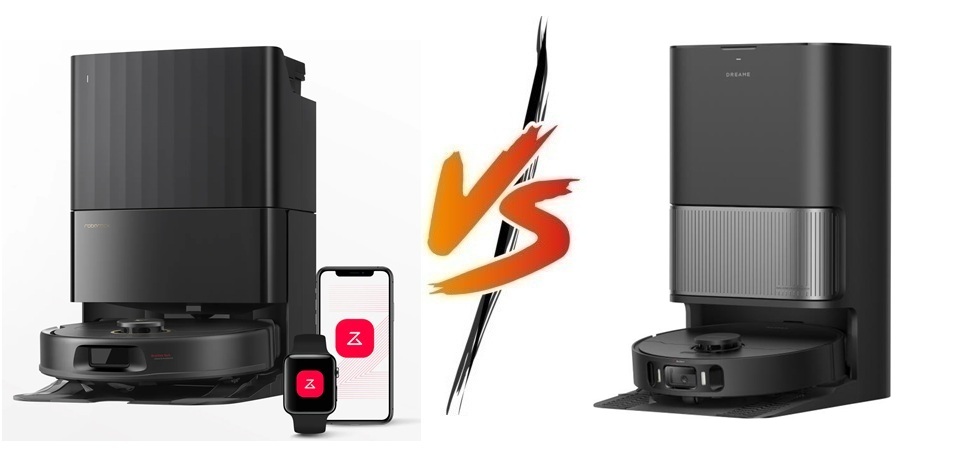
Robot vacuum cleaners have come a long way from the early Roomba-style bump-and-wander machines. Today’s flagship models are closer to autonomous cleaning systems than simple gadgets. They map homes in 3D, wash their own mops, empty their own dustbins, and intelligently adapt to different surfaces.
Two of the most interesting mid-to-high-end contenders right now are the Roborock Qrevo S5V Robot Vacuum and Mop and the Dreame L40 Ultra Robot Vacuum and Mop. Both aim to deliver nearly hands-free cleaning with powerful suction, sophisticated navigation, and self-maintaining docking stations.
But once you move beyond the marketing bullet points, the differences become more interesting.
I spent a lot of time analyzing these machines from the perspective of someone who actually lives with robot vacuums day-to-day. This means looking at the small details: how they behave around furniture, how their docks work in practice, how much maintenance they really require, and whether they actually make life easier.
Below is a deep dive into every meaningful aspect of the two machines.
Roborock Qrevo S5V vs Dreame L40 Ultra Comparison Chart
If you click the links below, under the product images, you will be redirected to Amazon.com. In case you then decide to buy anything, Amazon.com will pay me a commission. This doesn’t affect the honesty of this review in any way though.
| Specification | Roborock Qrevo S5V | Dreame L40 Ultra |
|---|---|---|
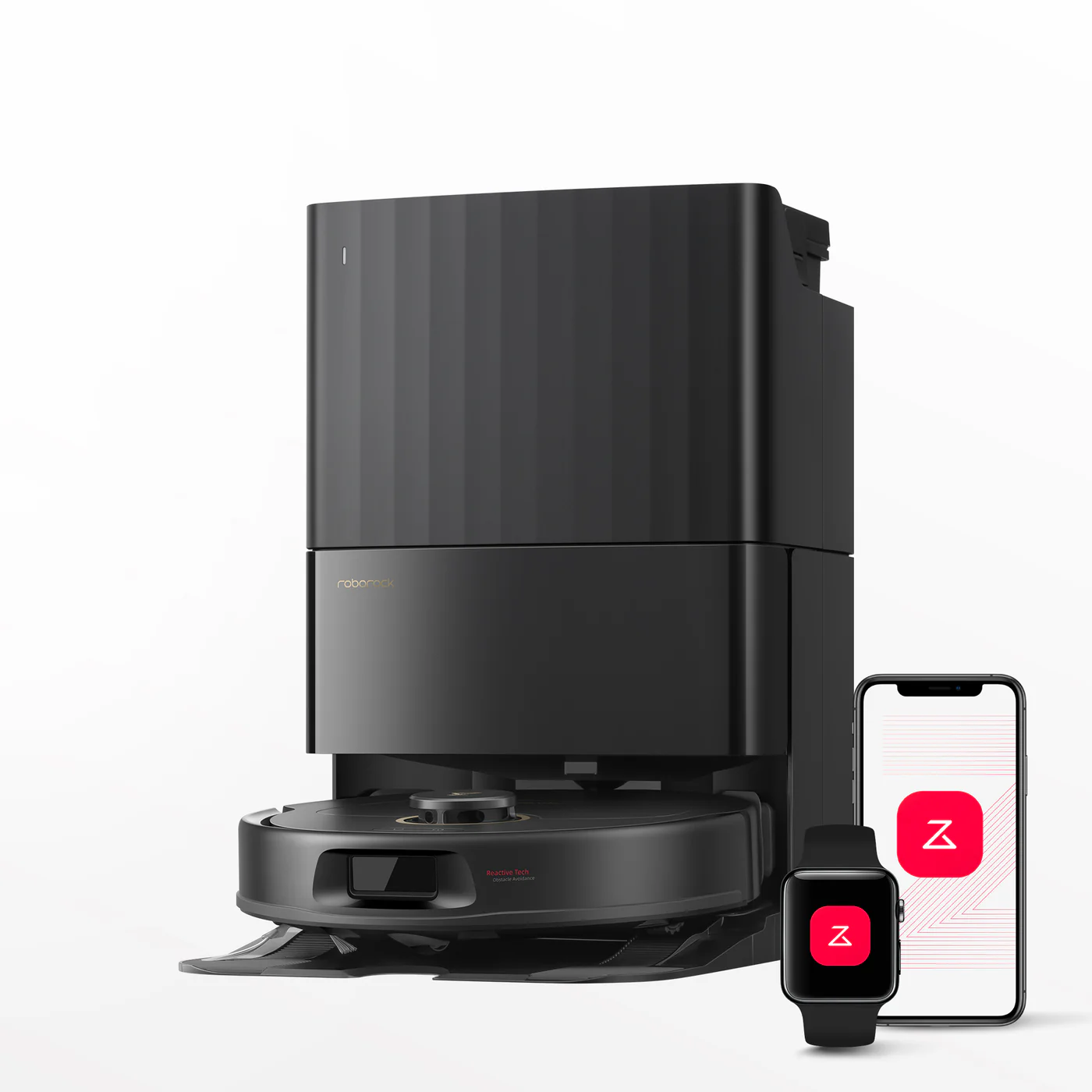 | 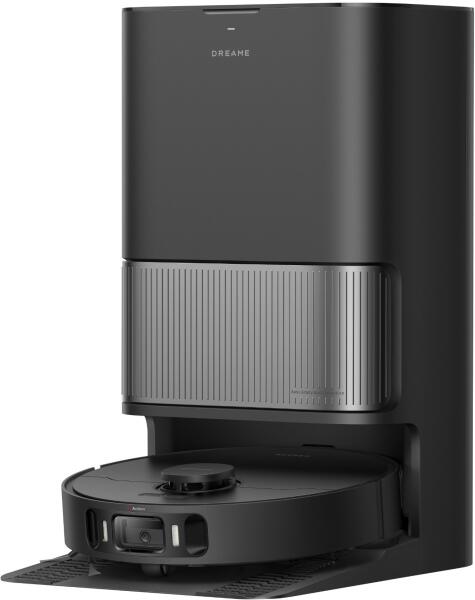 | |
| Check the best price on Amazon | Check the best price on Amazon | |
| Product Type | Robot vacuum & mop with auto dock | Robot vacuum & mop with auto dock |
| Navigation System | LiDAR navigation with smart mapping | LiDAR navigation + AI obstacle detection |
| Object Detection | Standard obstacle sensors | Advanced object recognition system |
| Maximum Suction Power | ~12,000 Pa | ~19,000 Pa |
| Main Brush System | Anti-tangle roller brush | Dual brush system for stronger agitation |
| Side Brush | Standard rotating side brush | Extendable side brush |
| Mopping System | Dual rotating mop pads | Dual rotating mop pads with extension |
| Mop Edge Cleaning | FlexiArm extending mop | Extendable mop system for edge cleaning |
| Mop Washing | Automatic mop washing in dock | Automatic mop washing with hot water |
| Mop Drying | Warm air drying | Heated air drying |
| Carpet Detection | Yes | Yes |
| Mop Lift on Carpet | Yes | Yes |
| Dustbin Capacity (Robot) | ~325 ml | ~300–350 ml |
| Self-Emptying Dock | Yes | Yes |
| Dust Bag Capacity (Dock) | ~2.7 L | ~3.2 L |
| Clean Water Tank (Dock) | Large removable tank | Larger removable tank |
| Dirty Water Tank | Yes | Yes |
| Automatic Water Refill | Yes | Yes |
| Detergent Mixing | No | Yes |
| Battery Capacity | 5200 mAh | 5200 mAh |
| Maximum Runtime | Up to 180 minutes | Up to 180 minutes |
| Maximum Coverage | Large homes / multi-room | Large homes / multi-room |
| Multi-Floor Mapping | Yes | Yes |
| App Control | Roborock App | Dreame App |
| Smart Home Support | Alexa, Google Assistant | Alexa, Google Assistant |
| Noise Level (Cleaning) | ~53–55 dB | ~60–63 dB |
| Robot Height | ~97 mm | ~104 mm |
| Automatic Dust Emptying | Yes | Yes |
| Automatic Mop Cleaning | Yes | Yes |
| Automatic Mop Drying | Yes | Yes |
| Best Strength | Balanced performance, quieter operation | Strong suction, advanced obstacle avoidance |
| Ideal For | Users wanting reliability and simplicity | Users wanting maximum power and automation |
| My individual reviews | Roborock Qrevo S5V review | Dreame L40 Ultra review |
Quick Summary
| Category | Winner |
|---|---|
| Suction Power | Dreame L40 Ultra |
| Navigation Intelligence | Dreame L40 Ultra |
| App Usability | Roborock Qrevo S5V |
| Noise Levels | Roborock Qrevo S5V |
| Dock Automation | Dreame L40 Ultra |
| Overall Balance | Roborock Qrevo S5V |
| Maximum Cleaning Performance | Dreame L40 Ultra |
Design & Build Quality
Design is often the first thing people notice when they unbox a robot vacuum, but build quality becomes much more important after a few months of daily use. A well-designed robot needs to survive constant contact with furniture, thresholds, chair legs, toys, and sometimes pets. It also needs to house multiple complex systems inside a relatively small body: sensors, motors, water tanks, wheels, suspension, brushes, and batteries.
Both the Roborock Qrevo S5V and the Dreame L40 Ultra clearly belong to the premium segment of robot vacuum cleaners. Their materials, engineering, and component integration are several steps above entry-level models. Still, they approach design with slightly different priorities, which becomes visible once you look closely at their physical construction.
Overall design philosophy
Roborock has traditionally favored minimalistic, practical design. The Qrevo S5V follows that philosophy closely. The robot has a clean circular shape, a smooth top panel, and a simple three-button layout. Everything about it feels deliberate and restrained. The LiDAR tower sits in the center of the top panel and is slightly raised, giving the robot its recognizable silhouette. Around it, the surface remains mostly uninterrupted, which helps keep dust from accumulating in grooves or seams.
Dreame, on the other hand, tends to experiment more with mechanical features. The L40 Ultra still maintains the familiar round robot shape, but underneath the body you will find a more complex arrangement of moving parts. Extendable side brushes, retractable mop pads, and additional sensors give the impression that the robot is more mechanically ambitious.
From a design standpoint, Roborock focuses on refinement and reliability, while Dreame pushes toward maximum capability and feature density.
Dimensions and physical footprint
Size matters more than many buyers realize. A robot vacuum spends much of its time navigating underneath furniture, and just a few millimeters can determine whether it fits under a couch or gets stuck halfway.
The Roborock Qrevo S5V has a relatively slim profile for a robot with spinning mop pads. Its height allows it to pass under many beds, sofas, and cabinets that taller models cannot reach. In homes with lower furniture, that extra clearance can translate directly into cleaner floors.
The Dreame L40 Ultra is slightly taller. This difference is not dramatic, but it can occasionally prevent the robot from entering tighter spaces. In most modern homes it will still fit under the majority of furniture, but if you have particularly low couches or cabinets, the Roborock may have an advantage.
Both robots use large drive wheels with thick rubber treads, allowing them to climb thresholds and transition between floor types. The suspension system in each robot allows the wheels to adjust independently when crossing uneven surfaces, which helps maintain traction and prevents the robot from getting stuck.
Materials and structural quality
At first glance, both robots appear to use similar plastics, but the finishing details reveal subtle differences.
Roborock tends to use dense matte plastics that feel extremely solid when handled. The panels fit tightly together and resist flexing. Even the removable components such as the dustbin and water tank slide into place with precise tolerances. When you lift the robot or turn it over, nothing rattles or shifts.
The Dreame L40 Ultra also uses high-quality materials, but its finish leans slightly more toward a glossy aesthetic in certain areas. While this looks premium out of the box, glossy surfaces tend to show dust, fingerprints, and light scratches more easily over time.
Underneath the robot, both manufacturers use reinforced plastic housings to protect the brush motors, drive wheels, and mop mechanisms. These areas experience the most mechanical stress during operation, so the quality of the internal chassis matters just as much as the outer shell.
Brush and roller system design
The underside of a robot vacuum reveals much about how it is engineered.
Roborock’s design focuses heavily on preventing hair tangles. The main roller brush features a split design that guides hair toward the suction inlet rather than allowing it to wrap around the brush. Long hair and pet fur are among the most common problems for robot vacuums, so this type of design can significantly reduce maintenance.
The brush housing is also designed to be removed quickly. A simple latch releases the cover, allowing the brush to be lifted out for cleaning. This kind of thoughtful engineering makes routine maintenance much easier.
Dreame approaches the problem differently. Instead of relying primarily on brush geometry, the L40 Ultra uses extremely strong suction combined with a dual-brush system designed to agitate carpets more aggressively. The brushes work together to pull debris out of carpet fibers while guiding it toward the intake.
This design tends to perform very well on carpets, but it introduces a slightly more complex mechanical system. More moving parts can sometimes mean more maintenance, although Dreame has made significant progress in improving durability in recent generations.
Mop system integration
One of the biggest visual differences between modern robot vacuums is the mopping hardware.
The Roborock Qrevo S5V uses two spinning mop pads mounted at the rear of the robot. These pads rotate during operation, applying downward pressure to scrub floors rather than simply wiping them. The mop assembly sits slightly elevated when not in use, helping protect carpets from moisture.
Roborock also integrates an edge-cleaning feature that allows one of the mop pads to extend outward when the robot detects walls or cabinets. This mechanical arm improves coverage along baseboards, which are traditionally difficult for robot vacuums to clean effectively.
The Dreame L40 Ultra expands on this concept with a more aggressive extension system. Both the side brush and the mop pads can extend outward during cleaning. This allows the robot to reach deeper into corners and along irregular edges.
While this adds impressive functionality, it also means the underside of the Dreame robot contains more mechanical components. Over time, systems like this require careful engineering to maintain reliability.
Docking station design
For modern robot vacuums, the docking station is almost as important as the robot itself.
Roborock’s dock follows a clean, practical design that matches the robot’s aesthetic. It houses the dust bag, clean water tank, and dirty water tank in a compact vertical structure. The front panel can be opened to access these components, and the tanks slide out smoothly.
The dock includes an internal wash basin where the robot cleans its mop pads after each session. Air drying helps prevent odors and bacteria from developing.
Dreame’s docking station is larger and more technologically ambitious. It contains a similar set of components but adds several additional systems. The washboard where the mops are cleaned includes internal scrubbing elements that help remove dirt automatically. The dock also supports hot water washing, which is more effective at breaking down grease and stubborn stains.
Because of these features, the Dreame dock has a more complex internal layout. It is larger, heavier, and slightly more industrial in appearance, but it also provides a higher level of automation.
Buttons, sensors, and physical controls
Both robots include simple onboard controls for basic functions such as starting or stopping a cleaning cycle. In practice, most users interact with these machines primarily through their mobile apps, but physical buttons are still useful for quick commands.
The sensor arrays on both robots are extensive. Around the body you will find cliff sensors, wall sensors, infrared detectors, and LiDAR mapping hardware. These components allow the robot to detect stairs, walls, and obstacles while navigating through the home.
Dreame includes additional forward-facing sensors for object recognition, which can improve obstacle avoidance in cluttered environments.
Durability considerations
A robot vacuum is expected to run daily for years, often covering thousands of square meters of floor space annually. This places constant stress on motors, gears, wheels, and moving assemblies.
Roborock’s long-standing reputation for durability comes partly from its conservative design philosophy. By limiting mechanical complexity and focusing on refined components, the company tends to produce robots that remain reliable over long periods.
Dreame’s design is slightly more ambitious. The extendable cleaning mechanisms provide impressive performance benefits, but they also introduce additional mechanical points that must remain aligned and functional over time.
Both manufacturers clearly build their machines to a high standard, but they represent two different approaches to premium robot vacuum design. Roborock prioritizes structural simplicity and refinement, while Dreame focuses on maximizing functionality and mechanical innovation.
Navigation Intelligence & Mapping
Navigation is arguably the most important capability in a robot vacuum cleaner. Even the most powerful suction motor or advanced mopping system becomes useless if the robot cannot move intelligently through a home. Early robot vacuums often relied on simple bump sensors and random movement patterns, which meant they eventually cleaned most areas but did so inefficiently. Modern robots like the Roborock Qrevo S5V and the Dreame L40 Ultra represent a completely different generation of navigation technology.
Both machines rely on sophisticated mapping systems that allow them to understand the layout of a home, recognize obstacles, and plan efficient cleaning paths. While they share similar core technologies, their implementations differ in meaningful ways that affect how they behave in real-world environments.
LiDAR as the foundation of navigation
At the heart of both robots lies a LiDAR navigation system. LiDAR, which stands for Light Detection and Ranging, works by emitting laser pulses and measuring the time it takes for those pulses to bounce back from surrounding objects. By repeating this process thousands of times per second, the robot creates a detailed map of its environment.
The spinning LiDAR turret mounted on the top of each robot scans the room continuously while the robot moves. As the robot explores, the system builds a precise spatial model of the home. Walls, furniture, and other obstacles are identified and recorded in the robot’s internal map.
The advantage of LiDAR compared to camera-only navigation is consistency. It works equally well during the day or at night, and it does not depend on ambient lighting conditions. This allows both the Roborock and Dreame robots to clean in complete darkness without losing orientation.
Once the map is built, the robot can navigate the space methodically rather than randomly. Instead of bouncing around the room, it divides the area into logical sections and cleans them in structured rows. This dramatically improves efficiency and ensures that every part of the floor is covered.
Initial mapping process
When you run either robot for the first time, it begins by exploring the home and creating its first map. This process usually takes one full cleaning cycle, though both machines offer a dedicated “quick mapping” mode that allows the robot to map the space without performing a full cleaning pass.
During this stage, the robot travels along walls and gradually moves inward, capturing the layout of each room. The LiDAR scanner collects spatial data while the robot’s onboard processor translates that information into a digital floor plan.
Both the Roborock Qrevo S5V and the Dreame L40 Ultra are capable of creating highly detailed maps. Furniture outlines appear clearly within the app, and the system automatically divides the map into separate rooms such as the kitchen, living room, and bedroom. These room boundaries can later be edited manually if the robot’s automatic detection is not perfect.
One advantage of LiDAR systems is their ability to maintain orientation even when the robot is lifted and placed somewhere else. If you pick up the robot and move it to another room, it can usually recognize its surroundings and re-establish its position within the existing map.
Multi-floor mapping capabilities
Many modern homes have more than one floor, and advanced robot vacuums must be able to manage multiple maps. Both the Roborock Qrevo S5V and the Dreame L40 Ultra support multi-floor mapping.
This means the robot can store several different floor plans in memory. When you move the robot to another level of the house, it scans the environment and determines which map corresponds to the current location. Once the correct map is identified, the robot resumes navigation as if it had always been operating on that floor.
This feature eliminates the need to remap the house every time the robot is moved between levels. It also allows users to configure unique cleaning zones and schedules for each floor.
Path planning and cleaning logic
Once the map is created, the robot must decide how to clean the space efficiently. Both Roborock and Dreame rely on advanced path-planning algorithms to determine the optimal route through each room.
Typically, the robot begins by outlining the perimeter of a room. After completing the edges, it proceeds to clean the interior in straight, parallel lines. This pattern resembles the way a person might vacuum manually, ensuring thorough coverage with minimal overlap.
Roborock’s navigation system has long been known for its smooth and predictable path planning. The Qrevo S5V moves in clean, orderly lines and rarely appears confused about where it has already cleaned. Transitions between rooms are handled seamlessly, and the robot tends to maintain a steady pace throughout the cleaning cycle.
Dreame’s system follows a similar overall strategy but incorporates additional logic related to obstacle avoidance. When the robot detects objects in its path, it dynamically adjusts its route to avoid collisions while still attempting to maintain efficient coverage.
This ability to adapt in real time can make Dreame’s navigation appear slightly more cautious. The robot sometimes slows down around cluttered areas as it analyzes potential obstacles before proceeding.
Obstacle detection and avoidance
Obstacle avoidance has become a major area of innovation in robot vacuum design. While LiDAR excels at detecting large structural elements such as walls and furniture, smaller objects on the floor require additional sensing technologies.
The Roborock Qrevo S5V relies primarily on LiDAR combined with infrared sensors and bump detectors. This system works well for most situations, but extremely small or irregularly shaped objects may still be nudged or pushed by the robot before they are recognized.
The Dreame L40 Ultra expands on this approach by integrating a forward-facing obstacle detection system. Using structured light sensors and object recognition algorithms, the robot attempts to identify and classify items on the floor before making contact with them.
In practice, this allows the Dreame robot to avoid many objects that might otherwise interfere with cleaning. Shoes, cables, and small toys are more likely to be detected and navigated around rather than pushed aside.
For households with children or pets, this capability can make a noticeable difference. The robot spends less time getting stuck or tangled in obstacles, which means fewer interrupted cleaning sessions.
Handling complex home layouts
Real homes are rarely simple open spaces. They contain narrow hallways, irregular room shapes, dining chairs, and countless other obstacles that complicate navigation.
Both robots are well equipped to handle these environments thanks to their high-resolution mapping systems. The LiDAR scanner continuously updates the robot’s understanding of the surroundings as it moves, allowing it to make adjustments on the fly.
The Roborock Qrevo S5V tends to favor smooth, continuous motion. It navigates around table legs and chairs with relatively little hesitation, maintaining efficient cleaning patterns whenever possible.
The Dreame L40 Ultra behaves slightly more cautiously. When it encounters tight spaces or clusters of obstacles, it may slow down and reposition itself before continuing. This behavior sometimes adds a few extra seconds to the cleaning process but can reduce the likelihood of the robot becoming stuck.
Map customization and virtual boundaries
Once the robot has created a map of the home, users gain a high level of control over how cleaning is performed. Both robots allow extensive map customization through their respective mobile apps.
Users can divide or merge rooms, rename areas, and assign different cleaning settings to specific spaces. For example, the kitchen might receive stronger suction and more water for mopping, while the bedroom may use a quieter cleaning mode.
Virtual boundaries are another important feature. These allow users to draw invisible lines or zones on the map that the robot should avoid. This can be useful for protecting delicate rugs, preventing the robot from entering cluttered areas, or keeping it away from pet feeding stations.
Both robots support no-go zones, no-mop zones, and temporary cleaning zones that can be selected for targeted cleaning sessions.
Continuous map refinement
Navigation systems are not static. Each time the robot cleans, it collects new spatial data that can be used to refine the existing map. If furniture is rearranged or new obstacles appear, the robot gradually updates its understanding of the environment.
The Roborock system is particularly good at maintaining stable maps over long periods. It rarely loses track of the layout and generally handles small environmental changes without requiring a full remapping process.
Dreame’s system is similarly adaptive but places more emphasis on dynamic obstacle handling. Instead of permanently altering the map when temporary objects appear, the robot often treats them as temporary obstacles and navigates around them without changing the underlying room structure.
Recovery and reorientation
Occasionally, a robot vacuum may be lifted, moved, or temporarily blocked during a cleaning session. When this happens, the navigation system must quickly determine its position again.
Both the Roborock Qrevo S5V and the Dreame L40 Ultra handle this scenario well. Using LiDAR scanning, the robot compares its surroundings to the stored map and re-establishes its position within seconds. Once orientation is restored, the robot resumes cleaning from where it left off.
This ability to recover from interruptions is essential for maintaining reliable autonomous operation.
Overall navigation experience
From a user perspective, both robots deliver a highly advanced navigation experience. They map homes quickly, move efficiently through rooms, and rarely become lost or confused.
Roborock’s system emphasizes smooth, predictable motion and map stability. The robot moves confidently through familiar spaces and completes cleaning cycles with minimal hesitation.
Dreame’s navigation system adds an extra layer of environmental awareness through advanced obstacle detection. While it sometimes moves more cautiously, this approach can be beneficial in cluttered homes where small objects frequently appear on the floor.
Both approaches are effective, and each reflects a slightly different philosophy about how a robot should interact with the environment it cleans.
Vacuuming Performance
Vacuuming performance is the core function of any robot vacuum cleaner. No matter how advanced the navigation system or how sophisticated the docking station is, the machine ultimately needs to pick up dust, debris, and hair effectively from a variety of surfaces. For many households, this includes hard floors, area rugs, and multiple types of carpeting. Performance also depends on how well the robot handles fine dust, larger debris like crumbs, and challenging materials such as pet hair.
The Roborock Qrevo S5V and the Dreame L40 Ultra both position themselves as high-performance cleaning machines, but they achieve their results through slightly different engineering strategies. These differences become clearer when looking at suction power, brush design, airflow management, and how the robots behave on different floor types.
Suction power and airflow
One of the most visible specifications in modern robot vacuums is suction power, usually measured in Pascals (Pa). While this number alone does not determine cleaning performance, it does provide a general indication of how much airflow the motor can generate.
The Roborock Qrevo S5V delivers strong suction that comfortably places it within the premium segment of robot vacuums. The motor generates enough airflow to lift common household debris from both hard floors and carpets. In normal cleaning mode, the suction level is already sufficient for daily dust removal, while higher power modes increase airflow for more demanding situations.
The Dreame L40 Ultra pushes this specification significantly further. Its motor produces extremely high suction levels compared to most robot vacuums on the market. In theory, this allows it to pull debris out of deeper carpet fibers and handle heavier dirt loads.
In real-world use, however, suction power interacts with several other factors. Airflow pathways, brush agitation, and the seal between the vacuum intake and the floor all influence how effectively debris is removed. A robot with lower nominal suction but better airflow design can sometimes outperform a more powerful model that loses efficiency through poor airflow management.
Both Roborock and Dreame have clearly invested in optimizing airflow paths within the robot body. Dust is drawn through the brush housing and directed into the internal dustbin with minimal resistance. This helps maintain consistent suction even as the dustbin gradually fills.
Performance on hard floors
Hard floors are the most common surface in many homes today. Wood, tile, laminate, and vinyl flooring all require a robot vacuum to handle fine dust, hair, and scattered debris without pushing particles around.
The Roborock Qrevo S5V performs very well in this environment. Its main brush gently agitates dust and small debris while the side brush sweeps particles toward the suction inlet. Because hard floors do not trap dirt as deeply as carpets, moderate suction levels are often enough to remove the majority of debris.
One advantage of the Roborock design is how evenly it distributes airflow across the brush housing. Fine dust tends to be lifted cleanly from the surface rather than scattered ahead of the robot.
The Dreame L40 Ultra also performs extremely well on hard floors. Its higher suction levels can pull in larger debris with ease, including cereal pieces, dry pet food, and other heavier particles that sometimes challenge weaker robot vacuums.
However, extremely high suction is not always necessary for hard floors. In some situations, lower suction combined with effective brush agitation can produce similar results while using less energy and generating less noise. This is why both robots include adjustable suction settings that allow users to match cleaning power to the floor type.
Carpet cleaning performance
Carpets introduce a much greater challenge. Dirt and dust often become embedded within the fibers, and simply passing over the surface may not remove them effectively. To clean carpets properly, a robot vacuum must combine strong suction with brush agitation that loosens trapped debris.
The Roborock Qrevo S5V approaches this challenge with a well-balanced design. Its brush system agitates carpet fibers while the suction motor pulls loosened dirt upward. On low to medium-pile carpets, this system performs very well. Dust, crumbs, and pet hair are removed effectively during regular cleaning cycles.
The robot also includes automatic carpet detection. When the sensors identify a carpeted surface, the robot increases suction power to ensure deeper cleaning. Once it returns to a hard floor, the suction level decreases again to conserve energy and reduce noise.
The Dreame L40 Ultra emphasizes raw power in its carpet-cleaning approach. The extremely strong suction motor allows it to extract dirt from deeper within carpet fibers. This can be particularly noticeable on thicker carpets where weaker robot vacuums struggle to reach embedded debris.
Combined with its brush system, the Dreame robot tends to perform exceptionally well on rugs and high-traffic carpeted areas. In homes where carpets make up a large portion of the floor space, this extra power can produce visibly cleaner results over time.
Handling of fine dust
Fine dust is one of the most challenging types of debris for any vacuum cleaner. These particles are extremely light and can easily become airborne during cleaning. If the airflow design is not well controlled, the robot may simply push dust around rather than capturing it.
Both the Roborock Qrevo S5V and the Dreame L40 Ultra perform well in this area thanks to carefully designed airflow channels and high-efficiency filters.
The Roborock robot tends to produce slightly smoother airflow, which helps keep dust contained within the suction path. As a result, it leaves very little visible residue behind on smooth floors.
The Dreame robot’s stronger suction also captures fine dust effectively, although its higher airflow sometimes produces slightly more turbulence near the floor. In practice, the difference is small and both robots remove fine dust reliably during normal cleaning cycles.
Large debris pickup
Larger debris such as crumbs, cereal pieces, and small stones can sometimes be difficult for robot vacuums to handle. If the intake opening is too small or the suction pathway is not optimized, these particles may be pushed along the floor instead of being collected.
The Roborock Qrevo S5V handles most everyday debris without difficulty. Its brush and suction system pull particles inward quickly, minimizing the chance that debris will scatter outside the cleaning path.
The Dreame L40 Ultra has a slight advantage when dealing with larger particles due to its higher suction power. Even heavier debris is quickly pulled into the intake channel and transported to the dustbin.
This difference becomes more noticeable in kitchens or dining areas where food debris is common.
Pet hair management
Pet hair presents a unique challenge because it tends to wrap around brush rollers and clog vacuum pathways. Long strands of hair can accumulate quickly, especially in homes with shedding animals.
Roborock addresses this issue with a brush design intended to reduce tangling. Hair is guided toward the suction inlet rather than wrapping tightly around the roller. Over time, this can reduce the amount of manual cleaning required.
The Dreame L40 Ultra relies more heavily on suction strength and brush agitation to manage hair. The powerful airflow pulls hair directly into the dustbin, though some strands may still wrap around the brush over time.
Both robots perform well in homes with pets, but their strategies differ slightly. Roborock focuses on preventing tangles, while Dreame emphasizes pulling hair into the suction system as quickly as possible.
Edge cleaning and wall tracking
Another important aspect of vacuuming performance is how well the robot cleans along walls and in corners. Dust often accumulates along baseboards, and some robots struggle to reach these areas.
Both models include a rotating side brush that sweeps debris inward toward the main suction path. This brush extends slightly beyond the body of the robot, allowing it to reach along walls and around furniture legs.
The Dreame L40 Ultra includes a more advanced extension mechanism that can move the brush outward when approaching edges. This increases coverage and helps capture debris that would otherwise remain near walls.
The Roborock Qrevo S5V performs well along edges too, though its approach is slightly more conservative.
Consistency over time
Strong vacuuming performance must also remain consistent as the robot continues cleaning. As the dustbin fills, airflow resistance increases and suction may gradually decrease.
Both robots include self-emptying docking stations that periodically remove debris from the onboard dustbin. This ensures that suction remains consistent throughout long cleaning sessions.
Filters and brush systems are also designed to maintain airflow efficiency over extended periods. Regular maintenance, such as cleaning filters and removing accumulated hair, helps ensure the robot continues performing at its best.
Overall cleaning capability
From a purely vacuuming perspective, both robots deliver impressive results. They remove dust, hair, and debris effectively across a variety of surfaces, and their intelligent navigation ensures that cleaning coverage remains thorough.
The Roborock Qrevo S5V emphasizes balanced performance, smooth airflow, and reliable brush engineering. It performs very well on both hard floors and carpets while maintaining relatively quiet operation.
The Dreame L40 Ultra pushes performance further with extremely powerful suction and aggressive debris extraction. This can be especially beneficial in homes with thick carpets, heavy dirt loads, or large amounts of pet hair.
In everyday use, both machines provide cleaning performance that would have been considered exceptional for robot vacuums only a few years ago. Their differences lie more in their approach than in their ability to maintain clean floors.
Mopping Capability
For many years, mopping was the weakest feature of robot vacuum cleaners. Early models typically attached a small microfiber cloth to the underside of the robot and dragged it across the floor. While this could remove light dust, it struggled with anything more stubborn than a small spill. Over time, manufacturers began introducing more advanced systems that actually scrub floors rather than simply wiping them.
Both the Roborock Qrevo S5V and the Dreame L40 Ultra belong to a newer generation of robot vacuums that take mopping much more seriously. Instead of passive cloth pads, they use actively rotating mop pads combined with water management systems and automated cleaning stations. The goal is not just to dampen the floor but to provide consistent, repeatable scrubbing that can remove dirt, dried residue, and everyday spills.
Although the overall concept is similar between the two robots, the details of their mopping systems differ in ways that influence performance, maintenance, and long-term convenience.
Rotating mop pad system
Both robots use a dual spinning mop pad system mounted on the underside of the robot. These pads rotate rapidly while the robot moves forward, applying friction to the floor surface. This scrubbing motion is much more effective than a static cloth because it can break up dried stains and loosen grime that would otherwise remain stuck to the floor.
The Roborock Qrevo S5V uses two circular microfiber pads that spin continuously during mopping. These pads are mounted on spring-loaded arms that maintain consistent contact with the floor. The downward pressure applied by the pads allows the robot to remove footprints, light grease, and dried spills that ordinary robot mops often miss.
The Dreame L40 Ultra uses a similar dual-pad spinning design, but the mechanical structure is slightly more advanced. The mop pads are integrated with an extension system that allows them to move outward when the robot approaches edges or corners. This helps the robot reach areas that are typically difficult for round robots to clean.
In both machines, the microfiber pads are removable and washable. They are designed to withstand repeated washing cycles without losing their cleaning ability, which helps maintain consistent performance over time.
Water management and distribution
An effective mopping system requires careful control over how water is distributed onto the floor. Too little water and the mop cannot break down dried dirt. Too much water and the robot may leave puddles or streaks behind.
The Roborock Qrevo S5V uses an electronically controlled water tank that releases water gradually as the robot cleans. Through the mobile app, users can adjust the water flow level depending on the floor type and the amount of dirt present. Lower settings are suitable for delicate surfaces such as hardwood floors, while higher settings provide stronger cleaning for tile or heavily soiled areas.
The Dreame L40 Ultra follows a similar principle but integrates its water system more tightly with the docking station. Water is automatically supplied to the robot before each cleaning cycle, ensuring that the mop pads remain consistently damp throughout the cleaning process.
In everyday use, both systems perform well. The robots maintain a steady level of moisture on the mop pads without saturating the floor. This balance allows them to remove dirt effectively while drying quickly after the robot passes.
Automatic mop washing
One of the biggest challenges of robot mopping is keeping the mop pads clean. If the robot continues cleaning with dirty pads, it may simply spread grime across the floor rather than removing it.
To solve this problem, both robots return to their docking stations periodically to wash their mop pads. During this process, the robot positions itself above a wash basin inside the dock where water is sprayed onto the spinning pads. The pads rotate against a textured surface that helps dislodge dirt and debris.
The Roborock Qrevo S5V uses a wash basin that flushes the pads with clean water while scrubbing them against the internal cleaning surface. Dirty water is then collected in a separate tank that must be emptied periodically. After washing, the pads are dried using airflow to prevent odors or bacterial growth.
The Dreame L40 Ultra takes this concept a step further by incorporating heated water into the cleaning process. The dock can wash the mop pads using hot water, which helps dissolve grease and remove stubborn residues more effectively. Hot water also improves hygiene by reducing bacteria that might otherwise remain trapped in the fabric.
In practice, this difference becomes noticeable when the robot cleans particularly dirty floors. The Dreame dock tends to leave the mop pads cleaner after each wash cycle, which can help maintain consistent cleaning performance during long sessions.
Mop drying and odor prevention
Wet mop pads can develop unpleasant odors if they remain damp for long periods. To prevent this, both robots include drying systems within their docking stations.
After washing, the Roborock dock circulates warm air around the mop pads to accelerate drying. This process typically takes a few hours but helps prevent the buildup of moisture-related odors.
The Dreame docking station also dries the mop pads using heated air. Because the pads are washed with hot water beforehand, the drying process can be particularly effective at maintaining hygiene.
These drying systems allow users to leave the robot in the dock between cleaning cycles without worrying about mildew or unpleasant smells.
Carpet protection during mopping
Another important aspect of mopping capability is how the robot handles carpets. Water and carpets obviously do not mix well, so the robot must detect carpeted surfaces and avoid dragging wet mop pads across them.
Both robots include carpet detection sensors that recognize when the robot moves onto a rug or carpet. Once detected, the robot responds by lifting the mop pads slightly off the surface.
The Roborock Qrevo S5V raises its mop pads automatically when crossing carpeted areas. This allows the robot to vacuum carpets normally without wetting them.
The Dreame L40 Ultra uses a similar system, though its mop arms can also retract slightly to improve clearance. This flexibility helps the robot transition between floor types without leaving moisture on carpets.
These systems allow both robots to perform combined vacuuming and mopping sessions without requiring users to remove rugs beforehand.
Edge cleaning performance
Cleaning along walls and cabinets has always been a challenge for robot mops. Because the robot’s body is round, traditional mop pads often leave a small strip of uncleaned floor along edges.
The Roborock Qrevo S5V addresses this with a mechanical extension arm that swings one of the mop pads outward when the robot approaches a wall. This allows the spinning pad to reach closer to baseboards and cabinet edges.
The Dreame L40 Ultra uses a similar concept but applies it more aggressively. Its mop pads can extend further outward, improving coverage along walls and in corners.
In practice, both robots significantly reduce the amount of dirt left along edges compared to older robot mop designs. However, the Dreame system tends to provide slightly better edge coverage due to its greater range of motion.
Stain removal capability
Robot mops are most effective at removing light to moderate dirt, but modern spinning systems can also handle more stubborn stains with repeated passes.
The Roborock Qrevo S5V performs well when dealing with dried spills, especially when the robot is set to perform multiple cleaning passes in the same area. The spinning pads gradually break down residue and lift it from the floor.
The Dreame L40 Ultra benefits from both strong scrubbing action and hot-water mop washing. Because the pads are cleaned more thoroughly between cycles, they remain more effective during longer cleaning sessions.
For extremely stubborn stains, both robots may require several passes, but their scrubbing systems represent a significant improvement over earlier robot mops.
Maintenance and pad replacement
Over time, mop pads wear down and must be replaced. Both robots use standardized microfiber pads that can be easily removed from their mounting plates.
The pads can typically be machine-washed many times before needing replacement. Regular washing helps maintain their ability to absorb water and capture dirt.
Because the robots automatically wash and dry their pads after each cleaning session, manual maintenance is relatively minimal. Users mainly need to refill the clean water tank and empty the dirty water container periodically.
Overall mopping experience
The mopping capabilities of both robots represent a major step forward compared to earlier generations of robot cleaners. Their spinning pads, controlled water systems, and automated washing stations allow them to maintain clean floors with very little user intervention.
The Roborock Qrevo S5V focuses on reliable scrubbing performance and straightforward automation. It cleans everyday spills and dirt effectively while keeping maintenance simple.
The Dreame L40 Ultra expands the concept further with hot-water mop washing, extended edge cleaning, and additional automation features in its docking station.
In everyday use, both robots provide genuinely useful mopping performance rather than acting as simple floor dampeners. Their systems are capable of maintaining clean hard floors with minimal effort, which is exactly what most people expect from a premium robot vacuum and mop combination.
Maintenance & Cleaning
One of the main promises of modern robot vacuum cleaners is reduced maintenance. The idea is simple: the robot should clean your floors automatically without requiring constant attention. In practice, however, robot vacuums still need regular care to operate efficiently. Dustbins must be emptied, filters need cleaning, brushes collect hair, and mop pads eventually get dirty.
What separates premium robot vacuums from basic ones is how much of this work they automate. Both the Roborock Qrevo S5V and the Dreame L40 Ultra are designed to minimize user involvement through advanced docking stations and self-maintenance systems. While neither machine completely eliminates manual maintenance, they significantly reduce the amount of time users need to spend managing their cleaning devices.
The role of the self-maintaining docking station
In modern robot vacuum systems, the docking station acts as a central maintenance hub. When the robot finishes cleaning or reaches a certain level of dirt accumulation, it returns to the dock for servicing. During this process, several automated tasks can occur.
Both the Roborock Qrevo S5V and the Dreame L40 Ultra include multifunction docking stations capable of performing a variety of maintenance operations. These typically include emptying the robot’s internal dustbin, washing the mop pads, drying the mop pads, and refilling the robot’s onboard water supply.
This system transforms the robot from a simple cleaning tool into a semi-autonomous appliance that can operate for days or even weeks with minimal human involvement.
Automatic dustbin emptying
The onboard dustbin inside a robot vacuum is relatively small compared to a traditional upright vacuum cleaner. Because of this limited capacity, frequent emptying would normally be required. Self-emptying docks solve this problem by transferring the collected debris into a much larger dust bag stored inside the docking station.
When the robot returns to the dock, a powerful suction motor inside the station activates and pulls debris out of the robot’s dustbin. The dust is then deposited into a sealed bag within the dock. This process typically takes only a few seconds and allows the robot to resume cleaning with a completely empty dustbin.
The Roborock Qrevo S5V uses a dust bag system that can hold several weeks’ worth of debris under typical household conditions. Once the bag is full, it can be removed and replaced with a new one. The design of the bag helps seal in dust, making disposal relatively clean and convenient.
The Dreame L40 Ultra uses a similar self-emptying system but typically includes a slightly larger dust bag. This means the bag may need to be replaced slightly less often, depending on how frequently the robot is used and how much debris it collects.
In everyday use, this feature alone dramatically reduces the amount of manual interaction required. Instead of emptying the dustbin after every cleaning session, users may only need to replace the dust bag every few weeks.
Mop washing and cleaning cycles
Because both robots include mopping functionality, maintaining clean mop pads becomes an important part of their maintenance routine. Dirty mop pads can spread grime across the floor if they are not cleaned regularly.
To address this issue, both robots automatically wash their mop pads during cleaning sessions. After covering a certain area or completing a room, the robot returns to the dock where the pads are rinsed and scrubbed.
The Roborock Qrevo S5V performs this process using a wash basin integrated into the docking station. Water is sprayed onto the spinning mop pads while they rotate against a textured cleaning surface. This scrubbing action removes dirt from the microfiber pads and prepares them for the next cleaning cycle.
Dirty water from this process is collected in a separate tank within the dock. The tank must be emptied periodically, depending on how often the robot mops the floor.
The Dreame L40 Ultra follows a similar process but incorporates additional cleaning features in the dock. The mop pads are washed with heated water and scrubbed against a cleaning board designed to remove stubborn debris. This extra step can help maintain cleaner mop pads during extended cleaning sessions.
Both systems work well, though the Dreame dock performs a slightly more intensive cleaning cycle.
Mop drying systems
After the mop pads are washed, they remain damp. If left wet for long periods, microfiber pads can develop unpleasant odors or allow bacteria to grow.
To prevent this, both robots include drying systems within their docking stations. Once the washing process is complete, warm air circulates around the mop pads to gradually remove moisture.
The Roborock dock uses a gentle airflow drying method that typically dries the mop pads within several hours. The process is quiet and efficient, ensuring the pads are ready for the next cleaning cycle.
The Dreame dock uses a heated air system to accelerate drying. Because the mop pads are washed with warm water beforehand, the drying process can be particularly effective at preventing odors.
These automated drying systems allow the robots to remain parked in the dock between cleaning sessions without creating hygiene issues.
Water tank maintenance
Both robots rely on clean water to perform their mopping tasks. The docking station therefore includes a clean water reservoir that must occasionally be refilled by the user.
In the Roborock Qrevo S5V system, the clean water tank is removed from the dock and filled manually under a faucet. Once reinstalled, the dock automatically transfers water to the robot whenever it prepares for a cleaning session.
The Dreame L40 Ultra uses a similar system, though its water tanks are often slightly larger. This means refilling may be required less frequently.
In addition to the clean water tank, both docks include a dirty water container that collects wastewater from mop washing cycles. This container must be emptied periodically to prevent overflow.
While these tasks still require manual attention, they are relatively infrequent and simple to perform.
Brush maintenance and hair removal
Even the best robot vacuum brushes will eventually accumulate hair, threads, and fibers. Regular cleaning of the brush system helps maintain optimal suction and prevents mechanical wear.
The Roborock Qrevo S5V includes a brush design intended to reduce tangling. Hair tends to move toward the suction inlet rather than wrapping tightly around the roller. This reduces the frequency with which users must manually remove tangled hair.
The Dreame L40 Ultra uses a more aggressive brush system designed to agitate carpets effectively. While this improves cleaning performance, it may also lead to slightly more hair wrapping around the brush in homes with pets.
Both robots allow easy access to the brush housing. A removable cover lets users lift out the brush and clean it using the small cutting tools often included with robot vacuums.
Filter care
Inside each robot’s dustbin is a high-efficiency filter designed to trap fine dust particles. These filters help prevent dust from being released back into the air during cleaning.
Over time, filters can become clogged with fine debris, reducing airflow and suction power. To maintain optimal performance, they should be cleaned periodically.
Both robots allow users to remove the filter easily and tap out accumulated dust. Some filters can also be rinsed with water, though they must be completely dry before being reinstalled.
Regular filter maintenance helps maintain strong suction and ensures the robot continues performing efficiently.
Software maintenance and updates
Modern robot vacuums are essentially smart appliances, and their software plays a major role in performance. Manufacturers frequently release firmware updates that improve navigation, obstacle detection, and cleaning efficiency.
Both Roborock and Dreame provide updates through their mobile apps. When new firmware becomes available, users can install it directly through the app with minimal effort.
These updates may refine navigation algorithms, add new features, or address minor software issues discovered after release.
Long-term maintenance considerations
Over the lifespan of a robot vacuum, certain components will eventually wear out and require replacement. These typically include brushes, filters, mop pads, and dust bags.
Both manufacturers offer replacement kits that include these consumable parts. Replacing them at recommended intervals helps maintain cleaning performance and prevents mechanical issues.
Fortunately, the process of replacing these components is straightforward and does not require specialized tools.
Overall maintenance experience
Both the Roborock Qrevo S5V and the Dreame L40 Ultra are designed to minimize the day-to-day effort required to keep floors clean. Their automated docking stations handle the majority of routine maintenance tasks, including dustbin emptying, mop washing, and pad drying.
Users still need to refill water tanks, empty wastewater containers, replace dust bags, and occasionally clean brushes or filters. However, these tasks occur far less frequently than with traditional robot vacuums.
The Roborock system focuses on simplicity and reliability, providing efficient automation without excessive complexity.
The Dreame system adds additional layers of automation and slightly more advanced cleaning processes, particularly in its docking station.
In both cases, the maintenance experience reflects the growing maturity of robot vacuum technology. These machines are designed not only to clean floors but also to take care of themselves as much as possible.Ergonomics & Usability
Robot vacuum cleaners are meant to simplify household cleaning, so usability plays a critical role in determining whether a product actually delivers on that promise. A robot may have powerful suction and advanced navigation, but if the app is confusing, the setup process is frustrating, or routine interactions feel cumbersome, the overall experience can quickly become disappointing.
Ergonomics in this context goes beyond physical design. It includes how easy the robot is to set up, how intuitive the software interface feels, how smoothly daily tasks integrate into a household routine, and how easily users can interact with the robot when something unexpected happens.
Both the Roborock Qrevo S5V and the Dreame L40 Ultra are designed to be largely autonomous, but their usability reflects slightly different philosophies. Roborock generally emphasizes simplicity and consistency, while Dreame often introduces more advanced features that provide additional flexibility at the cost of slightly increased complexity.
Initial setup and onboarding
The first interaction most users have with a robot vacuum is the setup process. A smooth onboarding experience can make the technology feel approachable, while a complicated setup may discourage less tech-savvy users.
The Roborock Qrevo S5V offers a very straightforward setup process. After placing the docking station in an appropriate location and powering on the robot, users simply download the Roborock mobile app and follow the guided instructions. The app walks through the process of connecting the robot to Wi-Fi, pairing it with the phone, and preparing the robot for its first mapping run.
The instructions are clear and concise, and most users can complete the process within a few minutes. Once connected, the robot immediately begins mapping the home and building a digital floor plan.
The Dreame L40 Ultra follows a similar setup process using the Dreame mobile app. Pairing the robot with Wi-Fi and initiating the first mapping session is also fairly simple. However, the Dreame app tends to present more configuration options early in the process. While these options provide additional flexibility, they can feel slightly overwhelming for users who simply want the robot to start cleaning right away.
In both cases, the robots are designed to guide the user through the process step by step, reducing the likelihood of confusion.
Mobile app interface
The mobile app is the primary way users interact with modern robot vacuums. Through the app, users can start cleaning sessions, create schedules, adjust suction levels, configure mopping settings, and edit maps.
Roborock’s app is widely regarded as one of the most user-friendly interfaces in the robot vacuum industry. The layout is clean and logical, with clearly labeled controls and visual maps that make it easy to understand the robot’s behavior. Rooms appear as distinct sections on the map, and users can simply tap on them to select areas for cleaning.
Adjusting cleaning settings is also straightforward. Suction levels, water flow, and cleaning patterns can be changed with simple sliders or drop-down menus. The app provides just enough customization to be useful without feeling overwhelming.
The Dreame app offers a similar range of functionality but presents it slightly differently. It tends to expose more advanced options within the interface, such as detailed obstacle detection settings and extended mop behavior controls.
While these features can be valuable for experienced users, they can also make the interface feel more complex. New users may need a bit more time to explore the app and understand where different controls are located.
Overall, both apps are capable and reliable, but Roborock’s interface generally feels more streamlined.
Map interaction and customization
One of the most satisfying aspects of modern robot vacuums is the ability to view and edit the map of your home. Watching the robot construct a digital floor plan during the first cleaning cycle gives users a sense of how the system understands the environment.
Both robots provide detailed maps that clearly display room boundaries, furniture outlines, and cleaning paths. Through the app, users can divide rooms, merge spaces, rename areas, and create virtual boundaries.
Roborock’s map editing tools are particularly intuitive. Drawing no-go zones or cleaning zones is as simple as dragging shapes across the map. The interface responds quickly and updates the robot’s behavior immediately.
Dreame offers similar capabilities but includes additional layers of customization. Users can adjust obstacle avoidance sensitivity, configure mop extension behaviors, and fine-tune cleaning strategies for specific rooms.
While these extra features can be useful, they also add complexity. For users who enjoy experimenting with settings, Dreame’s approach may be appealing. For those who prefer a simpler experience, Roborock’s streamlined controls may feel more comfortable.
Scheduling and automation
Scheduling is another key usability feature. Most users want their robot vacuum to operate automatically without needing to manually start each cleaning cycle.
Both robots allow users to create detailed cleaning schedules through their respective apps. These schedules can specify which rooms should be cleaned, what suction level should be used, and whether mopping should be activated.
For example, a user might schedule the robot to vacuum the living room every morning and mop the kitchen twice per week. These routines can run automatically without requiring any additional input.
Roborock’s scheduling interface is very clear, allowing users to create routines quickly with minimal effort. Dreame’s system offers similar functionality but includes more advanced options related to obstacle handling and mop behavior.
Once schedules are configured, both robots operate reliably in the background. Users often forget about them entirely until they hear the robot briefly empty its dustbin at the dock.
Physical interaction with the robot
Although most interactions occur through the app, physical controls on the robot itself remain useful.
Both robots include simple onboard buttons that allow users to start or pause cleaning without using a smartphone. This can be convenient when quickly triggering a cleaning cycle before leaving the house.
The docking stations are also designed with usability in mind. Water tanks slide out easily for refilling, and dust bags can be replaced without making a mess. Clear visual indicators help users understand when maintenance tasks such as emptying dirty water are required.
Roborock’s dock tends to emphasize simplicity, with straightforward compartments and clearly labeled components. Dreame’s dock contains more internal mechanisms, which slightly increases its complexity but also provides additional automation features.
Notifications and feedback
Smart notifications are an important part of usability. A robot vacuum should inform the user when something requires attention, such as a full dust bag, a blocked brush, or an empty water tank.
Both robots send notifications through their mobile apps. These alerts typically include helpful instructions that guide the user through resolving the issue.
For example, if the robot becomes stuck under furniture, the app will display a message indicating the problem and suggesting a solution. If the water tank is empty, the app will prompt the user to refill it before the next mopping session.
This feedback helps maintain smooth operation and prevents small issues from turning into larger problems.
Voice assistant integration
Many households now use voice assistants as part of their smart home ecosystems. Both robots support integration with common voice assistant platforms.
Once connected, users can issue simple voice commands such as starting a cleaning session, sending the robot back to its dock, or cleaning a specific room.
While voice control is not essential for operating the robot, it can be convenient when hands are busy or when quickly triggering a cleaning session without opening the mobile app.
Daily usability and convenience
Over time, usability is measured by how well the robot integrates into everyday life. Ideally, the robot should operate quietly in the background, cleaning floors without demanding constant attention.
The Roborock Qrevo S5V excels in this area thanks to its intuitive app and predictable behavior. Users quickly become comfortable with the system and rarely need to adjust settings once initial preferences are configured.
The Dreame L40 Ultra offers slightly more advanced customization options, which may appeal to users who enjoy fine-tuning their devices. However, these extra features can also make the interface feel more complex.
Overall usability experience
Both robots provide a high level of usability compared to earlier generations of robot vacuums. Their mobile apps are capable, their automation systems work reliably, and their physical designs make routine maintenance straightforward.
Roborock’s approach prioritizes simplicity and clarity. The system is easy to learn, easy to configure, and generally requires very little user intervention after the initial setup.
Dreame’s system offers greater flexibility and more advanced controls. While this may require a slightly longer learning curve, it also gives users more control over how the robot behaves in different situations.
Ultimately, both robots succeed in making automated floor cleaning accessible and convenient. Their usability reflects the maturity of modern robot vacuum design, where technology fades into the background and simply keeps the home clean with minimal effort.
Pet Friendliness
For households with pets, a robot vacuum cleaner is often less of a luxury and more of a necessity. Dogs and cats shed constantly, track dirt into the house, scatter food crumbs, and occasionally create messes that appear unexpectedly. A robot vacuum designed for pet owners needs to handle all of these challenges reliably while also operating safely around animals that may be curious, cautious, or even territorial toward the machine.
Both the Roborock Qrevo S5V and the Dreame L40 Ultra are positioned as high-performance cleaning robots capable of handling homes with pets. However, pet friendliness involves more than just suction power. It includes hair management, obstacle detection, noise levels, safety features, and how the robot behaves around animals during everyday operation.
Managing pet hair
Pet hair is one of the most persistent cleaning challenges in a home with animals. Unlike dust or crumbs, hair tends to cling to surfaces and wrap around rotating parts inside vacuum cleaners. Over time, this can reduce performance or require frequent manual cleaning.
The Roborock Qrevo S5V addresses this problem with a brush system designed to reduce tangling. The main brush uses a geometry that guides hair toward the suction inlet rather than allowing it to wrap tightly around the roller. As the brush rotates, hair strands are gradually pulled into the airflow channel and deposited in the dustbin.
In everyday use, this design can significantly reduce the amount of hair that accumulates around the brush. For households with long-haired pets, this means less time spent cutting away tangled fur.
The Dreame L40 Ultra approaches hair removal with a slightly different strategy. Instead of focusing primarily on anti-tangle brush design, it relies heavily on extremely strong suction combined with aggressive brush agitation. This combination pulls hair into the vacuum system quickly before it has a chance to accumulate around the brush.
Both approaches are effective, though they reflect different engineering philosophies. Roborock focuses on preventing hair from wrapping around the brush, while Dreame emphasizes removing hair as quickly as possible.
Handling pet dander and fine particles
In addition to visible hair, pets produce fine particles such as dander, dust from litter boxes, and microscopic debris from their fur. These particles can accumulate quickly, especially in homes with multiple animals.
Both robots include high-efficiency filtration systems designed to capture fine particles before they are released back into the air. The filters trap small debris inside the dustbin, helping maintain cleaner indoor air during cleaning cycles.
Because both robots empty their dustbins automatically into sealed dust bags inside their docking stations, these particles remain contained rather than being released when the dustbin is emptied manually.
For allergy-sensitive households, this type of sealed disposal system can be particularly beneficial.
Cleaning pet feeding areas
Pet feeding stations often become small zones of scattered debris. Dry food pieces fall onto the floor, water bowls spill occasionally, and crumbs accumulate over time.
Both the Roborock Qrevo S5V and the Dreame L40 Ultra perform well when cleaning around feeding areas. Their rotating side brushes sweep debris toward the suction path, allowing the robot to pick up scattered food particles efficiently.
However, pet bowls themselves can present navigation challenges. Lightweight bowls may be nudged by the robot during cleaning, especially if they sit directly on the floor without rubber grips.
Many users choose to create virtual boundaries around feeding areas using the robot’s mobile app. This prevents the robot from entering the area while still allowing it to clean the surrounding floor.
Navigation around pets and pet objects
Homes with pets often contain toys, chew bones, scratching posts, and other objects scattered across the floor. A robot vacuum must navigate around these items without becoming stuck or pushing them across the room.
The Roborock Qrevo S5V relies primarily on LiDAR mapping and obstacle sensors to avoid collisions. While it navigates efficiently around larger objects such as furniture, smaller items like pet toys may occasionally be nudged before the robot adjusts its path.
The Dreame L40 Ultra includes a more advanced obstacle detection system designed to recognize smaller objects. Forward-facing sensors analyze the area in front of the robot and attempt to identify potential obstacles before contact occurs.
In practice, this means the Dreame robot may be slightly better at avoiding small pet toys or other items left on the floor.
For pet owners, this can reduce the likelihood of the robot becoming stuck during cleaning sessions.
Dealing with unexpected pet accidents
One of the most serious concerns for pet owners considering a robot vacuum is the possibility of the robot encountering pet waste. If a robot drives over such an accident, the result can be extremely unpleasant and difficult to clean.
Modern robots attempt to address this issue with improved obstacle detection systems. While no system is perfect, advanced sensors can sometimes recognize unusual objects and avoid them.
The Dreame L40 Ultra’s object recognition system provides an advantage in this area. Its sensors attempt to identify irregular shapes on the floor and navigate around them rather than passing directly over them.
The Roborock Qrevo S5V focuses more on navigation efficiency than object recognition. While it still avoids many obstacles, its system is less specialized for identifying small irregular objects.
For households with pets that occasionally have accidents, this difference may be an important consideration.
Noise and pet comfort
Pets react differently to robot vacuums. Some animals ignore them completely, while others become curious or anxious when the robot begins moving around the house.
Noise levels play a role in how pets respond. Loud vacuums can startle animals and make them uncomfortable sharing the same space.
The Roborock Qrevo S5V tends to operate slightly more quietly during normal cleaning. Its balanced suction system allows it to remove debris effectively without producing excessive noise.
The Dreame L40 Ultra generates stronger airflow due to its higher suction levels, which can produce slightly more noise during operation.
In most cases, pets gradually become accustomed to the presence of a robot vacuum. Many animals simply move out of the robot’s path and continue their normal activities.
Some owners even report that their pets enjoy riding on the robot as it moves through the house.
Mopping in pet households
Pets can track dirt, mud, and paw prints across hard floors, particularly during rainy weather. In these situations, mopping capability becomes especially useful.
Both robots use spinning mop pads that scrub the floor while cleaning. This helps remove paw prints and dried mud more effectively than traditional robot mops.
The automatic mop washing systems in the docking stations also help maintain hygiene. Dirty mop pads are cleaned during the cleaning cycle, preventing the robot from spreading dirt across the floor.
For homes with dogs that frequently go outdoors, this feature can make a noticeable difference in maintaining clean floors.
Cleaning pet sleeping areas
Pet beds and resting spots often accumulate large amounts of fur and dander. Robot vacuums can help manage this buildup by cleaning the surrounding floor regularly.
Both robots can be scheduled to clean specific rooms or zones where pets spend the most time. This allows users to target areas that accumulate the most hair.
In addition, strong suction and effective brush systems help remove fur that may have been tracked away from pet beds into other parts of the home.
Maintenance considerations for pet owners
Homes with pets typically generate more debris than pet-free households. As a result, maintenance tasks such as replacing dust bags or cleaning brushes may occur more frequently.
The self-emptying docking stations used by both robots help manage this increased debris load by transferring dirt into larger dust bags. These bags can hold weeks of accumulated pet hair before needing replacement.
Brushes and filters may still require occasional cleaning to remove trapped fur, but overall maintenance remains manageable.
Overall pet-friendly performance
Both the Roborock Qrevo S5V and the Dreame L40 Ultra are well suited for homes with pets. Their strong suction, automatic dustbin emptying, and effective mopping systems allow them to handle the constant stream of hair, dirt, and debris produced by animals.
The Roborock robot focuses on efficient hair management and quieter operation, making it a comfortable addition to households with sensitive pets.
The Dreame robot emphasizes stronger suction and advanced obstacle detection, which can be particularly useful in homes where pet toys or other objects frequently appear on the floor.
In either case, the presence of a capable robot vacuum can dramatically reduce the amount of daily cleaning required in a pet-friendly home. By running regular cleaning cycles, these machines help keep floors free of fur, dander, and dirt while requiring very little effort from their owners.
Conclusion
Both the Roborock Qrevo S5V and the Dreame L40 Ultra represent the current state of high-end robot vacuum technology. They are not simple cleaning gadgets anymore but highly automated household appliances designed to take over one of the most repetitive chores in a home. When used regularly, either machine can significantly reduce the amount of time spent vacuuming and mopping floors.
Throughout the comparison, it becomes clear that both robots perform exceptionally well across most categories. They navigate homes intelligently, clean floors thoroughly, and automate many of the maintenance tasks that once required constant user attention. Features like self-emptying dustbins, automatic mop washing, and smart mapping have reached a level where these machines can operate for long periods with very little human intervention.
That said, the two robots follow slightly different design philosophies. The Roborock Qrevo S5V focuses on balance and refinement. Its navigation is smooth and predictable, the app is intuitive and easy to use, and the overall system feels polished and reliable. For many households, especially those that value simplicity and quiet operation, this approach may feel more comfortable in daily use.
The Dreame L40 Ultra takes a more ambitious approach. It pushes the hardware further with stronger suction, more aggressive edge-cleaning mechanisms, and a docking station that performs additional automated tasks. These features give it a noticeable advantage in areas like deep carpet cleaning and obstacle avoidance, particularly in homes that contain pets, toys, or other small items on the floor.
Choosing between the two ultimately depends on what kind of experience the user prefers. If you want a robot vacuum that is simple, reliable, and easy to manage, the Roborock Qrevo S5V is an excellent option. If you want the most powerful and feature-rich cleaning system with the highest level of automation, the Dreame L40 Ultra may be the better choice.
Either way, both machines demonstrate just how far robot vacuum technology has progressed.