
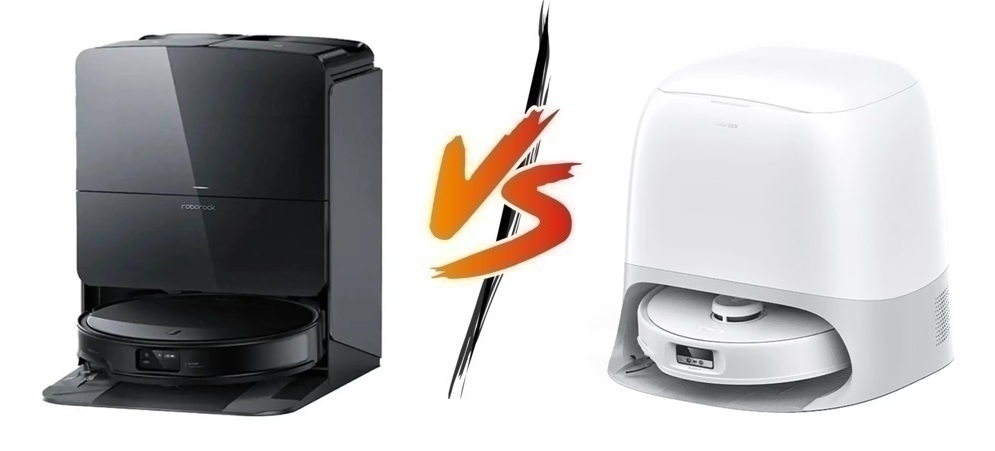
The choice between the Roborock Saros 10R and the Roborock Qrevo Curv is more complicated than just comparing suction figures or docking station designs. Both are premium robot vacuum-and-mop systems that take a lot of routine floor cleaning off your hands. Both can map a home, navigate around obstacles, vacuum hard floors and carpets, wash their mops automatically, and return to a dock that handles much of the unpleasant maintenance.
The interesting part is how they approach those tasks differently.
The Saros 10R is more ambitious and focused on engineering. It has a low-profile robot, advanced obstacle recognition, a redesigned navigation system, and a docking station that automates more of the cleaning. It’s aimed at households where furniture clearance, complex layouts and minimal intervention matter just as much as raw cleaning power.
The Qrevo Curv takes a different approach. It combines powerful vacuuming, an effective dual-spinning-mop system, an anti-tangle brush, and a curved docking station. It’s designed to make everyday cleaning more convenient without necessarily pushing every aspect of robot-vacuum engineering to the same extreme as the Saros line.
Neither is just a budget alternative to the other. Both are premium products that make a strong case for replacing a conventional vacuum for regular floor maintenance.
There’s also an important distinction between specifications and real-world performance. A robot can have impressive suction but still struggle with deep carpet fibers. A sophisticated camera system can identify obstacles without always navigating around them perfectly. A self-cleaning dock can save work but still requires filter cleaning, brush inspection, and dealing with stubborn dirt.
This review examines both machines as products you would actually live with, rather than treating their specification sheets as the final word. It also considers carpet deep cleaning, edge coverage, accessibility, ownership costs, software support, and the limitations of replacing a conventional upright vacuum.
One thing to note upfront: the analysis distinguishes published hardware characteristics from likely practical advantages and aspects that depend on independent testing or your particular home. It’s not a claim that every performance difference below has been established by a controlled, head-to-head laboratory test.
Roborock Saros 10R vs Roborock Qrevo Curv Comparison Chart
If you click the links below, under the product images, you will be redirected to Amazon.com. In case you then decide to buy anything, Amazon.com will pay me a commission. This doesn’t affect the honesty of this review in any way though.
| Category | Roborock Saros 10R | Roborock Qrevo Curv |
|---|---|---|
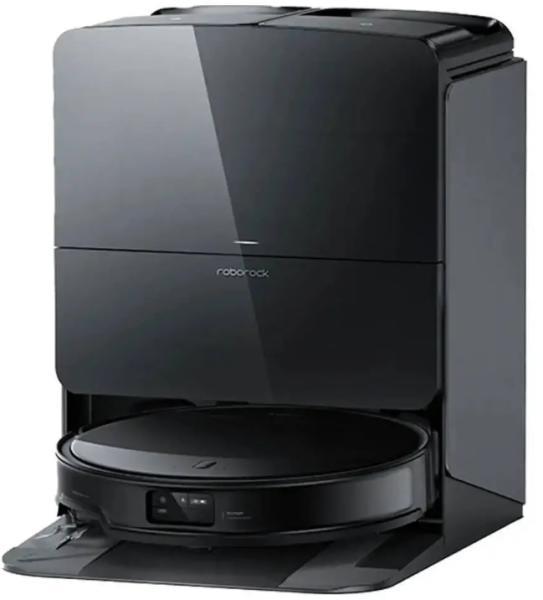 | 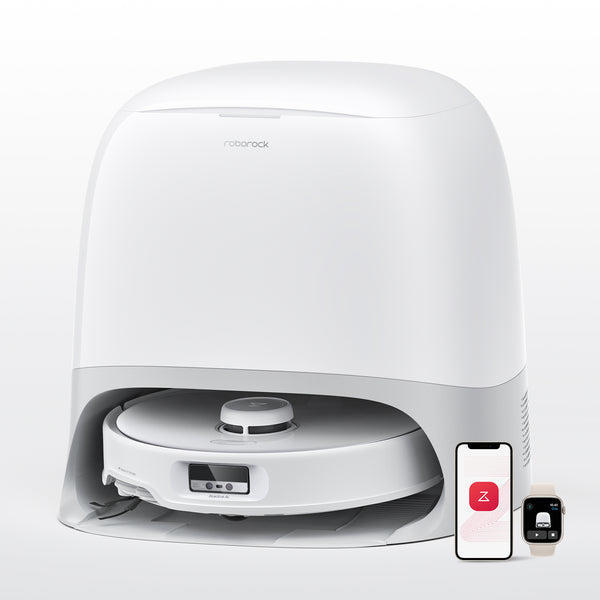 | |
| Check the best price on Amazon | Check the best price on Amazon | |
| Overall positioning | More advanced flagship-style model focused on maximum automation | High-end model focused on strong performance and value |
| Design | Slim, low-profile body designed to reach under more furniture | Taller, more conventional design |
| Navigation | Advanced navigation and obstacle recognition | Excellent LiDAR navigation and obstacle avoidance |
| Mapping | Detailed multi-level mapping with sophisticated room recognition | Detailed LiDAR-based mapping and room management |
| Obstacle avoidance | Excellent, particularly around clutter and household objects | Very good |
| Vacuuming | Excellent everyday cleaning with strong debris and pet-hair pickup | Excellent, with particularly strong advertised suction |
| Maximum suction | Up to 19,000 Pa | Up to 18,500 Pa |
| Main brush | Anti-tangle dual-roller design | Anti-tangle dual-roller design |
| Hard floors | Excellent | Excellent |
| Carpets | Very good for maintenance cleaning | Very good for maintenance cleaning |
| Pet hair | Excellent | Excellent |
| Edge cleaning | Strong edge and corner coverage | Strong edge coverage |
| Under-furniture cleaning | Major advantage because of its lower profile | Good, but limited by its taller body |
| Mopping | Advanced dual rotating mop system | Dual rotating mop system |
| Edge mopping | Excellent, with extending mop technology | Excellent, with extending mop technology |
| Mop lifting | Yes | Yes |
| Mop management | More sophisticated, including automatic mop removal at the dock | Advanced automatic mop management |
| Mop washing | Automatic | Automatic |
| Mop drying | Automatic | Automatic |
| Hot-water mop washing | Yes | Yes |
| Self-emptying | Yes | Yes |
| Dust management | Highly automated | Highly automated |
| Dock | Multifunction dock with extensive automated cleaning functions | Multifunction dock with automated cleaning functions |
| Maintenance | Low for a robot vacuum, although brushes, filters, mop pads and dock still need periodic attention | Similarly low-maintenance |
| App | Extensive room, map, scheduling and cleaning controls | Extensive room, map, scheduling and cleaning controls |
| User-friendliness | Excellent, although there are more advanced features to learn | Excellent and slightly more straightforward |
| Smart-home features | Extensive | Extensive |
| Battery management | Automatic recharge and continuation of cleaning | Automatic recharge and continuation of cleaning |
| Noise | Reasonable during normal cleaning; dock emptying is noticeably louder | Reasonable during normal cleaning; dock emptying is noticeably louder |
| Pet households | Exceptional, particularly for homes with multiple pets or clutter | Excellent |
| Best for | Large, complicated homes, pets, mixed flooring and maximum automation | Users wanting premium performance and automation without stepping up to the Saros 10R |
| Main strength | Overall sophistication, navigation, access and automation | Excellent balance of cleaning performance, features and usability |
| Main weakness | Higher-end positioning and greater feature complexity | Taller body and slightly less sophisticated overall system |
| Overall winner | Winner | Excellent alternative |
| My individual reviews | Roborock Saros 10R review |
Bottom line
Roborock Saros 10R: The better overall machine if you want the most advanced navigation, easier access under furniture and a highly automated vacuum-and-mop system.
Roborock Qrevo Curv: The better choice if you want excellent vacuuming and mopping performance with extensive automation but don’t necessarily need every refinement offered by the Saros 10R.
For most demanding households, especially those with pets and complicated floor plans, I’d pick the Saros 10R. The Qrevo Curv remains the more compelling alternative when value and simplicity are higher priorities.
Design & Build Quality
Comparing the Roborock Saros 10R and the Qrevo Curv reveals they represent two slightly different ideas of what a premium robot vacuum should be.
The Saros 10R is designed around engineering efficiency. It makes the robot smaller, thinner, and more capable of getting into awkward spaces by moving complexity into its sensors and docking system. The Qrevo Curv takes a conventional approach, but with a polished design and a substantial multifunction dock.
Neither feels cheaply made. Both are designed to remain visible in your home and look like premium electronics, not just cleaning equipment. But the differences become more interesting when considering how their design affects everyday cleaning.
Roborock Saros 10R: a genuinely useful redesign
The Saros 10R’s biggest advantage is its height. At roughly 8 cm tall, it’s slimmer than the Qrevo Curv, which is around 10.3 cm tall.
That doesn’t sound dramatic on paper. In a real home, two centimetres can determine if the robot can clean beneath a sofa or bed.
This specification has a direct connection to everyday usefulness. Many robot vacuums can navigate around furniture but can’t get underneath because their navigation hardware creates a raised section. The Saros 10R approaches this differently. Its StarSight navigation system eliminates the need for the familiar raised LiDAR turret, allowing Roborock to build a much flatter machine.
That makes the Saros 10R particularly attractive if you’ve furniture with limited floor clearance. Instead of pulling a sofa forward, the robot can do the job itself.
Clearance needs to be measured carefully. The advertised height of the robot isn’t the only consideration. The underside of the furniture must be clear, and furniture with low crossbars or awkward supports can prevent access.
This is a meaningful advantage, not just cosmetic.
The low-profile body changes the robot’s visual character. Without a large sensor turret, the Saros 10R looks flat and clean. It’s more understated than many LiDAR-equipped robot vacuums.
That flat shape also contributes to one of the machine’s most appealing characteristics: it looks deliberately designed rather than simply assembled around a collection of sensors.
The Qrevo Curv: conventional architecture with a distinctive exterior
The Qrevo Curv uses a raised LiDAR turret. This makes the robot taller, giving it a recognisable silhouette.
This turret isn’t a disadvantage. LiDAR has been used successfully in robot vacuums, and the Curv’s navigation hardware builds detailed maps and plans cleaning routes.
That robot occupies more vertical space.
If your furniture has generous clearance, it may not matter. In a room with a sofa having a 15 cm gap, the difference between the machines becomes almost irrelevant. The Curv can comfortably navigate underneath, and there’s little reason to care that the Saros is thinner.
This is important when evaluating the designs. The Saros 10R’s lower profile is excellent, but its value depends on your home.
The Qrevo Curv has a distinctive visual identity. The name isn’t accidental. The curved styling gives the system a softer appearance than typical docks.
That matters more than it might initially seem.
Robot vacuums are unusual because you don’t put them away after use. This dock generally occupies a permanent location in a hallway, kitchen, living room or utility space. Its appearance becomes part of the room.
The Curv attempts to make its presence look intentional.
The docking stations are part of the design story
When comparing these products, it’s easy to spend all the attention on the circular robot and forget about the dock. That’s a mistake.
That dock is half the product with premium robot vacuums.
Both use large multifunction stations for tasks like charging, dust collection, and mop washing. You’re not buying a small vacuum with a charging cradle. You’re buying a complete floor-cleaning system.
The Qrevo Curv’s dock is striking due to its curved shape. It looks substantial, but it also has a more furniture-like appearance than many conventional docking stations.
The Saros 10R’s dock is functional. Its design centres around tasks like washing mop pads, drying, and managing transitions between vacuuming and mopping.
The emphasis is appropriate because the Saros aims to reduce manual involvement.
Both docks introduce a practical consideration: they need space.
You need room not only for the robot to approach the dock, but also for you to access water tanks, remove the dust bag and perform occasional maintenance. A dock in a narrow corner may fit but become irritating.
I’d therefore measure the entire docking area before buying either machine, rather than measuring only the robot.
Materials and overall construction
Both robots have build quality that matches their premium positioning. The outer shells are mostly plastic, which is what you’d expect from a lightweight appliance that needs to move around without damaging furniture.
This isn’t a criticism. Heavy metal isn’t beneficial for robot vacuums. What matters is how the panels fit, how the moving parts work, and if the machine feels solid.
The Saros 10R’s mechanical package is particularly sophisticated. It has a low-profile architecture, movable cleaning parts. And advanced sensors that need to be carefully integrated into a compact body.
The Qrevo Curv is also complex, especially with the dock and mopping system. Don’t let the curved exterior fool you, the machine isn’t simple.
In both cases, the parts you interact with regularly are more important than the exterior.
The dustbin, filters, brush, mop attachments, wheels, and water tanks should be removable and replaceable without making maintenance feel like disassembling.
Good product design matters more than premium materials here.
A robot vacuum can look great but still be frustrating if hair gets trapped in a hard-to-reach spot or removing the filter is awkward.
Brush design is also part of build quality
Both models use Roborock’s DuoDivide main-brush concept, which is split. This is more than just a styling detail.
Traditional roller brushes can accumulate long hair around the centre and ends, creating a gradual maintenance problem. The split brush arrangement reduces this by directing hair and debris to the suction path.
For homes with long hair or shedding pets, this type of design can make a noticeable difference.
You’ll still need to touch the brush. Hair can wrap around bearings, wheels, and moving parts. Reducing the hair that gets wound around the main roller is a small improvement that makes owning a robot vacuum nicer.
The Saros 10R focuses on anti-tangle behaviour in its cleaning system. The Qrevo Curv takes a similar approach, so there’s no big gap.
Wheels, movement and physical confidence
Robot vacuums deal with more than just flat floors. They encounter thresholds, rugs, cables, uneven surfaces, and flooring changes.
Both machines have substantial wheels and systems to help with floor transitions.
Premium construction shows here. A robot that feels hesitant when crossing a doorway or gets stuck on a thin rug quickly becomes annoying, regardless of how impressive its app happens to be.
The Saros 10R’s design gives it an advantage under furniture due to its lower height.
The Qrevo Curv’s taller architecture means it needs more clearance, but it’s not fragile or incapable. In a normal home with accessible furniture, it should have no trouble moving between rooms.
Design versus practical engineering
The biggest compliment I can give the Saros 10R is that many of its most interesting design choices solve actual problems.
A thinner robot isn’t just thinner for looks. It can fit under more furniture.
A more integrated sensor arrangement is impressive, but not just for the tech. It helps Roborock avoid the height issue with a standard LiDAR turret.
Sophisticated mop handling isn’t just another app feature. It can reduce the number of times you need to manually remove or clean components.
The Qrevo Curv is less radical, which isn’t necessarily bad.
Refining a proven robot-vacuum architecture has its benefits. The raised LiDAR system is familiar, the robot has a substantial cleaning system and the dock handles the repetitive jobs that owners generally don’t want to do themselves.
The Curv feels like a mature premium appliance, while the Saros 10R feels like Roborock tried to rethink traditional robot vacuum limits.
Which one would I rather have in my home?
I’d rather have one thing in my home than the other.
Design and build are key factors for me, and the Saros 10R stands out in these areas, it’s the one I’d choose based on these criteria.
I don’t think the Saros looks that much better, and both are actually pretty attractive. What matters to me is that the Saros’s design makes more sense for how I want a robot vacuum to work.
I want the device to fit under furniture, so it can clean without issues. It should spend most of its time cleaning, not waiting for me to move things around. A large sensor turret would get in the way, and that’s not what I need.
I’d prefer it to just work around furniture, and not have a big sensor system that decides what it can and can’t reach.
The Qrevo Curv remains a great option for homes with ample furniture clearance, given its sleek design and curved dock, which sets it apart. Its traditional architecture also holds its own.
I expect physical versatility when I’m buying a premium robot vacuum.
The design verdict is final
The Qrevo Curv is attractive and well-designed, and it’s a premium robot vacuum system, but from an engineering standpoint, the Saros 10R is more interesting.
The low-profile construction of this robot vacuum is more than just a design choice. It’s a solution to a common problem, getting under furniture, which has long been a physical limitation for these devices.
The Curv counters with a mature design and strong construction, and its docking station is particularly polished. Its taller body is less of an issue if your furniture has plenty of clearance.
The Saros 10R stands out to me in this category, demonstrating a clearer understanding of a robot vacuum’s physical design. It’s compact and unusually low, designed to fit into the home, rather than forcing the home to accommodate it.
The Qrevo Curv isn’t poorly designed, in fact, it’s a highly capable premium machine. What’s interesting is that the Saros has identified a physical limitation of the Curv that’s worth redesigning around, and that’s what makes the comparison between these two devices notable.
Saros 10R takes the top spot for Design & Build Quality.
Navigation Intelligence & Mapping
Navigation is one of the areas where a robot vacuum either feels genuinely intelligent or quickly becomes an expensive appliance that needs babysitting. It shouldn’t just move around until it’s covered most of the floor. It needs to know where it’s, understand the shape of the room, recognise furniture and obstacles, choose sensible routes, return to its dock reliably and recover gracefully when something changes.
Both the Roborock Saros 10R and Qrevo Curv handle this well, and they take different approaches.
Qrevo Curv uses a traditional LiDAR navigation system, and the Saros 10R uses Roborock’s StarSight 2.0 sensor architecture. The Saros also benefits from its flatter body, which is directly related to the way its navigation hardware has been integrated.
The Saros 10R looks more sophisticated on paper. In practice, however, the difference depends heavily on the home it’s cleaning. In a relatively uncluttered apartment, the Qrevo Curv can already navigate impressively well. Put either robot in a home with chair legs, toys, cables, pet bowls, shoes, and furniture with awkward clearances, and the Saros makes a stronger case for itself.
How robot-vacuum navigation actually works
It’s useful to separate two things that are often lumped together under the word “navigation”: mapping and obstacle avoidance.
Mapping is about understanding the space.
It needs to find walls, furniture, and other permanent features, create a representation of the rooms and figure out what it’s already cleaned. This lets it clean the kitchen without repeatedly driving through the same floor section.
Obstacle avoidance is another problem.
A map might tell the robot that there’s a dining table in the room, but it won’t show a shoe, charging cable, or toy left under the table five minutes ago.
A good robot needs both strong mapping and good real-time perception.
This distinction is important when comparing the Saros 10R and Qrevo Curv. Both can create sophisticated maps. The Saros’s biggest advantage is how it handles less predictable environments.
Qrevo Curv: proven LiDAR navigation
Qrevo Curv uses PreciSense LiDAR navigation. The sensor turret on top scans the environment and gives the robot a detailed understanding of its position and surroundings.
This approach to robot-vacuum navigation is mature and remains popular.
LiDAR doesn’t depend entirely on visible light, which makes it particularly useful for creating maps consistently as the robot moves around a home. The robot can determine distances to walls and objects and use those measurements to construct a navigable map.
This works extremely well for typical homes.
During an initial mapping run, the Curv can move through the available rooms, identify their boundaries and establish a usable layout. Once the map has been created, the robot can divide the home into rooms and clean them individually or as part of a whole-house routine.
This makes a modern robot vacuum feel different from an older random-navigation model.
Instead of bouncing around the room until its battery runs low, the Curv can make deliberate passes across the floor. It knows which areas it has already covered and can plan its route accordingly.
The Curv’s navigation is more than adequate for open-plan apartments with clear floors.
In fact, I suspect many owners would struggle to notice a dramatic difference between the two robots during ordinary cleaning.
Saros 10R: StarSight 2.0 changes the physical design
With StarSight 2.0, the Saros 10R takes a different approach.
What’s most interesting about the navigation system isn’t what it does. It’s what it allows Roborock to do with the robot’s physical design.
The Qrevo Curv has a raised turret, which is typical for traditional LiDAR navigation. The Saros 10R integrates its sensing hardware differently, allowing the robot to remain considerably flatter.
That has two effects.
Obviously, the robot can fit under lower furniture now.
The second is less obvious: the navigation system can be built around a more thorough set of sensing technologies rather than relying on a single dominant sensor architecture.
StarSight 2.0 combines 3D time-of-flight sensing with additional perception technologies to understand the environment around the robot.
It’s not just about making a prettier map. It’s to give the robot more information about what’s immediately around it.
This is especially useful when the robot encounters objects not in its original map.
Obstacle avoidance is where the Saros starts pulling away
Running the vacuum in a family living room is a good example.
The robot has already mapped the sofa, coffee table and dining table. Those are easy.
Add a pair of shoes, a charging cable, a toy under the table, and a pet bowl that’s been moved slightly.
The map doesn’t know about all of those things.
Real-time obstacle recognition matters here.
The Saros 10R can identify and avoid many everyday objects. The sensor package recognises objects in the robot’s path and adjusts its route.
This makes the Saros attractive to people who don’t want to inspect the floor before each cleaning.
The Qrevo Curv can also navigate around objects. It also has obstacle-recognition capabilities and is capable of navigating around many common objects. The Saros is more advanced.
There’s a key difference between recognising an object and never running into it.
No consumer robot vacuum should be treated as infallible.
A thin black cable on a dark floor is hard for vision systems to detect. A small object partly hidden under furniture can also be challenging. An object that moves after the robot has already passed through the area obviously won’t appear on its original map.
The Saros helps with these issues. But it doesn’t eliminate them completely.
That value of better obstacle avoidance is bigger than it first appears
Obstacle avoidance seems like a convenience at first.
In reality, it can affect whether you trust the robot enough to leave it running unattended.
If a robot regularly becomes trapped on charging cables, bumps into objects or gets stuck around furniture, you eventually stop treating it as an autonomous cleaner. You start preparing the room instead.
That defeats the purpose of a robot vacuum.
The Saros 10R’s obstacle intelligence has a cumulative effect. Even if it only avoids a few more objects during each cleaning cycle, those small improvements can mean fewer interruptions over hundreds of cleaning runs.
This kind of matters in homes with kids and pets where the floor is always changing.
A minimalist living room is easy to navigate. Family homes aren’t.
Mapping accuracy and room recognition
Both robots are capable of producing detailed maps that can be divided into individual rooms.
It’s one of the most useful features in the entire robot-vacuum category.
With the map established, you don’t have to physically tell the robot where to go. You can select “kitchen” in the app and tell it to vacuum and mop that room.
You can also create different cleaning routines.
A kitchen, for example, might get daily vacuuming and regular mopping; a guest bedroom, though, might only be cleaned weekly.
It turns the robot into a scheduled household-maintenance system, not just a simple vacuum.
The Qrevo Curv is strong here, thanks to its LiDAR-based mapping, which provides a stable foundation for navigating rooms.
The Saros 10R offers the same concept, but with more sophisticated environmental perception.
Maps aren’t perfect initially
I wouldn’t expect a flawless map from either robot right after unboxing.
The first run is the robot learning your home.
You can move furniture. Doors can be open or closed. A chair can be pulled away from a table one day and pushed back the next.
The robot has to make sense of these changes.
So, it’s worth reviewing the map after the first run, rather than creating a lot of cleaning schedules right away.
You may find that a large room needs to be divided differently, that a doorway has been interpreted incorrectly or that two spaces need to be merged.
Once the map is corrected, the experience generally becomes much smoother.
Furniture recognition and dynamic environments
Permanent furniture is easy for a robot to handle.
A sofa doesn’t usually move.
A dining table doesn’t normally move.
A kitchen cabinet definitely isn’t going anywhere.
Dynamic furniture and temporary obstacles are more interesting challenges.
Dining chairs, for example. They might be pushed under the table during one cycle, pulled out during another.
The Saros 10R has an advantage in these situations, thanks to its mapping and real-time sensing. It can recognise a mismatch between the physical environment and the previous map, and adjust.
The Curv can do this, but the Saros operates with more detailed real-time information.
This is an area where the difference between the two robots is noticeable, though not dramatic.
Low furniture is also part of navigation
It’s tempting to classify the Saros 10R’s low profile under “Design & Build Quality”, but it belongs here as well.
Navigation is useful only if the robot can physically reach the area it identified.
The Curv might know about a large open section under your bed, but if its LiDAR turret makes it too tall, the map is no help.
The Saros 10R avoids this problem in many cases, thanks to its lower body.
This gives it useful navigation intelligence, not based on software.
Sometimes the smartest thing a robot can do is simply fit.
For homes with low sofas, beds and cabinets, this could be more valuable than a marginal improvement in map accuracy.
Navigating around walls and furniture
Both robots are designed to clean in a systematic way.
In an open room, the robot, the robot generally works through the available floor in systematic passes. It also has to deal with boundaries around furniture and walls.
This is important because the robot can cover a room but leave some areas untouched.
The Saros 10R cleans along edges and navigates. It can move close to boundaries which kind of helps it use the floor space more efficiently.
The Curv is also designed to clean edges and follow a system.
Neither should be expected to reach perfectly into every 90-degree corner. A round robot simply doesn’t have the geometry to do that.
The important thing is that both are designed to minimise the amount of floor left untouched instead of just moving around the center.
What if something goes wrong
A genuinely intelligent robot vacuum also needs to know what to do when its planned route becomes impossible.
Suppose a chair has been moved into a previously open section of floor.
A poor robot might repeatedly try to reach the same location.
A better one recognises the obstruction, moves around it and continues cleaning.
This kind of behaviour isn’t as impressive in a product demonstration as a dramatic sensor system, but it’s arguably more important over months of ownership.
The Saros 10R’s stronger environmental perception should make it better equipped for these situations.
The Qrevo Curv remains competent, but the Saros is the robot I’d trust more in a home where the floor layout changes regularly.
What about cables?
Cables are one of the classic enemies of robot vacuums.
They’re thin, flexible and often lie almost flush with the floor. They can also move when the robot touches them, making them difficult to model.
The Saros 10R’s obstacle-recognition capabilities give it a better chance of detecting cables and avoiding them, but don’t leave charging leads all over the floor.
There’s a practical limit to computer vision and 3D sensing.
The same applies to shoelaces, strings, ribbons and small pieces of fabric.
If something can easily wrap around a rotating brush, I would pick it up before starting the robot regardless of which model you’re using.
Navigation in homes with pets create an more navigation challenge. Because they move around independently.
A dog can be lying in the middle of a room during one cleaning cycle and standing in the doorway during another. A cat can leave toys, food bowls and other objects in places where they weren’t present during mapping.
The Saros 10R’s advanced perception is especially useful here.
It’s not just about avoiding objects that don’t move. It’s about understanding that the world can change.
That robot can’t replace supervision around young pets or accident-prone animals. But the Saros works well in unpredictable environments as a general-purpose autonomous cleaner.
Multi-floor navigation
Since neither robot can climb stairs, multi-floor homes need some manual help.
You can carry the robot upstairs, let it clean, and then return it to its charging station or carry it back down.
The software configuration affects multi-map functionality and behaviour, but the robot can’t move between floors in any case.
This is an area where the robot’s intelligence can’t make up for its hardware limitations.
If your home has several floors, consider whether you would realistically move the machine between them. In a large multi-storey house, having a robot permanently assigned to each floor can make more sense than repeatedly carrying one unit around.
Navigation versus cleaning performance
Navigation and cleaning quality are also closely related.
A robot with great suction can still disappoint if it doesn’t cover the floor well.
On the other hand, a robot with less aggressive cleaning power can do extremely well if it cleans the whole area daily.
Frequency is also a factor.
If a robot runs daily, it doesn’t need to get every particle from the carpet at once. It just needs to keep the dirt under control with repeated cleaning.
Reliable navigation is extremely valuable because of this.
The Saros 10R has a strong advantage as a maintenance cleaner since it can navigate around obstacles, enter low spaces, and plan its routes.
The Curv is also good at this. Its navigation system is mature, so I wouldn’t call it a major weakness just because the Saros is new.
Which one is smarter?
Give me navigation intelligence. And the Saros 10R wins.
Its advantage comes from the combination of several things rather than one magic feature.
It has a lower body, more advanced environmental sensing, better obstacle recognition and a navigation system that works without a traditional LiDAR turret.
The Qrevo Curv remains highly capable. It has proven LiDAR mapping, effective route planning, and obstacle avoidance that’s good enough for many homes.
This difference matters more in complicated environments.
If your floor is usually clear, your furniture has plenty of clearance and you simply want the robot to vacuum and mop on a schedule, the Curv may feel almost as intelligent.
But with lots of furniture, pets, kids, cables, and changing obstacles, the Saros 10R is a safer choice.
Navigation verdict
The Qrevo Curv doesn’t need constant rescuing. Its LiDAR navigation gives it a strong understanding of the home, and for straightforward layouts it can be remarkably efficient.
The Saros 10R takes it further.
It doesn’t just try to understand where it’s. It’s designed to understand more of what’s around it while physically fitting into more of the spaces it needs to clean.
That’s the difference I would care about as an owner.
A perfect map is useless if the robot can’t fit under the sofa. A great route-planning algorithm doesn’t help if the robot gets caught on a cable. And obstacle recognition is most valuable when it prevents problems without needing your help.
The Saros 10R therefore wins this category, but with an important qualification: its superiority is most apparent in complicated homes. In a clean apartment with plenty of clearance, the Qrevo Curv’s navigation is good enough that the Saros may not be worth the extra cost.
For households that want a robot that can understand and adapt to changing environments, the Saros 10R is more convincing.
Vacuuming Performance
The Saros 10R and Qrevo Curv’s impressive technology really matters when it comes to vacuuming performance. A robot can have excellent mapping, a beautiful docking station and an app full of clever features but if it leaves crumbs behind, struggles with pet hair or fails to clean carpets properly, none of that sort of matters very much.
The good news is that both machines are serious vacuum cleaners rather than robots that happen to pick up a little dust. They’re designed for frequent, automated floor maintenance, and that distinction is important. Their biggest advantage isn’t that they can replace a powerful upright vacuum in all situations. It’s that they can clean your floors repeatedly without you having to think about it.
Both robots work well on hard floors and with everyday debris and pet hair. The differences between them are more noticeable on carpets, with bigger debris, at edges, and where dirt gets stuck.
Suction power is only part of the story
When comparing robots, it’s easy to mistake the one with the highest suction number as the best cleaner.
The Qrevo Curv’s maximum suction of 18,500 Pa sounds impressive. It’s one of the headline specifications of the machine.
But suction pressure doesn’t tell the whole story of how well it cleans.
How much dirt is picked up depends on airflow, intake shape, brush floor contact, debris agitation, and movement.
Think about sweeping a kitchen floor with a conventional vacuum. If the head is high above the floor, strong suction won’t necessarily work well. The same idea applies to robots.
The Saros 10R isn’t worse just because its specs don’t compare directly to the Curv’s for Pa.
I care about how they handle real household messes.
Hard-floor cleaning
This is the environment in which both robots make the strongest case for themselves.
Hard floors don’t trap debris like carpets do. Dust, crumbs, hair, and small particles stay on the surface, making them easier for robots to pick up.
The Saros 10R is good at maintenance cleaning.
Its systematic navigation means it can work across a room in organised passes rather than repeatedly crossing the same areas. Its main brush and suction system then collect the debris as it moves.
The Qrevo Curv works similarly.
After dinner, on a normal kitchen floor, I don’t expect a big difference between the two. Both should pick up crumbs, dust, and everyday debris well if set up right.
The bigger difference is in how well they can reach dirty areas.
The Saros 10R’s lower profile lets it get under more furniture, giving it an advantage when dust builds up under beds, sofas, or cabinets.
The Qrevo Curv can only clean those areas if its taller body fits.
So, the Saros 10R can sometimes make a home cleaner without being much more powerful. It just reaches more floor.
Fine dust
Fine dust is an important test, even if it’s not as noticeable.
Crumbs are noticeable. Dust isn’t noticeable.
A floor can look clean but still have a lot of fine dust, especially around furniture, under beds, and along room edges.
Regular automated cleaning is especially useful here.
If you run the Saros 10R daily, it can clean before the floor looks dirty. It can remove small amounts of dust before they build up.
The Qrevo Curv has the same basic advantage.
This is one reason I wouldn’t obsess over which robot wins a single-pass dust test. The real value of a robot vacuum is in repeated cleaning.
A conventional vacuum might produce a deeper clean during one intensive session, but if you only use it once a week, the robot may keep the floor visibly cleaner during the rest of the week.
Often, the best approach is to have the robot do frequent maintenance and use a regular vacuum for deep cleaning occasionally.
Larger debris and crumbs are a challenge
Brush design is particularly important for larger debris.
Cereal pieces, rice, dried pasta fragments, or crumbs left around a dining table are a problem. The robot must get debris into its cleaning path, not just push it around.
The Saros 10R and Qrevo Curv use a split main-brush arrangement to guide debris toward the suction inlet.
This design makes sense because large debris doesn’t behave like fine dust. A roller can sometimes push larger particles forward or scatter them sideways.
Side brushes on the robots help pull debris from around furniture and room boundaries into the main path.
The Saros has another advantage here because its navigation and obstacle avoidance can allow it to approach cluttered areas more confidently.
If a dining chair has been moved slightly or there are objects around the table legs, better navigation can mean more complete coverage.
Pet hair
Pet hair is probably one of the most useful tests of a robot vacuum’s everyday usefulness.
With a shedding dog or cat, the floor can look clean in the morning but be furry by evening.
Both robots have anti-tangle brush systems to address this problem.
The split brush arrangement is useful because long hair can wrap around a conventional roller and interfere with performance.
Neither robot is immune to hair tangles. Long human hair and fine pet fur can accumulate around brush ends, wheel assemblies, and moving parts.
But reducing hair that forms a tight bundle around the main brush is an advantage.
Both robots should perform well as maintenance cleaners for pet owners with mostly hard floors.
The Saros 10R gets an additional advantage when pet hair collects underneath furniture because its low profile gives it access to areas where the Qrevo Curv may not fit.
Carpet cleaning
Carpet is where the comparison becomes much more complicated.
A carpet isn’t a flat surface with dirt on top. Fibres can trap dust, hair, crumbs and other particles beneath the visible surface.
This robot needs more than suction.
It needs brush agitation, adequate airflow, and contact with the carpet to disturb embedded debris.
The Qrevo Curv’s high suction makes it impressive on paper, and it should handle low- and medium-pile carpet maintenance.
The Saros 10R increases cleaning intensity when needed and makes systematic passes across carpeted areas.
Neither, however, should be confused with a specialised upright vacuum equipped for deep carpet cleaning.
For a thick, dense carpet that hasn’t been cleaned in months, an upright or canister vacuum is still the better choice.
Robots prevent carpet from reaching that state.
That distinction is important.
The Saros 10R and Qrevo Curv are great maintenance cleaners. Their strength is repeated cleaning, not necessarily maximum extraction during a single deep-cleaning session.
Rugs are another challenge
Area rugs are an interesting test because they combine problems.
The robot must recognise the surface change, climb onto the rug, maintain traction, avoid dragging mop pads, and deal with fibre resistance.
Both robots handle common rugs and floor transitions.
Their ability to lift mop assemblies is useful when vacuuming and mopping in one session.
But rug characteristics still matter.
A flat, tightly woven rug is easy.
A thick shag rug with loose fibres and fringes is harder.
Fringe can entangle in rotating components, and thick pile can make movement harder.
This isn’t unique to either model. It’s a limitation of robot vacuums.
For expensive or delicate rugs, restricted areas may be necessary rather than relying on the robot.
Edge cleaning
Robot vacuums are at a disadvantage in corners.
Their bodies are round, while the corners of rooms are usually square.
Even with clever navigation, a circular machine can’t fit into a 90-degree corner.
Both models use extending side-brush technology and edge-focused cleaning to address this.
The Saros 10R’s advanced platform gives it an edge, and the Qrevo Curv is designed to get close to walls and furniture too.
This is especially important around kitchen cabinets.
Crumbs and dust accumulate along cabinet edges, where standard robots can leave a visible strip.
The extending mechanism reduces this gap.
It’s not as precise as manual cleaning, but it’s a big improvement for automated maintenance.
Cleaning under furniture
This is where I would give the Saros 10R one of its clearest advantages.
The Saros 10R’s low height lets it reach under furniture the Qrevo Curv can’t.
This can have a surprisingly large impact on the overall cleanliness of a home.
Dust bunnies and pet hair often accumulate underneath beds and sofas precisely because those spaces are awkward to clean manually.
If the robot can reach, it cleans them normally.
If not, they’re manual jobs.
The Curv is not poorly designed. Its LiDAR architecture is just taller.
If your home has low furniture, this is a real advantage. You may notice this every week.
Cleaning around furniture legs
Furniture legs are another challenge.
A robot needs to get close without bumping or getting trapped.
The Saros 10R’s obstacle perception helps.
It can identify objects and adjust its route rather than treating every obstruction as a wall.
The Qrevo Curv navigates around furniture, but the Saros has more information.
The Saros won’t clean every tiny area. In fact, densely packed chair legs can be difficult for any robot.
But the overall route planning should be more adaptable.
Cleaning consistency
One of the Saros 10R’s biggest practical advantages is consistency.
Conventional vacuums rely on you.
When you’re tired, busy, or away, the floor won’t get cleaned.
A robot can operate according to a schedule.
That means the question isn’t simply “Which robot gives the deepest clean?”
It’s also “Which robot keeps the floor cleaner over the course of a week?”
Both score high here.
The Qrevo Curv is capable of regular automated cleaning without requiring constant supervision. And the Saros 10R adds better navigation and access to tough spaces.
Over weeks and months, those differences can matter more than a small variation in single-pass pickup.
Vacuuming performance with pets
Pet owners probably gain the most from these machines.
Hard-floor pet hair is exactly the kind of mess a robot is good at dealing with. You can run it daily, instead of waiting for the floor to be covered.
The Saros 10R is appealing in pet households because pets create unpredictable obstacles and hair.
A dog toy can appear in the middle of a room. A food bowl can be moved. A blanket can fall onto the floor.
The Saros’s obstacle recognition helps it cope.
The Qrevo Curv can also navigate around many household objects, but I’d give the Saros the advantage in a genuinely busy pet home.
What neither robot does perfectly
Some things aren’t expected to be handled flawlessly by either machine.
Neither is great on stairs.
Neither can clean upholstery.
Neither can reach every narrow crevice.
Neither should be expected to deep-clean thick carpet as effectively as a good upright vacuum.
Neither should be trusted to deal with every loose cable, string or small object.
And neither should be sent over a wet spill or pet accident simply because it has a mop function.
These aren’t necessarily weaknesses. They’re reminders that robot vacuums are designed around autonomous floor maintenance rather than being universal cleaning appliances.
Which one cleans better?
I’d give the Saros 10R a narrow advantage in overall vacuuming performance, not because it overwhelms the Qrevo Curv in suction.
That reasons are access, navigation, and consistency.
The Saros can reach underneath more furniture, can respond more intelligently to obstacles and is designed to combine those capabilities with strong everyday debris collection.
The Qrevo Curv is still very capable. Its suction, anti-tangle brush, and navigation make it strong.
In an open home with hard floors, the cleaning difference won’t be huge.
On carpets, I’d be even more cautious about declaring a clear winner. Neither changes carpet cleaning physics, and both are better as maintenance cleaners.
Final vacuuming performance verdict
The Saros 10R wins this category, but the victory is more nuanced than a specification sheet might suggest.
The Qrevo Curv is excellent at collecting daily dust, crumbs, hair, and debris from hard floors. Its suction and anti-tangle brush make it a strong cleaner.
The Saros 10R adds something arguably more valuable: it can make better use of its cleaning ability.
It can get under more furniture. It can navigate more intelligently around obstacles. It can repeatedly clean areas that are otherwise easy to neglect.
That makes the Saros convincing as a daily maintenance machine.
If your home is mostly hard flooring, has pets and contains furniture with limited clearance, I’d choose the Saros 10R.
If your home has open floors, plenty of clearance and you’re primarily looking for strong automated vacuuming at a potentially lower price, the Qrevo Curv remains an excellent choice.
Neither robot should be judged solely on its maximum suction. That best vacuum consistently gets to dirt, picks it up, and keeps doing so without supervision. On that definition, the Saros 10R has the stronger package.
Mopping Capability
Mopping is one of the areas where premium robot vacuums have changed the most. A few years ago, the “mop” function on a robot vacuum often amounted to attaching a damp cloth underneath the machine and hoping that repeated passes would remove enough dirt to make the feature worthwhile.
The Saros 10R and Qrevo Curv belong to a much more sophisticated generation. Both use rotating mop pads, automatically wash those pads at the dock and can manage water and drying without requiring you to intervene after every cleaning session.
This makes them genuinely useful for mopping floors, not just robots with a basic mopping feature.
But there’s still a difference between automated mopping and manual scrubbing. Neither robot can replace a bucket, mop, and elbow grease for tough messes
like dried food or sticky spills. What they can do exceptionally well is keep hard floors consistently clean so that those big cleaning jobs become less frequent.
The Saros 10R has a more advanced mopping system than the Qrevo Curv. The Qrevo Curv is close behind, and it may be enough for many households.
Dual rotating mop pads are key
This foundation of both systems is the use of two rotating mop pads.
This is a big improvement over the old flat-cloth method.
The pads rotate against the floor, rather than just dragging a wet cloth. This friction helps loosen dirt, marks, and residue.
The difference is noticeable on a hard kitchen floor.
A robot with a stationary cloth can remove loose dust and light marks, but struggles with dried footprints or greasy films.
Rotating pads are better at handling everyday messes.
The Qrevo Curv’s dual spinning mops can handle substantial routine cleaning. The Saros 10R uses a similar principle, but with a more advanced approach to positioning, lifting, and washing the mop.
Both machines can do real maintenance mopping, but the Saros 10R is more flexible.
What robot mopping is actually good at
It’s worth having realistic expectations.
Robot mopping is best for fresh or lightly dried messes.
Think about the marks left on a kitchen floor after cooking dinner. You might see water splashes, footprints, or a bit of food residue.
This is the kind of mess the Saros 10R and Qrevo Curv can handle.
The robot can vacuum, apply moisture, and make repeated passes. Because the process happens regularly, dirt doesn’t have as much opportunity to accumulate.
Frequency is arguably more important than mopping power.
A person might scrub the floor once a week. A robot can potentially mop it every day.
Even if the robot is less aggressive, it’s more consistent.
Qrevo Curv’s mopping system
Qrevo Curv is a strong mopping machine for its class.
Its dual rotating pads provide active scrubbing rather than passive wiping and its mop system can extend toward edges to improve coverage.
A round robot struggles to reach walls, so this is important.
You can end up with a strip of dirty floor around the room without an extending mop.
The Curv’s FlexiArm-style design reduces this problem by letting the mop reach closer to edges.
This small mechanical detail has a noticeable effect on the finished floor.
In a kitchen, for example, the dirtiest area may be immediately in front of the cabinets. A round robot would naturally leave a gap there too.
An extending mop makes the robot more useful in that situation.
The Saros 10R’s approach
Saros 10R takes this concept further.
Its mop system is designed around more sophisticated positioning and management, including the ability to lift and manage the mop assemblies according to the cleaning task.
This is particularly useful in homes with mixed flooring.
Imagine a downstairs floor with kitchen tiles, hardwood flooring, and several rugs.
This robot shouldn’t treat all those surfaces the same.
It needs to know when to mop, vacuum, or keep the mop pads away from carpets.
Saros is good at handling these transitions automatically.
Its ability to manage the mop components at the dock also means that certain vacuum-only cleaning routines can be performed without carrying the mop pads around underneath the robot.
That’s more significant than it sounds.
Mop lifting and carpets
Mop lifting is one of the most important features on any robot vacuum-and-mop combination.
Carrying wet mop pads over every surface would cause issues with carpets.
The Saros 10R and Qrevo Curv can lift their mop pads on suitable carpets.
It protects rugs from excess moisture and lets the robot vacuum and mop in one session.
But mop lifting isn’t a guarantee that all carpets will stay dry.
The robot’s behaviour depends on floor type, carpet height, software settings, and its approach to transitions.
I’d create a no-mop zone for valuable rugs, delicate materials, or thick carpets.
This isn’t a criticism of the Saros 10R or Qrevo Curv. It’s just sensible risk management.
Automatic mop removal
This is where the Saros 10R has a particularly interesting advantage.
Rather than merely lifting its mop assemblies during vacuuming, the system can remove them at the dock for applicable cleaning modes.
This creates a more complete separation between vacuuming and mopping.
If you’ve a home with a lot of carpet, this can be genuinely useful.
The robot can return to the dock, prepare itself for vacuuming and then go out without carrying damp mop pads underneath the body.
That pads aren’t against the floor while the robot maximises carpet cleaning.
The Qrevo Curv’s lifting system is still effective for ordinary mixed-floor homes, but the Saros has the more sophisticated solution.
Edge mopping
Edge coverage is tough on round robots.
Vacuuming uses a side brush, but mopping can’t reach right up against a wall.
The Saros 10R and Qrevo Curv use extending mop mechanisms.
It works well on straight walls and furniture edges.
That difference is noticeable in a kitchen.
Imagine a tiled floor where crumbs and dried splashes accumulate along the base of the cabinets. A round mop pad might miss a narrow strip. An extending pad can reach and scrub that space.
Neither robot can fully overcome geometry.
Deep 90-degree corners are still tough, and irregular skirting boards can prevent perfect contact.
Both machines are much better at edge mopping than early robot vacuums.
Mopping around furtniture
Mopping around furniture creates a similar challenge.
A mop that stays under the robot’s footprint can miss areas around table legs and cabinets.
An extending mop basically helps here because it can reach around the side of an obstacle without requiring the entire robot to move into the same space.
It’s especially useful around dining tables.
This floor beneath a dining table can become surprisingly dirty, but there are usually several chair legs and table supports preventing a robot from simply making one continuous pass.
The Saros 10R’s stronger obstacle awareness should help it position itself around objects.
The Curv is also capable, but the Saros’s combination of perception and mop flexibility gives it an advantage in complicated spaces.
Hot-water mop washing
The Saros 10R system has a notable feature: its heated mop-washing capability.
Hot-water washing serves a purpose beyond just looking good on the spec sheet.
Grease, food residue and dirt build up on mop pads during cleaning. Washing them with heated water can help loosen that contamination and leave the pads cleaner for the next section of floor.
This is particularly useful if you’re using the robot frequently.
Consider a large kitchen followed by a hallway and living room. If the robot used the same dirty mop pad for the entire route without returning to wash it, there would be a risk of spreading accumulated grime rather than removing it.
The robot can refresh the pads during cleaning with automatic washing.
The Curv also has automatic mop pad washing, so it’s not like the Saros has something the Curv doesn’t. The Saros just takes automation a step further.
Mop washing and self-cleaning are not the same thing.
This is an important distinction.
A dock can wash mop pads, but that doesn’t make the whole system maintenance-free.
Residue can build up in the dock’s washing tray. You still need to empty the dirty water. The clean-water tank needs to be refilled. Mop pads will eventually need replacement or a deeper clean.
With frequent mopping, the station can become dirty.
I would periodically inspect the washing area and clean it according to the manufacturer’s instructions.
This is especially important if the robot regularly encounters greasy kitchen floors or muddy footprints.
Mop drying and odour control
Automatic drying is another practical feature of these robots.
An enclosed dock with a wet mop pad is a breeding ground for unpleasant smells.
Both robots dry the mop pads after washing.
The Saros 10R’s more thorough dock gives it an advantage in overall automation, but the underlying principle is the same for both robots: clean the pads, then dry them instead of leaving them wet.
This is particularly useful if the robot runs frequently.
If you’re using it every day, the pads may spend more time in the dock than on the floor. Drying helps keep the cycle clean.
But the pads can still smell sometimes. If residue builds up, they may eventually need manual washing or replacement.
Water control
More water doesn’t always mean a cleaner floor.
I’d keep that in mind when using either machine.
Floors have different moisture tolerances. Some sealed tiles can handle substantial water without issue, while certain wood or laminate floors need much more careful treatment.
Both robots offer adjustable cleaning settings, so you can adjust moisture and intensity.
I’d start with conservative settings for delicate floors.
The goal should be to leave the floor clean and lightly damp, not soaked.
A robot that puts too much water down can potentially create problems around joints and edges, particularly if the floor isn’t designed for wet mopping.
Sticky stains and dried messes
This is where robot mops reach their limits.
If someone spills sugary juice and doesn’t clean it right away,
By the time the robot gets there, the liquid has dried into a sticky patch.
This rotating mop may soften and remove some of it, particularly if the robot makes multiple passes, but I wouldn’t expect a robot to perform the same kind of aggressive scrubbing as a person working directly on the stain.
Dried food is similar.
If there’s a piece of pasta sauce stuck to the floor, the robot may loosen it eventually, but manually removing the worst of the mess first is usually quicker.
That’s why I see robot mopping as maintenance, not restoration.
The robot’s job is to keep the floor from getting dirty, not to fix a floor that’s been neglected for months.
Pet households and mopping
Pet owners can get enormous value from automated mopping.
Dogs can leave muddy footprints when they come back from a walk. Cats can track litter away from their trays. Animals can also bring small amounts of dirt into rooms that otherwise stay relatively clean.
A robot that vacuums and mops every day can prevent those marks from accumulating.
The Saros 10R navigates better gives it another advantage here since pets often create obstacles.
However, I would never let a robot mop over a fresh pet accident.
That includes urine, faeces, vomit and other biological messes.
This robot could spread the contamination across a much larger area and turn a small cleanup into a major one.
Deal with the accident manually first.
How well they mop different floors
On sealed tile, both robots should be particularly effective.
Tile provides a durable, moisture-resistant surface that responds well to rotating mop pads.
Vinyl and other hard surfaces can also benefit, if the manufacturer says it’s okay to use water.
Hardwood requires more caution.
The question isn’t whether the robot can physically mop it. The question is whether your specific floor is designed to tolerate the amount of moisture being applied.
I’d follow the manufacturer’s instructions rather than assuming that a robot’s automatic water control makes every wood floor safe.
This same applies to laminate.
Which one scrubs better?
This is a difficult question to answer in absolute terms since it depends on the floor, stains, water, and passes.
The Saros 10R has the more sophisticated overall mopping system, considering it can remove, wash, and dry the mop, and manage it automatically.
The Qrevo Curv, however, is already an excellent mopping machine.
Its rotating pads and edge-oriented mop design mean that you’re getting genuine scrubbing action instead of just dragging a wet cloth around.
For everyday dirt, I wouldn’t expect the Saros to completely transform the results.
The differences become more meaningful when you’re dealing with complicated mixed flooring and you want it to decide when to mop, lift the pads, and return to the dock.
The importance of cleaning frequency
This may be the biggest advantage of both machines.
Imagine two kitchens.
In the first, someone manually mops the floor once every seven days.
In the second, a robot mops lightly every day.
The first cleaning might be more aggressive, but the second floor is likely to spend far more time in a clean condition.
That’s the real strength of automated mopping.
It doesn’t have to produce a perfect deep clean every time.
It needs to prevent dirt from accumulating.
This makes the Saros 10R and Qrevo Curv particularly compelling for busy households where cleaning is often postponed because nobody wants to do it.
Which mopping system would I choose?
I’d choose the Saros 10R if it didn’t cost too much more and I planned to use it a lot.
Its advantages aren’t limited to the actual mop pads. The complete system is more sophisticated.
This robot can manage the transition between vacuuming and mopping more intelligently, it can handle the mop assemblies automatically at the dock, and it navigates complicated floors better.
But I wouldn’t dismiss the Qrevo Curv.
If I lived in an apartment with mostly hard floors, a couple of rugs and a relatively simple layout, the Curv’s mopping system would probably be enough.
I’d get the main benefits of automated mopping without needing all the extras the Saros offers.
Final mopping capability verdict
The Saros 10R wins this category, but the Qrevo Curv deserves a lot of credit.
The Curv’s rotating mop pads, edge-reaching design, automatic washing and drying make it a genuinely useful mopping appliance. It isn’t merely a vacuum with a damp cloth attached to the underside.
The Saros 10R goes further by treating mopping as part of an integrated cleaning system. Its ability to manage the mop assemblies, protect carpets, wash the pads and coordinate vacuuming and mopping with its more advanced navigation makes it the more complete solution.
I’d particularly favour the Saros for a large family home, a pet household or any house with a complicated combination of hard floors and carpets.
For a smaller home with predominantly hard floors, the Curv may deliver nearly all the mopping performance you’ll actually notice.
That broader lesson is that neither robot should be bought because you expect it to replace a human deep-cleaning a dirty floor. They’re much better at something more useful: keeping the floor clean in the first place.
Run either machine frequently and the need for heavy manual mopping should drop substantially. The Saros 10R simply does that job with a little more intelligence, flexibility and automation, which is why I’d give it the overall edge.
Maintenance & Cleaning
What happens after the cleaning is finished is easy to overlook when buying a robot vacuum. The whole appeal of a premium robot is that it should reduce the amount of work you’ve to do. But if you’re still emptying the dustbin daily, washing the mop after each run, and untangling the brush constantly, convenience disappears.
The Saros 10R and Qrevo Curv are notable for this reason. Both are designed around the idea that the dock should handle as much routine maintenance as possible. They can collect dust, wash their mop pads, refill water and dry the pads automatically. The dock is not just a charging station. It serves as the robot’s service center.
The Saros 10R takes this further, but the Qrevo Curv is also low-maintenance. This difference is less about whether either robot requires maintenance and more about how much of that maintenance is automated, how easy the remaining jobs are and how well each system deals with hair, dirt and moisture over time.
Most daily work is done by the dock
The most important feature of both systems is their multifunction dock.
After completing a cleaning cycle, the robot can return to the station and automatically perform several tasks that would otherwise require human involvement.
The dock can empty the robot’s dustbin, wash the mop pads, manage clean and dirty water and dry the mop pads.
This changes the ownership experience.
With an older robot vacuum, finishing a cleaning cycle often meant opening the machine, emptying a small dust container and manually washing the cleaning cloth.
But doing this daily makes the novelty wear off quickly.
With the Saros 10R or Qrevo Curv, you can generally let the robot return to its dock and take care of the routine jobs itself.
While not maintenance-free, it turns daily chores into periodic tasks.
The dock also empties dust automatically
Automatic dust collection is probably the feature that has the biggest impact on convenience.
Both robots can return to their docks after cleaning and transfer the collected debris into a larger dust container or bag in the station.
That honestly means you don’t need to empty the small dustbin inside the robot after every run.
It’s especially useful for pet owners.
A shedding dog can quickly fill the robot’s internal dustbin. Without automatic emptying, you might have to check the robot after every cleaning cycle.
With the self-emptying dock, the robot can continue operating for considerably longer without intervention.
This also applies to households with kids, heavy foot traffic, or dusty carpets.
Dust bags and the cost of convenience
A trade-off exists.
Disposable dust bags make the system cleaner and more convenient; however, they need replacing eventually.
One ongoing cost that’s often overlooked when comparing robot prices is the cost of replacing these bags.
Replacement frequency depends on the amount of dirt the robot collects.
In a small apartment with one occupant, replacements may be few and far between. But a large home with several pets can fill the bag quickly.
I prefer this arrangement because it beats emptying a dusty container by hand.
There’s something particularly satisfying about being able to remove a full bag, close it and throw it away without creating a cloud of dust.
For allergy-sensitive households, reducing direct contact with collected debris can also be a meaningful advantage.
This robot’s dustbin is still important
Even with automatic emptying, you shouldn’t forget about the dustbin inside the robot.
The dock handles most of the work, but periodic bin checks are still necessary.
Fine dust can accumulate in corners, filters can become loaded with debris and occasional objects may fail to transfer cleanly into the station.
This applies to the Qrevo Curv and Saros 10R as well.
Automatic emptying reduces maintenance but doesn’t eliminate the need for inspections.
It’s like checking a tumble dryer’s lint filter. You may not need to do it after every cycle, but ignoring it indefinitely isn’t a good idea.
Filters require attention
That filters are among the most important maintenance components because they affect airflow.
As dust accumulates, a dirty filter can restrict the system and reduce effective cleaning performance.
This is another area where robot-vacuum owners sometimes focus too heavily on headline specifications.
A robot with high suction won’t perform well if its filters are clogged.
The Saros 10R and Qrevo Curv have removable filters that can be cleaned or replaced as needed.
I’d make filter checks a regular thing.
How often you need to clean or replace filters depends on your environment.
A home with several pets and lots of fine dust will put much more strain on the filter than a clean apartment with mostly hard flooring.
Hair management is key
For me, brush maintenance is one of the most important considerations in any robot vacuum.
Hair tends to find its way into every rotating part.
Long hair can wrap around the main brush. Pet hair can accumulate around the ends. Hair can also get around wheels and side brushes.
The Saros 10R and Qrevo Curv are both designed with anti-tangle systems to reduce this problem.
The split main-brush design is useful because it reduces hair bundling around a continuous roller.
That doesn’t mean you can forget about the brush.
With long hair in the house, I’d still check the brush periodically.
That difference is that you should be dealing with manageable amounts of hair rather than waiting until a giant rope of hair has wrapped itself around the roller.
Pet owners notice a difference
Pet hair makes maintenance more demanding.
A robot vacuum working in a pet household can collect an impressive amount of fur in a short period.
The Saros 10R and Qrevo Curv are well suited to this environment. Because their automatic dust collection reduces how often you need to deal with the accumulated hair.
There are two problems to consider.
One problem is collecting hair.
The other problem is preventing hair from accumulating around moving parts.
This automatic dust system solves one problem. The anti-tangle brush design helps with the other.
Neither system eliminates the need for inspections.
I’d still check the brush, side brush and wheels regularly in a home with a heavily shedding animal, if the robot runs daily.
Mop-pad maintenance
Mopping adds another maintenance task.
Both robots wash their mop pads at the dock automatically, a big improvement over older designs.
After mopping, the robot can return to the station and clean the pads instead of leaving you with a dirty cloth to deal with.
The Saros 10R automates mop management more.
But mop pads are still consumable components.
Dirt collects on them. They wear out eventually. They can smell if used heavily and not maintained properly.
Automatic washing helps a lot, but it doesn’t make them last forever.
At some point, you’ll need to clean or replace them.
The dock needs cleaning too
This is probably the biggest misconception about self-cleaning robot vacuums.
The dock isn’t self-cleaning in every way.
It washes the mop pads, and the dirty water goes somewhere.
This washing tray and surrounding components can accumulate residue.
Over time, bits of hair, dust and dirt can collect in places where water flows through the system.
If not cleaned, the dock can become unpleasant eventually despite the fact that it was designed to make cleaning easier.
This is particularly important in a home where the robot mops frequently.
I’d periodically inspect the dock’s washing area, remove accumulated debris and wipe down surfaces as necessary.
This job is relatively infrequent, which is good news compared with manually washing the mop after every cleaning session.
Dirty-water management
Both robots have separate clean and dirty water systems.
This arrangement makes sense.
The machine shouldn’t wash its mop pads in the same water used to clean the floor.
The practical downside is that someone has to manage the tanks.
Clean water runs out, and dirty water fills up eventually.
The frequency depends on tank size, mopping amount, and how often the dock washes the pads.
This maintenance isn’t difficult, but the dock needs to be accessible.
A station hidden underneath a counter may look attractive, but it becomes annoying if you have to repeatedly reach awkwardly behind it to remove a water tank.
Mop drying is important
Drying mop pads after washing is a feature you might not appreciate until you’ve owned a machine without it.
A wet cloth in a warm space can smell musty quickly.
Automatic drying prevents that.
The Saros 10R’s dock is thorough, making it suited to frequent mopping.
But again, drying doesn’t mean the pads can never smell.
If the pads become contaminated with grease or organic material, they’ll need more attention eventually.
Think of automatic drying as preventing routine dampness rather than replacing basic hygiene.
Sensor cleaning
Sensors are easy to forget, as they’re not part of cleaning.
They’re critical though.
The robot uses its sensors for navigation, obstacle detection, and docking.
Dust, fingerprints and grime can accumulate on sensor surfaces over time.
A dirty sensor can potentially affect the robot’s ability to perceive its surroundings accurately.
This maintenance task is simple: periodically wipe accessible sensors with a soft, dry, or lightly dampened cloth as recommended.
It takes little time and can prevent navigation problems later.
Wheels and moving parts
That wheels don’t receive nearly as much attention as the brush, but they can accumulate hair and debris too.
This is true for homes with long hair or pets.
Small strands can become wrapped around wheel axles, while grit can accumulate around moving joints.
This robot doesn’t stop immediately when this happens.
Instead, movement can gradually become less smooth.
A periodic inspection of the wheels is therefore worthwhile.
The Saros 10R’s design doesn’t exempt it from this reality. Anything with moving parts that repeatedly travels across a dirty floor will eventually need some attention.
What about the mop-washing tray?
This tray needs some extra attention.
When the robot washes its mop pads, dirt gets transferred to the dock.
Some dirt goes into the dirty-water system, but it doesn’t all disappear right away.
Hair. And bigger debris can stay behind.
A quick inspection and occasional cleaning can keep the dock working properly and prevent unpleasant smells.
It sounds annoying, but it’s not that bad to do.
You shouldn’t expect zero maintenance with a self-cleaning robot.
It’s a trade: smaller chores often for bigger ones sometimes.
Software maintenance is also important
And there’s the maintenance of keeping the robot’s software current.
These machines rely a lot on software for things like navigation and mapping.
Updates can improve performance, fix problems, and sometimes add new features.
It’s a good idea to allow updates so the robot doesn’t become outdated.
The app is similar.
The app controls the system, so keeping it updated helps the robot work as it should.
How much work are you really saving?
I’d ask this before buying.
Don’t expect to never touch it.
If you’re comparing it with a conventional robot vacuum that needs to be emptied and manually mopped after every run, however, the difference is enormous.
These robots make maintenance a routine thing.
Rather than:
- emptying the dustbin every day
- washing the mop manually
- filling water before every cleaning
- drying the mop yourself
you’re generally dealing with: - checking water levels
- emptying dirty water
- replacing the dust bag periodically
- inspecting brushes and wheels
- cleaning the dock occasionally
- replacing consumable components when necessary
It’s a more manageable experience.
Which is easier to maintain?
The Saros 10R has a slight edge.
It’s not that the Qrevo Curv is hard to maintain. It’s actually pretty convenient.
The Saros automates more.
The mop system is impressive because it reduces manual work when switching tasks.
The low-profile robot has a practical advantage: it can clean more areas without moving furniture. Access becomes a way to reduce maintenance.
If it can clean under the bed, you won’t need to use a conventional vacuum.
Which is better for heavy use?
For daily use, the Saros 10R is a better choice.
Daily use puts more stress on the system.
Dust builds up faster. Mop pads get dirtier. Hair builds up faster. That dock has to wash and dry the pads more often.
A system that automates more work becomes more valuable with more use.
The Qrevo Curv remains highly capable, but its advantages are easier to appreciate when the cleaning routine isn’t excessively demanding.
Ownership over time
This is where I’d resist the temptation to focus only on the initial purchase price.
A robot vacuum has parts that wear out.
Brushes get worn out.
Filters need to be replaced.
Mop pads lose their effectiveness over time.
Dust bags need replacing.
The dock may need cleaning or attention sometimes.
These are typical costs of owning one.
The question is whether the machine stays useful enough to justify these costs.
Both models can make a big difference in how much manual cleaning is needed, especially in households that use the robot a lot.
I’d rather spend a few minutes a week on maintenance than vacuum. And mop the whole house several times a week.
Maintenance and cleaning verdict
The Saros 10R and Qrevo Curv show how far robot vacuum maintenance has come.
Neither is truly maintenance-free, and anyone selling the concept that you can simply buy one, switch it on and forget about it forever is overselling the technology.
That’s not the point though.
The point is they automate repetitive maintenance tasks.
They empty themselves, wash and dry their mop pads, manage clean and dirty water, reduce hair accumulation with better brushes, and alert you when they need attention.
The Saros 10R has a stronger system because it automates more of the cleaning and handles the vacuum-to-mop transition well.
The Qrevo Curv is close too. Its multifunction dock turns what could be a high-maintenance appliance into something that can operate largely on its own.
For me, the deciding factor would be how heavily I intended to use the robot.
For occasional use, the difference is small.
For daily use and frequent mopping, the Saros 10R’s extra automation matters more.
The best system is one that makes maintenance almost invisible. Neither is perfect, but both come close. The Saros 10R gets closer to being a robot that maintains itself as well as it cleans.
User-Friendliness
A robot vacuum can be technologically impressive and still be frustrating to live with. User-friendliness should be judged separately from cleaning performance. Having powerful suction, sophisticated sensors. And many automatic functions isn’t enough. You also need to understand what it’s doing, tell it what you want. And handle occasional problems without constantly referring to the manual.
Both the Roborock Saros 10R and Qrevo Curv are designed for relatively hands-off robot-vacuum ownership. The multifunction docks handle many repetitive tasks, and Roborock’s app offers detailed control over maps, rooms, schedules, and cleaning modes.
The difference is that the Saros 10R feels like the more ambitious product, while the Qrevo Curv sometimes feels like the more straightforward one. This doesn’t mean the Curv is easier in every situation. The Saros offers more capabilities, which means more for the owner to understand.
The Saros is very appealing for someone who wants maximum automation. For someone who simply wants to press a button and have the floors cleaned, the Curv can be just as satisfying.
Getting started is important
This first experience with a robot vacuum matters.
You don’t want to spend an afternoon assembling a complicated appliance, filling tanks, figuring out parts, and watching the robot fail to find its dock.
Both Roborock machines are designed to minimize friction.
This robot arrives with its dock, accessories, and cleaning components, and setup is relatively straightforward. With the dock positioned and the robot connected to the app, it can map the home and start building a cleaning routine.
There’s some initial configuration.
You’ll need to decide where the dock should live, fill the appropriate water tank if you’re using the mopping functions and make sure there is enough open space around the station for the robot to manoeuvre.
That last point is important.
A robot vacuum is easier to live with when the dock is in a practical spot, not hidden in an awkward corner for appearance.
The Roborock app is key
The app is effectively the control panel for both machines.
The Saros 10R and Qrevo Curv become more sophisticated than basic automated vacuums here.
You can view maps, select rooms, schedule cleaning, adjust behavior, create no-go areas, and manage preferences.
This level of control is a major advantage for experienced owners.
For a first-time premium robot buyer, it can feel like a lot initially.
There are many settings, and you don’t need to understand them all right away.
My preferred approach would be to start with the basics.
Start by creating the map.
Divide it into rooms if needed.
Set a general schedule.
Then introduce more features as you discover what you need.
No need to spend the first evening experimenting with every setting.
Mapping makes daily use easier
With the initial map created, using either machine becomes simpler.
Instead of physically directing the robot around the house, you can tell it to clean a particular room.
Want the kitchen cleaned after dinner, you can?
Just select the kitchen.
Need the living room vacuumed before guests, you can?
Select the living room.
Want the whole house cleaned, you can?
Just start a whole-home cycle.
A good mapping system basically matters to user-friendliness for this reason.
You stop thinking about the robot as a machine you need to operate and start treating it as a household appliance that follows instructions.
The Saros 10R’s more sophisticated navigation makes this experience particularly convincing because it can deal with complicated environments and obstacles more intelligently.
The Qrevo Curv’s LiDAR-based mapping is excellent too.
Both machines should provide a clear enough map for room-based cleaning in most homes.
Scheduling
Scheduling is probably the feature that best show why a robot vacuum can be more useful than a conventional vacuum.
With a routine in place, you’re off the hook for remembering to clean.
The robot can be set to vacuum at specific times or days. So it can run while you’re working, sleeping, or away from home.
Both the Saros 10R and Qrevo Curv are suited for this kind of use.
Consistency is the real benefit.
You can keep the dirt level low with a routine, rather than waiting for the floor to get dirty.
For households with pets, daily vacuuming might be the way to go.
For a quieter household, it might mean several cleaning sessions each week.
The best schedule is the one that fits your home rather than the one that looks most impressive on paper.
Cleaning preferences
Another big advantage is being able to customise cleaning by room.
A kitchen might need more aggressive vacuuming and mopping than a spare bedroom.
Carpeted living rooms might need stronger vacuuming, but no mopping.
A hallway might benefit from frequent cleaning because it receives heavy foot traffic.
Both robots let you create a customised approach like this.
This makes them more useful than just a “clean everything” command.
The Saros 10R is particularly good at this, with automation that makes it easy to create sophisticated cleaning routines without manual intervention.
No-go zones and virtual boundaries
No robot vacuum can perfectly understand every home.
There are always areas you don’t want it to enter.
Maybe there’s a floor section with permanently installed cables.
Maybe a pet’s food bowls are in a corner.
Maybe there’s a fragile rug you don’t want the robot to touch.
The solution is virtual boundaries.
Rather than physically blocking the robot, you can use the app to define areas it should avoid.
This is much easier than putting barriers around the house.
And the boundaries can change when your needs do.
If you move furniture, you can update the map instead of moving an obstacle.
The Saros 10R’s greater sophistication
User-friendliness gets interesting here.
More intelligence can make a product easier to use, reducing the things you have to think about.
But more features can also complicate the interface.
The Saros 10R falls on the positive side of that equation most of the time.
With stronger obstacle recognition, you’re less likely to need to prepare the room before each cleaning session.
The low profile basically means you’re less likely to find important areas that can’t be reached.
Its more advanced mopping system pretty means you don’t have to think as much about when the mop pads need to be attached or removed.
In other words, some of the Saros’s complexity is hidden from you.
That’s good design.
This machine can be complicated inside, but still relatively simple to operate.
Simplicity is also a strength of the Qrevo Curv
The Curv doesn’t feel primitive, despite the Saros being more advanced.
The Curv’s LiDAR navigation is both mature and predictable.
Most repetitive work is automated by the dock.
The app offers extensive control.
For a user who wants a premium robot but doesn’t necessarily care about having the newest navigation architecture, this can be a very attractive combination.
There’s something reassuring about a product that does what you expect.
The Curv feels like a refined version of the traditional robot vacuum.
The Saros seems to push the robot vacuum formula into a new generation.
Physical controls
Physical controls still matter, even with the app as the main interface.
Sometimes you don’t want to open your phone just to start a cleaning cycle.
Both machines have onboard controls for basic functions.
This is useful for immediate cleaning or returning to the dock without using the app.
I appreciate the physical buttons, even if they’re not a deal-breaker.
This detail is more valuable when others in the household want to use the robot without learning the app.
Voice control and smart-home integration
Voice control can make these robots easier to use too.
For basic commands, being able to tell the robot to start cleaning can be more convenient than opening an app.
The value depends on how well the robot integrates with your smart-home setup.
If you’re used to voice control, this can become part of your routine.
If you’re not, it may remain a novelty.
Voice control isn’t a decisive difference between the Saros 10R and Qrevo Curv. It’s a useful extra rather than the foundation of the experience.
Handling interruptions
Intelligent robot vacuums can handle interruptions without needing a restart.
If the robot runs low on battery during cleaning.
A good robot returns to the dock, recharges and can continue the job.
This is especially useful in larger homes.
Without that behaviour, a robot with limited battery life would be much less practical.
Both the Saros 10R and Qrevo Curv are designed around this kind of autonomous behaviour.
You don’t need to constantly monitor the battery or remember where the robot stopped.
What if the robot gets stuck?
This is a key test of user-friendliness.
Every robot vacuum will encounter something it can’t handle.
A cable gets stuck.
A sock is in the wrong place.
A chair creates a gap.
A rug gets folded over.
What matters is how often this happens and how easy it’s to resolve.
The Saros 10R has an advantage with its obstacle detection, which should reduce trouble.
That’s one of the most practical benefits of better navigation.
It’s not about showing off.
It’s about not getting stuck under a chair for hours.
The Qrevo Curv avoids obstacles too, but I’d trust the Saros more in a cluttered home.
Maintaining the map
Maps can be either simple or fiddly.
Ideally, you create the map once and don’t need to think about it again.
Both aim for a simple experience.
But homes do change.
Furniture gets moved.
Doors get closed.
A new rug appears.
A room gets rearranged.
A good mapping system should adapt to changes.
The Saros 10R’s sensing gives it an advantage.
That doesn’t mean you should constantly rebuild the map. On the contrary. The goal is for the robot to recognise changes and adapt.
The docking experience
A robot vacuum is only convenient if it can reliably return to its dock.
Docking is one of those features you don’t notice until it fails.
Both models automatically locate and return to their stations.
The dock needs to be accessible.
You’ll need to empty dirty water, refill clean water, replace the dust bag, and inspect the cleaning tray.
A good dock needs two things.
It needs to be easy for both the robot and you to use.
The Saros 10R’s station is substantial, but it is designed around this kind of interaction.
Noise during operation
Noise is part of user-friendliness too.
A quieter robot may be more useful than a louder one, even if it’s less powerful.
Both machines produce some noise while vacuuming, and the dock can become noticeably louder when emptying the dustbin.
This self-emptying cycle is particularly loud.
This isn’t a problem if you schedule it when you’re out.
This is another reason scheduling is useful.
You can schedule cleaning around your life, rather than letting the appliance decide.
Learning curve
The Qrevo Curv is slightly easier to understand at first.
Its overall concept is straightforward.
It maps the house, vacuums, mops, returns to the dock and takes care of its own routine maintenance.
The Saros 10R does all that. And introduces more advanced systems.
Once configured, though, I don’t think the Saros is meaningfully harder to use.
Most of the complexity is upfront.
Spend some time setting up the map, cleaning preferences and boundaries, and the robot can then operate with very little attention.
That’s a key difference.
A product can be complicated to set up but easy to use.
The Saros is mostly that kind of product.
Everyday interaction
The real test of user-friendliness is what happens after a month.
The excitement of exploring the app has disappeared.
You no longer care how clever the sensors are.
You just want clean floors.
Both machines should do well here.
You can set a schedule and forget about them most of the time.
Routine cleaning is handled by the dock.
The app allows intervention when needed.
The robot handles navigation itself.
That’s what I expect from a premium robot vacuum.
If I’m always opening the app, rescuing the robot, and manually cleaning the brush, something’s wrong.
Which is easier for a first-time buyer?
The Qrevo Curv probably has a slight edge for someone new to premium robot vacuums.
It provides most key conveniences without feeling too complicated.
But once you’re familiar with Roborock’s system, I prefer the Saros 10R.
Its more automation means there are fewer situations where I would need to think about how the robot is going to handle a particular cleaning job.
That distinction becomes more valuable as the household gets busier.
Which is better for a busy household?
Here, I’d choose the Saros 10R without hesitation.
Autonomous cleaning is especially useful in busy households.
There are more obstacles, dirt, and floor layout changes, with less time for manual intervention.
The Saros has a strong advantage due to its obstacle recognition, low-profile design, automated mopping, and advanced dock.
The robot can handle more situations without help.
The Qrevo Curv remains excellent, but I’d see it as the better choice for someone whose home is relatively predictable and who wants a high-quality robot without necessarily needing every piece of Roborock’s latest technology.
User-friendliness verdict
The Saros 10R and Qrevo Curv are extremely user-friendly compared to older robot vacuums.
The Qrevo Curv deserves credit for making a complicated appliance relatively simple. Its navigation, app, multifunction dock and automated maintenance work together to create an appliance that can largely run itself.
The Saros 10R takes it further.
Its extra intelligence isn’t just for show. It reduces what you need to worry about. It can recognise more obstacles, access more areas, manage its mopping system more intelligently and operate with a greater degree of independence.
There’s a slight trade-off. The Saros offers more settings and capabilities, so the initial learning curve can be a little steeper. But once everything is set up, the complexity fades into the background.
To me, that’s what makes a good appliance design.
The technology should be complicated so the owner isn’t.
So the Saros 10R wins this category. The Qrevo Curv remains extremely easy to live with, but the Saros feels closer to the ideal of a robot vacuum that you can configure once and then simply let get on with its job.
Pet-Friendliness
For pet owners, a robot vacuum has to do considerably more than pick up a bit of dust. Pets create a constantly changing cleaning problem. Fur ends up on the floor, litter sits around the tray, crumbs land near food bowls, muddy footprints show up after a walk, and the odd toy or blanket ends up somewhere it shouldn’t. Then come the less predictable problems. A pet suddenly lies right in the robot’s path, knocks something over, or leaves a mess you really don’t want a robot vacuum spreading around the house.
That’s where the Roborock Saros 10R and Qrevo Curv get interesting. Both suit homes with pets well, since they pair strong everyday vacuuming with automatic dust collection, anti-tangle brushes. And solid navigation. The Saros 10R, though, has a few advantages that matter more when the floor is basically a changing environment all the time.
For me, the most important thing isn’t whether either robot can survive a demonstration involving a handful of pet hair. It’s whether I could realistically leave the robot running regularly while living with a dog or cat and feel sure it made the house easier to keep up rather than adding another chore.
Where robots earn their keep: pet hair
Frequency is the biggest advantage either machine brings to a pet household.
A traditional vacuum can pull up a huge amount of pet hair in one session, but you decide when to use it. If your dog sheds heavily, the floor can look clean immediately after vacuuming and noticeably furry again a day later.
A robot changes the equation.
You can schedule it to run regularly, potentially every day, so the hair doesn’t have as much opportunity to accumulate.
This is particularly effective on hard floors.
Dog and cat hair tends to sit on the surface, where the robot can pick it up relatively easily. Fur doesn’t get to collect in corners and under furniture for several days; the robot keeps removing it.
The Qrevo Curv is very good at this, while the Saros 10R has an more advantage because its lower body can reach areas that many taller robot vacuums can’t.
That matters for pet owners, because pets don’t shed where it’s convenient.
Hair finds its way underneath sofas, beds and cabinets.
Anti-tangle brush design
Long hair is a robot vacuum’s worst enemy.
Short pet fur is relatively straightforward. Long dog hair, cat hair, and human hair are a different story.
Hair can wrap around a conventional roller until it forms a dense band that limits movement and eventually needs cutting by hand.
Both Roborock models use anti-tangle brush designs meant to cut down on this problem.
The Qrevo Curv’s brush setup is especially relevant, because its split rollers help limit big tangles.
The Saros 10R uses a similar principle.
Neither machine is completely immune to hair.
If someone in the house has long hair and the pet sheds a lot too, you’ll still want to check the brush now and then.
But there’s a big difference between pulling off a few strands now and then and having to take apart the cleaning head because it’s wrapped in a solid rope of hair.
Pet hair on carpets
Carpet is where pet hair gets harder.
Hair doesn’t simply sit on the surface. It can get embedded between the fibres, especially when an animal spends a lot of time in one spot.
Both robots can vacuum carpets, and their brush systems help agitate the surface as they move.
The Qrevo Curv’s high suction spec gives it an obvious edge on paper, and it should do well on ordinary carpets.
The Saros 10R holds its own, but raw suction isn’t its biggest strength. It’s the mix of cleaning, navigation, and access.
If a dog often sleeps under the dining table, getting between the furniture and under nearby obstacles can matter more than a small suction gap.
The best pet vacuum is often the one that actually reaches the hair.
Under-furniture cleaning
This is one of the clearest reasons I’d pick the Saros 10R for pet owners.
Pets love areas that humans don’t clean very often.
A cat may spend half the day under a bed. A dog may make the space beneath the sofa its favourite sleeping spot.
Those spots collect fur surprisingly fast.
The Saros 10R’s low profile allows it to access more of these spaces.
The Qrevo Curv still cleans beneath furniture wherever it fits, but its taller body holds it back in some homes.
So the difference isn’t always visible when both robots clean an open living room.
You notice it when you look under the furniture afterwards.
Pets and obstacle avoidance
Pet owners have to watch out for objects too, not just dirt.
A toy can end up in the middle of the floor at any moment.
A chew bone works too, same as a blanket, slipper, or food bowl.
That’s where the Saros 10R’s better obstacle recognition really earns its keep.
A robot that just bumps into something. And turns away might get around it eventually. But one that can actually identify obstacles and plan a path around them is far less likely to cause trouble.
In a truly messy pet household, I’d put more trust in the Saros 10R.
The Qrevo Curv isn’t poorly equipped in this respect. It has its own obstacle-detection capabilities and can navigate around many common household objects.
Pets make a home less predictable than usual, which is where the Saros does well.
So what does the robot do when a pet walks up to it?
With both machines, I’d be careful here.
A pet shouldn’t be encouraged to play with a robot vacuum; it’s not a toy.
A robot vacuum can become an object of fascination for some animals.
One cat, if it’s curious, might sit on it. A nervous dog could bark at the brush or even go after it. And some dogs just don’t care at all.
You want to bring the robot in slowly, that’s the safest way.
Show it to the animal while it’s still standing still.
After that, do short cleaning sessions while you’re there.
Once your pet is used to the machine, you can decide if it’s okay to let the robot run while the animal is home.
Better obstacle recognition on the Saros does help, though it still won’t make the robot into something you’d use to monitor animals.
Even a curious pet will act in ways you can’t predict.
Food bowls
Food and water bowls make for a cleaning zone that’s harder than you’d think.
Crumbs, kibble, hair, splashed water tend to end up all around them.
A robot vacuum can keep this area clean, though it might knock a bowl over.
This is another situation where obstacle recognition matters.
The Saros 10R spots objects and steers around them, and that’s what makes it the safer pick.
That said, if your pet tends to move its bowls around, I’d think about setting up a small restricted zone near them.
Using software limits to fix a physical problem is nothing to be ashamed of.
The reason you buy a fancy robot is so your cleaning schedule fits your household, not the other way around.
Cat litter
Cat litter is another great test.
When a cat jumps out of the tray, it carries bits of litter on its paws. That’s how loose litter ends up scattered well past the box itself.
This is something either robot can vacuum up.
The important thing is frequency.
If you run the robot daily, there’s less chance for litter to spread across the room.
The Qrevo Curv can handle this kind of debris just fine.
The Saros 10R navigates better, and that matters around furniture and in awkward spots where litter builds up.
Fine litter dust still worries me since it loads up the filter.
If your robot spends a lot of time cleaning around a litter tray, checking the filter regularly matters more.
Muddy paw prints
That’s where the mopping function earns its keep.
When a dog comes in from the rain, muddy paws can track prints all over a hard floor.
That problem won’t be solved by the vacuum by itself.
You can vacuum and then mop with the Saros 10R and Qrevo Curv. They also wipe up light residue.
When it comes to plain muddy footprints, this is where an automated mop really helps.
Rather than clean the floor by hand at night, let the robot handle those marks as part of its normal routine.
There’s one rule that basically matters here: keep the robot off big patches of wet mud.
Dirt that’s very wet tends to smear instead of lifting cleanly, and too much moisture isn’t good for any robot vacuum.
Let the worst of it dry first, or pull it up by hand.
The pet-accident problem
If I owned a pet and was thinking about a robot vacuum, this is the one warning I’d give.
Obstacle avoidance on its own doesn’t mean a robot is safe around pet accidents.
When a dog or cat has an accident on the floor, the robot can drive right through it. That smears the mess along the whole cleaning route.
That’s a nightmare scenario.
If your pet tends to have accidents, don’t rely on the Saros 10R or the Qrevo Curv to replace a quick look at the floor before you send it out to clean on its own.
The Saros has strong object recognition, and that can lower the risk in some cases. It doesn’t get rid of the problem, though.
Here’s where human judgement still matters.
Pet beds and blankets
Pet beds shed a ton of fur. So do blankets.
So they may have to clean the floor around them often.
The Saros and Curv handle vacuuming around these spots well. Blankets and loose fabric are a different story, though.
If a blanket slips onto the floor, it can get in the robot’s way.
If your pet tends to drag blankets, towels, or toys around the house, I’d get in the habit of scanning the floor before you kick off a long cleaning cycle and walk away.
Again, this isn’t unique to Roborock.
Robot vacuums do best in rooms with predictable objects, not loose fabric and cables.
Odour and hygiene matters more when pets live in the house.
It’s not just dry dust the robot picks up.
It can pick up fur, bits of litter, food scraps, and whatever mess muddy floors leave behind.
Automatic mop washing and drying come in handy here for the same reason.
The Saros 10R’s dock is solid for this kind of job.
Once you’re done mopping, pull the pads out and wash them, then dry them. Leaving them damp in the station isn’t great.
What you also get with the Qrevo Curv is automatic mop washing and drying, which gives it the same basic advantage.
Neither dock should be ignored indefinitely, though.
Pet hair and fine debris build up in the washing area over time, so cleaning the dock regularly still kind of matters.
How often should someone with a pet run the robot?
Running either machine often at a lower intensity beats waiting until fur visibly covers the floor.
For a heavily shedding dog, daily vacuuming makes sense.
If you’ve a cat, cleaning every day or almost every day helps most around the litter box.
A few sessions a week might be enough if your pet barely sheds and your place stays pretty clean.
What makes both machines nice isn’t having to decide every day.
Once you figure out what works, the schedule runs itself.
Noise and nervous pets
Noise is the other thing to think about.
A lot of pets couldn’t care less about vacuum cleaners.
Some people see them as invaders out to cause harm.
Robot vacuums are smaller than a full-size upright and they work differently too, so they don’t seem as scary. That still doesn’t mean your pet will accept one.
Start with a little exposure and build up from there, since that’s the safest route.
Watch how your pet acts when the robot is running and you’re home.
If the animal gets stressed, don’t just leave the robot on and hope it adapts.
Instead, introduce it more slowly.
You can also schedule cleaning for when the pet is outside, in another room, or comfortable somewhere else.
Scheduling matters here for one more reason.
For dogs, which robot wins?
For dogs, I’d say the Saros 10R.
Dogs tend to create a more dynamic environment.
They’re bigger, they move stuff around more, and there’s a good chance they’ll track mud inside.
The Saros spots obstacles better and automates more, so it handles an unpredictable household like this one with less fuss.
A low profile also comes in handy when the dog likes to hang out under furniture.
The Qrevo Curv is still a solid pick, especially in a home that’s fairly open.
Which robot wins with cats?
With cats, the gap narrows a bit.
Cats shed plenty of fur and make a mess with litter, though the spots they hang out in are usually more predictable.
For a household with cats, the Qrevo Curv is a great pick.
The Saros 10R still has its advantages. It cleans under furniture well and gets around objects without much trouble.
Litter tracked all over the house, a cat that hides under the bed? I’d still go with the Saros.
And what about homes with more than one pet?
For multiple pets, the Saros 10R is the pick, and I’d say that more firmly.
More animals means the environment gets harder to predict.
Fur piles up faster, and so does food debris. More toys end up around, plus a lot more movement.
It also has to handle different floor types, and it might need to mop more often.
The Saros wins on the whole package: smart navigation, obstacle avoidance, a low-profile design and automated cleaning.
The Qrevo Curv handles a multi-pet home just fine, though the Saros gives you more room for error.
Final verdict on pet friendliness
Roborock’s Saros 10R and Qrevo Curv both make excellent robot vacuums for pet owners.
What sells the Qrevo Curv is that it pulls strong vacuuming, an anti-tangle brush, auto dust collection and decent mopping into one fairly simple setup. If you’ve got a cat or a dog that sheds a moderate amount, this thing handles a ton of the work on its own.
The Saros 10R takes things further.
Because it sits lower, it gets into more of the spots where pet hair builds up. And for homes with toys, bowls, blankets and other stuff always on the move, its better obstacle detection handles that well. The thorough dock also makes it easier to keep up with frequent vacuuming and mopping.
If it’s one pet and mostly hard floors, the Qrevo Curv is an easy pick for me.
I’d go with the Saros 10R if you’ve got several pets, a heavy shedder, a lot of furniture, or a home where the robot runs on its own for hours.
Consistency is what matters most with either machine. No pet owner really needs a robot that pulls off one amazing clean each week. What they need is one that quietly clears hair, litter and everyday debris, again and again.
That’s where these two machines earn their keep. Pet hair stops being a daily fight and gets handled in the background instead.
Neither robot makes a real deep clean unnecessary now and then, but the Saros 10R gets close to being the kind of appliance a pet owner can set up, schedule, and mostly forget about.
Conclusion
The Roborock Saros 10R and Roborock Qrevo Curv show how far premium robot vacuums have come. Neither is simply a machine that drives around the house collecting crumbs. Both combine powerful vacuuming, active mopping, intelligent navigation and increasingly automated maintenance into systems that can genuinely reduce the amount of routine floor cleaning you have to do.
The Qrevo Curv is still the easier buy to justify. You get excellent vacuuming, effective rotating mop pads, solid obstacle avoidance and a very capable multifunction dock. In a home with mostly open floors, especially hard flooring, it strikes an impressive balance between cleaning performance and convenience.
The Saros 10R, though, is the more complete machine. Its lower profile, smarter navigation, better obstacle recognition and advanced take on mopping give it an edge in complicated homes. It’s particularly convincing if you have pets, lots of furniture, mixed flooring or simply want the robot to operate as independently as possible.
The differences aren’t always dramatic in a single cleaning session. Both robots can pick up everyday dust, crumbs and pet hair very effectively, and both can keep hard floors looking consistently clean with regular mopping. The Saros’s advantage honestly shows up more over weeks and months, when access, navigation and automation start to matter more than headline specs.
I wouldn’t describe either as a complete replacement for a good upright vacuum. Stairs, upholstery, deep carpet cleaning and especially stubborn spills still need conventional equipment and some human effort.
But that’s not really what they’re for.
The real strength of the Saros 10R and Qrevo Curv comes down to convenience. They can keep floors consistently maintained while you’re busy doing something else. If budget allows, I’d pick the Saros 10R as the better overall investment. If you want nearly all of the important features at a potentially more approachable level, the Qrevo Curv remains an exceptionally capable alternative.