
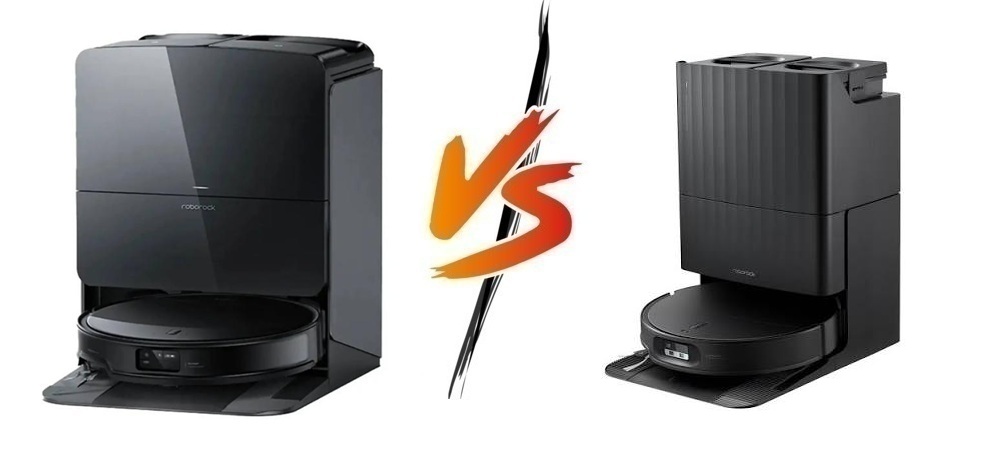
They can vacuum a floor, that’s no longer the interesting question with robot vacuum cleaners. The Roborock Saros 10R and Roborock Qrevo Edge 2 are two devices that do this very well.
What happens once you’ve stopped viewing them as gadgets and they’ve become akin to regular household appliances.
They need to be able to navigate a complicated home. Carpet, rugs, and pet hair are no problem. But also crumbs and fine dust. The robot should clean properly around furniture. Mopping is also important, it’s not just pushing dirty water around. You don’t want to have to intervene too often. And can you trust it to clean while you’re busy with something else?
This is where the Saros 10R and Qrevo Edge 2 become particularly interesting.
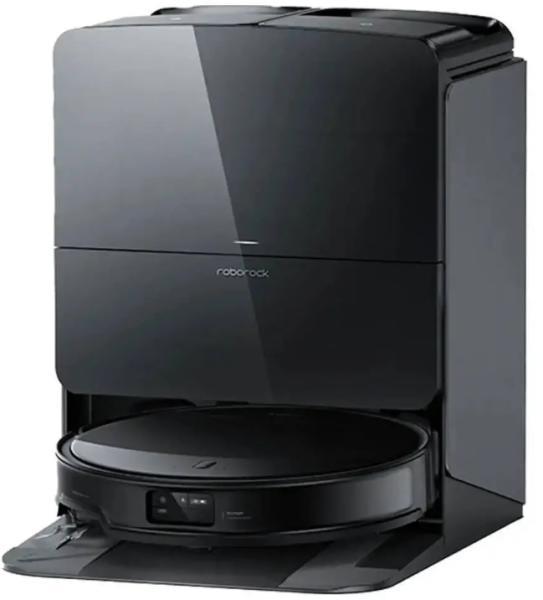
The Saros 10R is a flagship-level machine, and Roborock has designed it to overcome the physical limitations that usually make robot vacuums awkward. We’re talking about a body that’s just 3.14 inches high, and it comes with advanced features like obstacle detection, a unique solid-state LiDAR setup, an extending side brush, rotating mops, and an elevating chassis, all in one device.
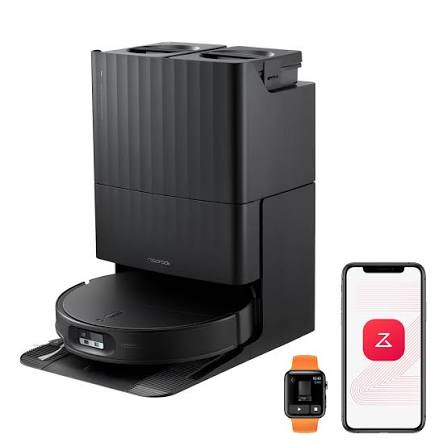
The Qrevo Edge 2 is distinct, introducing many high-end features to the Qrevo family. This includes a 3.14-inch body and retractable LiDAR; an extending mop and dual anti-tangle cleaning hardware are also part of the package. It comes with an elaborate self-cleaning dock, and its maximum suction rating is 25,000Pa, which exceeds the Saros 10R’s 22,000Pa.
That makes the Edge 2 seem like a better value on paper, but things get more interesting when you actually compare them.
The Saros 10R has a number of advantages, especially when it comes to mobility, obstacle avoidance, and handling tricky floor transitions. It’s also more sophisticated in these areas. The Qrevo Edge 2, on the other hand, is a very capable cleaner; independent tests show it does a great job on carpet and with pet hair.
Should you buy one or the other and what’s the difference between them anyway?
My short answer is this:
For complicated homes where low furniture and hands-off operation are key, the Saros 10R is a better option. Navigation and thresholds also matter. But if you prioritize cleaning performance, pet hair, mopping, and value, the Qrevo Edge 2 is more compelling.
That conclusion needs unpacking.
Roborock Saros 10R vs Roborock Qrevo Edge 2 Comparison Chart
If you click the links below, under the product images, you will be redirected to Amazon.com. In case you then decide to buy anything, Amazon.com will pay me a commission. This doesn’t affect the honesty of this review in any way though.
| Feature | Roborock Saros 10R | Roborock Qrevo Edge 2 |
|---|---|---|
 |  | |
| Check the best price on Amazon | Check the best price on Amazon | |
| Overall positioning | More advanced, premium flagship | High-end model focused on performance and value |
| Maximum suction | 22,000 Pa | 25,000 Pa |
| Navigation | StarSight solid-state LiDAR | Retractable LiDAR |
| Obstacle avoidance | Excellent | Very good |
| Mapping | Advanced multi-level mapping and room recognition | Advanced mapping and room recognition |
| Low-profile cleaning | Approx. 3.14 in / 8 cm | Approx. 3.14 in / 8 cm |
| Threshold handling | Excellent, with AdaptiLift chassis | Good, but less capable on higher thresholds |
| Main brush | DuoDivide anti-tangle design | DuoDivide anti-tangle design |
| Hard-floor vacuuming | Excellent | Excellent |
| Carpet cleaning | Very good | Excellent |
| Pet-hair pickup | Very good | Excellent |
| Edge cleaning | Excellent, with extending side brush | Excellent, with extending side brush |
| Mopping system | Dual rotating mop pads with extending mop | Dual rotating mop pads with extending mop |
| Mop pressure | Strong | Very strong |
| Mop lifting | Yes | Yes, up to around 12 mm |
| Mop washing | Automatic | Automatic |
| Mop washing temperature | Automated washing system | Hot-water washing |
| Mop drying | Automatic drying | Heated drying |
| Automatic dust emptying | Yes | Yes |
| Water management | Automatic clean/dirty water management | Automatic clean/dirty water management |
| Anti-tangle performance | Excellent | Excellent |
| Furniture clearance | Excellent | Excellent |
| Complicated homes | Excellent | Very good |
| Pet households | Excellent | Excellent |
| App and smart controls | Excellent | Excellent |
| Scheduling | Yes | Yes |
| Room-specific cleaning | Yes | Yes |
| Maintenance workload | Low | Low |
| Noise | Relatively quiet | Low to moderate, depending on mode |
| Battery/coverage | Excellent | Excellent |
| Best for | Maximum automation and navigation intelligence | Carpet, pets, mopping and value |
| Main advantage | Smarter navigation and obstacle handling | Stronger vacuuming and excellent overall value |
| Main weakness | Higher price and slightly lower maximum suction | Navigation and obstacle handling aren’t quite as advanced |
| Overall verdict | Best overall | Best value |
| My individual reviews | Roborock Saros 10R review |
Which one should you choose?
Choose the Saros 10R if you want the most sophisticated overall robot, particularly if your home has complicated furniture layouts, thresholds, pets, cables, and other obstacles. Its biggest strength isn’t simply cleaning power, but how independently it can operate.
Choose the Qrevo Edge 2 if you care most about strong vacuuming, carpet and pet-hair performance, capable mopping, and getting premium features for the money. It’s especially compelling for homes with lots of carpet or pets.
In simple terms, the Saros 10R is the more intelligent robot, while the Qrevo Edge 2 is arguably the better value-focused cleaner.
Design & Build Quality
When you spend this much money on a robot vacuum, design and build quality are crucial for more than just looks. A robot vacuum is a machine that spends its life moving around a home, squeezing underneath furniture, crossing thresholds, bumping into the occasional obstacle, carrying water, dragging wet mop pads across floors and repeatedly returning to a charging dock. It has to survive thousands of small mechanical movements while remaining quiet, reliable and easy to maintain.
That makes the Roborock Saros 10R and Qrevo Edge 2 particularly interesting. Both are premium machines, but they approach the problem slightly differently. The Saros 10R seems like Roborock’s attempt to rethink a robot vacuum’s physical architecture. The Qrevo Edge 2 is more evolutionary; it takes many of the same ideas and makes them more accessible.
At first glance, they’re similar. Both have the familiar circular robot-vacuum shape, both use a relatively understated color scheme, and both are designed to disappear into the background rather than look like pieces of futuristic furniture. The important differences only become obvious when you look at what happens underneath and around that circular body.
The Saros 10R’s most important design decision
The defining characteristic of the Saros 10R is its low profile.
Traditional robot vacuums often have a LiDAR turret sitting on top of the machine. The turret is useful for mapping, but it limits how low the robot can go. If the turret makes the robot too tall, it has to turn around.
The Saros 10R takes a different approach.
The StarSight navigation system lets the robot operate without a raised LiDAR tower. That means the upper profile can be kept low. At around 3.14 inches high, the Saros 10R can reach spaces that would be inaccessible to many conventional robot vacuums.
This design decision doesn’t seem important at first, but it becomes crucial after using the machine.
Dust accumulates in tight spaces.
It accumulates under beds, sofas, cabinets, and low furniture.
A robot vacuum that’s too tall can’t clean those spaces. The Saros 10R’s low body isn’t just about looks. It increases the floor area the robot can clean on its own.
The Saros 10R looks cleaner without a LiDAR turret. The machine doesn’t have a large mechanical bump on top. It looks deliberate.
That’s elegant.
Qrevo Edge 2 takes a different route
The Qrevo Edge 2 solves the problem differently.
It uses a retractable LiDAR system instead of abandoning LiDAR. This sensor can operate in its raised position when navigating. This system retracts when getting under low furniture.
It’s a clever compromise.
The advantage is that Roborock doesn’t have to sacrifice LiDAR-based navigation for a low height.
From a purely visual standpoint, however, I slightly prefer the Saros 10R’s approach. The Saros looks like a machine designed around its low profile from the beginning, whereas the Edge 2 feels more like a conventional robot vacuum that has been engineered to overcome the height problem.
That’s not a criticism of the Edge 2. The retractable mechanism is impressive. The two robots have different personalities.
The Saros 10R feels more radical.
The Edge 2 feels more practical.
Construction. And materials
They don’t feel cheap.
Robot vacuums can be rough on themselves, and that’s important. They accelerate, turn, stop, and reverse repeatedly. They brush against furniture and walls. Their wheels encounter different floor surfaces and their cleaning mechanisms are constantly spinning.
It has a dense, solid feel. The plastics don’t feel thin or flexible, and the panels fit together neatly. It’s clear this is a premium appliance, not a disposable gadget.
The Edge 2 gives a similar impression.
These machines need to be light, so there’s some plastic, but the important parts feel substantial. It doesn’t feel fragile when picked up.
That kind of matters because you’ll occasionally need to do exactly that.
Even the smartest robot will get into a situation where you need to lift it, inspect the wheels, clean a sensor, or retrieve something trapped underneath.
Neither model seems like it will cause concern with this kind of handling.
Bumper design and shape
The circular shape remains one of the most sensible designs for a robot vacuum.
This allows the robot to rotate and maneuver around furniture without a large turning radius. Both machines have that basic geometry, but their front sections are designed around sensors and obstacle detection.
The bumper is important.
Robot vacuums don’t operate in empty labs. It encounters table legs, chair legs, walls, cabinets, and furniture edges daily.
The ideal situation is that the robot sees these objects before touching them.
The bumper is for when it doesn’t.
The Saros 10R’s sensor arrangement gives it an advantage in this area. It’s designed to reduce physical contact, not rely on bumping for navigation.
The Edge 2 is capable, but its obstacle avoidance is less sophisticated.
This affects perceived build quality, as a robot that understands its surroundings feels more refined. It doesn’t constantly knock into things to figure out its location.
The Saros 10R’s unusual chassis and wheels
This wheels are easy to overlook, but they’re arguably some of the most important mechanical components on either machine.
The Saros 10R has an AdaptiLift chassis, which goes further than most robot vacuums.
It can raise parts of its chassis and adjust its wheels for changes in floor height. This allows it to climb larger thresholds than a conventional robot.
From a design perspective, this is one of the Saros 10R’s most impressive features.
Imagine the robot approaching a doorway with a noticeably higher floor on the other side.
A normal robot can either climb it if the wheels have enough traction and clearance or give up.
It can change its posture.
This gives it a broader operating envelope.
It show something important about the design philosophy. Roborock didn’t just try to make the robot smaller. It tried to make the robot adaptable.
The Edge 2 is less ambitious.
Its wheels and chassis are capable for normal homes, but it lacks the same active height adjustment. The Saros has an advantage if you’ve high thresholds.
Anti-tangle design and cleaning hardware
The underside is where the engineering gets interesting.
Both use the DuoDivide approach to the main brush.
The brush is divided into sections, not one long roller. This gives hair somewhere to go, rather than wrapping around the roller.
This is important for households with long hair or pets.
Hair wrapped around a brush can be unpleasant. It reduces performance, increases maintenance, and becomes messy to remove.
The Saros 10R and Edge 2 try to eliminate that problem at the design level.
The Edge 2’s anti-tangle performance is impressive because it’s designed to prevent hair from getting trapped. It’s designed to prevent the hair from becoming trapped in the first place.
The side brushes follow the same idea.
They don’t just sweep dirt toward the center. They’re shaped and positioned to minimize tangling and extend cleaning coverage.
This is the kind of engineering I like in a premium appliance.
It’s not visible right away.
It doesn’t make for an impressive spec.
But it makes owning easier.
Mopping systems
The mopping systems also contribute to the build quality of both machines.
Neither just dragging a wet cloth across the floor.
Both use rotating mop pads, which creates movement against the floor.
The Saros 10R goes a step further with its extending mop system. The mop can move outward toward edges and furniture, and clean closer to places where a circular body would normally leave an untouched strip.
The Qrevo Edge 2 does similarly.
Both machines feel more mature than earlier generations of robot mop.
Pads also lift when necessary, particularly when the robot encounters carpet.
That’s essential for a hybrid since wetting a carpet every time the robot crosses it would be unacceptable.
Docks are part of the build quality
You might judge the robot itself but not the dock.
That would be a mistake.
The dock is half the product.
Both docks are substantial pieces of equipment. They’ve water tanks, dirty water reservoirs, dust collection, mop washing hardware, drying systems, and charging electronics.
The Saros 10R’s dock is well integrated with the robot. The robot doesn’t merely park there to recharge. It returns to a station that performs much of the unpleasant work associated with cleaning.
The Qrevo Edge 2’s dock is also thorough.
Hot-water mop washing and heated drying make it possible for the robot to remain in a state that’s much closer to ready-to-use than older models.
This downside is obvious: these aren’t small appliances.
In a small apartment, consider where the dock will go. A premium robot vacuum needs a home, and the dock needs clearance.
Which one feels better built?
If I were judging purely on physical engineering ambition, I’d give the Saros 10R the win.
Its low profile, adaptable chassis, sensor integration, and mechanical design make it feel advanced.
The Qrevo Edge 2 is still impressive.
In some ways, I think it’s the more impressive value proposition since it has many Saros design features at a lower price.
It has a low profile.
It has LiDAR that retracts.
It has anti-tangle hardware.
It has extending components.
It has a capable dock.
It doesn’t feel like you’re buying a stripped-down version of a flagship.
You’re buying a different high-end robot vacuum.
Design verdict
The Saros 10R wins, but not by much.
Its design decisions are well integrated. The low body, navigation, chassis, wheels, cleaning hardware, and sensors work together: and operate independently.
The Qrevo Edge 2 is less ambitious, but well executed.
If the Saros 10R feels like Roborock asking, “What if we redesigned the robot vacuum around the problems that have always limited it?”, the Edge 2 feels like Roborock asking, “How much of that engineering can we bring to a more attainable machine?”
Both are well designed.
The Saros 10R simply has the more convincing claim to being a genuine flagship. Its architecture solves problems like low clearance and difficult transitions.
That’s what I look for in build quality.
Not the plastic feel.
Not the robot’s look.
I want to know if the machine makes sense in a real home.
The Saros 10R is one of Roborock’s most thoughtfully engineered vacuums. The Qrevo Edge 2 comes close, and its approach is enough for many homes.
Navigation Intelligence & Mapping
Navigation is arguably the most important difference between a genuinely good robot vacuum and one that merely happens to have a motor and a battery. A robot vacuum can have enormous suction power and excellent brushes, but if it can’t understand where it’s, recognize obstacles, build an accurate map or decide how to move efficiently through a room, much of that cleaning ability goes to waste.
The Roborock Saros 10R and Qrevo Edge 2 stand out from other robot vacuums here.
Both machines are highly autonomous. Both can map a home, identify rooms, plan cleaning routes, avoid many obstacles and return to their docks when they need to recharge or service themselves. Both also benefit from Roborock’s mature mapping software and app.
The Saros 10R, however, is more sophisticated in its navigation.
You might not notice the difference when watching them clean a simple room. Give them an open floor with a sofa, a couple of chairs and nothing lying around, and both will appear remarkably intelligent.
But the difference becomes clear in messy environments.
Navigation becomes practical, not just a demo.
The navigation philosophy differs really
The Saros 10R uses Roborock’s StarSight navigation system, which is built around solid-state LiDAR rather than the conventional rotating LiDAR turret found on many earlier robot vacuums.
The Edge 2 uses retractable LiDAR instead.
Both solve the problem of giving a robot advanced mapping without making it too tall?
The Saros 10R integrates navigation hardware into its body.
The Edge 2 makes its LiDAR retractable.
Both are capable for navigation. From a design perspective, however, the Saros system allows Roborock to integrate more sensing hardware around the robot’s body while maintaining the exceptionally low overall height.
This is useful for navigating under furniture.
A traditional robot vacuum may map the room perfectly but then discover that its sensor arrangement prevents it from physically entering a particular area.
The Saros 10R has fewer limitations.
Mapping a home
After setup, the first task is usually mapping.
Modern robots are much better at this than older ones.
Neither the Saros 10R nor the Edge 2 needs to wander aimlessly around a room for hours to figure out where the walls are.
They can quickly construct a detailed representation of the home and identify major areas.
After the initial map, the app lets you edit the layout, divide rooms, label spaces, and set cleaning preferences.
This matters more than it might initially appear.
A robot doesn’t just follow a map like a car on a road.
It makes decisions based on the map.
If you tell it to clean the kitchen, it needs to know where the kitchen is. If you establish a no-go zone around a particular piece of furniture, it needs to understand that the restriction applies to a specific location. If you want it to clean bedrooms but not the living room, the map is key.
Both handle this well.
The maps are detailed and useful without needing cartography skills.
Room recognition and cleaning strategy
Robot vacuum software has improved with contextual cleaning.
A basic robot knows that there’s a wall here and an obstacle there.
A more advanced robot understands the type of room.
This lets it clean differently.
For example, a kitchen may deserve stronger vacuuming because it tends to collect crumbs and food debris. A bedroom may require more attention to fine dust. A carpeted room may need increased vacuum power and multiple passes.
The Saros 10R is good at adapting.
Its navigation system doesn’t simply ask, “Where can I drive?”
It increasingly asks, “What kind of environment am I driving through, and what should I do here?”
The Edge 2 offers many of the same concepts.
The Edge 2’s SmartPlan automates cleaning decisions.
This is important because a robot shouldn’t need constant management.
The Saros excels in obstacle avoidance
Mapping and obstacle avoidance are distinct concepts, though they’re closely tied.
A robot can build an excellent map and still be poor at recognizing things sitting on the floor.
This pretty matters in a real home.
You’ve got a precise map of your living room.
A charging cable gets left on the floor.
A toy gets left in the room by a child.
A sock falls beside the bed.
A pet might leave a bowl somewhere unexpected.
The map didn’t include these objects when it was created.
Another layer of intelligence is needed for the robot to identify things while it’s cleaning.
One of the Saros 10R’s strongest advantages is right here.
The sensor array uses StarSight LiDAR technology. And combines it with cameras and other hardware to dynamically recognize objects.
The robot can interpret what’s happening in front of it, rather than just following the map.
It can move around obstacles without physically colliding with them.
A robot ends up feeling more aware of its surroundings as a result.
Obstacle avoidance matters greatly
Avoiding a sock might seem like a small thing at the start.
No, it’s not.
Obstacle avoidance gone wrong can lead to anything from mild inconvenience to a completely ruined cleaning session.
When it’s near a brush, a cable can get wrapped around it.
The robot can drag a small toy underneath it.
Clothing can block a roller.
In households with pets, a worst-case scenario is clear: spreading an unpleasant mess throughout the house if a robot encounters one.
Therefore, good obstacle recognition isn’t just about making a robot seem clever.
Protecting the robot itself is a priority, and so is protecting objects in the home. The goal is also to cut down on preparation time before each cleaning cycle.
The Saros 10R is particularly strong in this respect.
The Edge 2 can handle things, but obstacle avoidance isn’t always as impressive as you’d like.
The Edge 2 misses smaller objects in cluttered spaces, independent testing shows.
That doesn’t mean it’s careless.
The owner should view the Edge 2 as a highly capable robot, and not a completely foolproof one.
Your floor is probably messy with toys, cables, and clothing, so don’t think these machines will change that, and you should still tidy up.
The Saros offers more forgiveness.
Efficient navigation matters
Efficiency is another part of navigation that doesn’t get enough attention.
A room can be cleaned by a robot vacuum, but it’s going to take a ridiculously long time.
Not particularly intelligent, that isn’t.
The robot needs to understand the room’s shape and identify cleaned areas to choose a route that cuts unnecessary travel, making navigation efficient and helping it clean the room thoroughly, which means minimizing travel distance and focusing on areas that need cleaning.
The Qrevo Edge 2 does very well in this area.
Navigation efficiency is a strong point, with the robot mostly following organized routes instead of moving around randomly.
Battery life is what this affects.
Unnecessary turns, detours, and repeated trips all waste energy that could be used for vacuuming instead.
It’s also important for noise.
Cleaning an area in 90 minutes that could be done in 50 is a lot longer, and that’s more time it’s making noise in your home.
The Saros 10R is similarly efficient.
Its more sophisticated perception system can actually help here because the robot has a better understanding of what’s around it.
It’s more natural for it to plan around an obstacle than to keep approaching and adjusting its position.
Cleaning around furniture
Navigation is really put to the test with furniture.
To clean effectively, a robot must be near but not so near that it keeps hitting table legs and chair frames.
The Saros 10R is particularly good at this balance.
This navigation system identifies furniture and navigates around it, maintaining a sensible cleaning path.
The low physical profile is important too.
A robot is capable of mapping the space under a bed or sofa, and it can physically enter this space if the clearance is sufficient.
That distinction is subtle but important.
If a robot knows there’s a dirty area but can’t navigate to it, that knowledge isn’t very useful.
Retractable LiDAR makes the Edge 2 excellent at navigating around furniture and it can get underneath low objects.
The Saros’s overall system feels more integrated, that’s the difference.
Navigation hardware, along with the chassis height and obstacle detection, all work together towards a common goal.
Thresholds are important
Floor transitions are another area where navigation and mechanical design overlap.
A robot can recognize a doorway perfectly and still fail to cross it.
The Saros 10R is unusually capable here because its AdaptiLift chassis can physically raise the robot and adjust its wheel position.
So the robot doesn’t just identify a threshold.
It can also respond mechanically.
This is a major advantage in older homes or properties with uneven floors.
In contrast, the Qrevo Edge 2 is more limited.
It can handle ordinary transitions and rugs, but larger thresholds can stop it.
This distinction between the two robots is important.
The Saros 10R navigates physically complicated homes better.
The Edge 2 is suited to homes with cooperative floors.
Multi-floor homes
Both robots can create and manage maps for different floors, depending on the layout and whether there’s a dock on each level.
Neither robot can carry itself upstairs, which is an obvious limitation.
This is an important reality check.
If you’ve a two-story house and only one dock, you’ll still need to move the robot between floors manually.
Once placed on the appropriate floor, however, the mapping system can make multi-level cleaning much easier.
For a truly autonomous multi-floor setup, separate docks are more convenient.
This isn’t a criticism of either model.
It’s a physical limitation of the category.
Navigation when the home changes
One of the things I appreciate about both robots is that the map doesn’t need to be treated as a permanent blueprint.
Homes do change.
Furniture gets moved around.
A chair gets pulled out.
A coffee table gets moved.
A new rug appears.
The robot needs to accommodate these changes without losing its understanding of the home.
Modern Roborock navigation handles this better than older robot vacuums.
The robot can update its understanding of the environment as it operates.
The Saros 10R has an advantage when changes are unexpected, as it can distinguish between permanent structural elements and temporary obstacles.
This is useful in a busy household.
The floor doesn’t need to look like a showroom every time the robot starts.
Mapping versus intelligence
There’s an important philosophical distinction here.
A map isn’t the same as intelligence for a robot vacuum.
A map tells the robot where things are located.
Intelligence determines what the robot does with that information.
The Saros 10R combines detailed mapping with stronger perception, which is an advantage.
It can understand the structure of the home while also interpreting individual objects within that structure.
The Edge 2 is very good at mapping and reasonably good at interpreting objects.
The difference between the two isn’t dramatic in an empty room, but becomes more noticeable in chaotic environments.
Which robot navigates better?
The Saros 10R comes out on top.
However, the Qrevo Edge 2 isn’t a weak navigator. In fact.
The Edge 2 maps quickly, plans efficient routes, and handles rooms intelligently, using the Roborock app well. In an uncluttered home, it can look every bit as intelligent as the Saros.
The Saros 10R earns its victory in difficult conditions.
It’s better at identifying unexpected objects.
It’s also better at navigating around obstacles without physical contact.
Its sensing architecture is more sophisticated.
Its low-profile design allows it to access more spaces physically.
And its adaptive chassis allows it to deal with floor transitions that would stop many other robots.
This combination makes it feel more autonomous.
The Qrevo Edge 2 is a very good robot with an intelligent plan.
The Saros 10R feels like a robot that can improvise when its plan encounters reality.
This difference is worth paying attention to.
For someone in a minimalist apartment with clear floors and straightforward layouts, the Edge 2’s navigation may be enough. The Saros’s more intelligence may rarely make a difference.
But for a busy family home with pets, awkward furniture, low sofas, complicated layouts, or raised thresholds, the Saros 10R’s advantages are more meaningful.
I think this makes the Saros 10R’s navigation system impressive.
That goal isn’t just to create a beautiful map of your house.
That goal is to make the robot behave sensibly inside.
Between these two models, I’d trust the Saros 10R more to do that.
Vacuum Cleaning Performance
Specifications can be misleading when it comes to vacuuming. The Roborock Qrevo Edge 2 seems to have an advantage on paper, with a higher headline suction rating than the Saros 10R. The Edge 2 is rated at up to 25,000Pa, while the Saros 10R is rated at up to 22,000Pa.
It would be easy to look at those numbers and declare the Edge 2 the better vacuum. But I don’t think that’s the case.
Suction pressure is only one part of how a vacuum cleaner performs. The brush design, airflow, contact with the floor, cleaning path, number of passes, ability to reach edges and corners. And how well the machine handles different types of debris all matter. And robot vacuums have to decide where to drive, which adds another layer of complexity.
But when you consider the two machines as whole cleaning systems, the comparison gets tighter.
The Saros 10R excels at hard floors and is also very competent overall. The Qrevo Edge 2, on the other hand, is strong with carpets and pet hair.
That’s important because the best robot for hardwood isn’t necessarily the best for a house with lots of rugs, carpets, and pets.
Cleaning hard floors
Hard floors are where both robots look most impressive.
On hardwood, laminate, vinyl, tile and similar surfaces, the primary challenge isn’t necessarily forcing dirt out of a material. Most debris just sits on the surface.
The challenge is collecting everything without pushing some of it around.
That’s where the robot’s design matters.
A poor robot can approach a pile of crumbs, scatter them with its side brush and then drive away while leaving half the mess behind.
The Saros 10R does much better.
The main brush and suction system work well together, and the side brush helps collect debris from the edges. It’s great for everyday dirt like crumbs, cereal, dust, and hair.
The Saros also handles edges well.
On hard floors, dust is really visible along baseboards. You can have an otherwise clean floor and still see a thin line of debris around the room’s perimeter.
The extending side brush is designed to fix this problem.
This brush reaches out instead of relying on the robot’s body to get close to the wall.
This small feature makes a big difference in how clean the room looks.
The Qrevo Edge 2 does something similar.
Its extending side brush helps pull debris away from walls and corners and into the robot’s cleaning path.
This result is excellent hard-floor coverage.
In a kitchen, for example, the Edge 2 is very good at dealing with the mixture of crumbs, dry food particles and fine dust that accumulates around cabinets and underneath dining furniture.
Large debris
Large debris is another good test, it sort of shows whether the robot is really collecting dirt or just pushing it around.
Neither of these machines struggles with ordinary household debris.
They can handle cereal, crumbs, and similar-sized particles easily.
The Saros 10R is particularly convincing on hard floors because its brush design and strong suction make it less likely to leave obvious debris trails behind.
The Edge 2’s higher suction also gives it plenty of power.
But again, I wouldn’t interpret the 25,000Pa figure as proof that it will collect everything 14 percent better.
The difference between 22,000Pa and 25,000Pa doesn’t translate to real-world performance.
Vacuums don’t work in a perfect lab environment.
They pick up dirt through a moving brush and compact cleaning system, with air flowing through it.
The engineering of that system matters more than the headline number suggests.
Fine dust
Fine dust is where things get interesting.
Fine particles are often more difficult than large debris because they can settle into floor texture, carpet fibers and tiny gaps.
Both robots do a great job on hard floors.
The Saros 10R is particularly strong when cleaning smooth surfaces because it can make systematic passes across the floor rather than simply wandering through it.
That systematic movement is important.
If the robot misses a particle on the first pass, the cleaning pattern gives it another chance to get it.
The Edge 2 also follows a organized cleaning pattern.
It can adjust its cleaning and suction to focus on areas that need it.
On a clean hardwood floor, it’s hard to see the difference between the two robots.
Both robots can leave the floor looking and feeling much cleaner.
Carpet is a game-changer
Carpet is where I would give the Qrevo Edge 2 the advantage.
The thing with carpet is that dirt often gets embedded.
Fine particles can become embedded between the fibers. So a robot needs more than just suction.
It needs to agitate the carpet. And make contact to loosen dirt.
The Edge 2 performs extremely well in this respect.
It got 94 percent of embedded sand in a test, which is impressive.
That shows it’s not just picking up what you can see.
It’s getting deep into the carpet.
The Saros 10R is good on carpet, but its fancy navigation and chassis don’t make it the best cleaner.
Its performance is strong with larger debris, but fine material can be more problematic.
That’s an important reminder that the most technologically sophisticated robot isn’t automatically the strongest carpet vacuum.
The Edge 2 has a great design for cleaning carpet.
Low-pile carpet vs medium-pile
Carpet type matters too.
Low-pile carpet is easier for robots since the head stays close to the surface.
Medium-pile carpet is harder because it’s thicker and debris can hide.
The robot needs to stay in contact without getting stuck.
The Edge 2 balances this well.
The brush agitates and the suction pulls debris away.
The Saros 10R can clean these surfaces effectively as well, but it isn’t quite as dominant when fine particles are embedded deeply.
If you’ve mostly hardwood, this isn’t a big reason to avoid the Saros.
But for a home with all carpet, the Edge 2 is a better choice.
Pet hair
Pet hair is a tough test for robot vacuums.
It’s a multi-part problem.
Hair can be long.
It can become trapped in carpet fibers.
It can wrap around brush rollers.
And it can accumulate quickly enough that a small difference in cleaning performance becomes noticeable over a week.
The Qrevo Edge 2 is particularly impressive here.
Its DuoDivide brush design is intended to reduce the tendency for long hair to wrap around the roller.
This matters more than you think.
A vacuum can technically pick up a large amount of hair but still be frustrating if half of that hair ends up wrapped around the brush.
Then you have to clean the roller, which is a hassle.
The Edge 2 avoids this problem.
It picks up pet hair well, especially on carpet.
The Saros 10R has a similar approach and its brush is good at reducing hair.
But there’s a trade-off.
Reducing tangling and agitation aren’t the same thing.
The Saros is great at avoiding tangling, but its pet hair pickup isn’t as good as expected.
The Edge 2 finds a better balance.
Everyday dust
Both robots are great at daily cleaning.
This is arguably more important than maximum suction.
If you run them daily, dirt doesn’t build up as much.
Instead of cleaning a week’s worth of dust, it’s just a little each day.
That’s where robot vacuums can outperform the traditional cleaning routine.
A conventional upright may clean more aggressively in a single pass, but most people don’t vacuum every square inch of their floor every day.
Robots can.
The Saros and Edge 2 are great at maintenance cleaning.
They map the house and clean systematically, and their docks handle the dirt.
Over time, the consistency of that cleaning can matter more than the difference between their maximum suction settings.
Edges. And corners
No circular robot can perfectly clean a 90-degree corner.
It’s basic geometry.
A round machine’s front can’t fit into a rectangular room’s corner.
Manufacturers have focused on extending brushes and mops to reach these areas.
The Saros 10R is especially good at this.
The side brush reaches the wall and sweeps debris into the robot’s cleaning path.
The Qrevo Edge 2 does similarly.
In both cases, the result is considerably better than what you get from older circular robots that simply leave a visible strip around the room.
Still, neither should be expected to replace an occasional manual pass with a crevice tool.
For sharp corners behind cabinets, a human with a conventional vacuum is still better.
Cleaning under furniture
The Saros 10R’s design also affects its vacuuming under furniture.
The robot’s low profile allows it to reach underneath furniture that would be inaccessible to taller machines.
That matters because dust accumulates underneath beds and sofas precisely because people don’t clean those areas very often.
A robot that can get underneath the furniture effectively increases its cleaning coverage without requiring you to move anything.
The Edge 2 is also capable, thanks to its retractable LiDAR.
Both robots are more useful in low-clearance spaces than conventional tall-turret robots.
This is a tie in practical cleaning.
The Saros has the more elegant engineering solution, but both can reach spaces that many robots simply can’t.
Multiple passes
Both robots can make multiple passes, which is a big advantage.
For heavily soiled rooms, you can configure the robot for a deeper clean.
It’s especially useful in kitchens, entrances, and high-traffic areas.
The robot can effectively compensate for the fact that it isn’t as aggressive as an upright vacuum by making more passes.
It doesn’t eliminate the difference, especially on carpet, but it changes the equation.
If the robot runs every day and periodically performs a more intensive cleaning cycle, it can keep floors consistently clean without requiring a major manual vacuuming session.
The role of navigation in cleaning performance
This is worth emphasizing because it’s easy to separate “navigation” and “vacuuming” as if they were unrelated.
They aren’t.
A robot that recognizes an area needs more cleaning can return to it.
A robot that understands where furniture is can choose a better route.
A robot that knows which areas are carpet can adjust its cleaning strategy.
And a robot that doesn’t waste time wandering around has more battery capacity available for actual vacuuming.
The Saros 10R benefits a lot from this integration.
The navigation system is one reason the Saros 10R’s cleaning feels consistent.
The Edge 2 is similarly intelligent, and its efficient route planning contributes to its strong overall performance.
Which vacuum is better?
As vacuum cleaners, not robots, I’d say the Qrevo Edge 2 wins by a hair.
It’s not about the 25,000Pa suction rating being higher, though.
The total cleaning package is strong, and that’s why.
The Edge 2 does great on hard floors and carpet, and it’s also good at picking up pet hair and minimizing tangles.
The Saros 10R is arguably the more sophisticated robot, but its cleaning performance doesn’t dominate the Edge 2 in the way its price and positioning might lead you to expect.
In fact, for carpet-heavy homes, I’d actively prefer the Edge 2.
The Saros 10R does better on hard floors, especially with its great edge coverage and navigation.
It’s also great for everyday cleaning.
But if someone asked me a very simple question, “Which one would you rather have if your primary concern is how much dirt gets removed from the floor?”, I’d lean toward the Qrevo Edge 2.
The bigger picture
There’s an important lesson here.
The Saros 10R is the more sophisticated robot.
The Qrevo Edge 2 may be the slightly more convincing vacuum.
Those aren’t contradictory statements.
The Saros 10R’s premium is easier to justify when you value obstacle avoidance, floor transitions, low-clearance access and autonomous operation.
The Edge 2 makes an especially strong case when your priorities are carpet cleaning, pet hair and raw day-to-day floor performance.
For a mostly hard-floor home, I’d be very happy with either.
For a carpet-heavy home with pets, I’d choose the Edge 2.
For a complicated home where the robot has to deal with furniture, thresholds and an unpredictable floor environment, I’d choose the Saros 10R.
And for either machine, I’d judge performance over weeks rather than one cleaning cycle.
That’s where robot vacuums really show their advantage.
An upright vacuum can still deliver a deeper, more deliberate clean when you take control.
But these Roborock machines don’t need to wait until the floor looks dirty.
They can quietly remove a little dust, hair and debris every day, then do it again tomorrow.
That consistency is ultimately the most important part of their vacuum-cleaning performance.
Mopping Capability
Mopping is an area where the Roborock Saros 10R and Qrevo Edge 2 show how far robot vacuums have come beyond simply dragging a damp cloth across the floor. Neither machine is trying to imitate a traditional mop perfectly. But they both use rotating mop pads, automatic water management, pressure, edge extension, carpet detection, and self-cleaning docks to make floor washing a genuinely useful part of the cleaning routine.
These two robots approach the job a bit differently. The Saros 10R emphasizes intelligent movement, precise edge coverage, and adapting to different home areas. The Qrevo Edge 2 takes a similarly sophisticated approach but puts particularly strong emphasis on physical mopping performance, including substantial mop pressure and a very capable washing system.
If your home is mostly hard flooring, the mopping performance of either machine can make a noticeable difference to how often you need to manually clean the floors. And there are differences worth understanding.
How the two robots actually mop
Neither robot uses a single stationary microfiber pad. Both employ rotating mop pads that move across the floor while the robot travels. This provides a scrubbing action instead of just wiping the surface with a wet cloth.
That distinction matters.
A basic robot mop can be good at removing loose dust and light marks, but it can struggle with dried-on food, muddy footprints, kitchen splashes, and other marks that need a little mechanical agitation. Rotating pads are better suited to these situations since they constantly move against the floor.
The Qrevo Edge 2 has strong physical mopping hardware. The mop system applies downward pressure as the pads rotate, helping with stubborn marks. The Saros 10R is effective too, but its advantage comes from combining mop hardware with precise navigation and intelligent coverage.
In everyday use, both leave hard floors looking properly cleaned, not just dampened.
Everyday hard-floor cleaning
On sealed hardwood, tile, laminate, vinyl, and similar surfaces, both robots perform extremely well.
The difference between them isn’t dramatic for ordinary household dirt. Either robot can handle a lot of that work without human intervention if the floor has footprints, fine dust, light grease, dried droplets, or everyday cooking residue.
And this is where robot mopping is particularly useful.
A traditional mop is often used only when the floor looks dirty enough. A robot can mop frequently, so it doesn’t deal with a week’s worth of accumulated grime. Each cleaning session is relatively easy if you schedule it to mop daily or every couple of days.
This changes the robot’s role. You can use it to stop the floor from becoming extremely dirty instead of expecting it to rescue a very dirty floor.
The Saros 10R is especially good at this because its navigation lets it cover rooms methodically and avoid unnecessary wandering. The Edge 2 is similarly capable and can clean large hard-floor areas efficiently.
Stubborn stains and dried-on dirt
The Qrevo Edge 2 has a slight advantage here.
This strong mop pressure and rotating pads give it a convincing scrubbing action. That’s useful in kitchens and dining areas where small spills can dry onto the floor. A robot won’t remove every baked-on stain, but it can deal with more than the old approach.
The Saros 10R isn’t a slouch. The rotating mop pads provide plenty of agitation, and repeated passes can gradually remove marks.
If I had a demanding hard-floor environment, like a kitchen with common cooking messes, I’d give the Edge 2 a small advantage for scrubbing ability.
And there’s a caveat. Neither machine should be treated as a powered floor scrubber. Really stubborn stains, sticky spills, dried sauces, and heavily soiled patches can still require manual attention. These situations become exceptions rather than the norm.
Edge and corner mopping the middle of a room is easy for a robot. But the real challenge is cleaning around the perimeter.
Both models use extending mop technology to address this which lets the mop move outward when it approaches walls and furniture. That’s a big improvement over conventional robot mops, that often leave a visible strip of uncleaned flooring around the room’s edge.
The Saros 10R stands out here, as its navigation and positioning work with the mop extension. It can get close to walls and furniture while maintaining a controlled path.
The Qrevo Edge 2 also does a good job around edges. Its extending mop mechanism helps reduce the amount of floor that would otherwise need to be cleaned manually.
Neither robot will scrub every millimeter of a complicated corner. Circular robots have physical limitations, especially in sharp 90-degree corners. But modern edge-cleaning robots are substantially better than older models.
If you look at the floor after several cleaning cycles, the perimeter should stay considerably cleaner than it would with a conventional fixed-pad robot.
Carpet and mopping
A big concern with robot vacuum-mops is what happens when they encounter carpet.
You don’t want the robot to mop a hard floor and then drag wet mop pads across carpet.
The Saros 10R and Qrevo Edge 2 are designed to prevent this. Their mop systems can lift away from the floor when carpet is detected, allowing the robot to vacuum carpet without deliberately wetting it.
The Qrevo Edge 2’s mop lifting capability is generous, making it suitable for homes with hard floors and carpets.
The Saros 10R takes a similar approach, and its navigation intelligence basically helps it handle different floor areas.
For homes with mixed flooring, this is a key reason to choose one of these machines over a cheaper robot mop. You don’t have to treat the house as a single surface. The robot can change its behavior according to what it encounters.
That said, I’d still be thoughtful about very thick rugs or unusual floor coverings. Robot mop technology is sophisticated, but no sensor system is perfect in every household.
Mop washing and water management
The dock is a key part of the mopping experience.
After cleaning, both robots can return to their docks, where the mop pads are washed rather than simply left dirty. This is important because a robot with dirty mop pads won’t produce clean floors on its next run.
The Qrevo Edge 2 has a capable washing system with hot-water mop washing and heated drying. Hot-water washing loosens grease and residue from the pads, while drying reduces the chance of unpleasant odors.
The Saros 10R offers automated mop washing, drying, and water management through its dock.
This feature sounds like a luxury until you’ve owned a robot without it. When the robot can wash and dry its own pads, the cleaning routine becomes more practical.
You still need to empty dirty water, refill clean water, and occasionally clean the dock, but you’re no longer washing dirty mop pads by hand after every run.
How wet should the floor be?
Another advantage of these robots is that they can control the water used.
With too little water, the robot is essentially dry wiping the floor. Too much water can lead to excessive moisture, streaks, or long drying times.
Both models manage water more intelligently than simple robot mops. That result should be a floor that is damp enough to clean effectively without being soaked.
This is especially important for materials like engineered wood and laminate, which can’t handle excessive water.
I’d still use the right settings for the house’s flooring. Robot mopping isn’t a reason to ignore the manufacturer’s recommendations for a particular floor material.
Which one mops better?
I’d say the Qrevo Edge 2 has a slight edge in mopping performance.
The Qrevo Edge 2’s strong mechanical scrubbing, substantial mop pressure, rotating pads and excellent dock washing system make it very convincing. It’s particularly attractive if your home has a lot of hard flooring and you want the robot to deal with kitchen grime, footprints, and everyday marks rather than simply remove surface dust.
The Saros 10R is close behind, and its strengths shine when you consider mopping as part of the whole cleaning system. Its navigation, obstacle avoidance, edge coverage, low-profile design, and intelligent floor handling mean it can mop complicated homes with less supervision.
So the distinction is fairly simple. The Edge 2 has the slight advantage in raw mopping hardware, while the Saros 10R feels more refined as an overall automated cleaning system.
Either one is fine for a mostly hard-floor home.
If your priority is getting the strongest possible combination of scrubbing performance and value, the Qrevo Edge 2 is very difficult to ignore. If you want the robot that feels most intelligent when vacuuming and mopping are considered together, the Saros 10R remains the more sophisticated choice.
But the biggest win is that both machines make mopping something you can do often without thinking about it. And that consistency may matter more than the small difference between them in one cleaning session.
Maintenance & Cleaning
It’s easy to overlook when comparing robot vacuum cleaners is what happens after the cleaning is finished. It’s tempting to focus on suction power, navigation, mopping performance and smart features. But they don’t matter much if the machine becomes a chore to maintain.
This is an area where both the Roborock Saros 10R and Qrevo Edge 2 are designed to make ownership easier than before. Their multifunction docks take over many of the unpleasant jobs that previously had to be done by hand. They can empty collected dust, wash dirty mop pads, manage clean and dirty water, and dry the mop system.
Neither robot is completely maintenance-free, of course. No robot vacuum is. But the amount of routine work required is relatively small, and the differences between them become clearer when you look at long-term ownership rather than a single cleaning cycle.
The dock does most of the dirty work
This biggest advantage of both machines is the multifunction dock.
With a conventional robot vacuum, you might have to empty the dustbin after every few runs, remove and wash a mop pad, refill a small water reservoir, and make sure the robot itself isn’t covered in dirt. That gets tedious fast.
The Saros 10R and Qrevo Edge 2 move much of that work into the dock.
After a cleaning session, the robot can return automatically. The dock can extract the collected dust, wash the mop pads, and dry them. Water is also transferred between the clean and dirty water systems as required.
This makes a big difference to the ownership experience.
You can run it while you’re away or busy doing something else. When you come back, the robot has generally taken care of itself.
That’s a strong argument for a premium robot rather than a cheaper model with basic charging functionality.
Dustbin maintenance
The internal dustbin still matters even though both robots can automatically empty themselves.
The Qrevo Edge 2 has a relatively generous onboard dust capacity, and the Saros 10R follows the same general philosophy. In normal use, the dock handles most of the collected debris.
However, automatic emptying doesn’t mean the robot’s internal air path can be ignored forever.
Fine dust can accumulate around filters and inside small channels. Hair can occasionally work its way into places where it shouldn’t be. Larger debris may remain if it doesn’t get emptied cleanly.
So I’d still check the dust compartment occasionally.
It’s not daily. Think of it more as occasional housekeeping.
The difference is you don’t empty the dustbin every time the robot finishes cleaning. This dock dramatically reduces that repetitive task.
Filters and airflow
Filters are important but not glamorous.
A clogged filter can reduce airflow, which affects vacuum performance and can make the robot work harder. Even a machine with excellent suction specifications won’t perform properly if its filtration system becomes restricted.
Both robots need filter checks and cleaning according to the manufacturer’s recommendations.
It’s easy to forget this maintenance because the robot doesn’t necessarily warn you that performance is gradually declining.
I’d do it monthly, depending on how heavily the robot is used and how dusty the home is.
Homes with pets, lots of carpeting, or big amounts of fine dust may require more frequent attention.
The good news is that cleaning a robot filter is considerably easier than maintaining a traditional bagless upright vacuum. There are fewer large components to dismantle, and the robot handles most of the dust collection automatically.
Brush maintenance and hair is probably the most common enemy of robot vacuums.
Long hair and pet hair can wrap around a conventional roller brush quickly. The brush becomes less effective and the motor pretty works against more resistance when that happens.
The Saros 10R and Qrevo Edge 2 use Roborock’s DuoDivide-style brush design to reduce hair tangling.
It’s useful in homes with long-haired pets or people with long hair.
The dock does need maintenancen’t mean the brushes will never need cleaning. No anti-tangle system can make all hair disappear. Some strands will still find their way into the brush area, side brushes, wheels, or other moving components.
You deal with occasional cleanup instead of constantly cutting tangled hair from the roller.
Inspect the main brush from time to time, especially if the robot runs daily in a pet-heavy home.
That side brush also needs attention. Because it works around walls and furniture, it can collect hair and thread-like debris.
Mop pad cleaning
This is where the automated docks are particularly useful.
A robot mop with a filthy wet pad after a dirty cleaning session isn’t appealing. If the pad simply sits there until the next run, it can develop an unpleasant smell and spread old dirt around the floor.
The Saros 10R and Qrevo Edge 2 address this with automated mop pad washing after cleaning.
The Qrevo Edge 2 is strong in this respect, with hot-water washing to break down grease and residue. The Saros 10R also has automated washing and drying.
Drying is as important as washing.
A wet mop pad in a closed dock creates an ideal environment for odors. Heated or active drying reduces the problem and makes the next cycle more hygienic.
Inspect the mop pads manually occasionally.
Automatic washing isn’t a magic solution. Over time, the pads can accumulate staining and residue, particularly if the robot frequently cleans kitchens or areas where there are food and drink spills.
Mop pads are consumable items and should be replaced when worn.
The dock itself needs cleaning
The biggest misconception about self-cleaning robot vacuums is that the dock doesn’t need maintenance.
It does.
The dock is a small cleaning station that collects dirty water, debris, hair, and residue when washing dirty mop pads.
The dirty-water tank should be emptied regularly. The clean-water tank needs refilling. The washing area underneath the robot should also be checked and cleaned occasionally.
It’s not difficult, but you need to remember.
I actually think this is a worthwhile trade-off. It’s better to spend a few minutes periodically cleaning the dock than washing mop pads manually after every session.
The Edge 2 and Saros 10R are both designed around this principle.
Dirty water and odors
Water management is important for households that mop often.
Dirty water can become unpleasant if it’s allowed to sit for too long, especially in warm conditions. If you leave a tank full of dirty water for an extended period, you’re likely to notice odors eventually.
The solution is to empty the dirty-water tank regularly.
The same applies to the dock’s cleaning area.
It’s not a criticism of the robots. It’s the reality of owning an automated mop. The machine can wash its own mop pads, but somebody still needs to dispose of the dirty water.
Wheels, sensors and moving parts
The parts that are easiest to forget are often the ones that matter most.
The wheels can collect hair, dust and threads. Sensors can become covered in fine dust or fingerprints. The side brush can collect debris. This underside of the robot can gradually accumulate grime.
The Saros 10R has more advanced mechanical hardware than a basic robot, with an adaptive chassis and advanced navigation system. That means there are more moving and sensing components that should occasionally be inspected.
The Qrevo Edge 2 is similarly sophisticated.
Inspecting every few weeks can prevent small problems from becoming big ones. Wiping sensors, checking wheels, removing tangled hair, and inspecting the underside takes little time.
Which is easier to maintain?
The difference between them is small.
Both are designed around the idea that the robot should perform most routine maintenance itself. The Qrevo Edge 2 gets a slight advantage for its particularly capable mop-washing system and excellent dock, while the Saros 10R offers an equally polished automated approach.
The more important distinction is between these premium models and cheaper robot vacuums.
With either model, you’re responsible for consumables, filters, mop pads, brushes, water tanks, and occasional cleaning. But it dramatically reduces the daily workload.
That’s what I want from a robot vacuum.
Long term, ownership
Over several years, maintenance becomes more important than it initially appears.
A robot that requires very little intervention is more likely to be used consistently. Regular cleaning is valuable as it prevents dirt buildup and reduces the need for deep cleaning.
Both models have replaceable consumables, which is a benefit. Brushes, filters, mop pads, and other wear items aren’t expected to last forever.
I budget for replacements when considering total cost. The purchase price isn’t the whole story.
This dock is also a consideration. A sophisticated dock has pumps, water-management components, washing hardware, drying systems, and dust extraction. It’s convenient, but also means more components than a basic charging station.
Convenience is available every day. The downside is that keeping everything clean and functioning properly requires some attention.
Saros 10R vs Qrevo Edge 2 for maintenance
If I had to pick a winner, I’d give the Qrevo Edge 2 a very slight advantage for maintenance convenience, largely because its dock and mop-washing system are exceptionally well integrated.
It’s not a decisive victory.
The Saros 10R is also low-maintenance. Its automated dock takes care of the jobs that most people don’t want to perform manually, and its anti-tangle brush design reduces one of the biggest recurring headaches with robot vacuums.
Both machines follow the same philosophy: clean the house, then clean themselves as much as possible.
You still need to refill clean water, empty dirty water, inspect brushes, clean filters, wipe sensors, and maintain the dock occasionally. There’s no getting around that.
Compared to manual vacuuming and mopping, the difference is huge.
To me, that’s the measure of maintenance quality. This best robot isn’t one that claims to be maintenance-free. It’s one that makes maintenance so infrequent and straightforward you barely think about it.
Both are excellent by that measure.
User Friendliness
A robot vacuum can have excellent suction, complex navigation, improved mopping and a long list of smart features but none of that matters much if it’s frustrating to use. User friendliness is therefore one of the most important things to consider when comparing the Roborock Saros 10R and Qrevo Edge 2.
These are both premium robot vacuum cleaners, so neither is particularly difficult to operate. But what’s more important is the effort needed after setup, how easy the app is to use, how well they handle unexpected situations, and if you can trust them to clean without constant checks.
Both are impressive, but the Saros 10R has an edge due to its navigation and obstacle handling.
Getting started
Getting started with either robot is straightforward.
You place the dock, connect to the app, let it map, and set your cleaning preferences. From there, you can decide which rooms should be cleaned, whether the robot should vacuum, mop, or do both, and how frequently you want it to run.
The setup process is much easier than it might sound because most of the complicated technology is invisible to the user.
You don’t need to know how LiDAR, route calculation, or obstacle avoidance work. You just tell it what to clean.
That’s how a premium appliance should work.
The only part that requires some thought is the initial mapping run. Make sure floors are clear so the robot can map your home accurately. Once that is done, the map becomes the foundation for most of the robot’s automated behavior.
The Roborock app
The app is the control center for both robots.
You can view the map, select rooms, schedule cleanings, adjust vacuum and mopping settings, set no-go zones, and track progress.
There’s a lot to the app, but the basics are easy to grasp.
For daily cleaning, you don’t need to deal with complex menus. You can just choose a room and start cleaning.
More settings are available for those who want control.
For example, you might want stronger suction on carpets or more water on certain floors. The ability to customize these details makes the robots much more adaptable than a simple automated vacuum that only has a single cleaning mode.
The downside is that there can be a learning curve.
At first, the app’s options can feel overwhelming. It’s easy to spend time experimenting with settings that you may never actually need.
That’s not a big issue, though. You can start simple and explore more advanced settings later.
Room-by-room cleaning
A big benefit of an accurate map is room-specific cleaning.
You don’t necessarily have to send the robot around the entire house every time.
If the kitchen needs cleaning after dinner, you can clean just that room. If the living room has accumulated pet hair, you can send it there without wasting time and battery cleaning bedrooms that are already tidy.
Both robots handle targeted cleaning well.
This makes them more practical for daily life.
A house doesn’t get dirty uniformly. Some rooms are used more, and some areas need more cleaning. Being able to tell the robot exactly where to go means you’re using it as a cleaning assistant rather than simply pressing a generic “start” button.
Scheduling
The longer you own the robot, the more valuable scheduling becomes.
Routines can be established around your household, eliminating the need to manually start the vacuum.
For example, you might schedule vacuuming during the day when nobody is home and mopping later in the evening. Alternatively, you might vacuum high-traffic rooms every day while cleaning quieter rooms only a few times a week.
This level of automation is one of the biggest reasons to buy a premium robot in the first place.
Both the Saros 10R and Qrevo Edge 2 are suited for hands-off operation.
The ideal scenario is that you eventually stop thinking about cleaning schedules altogether. It simply does its job in the background.
Voice control and smart-home integration
Voice control can make the experience easier for those who use smart-home devices.
Supported voice commands can start or stop cleaning, or control basic functions, without needing to open the app.
It’s not a primary reason to choose one robot over the other, but it’s a nice addition.
The most useful smart-home feature isn’t necessarily the ability to shout “start cleaning” across the room. It’s about integrating the robot into an automated household.
With a routine established, the robot becomes more like something that follows your schedule, not an appliance you operate.
Obstacle handling and user friendliness
The Saros 10R has an advantage here.
Obstacle avoidance is more than just a technical feature. It affects how easy the robot is to live with.
You might have cables, shoes, a pet’s water bowl, toys, or small objects under a table.
A robot with poor recognition may get stuck or push things around. Then the owner becomes part of the cleaning system.
You have to rescue it.
The Saros 10R is good at avoiding these situations. Its advanced sensing and navigation allow it to identify and work around many common obstacles.
The Qrevo Edge 2 is also capable, but the Saros generally feels more confident when the environment isn’t perfectly tidy.
That matters more than it might initially seem.
A robot that needs the house prepared before cleaning isn’t as autonomous as one that can handle the existing mess.
What if something goes wrong?
No robot vacuum is problem-free.
Cables can get tangled. A sock can block a brush. A door can close unexpectedly. Something can fall onto the robot’s route after it has already started cleaning.
The difference between a good and bad user experience is often how clearly the robot communicates the problem.
Both machines provide notifications and info through the app when attention is needed.
It’s better than finding out hours later that the robot stopped halfway through.
The ideal robot should tell you what happened and make the solution obvious.
Premium machines like these are generally much better at this than older robot vacuums, although there will always be occasional situations where you have to intervene manually.
Docking and everyday interaction
Ideally, a robot vacuum should disappear when not in use.
The Saros 10R and Qrevo Edge 2 both achieve this fairly well.
They return to the dock automatically once cleaning is finished. It handles charging, dust collection, mop washing, drying and water management.
This limits your interaction with the robot surprisingly.
No need to pick it up and put it away. And you don’t need to connect a charger manually. Washing the mop pads after every cycle isn’t necessary either.
Most of your interaction consists of occasional maintenance and changing settings when your cleaning needs change.
This is a good sign.
Physical controls
The physical controls on the robot itself are useful for basic functions, such as starting or stopping cleaning, but most of the serious customization happens through the app.
I think that’s the right approach.
There isn’t enough space on a robot vacuum for a large control panel. Trying to put every setting onto the robot itself would make it harder to use, not easier.
The app provides space for maps, room selection, modes, maintenance info, and preferences.
Having some physical controls also means you’re not completely dependent on your phone.
Living with pets
Good usability particularly benefits pet owners.
If your dog or cat tracks dirt into the house, you may want to clean one particular area immediately rather than wait for the next scheduled cycle.
The app makes it easy to send the robot to a specific room.
This also applies to food debris around a pet’s feeding area. You can target the area that needs attention instead of vacuuming the whole house.
The Saros 10R’s stronger obstacle avoidance can also be helpful around pet bowls, toys, and other objects that tend to appear on the floor.
The Edge 2 is still very capable, especially for pet hair, but the Saros is slightly more forgiving in less organized environments.
Which is easier to live with?
The difference here isn’t huge.
The Qrevo Edge 2 is already very user-friendly. This automated dock, app controls, mapping system, and cleaning hardware make it easy to use without constant supervision.
The Saros 10R takes autonomy a bit further.
The more sophisticated navigation and obstacle avoidance mean you can be less careful about preparing the floor. You can leave everyday clutter and trust the robot to make sense of it.
This doesn’t mean you should leave cables and objects all over the place. A tidy floor always pretty helps a robot clean more efficiently. But the Saros 10R is better at handling the reality of non-lab homes.
Long-term convenience
The real test of user friendliness isn’t just the first week. It’s what happens after a while.
At first, you’ll probably explore the app, adjust settings, watch the robot map the house, and experiment with different cleaning routines.
Eventually, all that becomes background.
The robot should settle into a routine where you rarely need to think about it. Both the Saros 10R and Qrevo Edge 2 do very well in this area.
The combination of automatic charging, dust emptying, mop washing, drying, room-based cleaning, scheduling, and navigation makes them genuinely autonomous appliances.
The Saros 10R has an edge because it needs less preparation and supervision in complicated homes.
Final verdict on user friendliness
The Saros 10R wins for overall user friendliness, but not by a huge margin.
The Qrevo Edge 2 is already easy to operate, and in a tidy home with defined rooms, the difference may be hard to notice.
The Saros 10R becomes more attractive when the house is busy, cluttered, pet-friendly, or complicated. The better obstacle avoidance, mapping, design, and route handling mean you can trust it to do its job with more confidence.
That’s what user friendliness should mean for a robot vacuum.
It’s not about having many buttons or a fancy app. It’s about how little attention it needs from you.
Both the Saros 10R and Qrevo Edge 2 come close to that ideal. The Qrevo Edge 2 offers an excellent balance of automation and simplicity, while the Saros 10R goes a step further toward becoming a genuinely independent cleaning assistant.
Pet Friendliness
Pet owners are probably among the people who benefit most from a good robot vacuum. Dogs and cats have a notable ability to turn a clean floor into a collection point for hair, crumbs, litter, dirt, and whatever else they manage to carry inside. But the issue is pet-friendly cleaning isn’t simply about having strong suction. A genuinely useful robot needs to deal with hair, navigate around animals and their belongings, avoid getting tangled, handle food and litter, and ideally keep the floor clean often enough that messes don’t have time to build up.
Both the Roborock Saros 10R and Qrevo Edge 2 are well suited to homes with pets, but they have slightly different strengths. The Edge 2 has an especially strong case if your main concern is picking up large quantities of pet hair, especially on carpet. The Saros 10R has an advantage when it comes to navigation, obstacle avoidance, and dealing with the unpredictable environment that often comes with having animals in the house.
This difference pretty matters for pet owners.
Pet hair pickup
The most obvious question is how well these robots actually collect hair.
Both models are equipped with high-powered vacuum systems and brush designs intended to reduce tangling. This makes them much more suitable for pets than older robot vacuums that could quickly become wrapped in hair.
The Edge 2 is particularly well-known as a pet-hair cleaner because of its high suction power and effective brush system. Its 25,000Pa maximum suction gives it plenty of airflow for pulling loose hair from hard floors and carpets.
The Saros 10R uses slightly lower stated suction at 22,000Pa, but that doesn’t mean it’s weak. In daily use, it can handle of picking up loose dog and cat hair.
Where the Edge 2 has the bigger advantage is carpet.
On carpet, pet hair behaves differently compared with hard flooring. On a smooth floor, hair can remain relatively loose and is fairly easy for a robot to collect. On carpet, it can become embedded between fibers, particularly when an animal has been lying in the same area repeatedly.
The Edge 2’s stronger vacuuming performance gives it an advantage here.
With a heavily shedding dog and wall-to-wall carpet, I’d lean toward the Qrevo Edge 2.
Anti-tangle performance
Suction power is only half the battle.
Even with strong suction, a robot’s brush can still get wrapped in hair, that power isn’t much use.
Both the Saros 10R and Qrevo Edge 2 use Roborock’s DuoDivide brush approach, which is designed to reduce the amount of hair that becomes wrapped around the main roller.
This is useful for households with long-haired dogs, cats, and people where people also have long hair.
The design doesn’t make the brush completely immune to tangles. That’s unrealistic. Hair will still occasionally collect around moving components, especially after repeated cleaning.
But the goal is to make tangling less frequent and easier to deal with.
That’s an important distinction for pet owners. With daily use, even small amounts of hair can add up quickly. Frequent manual cleaning can get annoying fast.
Both machines reduce this hassle.
Short hair versus long hair
Different types of pet hair pose different challenges.
Short, fine hair can be surprisingly difficult because it can work its way into carpet fibers and upholstery. Long hair is more visible but more likely to tangle around brushes.
The Edge 2’s strong carpet performance makes it attractive for short-haired pets that shed heavily.
The Saros 10R is also capable, especially on hard floors where its navigation and edge cleaning can help keep hair from accumulating along walls and furniture.
For long-haired pets, both brushes are useful, but manual maintenance is still needed.
This is just part of owning a robot vacuum with pets.
Pet food and crumbs
Pet owners don’t only have to deal with hair.
Food is also a big mess source.
Dogs and cats leave crumbs around feeding areas and dry food can be tough for some robot vacuums to handle. Small pieces need to be picked up without being scattered around the floor.
Both robots handle everyday debris well.
The Edge 2’s strong suction helps with larger dry food pieces, and the Saros 10R navigates around furniture and tight spots better.
But neither machine is perfect around a feeding bowl.
You don’t want a robot pushing a lightweight bowl around or knocking over water.
Obstacle recognition matters here.
Pet bowls and objects on the floor
The Saros 10R does better in this situation.
Pet owners often have objects sitting permanently on the floor that aren’t present in a typical home. Food bowls, water bowls, toys, beds, scratching posts, leashes, and small accessories can all become obstacles.
A robot expecting a clear floor may have trouble.
The Saros 10R’s more advanced obstacle avoidance allows it to identify and navigate around many of these objects rather than repeatedly bumping into them.
The Qrevo Edge 2 also avoids obstacles, but the Saros is better for homes with changing floor layouts.
That can reduce the amount of preparation you’ve to do before starting a cleaning cycle.
Toys and unpredictable mess
This is one of the less obvious aspects of pet-friendliness.
Dogs and cats don’t follow cleaning map boundaries.
A toy that was in the corner of the living room yesterday might be in the middle of the hallway today. A chew toy can appear underneath a dining table. A small ball can end up somewhere completely unexpected.
The Saros 10R’s obstacle detection is helpful here because you don’t need to pick up every small object before starting it.
The Edge 2 can cope with a lot of this too, but the Saros has a stronger claim to being the “leave it to do its thing” option.
There’s still a sensible rule for both machines: don’t deliberately leave small cables, strings, or objects that could become entangled on the floor. No obstacle avoidance system can make a robot completely hazard-proof.
Pet accidents
This is an important subject that isn’t always discussed when people talk about robot vacuums.
A robot vacuum can be excellent at cleaning up ordinary pet messes, but you absolutely don’t want it to encounter a fresh wet accident.
If a robot drives through a liquid mess, it can spread the contamination across a much larger area and potentially cause serious problems inside the machine.
This isn’t a Saros 10R or Qrevo Edge 2 issue. It’s a basic limitation of autonomous floor cleaners.
If you’ve a puppy, kitten, elderly pet, or an animal prone to accidents, you should be especially careful about scheduling unsupervised cleaning.
Obstacle avoidance can help identify certain objects and hazards, but it shouldn’t be treated as a guarantee that the robot will recognize every type of wet mess.
This is one situation where human supervision remains necessary.
Pet dander and fine particles
Hair gets most of the attention, but pet owners also have to deal with dander and fine dust.
Both robots use multi-stage filtration to keep fine particles from going back into the room.
This is useful in homes with heavy shedding pets or pets that spend a lot of time indoors.
Filter maintenance is especially important here.
A filter loaded with fine dust can restrict airflow and reduce cleaning performance. Pet owners may need to inspect and maintain filters more often than someone in a dust-free home.
The good news is that both machines automate the most repetitive part of dust collection through their docks.
Keeping pet areas clean
These robots offer a key benefit: frequency.
You don’t have to wait for the house to get dirty.
If your dog sheds a lot, you can have it vacuum daily. If the cat litter area is a problem, you can have the robot clean that zone more frequently than the rest of the home.
The mapping system is really useful here.
Instead of treating the whole house equally, you can give high-traffic pet areas more attention.
A hallway with a lot of dog traffic might need cleaning every day. A guest bedroom might only need attention twice a week.
This flexibility honestly matters more than just having a strong vacuum.
Carpet versus hard floors for pets
Either machine would work well if you’ve mostly hard floors at home.
Both robots can easily pick up hair, crumbs, litter and dirt from hard floors.
But carpet is a different story.
The Edge 2 is better at removing pet hair from carpets, thanks to its strong suction.
The Saros 10R remains very good but I’d choose it more for its overall intelligence and ability to handle complicated homes.
Frequent cleaning also helps. A robot that runs every day doesn’t allow pet hair to accumulate for long enough to become deeply embedded.
So even if the Edge 2 has an advantage in peak carpet cleaning, the Saros 10R can still keep a pet household impressively clean through consistent automated cleaning.
Mopping around pets
Pet households often have more floor mess than ordinary households, so mopping matters too.
Dogs can bring in muddy paw prints, while cats can leave small particles around litter boxes.
Both robots can vacuum and mop hard floors automatically.
The Edge 2 has a slight advantage in pure mopping performance, particularly when dealing with marks that need physical scrubbing.
The Saros 10R navigates better. It can navigate around furniture and obstacles, which is helpful in homes with pets.
Which is better for pet owners?
It’s a close call.
For a home with a heavy-shedding dog and lots of carpet, I’d pick the Qrevo Edge 2. Its strong suction and excellent carpet performance make it particularly well suited to pulling hair from floor coverings.
If I had several pets, a complicated floor plan, lots of furniture, pet bowls, toys, and other objects scattered around the house, I’d lean toward the Saros 10R.
Its superior navigation and obstacle avoidance make it easier to live with in an unpredictable environment.
And there’s maintenance to consider. Both robots reduce hair tangling through their brush designs, but neither should be considered completely maintenance-free. Pet owners should expect to inspect brushes, filters, wheels, and the dock periodically.
It’s a small trade-off for daily automated cleaning.
Final verdict for pet owners
Overall, I’d call the Qrevo Edge 2 the better pure pet-hair vacuum, while the Saros 10R is the better all-around pet-household robot.
The Edge 2 makes more sense if your priorities are carpet cleaning, heavy shedding, strong suction, and value. It has the raw cleaning ability to make a real difference in homes where pet hair is the dominant problem.
The Saros 10R makes more sense if you want a robot that can operate with minimal supervision. Its obstacle avoidance, navigation, low-profile design, and sophisticated cleaning behavior make it better suited to the unpredictable nature of a pet-filled home.
That’s an important point.
The best robot for pets isn’t just about removing the most hair at once. It’s the one you can schedule to clean regularly, leave alone while you’re out, and trust to navigate around the things your pets have left behind.
Both models come close to that ideal. The Qrevo Edge 2 wins on raw pet-hair cleaning, particularly on carpet. The Saros 10R wins on autonomy and adaptability. For a typical pet household, either would be a substantial improvement over manual vacuuming several times a week.
Conclusion
After looking at both robots across cleaning performance, navigation, mopping, maintenance, usability, and pet-friendliness, the choice between the Roborock Saros 10R and Qrevo Edge 2 isn’t about one being good and the other not, but what you expect from a robot vacuum.
Qrevo Edge 2 offers a straightforward value proposition. It has extremely strong vacuuming, excellent performance on carpet and pet hair, can mop well, a self-cleaning dock that’s sophisticated, and many smart features. Households with lots of carpet, pets, and everyday dirt, it’s a very convincing cleaner. It also makes a strong case for buyers who want premium performance without necessarily paying for every last bit of Roborock’s most advanced technology.
Saros 10R takes a different approach. Its strengths are intelligence, navigation, obstacle avoidance, and low-profile access, and it can handle complicated environments with little human intervention. It feels like a genuinely autonomous cleaning assistant, especially in homes with furniture, cables, thresholds, pets, and other obstacles that make navigation difficult.
The Edge 2 has a slight advantage for pure vacuuming. It’s also very competitive for mopping. But considering the entire ownership experience, the Saros 10R has the more sophisticated overall package.
That doesn’t make it the better purchase for everyone. If your home is simple and you prioritize strong carpet cleaning, pet hair removal, and value, the Qrevo Edge 2 is arguably the smarter buy.
If you want maximum automation and a robot that needs little supervision, Saros 10R is the better choice.
Both are excellent examples of how far robot vacuums have come. Neither replaces a traditional vacuum for stairs, upholstery, cars, or other above-floor cleaning, but they can maintain everyday floors automatically, either one can reduce the amount of cleaning you’ve to do yourself.