
Robot vacuum cleaners have evolved from simple automated sweepers into complex home maintenance systems that vacuum, mop, wash their own pads, and empty their own dustbins. In that landscape, Roborock has become one of the most influential manufacturers in the category. The company consistently pushes out machines that combine strong cleaning performance with thoughtful automation.
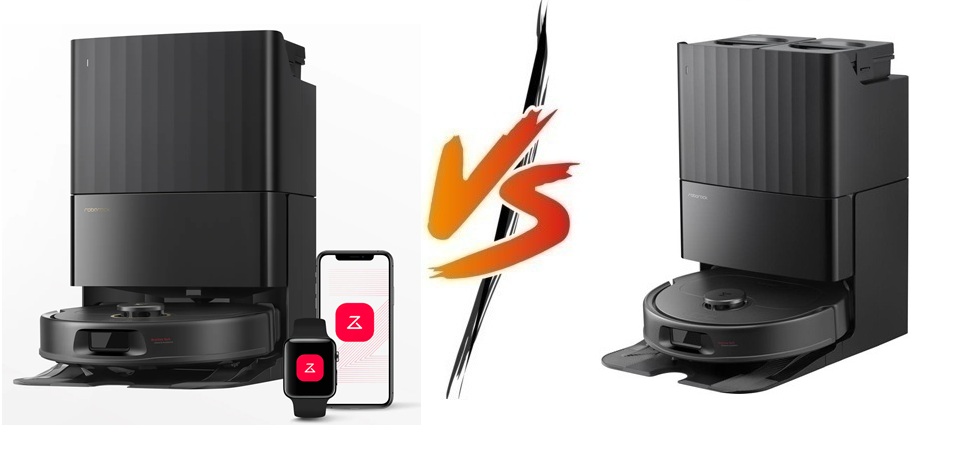
Two models that often end up compared are the Roborock Qrevo S5V and the Roborock QV 35A. On paper, they seem surprisingly similar. Both are mid-range robot vacuum and mop combos with automatic docks, LiDAR navigation, and spinning mop pads. Both aim to deliver “mostly hands-free” cleaning at a price far below the flagship models.
But once you start using them, their personalities diverge.
The Qrevo S5V is clearly tuned for performance. It pushes higher suction power, better anti-tangle brush engineering, and a stronger docking station ecosystem. The QV 35A, meanwhile, is built as a value-focused all-rounder that delivers many flagship features at a lower cost, though with a few compromises.
After spending time evaluating their build quality, navigation intelligence, cleaning results, and overall usability, a few important differences become clear.
Let’s break them down.
Roborock Qrevo S5V vs Roborock QV 35A
If you click the links below, under the product images, you will be redirected to Amazon.com. In case you then decide to buy anything, Amazon.com will pay me a commission. This doesn’t affect the honesty of this review in any way though.
| Roborock Qrevo S5V | Roborock QV 35A | |
|---|---|---|
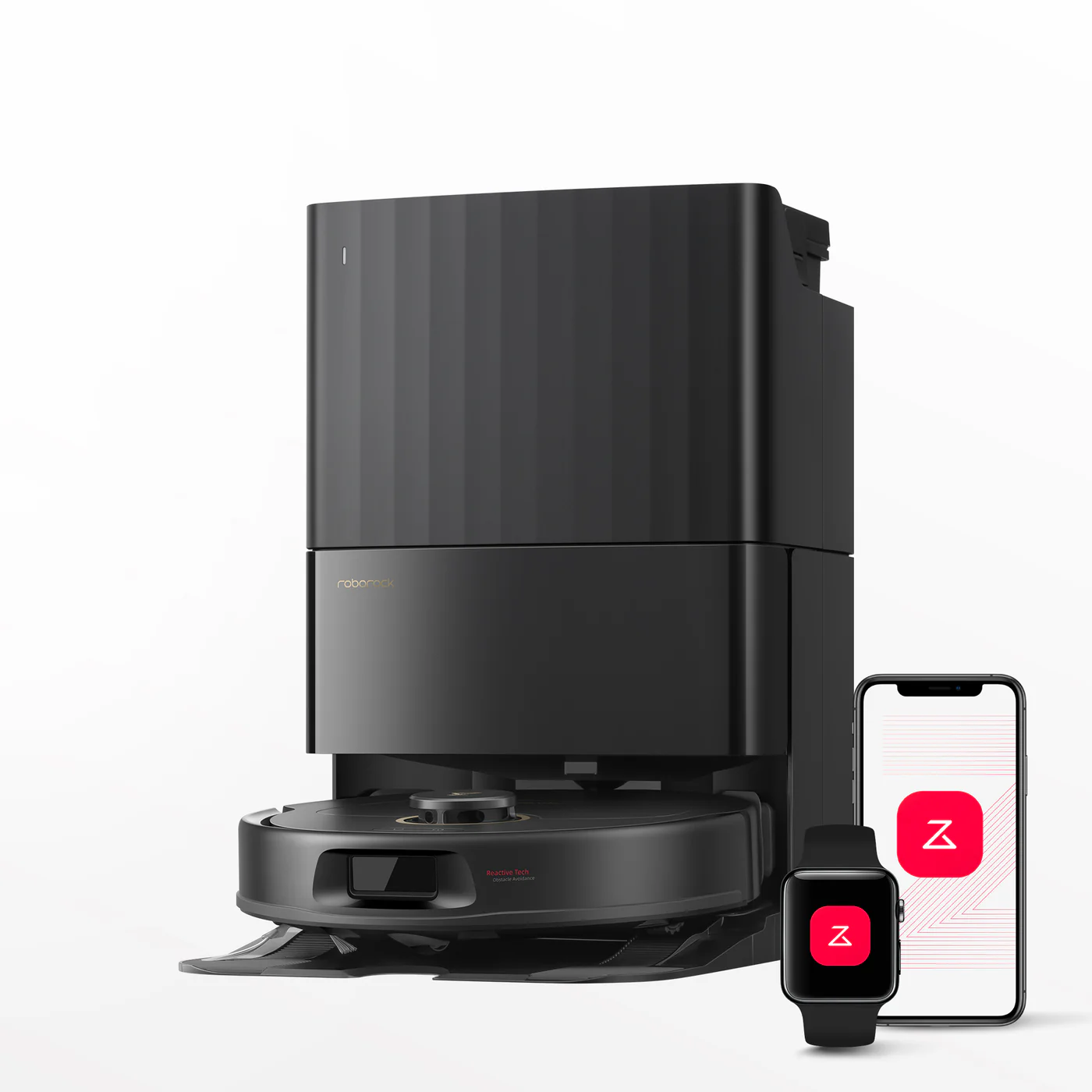 | 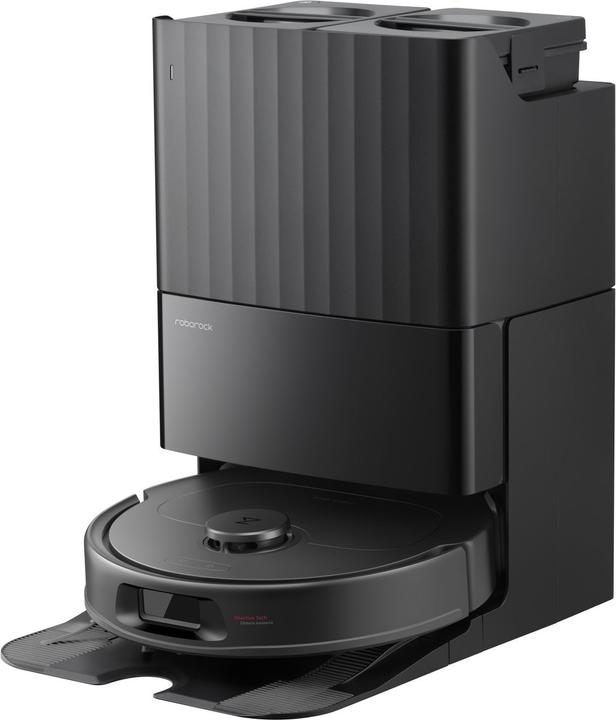 | |
| Check the best price on Amazon | Check the best price on Amazon | |
| Product Type | Robot Vacuum & Mop Combo | Robot Vacuum & Mop Combo |
| Navigation System | LiDAR (PreciSense navigation) | LiDAR with reactive obstacle detection |
| Maximum Suction Power | Up to ~12,000 Pa | Up to ~8,000 Pa |
| Main Brush System | Anti-tangle brush system | Standard single roller brush |
| Side Brush | Single rotating side brush | Single rotating side brush |
| Mopping System | Dual spinning mop pads | Dual spinning mop pads |
| Mop Pad Rotation | ~200 RPM | ~200 RPM |
| Mop Lifting | Automatic mop lifting for carpets | Automatic mop lifting for carpets |
| Edge Mopping | Improved edge coverage | Standard edge coverage |
| Water Tank (Robot) | Integrated internal tank | Integrated internal tank |
| Dock Type | Multifunction dock | Multifunction dock |
| Auto Dustbin Emptying | Yes | Yes |
| Mop Washing | Automatic mop washing in dock | Automatic mop washing in dock |
| Mop Drying | Warm-air mop drying | Air drying system |
| Clean Water Tank (Dock) | Large removable tank | Removable tank |
| Dirty Water Tank (Dock) | Yes | Yes |
| Dust Bag Capacity (Dock) | ~2.7 L | ~2.5–2.7 L |
| Battery Capacity | 5,200 mAh | 5,200 mAh |
| Maximum Runtime | Up to ~180 minutes | Up to ~120–150 minutes |
| Carpet Detection | Yes | Yes |
| Carpet Boost | Automatic suction increase | Automatic suction increase |
| Obstacle Avoidance | Basic reactive navigation | Reactive obstacle detection |
| Multi-Floor Mapping | Yes | Yes |
| App Control | Roborock App | Roborock App |
| Room-Specific Cleaning | Yes | Yes |
| Scheduling | Yes | Yes |
| Voice Assistant Support | Alexa, Google Assistant | Alexa, Google Assistant |
| Robot Height | ~3.8 in (96–97 mm) | ~3.8 in (96–97 mm) |
| Robot Diameter | ~13.8–14 in | ~13.8–14 in |
| Threshold Climbing | ~20 mm | ~20 mm |
| Best For | Homes with pets, carpets, heavier debris | Budget-friendly all-round cleaning |
| My individual reviews | Roborock Qrevo S5V review | Roborock QV 35A review |
Quick Summary
| Category Advantage | Winner |
|---|---|
| Suction Power | Qrevo S5V |
| Hair Handling | Qrevo S5V |
| Obstacle Avoidance | QV 35A |
| Mopping Strength | Qrevo S5V |
| Value for Money | QV 35A |
| Overall Cleaning Performance | Qrevo S5V |
Design & Build Quality
Design is one of the first things people notice about a robot vacuum, but it’s also one of the most underestimated aspects of long-term ownership. A robot vacuum cleaner spends hours every week navigating furniture, brushing against walls, rolling across thresholds, and sometimes getting stuck in tight spaces. Because of that, the design and build quality of the machine influence not only how it looks, but also how well it survives daily use and how effectively it cleans.
When comparing the Roborock Qrevo S5V and the Roborock QV 35A, the differences in design philosophy become clear fairly quickly. Both models follow the typical circular robot vacuum shape that has become standard in the industry, but the execution and attention to detail vary in subtle ways that affect everyday experience.
Overall Aesthetic and Design Language
The Roborock Qrevo S5V reflects the design language Roborock has been moving toward in its more recent product lines. It looks modern, minimalist, and intentional. The robot has a smooth matte finish that resists fingerprints and minor scratches better than glossy plastics. The color palette is understated, which helps the machine blend naturally into a room rather than drawing attention to itself.
In contrast, the Roborock QV 35A leans slightly more toward the functional side of design. It still looks clean and well put together, but it feels a bit more like a traditional appliance rather than a polished piece of home technology. The plastic finish is a little shinier and can show dust or fingerprints more easily. That doesn’t affect performance, but it does make the robot look slightly more utilitarian over time.
Neither machine looks cheap, but the Qrevo S5V definitely feels closer to a premium device. The edges are smoother, the seams between panels are tighter, and the overall construction feels more refined.
Shape and Dimensions
Both robots use the classic circular body that has proven effective for autonomous navigation. A round shape allows the machine to rotate freely in tight areas and reduces the risk of getting stuck when turning around furniture legs or obstacles.
In terms of size, the Qrevo S5V and the QV 35A are almost identical. Each robot measures just under fourteen inches in diameter, which is typical for LiDAR-equipped robot vacuums. Their height is also similar, staying just below four inches.
That height matters more than people realize. Many sofas, beds, and cabinets have limited clearance underneath. If a robot is too tall, it simply cannot reach those areas. Both of these models are designed to slide under most furniture without problems, provided there is at least four inches of space.
Another advantage of their relatively low profile is stability. Taller robots tend to wobble slightly when transitioning between surfaces, while lower machines maintain better balance when climbing thresholds or moving across thick rugs.
LiDAR Tower Construction
Both robots feature a small raised tower on top of the body. This is the LiDAR sensor that allows the robot to scan the room and build a map.
The LiDAR tower on the Qrevo S5V feels particularly solid. It sits firmly within the chassis and doesn’t exhibit noticeable flex if pressed gently. The housing feels thick and durable, which is important because the sensor is constantly rotating during operation.
The QV 35A also uses a LiDAR tower, but its housing feels slightly thinner. It still functions perfectly well, but the difference in material thickness is noticeable if you compare the two side by side.
In everyday use this likely won’t matter much, but it does contribute to the overall impression that the S5V is built to slightly higher standards.
Bumper and Collision Protection
Robot vacuums inevitably bump into things. Walls, chair legs, cabinets, and table bases are all part of a robot’s environment. Because of this, the bumper system is an important part of the machine’s design.
Both robots feature a spring-loaded bumper around the front half of the chassis. When the robot touches an object, the bumper compresses slightly and triggers the navigation system to adjust course.
The bumper on the Qrevo S5V feels a little more responsive and better damped. When it contacts furniture, the impact feels softer and more controlled. That helps reduce noise and protects both the robot and the furniture.
The QV 35A’s bumper works well too, but it has a slightly firmer feel. It still protects the robot effectively, but collisions can feel a bit more noticeable.
This difference isn’t dramatic, but over months of daily cleaning it can affect how refined the robot feels in operation.
Wheel System and Mobility
Both machines use large rubberized drive wheels mounted on suspension arms. These wheels allow the robot to climb small thresholds, move from hard floors to carpets, and maintain traction while turning.
The wheels on the Qrevo S5V feel particularly sturdy. The suspension has a bit more travel, which helps the robot maintain contact with the floor when moving over uneven surfaces.
The QV 35A also handles transitions fairly well, but its wheel suspension feels slightly stiffer. That can occasionally cause the robot to hesitate briefly when moving from tile to thicker rugs.
Both robots can typically handle thresholds up to about 20 millimeters, which covers most interior doorway transitions.
Brush Housing and Underside Layout
Flipping the robots over reveals more differences.
The underside of the Qrevo S5V is carefully organized with a clear focus on maintenance. The brush housing opens easily, and the roller system is designed to resist tangling from hair. The side brush is also mounted securely and rotates smoothly without excessive wobble.
The QV 35A has a more traditional underside layout. Everything is accessible and easy to remove, but the brush housing feels slightly less sophisticated. Hair can accumulate around the roller more easily, which means owners may need to clean the brush more frequently.
Both robots include removable mop pads mounted on rotating discs. These pads attach with simple mechanisms that make removal quick and straightforward when cleaning or replacing them.
Dustbin Construction
The onboard dustbin is another small but important design detail.
The Qrevo S5V includes a compact but well-sealed dustbin that slides smoothly out of the chassis. The filter compartment closes firmly and prevents dust leakage during operation.
The QV 35A’s dustbin works similarly but feels slightly lighter in construction. The plastic is a bit thinner, though still durable enough for normal use.
In both cases, the dustbin is primarily a temporary container because the robots automatically empty their contents into the dock after each cleaning session.
Docking Station Build Quality
The docking stations are large components that remain visible in the home, so their design matters as well.
The Qrevo S5V dock feels substantial and well engineered. The water tanks are thick and easy to remove, and the cleaning tray is designed to channel dirty water efficiently. The overall structure feels sturdy enough to handle frequent use without creaking or flexing.
The QV 35A dock is slightly simpler but still functional. Its water tanks and internal mechanisms work reliably, though the materials feel a little lighter.
The difference isn’t dramatic, but the S5V dock gives the impression of being built for heavier long-term use.
Long-Term Durability Expectations
Both robots appear capable of handling daily cleaning routines without major issues. Roborock has a strong reputation for reliability, and the core mechanical components in both machines are well proven.
That said, the Qrevo S5V’s slightly thicker plastics, tighter panel fit, and more refined mechanical components suggest it may hold up better over several years of use.
The QV 35A still feels durable enough for typical household cleaning, but its design clearly prioritizes affordability and practicality over premium construction.
Overall Impression
When evaluating design and build quality alone, both robots perform well and feel solidly constructed. They follow the established formula for modern robot vacuums, and neither machine feels flimsy or poorly made.
However, the Roborock Qrevo S5V stands out for its slightly more refined materials, smoother finishes, and sturdier mechanical components. It simply feels like a higher-tier product.
The Roborock QV 35A still offers good build quality for its price range, but its design leans more toward functional simplicity rather than premium construction.
For most users, either robot will perform reliably. But for buyers who appreciate careful engineering and a more polished feel, the Qrevo S5V clearly has the edge in design and build quality.
Navigation Intelligence & Mapping
Navigation is arguably the most important technology inside a robot vacuum. A machine can have powerful suction and advanced mopping hardware, but if it cannot move intelligently through a home, the cleaning results will suffer. Modern robot vacuums rely on a mix of sensors, mapping software, and artificial intelligence to move through rooms efficiently without getting stuck or missing large areas.
Both the Roborock Qrevo S5V and the Roborock QV 35A use LiDAR-based navigation systems, which are widely considered the gold standard in the robot vacuum industry. While they share the same basic technology, their implementations differ in ways that affect mapping accuracy, obstacle handling, and day-to-day reliability.
LiDAR Navigation Technology
LiDAR stands for Light Detection and Ranging. The sensor emits laser pulses and measures how long it takes for the light to bounce back from surrounding objects. By scanning the environment hundreds of times per second, the robot builds a detailed map of the room in real time.
One of the biggest advantages of LiDAR is that it works equally well in both bright and dark environments. Unlike camera-based navigation systems, LiDAR does not rely on visible light to identify objects. This means both the Qrevo S5V and the QV 35A can clean effectively at night or in rooms with minimal lighting.
The LiDAR sensor sits inside the rotating tower on top of the robot. As the tower spins, the sensor captures a full 360-degree view of the surroundings. The robot’s processor then converts that information into a digital floor plan that guides its movements.
Both robots perform this task quickly and accurately, and in most homes they will create a complete floor map within a single cleaning run.
Initial Mapping Process
Setting up the first map is usually a straightforward process. After connecting the robot to the companion mobile app, the user can start a mapping run. During this run, the robot travels through the entire accessible area of the home while scanning walls, furniture, and obstacles.
The QV 35A tends to move slightly faster during the initial mapping phase. It prioritizes exploration and tries to capture the entire layout quickly. This can be helpful if you want to start scheduling cleanings right away.
The Qrevo S5V takes a slightly more deliberate approach. Its movement is a bit slower and more methodical, but the resulting map often contains slightly more detailed boundaries and furniture outlines.
In most homes, the difference between the two systems is minor. Both robots produce clear and accurate maps that are easy to edit inside the app.
Multi-Room and Multi-Floor Mapping
Modern homes often have several rooms, and many houses have multiple floors. A robot vacuum must be able to recognize and store different layouts to remain useful in these environments.
Both the Qrevo S5V and the QV 35A support multi-room mapping. After the initial scan, the mobile app automatically divides the space into separate rooms based on walls and structural boundaries. Users can rename these rooms, merge them, or split them manually if needed.
For example, you can label areas such as:
- Kitchen
- Living room
- Bedroom
- Hallway
- Office
Once rooms are labeled, the robot can clean specific areas on command. This allows you to send the robot to clean only the kitchen after dinner, or vacuum the hallway when guests arrive.
Both robots also support multi-floor mapping. If you carry the robot upstairs, it will automatically detect that it is in a new environment and create a separate map. The app then allows you to switch between stored maps when moving the robot between floors.
This feature works reliably on both models and is especially useful in larger homes.
Cleaning Path Efficiency
Once the map is created, the robot begins following structured cleaning paths. Instead of wandering randomly like early robot vacuums, modern machines follow organized routes that maximize coverage and minimize wasted movement.
Both the Qrevo S5V and the QV 35A typically start by cleaning the perimeter of a room. This allows the robot to identify boundaries and obstacles before filling in the center with straight cleaning passes.
After the edges are complete, the robot moves back and forth in parallel lines across the floor. This pattern ensures that every section of the room receives attention.
The Qrevo S5V tends to produce slightly straighter and more consistent cleaning lines. Its navigation software seems to prioritize precision, which can lead to slightly more complete coverage.
The QV 35A still performs well, but its cleaning paths sometimes appear a little less uniform. This rarely affects the final result, but careful observers might notice the difference.
Obstacle Detection and Avoidance
One of the biggest challenges for robot vacuums is dealing with obstacles. Real homes contain cables, shoes, toys, pet bowls, and other objects scattered across the floor. A robot that cannot detect these items may become stuck or drag them across the room.
The QV 35A includes a reactive obstacle detection system designed to recognize small objects on the floor. This system uses additional sensors to identify obstacles in front of the robot and adjust its path accordingly.
In many situations, this allows the robot to avoid common hazards such as charging cables or small items left on the floor. This can reduce the need to prepare the house before running a cleaning cycle.
However, reactive obstacle detection systems are not perfect. Sometimes the sensors misinterpret dark surfaces or reflective materials as obstacles. When that happens, the robot may avoid areas that are actually safe to clean.
The Qrevo S5V focuses more on mapping precision than object recognition. While it still includes basic obstacle detection through its bumper and sensors, it does not emphasize small object avoidance to the same degree.
In practice, this means the S5V may occasionally bump into small items that the QV 35A would avoid. For homes with cluttered floors, this difference can be noticeable.
Edge and Corner Navigation
Cleaning along walls and furniture edges is another important aspect of navigation. Dust and debris often collect along baseboards, under cabinets, and around furniture legs.
Both robots approach edges carefully, using their side brushes to sweep debris toward the main suction inlet.
The Qrevo S5V tends to maintain slightly tighter alignment along walls. Its navigation system keeps the robot closer to edges without excessive bumping.
The QV 35A performs well in this area too, but it occasionally leaves a slightly wider gap when moving along baseboards.
Corners remain a challenge for all round robot vacuums. Because of their circular shape, they cannot reach deep into sharp corners. However, the side brush helps reduce the amount of debris left behind.
Real-Time Navigation Adjustments
Homes are dynamic environments. People move furniture, open doors, and walk through rooms while the robot is cleaning. A good navigation system must adapt to these changes in real time.
Both robots constantly update their maps while cleaning. If a chair has been moved or a door is opened, the robot adjusts its path accordingly.
For example, if a new room becomes accessible during cleaning, the robot may briefly explore the area and add it to the map.
If the robot encounters a blocked path, it will recalculate a route and continue cleaning elsewhere.
This flexibility makes both machines reliable during everyday use.
No-Go Zones and Virtual Walls
Another useful navigation feature is the ability to define restricted areas. Some spaces are simply not suitable for robot cleaning, such as rooms with delicate cables or areas containing pet food bowls.
Using the mobile app, users can draw virtual boundaries directly on the map.
Common examples include:
- No-go zones around pet feeding areas
- Virtual walls across rooms with loose cables
- Restricted zones near fragile decorations
Both the Qrevo S5V and the QV 35A support these features, and the process is simple and intuitive.
Reliability Over Time
Navigation systems must remain reliable over months or years of use. Dust accumulation, changing furniture layouts, and software updates can all affect mapping accuracy.
Roborock’s navigation software has matured significantly over time, and both robots benefit from that experience. Maps tend to remain stable even after many cleaning cycles.
Occasionally, the robot may request a remapping if the environment changes dramatically, such as after moving large pieces of furniture.
In most homes, however, the mapping system remains consistent for long periods without requiring manual intervention.
Overall Navigation Experience
Both the Roborock Qrevo S5V and the Roborock QV 35A offer strong navigation performance. Their LiDAR-based mapping systems are reliable, accurate, and capable of handling complex home layouts.
The Qrevo S5V stands out for its slightly more precise path planning and cleaner edge navigation. Its movements feel deliberate and carefully controlled.
The QV 35A, on the other hand, offers stronger obstacle detection capabilities, which can be helpful in homes where small items are frequently left on the floor.
In practical terms, both robots navigate far better than older robot vacuums that relied on random movement patterns. They map homes quickly, follow efficient cleaning routes, and adapt well to changing environments.
For most households, either navigation system will provide dependable, hands-off cleaning with minimal intervention.
Navigation Intelligence & Mapping
Navigation is arguably the most important technology inside a robot vacuum. A machine can have powerful suction and advanced mopping hardware, but if it cannot move intelligently through a home, the cleaning results will suffer. Modern robot vacuums rely on a mix of sensors, mapping software, and artificial intelligence to move through rooms efficiently without getting stuck or missing large areas.
Both the Roborock Qrevo S5V and the Roborock QV 35A use LiDAR-based navigation systems, which are widely considered the gold standard in the robot vacuum industry. While they share the same basic technology, their implementations differ in ways that affect mapping accuracy, obstacle handling, and day-to-day reliability.
LiDAR Navigation Technology
LiDAR stands for Light Detection and Ranging. The sensor emits laser pulses and measures how long it takes for the light to bounce back from surrounding objects. By scanning the environment hundreds of times per second, the robot builds a detailed map of the room in real time.
One of the biggest advantages of LiDAR is that it works equally well in both bright and dark environments. Unlike camera-based navigation systems, LiDAR does not rely on visible light to identify objects. This means both the Qrevo S5V and the QV 35A can clean effectively at night or in rooms with minimal lighting.
The LiDAR sensor sits inside the rotating tower on top of the robot. As the tower spins, the sensor captures a full 360-degree view of the surroundings. The robot’s processor then converts that information into a digital floor plan that guides its movements.
Both robots perform this task quickly and accurately, and in most homes they will create a complete floor map within a single cleaning run.
Initial Mapping Process
Setting up the first map is usually a straightforward process. After connecting the robot to the companion mobile app, the user can start a mapping run. During this run, the robot travels through the entire accessible area of the home while scanning walls, furniture, and obstacles.
The QV 35A tends to move slightly faster during the initial mapping phase. It prioritizes exploration and tries to capture the entire layout quickly. This can be helpful if you want to start scheduling cleanings right away.
The Qrevo S5V takes a slightly more deliberate approach. Its movement is a bit slower and more methodical, but the resulting map often contains slightly more detailed boundaries and furniture outlines.
In most homes, the difference between the two systems is minor. Both robots produce clear and accurate maps that are easy to edit inside the app.
Multi-Room and Multi-Floor Mapping
Modern homes often have several rooms, and many houses have multiple floors. A robot vacuum must be able to recognize and store different layouts to remain useful in these environments.
Both the Qrevo S5V and the QV 35A support multi-room mapping. After the initial scan, the mobile app automatically divides the space into separate rooms based on walls and structural boundaries. Users can rename these rooms, merge them, or split them manually if needed.
For example, you can label areas such as:
- Kitchen
- Living room
- Bedroom
- Hallway
- Office
Once rooms are labeled, the robot can clean specific areas on command. This allows you to send the robot to clean only the kitchen after dinner, or vacuum the hallway when guests arrive.
Both robots also support multi-floor mapping. If you carry the robot upstairs, it will automatically detect that it is in a new environment and create a separate map. The app then allows you to switch between stored maps when moving the robot between floors.
This feature works reliably on both models and is especially useful in larger homes.
Cleaning Path Efficiency
Once the map is created, the robot begins following structured cleaning paths. Instead of wandering randomly like early robot vacuums, modern machines follow organized routes that maximize coverage and minimize wasted movement.
Both the Qrevo S5V and the QV 35A typically start by cleaning the perimeter of a room. This allows the robot to identify boundaries and obstacles before filling in the center with straight cleaning passes.
After the edges are complete, the robot moves back and forth in parallel lines across the floor. This pattern ensures that every section of the room receives attention.
The Qrevo S5V tends to produce slightly straighter and more consistent cleaning lines. Its navigation software seems to prioritize precision, which can lead to slightly more complete coverage.
The QV 35A still performs well, but its cleaning paths sometimes appear a little less uniform. This rarely affects the final result, but careful observers might notice the difference.
Obstacle Detection and Avoidance
One of the biggest challenges for robot vacuums is dealing with obstacles. Real homes contain cables, shoes, toys, pet bowls, and other objects scattered across the floor. A robot that cannot detect these items may become stuck or drag them across the room.
The QV 35A includes a reactive obstacle detection system designed to recognize small objects on the floor. This system uses additional sensors to identify obstacles in front of the robot and adjust its path accordingly.
In many situations, this allows the robot to avoid common hazards such as charging cables or small items left on the floor. This can reduce the need to prepare the house before running a cleaning cycle.
However, reactive obstacle detection systems are not perfect. Sometimes the sensors misinterpret dark surfaces or reflective materials as obstacles. When that happens, the robot may avoid areas that are actually safe to clean.
The Qrevo S5V focuses more on mapping precision than object recognition. While it still includes basic obstacle detection through its bumper and sensors, it does not emphasize small object avoidance to the same degree.
In practice, this means the S5V may occasionally bump into small items that the QV 35A would avoid. For homes with cluttered floors, this difference can be noticeable.
Edge and Corner Navigation
Cleaning along walls and furniture edges is another important aspect of navigation. Dust and debris often collect along baseboards, under cabinets, and around furniture legs.
Both robots approach edges carefully, using their side brushes to sweep debris toward the main suction inlet.
The Qrevo S5V tends to maintain slightly tighter alignment along walls. Its navigation system keeps the robot closer to edges without excessive bumping.
The QV 35A performs well in this area too, but it occasionally leaves a slightly wider gap when moving along baseboards.
Corners remain a challenge for all round robot vacuums. Because of their circular shape, they cannot reach deep into sharp corners. However, the side brush helps reduce the amount of debris left behind.
Real-Time Navigation Adjustments
Homes are dynamic environments. People move furniture, open doors, and walk through rooms while the robot is cleaning. A good navigation system must adapt to these changes in real time.
Both robots constantly update their maps while cleaning. If a chair has been moved or a door is opened, the robot adjusts its path accordingly.
For example, if a new room becomes accessible during cleaning, the robot may briefly explore the area and add it to the map.
If the robot encounters a blocked path, it will recalculate a route and continue cleaning elsewhere.
This flexibility makes both machines reliable during everyday use.
No-Go Zones and Virtual Walls
Another useful navigation feature is the ability to define restricted areas. Some spaces are simply not suitable for robot cleaning, such as rooms with delicate cables or areas containing pet food bowls.
Using the mobile app, users can draw virtual boundaries directly on the map.
Common examples include:
- No-go zones around pet feeding areas
- Virtual walls across rooms with loose cables
- Restricted zones near fragile decorations
Both the Qrevo S5V and the QV 35A support these features, and the process is simple and intuitive.
Reliability Over Time
Navigation systems must remain reliable over months or years of use. Dust accumulation, changing furniture layouts, and software updates can all affect mapping accuracy.
Roborock’s navigation software has matured significantly over time, and both robots benefit from that experience. Maps tend to remain stable even after many cleaning cycles.
Occasionally, the robot may request a remapping if the environment changes dramatically, such as after moving large pieces of furniture.
In most homes, however, the mapping system remains consistent for long periods without requiring manual intervention.
Overall Navigation Experience
Both the Roborock Qrevo S5V and the Roborock QV 35A offer strong navigation performance. Their LiDAR-based mapping systems are reliable, accurate, and capable of handling complex home layouts.
The Qrevo S5V stands out for its slightly more precise path planning and cleaner edge navigation. Its movements feel deliberate and carefully controlled.
The QV 35A, on the other hand, offers stronger obstacle detection capabilities, which can be helpful in homes where small items are frequently left on the floor.
In practical terms, both robots navigate far better than older robot vacuums that relied on random movement patterns. They map homes quickly, follow efficient cleaning routes, and adapt well to changing environments.
For most households, either navigation system will provide dependable, hands-off cleaning with minimal intervention.
Vacuuming Performance
Vacuuming performance is the core function of any robot vacuum cleaner. While features like navigation, smart home integration, and automated docks add convenience, the machine still needs to do one fundamental job well: remove dust, dirt, debris, and hair from the floor.
When comparing the Roborock Qrevo S5V and the Roborock QV 35A, both robots deliver solid cleaning results for everyday household messes. However, the way they achieve those results differs slightly, and those differences become more noticeable depending on the type of flooring, the amount of debris, and whether pets are present in the home.
Understanding vacuuming performance requires looking at several factors, including suction power, brush design, airflow efficiency, debris pickup, and the robot’s ability to maintain strong cleaning results across different surfaces.
Suction Power and Airflow
One of the most commonly advertised specifications for robot vacuums is suction power. The Roborock Qrevo S5V features significantly stronger suction compared to the QV 35A. On paper, the S5V produces up to 12,000 Pa of suction, while the QV 35A delivers roughly 8,000 Pa.
Those numbers might sound dramatic, but suction power alone does not determine cleaning performance. The design of the brush system, airflow path, and debris intake also play important roles.
That said, the higher suction rating of the S5V does give it a clear advantage in certain situations. Stronger suction allows the robot to pull debris from deeper inside carpet fibers and improves its ability to pick up heavier particles such as sand, small pebbles, or pet litter.
The QV 35A still provides plenty of suction for routine cleaning. Dust, crumbs, and small debris are easily removed from hard floors and low-pile carpets. However, when debris becomes heavier or more embedded in carpet, the additional suction power of the S5V begins to make a noticeable difference.
Main Brush System
The main brush plays a critical role in lifting dirt from the floor and directing it into the suction channel. The Roborock Qrevo S5V uses an upgraded brush system designed specifically to reduce tangling and improve debris pickup.
This system features dual anti-tangle rollers that help guide hair toward the center of the vacuum intake while preventing strands from wrapping tightly around the brush. The rollers are designed with angled surfaces that naturally push hair toward the suction opening rather than trapping it.
For homes with long hair or pets, this design can significantly reduce the amount of manual maintenance required. Hair buildup on the brush is one of the most common complaints about robot vacuums, and the S5V’s design helps address that issue.
The QV 35A uses a more traditional single roller brush. It still performs well for most debris types, but it is more likely to collect hair around the roller shaft. Owners may need to remove the brush occasionally and cut away tangled strands.
While this difference does not drastically affect cleaning ability, it can influence how often the robot needs attention.
Side Brush Performance
Both robots include a side brush mounted on the front corner of the chassis. The purpose of the side brush is to sweep debris away from walls and corners and push it toward the main brush.
Side brushes are especially important for cleaning along baseboards and furniture edges, where dust tends to accumulate.
The side brush on the Qrevo S5V spins smoothly and maintains consistent contact with the floor. Its flexible bristles are long enough to reach into corners but stiff enough to move heavier debris toward the suction intake.
The QV 35A’s side brush performs similarly, though its bristles are slightly softer. In most situations the difference is minor, but when dealing with heavier particles like rice or small gravel, the S5V’s brush tends to move debris more effectively.
Hard Floor Cleaning
Hard floors are typically the easiest surfaces for robot vacuums to clean. Dust, crumbs, and hair sit on the surface rather than becoming embedded in fibers, which allows the robot to collect them with minimal effort.
Both the Qrevo S5V and the QV 35A perform very well on hard floors such as tile, hardwood, laminate, and vinyl. During regular cleaning runs, they easily collect everyday debris including food crumbs, dust, pet hair, and small particles tracked in from outside.
Because the S5V has stronger suction, it tends to remove slightly more fine dust in a single pass. However, the difference is subtle during routine cleaning cycles.
One area where the S5V stands out is edge pickup. Its stronger airflow helps pull dust away from baseboards more effectively, reducing the amount of debris left behind along walls.
The QV 35A still performs well in these areas, but it may leave a thin line of dust along some edges that requires an additional pass to remove completely.
Carpet Cleaning Performance
Carpet cleaning is where the gap between the two robots becomes more noticeable.
Low-pile carpets are generally manageable for both machines. Dust, crumbs, and hair sitting on top of the carpet fibers are usually removed without difficulty. Both robots automatically increase suction when they detect carpet, which improves debris removal.
However, thicker carpets present a greater challenge. Dirt and hair can become trapped within the fibers, requiring stronger suction and better brush agitation to remove them.
In these situations, the Qrevo S5V has the advantage. Its higher suction power and improved brush design allow it to pull more debris from deeper inside the carpet.
The QV 35A still cleans carpets reasonably well, but it may struggle with heavier debris or dirt that has been ground into the fibers.
For homes with mostly hard floors and a few rugs, the QV 35A is perfectly adequate. For homes with multiple carpeted rooms, the S5V generally delivers more consistent results.
Handling of Large Debris
Robot vacuums sometimes encounter larger debris such as cereal pieces, dry pet food, or small leaves tracked in from outside.
Both robots can handle moderate amounts of larger debris, but their performance varies slightly depending on the size and weight of the particles.
The Qrevo S5V tends to collect larger debris more easily because its stronger suction pulls particles into the intake channel more effectively. The brush system also helps guide items toward the suction path rather than pushing them around the floor.
The QV 35A still handles larger debris reasonably well, though very large pieces may occasionally be pushed aside by the brush before being collected on a second pass.
This difference becomes more noticeable in kitchens or entryways where larger particles are more common.
Hair Pickup
Hair pickup is one of the most challenging tasks for robot vacuums. Long strands can wrap around brushes, cling to carpets, or accumulate in corners.
The Qrevo S5V performs particularly well in this area. Its brush system actively directs hair toward the suction opening and minimizes tangling. As a result, the robot continues cleaning efficiently without frequent interruptions.
The QV 35A also collects hair effectively, but the brush roller is more prone to wrapping. Over time, accumulated hair can reduce the efficiency of the brush unless it is cleaned periodically.
For homes with pets that shed heavily, this difference can make the S5V significantly more convenient to maintain.
Consistency Across Cleaning Cycles
Another important factor in vacuuming performance is consistency. A robot that cleans well during the first week but gradually loses effectiveness due to clogged brushes or filters becomes frustrating to own.
Both robots include washable filters that help maintain airflow over time. Regular cleaning of the filter and brush ensures consistent performance.
Because the S5V’s brush system resists tangling more effectively, it tends to maintain peak performance longer between maintenance sessions.
The QV 35A still performs reliably, but owners may need to check the brush slightly more often to keep cleaning performance at its best.
Overall Vacuuming Capability
When evaluating vacuuming performance as a whole, both the Roborock Qrevo S5V and the Roborock QV 35A deliver strong cleaning results for typical households.
The QV 35A handles everyday debris on hard floors and light carpets without difficulty. It is more than capable of maintaining a clean home with regular cleaning cycles.
The Qrevo S5V, however, pushes performance further. Its stronger suction, improved brush system, and better hair handling allow it to tackle heavier debris and deeper carpet dirt more effectively.
For homes with pets, thicker carpets, or higher cleaning demands, the S5V offers a noticeable performance advantage.
For smaller homes with mostly hard flooring and lighter cleaning needs, the QV 35A still provides reliable vacuuming performance and remains a capable option for everyday maintenance cleaning.
Mopping Capability
Mopping has become one of the defining features of modern robot vacuum cleaners. Early robot vacuums could only sweep and vacuum, leaving hard floor cleaning to traditional mops. Over the past few years, however, manufacturers have invested heavily in developing integrated mopping systems that can scrub floors, manage water flow, and even wash their own mop pads automatically.
Both the Roborock Qrevo S5V and the Roborock QV 35A are designed as hybrid cleaning machines that combine vacuuming and mopping into a single device. Each robot uses rotating mop pads and an automated docking station that handles much of the cleaning and maintenance process. While the two systems share many similarities, there are several differences in how they approach mopping performance and convenience.
Rotating Mop Pad Design
Both robots rely on a dual spinning mop pad system rather than the older drag-style mopping cloths that many early robot vacuums used. This design places two circular mop pads on the underside of the robot, each attached to a small motor that rotates the pad while the robot moves across the floor.
The spinning motion is important because it creates a scrubbing action rather than simply wiping the surface. This helps loosen dirt, dried stains, and sticky residue that might otherwise remain on the floor after vacuuming.
The mop pads on the Qrevo S5V spin at a steady speed and apply gentle downward pressure to the floor. This combination allows the robot to scrub effectively without damaging delicate surfaces such as sealed hardwood or laminate.
The QV 35A uses a similar system with two rotating mop discs positioned toward the rear of the robot. The cleaning motion is comparable, and during everyday cleaning tasks the difference between the two systems is subtle.
In practice, both robots perform far better than passive mopping systems. The spinning pads can remove footprints, light spills, and general grime that accumulate on hard floors over time.
Water Flow Control
Effective mopping requires careful control of water usage. Too little water and the mop cannot break down dried residue. Too much water and the floor may remain wet for too long, which can damage certain materials.
Both robots include internal water tanks that supply moisture to the mop pads during cleaning. Through the mobile app, users can adjust the amount of water released depending on the type of floor and the level of cleaning required.
For example, lower water levels are typically used for sealed hardwood floors, while higher levels work better for tile or vinyl surfaces that can tolerate more moisture.
The Qrevo S5V offers slightly more precise water control settings. This allows users to fine-tune the mopping intensity depending on the room. Kitchens or entryways may benefit from stronger mopping, while bedrooms might only need light maintenance cleaning.
The QV 35A still offers adjustable water flow, but its settings are slightly simpler. For most users this will not be a major limitation, but those who like very detailed control over cleaning behavior may prefer the flexibility offered by the S5V.
Automatic Mop Washing
One of the most important features of modern robot mopping systems is automatic mop washing. Without it, the robot would simply drag a dirty mop pad across the floor after cleaning the first room.
Both the Qrevo S5V and the QV 35A include docking stations that wash the mop pads during and after cleaning cycles. When the robot returns to the dock, the station sprays water onto the pads and rotates them against a textured cleaning surface. This process removes accumulated dirt and refreshes the pads before the robot continues cleaning.
During longer cleaning sessions, the robot may return to the dock several times to rinse the pads before moving on to the next area. This helps maintain consistent mopping performance across the entire home.
The Qrevo S5V dock tends to perform slightly more thorough washing cycles. The cleaning process feels more robust, and the pads often emerge looking cleaner after heavy use.
The QV 35A dock still washes the mop pads effectively, but the cleaning cycle is a bit simpler. For light to moderate dirt levels, this difference is barely noticeable.
Mop Drying System
After the mop pads are washed, they must also be dried. Damp mop pads can develop unpleasant odors if left wet for extended periods.
Both robots address this problem by using built-in drying systems inside their docking stations. After cleaning, warm air circulates around the mop pads to remove excess moisture.
The Qrevo S5V uses a slightly stronger drying system that moves air more aggressively across the pads. This helps them dry faster and reduces the risk of mildew forming.
The QV 35A includes a drying feature as well, though the airflow is somewhat gentler. It still dries the pads effectively, but the process may take slightly longer.
For most users this difference will only matter if the robot runs multiple cleaning cycles per day or operates in a very humid environment.
Carpet Detection and Mop Lifting
One of the challenges of hybrid robot cleaners is preventing wet mop pads from contacting carpets. A robot that drags a wet mop across carpeted areas can cause moisture damage and leave unpleasant odors.
Both the Qrevo S5V and the QV 35A use automatic carpet detection systems. When the robot senses that it has moved onto a carpeted surface, it raises the mop pads above the floor to prevent them from touching the carpet.
The lifting mechanism works smoothly and activates quickly as the robot transitions from hard flooring to carpet.
The lift height is sufficient for most low and medium-pile carpets. In these situations, the robot can vacuum the carpet normally while keeping the mop pads safely elevated.
This feature allows users to run combined vacuum and mop cleaning cycles without worrying about wet carpets.
Edge and Wall Mopping
Cleaning along walls and cabinets is one of the most difficult tasks for robot mops. Because the mop pads are mounted near the center of the robot, they sometimes leave a narrow strip of uncleaned floor along the edges.
The Qrevo S5V attempts to minimize this issue by positioning the mop pads slightly closer to the outer edge of the chassis. This allows the pads to reach nearer to walls when the robot passes alongside them.
In many cases, the S5V leaves a smaller gap between the cleaned area and the baseboard.
The QV 35A also cleans edges reasonably well, but its mop pad placement results in a slightly wider uncleaned strip along some walls.
While neither robot can reach perfectly into corners, the side brush and mop combination helps reduce visible dust accumulation in these areas.
Handling of Dried Stains
The real test of a robot mop is how it handles dried spills and stubborn stains.
Light stains such as juice splashes, dried water spots, or footprints are typically removed easily by both robots. The rotating mop pads provide enough scrubbing action to break down these residues during a normal cleaning pass.
For tougher stains, the Qrevo S5V tends to perform slightly better. Its mop pressure and pad rotation appear to apply a bit more scrubbing force, allowing it to loosen stubborn spots more effectively.
The QV 35A can still remove these stains, but it may require two passes or a higher water flow setting to achieve the same result.
Real-World Mopping Experience
In everyday use, both robots are well suited for maintaining clean hard floors. Running the robot regularly prevents dirt from building up and keeps floors looking fresh without requiring manual mopping.
Neither robot is intended to replace deep manual scrubbing for extremely dirty floors. Instead, they excel at routine maintenance cleaning. When used consistently, they can significantly reduce the need for traditional mopping.
The automatic mop washing and drying features make the process largely hands-free. Owners rarely need to touch the mop pads directly except when replacing them after extended use.
Overall Mopping Performance
When comparing the two robots directly, both offer capable mopping systems that are far more advanced than the simple cloth pads found on earlier robot vacuums.
The Roborock QV 35A delivers reliable mopping performance that works well for everyday cleaning of hard floors. Its spinning mop pads, adjustable water flow, and automatic washing system make it a convenient tool for routine floor maintenance.
The Roborock Qrevo S5V builds on this foundation with slightly stronger scrubbing, better edge coverage, and a more robust docking system for washing and drying the mop pads.
For homes with large hard floor areas or kitchens where spills are common, the S5V’s mopping system may provide more consistent results. For general household cleaning, however, both robots offer a practical and highly convenient approach to automated mopping.
Maintenance & Cleaning
Maintenance is one of the most important aspects of owning a robot vacuum cleaner. While these machines are designed to automate floor cleaning, they still require periodic upkeep to maintain peak performance. Filters need to be cleaned, brushes can accumulate hair, and dustbins eventually fill up. The amount of effort required to keep the robot running smoothly can significantly affect the overall ownership experience.
Both the Roborock Qrevo S5V and the Roborock QV 35A are designed with convenience in mind. They include automated dock systems that handle several maintenance tasks automatically. However, there are still differences in how each robot manages dust collection, mop cleaning, and routine servicing.
Understanding these differences helps determine how much time and effort users will need to invest in maintaining the machine.
Automatic Dustbin Emptying
One of the biggest quality-of-life improvements in modern robot vacuums is automatic dustbin emptying. Instead of manually emptying the robot’s onboard dustbin after every cleaning cycle, the robot returns to its dock and transfers the collected debris into a larger disposable bag.
Both the Qrevo S5V and the QV 35A include auto-empty docks that perform this task automatically. After completing a cleaning session, the robot aligns with the dock and activates a powerful suction system that pulls debris from the internal dustbin into the dock’s larger storage bag.
This process takes only a few seconds but eliminates one of the most frequent maintenance tasks associated with robot vacuums.
The dock’s internal dust bag typically holds several weeks’ worth of debris, depending on how often the robot runs and how dirty the home is. In most households, the bag only needs to be replaced every one to two months.
The Qrevo S5V’s dock feels slightly more powerful during the emptying process. The suction noise is stronger and the debris transfer appears very thorough. The QV 35A dock also empties the bin effectively, though occasionally very fine dust may remain inside the robot’s bin until the next cleaning cycle.
In everyday use, both systems work well and dramatically reduce the amount of manual interaction required.
Dustbin Accessibility
Even though the robots automatically empty their dustbins, there are still times when users may want to access the onboard bin directly. For example, if the robot picks up something unusual or if a quick inspection is needed.
The Qrevo S5V features a dustbin that slides smoothly out of the top compartment of the robot. The latch mechanism feels secure but easy to operate, allowing users to remove the bin without much effort.
The filter housing is also easy to open, which makes routine cleaning simple. The filter can be tapped gently to remove dust or rinsed under water when necessary.
The QV 35A follows a similar design. Its dustbin is also accessible from the top of the robot and can be removed quickly. The plastic construction is slightly lighter, but the mechanism still works reliably.
For most users, the dustbin will rarely need to be removed thanks to the auto-empty dock, but it is good to see that both models prioritize accessibility.
Filter Maintenance
Filters play a crucial role in maintaining strong suction and preventing dust from being blown back into the air. Over time, filters can become clogged with fine particles, which reduces airflow and cleaning performance.
Both robots use washable high-efficiency filters. This design allows users to rinse the filter under running water instead of replacing it frequently.
Cleaning the filter usually takes only a few minutes. After rinsing, it should be allowed to dry completely before being reinstalled in the robot.
With regular cleaning, a filter can last several months before needing replacement. Replacement filters are generally inexpensive and widely available.
The filter compartments in both robots are well designed, with rubber seals that prevent dust leakage. This helps ensure that debris remains contained inside the dustbin rather than escaping into the robot’s internal components.
Brush Maintenance
Brush maintenance is another common task for robot vacuum owners. Hair, threads, and fibers can wrap around the main brush over time, especially in homes with pets or long hair.
The Roborock Qrevo S5V has a clear advantage in this area thanks to its anti-tangle brush system. The design helps guide hair toward the suction intake rather than allowing it to wrap tightly around the brush roller.
As a result, the brush often remains cleaner between maintenance sessions. Users may still need to remove occasional strands of hair, but the process tends to be quicker and less frequent.
The QV 35A uses a more traditional brush design. It still cleans effectively, but hair can accumulate around the roller ends over time. When this happens, the brush can be removed from its housing and cleaned manually.
Fortunately, both robots make this process easy. The brush cover pops open without tools, and the roller can be lifted out within seconds.
Regular brush inspection helps ensure that the robot continues to clean efficiently.
Side Brush Maintenance
The side brush also requires occasional attention. This small rotating brush sweeps debris from edges and corners toward the main suction inlet.
Over time, hair or threads can wrap around the base of the side brush, slowing its rotation. If this happens, the brush can be removed and cleaned.
Both robots allow the side brush to be detached easily, usually by removing a small screw or clip depending on the design. Once removed, any trapped debris can be cleared away quickly.
Side brushes are inexpensive and can be replaced periodically if the bristles become worn or bent.
Mop Pad Cleaning and Replacement
Since both robots include mopping functionality, mop maintenance is another important consideration.
The docking stations handle much of the work automatically. After each cleaning session, the robot returns to the dock where the mop pads are washed and rinsed. This removes accumulated dirt and refreshes the pads before the next cleaning run.
The dock also dries the pads using warm air circulation. This prevents unpleasant odors and reduces the risk of mold growth.
Despite this automation, the mop pads themselves will eventually wear out. After several months of use, the fabric may lose its scrubbing ability and should be replaced.
Fortunately, removing the mop pads is extremely simple. They attach to the rotating discs using hook-and-loop fasteners, allowing them to be pulled off and replaced in seconds.
Replacement mop pads are widely available and relatively inexpensive.
Dock Maintenance
Although the dock handles many cleaning tasks automatically, it also requires occasional maintenance.
Both docking stations include removable water tanks for clean water and dirty water. These tanks should be emptied and refilled periodically, especially after several mopping sessions.
The washing tray inside the dock may also accumulate small amounts of dirt or residue over time. Cleaning this tray occasionally helps maintain hygiene and prevents buildup.
The Qrevo S5V dock appears slightly easier to maintain because its internal components are designed for quick removal and rinsing. The QV 35A dock still allows access to key parts, but its layout is somewhat simpler.
Consumable Parts
Like all robot vacuums, both models rely on consumable components that will eventually need replacement. These include:
- Dust bags for the dock
- Filters
- Mop pads
- Main brushes
- Side brushes
Most manufacturers recommend replacing these parts every few months depending on usage. Fortunately, these components are generally affordable and easy to install.
Keeping spare consumables on hand helps ensure that the robot continues operating at peak efficiency.
Maintenance Frequency
One of the main goals of modern robot vacuum design is reducing the amount of maintenance required from the user.
Thanks to their automated docks, both the Qrevo S5V and the QV 35A require surprisingly little attention. In many homes, users may only need to perform minor maintenance tasks once every week or two.
Typical maintenance might include:
- Checking the brush for hair buildup
- Emptying or replacing the dock’s dust bag when full
- Refilling the clean water tank
- Emptying the dirty water tank
These tasks take only a few minutes and help ensure that the robot continues performing well.
Overall Maintenance Experience
Both the Roborock Qrevo S5V and the Roborock QV 35A are designed to minimize the effort required from their owners. Their automated docks handle many of the most time-consuming tasks, including dustbin emptying and mop washing.
The Qrevo S5V has a slight advantage thanks to its anti-tangle brush system and slightly more advanced dock design. These features reduce the frequency of manual cleaning and make long-term maintenance a bit easier.
The QV 35A still offers a highly convenient ownership experience, particularly considering its price range. With occasional brush cleaning and routine dock maintenance, it can operate reliably for extended periods with minimal intervention.
For most users, both robots succeed in delivering the low-maintenance experience that modern robot vacuums promise.
Ergonomics & Usability
Ergonomics and usability are often overlooked when people compare robot vacuum cleaners. Buyers tend to focus on specifications such as suction power, battery capacity, or navigation technology. While those features matter, the day-to-day experience of using the device depends heavily on how intuitive and convenient it is to operate.
A robot vacuum that cleans well but is frustrating to control, difficult to maintain, or confusing to configure can quickly become annoying rather than helpful. On the other hand, a well-designed interface and thoughtful usability features can make the robot feel like a natural part of the household routine.
Both the Roborock Qrevo S5V and the Roborock QV 35A aim to deliver a mostly hands-off cleaning experience. They rely heavily on mobile app control, automation, and intelligent behavior to minimize the amount of direct interaction required from the user. However, there are still subtle differences in how each robot handles everyday usability.
Initial Setup Process
The setup process is the first interaction most users will have with the robot, and it sets the tone for the entire experience.
Both robots follow a similar setup process. After unboxing the device and placing the docking station in an open area, users are guided through installation using the companion mobile app. The app walks through the steps of connecting the robot to the home Wi-Fi network, pairing it with the user’s account, and preparing the first mapping run.
The process is straightforward and generally takes less than fifteen minutes. The instructions are clearly presented in the app, and most steps are automated.
The Qrevo S5V setup experience feels slightly more polished, largely because its software interface includes more guidance during the mapping process. The app often suggests optimal dock placement and provides helpful reminders about clearing the floor before the first run.
The QV 35A still offers a simple setup process, but its guidance features are slightly less detailed. Most users will still complete the process easily, though the experience feels a bit more basic.
Mobile App Interface
The mobile app is the primary control center for both robots. It allows users to start and stop cleaning sessions, schedule routines, monitor the robot’s progress, and adjust cleaning settings.
Roborock’s app is widely considered one of the better-designed robot vacuum apps available. The interface is clean and easy to understand, even for users who are not particularly tech-savvy.
After the robot completes its initial mapping run, the app displays a digital floor plan of the home. Rooms are automatically divided based on walls and boundaries, and users can rename each room to match their household layout.
For example, a user might label rooms as:
- Living room
- Kitchen
- Bedroom
- Bathroom
- Office
This allows targeted cleaning commands. Instead of vacuuming the entire house, the robot can be sent to clean a specific room when needed.
Both the Qrevo S5V and the QV 35A support this functionality, and the experience is nearly identical between the two.
Cleaning Customization
One of the most useful usability features is the ability to customize cleaning behavior for different rooms.
Through the app, users can adjust several settings including:
- Suction power
- Water flow for mopping
- Cleaning order
- Number of cleaning passes
For example, a kitchen might be assigned higher suction and stronger mopping, while a bedroom might use quieter settings.
The Qrevo S5V offers slightly more granular control over these settings. Users can fine-tune certain parameters with more precision, especially when adjusting water flow for mopping.
The QV 35A provides most of the same controls but in a simpler format with fewer adjustment levels. This actually makes it slightly easier for some users who prefer a more straightforward interface.
In practice, both robots allow enough customization to adapt to most household needs.
Scheduling and Automation
Automation is one of the biggest advantages of robot vacuums. Instead of manually starting a cleaning cycle every day, users can create schedules that run automatically.
Both robots support flexible scheduling options. Users can program the robot to clean specific rooms at certain times on selected days.
For example, a schedule might look like this:
- Kitchen and dining room every morning
- Living room every afternoon
- Bedrooms twice per week
Once these routines are set, the robot handles everything automatically. It leaves the dock, cleans the designated areas, empties its dustbin, washes the mop pads, and returns to the dock when finished.
The scheduling interface is intuitive on both models, though the Qrevo S5V app includes a few additional automation features. For instance, it allows slightly more advanced combinations of vacuuming and mopping routines.
For most households, however, the core scheduling features are similar.
Physical Controls on the Robot
Although the mobile app is the primary interface, both robots also include basic physical buttons on the top of the unit.
These buttons allow users to start or pause a cleaning session without opening the app. Typically, the buttons include:
- Start or pause cleaning
- Return to dock
- Spot cleaning mode
The buttons on the Qrevo S5V feel slightly more tactile and responsive. They are easy to press and clearly labeled.
The QV 35A buttons function just as reliably but feel a bit simpler in design.
In practice, most users rely on the mobile app rather than the physical controls, but it is still useful to have quick-access buttons on the robot itself.
Dock Interaction and Accessibility
The docking station plays a central role in the usability of both robots. It handles dust collection, mop washing, and water management.
Both docks are designed to make routine interaction simple. The clean water tank and dirty water tank slide out easily from the front of the station. Refilling or emptying the tanks takes only a few seconds.
The dust bag compartment is also easy to access. When the bag becomes full, the dock notifies the user through the mobile app. Replacing the bag involves lifting the lid and sliding in a new one.
The Qrevo S5V dock feels slightly more refined in its design. The tanks are thicker and the handles feel sturdier when lifting them.
The QV 35A dock still works well, though its construction feels slightly lighter.
Smart Home Integration
Both robots support integration with popular smart home platforms. This allows users to control the robot through voice assistants or home automation systems.
Voice commands can be used to perform tasks such as:
- Starting a cleaning cycle
- Sending the robot back to the dock
- Cleaning a specific room
For households already using smart speakers or automation routines, this feature adds another layer of convenience.
The integration process is relatively simple and requires linking the robot account to the chosen smart home platform.
Notifications and Alerts
Another usability feature worth mentioning is the notification system.
Both robots send alerts through the mobile app to keep users informed about the robot’s status. These alerts may include:
- Cleaning completion notifications
- Maintenance reminders
- Dust bag replacement alerts
- Water tank status updates
These notifications help users stay aware of the robot’s condition without needing to check it manually.
The Qrevo S5V tends to provide slightly more detailed maintenance alerts, which can help prevent performance issues before they occur.
Everyday User Experience
In daily use, both robots feel highly convenient. Once the initial setup is complete, they operate largely in the background.
Most users only interact with the robot occasionally to:
- Refill the water tank
- Empty the dirty water tank
- Replace the dust bag
- Check the brush for hair buildup
These tasks are simple and take only a few minutes.
Because the robots can clean automatically on a schedule, many households find that they rarely need to start cleaning sessions manually.
Overall Usability
Both the Roborock Qrevo S5V and the Roborock QV 35A offer excellent usability. Their mobile app interfaces are clear, their automation features are powerful, and the docking systems greatly reduce manual maintenance.
The QV 35A focuses on simplicity and straightforward controls, which many users will appreciate.
The Qrevo S5V adds a layer of refinement with slightly more detailed customization options and a more polished overall interface.
For most users, either robot will provide a smooth and convenient experience. The differences mainly come down to how much control and flexibility the user prefers in their cleaning routines.
Pet-Friendliness
For households with pets, robot vacuums are often more than a convenience. They can become an essential tool for keeping floors clean between deeper cleaning sessions. Pets introduce unique challenges that typical households may not encounter, including shedding fur, scattered litter, muddy paw prints, and small bits of debris tracked in from outside. Because of this, evaluating how well a robot vacuum handles pet-related messes is an important part of the overall comparison.
Both the Roborock Qrevo S5V and the Roborock QV 35A are capable cleaning machines, but their effectiveness in pet-friendly environments depends on several factors. These include hair pickup performance, brush design, filtration, navigation around pet obstacles, and noise behavior around animals.
Handling Pet Hair
Pet hair is one of the most persistent cleaning challenges in homes with animals. Dogs and cats can shed large amounts of fur, and those strands tend to collect along baseboards, under furniture, and on carpets. In addition, hair often becomes tangled around vacuum brushes, which can reduce cleaning efficiency and increase maintenance requirements.
The Roborock Qrevo S5V performs particularly well when dealing with pet hair. Its brush system is designed with anti-tangle technology that helps prevent hair from wrapping tightly around the roller. Instead of allowing strands to accumulate, the brush guides hair toward the suction inlet where it is pulled into the dustbin.
In practice, this design significantly reduces the amount of manual cleaning required. Even after multiple cleaning cycles, the brush often remains relatively clear of tangled hair. This is especially beneficial for homes with long-haired pets or multiple animals that shed frequently.
The Roborock QV 35A also collects pet hair effectively, but its traditional brush design can allow strands to wrap around the roller over time. While this does not prevent the robot from cleaning properly, it does mean that owners may need to remove the brush periodically and cut away tangled hair.
For pet owners who want to minimize maintenance tasks, the Qrevo S5V’s brush design offers a clear advantage.
Cleaning Pet Litter and Small Debris
Another common issue in pet households is loose litter or small debris scattered around feeding or litter box areas. Cats often track litter outside their boxes, and dogs may carry in dirt, leaves, or small stones from outdoors.
Both robots are capable of collecting this type of debris from hard floors. Their side brushes sweep particles toward the main suction channel, while the vacuum system pulls the debris into the dustbin.
The Qrevo S5V’s stronger suction gives it a slight advantage when dealing with heavier particles such as small gravel or dense litter. It tends to pull these particles into the intake more easily, reducing the chance that they will be pushed across the floor.
The QV 35A still handles these materials well, but very large particles may occasionally be nudged forward by the brush before being picked up on a second pass.
In everyday use, both robots keep pet feeding areas and litter zones much cleaner when scheduled to run regularly.
Carpet Hair Removal
Carpet presents additional challenges when pets are involved. Pet hair often becomes embedded deep within carpet fibers, especially in areas where animals frequently rest.
The stronger suction power of the Qrevo S5V helps it extract more hair from carpets during each cleaning pass. Combined with its brush design, this allows it to lift strands that might otherwise remain trapped in the fibers.
The QV 35A can still remove hair from low-pile carpets, but thicker carpets may require multiple passes to achieve the same level of cleanliness.
For homes with several carpeted rooms and shedding pets, the S5V generally provides more consistent hair removal.
Managing Paw Prints and Floor Smudges
Pets also contribute to floor messes in other ways. Muddy paw prints, spilled water near pet bowls, and small food crumbs are common in many homes.
This is where the mopping capabilities of both robots become useful. The spinning mop pads can wipe away dried paw prints, light dirt, and small stains that would otherwise accumulate on hard floors.
Both robots perform well in this area when used regularly. Scheduling frequent cleaning sessions allows the robot to remove light dirt before it becomes difficult to clean.
The Qrevo S5V’s mopping system tends to apply slightly stronger scrubbing pressure, which can help remove stubborn paw prints more effectively.
The QV 35A still performs well for routine maintenance cleaning, especially in areas where pets spend most of their time.
Obstacle Awareness Around Pet Items
Pet households often include a variety of objects placed on the floor. Food bowls, water dishes, toys, and scratching posts can all become obstacles that the robot must navigate around.
Both robots rely on their navigation systems to avoid these objects while cleaning. Their LiDAR sensors allow them to map the room and plan paths that reduce unnecessary collisions.
The QV 35A’s reactive obstacle detection system can sometimes identify smaller objects such as toys or bowls before making contact. This allows the robot to adjust its path and avoid pushing those items across the floor.
The Qrevo S5V uses more traditional obstacle detection methods and may occasionally bump gently into small objects before redirecting its path. The bumper system absorbs these contacts safely, but lightweight items such as toys could be moved slightly.
Many users solve this issue by creating virtual no-go zones in the mobile app around areas where pet bowls or toys are commonly located.
Noise and Pet Comfort
Pets can react differently to the sound of a robot vacuum. Some animals quickly become accustomed to the device and ignore it, while others remain cautious around moving objects that produce noise.
Both robots operate at relatively moderate noise levels during normal cleaning. The sound is comparable to a quiet upright vacuum running in another room.
Because the robots move gradually and avoid sudden movements, many pets adapt to their presence after a short adjustment period.
The loudest moment typically occurs when the robot returns to the dock and empties its dustbin. The suction process inside the dock produces a brief burst of louder noise.
Most pets eventually learn to ignore this sound as well, though some animals may initially be startled the first few times it occurs.
Filtration and Air Quality
Pet households often benefit from good air filtration because pet dander and fine hair particles can circulate through the air.
Both robots include high-efficiency filters designed to capture fine dust and allergens inside the dustbin. This helps prevent these particles from being released back into the room during cleaning.
Regular filter cleaning ensures that airflow remains strong and that filtration continues to perform effectively.
While robot vacuums are not a replacement for dedicated air purifiers, they can help reduce the amount of pet hair and dust circulating around the home.
Reliability in Busy Pet Environments
Homes with pets tend to be more dynamic environments. Animals may move around during cleaning sessions, toys may appear on the floor unexpectedly, and litter or fur can accumulate quickly.
Both robots handle these environments reasonably well thanks to their intelligent navigation systems. They can adjust their cleaning paths when encountering new obstacles and continue cleaning without requiring much supervision.
Scheduling daily cleaning sessions is particularly helpful in pet households. Frequent runs prevent hair and debris from building up and keep floors consistently cleaner.
Overall Pet-Friendliness
Both the Roborock Qrevo S5V and the Roborock QV 35A can function effectively in homes with pets. Their automated cleaning routines help control shedding, reduce tracked-in dirt, and keep hard floors looking cleaner with minimal effort.
The QV 35A provides reliable cleaning performance and useful obstacle detection features that help it navigate around common pet-related objects.
The Qrevo S5V, however, stands out for its superior hair handling and stronger suction power. Its anti-tangle brush system significantly reduces hair buildup, making it especially well suited for households with shedding pets.
For homes with one or two animals and mostly hard floors, either robot can handle pet-related messes effectively. For households with heavy shedding, multiple pets, or larger carpeted areas, the Qrevo S5V offers a noticeable advantage in keeping floors clean with less maintenance.
Conclusion
Both the Roborock Qrevo S5V and the Roborock QV 35A represent capable mid-range robot vacuum and mop combinations that deliver a largely automated cleaning experience. Each model benefits from Roborock’s mature navigation software, reliable LiDAR mapping, and an ecosystem that focuses on minimizing user intervention through automated docks and smart scheduling.
The QV 35A stands out as a strong value-oriented option. It provides solid vacuuming and mopping performance, reliable navigation, and practical smart features at a more accessible price point. For homes with mostly hard floors and moderate cleaning demands, it offers an excellent balance of functionality and affordability.
The Qrevo S5V, however, is the more refined and performance-focused machine. Its stronger suction, improved brush system, and more advanced dock give it an edge in homes with pets, carpets, or heavier cleaning needs.
Ultimately, both robots are reliable choices, but the S5V offers the more complete and future-proof cleaning experience.