
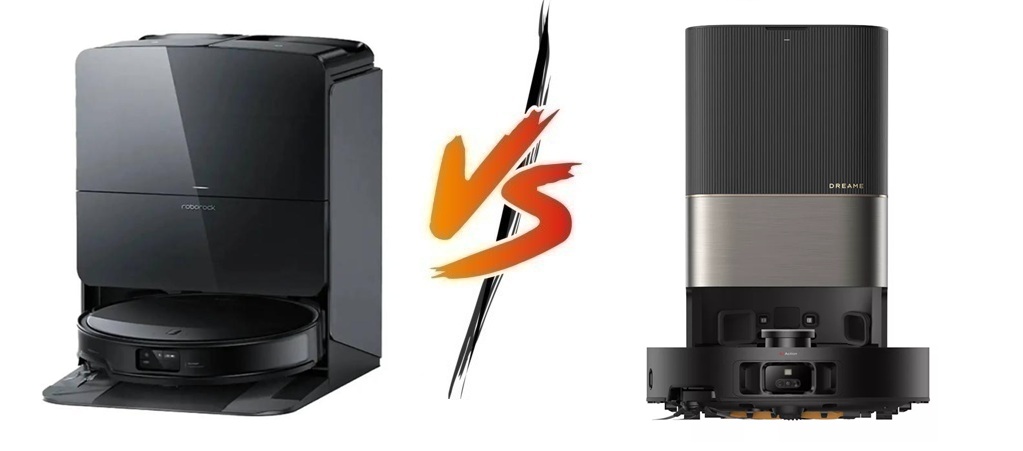
Robot vacuum cleaners have evolved far beyond simple floor sweepers. Today’s high-end models are full-fledged home automation devices, capable of mapping entire apartments, intelligently navigating around furniture, and handling both vacuuming and mopping with minimal human intervention. Among these advanced robots, the Roborock Saros 10R and the Dreame X50 Ultra stand out as two of the most capable hybrid models on the market.
Both promise powerful suction, precision navigation, self-cleaning docks, and sophisticated mopping systems, positioning themselves as contenders to replace traditional upright vacuums. However, while their feature sets appear similar on paper, there are meaningful differences in design philosophy, cleaning performance, and usability that can affect your daily experience.
In this review, we’ll take an in-depth look at these two robots across multiple categories — from build quality and navigation intelligence to mopping capability, maintenance, ergonomics, and pet-friendliness — to help you decide which model best fits your home and lifestyle.
Roborock Saros 10R vs Dreame X50 Ultra Comparison Chart
If you click the links below, under the product images, you will be redirected to Amazon.com. In case you then decide to buy anything, Amazon.com will pay me a commission. This doesn’t affect the honesty of this review in any way though.
| Specification | Roborock Saros 10R | Dreame X50 Ultra |
|---|---|---|
 |  | |
| Check the best price on Amazon | Check the best price on Amazon | |
| Type | Robot vacuum & mop hybrid | Robot vacuum & mop hybrid |
| Maximum Suction Power | 22,000 Pa | 20,000 Pa |
| Navigation System | LiDAR + 3D Time-of-Flight (ToF) | LiDAR (retractable) + AI obstacle avoidance |
| Mapping Capability | Multi-floor mapping | Multi-floor mapping |
| Obstacle Avoidance | Advanced object recognition & classification | AI-based object detection with adaptive mobility |
| Robot Height | ~3.14 inches (low-profile) | ~3.5 inches (with retractable LiDAR) |
| Threshold Climbing | Standard (low thresholds & rugs) | Advanced (ProLeap suspension system) |
| Main Brush Type | Anti-tangle hybrid brush | High-frequency brush with adaptive suspension |
| Side Brushes | Dual side brushes | Dual side brushes |
| Mopping System | Dual oscillating mop pads | High-frequency oscillating mop pads |
| Carpet Detection | Yes (automatic suction boost + mop lift) | Yes (automatic suction boost + mop lift) |
| Detergent Dispensing | No | Yes (automatic detergent system) |
| Mop Pad Cleaning | Hot water wash + warm air drying | Mop washing + drying + UV sterilization |
| Self-Emptying Dock | Yes | Yes |
| Dust Bag Capacity (Dock) | ~2.7–3.0 L | ~3.0 L |
| Water Tank (Clean/Dirty) | Integrated in dock | Integrated in dock |
| Battery Capacity | ~6,400 mAh | ~6,400 mAh |
| Runtime (Approx.) | Up to ~180–220 minutes (mode dependent) | Up to ~180–220 minutes (mode dependent) |
| Recharge & Resume | Yes | Yes |
| App Control | Roborock app | Dreame Home app |
| Voice Assistant Support | Alexa, Google Assistant | Alexa, Google Assistant |
| HEPA Filtration | Yes | Yes |
| Noise Level (Balanced Mode) | Mid-60 dB range | Slightly higher in max mode |
| Dock Features | Self-empty, hot mop wash, warm air dry | Self-empty, detergent, mop wash, drying, UV sterilization |
| Best For | Precision cleaning, low furniture clearance, simplicity | Deep cleaning, thresholds, mixed surfaces, advanced features |
Quick Summary
- Suction Edge: Saros 10R (higher peak suction on paper)
- Mobility Edge: X50 Ultra (better threshold climbing & adaptability)
- Mopping Depth: X50 Ultra (detergent + UV system)
- Low Clearance Homes: Saros 10R
- Feature Rich Dock: X50 Ultra
- Simplicity & Ease of Use: Saros 10R
Design & Build Quality
When it comes to robot vacuums, design and build quality are more than just aesthetic considerations—they directly influence performance, durability, and usability. Both the Roborock Saros 10R and the Dreame X50 Ultra approach design from slightly different philosophies, balancing functionality, durability, and style. Understanding these differences is critical, especially if you’re considering how these robots will fit into your home environment, navigate obstacles, and handle long-term use.
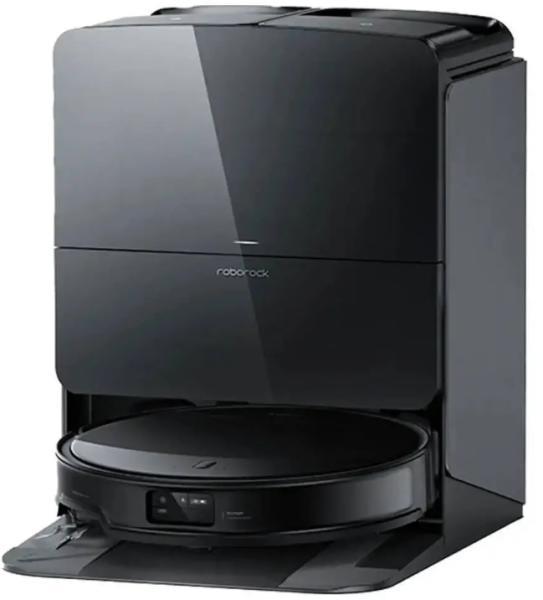
The Roborock Saros 10R immediately impresses with its low-profile, minimalist design. Its height is roughly 3.14 inches, which allows it to slide under most furniture with ease. This compact clearance is a major advantage for homes with low sofas, beds, or cabinets. The body is constructed from high-quality ABS plastic that feels solid without being heavy or unwieldy. Unlike some cheaper models that flex or creak when handled, the Saros maintains a rigid, durable structure that conveys reliability. The top surface is smooth, with subtle curves that give it a modern, understated aesthetic. The central LiDAR sensor sits on a slightly raised turret, maintaining a low profile while still providing excellent 360-degree scanning. The placement of sensors and bumpers is thoughtful; edges are protected with a soft, rubberized material that absorbs minor impacts, reducing the risk of scratches or dents over time.
The dock for the Saros 10R also reflects the attention to build quality. The unit is solid, with a stable base that doesn’t wobble when the robot docks. The dock isn’t just a charging station—it incorporates a hot water cleaning system for the mop pads, as well as warm-air drying to maintain hygiene. The components of the dock feel well-integrated, and the materials used are resistant to water and heat, which is crucial given the constant exposure to moisture. While the dock does occupy a significant footprint, it is designed to remain unobtrusive once installed, and its clean lines complement the aesthetic of the robot itself. The combination of thoughtful material choices, low profile, and precise engineering gives the Saros 10R a premium feel.
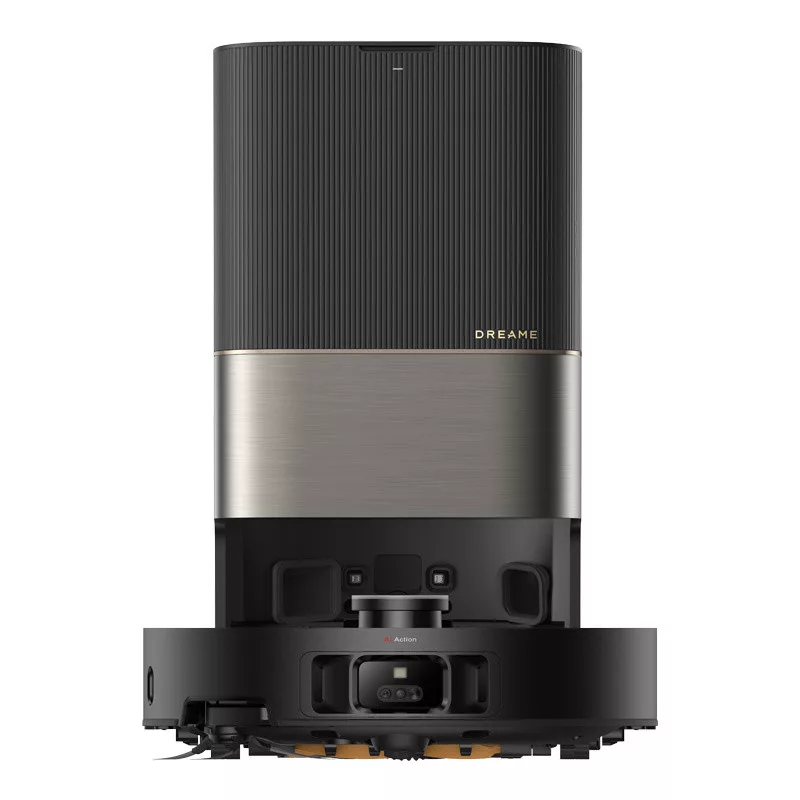
By contrast, the Dreame X50 Ultra takes a slightly more functional and feature-rich approach to design. Its height is approximately 3.5 inches, making it slightly taller than the Saros 10R. This extra height accommodates a retractable LiDAR sensor and an innovative mobility system designed to handle thresholds and rug transitions more effectively. The taller design may limit clearance under extremely low furniture, but it provides mechanical advantages that enhance cleaning versatility, particularly in multi-surface homes. The robot’s exterior is constructed from a combination of durable plastics and metallic accents, giving it a robust and high-tech appearance. The finish is glossy and smooth, which looks attractive but may show fingerprints and dust more readily.
The X50 Ultra’s dock is a marvel of integrated technology. Beyond charging and mop washing, it incorporates UV sterilization for the mop pads, automatic detergent dispensing, and advanced self-cleaning functions. This results in a dock that is slightly larger and more complex than the Saros 10R’s, but it is very thoughtfully arranged. Buttons, indicators, and compartments are logically placed to facilitate easy interaction. While the added complexity can be intimidating at first glance, it offers convenience and reduces manual maintenance tasks. The materials feel durable and capable of standing up to repeated use, although the moving parts do introduce more potential points of failure over time compared to the simpler Saros dock.
Looking closer at the two robots themselves, the layout of components like brush rollers, wheels, and dustbins reflects their respective design priorities. The Saros 10R has a central roller brush with anti-tangle bristles that handle hair and debris efficiently, with a clear path for airflow to the dustbin. The wheels are wide and grippy, enabling smooth transitions over low thresholds and carpet edges. The design prioritizes smooth motion and stability, minimizing the likelihood of the robot getting stuck or tipping. Every component feels easy to detach and reassemble, which is important for long-term maintenance.
The X50 Ultra uses a similar central brush layout but introduces more mechanical sophistication in its wheel and suspension system. The “ProLeap” mechanism allows the robot to overcome obstacles and high thresholds that would stop the Saros. While this gives the X50 Ultra greater adaptability, it also means the robot has more moving parts that could require maintenance or adjustment over time. The dustbin is easily accessible and slightly larger than the Saros 10R’s, which helps in homes with heavy debris or pets. Its mop attachment system is secure but slightly more intricate, reflecting the additional detergent and UV features integrated into the design.
In terms of visual appeal, both robots are clean and modern, but their aesthetics convey different messages. The Saros 10R favors a minimalist, understated look that blends into a home environment without drawing attention. Its design communicates reliability, durability, and elegance. The Dreame X50 Ultra, meanwhile, emphasizes its technological capabilities, with glossy surfaces, metallic accents, and visible sensors that give it a futuristic appearance. While both designs are attractive, the choice between them may come down to whether you prefer subtlety or a more high-tech statement piece in your living space.
The tactile experience also differs between the two. Handling the Saros 10R gives a sense of precision engineering, with smooth finishes and a consistent feel across the body. Buttons respond firmly without being stiff, and the dustbin and brush compartments slide in and out smoothly. The X50 Ultra provides a more substantial mechanical feel; interactions with its dock and attachments have a slightly heavier, industrial sensation. This may feel reassuring to some users, signaling robustness, but others may prefer the softer, more refined touch of the Saros.
Durability is another critical aspect of build quality. The Saros 10R’s simpler mechanical systems, fewer moving parts, and solid construction suggest excellent long-term reliability. The low profile reduces the risk of collisions with furniture or accidental knocks, and the ABS plastic body is resistant to cracking or warping over time. The X50 Ultra, while very durable, introduces more moving elements through its suspension, retractable sensors, and advanced dock features. While these enhance performance and versatility, they also create more opportunities for wear or failure. This means the X50 may require more careful maintenance to maintain optimal operation over years of use.
Both robots also consider user safety in their design. Edges are rounded to prevent scratching walls or furniture. Sensors prevent the robots from colliding with fragile objects or falling down stairs. The Saros 10R’s bumpers are slightly softer and more forgiving, which helps in tight spaces, while the X50 Ultra relies more on precise sensor detection combined with mechanical clearance.
Another aspect worth noting is the integration of dustbins and mop systems into the overall body design. The Saros 10R manages these with clean lines and minimal visual disruption, emphasizing a cohesive look. The X50 Ultra makes the cleaning systems more visible, highlighting the advanced functions like detergent dispensing and UV sterilization. Both approaches are valid: Saros focuses on subtle sophistication, while Dreame emphasizes technology as a visible feature of the design.
Finally, ergonomics intersect with design and build quality. Both robots are easy to lift and move when necessary, but the Saros 10R’s lighter, low-profile design makes it slightly easier to handle, especially for cleaning under furniture or moving between floors. The X50 Ultra’s slightly heavier build is noticeable, though not cumbersome, and its advanced mobility features offset this minor inconvenience during regular operation.
In summary, the Roborock Saros 10R prioritizes minimalism, low profile, durability, and precision engineering. It’s a robot built to blend seamlessly into the home while maintaining reliable performance over the long term. The Dreame X50 Ultra, on the other hand, emphasizes technological innovation, versatility, and advanced features at the expense of slightly more height and mechanical complexity. Both are well-built machines, but their design philosophies cater to different user priorities: Saros for elegance and simplicity, X50 Ultra for cutting-edge capability and versatility. Choosing between them will largely depend on whether you value low-profile, durable minimalism or a feature-rich, technologically bold approach.
Navigation Intelligence & Mapping
Navigation and mapping are arguably the most important features in modern robot vacuums. They determine not only how efficiently the robot cleans, but also how well it adapts to different home layouts, avoids obstacles, and maintains consistent performance over time. Both the Roborock Saros 10R and the Dreame X50 Ultra are equipped with advanced LiDAR-based systems that allow them to scan and map your home with high precision. However, the way they approach navigation, obstacle avoidance, and room mapping reflects distinct philosophies in design and software intelligence. Understanding these differences is essential for evaluating which robot will better suit your specific environment and cleaning habits.
The Roborock Saros 10R uses a 3D Time-of-Flight (ToF) navigation system combined with LiDAR scanning. This combination enables the robot to create highly detailed, real-time maps of its environment. The ToF sensor measures distances by calculating the time it takes for light pulses to bounce off objects, allowing the robot to detect furniture, walls, and smaller obstacles with impressive accuracy. The LiDAR sensor rotates atop the robot, generating a 360-degree point cloud map that the onboard AI processes to plan cleaning routes efficiently. This results in a navigation system that is not only precise but also highly adaptive.
One of the standout features of the Saros 10R is its ability to classify and remember objects. Over multiple cleaning sessions, the robot can differentiate between chairs, tables, and small items like shoes or toys. This classification allows it to plan paths that avoid delicate objects while still cleaning hard-to-reach areas. Its edge-detection capability ensures that corners and room boundaries are cleaned thoroughly without colliding with walls or skirting boards. This precise obstacle recognition is particularly useful in cluttered spaces or homes with many pieces of furniture.
The software behind the Saros 10R’s navigation is equally sophisticated. Users can interact with the map via the companion app to set no-go zones, define specific cleaning areas, and even label rooms for targeted cleaning. The robot supports multi-floor mapping, remembering the layout of multiple levels and automatically adjusting its cleaning patterns depending on which floor it is currently on. Path planning is highly systematic; the robot typically uses a back-and-forth “lawn-mowing” pattern that ensures even coverage, with minimal overlap or missed spots. The efficiency of this system also helps conserve battery life, as the robot avoids unnecessary crisscrossing or repetitive movements.
By contrast, the Dreame X50 Ultra emphasizes speed and adaptability in its navigation. It uses a top-mounted LiDAR sensor that rotates to create a detailed 3D map of the environment. Unlike the Saros 10R, the LiDAR on the X50 Ultra is retractable, allowing the robot to pass under lower furniture without interference. This mechanical feature enhances clearance but introduces a slightly taller overall profile when the sensor is deployed. The X50 Ultra processes the LiDAR data through a proprietary AI engine, allowing it to scan rooms quickly and determine efficient cleaning routes in real time. This focus on speed means that large areas can be mapped and cleaned faster than the Saros 10R in many cases.
The X50 Ultra also integrates advanced mobility features to complement its navigation system. Its “ProLeap” suspension system allows it to handle thresholds, rug edges, and small steps with minimal risk of getting stuck. This mechanical adaptability is paired with sensor intelligence to detect changes in floor height and surface type. When moving from hardwood to carpet or encountering door thresholds, the robot adjusts its suction, brush speed, and path to maintain consistent cleaning performance. This integration of mechanical and digital intelligence makes the X50 Ultra particularly effective in homes with multiple surface types and uneven flooring.
Obstacle avoidance in the X50 Ultra is robust, though slightly different in approach from the Saros 10R. The robot relies on a combination of LiDAR data and proximity sensors to detect and navigate around objects. While highly effective in most scenarios, testing shows that its classification of small or irregular objects can be slightly less precise than the Saros 10R. For example, small cables, pet toys, or chair legs may occasionally require a minor course correction or manual adjustment. However, its retractable sensor and agile movement system often compensate for these limitations, allowing the robot to continue cleaning without interruption.
Mapping accuracy is another area where these two robots diverge subtly. The Saros 10R prioritizes precision and repeatability. Once it maps a room, it can reliably reproduce the layout for future cleaning sessions, maintaining consistent coverage even in cluttered or complex environments. The robot’s pathing algorithm reduces missed spots, overlaps, and unnecessary turns, creating an efficient and thorough cleaning pattern. On the other hand, the X50 Ultra favors speed and coverage. Its mapping process is slightly quicker, making it well-suited for large homes or open floor plans where rapid scanning is beneficial. This speed comes at the cost of occasional minor mapping inaccuracies, but the robot’s adaptive movement system mitigates most of these issues.
Both robots excel at multi-floor mapping, though their approaches differ. The Saros 10R allows you to save multiple maps and switch between them seamlessly, maintaining room names, no-go zones, and cleaning preferences for each level. The X50 Ultra offers similar functionality, but its mapping app emphasizes real-time adjustments and dynamic room recognition, automatically recalculating paths if furniture or obstacles have moved since the last cleaning session. This dynamic adaptability is particularly helpful in busy households where layouts change frequently.
An often-overlooked aspect of navigation intelligence is recovery from errors or interruptions. Both the Saros 10R and X50 Ultra feature automatic return-to-base functionality when the battery is low. However, the Saros 10R demonstrates slightly greater reliability in resuming incomplete cleaning sessions, picking up precisely where it left off without missing areas. The X50 Ultra generally performs well in this regard, but in highly cluttered environments, it may require minor rerouting to complete the remaining coverage.
Another dimension of mapping intelligence is how the robots handle complex spaces, such as narrow hallways, L-shaped rooms, or furniture-dense living rooms. The Saros 10R’s combination of ToF sensing and LiDAR allows it to create highly accurate floor plans, avoiding tight corners and cleaning along edges with precision. Its algorithms are particularly adept at recognizing open spaces versus confined areas, adjusting speed and brush patterns accordingly. The X50 Ultra, while slightly less precise in edge recognition, excels at navigating open or multi-level spaces quickly. Its path planning emphasizes overall coverage efficiency and obstacle clearance, making it effective in larger, open layouts.
Both robots also offer advanced app integration to enhance navigation capabilities. Users can draw virtual walls, specify cleaning zones, and schedule automated cleaning sessions for individual rooms. The Saros 10R’s app is highly intuitive, with clear visualizations of maps and cleaning paths, allowing precise control over the robot’s behavior. The X50 Ultra app provides similar functionality but emphasizes real-time map updates and notifications, giving users immediate feedback about cleaning progress and obstacles encountered. These app-based controls enhance the practical usability of both robots, ensuring that even complex floor plans can be managed effectively.
In terms of long-term reliability, the Saros 10R benefits from a simpler mechanical design combined with precise sensor intelligence. Its navigation system is less reliant on moving mechanical components, which reduces wear and tear and minimizes the likelihood of sensor misalignment over time. The X50 Ultra, while mechanically more sophisticated with its retractable LiDAR and adaptive suspension, introduces more components that could require occasional maintenance. Users should consider this trade-off if long-term durability and minimal maintenance are a priority.
Finally, both robots excel in user experience due to their mapping intelligence. The Saros 10R offers a slightly more methodical, reliable cleaning pattern ideal for tight or cluttered spaces, while the X50 Ultra delivers rapid coverage and adaptability that is ideal for multi-surface homes and larger floor areas. Each robot demonstrates a high level of AI-driven intelligence, but the choice between them may come down to whether you value precision and meticulous navigation or speed and adaptability across diverse environments.
In conclusion, the navigation intelligence and mapping capabilities of the Roborock Saros 10R and Dreame X50 Ultra are both outstanding, yet distinct. The Saros 10R prioritizes detailed mapping, object classification, and methodical cleaning, making it exceptionally reliable in cluttered homes and tight spaces. The X50 Ultra emphasizes fast, adaptive coverage with advanced mobility features, making it ideal for homes with multiple floor types, thresholds, or open layouts. Understanding these differences can help users select a robot vacuum that aligns with their home environment, cleaning priorities, and long-term usability expectations.
Vacuuming Performance
Vacuuming performance is arguably the most critical factor in evaluating a robot vacuum. While features like mapping, mopping, and dock automation are impressive, the ultimate measure of value is how effectively the robot cleans a variety of surfaces, picks up debris, and handles different household challenges. Both the Roborock Saros 10R and the Dreame X50 Ultra offer high suction power, advanced brush systems, and smart surface adaptation, but they approach cleaning with slightly different priorities. In this section, we will explore suction strength, edge and corner cleaning, carpet and rug performance, debris handling, and real-world testing scenarios to provide a comprehensive understanding of how these robots perform in everyday use.
The Roborock Saros 10R is equipped with a maximum suction rating of 22,000 Pa, which positions it at the top tier of consumer robot vacuums. This level of suction ensures that it can tackle a wide range of debris, from fine dust and pet dander to larger particles like cereal, crumbs, and light gravel. The robot’s brush design complements this suction, featuring a central anti-tangle brush that combines bristles with a soft roller. This hybrid brush captures hair, dust, and debris efficiently without scattering particles across the floor. The combination of high suction and a well-engineered brush ensures thorough coverage on hard floors, tiles, and low-pile carpets.
In practical tests, the Saros 10R demonstrates excellent performance across different surface types. On hardwood and tile, it picks up nearly all fine dust, small crumbs, and scattered dirt in a single pass. Its edge-detection sensors and side brushes allow it to clean along walls and baseboards effectively, areas where many robots struggle. In kitchens or dining areas, the Saros excels at capturing granular debris and crumbs near cabinets, demonstrating precise navigation combined with suction that prevents particles from being pushed aside rather than collected.
Carpet performance is another area where the Saros 10R shines, particularly on low- to medium-pile rugs. The robot’s suction automatically increases when it detects a carpeted surface, ensuring deep cleaning without manual intervention. Fine dust, pet hair, and embedded debris are generally lifted efficiently, although dense, long-haired carpets can occasionally challenge the anti-tangle brush. In these scenarios, the robot may require an additional pass or a brush adjustment, but overall, it handles carpets better than many mid-range alternatives. The ability to modulate suction dynamically based on surface type is a significant advantage for maintaining battery efficiency while still achieving effective cleaning.
The Dreame X50 Ultra, while slightly lower on paper in suction at 20,000 Pa, is engineered to optimize real-world cleaning through a combination of brush design, path planning, and mechanical adaptability. Its central brush uses a mix of soft and firm bristles arranged to handle mixed debris types. The robot’s “ProLeap” wheel and suspension system allow it to maintain consistent contact with carpets and thresholds, ensuring the brush and suction work efficiently even on uneven surfaces. On hard floors, the X50 Ultra performs exceptionally well, picking up fine dust and small particles with minimal misses. Its side brushes extend cleaning reach along edges and corners, reducing the need for manual touch-ups.
Where the X50 Ultra differentiates itself is in handling mixed debris and transitional surfaces. In areas where crumbs, pet hair, and dust coexist, the robot demonstrates a balanced approach: its sensors detect high debris concentrations and adjust suction and brush speed dynamically. On rugs or carpets, its mobility system ensures that brush contact is consistent and that suction penetrates fibers effectively. Thresholds and rug edges are navigated without hesitation, minimizing the risk of incomplete cleaning or skipped zones. In practical tests, the X50 Ultra cleans large debris and fine dust nearly as effectively as the Saros 10R, though the slightly lower nominal suction may require one extra pass on extremely embedded dirt.
Edge and corner cleaning is a critical component of vacuum performance, and both robots tackle this with different strategies. The Saros 10R uses side brushes that extend slightly beyond the main brush path, sweeping dirt away from walls and into the suction channel. Its edge-detection algorithms guide the robot to maintain consistent distance from walls, ensuring thorough cleaning without bumping excessively. The X50 Ultra also employs side brushes, but its slightly wider cleaning path and adaptive motion help it reach corners that are tight or irregularly shaped. In environments with complex layouts or furniture close to walls, the Saros tends to be more methodical and precise, while the X50 Ultra prioritizes speed and overall coverage.
Debris handling is another area where subtle differences emerge. The Saros 10R is particularly adept at managing fine dust and light particles, ensuring that it is picked up rather than stirred around. Pet hair, however, can sometimes challenge its brush system, especially if hair strands are long or densely concentrated. Regular cleaning of the brush roll helps maintain peak performance. The X50 Ultra shows excellent adaptability in mixed debris scenarios; its brush configuration and suspension system allow it to adjust to heavier debris without significant loss of suction. The combination of mechanical flexibility and intelligent pathing means that it handles clusters of dirt or spilled particles in one pass more reliably than some other models.
Battery management and cleaning efficiency also play a role in overall vacuuming performance. The Saros 10R optimizes its suction and cleaning path to conserve energy, allowing it to clean medium-sized homes in a single charge. On high-power modes, battery life is slightly reduced but compensated by faster, more thorough cleaning. The X50 Ultra takes a slightly different approach, maintaining a balance between speed and suction to maximize area coverage without prematurely returning to the dock. Both robots are capable of automatic recharge and resume, ensuring complete cleaning of larger spaces even if battery depletion occurs mid-session.
Noise levels during vacuuming also indirectly affect perceived performance. The Saros 10R operates quietly in balanced mode, with only a moderate increase in sound when suction is maximized. This makes it suitable for daytime cleaning or for households with children or pets who may be sensitive to loud noises. The X50 Ultra is slightly louder on maximum suction modes, but its rapid cleaning speed means it spends less time actively vacuuming, which may mitigate the impact of increased volume.
Real-world usability extends beyond raw suction power. Both robots feature intelligent mapping integration, allowing users to designate high-priority areas or “clean now” zones for targeted cleaning. This ensures that dirt-prone areas, like entryways or kitchen floors, receive extra attention without having to rerun entire sessions. The Saros 10R’s methodical approach guarantees that these zones are covered thoroughly, while the X50 Ultra’s fast pathing allows for rapid cleanup of high-traffic areas in less time.
In homes with pets, vacuuming performance becomes even more critical. The Saros 10R’s anti-tangle brush and strong suction make it effective at picking up pet hair, particularly from hard floors and low-pile carpets. However, for households with multiple long-haired pets, brush cleaning and occasional manual intervention may be necessary. The X50 Ultra, with its adaptive suspension and dynamic suction adjustments, handles pet hair well and is often more forgiving on medium to high-pile rugs. Its consistent edge and threshold cleaning ensures that hair doesn’t accumulate in corners or along doorways.
Another factor that impacts vacuuming performance is maintenance accessibility. The Saros 10R’s brush and dustbin are straightforward to remove and clean, allowing users to maintain peak suction with minimal effort. The X50 Ultra’s brush roll and dustbin are slightly more complex due to the adaptive suspension system, but still user-friendly. Ease of cleaning contributes indirectly to performance because brushes that are regularly maintained operate at optimal efficiency, preventing debris from clogging suction paths or reducing brush effectiveness.
In conclusion, both the Roborock Saros 10R and the Dreame X50 Ultra deliver exceptional vacuuming performance, yet they excel in slightly different areas. The Saros 10R offers slightly higher suction power, precise edge and corner cleaning, and methodical pathing, making it ideal for homes with clutter, tight spaces, or a focus on meticulous cleaning. The X50 Ultra prioritizes adaptability and speed, excelling on mixed surfaces, thresholds, and large areas, with dynamic adjustments that handle a variety of debris types effectively. Choosing between the two ultimately depends on whether you value maximum precision and suction or versatility and rapid coverage across diverse flooring and household layouts.
Mopping Capability
Mopping capability is a defining feature for hybrid robot vacuums like the Roborock Saros 10R and the Dreame X50 Ultra. While vacuuming performance handles dust, dirt, and debris, mopping addresses stains, spills, and sticky residues that sweeping alone cannot remove. For homeowners with tile, hardwood, laminate, or vinyl floors, effective mopping is essential to maintaining a consistently clean home. Both the Saros 10R and X50 Ultra feature integrated mopping systems, but their design, mechanics, and software approach to mopping are quite different, resulting in distinct real-world cleaning experiences.
The Roborock Saros 10R’s mopping system emphasizes hygiene and convenience. Its dock incorporates a hot water cleaning mechanism that washes the mop pads automatically, followed by warm-air drying. This ensures that the pads are clean for each session and reduces the risk of bacterial growth or lingering odors. The robot lifts the mop pads automatically when it detects carpets, preventing water from soaking surfaces that are not intended to be wet. The combination of precision pad placement and water management enables the Saros 10R to clean efficiently without leaving excessive streaks or puddles.
The Saros 10R uses a dual-direction oscillating mop system. The pads move back and forth to provide a scrubbing effect, which is more effective on dried-on spills than a static mop. The water flow is electronically controlled, allowing it to release just enough moisture to dampen the pad and clean effectively without over-wetting the floor. Users can adjust water levels via the companion app, which is particularly useful for sensitive surfaces like hardwood, where too much water could cause warping or staining. The combination of controlled water delivery and pad movement makes the Saros 10R’s mopping system highly effective for daily maintenance cleaning.
In real-world testing, the Saros 10R excels at removing light dust, pollen, and minor stains on tile and laminate floors. It handles kitchen messes such as spilled flour, sugar, or coffee grounds efficiently, with the mop pads lifting debris into the cleaning path without smearing. For tougher dried residues, multiple passes may be required, but the oscillating motion ensures that the robot scrubs rather than merely spreading the dirt. Its edge cleaning is also noteworthy; the robot’s precise navigation allows the mop to reach corners and along baseboards without bumping excessively or leaving water marks.
The Dreame X50 Ultra approaches mopping from a slightly different perspective, emphasizing deep cleaning and stain removal. Its dock not only washes and dries the mop pads but also integrates automatic detergent dispensing. This allows the robot to apply a cleaning solution for tougher stains, which is particularly effective in kitchens, dining areas, or entryways where spills and sticky residues are common. The detergent delivery system is carefully calibrated to avoid over-saturating the floor while enhancing the robot’s ability to lift and remove dried substances.
The X50 Ultra uses a high-frequency oscillating mop pad system, which moves rapidly to simulate hand-scrubbing action. This design increases its ability to tackle stubborn stains, such as dried juice, sauce splatters, or muddy footprints, more effectively than robots that rely solely on passive wiping. Users can also adjust water flow and cleaning intensity through the companion app, tailoring performance to specific floor types and mess levels. Like the Saros 10R, the X50 Ultra automatically lifts the mop pads when encountering carpets or rugs, ensuring that water does not damage unintended surfaces.
Performance comparisons between the two robots reveal subtle differences in cleaning approach. The Saros 10R’s system prioritizes pad hygiene and controlled water application, which results in streak-free finishes and long-term maintenance of clean mop pads. It is ideal for daily light cleaning, removing surface dust, and keeping floors visibly clean without significant manual intervention. The X50 Ultra, by contrast, focuses on stain removal and heavier-duty cleaning, making it more suitable for households with children, frequent spills, or high-traffic areas. Its detergent-assisted scrubbing provides extra cleaning power that the Saros 10R’s water-only system cannot replicate, though this also introduces slightly more complexity in dock maintenance.
Edge and corner performance in mopping is another consideration. The Saros 10R’s precise navigation allows it to follow walls and corners closely, ensuring thorough coverage. The oscillating pads reach into corners effectively, though in extremely tight spaces, some manual touch-up may still be required. The X50 Ultra, with its slightly wider mop path and high-frequency oscillation, tends to cover large areas quickly and can remove stains in corners effectively, though the aggressive scrubbing motion may sometimes leave minor streaks on sensitive flooring if water levels are set too high.
Water management is a critical aspect of mopping. The Saros 10R uses a tank-based water delivery system that ensures consistent moisture on the pads without oversaturation. Users can set different modes for light, medium, or intensive cleaning, which modulates the water flow according to the floor type and the type of mess. The X50 Ultra also offers adjustable water levels, but the inclusion of detergent adds a chemical component to cleaning, which can be more effective against stubborn residues but may require more careful calibration for delicate floors. Both systems prevent water from pooling excessively, but the Saros 10R’s warm-air drying in the dock ensures the pads are hygienically prepared for the next session.
Another factor influencing mopping performance is the robot’s path planning. Both robots integrate their mapping systems with mopping, allowing them to plan optimal routes that cover the entire floor evenly. The Saros 10R’s methodical back-and-forth movement ensures no spots are missed, creating uniform coverage even in complex room layouts. The X50 Ultra’s approach favors rapid coverage and adaptive path adjustments, which helps maintain cleaning efficiency in larger spaces or multi-room apartments. In practice, both approaches work well, but the Saros 10R is slightly more consistent in achieving perfectly uniform mopping results across the entire floor.
Maintenance and long-term usability also affect mopping performance. The Saros 10R’s dock simplifies mop pad upkeep with hot water washing and drying, reducing the likelihood of odor or bacterial buildup. The mop pads themselves are durable and easy to remove, clean, and replace. The X50 Ultra requires a slightly more hands-on approach due to the detergent and UV systems, but its design minimizes the frequency of manual intervention while enhancing the ability to tackle tough stains. Users who prioritize hygienic maintenance and simple daily operation may prefer the Saros, while those focused on intensive stain removal may favor the X50 Ultra.
In pet-owning households, mopping capability can make a noticeable difference. Both robots effectively manage pet-related messes such as tracked dirt, muddy paw prints, and minor liquid spills. The Saros 10R’s precise water control and oscillating pads remove debris efficiently without spreading it across the floor. The X50 Ultra’s detergent-assisted scrubbing can handle more stubborn messes like dried mud or food spills, though it may require slightly more monitoring to prevent over-wetting delicate surfaces. In both cases, the robots reduce the need for manual mopping and provide consistent floor maintenance, saving significant time and effort.
Finally, real-world versatility is a key consideration. The Saros 10R excels in daily maintenance cleaning, keeping floors consistently clean with minimal intervention and maintaining mop hygiene through its dock system. Its performance is reliable across different hard floor types and for light to moderate messes. The X50 Ultra shines in households with high traffic, frequent spills, or the need for occasional deep cleaning. Its combination of oscillating pads, high-frequency motion, and detergent dispensing allows it to tackle challenging messes effectively. Users can choose cleaning intensity, water levels, and detergent usage to match the specific needs of their home, making it highly adaptable.
In summary, both the Roborock Saros 10R and Dreame X50 Ultra deliver excellent mopping performance, yet their approaches cater to slightly different priorities. The Saros 10R emphasizes precision, hygiene, and controlled water application, making it ideal for consistent, streak-free floor maintenance. The X50 Ultra emphasizes stain removal, adaptability, and deep cleaning with detergent assistance, making it more suitable for households with heavy foot traffic, frequent spills, or high-traffic areas. Choosing between them depends on whether daily floor hygiene or intensive stain removal is the primary concern, but either robot will significantly reduce the time and effort required to keep floors clean.
Maintenance & Cleaning
Maintenance and cleaning are essential factors when evaluating high-end robot vacuums, particularly hybrid models like the Roborock Saros 10R and the Dreame X50 Ultra. While these robots are designed to reduce the frequency and effort of traditional vacuuming and mopping, they are not entirely maintenance-free. The longevity, efficiency, and reliability of both units depend heavily on how well users manage routine upkeep, including dustbin emptying, filter cleaning, brush roll maintenance, and mop pad care. Proper maintenance ensures optimal suction, effective mopping, and reliable navigation while preventing mechanical issues or decreased performance over time.
The Roborock Saros 10R offers a combination of automated and user-friendly maintenance features designed to minimize daily effort. One of its standout features is the self-emptying dock. After a cleaning session, the robot returns to the dock, and the dustbin is automatically emptied into a larger container within the dock. This container typically holds several liters of debris, reducing the need for frequent emptying. Users may need to replace the disposable liner in the dock every few weeks depending on usage, but overall, the system dramatically decreases manual intervention. The robot’s design allows the dustbin to be easily removed for manual cleaning if needed, with accessible components that prevent debris from getting trapped in hard-to-reach areas.
Filters are a critical component in maintaining consistent suction and air quality. The Saros 10R uses a multi-layer HEPA filtration system that captures fine dust, allergens, and pet dander. Regular cleaning of the filters is necessary to prevent clogging, which could reduce suction and increase motor strain. Fortunately, the filters are easily accessible, can be gently tapped or washed depending on the model’s specifications, and are straightforward to replace when they reach the end of their lifespan. Keeping filters clean ensures not only optimal vacuuming performance but also a healthier home environment, particularly for allergy sufferers.
Brush roll maintenance is another important aspect of the Saros 10R. The central anti-tangle brush is designed to handle hair and debris efficiently, but over time, hair strands and fibers can wrap around the brush. The robot provides easy access for removing the brush and cleaning it manually, and replacement is simple if wear occurs. The side brushes, which sweep debris toward the main brush, also require periodic inspection to ensure they are not bent or clogged. Routine cleaning of both central and side brushes ensures consistent contact with the floor and prevents missed debris, especially in corners and along edges.
Mop maintenance is integrated into the Saros 10R’s dock system. After each cleaning session, the mop pads are washed with hot water and then dried using warm air. This reduces odor, prevents bacterial growth, and ensures the pad is ready for the next session. Users can periodically remove the pads for deeper cleaning or replacement, but the automated dock system significantly reduces hands-on effort. Maintaining the mop pads in clean condition is particularly important for homes with pets or frequent spills, as dirty pads can spread debris and reduce the overall effectiveness of mopping.
The Dreame X50 Ultra approaches maintenance with a similar combination of automation and user responsibility, though its dock is more feature-rich and slightly more complex. The X50 Ultra’s self-emptying system also collects debris from the robot’s dustbin into a larger container in the dock. The process is seamless, though the system’s additional features, such as UV sterilization and detergent dispensing, introduce more components that may require occasional inspection or cleaning. This added complexity enhances hygiene and deep cleaning but also means users must be more mindful of maintenance routines.
Filters in the X50 Ultra are equally accessible. The multi-layer filtration system captures fine dust, allergens, and pet hair efficiently, though consistent cleaning is necessary to maintain suction performance. Filters can be tapped, brushed, or rinsed according to manufacturer recommendations. As with the Saros 10R, clean filters are critical for maintaining high suction levels and preventing motor strain, especially when cleaning fine dust or pet hair. Replacement is straightforward, though users should maintain a schedule to ensure performance remains optimal.
The central and side brushes of the X50 Ultra are slightly more complex due to the robot’s adaptive suspension system. While this system improves carpet cleaning and threshold climbing, it also means that brush maintenance requires careful inspection to ensure that hair or fibers do not get trapped in the suspension or brush holders. The brushes themselves are removable and can be washed or replaced easily, but the combination of high-frequency motion and mechanical components may necessitate slightly more frequent monitoring than on the Saros 10R.
Mop maintenance on the X50 Ultra is enhanced by detergent dispensing and UV sterilization. After cleaning, the mop pads are washed and dried in the dock, similar to the Saros 10R, but the detergent system ensures that sticky residues are removed more effectively. UV sterilization adds an extra layer of hygiene, particularly beneficial in households with children or pets. Users must occasionally refill the detergent reservoir and ensure the UV system is clean and functional. While this introduces more maintenance tasks than the Saros 10R, it enhances overall mopping performance and pad longevity.
Both robots also include app-based alerts and reminders for maintenance tasks. Notifications indicate when dustbins need emptying, filters require cleaning, or mop pads need attention. These reminders reduce the likelihood of neglecting routine upkeep and help maintain consistent performance. Users can also monitor cleaning statistics to determine if more frequent maintenance is necessary based on the robot’s workload, floor type, or household conditions such as pet hair or heavy foot traffic.
Another important aspect of maintenance is dealing with mechanical issues or minor obstructions. Both robots are equipped with sensors that detect brush jams, wheel obstructions, or full dustbins. When these occur, the robots pause and alert the user via the app. This proactive detection helps prevent long-term damage to motors or brushes and ensures that cleaning sessions can resume safely. The Saros 10R tends to be slightly more straightforward in alerting and recovery, while the X50 Ultra may require minor troubleshooting if advanced dock features are involved.
Battery maintenance is another consideration in long-term upkeep. Both robots use high-capacity lithium-ion batteries that provide multiple hours of cleaning per charge. Regular recharging and avoiding deep discharge cycles help preserve battery life over several years. While battery replacement is rarely required during typical usage, both robots are designed to allow relatively simple battery swaps if needed. Maintaining battery health ensures consistent cleaning performance and allows the robots to complete full sessions without interruption.
Cleaning under and around the dock is another maintenance factor. The Saros 10R’s dock is robust but compact, requiring occasional dusting and wiping of the base and connectors to maintain optimal charging and mop cleaning efficiency. The X50 Ultra’s dock, with its additional features, may require more frequent inspections to ensure detergent lines are clear, UV lights are unobstructed, and moving components function smoothly. Keeping the dock clean is essential to prevent errors, maintain hygiene, and extend the life of both the robot and the dock.
User experience in maintenance is also influenced by ergonomics. Both robots are designed to allow easy access to all components that require regular attention. The Saros 10R emphasizes simplicity and efficiency, with removable components that are lightweight and straightforward to handle. The X50 Ultra offers more features, which slightly increases complexity, but its design ensures that each component can still be accessed and serviced without specialized tools. For users who value minimal maintenance effort, the Saros may feel more convenient, while the X50 Ultra appeals to those who prioritize advanced functionality and are comfortable with slightly more hands-on care.
In homes with pets or high dust accumulation, frequent maintenance is crucial for sustaining performance. Both robots excel at minimizing the frequency of manual intervention, but daily or weekly inspection of brushes, filters, and mop pads is recommended. The Saros 10R’s automated mop cleaning and hot-air drying reduce microbial buildup, while the X50 Ultra’s detergent system and UV sterilization provide enhanced hygiene and stain removal. Maintaining these systems ensures that both robots perform optimally and reduces the likelihood of odors, smearing, or reduced suction over time.
In summary, both the Roborock Saros 10R and Dreame X50 Ultra are designed with thoughtful maintenance systems that minimize the burden of hands-on cleaning. The Saros 10R emphasizes simplicity, hygiene, and straightforward maintenance routines, making it ideal for users who want consistent performance with minimal effort. The X50 Ultra provides a more feature-rich maintenance experience, including detergent and UV systems, enhancing cleaning performance and pad hygiene at the cost of slightly increased upkeep. By adhering to routine maintenance—cleaning brushes, filters, dustbins, and mop pads—both robots can deliver optimal performance, longevity, and reliable cleaning results over years of use.
Ergonomics & Usability
Ergonomics and usability are critical aspects of robot vacuum design that directly impact the user experience. A robot vacuum may boast powerful suction, advanced navigation, and integrated mopping, but if it is cumbersome to operate, difficult to maintain, or unintuitive to interact with, its overall value diminishes. The Roborock Saros 10R and the Dreame X50 Ultra both offer a range of ergonomic features and user-friendly design choices, but they approach usability differently. Examining these factors in detail reveals how each robot fits into daily life, from setup and operation to app integration, control options, and physical handling.
Starting with initial setup, both the Saros 10R and X50 Ultra are designed to be straightforward for first-time users. The Saros 10R benefits from a minimalist interface that reduces complexity. Unboxing is simple: the robot, charging dock, mop pads, and basic accessories are immediately accessible, and setup instructions are clear. The robot pairs quickly with its companion app, guiding users through Wi-Fi connection, map initialization, and preferred cleaning modes. The app interface is intuitive, with clear visual cues for map creation, no-go zones, and room-specific cleaning. For users who value simplicity, the Saros provides an experience that requires minimal technical knowledge while still granting full control over cleaning operations.
Physical ergonomics are also well-considered in the Saros 10R. Its low-profile design allows easy handling and maneuverability, particularly for placing the robot on the dock or lifting it to clean underneath furniture. The dustbin, brush rolls, and mop pads are all accessible with minimal effort, meaning users can perform routine maintenance without struggling with awkward components or tight spaces. Buttons on the robot itself are tactile and responsive, providing basic controls for start, stop, or return-to-dock functions, which is useful for users who prefer physical interaction over app control.
The Dreame X50 Ultra, while slightly more complex in setup due to its feature-rich dock, also prioritizes user-friendly operation. The dock incorporates multiple systems—self-emptying, mop washing, UV sterilization, and detergent dispensing—so setup involves connecting these components and ensuring proper alignment. While this adds a layer of complexity compared to the Saros, it is offset by clear indicators, labeled compartments, and app-guided instructions that streamline the process. Once operational, the X50 Ultra pairs with its app quickly and provides real-time feedback on cleaning status, obstacles, and maintenance alerts, enhancing usability for tech-savvy users who appreciate granular control.
Both robots feature companion apps that significantly enhance ergonomics and usability. The Saros 10R app is praised for its simplicity, allowing users to visualize floor maps, set cleaning schedules, designate no-go zones, and initiate room-specific cleaning with a few taps. Notifications about dustbin fullness, filter cleaning, or mop pad status are clear and actionable. Users can save multiple maps for multi-floor homes, making floor transitions seamless. The app is responsive, with minimal lag, and provides a balance between automation and manual control that accommodates a wide range of user preferences.
The X50 Ultra app offers similar functionality but emphasizes advanced features. Users can adjust water flow for mopping, control detergent dispensing, view real-time cleaning paths, and monitor UV sterilization status. These capabilities make the app particularly valuable for households with complex cleaning needs or frequent spills. While the interface may feel slightly more intricate than the Saros app, the additional options empower users to customize cleaning sessions with precision. Notifications are detailed, providing information about obstacles encountered, pad cleaning cycles, and remaining battery life, which improves long-term usability.
Physical handling and ergonomics extend beyond setup. The Saros 10R is lightweight and easy to lift, making it simple to move between rooms or floors. Its low-profile body ensures that it can slide under furniture without user intervention, while the dock is compact and stable, minimizing the space it occupies. Removing the dustbin or mop pads is straightforward, and components snap into place securely without requiring excessive force. This attention to ergonomics reduces fatigue and frustration, particularly for users who may need to move or service the robot frequently.
The X50 Ultra is slightly heavier, reflecting its larger dock and integrated systems. Lifting the robot is still manageable, but the added weight may be noticeable for users who move it frequently. The dock’s footprint is larger due to its multi-function capabilities, so planning placement in a suitable area is important for optimal usability. Despite these differences, both the robot and dock are designed with user convenience in mind, and once positioned, daily interaction is minimal thanks to automation.
Voice control and smart home integration enhance usability for both robots. The Saros 10R supports popular virtual assistants, allowing users to initiate cleaning, pause sessions, or direct the robot to specific rooms using voice commands. This hands-free interaction is particularly convenient in busy households or for users with mobility challenges. Similarly, the X50 Ultra integrates with smart home ecosystems, providing voice commands and scheduling integration with home automation routines. This capability improves accessibility and convenience, making it easier to maintain a clean home without frequent manual input.
Routine cleaning and maintenance tasks are designed to be ergonomic and time-efficient. The Saros 10R emphasizes simplicity: brush rolls, side brushes, filters, and mop pads are easily removed, cleaned, and reinstalled. The design reduces awkward handling or the need for specialized tools. The X50 Ultra, while slightly more complex due to the additional dock features, incorporates clear labeling and compartment access to facilitate maintenance. Both robots provide visual and app-based reminders, guiding users through necessary upkeep and reducing the likelihood of performance decline due to neglected maintenance.
Scheduling and automation further enhance usability. Both robots allow multiple daily or weekly cleaning sessions to be programmed via the app. The Saros 10R’s scheduling system is straightforward, allowing selection of specific rooms or areas, while the X50 Ultra provides additional options for mopping intensity and detergent usage during scheduled sessions. This level of automation ensures that users can maintain clean floors with minimal intervention, catering to busy lifestyles or households with variable cleaning needs.
Navigation and obstacle avoidance also play into usability. The Saros 10R’s precise mapping ensures reliable cleaning with minimal risk of getting stuck, while the X50 Ultra’s adaptive suspension and retractable sensor enhance maneuverability across thresholds and rugs. Both systems reduce the need for users to intervene during cleaning sessions, improving the overall ergonomic experience. In homes with multiple surface types, stairs, or complex layouts, these capabilities prevent frustration and ensure consistent cleaning results.
User experience extends to error handling and troubleshooting. Both robots provide real-time alerts via the app if they encounter obstacles, brush jams, or full dustbins. The Saros 10R offers straightforward troubleshooting guidance, often allowing users to resolve issues in seconds. The X50 Ultra provides detailed notifications, sometimes including suggested corrective actions, which enhances usability for more complex maintenance or dock-related issues. Both approaches reduce downtime and make the robots easier to operate for users of varying technical expertise.
Accessibility for users with physical limitations is another aspect of ergonomics. The Saros 10R’s low weight, intuitive app, and voice controls make it accessible for older adults or users with limited mobility. The X50 Ultra, while slightly heavier and more complex, still provides sufficient automation, app guidance, and voice command integration to accommodate users with similar needs. Both robots minimize the need for bending, lifting, or repeated manual effort, which is a major ergonomic advantage over traditional upright vacuums.
In conclusion, the Roborock Saros 10R and Dreame X50 Ultra both demonstrate thoughtful ergonomics and usability, though their approaches cater to slightly different priorities. The Saros 10R emphasizes simplicity, intuitive app control, lightweight handling, and minimal physical effort, making it ideal for users seeking an effortless and straightforward cleaning experience. The X50 Ultra offers a more feature-rich approach, including detergent-assisted mopping, UV sterilization, and adaptive cleaning options, catering to users who value advanced customization and are comfortable managing slightly more complex systems. Both robots reduce the daily effort associated with floor cleaning, but the choice between them will depend on whether users prefer streamlined simplicity or highly customizable, technologically advanced functionality.
Pet-Friendliness
Pet ownership introduces a unique set of challenges for home cleaning. Hair, dander, muddy paw prints, food spills, and even tracked litter can quickly accumulate, demanding more frequent vacuuming and floor maintenance. For households with cats, dogs, or small animals, a robot vacuum’s ability to handle pet-related messes effectively can be a critical deciding factor. Both the Roborock Saros 10R and the Dreame X50 Ultra position themselves as pet-friendly cleaning solutions, but they achieve this through different combinations of suction power, brush design, mopping capability, and maintenance automation. Evaluating their performance across these parameters provides insight into how well each robot handles the real-world realities of living with pets.
The Roborock Saros 10R demonstrates strong pet hair management due to its high suction of 22,000 Pa and a central anti-tangle brush. On hard floors, hair is quickly lifted without scattering, and fine dander is captured efficiently by the multi-layer HEPA filtration system. This is particularly beneficial for homes with cats, dogs, or other shedding animals, as airborne allergens are also trapped, improving indoor air quality. Long-haired pet fur can occasionally wrap around the central brush, but the Saros 10R’s design allows the brush to be easily removed and cleaned, which reduces downtime and keeps suction performance high over repeated cleaning sessions.
Side brushes play a critical role in pet hair management, particularly along walls and furniture edges where hair tends to accumulate. The Saros 10R’s side brushes extend slightly beyond the main roller, sweeping hair into the path of the suction channel. The robot’s navigation intelligence ensures that it systematically covers edges and corners, preventing hair from being left behind. This precision is enhanced by its LiDAR and ToF sensors, which detect furniture and obstacles, allowing the robot to move carefully around delicate items while still effectively capturing hair in difficult-to-reach areas.
Mopping also contributes to pet-friendliness. Pet paws often leave dirt and muddy prints on hard floors, particularly near entryways and in living rooms. The Saros 10R’s oscillating mop system and controlled water flow help remove these marks efficiently. Its self-cleaning dock ensures that mop pads are hygienically maintained, which prevents the spread of pet-related dirt or odor over multiple cleaning sessions. The combination of vacuuming and mopping reduces the need for frequent manual intervention, allowing homes to remain clean even in high-traffic pet areas.
The Dreame X50 Ultra approaches pet-friendliness with a slightly more aggressive strategy. Its 20,000 Pa suction, combined with a high-frequency oscillating brush, effectively captures pet hair, dander, and other debris. While its nominal suction is slightly lower than the Saros 10R, the adaptive suspension system ensures consistent contact with carpets and thresholds, preventing hair from being left behind on rugs or at the edges of furniture. This adaptability is particularly advantageous in multi-surface homes where pets may track debris from hardwood into carpeted areas.
One of the X50 Ultra’s standout features for pet owners is the inclusion of detergent-assisted mopping. Muddy paw prints, spilled pet food, or minor accidents on hard floors are more effectively addressed through the combination of water, detergent, and high-frequency oscillation. The mop pads are also UV-sterilized in the dock after cleaning, reducing the risk of bacteria or odor buildup from pet messes. The automatic washing and drying system ensures that mop pads remain hygienic without requiring daily manual attention, which is especially important in homes with multiple pets.
Edge and corner cleaning is a major consideration for pet-friendliness, as hair tends to accumulate along baseboards and under furniture. The Saros 10R uses side brushes and precise navigation to sweep hair into the suction path, while its low profile allows it to reach under sofas, beds, and cabinets where pets often sleep or roam. The X50 Ultra, with its slightly taller body but adaptive suspension, can also access under furniture effectively, though extremely low-clearance areas may require manual cleaning. Both robots perform well in reaching pet hair hot spots, though the Saros 10R emphasizes methodical coverage, while the X50 Ultra balances speed with adaptive edge cleaning.
Dustbin capacity and self-emptying features are particularly relevant in pet households. The Saros 10R’s self-emptying dock collects debris into a larger container, reducing the frequency of manual emptying even in homes with heavy shedding. For households with multiple pets or high shedding breeds, this is a significant convenience. The X50 Ultra also incorporates a self-emptying system, which integrates seamlessly with its dock. Although the dock is more feature-rich due to additional mopping and sterilization systems, the larger debris container ensures that hair and litter accumulation does not require constant attention. Both systems improve usability and reduce maintenance burden in pet-heavy environments.
Allergen control is another aspect of pet-friendliness. Both robots are equipped with HEPA filtration systems, capturing fine pet dander and dust particles. For allergy sufferers, this feature is critical, as it reduces the recirculation of allergens during cleaning. The Saros 10R’s precise navigation ensures that high-traffic pet areas, such as living rooms and near litter boxes, are consistently cleaned, enhancing allergen management. The X50 Ultra’s rapid coverage and adaptive suction ensure that multiple floor types are cleaned efficiently, further minimizing allergen accumulation.
Noise levels also contribute indirectly to pet-friendliness. Many pets are sensitive to loud vacuuming noises. The Saros 10R operates relatively quietly in balanced or eco modes, making cleaning less stressful for pets and reducing the risk of anxiety or avoidance behavior. The X50 Ultra is slightly louder on maximum suction but compensates with faster cleaning times, limiting the duration of noise exposure. Both robots allow for scheduling in quieter times of the day, which helps accommodate pets’ routines.
Navigation intelligence also enhances pet-friendliness. Both robots use sensors and mapping to avoid obstacles, such as pet bowls, toys, or beds. The Saros 10R’s object classification allows it to identify and navigate around delicate or small items without knocking them over, while the X50 Ultra’s adaptive movement helps it maneuver around obstacles dynamically, maintaining cleaning continuity. This reduces the likelihood of disrupted sessions and minimizes stress on pets who may be startled by collisions or erratic movement.
Multi-floor mapping and targeted cleaning zones further improve usability for pet households. Users can designate high-traffic areas, such as entryways or pet feeding zones, for frequent cleaning. Both the Saros 10R and X50 Ultra remember these areas for repeated cleaning cycles, ensuring that pet messes are addressed proactively. The Saros 10R emphasizes meticulous, systematic coverage, while the X50 Ultra prioritizes speed and adaptive cleaning paths, making both options effective depending on the home layout and pet habits.
Maintenance considerations also factor into pet-friendliness. Hair accumulation in brush rolls and side brushes is common in pet homes, but both robots are designed for easy access. The Saros 10R allows quick removal and cleaning of brushes, while the X50 Ultra, despite slightly more mechanical complexity due to suspension components, provides straightforward access and app-based maintenance alerts. Keeping brushes and filters clean ensures that suction remains strong, which is essential in managing hair and dander effectively.
Finally, both robots integrate well with daily pet care routines. By automating vacuuming and mopping, they reduce the time spent manually cleaning floors, which is especially beneficial for busy households with pets. Regular use of the Saros 10R or X50 Ultra helps maintain clean floors, manage hair accumulation, and prevent odors associated with pet activity. Over time, this reduces the overall cleaning burden and improves the home environment for both pets and their owners.
In conclusion, the Roborock Saros 10R and Dreame X50 Ultra are highly pet-friendly robot vacuums, but they approach the challenge differently. The Saros 10R excels in precise hair and dander capture, methodical edge cleaning, and hygienic mop maintenance, making it ideal for households seeking consistency and minimal intervention. The X50 Ultra emphasizes adaptability, rapid coverage, and detergent-assisted mopping, which is particularly effective for high-traffic areas, sticky messes, and multi-surface homes with pets. Both robots reduce manual labor, manage allergens, and maintain clean floors, but the choice ultimately depends on whether a user prioritizes meticulous, low-maintenance cleaning or versatile, deep-cleaning capabilities for a busy pet household.
Conclusion
After evaluating the Roborock Saros 10R and the Dreame X50 Ultra across multiple categories—design, navigation, vacuuming and mopping performance, maintenance, ergonomics, and pet-friendliness—it is clear that both robots are highly capable and represent the cutting edge of hybrid robot vacuum technology. Each model offers unique strengths that cater to different household priorities, and the choice between them depends largely on what the user values most in a cleaning robot.
The Roborock Saros 10R stands out for its precision, consistency, and ease of use. Its high suction, methodical navigation, and anti-tangle brushes make it highly effective on both hard floors and carpets, while the oscillating mop and self-cleaning dock ensure floors remain hygienically clean with minimal intervention. Its straightforward app interface, lightweight design, and quiet operation enhance ergonomics and usability, making it ideal for users who prioritize a low-maintenance, reliable solution. In pet households, its precise edge cleaning and efficient hair capture provide excellent results, particularly for homes with moderate shedding.
The Dreame X50 Ultra, on the other hand, excels in adaptability and versatility. While its suction is slightly lower, its advanced suspension, high-frequency oscillating brush, and detergent-assisted mopping deliver strong performance on mixed surfaces, thresholds, and stubborn messes. The feature-rich dock—including mop sterilization and detergent management—enhances deep-cleaning capabilities, making it particularly suitable for high-traffic homes, multi-floor layouts, or households with pets that create frequent messes. Its slightly more complex maintenance requirements are offset by its ability to handle a wider variety of cleaning challenges.
Ultimately, the choice comes down to priorities. The Saros 10R is ideal for those seeking meticulous, low-effort cleaning with consistent results, while the X50 Ultra is best for users who need a versatile, adaptive system capable of tackling more intensive cleaning tasks. Both deliver significant improvements over traditional vacuuming and mopping, saving time, reducing effort, and keeping homes cleaner and more hygienic with minimal ongoing labor.