
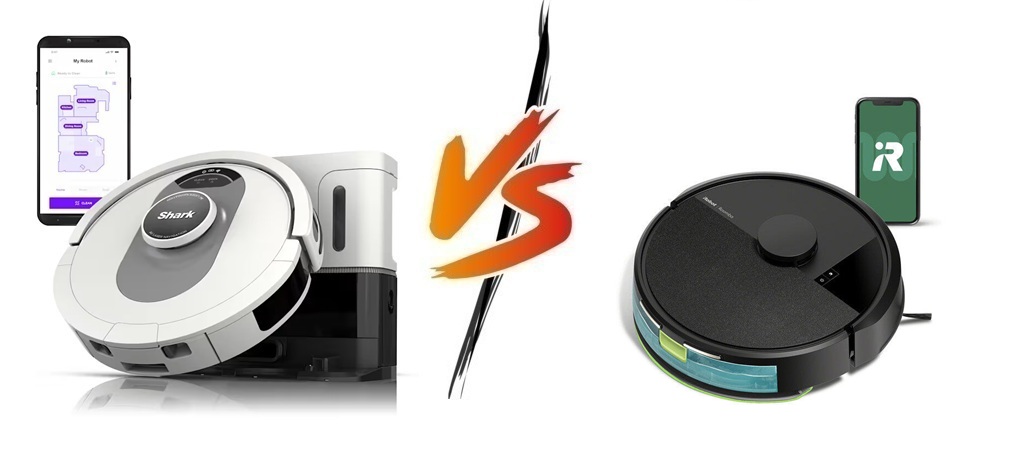
At first glance, both vacuums aim at the same target: automated cleaning for busy households. But they approach it differently.
The Shark AI Ultra leans heavily into autonomy and mapping intelligence. It’s designed to feel hands-off. It wants to map your home, empty itself, and quietly get on with the job.
The Roomba 105 takes a more simplified, entry-level approach. It focuses on core cleaning with fewer bells and whistles. It’s built for people who want a recognizable brand and straightforward functionality without deep customization.
After weeks of observation, testing across hard floors and carpets, and dealing with pet hair, here’s how they compare.
Shark AI Ultra vs iRobot Roomba 105 Comparison Chart
If you click the links below, under the product images, you will be redirected to Amazon.com. In case you then decide to buy anything, Amazon.com will pay me a commission. This doesn’t affect the honesty of this review in any way though.
| Specification | Shark AI Ultra | iRobot Roomba 105 |
|---|---|---|
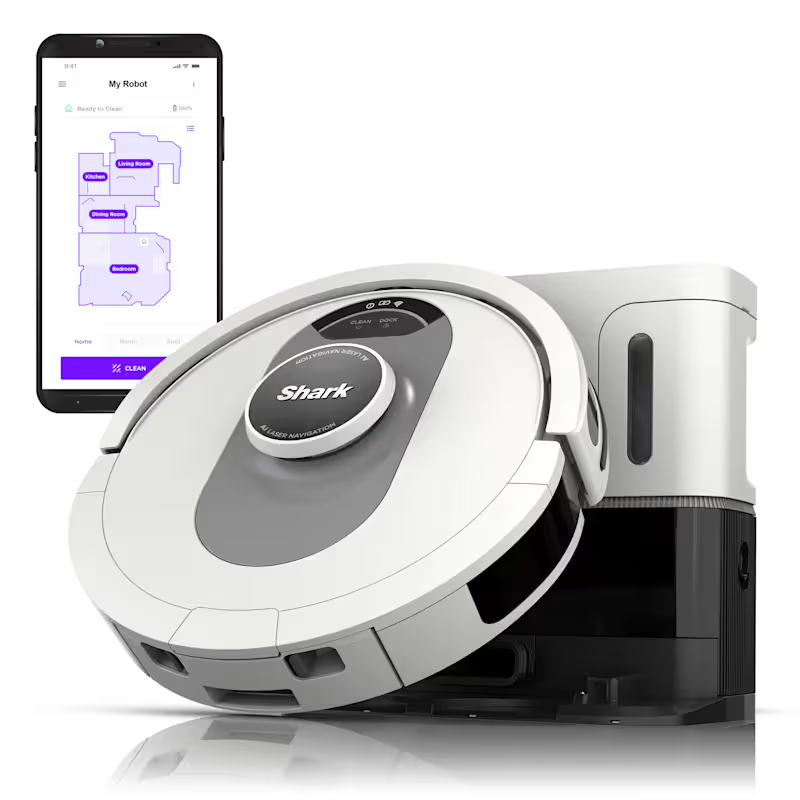 | 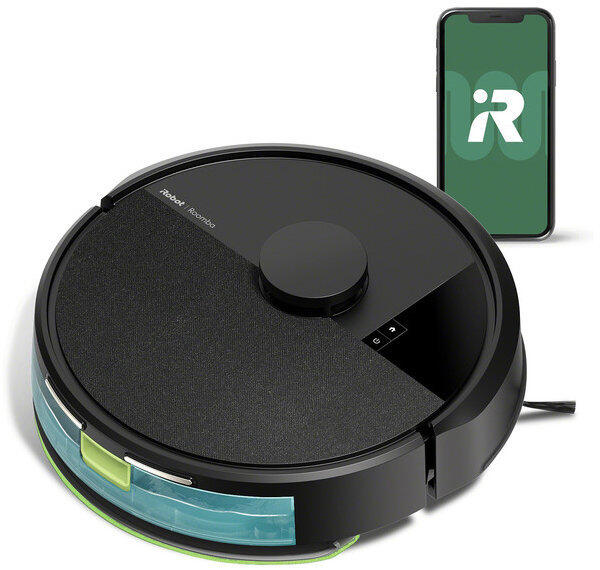 | |
| Check the best price on Amazon | Check the best price on Amazon | |
| Navigation Technology | LiDAR-based smart mapping (AI Laser Navigation) | Reactive sensor-based navigation |
| Mapping Capability | Yes – full home mapping with room labeling | No advanced interactive mapping |
| Room Selection | Yes – clean by specific room or zone | No individual room selection |
| No-Go Zones | Yes – digital no-go zones via app | No (physical adjustments required) |
| Self-Empty Base | Yes – bagged auto-empty system | No – manual dustbin emptying |
| Dustbin Capacity (Robot) | Larger onboard bin (designed to auto-empty) | Smaller onboard bin |
| Base Station Capacity | Large-capacity sealed bag (holds weeks of debris) | Standard charging dock only |
| Suction Power | High power, adaptive to surface | Moderate suction |
| Carpet Boost | Yes – automatic suction increase | Limited / basic adjustment |
| Brush Roll Type | Multi-surface brush roll (anti-hair wrap design) | Standard multi-surface brush |
| Side Brush | Single edge-sweeping side brush | Single edge-sweeping side brush |
| Mopping Function | No | No |
| Battery Life | Up to ~120 minutes (varies by mode) | Up to ~90 minutes (varies by conditions) |
| Recharge & Resume | Yes – returns to dock and resumes | Yes – basic recharge and resume |
| App Control | Advanced app with mapping, zones, scheduling | Basic app control with scheduling |
| Voice Assistant Support | Yes (Alexa, Google Assistant compatible) | Yes (Alexa, Google Assistant compatible) |
| Cliff Sensors | Yes | Yes |
| Height | Taller (due to LiDAR turret) | Lower profile |
| Noise Level (Cleaning) | Moderate | Slightly quieter overall |
| Noise Level (Emptying) | Loud during auto-empty cycle | No auto-empty noise |
| Pet Hair Performance | Strong performance, better for heavy shedding | Suitable for light to moderate shedding |
| Allergen Containment | Sealed bag system reduces dust exposure | Manual bin emptying may release dust |
| Dock Size | Large (requires more space) | Compact |
| Best For | Larger homes, pets, advanced automation | Small homes, simple cleaning needs |
| My individual reviews | Shark AI Ultra review |
Quick Summary
Shark AI Ultra
- More advanced navigation
- Self-emptying convenience
- Better suited for pets and larger homes
- Higher automation level
Roomba 105
- Simpler design
- More compact dock
- Lower upfront cost
- Best for smaller spaces with lighter debris
Design & Build Quality
When you live with a robot vacuum, design stops being cosmetic. It becomes practical. You notice how it squeezes under furniture. You notice whether the lid rattles when it bumps into a chair. You notice how much space the dock takes up in your hallway. Over time, those small physical details matter just as much as suction power.
Both the Shark AI Ultra and the iRobot Roomba 105 are round, low-profile robot vacuums built for everyday homes. But the way they’re constructed and the design decisions behind them reflect two very different priorities.
Overall Form and Aesthetic
The Shark AI Ultra has a more technical, almost industrial look. The lidar turret on top gives it height and a sense of purpose. It doesn’t try to hide what it is. It looks like a smart device. The finish is matte, which helps reduce visible fingerprints and dust buildup. Over time, that matters because glossy surfaces on robot vacuums tend to look worn faster.
The Roomba 105, on the other hand, leans into the classic Roomba aesthetic. It’s flatter, simpler, and more understated. No raised turret. Just a smooth top surface with a central button interface. It blends into a room more easily. If you prefer something that doesn’t visually announce itself, the Roomba is less conspicuous.
However, the absence of a lidar tower comes with trade-offs, which show up later in navigation performance. From a pure design perspective, though, the Roomba’s lower profile gives it a physical advantage when sliding under low couches, beds, and media consoles.
Materials and Structural Integrity
The Shark AI Ultra feels heavier when you pick it up. That weight translates into stability during operation. When it runs into chair legs or table bases, the impact feels controlled. The outer shell doesn’t flex much if you press down on it. There’s a reassuring solidity to the housing.
The Roomba 105 feels lighter and slightly less dense. The plastic casing is perfectly acceptable for the price point, but if you press on the top, there’s more give. It doesn’t feel fragile, but it doesn’t feel premium either. In everyday operation, this difference becomes noticeable when the vacuum bumps into furniture. The Shark absorbs impact with a muted thud. The Roomba produces a slightly sharper tap.
Neither machine feels cheap, but the Shark clearly aims higher in perceived durability.
Height and Clearance
Here’s where practical design shows up immediately.
The Shark AI Ultra is taller due to the lidar turret. In most homes, this won’t be an issue. Standard couches and beds leave enough clearance. But in apartments with ultra-low modern furniture, you may find it stops just short of cleaning under certain pieces.
The Roomba 105’s flatter design allows it to access tighter spaces. If you have a low-profile sofa or storage cabinets close to the floor, that lower height can make a meaningful difference in coverage.
In daily use, I noticed the Shark occasionally avoiding areas the Roomba could reach. Not dramatically, but enough to matter in tight layouts.
Bumper and Edge Construction
Both vacuums feature front bumpers designed to absorb minor impacts. The Shark’s bumper feels thicker and slightly more padded. It compresses smoothly and rebounds without any rattling. The transition between the bumper and body is tight, with no noticeable gaps.
The Roomba’s bumper works as intended, but the movement feels lighter. It’s functional, not luxurious. Over time, repeated contact with furniture may show wear more quickly.
The side brush housings on both machines are easy to access. Shark’s brush module feels sturdier and better seated in its mount. The Roomba’s brush is simpler and slightly more flexible.
Dustbin Design
Dustbin design often gets overlooked, but it plays a huge role in daily usability.
The Shark AI Ultra has a larger onboard dustbin, which is especially useful even with the self-empty base. The bin clicks in firmly. Removing it feels smooth and deliberate. The filter housing is easy to access, and the seals feel tight. That matters if you’re concerned about fine dust escaping.
The Roomba 105 has a smaller bin. In homes with pets, you’ll notice it fills up quickly. The removal process is straightforward, but the latch mechanism feels more lightweight. It’s not flimsy, but it doesn’t have the same confidence-inspiring snap as the Shark.
Over weeks of use, the Shark’s bin system simply feels more robust.
Self-Empty Base vs Standard Dock
This is one of the biggest physical differences.
The Shark AI Ultra includes a self-empty base. That base is large. There’s no way around it. It takes up vertical and horizontal space. In small apartments, finding a good location for it can be a challenge.
However, the base itself feels sturdy and well-engineered. The plastic doesn’t wobble. The dust bag compartment closes securely. The vacuum aligns cleanly when docking, and the connection points feel durable.
The Roomba 105 uses a compact charging dock. It’s minimal and easy to tuck against a wall. If you value a small footprint, the Roomba’s dock is much less intrusive.
But the trade-off is manual emptying. Physically, the Shark’s base demands more space but offers more convenience.
Wheels and Underside Components
Flip both units over, and you start to see design philosophy in the details.
The Shark AI Ultra has thick drive wheels with strong tread. They feel durable and capable of handling thresholds and rug transitions smoothly. The caster wheel in front rotates cleanly and feels well-seated.
The Roomba 105’s wheels are functional but slightly smaller. On thicker rugs or higher thresholds, it occasionally hesitates before climbing.
The brush roll assembly in the Shark looks more heavy-duty. It’s designed to handle mixed surfaces confidently. The Roomba’s brush system is simpler and optimized for lighter-duty cleaning.
Button Interface and Physical Controls
The Shark AI Ultra keeps physical controls minimal. Most interaction happens through the app. The top button layout is clean and subtle. Pressing the buttons feels solid, with a clear tactile response.
The Roomba 105 also features simple onboard controls, but the buttons feel slightly softer when pressed. Not a major issue, but noticeable.
If you rely heavily on manual starts instead of app control, both are easy to operate. Shark’s interface feels a bit more refined.
Long-Term Wear Considerations
Over time, robot vacuums show scratches along their bumpers and edges. The Shark’s matte finish helps disguise minor scuffs. The Roomba’s surface, depending on finish, may show marks more clearly.
The Shark’s heavier build suggests it’s designed for more demanding environments. The Roomba feels better suited to moderate daily cleaning rather than heavy debris or large homes.
Design Verdict
The Shark AI Ultra feels like a more premium, more durable machine. It’s larger, heavier, and built with a sense of solidity that shows up in daily interactions. The self-empty base adds physical bulk but also signals that this is meant to be a more autonomous appliance.
The Roomba 105 is simpler, lighter, and more compact. Its lower height is a real advantage in tight spaces. But in terms of material quality, structural confidence, and overall build impression, it feels more entry-level.
If build quality and long-term durability matter most, Shark takes the edge. If compact size and simplicity matter more, Roomba holds its ground.
Both are functional. Only one feels built for the long haul.
Navigation Intelligence & Mapping
Navigation is where robot vacuums either feel smart or feel frustrating. You can have strong suction, a large dustbin, and solid build quality, but if the robot wanders aimlessly or misses obvious sections of the floor, it starts to feel less like a helper and more like a gadget.
The differences between the Shark AI Ultra and the iRobot Roomba 105 are especially clear in this category. They approach navigation from two very different generations of technology.
Core Navigation Technology
The Shark AI Ultra uses lidar-based navigation. That raised turret on top isn’t just cosmetic. It scans the room using laser measurements, building a spatial model of your home. This allows the vacuum to understand walls, furniture placement, and room boundaries with impressive accuracy.
From the first full run, you can see it cleaning in structured rows. It moves in straight, methodical lines, working across a room systematically before moving on.
The Roomba 105 takes a more reactive approach. It relies on internal sensors to detect obstacles and adjust direction accordingly. Instead of mapping the space in a structured way, it cleans in a pattern that feels semi-random. It will cover most areas eventually, but the process is less efficient.
In smaller homes or studio apartments, this difference might not feel dramatic. In larger or more complex layouts, it becomes very noticeable.
Initial Mapping Experience
With the Shark AI Ultra, the first full clean doubles as a mapping run. You can watch the map form in the app in real time. Walls take shape. Rooms begin to separate visually. Within a run or two, you have a usable floor plan.
That map is not just for show. You can label rooms, divide or merge spaces, and set cleaning preferences per room. For example, you can assign higher suction to the living room and standard mode to bedrooms.
The Roomba 105 does not create a detailed interactive map in the same way. It operates without giving you a visual blueprint of your home. You schedule cleanings and start jobs, but you don’t see structured room outlines or selectable zones.
This affects how much control you have. Shark gives you precision. Roomba gives you automation, but less customization.
Cleaning Path Logic
Watching the Shark AI Ultra clean is oddly satisfying. It starts at one edge of a room and works across in parallel lines. When it encounters obstacles like a table or island, it adjusts intelligently, outlining the object before resuming its grid.
It doesn’t just bounce around. It appears to understand the space.
The Roomba 105 moves in overlapping arcs and directional changes. It bumps lightly into furniture, reorients, and continues. Over time, it does reach most areas, but it often revisits sections unnecessarily.
In real use, this means Shark finishes jobs faster. The Roomba can take longer to cover the same square footage because it lacks that structured approach.
Room Recognition and Selective Cleaning
This is one of Shark’s strongest advantages.
Once the Shark AI Ultra maps your home, you can tell it to clean only the kitchen, only the hallway, or a specific bedroom. You can create no-go zones and targeted zones for extra cleaning.
For example, if someone spills cereal in the dining area, you don’t need to run a whole-house clean. You select that room and start the job.
The Roomba 105 does not offer that same level of room-based selection. Cleaning sessions are broader and less precise. If you want a specific area cleaned, you may need to manually place the vacuum closer to that zone.
This difference changes how integrated the robot feels in everyday life. Shark becomes a responsive cleaning tool. Roomba feels more like a scheduled appliance.
Obstacle Handling
Both machines use bump sensors and cliff sensors to prevent falls and collisions.
The Shark AI Ultra, thanks to lidar, detects larger obstacles before making contact. It slows down as it approaches furniture and makes gentle adjustments. It still bumps occasionally, especially into smaller objects like narrow chair legs, but overall contact feels controlled.
It also handles low-light conditions extremely well. Because lidar does not rely on ambient light, it navigates equally well at night.
The Roomba 105 depends more heavily on physical contact and reactive correction. It will bump into table legs and walls more frequently. The impact is not aggressive, but it’s noticeable.
In dark rooms, performance remains functional, but without advanced mapping, it doesn’t gain spatial awareness in the same way.
Multi-Room and Complex Layout Performance
In single-room apartments, both vacuums manage adequately.
In multi-room homes with hallways, doorways, and irregular shapes, the Shark AI Ultra clearly performs better. It understands transitions between rooms and tracks its position across the entire floor plan.
If interrupted mid-clean, it resumes from where it left off.
The Roomba 105 can handle multi-room layouts, but it may take longer and sometimes appear to wander between spaces without clear sequencing.
In larger homes, that efficiency difference saves time and battery life.
Recharging and Resume Function
The Shark AI Ultra monitors battery levels and, when needed, returns to the dock, recharges, and resumes cleaning from the correct location. Because it maintains a mapped memory of the space, it knows exactly where to continue.
The Roomba 105 also returns to dock when low on battery. However, without structured mapping, the resume function feels less precise. It continues cleaning, but not always in a clearly logical continuation of the original path.
In practice, Shark’s recharge-and-resume behavior feels more intelligent.
Edge and Corner Navigation
No round robot vacuum is perfect at corners. That’s just geometry.
The Shark AI Ultra approaches edges with controlled side-brush sweeps. It traces walls deliberately and usually makes a second pass along edges.
The Roomba 105 also attempts wall-following behavior, but because its pathing is less structured, edge cleaning sometimes feels incidental rather than intentional.
If you watch closely, Shark treats edges as a defined cleaning zone. Roomba encounters them as part of its broader movement pattern.
No-Go Zones and Virtual Boundaries
Shark allows you to set no-go zones directly within the app. You can draw a box around pet bowls, delicate floor lamps, or cable-heavy areas.
That’s a major convenience. You don’t need physical barriers.
The Roomba 105 does not offer advanced digital zoning. You’re limited to physical adjustments in your space.
In homes with many small obstacles, Shark’s digital boundary control is a clear advantage.
Long-Term Mapping Stability
Over repeated runs, the Shark AI Ultra maintains its map consistently. Minor changes in furniture position are adjusted without breaking the overall layout.
This reliability makes it feel dependable.
The Roomba 105 does not store a detailed map in the same sense, so there’s no evolving spatial memory to evaluate.
Navigation Verdict
The Shark AI Ultra feels like a modern, intelligent system designed for structured cleaning and precise control. It maps, remembers, adapts, and responds to specific commands. It works efficiently in complex layouts and large homes.
The Roomba 105 operates effectively but more traditionally. It cleans through persistence rather than spatial intelligence. In smaller spaces, this is perfectly acceptable. In larger or more intricate environments, it feels less refined.
If navigation intelligence is your priority, the Shark AI Ultra clearly operates at a higher level. It doesn’t just clean your home. It understands it.
Cleaning Performance
Cleaning performance is where marketing claims meet reality. You can talk about AI, mapping, and smart home integration all day, but at the end of the week the real question is simple: does it actually pick up the mess?
To evaluate this properly, I looked at everyday debris rather than laboratory scenarios. Think cereal crumbs under a breakfast bar, fine dust along baseboards, pet hair embedded in a rug, and that gritty mix of dirt and sand that somehow appears in entryways even when you try to be careful.
Both the Shark AI Ultra and the iRobot Roomba 105 can keep a home looking tidy. But the way they achieve that result, and how consistent they are across surfaces, differs in meaningful ways.
Suction Power and Airflow
The Shark AI Ultra immediately feels more assertive when it starts cleaning. You can hear the motor ramp up, especially when transitioning from hard floor to carpet. There’s a noticeable shift in tone that suggests active surface detection and power adjustment.
In practical terms, that translates into better pickup of heavier debris. When dealing with rice, small pebbles from shoes, or dense crumbs, the Shark tends to collect them in one or two passes without scattering them forward.
The Roomba 105 has solid suction for an entry-level machine, but it feels more moderate. On lighter debris like dust, flour, or small crumbs, it performs well. With heavier pieces, it sometimes nudges them briefly before suction catches up.
The difference isn’t dramatic in small messes, but when the debris load increases, Shark shows stronger consistency.
Hard Floor Performance
On hardwood, laminate, and tile, both vacuums perform respectably. Fine dust and daily debris are not a problem for either machine.
The Shark AI Ultra handles mixed debris especially well. In tests with a combination of fine dust, oats, and small cereal pieces, it managed to capture most of it in a single structured pass. Its straight-line cleaning pattern helps here. Because it overlaps methodically, it rarely leaves obvious streaks of missed material.
The Roomba 105 does eventually collect most visible debris, but because its movement is less structured, coverage can feel uneven during the first phase of cleaning. You may see a few missed crumbs temporarily until it circles back.
Edge performance is similar between the two, though neither is perfect. Round robot vacuums inherently struggle with deep corners. Shark’s side brush sweeps debris inward effectively, but there are moments when a fine line of dust remains directly against baseboards. The Roomba behaves similarly, though sometimes with slightly less edge persistence.
If your home is primarily hard flooring, both machines are capable. Shark just tends to finish the job more efficiently.
Carpet Performance
Carpet is where the gap widens.
On low-pile rugs, the Roomba 105 performs adequately. It picks up surface-level dust and visible debris without much issue. For everyday maintenance, it’s fine.
However, when dealing with medium-pile carpet or slightly thicker area rugs, the Shark AI Ultra demonstrates stronger agitation and suction. It feels like it’s digging deeper into fibers rather than just skimming the surface.
In real-world terms, that means better pickup of embedded crumbs and pet hair that has settled below the top layer. After a single pass, the Shark leaves carpets looking more evenly refreshed.
On thicker rugs, the Roomba can sometimes hesitate or slow down, especially if the rug edge is slightly raised. Shark transitions more confidently and maintains steady movement.
Pet Hair Pickup
Pet hair is the true stress test for any vacuum.
On hard floors, both vacuums collect loose pet hair effectively. Hair tends to gather in small tumbleweed-like clumps, and both machines handle that without issue.
On carpets, the Shark AI Ultra again shows stronger performance. It lifts more hair in a single session and leaves fewer visible strands behind.
The Roomba 105 can manage moderate pet hair, but it may require multiple runs for the same level of cleanliness, especially in high-shedding homes.
Hair wrapping around the brush roll is a concern for both machines. Shark’s brush design seems slightly better at minimizing tight tangles, though long human hair will still require occasional manual removal. Roomba’s brush system can accumulate more visible wrapping over time.
Large Debris Handling
To test large debris handling, I looked at items like dry pasta, larger cereal pieces, and small leaf fragments tracked indoors.
The Shark AI Ultra handles these confidently. Its suction power and brush roll agitation combine to lift them without much scattering.
The Roomba 105 sometimes pushes larger pieces briefly before collecting them. In some cases, a second pass is needed for full pickup.
If your household deals with frequent kitchen spills or children who drop snacks regularly, Shark feels more reliable in one-pass cleanup.
Cleaning Consistency Over Time
One important but overlooked aspect of performance is consistency across multiple weeks.
The Shark AI Ultra maintains strong suction and structured cleaning patterns even as the dustbin fills between auto-empty cycles. Because it empties automatically into its base, it operates with a relatively empty onboard bin most of the time. That helps maintain airflow.
The Roomba 105, with its smaller bin and manual emptying requirement, can experience reduced airflow if you forget to empty it promptly. In homes with pets or heavy debris, this affects performance more quickly.
Consistency is part of performance. Shark’s self-empty system indirectly supports stronger sustained cleaning.
Multi-Surface Transition
Both vacuums detect transitions between hard floor and carpet, but Shark does so more confidently. It adjusts suction power more noticeably and maintains steady momentum.
The Roomba handles transitions fine in most cases but can hesitate slightly at thicker rug edges.
In homes with mixed flooring, Shark feels more adaptable.
Spot Cleaning and High-Traffic Areas
The Shark AI Ultra allows targeted room cleaning and specific zone selection. From a performance standpoint, this matters because you can concentrate cleaning power where it’s needed most.
For example, running a high-power clean in the kitchen after cooking produces visibly thorough results.
The Roomba 105 doesn’t offer the same precise zone control. While it can clean thoroughly over time, you have less ability to direct its efforts exactly where heavy debris accumulates.
Real-World Impressions
After extended use, the overall impression is this:
The Shark AI Ultra feels like it’s actively attacking dirt. It moves with purpose. It finishes jobs quickly. Carpets look noticeably fresher after a run.
The Roomba 105 feels steady and reliable for light to moderate cleaning. It’s perfectly capable of maintaining a tidy apartment or small home. But when debris becomes heavier or carpets demand deeper extraction, it shows its limits.
Cleaning Performance Verdict
Both vacuums can maintain a clean home. Neither is ineffective. But they operate at different performance tiers.
The Shark AI Ultra delivers stronger suction, better carpet agitation, more consistent debris pickup, and more efficient overall cleaning. It handles heavier messes with confidence and requires fewer repeat passes.
The Roomba 105 performs well in lighter-duty environments. For small spaces with mostly hard floors and minimal deep debris, it does the job competently.
If you want stronger, more consistent cleaning across varied surfaces, the Shark AI Ultra clearly has the edge. If your needs are modest and your space is small, the Roomba 105 remains a functional and dependable option.
Mopping Capability
Before getting into comparisons, it’s important to be clear about one thing: neither the Shark AI Ultra nor the iRobot Roomba 105 includes built-in mopping functionality in the versions we’re discussing.
That might sound like this section will be short. It won’t be. Because when you’re evaluating robot vacuums today, mopping capability is part of the buying conversation whether the model includes it or not. A lot of people assume modern robot vacuums handle both dry debris and wet cleaning. When they don’t, that absence becomes part of the overall value equation.
So instead of reviewing a water tank or mop pad that doesn’t exist, this section looks at what their lack of mopping means in practical use, how that affects real-world cleaning routines, and whether choosing vacuum-only is actually a disadvantage.
Vacuum-Only Design Philosophy
Both models are designed strictly for dry vacuuming. There’s no water reservoir, no mop attachment, no electronically controlled water output, and no hybrid cleaning mode.
From a design standpoint, this simplifies the internal architecture. There are fewer moving parts, no risk of water pump failure, and no need to manage damp pads or drying trays.
For some users, that’s a positive.
Hybrid vacuum-mop units often compromise suction power or dustbin size to accommodate water tanks. Because the Shark AI Ultra and Roomba 105 are vacuum-only, all internal space is dedicated to suction, airflow, filtration, and debris storage.
In daily use, that focus shows up in stronger dry pickup performance compared to many entry-level hybrid models.
Hard Floor Maintenance Without Mopping
If your home has hardwood, tile, vinyl, or laminate flooring, you may wonder whether vacuum-only cleaning is enough.
For daily maintenance, it usually is.
Both machines are capable of removing:
- Dust
- Pet hair
- Crumbs
- Grit
- Dry debris
What they won’t address are sticky residues, dried spills, or fine film buildup from cooking or foot traffic.
In practice, that means your floors will look clean, but they won’t feel freshly mopped. Over time, especially in kitchens and entryways, you’ll still need occasional manual mopping.
The Shark AI Ultra, with its stronger suction and structured cleaning pattern, tends to leave hard floors looking more uniformly clean. The Roomba 105 can achieve similar visual results but may require longer or repeated runs.
Neither machine will remove something like dried juice spots or light mud prints once they’ve set. That’s simply beyond the scope of vacuum-only systems.
Why Some People Prefer No Mopping
There’s a strong argument in favor of vacuum-only robots.
Hybrid models often drag a damp pad across the floor continuously. Without active scrubbing pressure or spinning mop heads, many of them provide more of a light wipe than a deep clean.
Users sometimes expect true mopping and end up disappointed by streaks or uneven water distribution.
By focusing solely on vacuuming, both Shark and Roomba avoid that middle-ground compromise. They do one job and concentrate on doing it well.
In homes where:
- Floors are already regularly mopped manually
- There are many rugs mixed with hard flooring
- Spills are addressed immediately
Vacuum-only robots can be perfectly sufficient.
Integration with Separate Mopping Systems
If mopping is important, many households choose a two-device approach.
For example:
- Use the Shark AI Ultra or Roomba 105 for daily debris removal.
- Use a dedicated robot mop or manual mop weekly for wet cleaning.
Because both vacuums are round and compact, they coexist easily with separate mopping devices. There’s no need to swap tanks or remove mop pads.
This separation can actually improve longevity. Water-based components are often the first parts to fail in hybrid robots. Without them, maintenance complexity decreases.
Floor Type Considerations
Homes with mostly carpeted floors won’t benefit much from mopping capability anyway. In those environments, a vacuum-only robot makes complete sense.
Homes with extensive tile or sealed hardwood might benefit from hybrid models. However, it’s worth noting that many hybrid robots struggle to transition smoothly between wet and dry areas. Some require you to remove rugs or create no-mop zones carefully.
Since neither the Shark AI Ultra nor Roomba 105 includes mopping hardware, there’s no risk of accidental wetting of rugs or carpet edges.
For households with delicate hardwood or specialty flooring, avoiding water automation can provide peace of mind.
Maintenance Simplicity
No mopping means:
- No water tank refills
- No mold concerns
- No damp pad washing cycles
- No drying trays
- No mineral buildup from hard water
Maintenance stays focused on dustbins, filters, and brushes.
In real life, that simplicity is underrated. Hybrid robots demand more attention than people expect. Pads must be washed. Tanks must be emptied. Moisture must be monitored.
With these two vacuum-only models, cleaning maintenance remains dry and straightforward.
Real-World Lifestyle Fit
In smaller apartments, especially those with mixed flooring and limited storage, vacuum-only often makes more sense.
If your cleaning routine already includes occasional manual mopping, the lack of automated wet cleaning may not feel like a loss.
In larger homes with kids and pets, sticky messes happen often. In that case, a hybrid robot could add convenience. But it still wouldn’t replace deep manual mopping entirely.
In side-by-side consideration, the Shark AI Ultra feels more powerful and thorough on hard floors even without mopping. The Roomba 105 handles light debris well but lacks the same structured coverage.
If mopping were a deciding factor, neither model would satisfy that requirement. The difference lies in how strong their vacuum performance is in compensating for that absence.
Value Perspective
When comparing price to functionality, the absence of mopping must be factored in.
If you’re paying for the Shark AI Ultra, you’re paying for:
- Strong suction
- Smart mapping
- Self-empty capability
- Advanced navigation
You are not paying for hybrid cleaning.
With the Roomba 105, you’re paying for:
- Basic automated vacuuming
- Brand reliability
- Simplicity
Again, no mopping is included.
If a buyer assumes wet cleaning is part of the package, disappointment will follow. But if expectations are aligned with vacuum-only functionality, both products deliver what they promise.
Mopping Capability Verdict
Strictly speaking, neither the Shark AI Ultra nor the Roomba 105 offers mopping capability. They are dedicated vacuum systems.
That absence can be viewed in two ways.
If you want an all-in-one vacuum and mop solution, these models will not meet your needs.
If you prefer strong, focused dry cleaning without the added maintenance and mechanical complexity of water systems, their vacuum-only design is actually an advantage.
Between the two, Shark’s superior dry cleaning performance helps compensate more effectively for the lack of mopping. Roomba performs adequately for light debris but does not add additional floor-care capabilities.
Ultimately, this category is less about which product mops better and more about whether you truly need automated mopping at all. If dry debris removal is your primary goal, both machines stay within their lane. Shark simply does so with more power and efficiency.
Maintenance & Cleaning
Robot vacuums are sold on convenience. But convenience doesn’t mean zero effort. Every robot vacuum requires some level of maintenance. The real difference is how often you need to intervene and how messy that intervention feels.
Living with the Shark AI Ultra and the iRobot Roomba 105 makes this contrast very clear. One is built to minimize your involvement. The other expects more hands-on attention.
Over time, that difference adds up.
Dustbin Management
This is the most obvious distinction.
The Shark AI Ultra includes a self-empty base. After each cleaning session, it docks and automatically transfers debris from the onboard bin into a larger bag housed in the base. That bag can hold weeks’ worth of dirt, depending on home size and shedding levels.
In practical terms, this means you don’t interact with dust and debris nearly as often. In a home without pets, you might only replace the bag once every month or two. In pet-heavy homes, maybe every few weeks.
When the bag is full, the process is clean. You open the compartment, remove the sealed bag, and insert a new one. Dust exposure is minimal.
The Roomba 105 does not have a self-emptying dock. After each cleaning cycle, or sometimes during it in high-debris environments, you’ll need to remove the onboard dustbin and empty it manually.
In small apartments with light debris, this might mean emptying it every couple of days. In homes with pets, it could be daily.
Manual emptying isn’t difficult. You press a release button, remove the bin, and dump it into a trash can. But fine dust often escapes. Pet hair sometimes clings to the interior. It’s a more hands-on process.
Over weeks of use, the Shark clearly requires less direct interaction.
Filter Maintenance
Both vacuums rely on internal filters to trap fine particles and allergens.
The Shark AI Ultra’s filter is easy to access once you remove the dustbin. It sits securely in place and can be tapped clean or gently rinsed, depending on manufacturer guidelines. Because the base captures most debris automatically, the onboard filter tends to stay cleaner longer.
The Roomba 105’s filter is also straightforward to access. However, since all debris remains in the smaller onboard bin until manually emptied, the filter tends to accumulate dust more quickly.
In homes with pets or high dust levels, you’ll likely clean or replace the Roomba filter more frequently.
Neither filter is difficult to manage, but frequency of maintenance is noticeably higher with the Roomba.
Brush Roll Care
Hair wrapping around brush rolls is inevitable, especially in households with long hair or pets.
The Shark AI Ultra’s main brush roll is designed to reduce tangling, and in practice it does a decent job. Hair still wraps around the ends over time, but it’s less tightly coiled compared to many standard designs.
Removing the brush for cleaning is relatively simple. The housing opens without much force, and the brush lifts out cleanly. Cutting away hair buildup takes a few minutes.
The Roomba 105’s brush system works effectively but tends to accumulate hair more visibly and more quickly. After several cleaning cycles in a pet-friendly home, you’ll likely notice tighter hair wrapping around the brush ends.
The removal process is also simple, but because the unit requires more frequent manual dustbin emptying, you’re already interacting with it often. Adding brush cleaning to that routine increases total maintenance time.
Side Brushes and Small Components
Side brushes help sweep debris into the suction path. Both vacuums use a small rotating side brush attached with a screw or snap mechanism.
On the Shark AI Ultra, the side brush feels sturdy and well-seated. It may require occasional untangling if long hair gets caught around its base, but removal is straightforward.
The Roomba 105’s side brush performs similarly but feels slightly lighter. It may need more frequent untangling if the vacuum is used in high-hair environments.
Side brush replacement costs are comparable between the two, though frequency of replacement depends heavily on flooring type and usage intensity.
Self-Empty Base Maintenance
The Shark AI Ultra’s base adds convenience, but it isn’t maintenance-free.
You’ll need to:
- Replace the dust bag periodically
- Check the intake port for clogs
- Occasionally wipe down the docking contacts
The auto-empty function is powerful, and during transfer you’ll hear a loud suction burst. That suction can occasionally pull in small debris that partially clogs the intake if larger objects are vacuumed.
Clearing the port is simple but requires checking it periodically.
The Roomba 105’s standard dock requires almost no maintenance. Since it only charges the robot, there are no debris pathways to inspect. You may occasionally wipe down charging contacts.
In terms of dock complexity, Shark demands slightly more oversight, but far less frequent dust exposure.
Sensor Cleaning
Both vacuums rely on cliff sensors and other detection systems on their underside.
Over time, dust can accumulate over these sensors and interfere with performance. Cleaning them involves flipping the vacuum over and gently wiping them with a soft cloth.
The Shark AI Ultra’s lidar turret also benefits from occasional dusting. A quick wipe keeps the sensor clear and ensures consistent mapping performance.
The Roomba 105 has fewer external sensors to worry about, so sensor cleaning is simpler overall.
Neither machine requires complicated technical maintenance, but periodic inspection is recommended for both.
Battery and Charging
Battery maintenance on both units is largely automatic. They return to their docks when low and recharge without user intervention.
Over the long term, battery lifespan depends on cleaning frequency and home size. There’s no noticeable difference in ease of battery care between the two.
Replacing a battery, if needed years down the line, is typically straightforward in both systems, though it involves opening the housing.
Long-Term Ownership Effort
After several weeks of living with both machines, the difference in maintenance effort becomes clear.
With the Shark AI Ultra:
- You rarely empty dust manually.
- You check brushes occasionally.
- You replace a sealed bag every few weeks.
- You spend less time interacting with debris directly.
With the Roomba 105:
- You empty the dustbin frequently.
- You monitor filter buildup more often.
- You clean brushes more frequently in pet-heavy homes.
- You have more regular contact with dust and hair.
None of this makes the Roomba difficult to own. It simply requires more routine attention.
Allergen Considerations
If you’re sensitive to dust or pet dander, the sealed bag system of the Shark AI Ultra makes a difference. Removing a contained bag reduces airborne particles.
Manual dustbin emptying with the Roomba 105 can release fine dust into the air, especially if you’re not careful when dumping it.
For allergy-prone households, Shark’s maintenance design feels cleaner overall.
Maintenance Verdict
Both vacuums are manageable in terms of upkeep. Neither is complicated or mechanically fragile.
However, the Shark AI Ultra is clearly engineered to minimize direct user involvement. The self-empty system, larger capacity, and slightly more robust brush design reduce how often you need to intervene.
The Roomba 105 keeps things simple but demands more frequent manual attention. For smaller homes without pets, this may not feel burdensome. In larger or higher-debris environments, the extra maintenance becomes more noticeable.
If low-touch ownership is a priority, the Shark AI Ultra offers a more hands-off experience. If you don’t mind regular interaction and prefer a simpler dock setup, the Roomba 105 remains easy enough to manage.
Ergonomics & Usability
When people think about robot vacuums, they usually focus on suction power and smart features. But after the novelty wears off, ergonomics and usability are what determine whether the vacuum becomes part of your routine or slowly turns into something you avoid using.
Ergonomics in a robot vacuum isn’t about handles or grip comfort. It’s about interaction. How easy is it to set up? How intuitive is the app? How often do you have to physically intervene? Does it behave in a predictable way? These small details shape the ownership experience far more than marketing claims.
After extended use of the Shark AI Ultra and the iRobot Roomba 105, the differences in usability become very clear.
Initial Setup Experience
The Shark AI Ultra setup process is straightforward but slightly more involved due to its mapping capabilities. You place the dock, connect the unit to Wi-Fi through the app, and run an initial mapping clean. The app walks you through it clearly. Within one or two cycles, you have a digital map of your home.
There’s a small learning curve if you’ve never used a mapped robot vacuum before. You’ll likely spend time labeling rooms and experimenting with no-go zones. But the app makes this manageable.
The Roomba 105 setup is simpler. Connect to Wi-Fi, place the dock, press start. There’s no map-building stage that requires your attention. It feels more plug-and-play.
If you want minimal configuration and no digital floor plans, the Roomba feels more immediately accessible. If you like customizing your cleaning routine, the Shark offers more control.
App Interface and Controls
The Shark AI Ultra app experience feels modern and detailed. The home screen shows your mapped layout clearly. You can tap individual rooms, create custom cleaning zones, and adjust suction power per session.
Scheduling is flexible. You can:
- Clean specific rooms on certain days
- Adjust power levels
- Set recurring routines
- Trigger spot cleans remotely
The Roomba 105 app interface is simpler. Scheduling is available, and you can start or stop cleaning remotely, but you don’t get detailed room selection or zoning tools.
For some users, simplicity is better. There’s less to configure and fewer menus to navigate. But for larger homes or multi-room scheduling, the Shark’s added flexibility becomes genuinely useful.
Physical Interaction
Neither of these vacuums requires frequent physical handling during daily operation, but how they feel when you do handle them matters.
The Shark AI Ultra feels solid when you pick it up. The weight is balanced. Removing the dustbin (when needed) feels smooth and secure. The lid and buttons respond firmly.
The Roomba 105 is lighter and easier to carry between floors if needed. However, the lighter construction also makes it feel less substantial. Dustbin removal is simple but slightly more delicate in feel.
If you need to carry your robot upstairs regularly, the Roomba’s lighter weight may be more convenient. If stability and a premium feel matter more, the Shark stands out.
Dock Placement and Space Considerations
The Shark AI Ultra’s self-empty base requires more floor space. You need room for airflow clearance and for the robot to dock properly. In tight apartments or narrow hallways, this can limit placement options.
However, once placed, you rarely need to interact with it.
The Roomba 105’s charging dock is compact. It fits easily against a wall and doesn’t visually dominate the room.
From a spatial ergonomics perspective, Roomba wins on compactness. Shark wins on reducing manual maintenance.
Day-to-Day Operation
This is where usability truly shows.
With the Shark AI Ultra, you can:
- Tell it to clean just the kitchen after dinner.
- Run a quick clean in the hallway.
- Schedule different rooms on different days.
It feels responsive to your lifestyle.
The Roomba 105 is more routine-based. You set a schedule, and it cleans broadly. If something specific needs attention, you either manually start it in that area or let it eventually cover it.
In daily life, Shark feels like a precise tool. Roomba feels like a general housekeeper.
Noise and Interruptions
Ergonomics also includes how disruptive a device feels in your space.
The Shark AI Ultra operates at a reasonable noise level during cleaning. However, the self-empty cycle is loud. It only lasts several seconds, but it’s noticeable.
If it runs while you’re on a work call, you’ll hear it.
The Roomba 105 doesn’t have a self-empty system, so it avoids that sudden loud burst. Its cleaning noise is steady and slightly softer overall.
If you’re sensitive to abrupt sound changes, this could influence your preference.
Learning Curve and Adaptability
The Shark AI Ultra rewards users who engage with its features. The more you customize maps and schedules, the more optimized your cleaning routine becomes.
That said, it requires initial attention. If you ignore the mapping features entirely, you’re not using it to its full potential.
The Roomba 105 doesn’t require much learning. It’s easy to understand from day one. There are fewer advanced features to manage.
In households where multiple family members use the app, Shark’s added complexity may require a short adjustment period. Roomba’s simplicity makes shared access easier.
Voice Assistant Integration
Both vacuums support voice commands through common smart home ecosystems.
With the Shark AI Ultra, voice commands can target specific rooms once mapped. That adds a layer of convenience. Saying “clean the kitchen” and having it respond accurately feels intuitive.
With the Roomba 105, voice commands are more general, like starting or stopping cleaning.
If voice control is part of your daily routine, Shark feels more integrated.
Reliability in Routine
An important part of usability is predictability.
The Shark AI Ultra, once mapped properly, behaves consistently. It starts, follows a logical pattern, returns to dock, and empties itself. There’s a rhythm to it.
The Roomba 105 can sometimes feel less predictable in its pathing. It still completes the job, but it may appear to wander before finishing.
That perception affects how “smart” the device feels, even if cleaning results are acceptable.
Multi-Floor Homes
If you live in a multi-story home, ergonomics change slightly.
The Roomba 105 is lighter and easier to carry upstairs manually.
The Shark AI Ultra is heavier, and its large base makes it less convenient to move frequently. However, it can store separate maps for different floors if manually relocated.
If you plan to use one robot across multiple levels regularly, the Roomba’s lighter weight may offer an advantage in handling.
Overall Usability Verdict
The Shark AI Ultra offers a more advanced and customizable user experience. It integrates deeply with your home layout, gives detailed control over cleaning zones, and minimizes daily intervention through its self-empty system. It requires slightly more initial setup and takes up more space, but it rewards that effort with precision and convenience.
The Roomba 105 emphasizes simplicity. It’s easy to set up, easy to understand, and compact. But it lacks the fine control and room-level targeting that make a robot vacuum feel fully integrated into daily life.
If you value detailed control, automation depth, and reduced hands-on maintenance, the Shark AI Ultra provides a more refined ergonomic experience. If you prefer straightforward operation and minimal configuration, the Roomba 105 remains approachable and easy to live with.
In the end, usability isn’t just about features. It’s about how naturally the device fits into your routine. For larger or busier households, Shark feels more adaptable. For smaller spaces and simpler expectations, Roomba keeps things uncomplicated.
Pet-Friendliness
If you don’t have pets, most robot vacuums will seem adequate. If you do have pets, especially dogs or long-haired cats, you quickly discover whether a vacuum is truly capable or just theoretically powerful.
Pet hair behaves differently from standard debris. It clings to fabric, wraps around brushes, gathers along baseboards, and somehow drifts into corners no matter how often you clean. Add litter scatter, dry kibble crumbs, and occasional tracked-in dirt from paws, and the cleaning demands increase significantly.
In that environment, the differences between the Shark AI Ultra and the iRobot Roomba 105 become very noticeable.
Suction Power and Hair Pickup
The first thing pet owners care about is simple: does it actually pick up fur?
On hard floors, both vacuums perform reasonably well with loose pet hair. You’ll see clumps gathered and removed without much issue. However, the Shark AI Ultra’s stronger suction gives it an edge, especially when hair is mixed with heavier debris like litter granules or small food crumbs.
On carpets and rugs, the gap widens. Pet hair tends to weave itself into carpet fibers. Surface suction isn’t enough. You need agitation and consistent airflow.
The Shark AI Ultra does a better job pulling embedded hair from low- and medium-pile carpets. After a single pass, the visible reduction in hair is more noticeable.
The Roomba 105 can handle moderate shedding, but in homes with heavy shedders, you may need multiple runs to achieve the same visual cleanliness.
Brush Roll Design and Hair Tangles
Hair wrapping around the main brush roll is one of the biggest maintenance challenges for pet owners.
The Shark AI Ultra’s brush design helps reduce tight tangles. Long strands still wrap around the ends over time, but the buildup tends to be less compact and easier to remove. Cleaning it requires a quick inspection every week or two, depending on shedding levels.
The Roomba 105’s brush roll is effective at agitating carpet, but it accumulates hair more quickly. After several sessions in a pet-heavy home, you’ll likely find tighter wrapping that requires scissors or a cutting tool to clear.
In practical terms, that means more frequent brush maintenance with the Roomba.
Dustbin Capacity and Emptying Frequency
Pet hair fills dustbins quickly. Even if the hair looks light and fluffy, it takes up space fast.
The Shark AI Ultra’s self-empty base is a major advantage here. Instead of manually emptying the bin daily, the robot transfers debris into a larger sealed bag automatically. In a home with one or two pets, this can reduce manual emptying to once every few weeks.
The Roomba 105’s smaller onboard dustbin fills much faster. In multi-pet homes, you may need to empty it after nearly every cleaning session.
If you forget to empty it promptly, suction performance can decrease. That adds another layer of attention required from the user.
For pet owners who want minimal hands-on involvement with fur and dust, Shark’s auto-empty system makes a meaningful difference.
Allergen Control and Air Quality
Pet ownership often comes with allergy considerations.
The Shark AI Ultra’s sealed bag system helps contain fine dander and dust during disposal. When you remove a full bag, the opening seals shut, limiting airborne particles.
With the Roomba 105, emptying the dustbin manually can release fine dust into the air. If you’re sensitive to pet dander, this is something you’ll notice.
Both vacuums use filters to trap particles, but the Shark’s self-emptying design reduces direct exposure during disposal.
For allergy-prone households, this is not a small detail. It directly affects daily comfort.
Litter and Small Debris Handling
If you have cats, litter scatter becomes part of life. Granules near litter boxes require strong suction and consistent pickup.
The Shark AI Ultra handles litter more confidently. Its stronger suction and structured cleaning pattern ensure it doesn’t just push granules around before collecting them.
The Roomba 105 can pick up litter, but sometimes nudges larger pieces before suction catches them. Over time, it does clean the area, but it may require extra passes.
For homes with frequent litter scatter, Shark feels more reliable.
Noise Sensitivity for Pets
Not all pets react the same way to robot vacuums. Some ignore them. Others see them as enemies.
The Shark AI Ultra operates at a moderate noise level during cleaning, similar to most mid-range robot vacuums. However, the self-empty cycle is loud and sudden. That brief burst can startle sensitive animals.
The Roomba 105 operates with steady, consistent sound and avoids that sudden emptying noise because it lacks a self-empty dock.
If your pet is easily frightened by loud, abrupt sounds, the Roomba may feel less disruptive.
That said, many pets eventually adapt to either machine.
Navigation Around Pet Obstacles
Pet bowls, toys, and beds create dynamic obstacles.
The Shark AI Ultra’s mapping system allows you to create no-go zones around feeding areas. That’s helpful if you don’t want it nudging water bowls or disturbing food dishes.
The Roomba 105 relies on reactive bump sensors. It may gently tap bowls or toys before redirecting.
In homes with a lot of scattered pet toys, Shark’s digital boundaries offer better control.
Odor and Debris Containment
Pet hair often carries odor, especially when mixed with dander.
Because the Shark AI Ultra transfers debris into a sealed bag within the base, odors are more contained. The bag system traps dust and hair away from the living space.
With the Roomba 105, debris remains in the onboard bin until manually emptied. If you forget to empty it promptly, you may notice mild odor buildup.
For high-shedding pets, this containment difference becomes noticeable over time.
Long-Term Durability Under Pet Load
High levels of pet hair put strain on motors, brushes, and airflow systems.
The Shark AI Ultra’s stronger motor and larger debris handling system feel better suited to sustained heavy use. It maintains consistent performance even in multi-pet homes.
The Roomba 105 can manage pet environments, but it feels more comfortable in moderate-shedding households rather than extreme cases.
If you have one short-haired pet, either vacuum will likely suffice. If you have multiple long-haired dogs, Shark feels more prepared for the workload.
Real-Life Pet Household Impression
After extended use in a pet-friendly setting, the Shark AI Ultra feels more autonomous and less demanding. You interact with it less often, empty debris less frequently, and see stronger one-pass carpet cleaning results.
The Roomba 105 works, but it requires more oversight. More emptying. More brush cleaning. More repeated runs for deeper carpet hair removal.
Over time, that difference becomes part of your routine.
Pet-Friendliness Verdict
Both vacuums can handle pet hair, but they operate at different levels of intensity.
The Shark AI Ultra is better suited for high-shedding environments. It offers stronger suction, better carpet hair pickup, reduced brush tangling, and a self-empty system that limits dust exposure and maintenance frequency.
The Roomba 105 can maintain cleanliness in homes with light to moderate shedding. It is capable but demands more hands-on care and more frequent emptying.
For serious pet owners who want a more hands-off solution, the Shark AI Ultra stands out as the more pet-friendly option. For smaller households with minimal shedding, the Roomba 105 remains functional, though less specialized.
In homes where fur is a daily reality, convenience and suction power matter. And in that setting, Shark holds the advantage.
Conclusion
After spending time comparing the Shark AI Ultra and the iRobot Roomba 105 across every major category, the difference between them comes down to one simple idea: level of commitment to automation.
The Shark AI Ultra feels like a modern, fully integrated cleaning system. It maps your home with precision, cleans in structured lines, empties itself automatically, and requires minimal day-to-day involvement. In larger homes, pet-heavy environments, or households where you want room-specific control, it delivers real convenience. It reduces maintenance frequency, handles heavier debris more confidently, and maintains consistent performance over time. It asks for more space and a higher upfront investment, but it gives back time and ease.
The Roomba 105 takes a more traditional approach. It’s simple, compact, and easy to understand from day one. For small apartments or lighter cleaning needs, it performs reliably. It may require more manual emptying and a bit more brush maintenance, but it still accomplishes the core task of keeping floors tidy. If you prefer straightforward automation without diving into mapping features and detailed controls, it remains a practical option.
Neither vacuum is inherently “bad.” They simply serve different types of users.
If you want deeper automation and reduced hands-on maintenance, the Shark AI Ultra stands out as the stronger long-term investment.
If your needs are modest and budget-conscious simplicity is the priority, the Roomba 105 will still get the job done.