
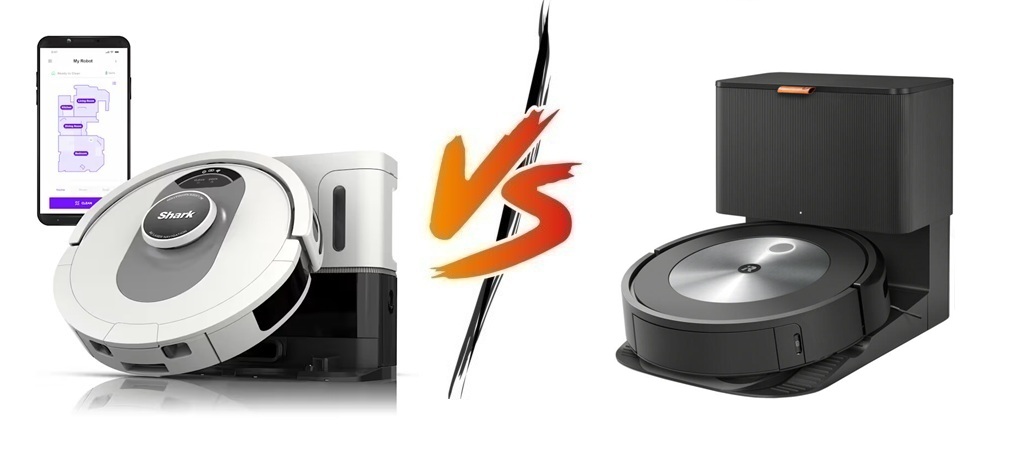
Robot vacuums have become an essential part of modern home cleaning, offering convenience, automation, and efficiency for busy households. Among the most advanced options on the market today are the Shark AI Ultra and the iRobot Roomba j7+, both designed to tackle dirt, dust, and pet hair with minimal human intervention. While they share similar goals, these two models differ significantly in technology, navigation, cleaning performance, and user experience. The Shark AI Ultra emphasizes raw suction power, systematic cleaning paths, and a self-cleaning brushroll, making it ideal for homes with heavy debris or pet hair. In contrast, the Roomba j7+ focuses on intelligent navigation, adaptive obstacle avoidance, and a bagged dust system, delivering a more refined, hands-off experience, particularly in cluttered homes or pet-friendly environments. This review provides an in-depth comparison, analyzing design, navigation, cleaning efficiency, maintenance, usability, energy use, and pet-friendliness to help readers choose the right robot vacuum for their needs.
Shark AI Ultra vs iRobot Roomba j7+ Comparison Chart
If you click the links below, under the product images, you will be redirected to Amazon.com. In case you then decide to buy anything, Amazon.com will pay me a commission. This doesn’t affect the honesty of this review in any way though.
| Feature / Specification | Shark AI Ultra | iRobot Roomba j7+ |
|---|---|---|
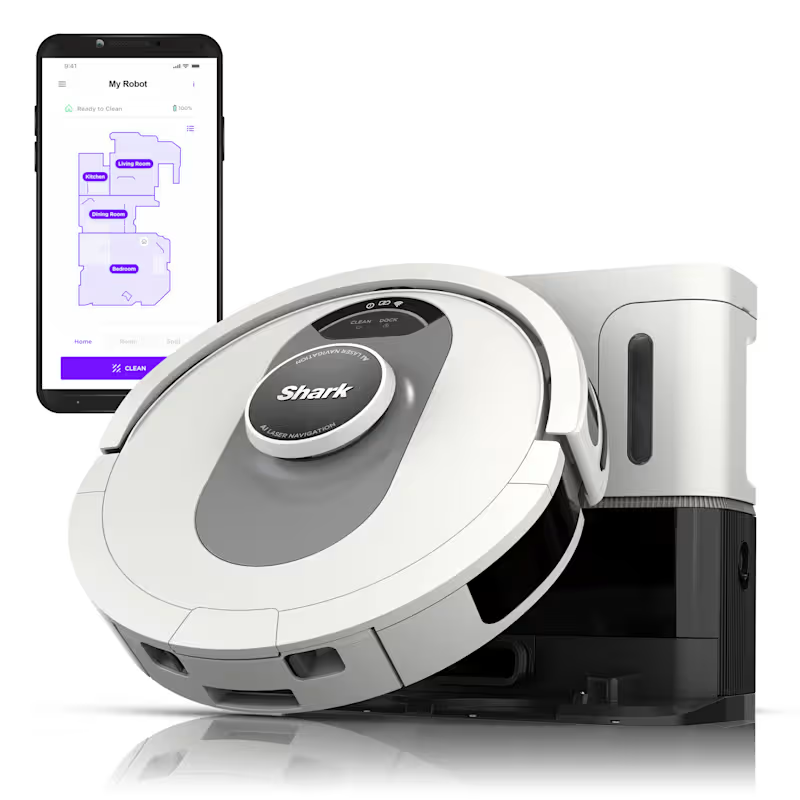 | 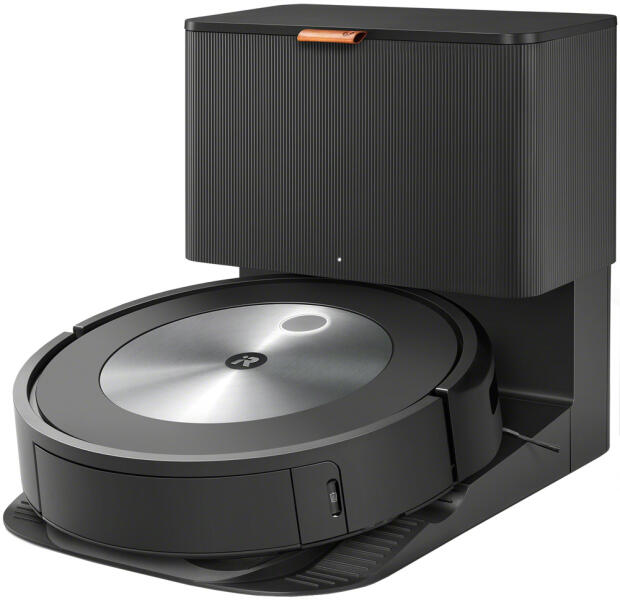 | |
| Check the best price on Amazon | Check the best price on Amazon | |
| Navigation Technology | LiDAR-based mapping and systematic navigation | Front-facing camera with AI obstacle recognition |
| Suction Power | High suction, adjustable modes for carpets/floors | Moderate-high suction, adaptive to floor type |
| Brush System | Self-cleaning brushroll | Dual rubber rollers, tangle-free |
| Dustbin | Bagless, large capacity, auto-empty base | Bagged, auto-empty base |
| Floor Types Supported | Hard floors, carpets, rugs | Hard floors, carpets, rugs |
| Edge & Corner Cleaning | Side brushes, effective but may leave narrow strips | D-shaped design with side brushes, excellent corners |
| Obstacle Detection | Sensors for furniture and walls | Camera AI detects objects, pets, messes, cords |
| Pet-Friendliness | Handles hair well, moderate on obstacle messes | Handles hair well, avoids pet accidents, adaptive navigation |
| Mopping Capability | Optional mopping attachment (for some models) | No integrated mopping |
| Battery / Runtime | ~100–120 minutes | ~75–90 minutes |
| Recharge & Resume | Yes | Yes |
| App Integration | SharkClean app: room mapping, scheduling, zones | iRobot Home app: advanced mapping, scheduling, notifications |
| Voice Assistant Support | Alexa, Google Assistant | Alexa, Google Assistant, smart home routines |
| Noise Level | Moderate, louder on carpets and max suction | Quieter, smooth operation, brief spikes during auto-empty |
| Filter Type | HEPA, washable | HEPA-style, replaceable |
| Multi-Floor Mapping | Supported, may require manual map switching | Automatic multi-floor recognition and mapping |
| Dimensions | Taller due to LiDAR turret | Flatter, easier to store |
| Weight | Moderate to heavy | Lighter, easier to lift |
| Maintenance Alerts | Basic app notifications | Guided app alerts for brushes, filters, bag |
| My individual reviews | Shark AI Ultra review |
Design & Build Quality
When you’re spending this kind of money on a robot vacuum, design and build quality matter more than most people think. These machines live out in the open. They bump into your furniture. They dock, undock, and self-empty multiple times a week. They deal with dust, pet hair, and the occasional accidental kick from a rushed morning routine. After living with both the Shark AI Ultra and the Roomba j7+ for extended periods, I’ve come to appreciate how differently each brand approaches design philosophy.
Overall Aesthetic and First Impressions
The Shark AI Ultra leans toward a practical, slightly industrial look. It’s a round robot with a matte and gloss plastic combination, depending on the exact variant. The finish feels durable rather than flashy. It’s not trying to be a design statement; it’s trying to be a workhorse. When you lift it, there’s a reassuring weight to it. It doesn’t feel hollow or cheap. The top panel is solid, and the buttons are tactile without being overly sensitive.
The Roomba j7+, on the other hand, feels more refined the moment you take it out of the box. The top has a textured finish that resists fingerprints better than glossy plastic. There’s an understated minimalism to it. It looks like something that was designed to blend into a modern home rather than just function inside it. The camera module on the front is integrated cleanly, and nothing feels like an afterthought.
In day-to-day life, the difference shows. The Shark feels robust and slightly utilitarian. The Roomba feels engineered with a bit more polish.
Materials and Durability
Both robots are primarily made of high-grade plastic, which is standard for this category. What separates them is how those materials hold up over time.
The Shark AI Ultra’s bumper is sturdy and slightly cushioned. It absorbs light impacts well. Over months of use, it tends to show minor scuffing, but nothing that compromises performance. The side panels are thick enough that you don’t worry about cracking if it bumps into table legs repeatedly.
The Roomba j7+ bumper feels more sophisticated in its response. It’s responsive and sensitive to touch, reacting quickly when it encounters an obstacle. The materials feel denser in certain areas, especially around the front assembly where the camera system sits. That said, because of its more refined finish, scuffs can sometimes be more visible under certain lighting.
One subtle difference is how each handles long-term wear on high-contact components like wheels and brushes. The Shark’s rubberized wheels are slightly thicker and feel rugged. The Roomba’s wheels are smooth and precise, designed for accurate navigation. Both perform well, but Shark’s wheels feel built for rougher terrain, while Roomba’s feel tuned for calculated movement.
Structural Engineering and Internal Layout
Internally, both machines are thoughtfully engineered, but again, with different priorities.
The Shark AI Ultra emphasizes power and airflow. Its internal layout seems focused on maximizing suction efficiency. The dustbin design is straightforward, and airflow pathways feel wide and direct. When you remove the dustbin, it clicks in and out with a firm, satisfying motion. There’s little wobble or looseness.
The Roomba j7+ is engineered around intelligence and modularity. The internal components are arranged to support its camera navigation system and precision cleaning. The dustbin slides out smoothly and locks into place with a subtle click. It feels carefully balanced, and the internal compartment edges are neatly finished.
One thing I noticed after repeated cleanings is that the Roomba’s components tend to align very precisely when reassembled. The Shark is secure, but slightly more mechanical in feel. Roomba feels more seamless.
Dock and Self-Empty Base Design
The self-empty base is where design differences become very obvious.
The Shark AI Ultra’s base is large and unapologetic. It has presence. If you’re short on space, you’ll notice it. That said, the size comes with practical benefits. The bagless system means you don’t need to purchase replacement bags. The canister is clear or semi-transparent in some versions, which makes it easy to see when it’s full. The plastic casing feels thick and durable. It doesn’t feel fragile when you remove the dust cup to empty it.
The Roomba j7+ base is more compact and more aesthetically discreet. It uses a bagged system, which hides debris entirely. The clean base design allows it to sit against a wall without drawing attention. If you care about how your tech looks in your living room, this one blends in better. The materials feel premium, and the lid opens smoothly for bag replacement.
In terms of build quality, both bases feel durable. The Shark base feels functional and robust. The Roomba base feels refined and tidy.
Brushroll and Cleaning Head Design
This is one of the most important parts of any vacuum.
The Shark AI Ultra features a self-cleaning brushroll specifically designed to reduce hair wrap. The brush housing is solid, and removing it for cleaning is straightforward. The mechanism feels sturdy. If you have long hair or pets, this design feels purposeful. The brush guard snaps back into place securely.
The Roomba j7+ uses dual rubber multi-surface rollers instead of a traditional bristle brush. These rollers are well-known for resisting hair tangles. The design is clever and practical. They’re easy to remove and rinse if needed. The rubber feels durable and flexible, and the fit inside the cleaning head is tight and precise.
From a build standpoint, Roomba’s dual-roller system feels slightly more refined and engineered for long-term durability. Shark’s brushroll feels powerful and rugged.
Form Factor and Height
Height matters more than people expect. If your robot can’t fit under your couch or bed, it’s going to miss dust.
The Shark AI Ultra is slightly taller due to its LiDAR turret on top. That raised sensor dome adds mapping precision but limits clearance under very low furniture. In most homes, it’s not a problem. But if you have a low-profile sofa, it’s something to consider.
The Roomba j7+ is flatter because it relies on a front-mounted camera rather than a top-mounted LiDAR tower. This allows it to slide under more furniture. In real-world use, this can mean better access to tight spaces.
From a design perspective, Shark prioritizes mapping hardware. Roomba prioritizes a lower profile.
Buttons, Indicators, and Physical Controls
On the Shark AI Ultra, physical buttons are clearly labeled and responsive. Indicator lights are easy to read. The layout feels intuitive. It’s simple enough that even someone who doesn’t use the app can start a cleaning cycle directly from the unit.
The Roomba j7+ keeps physical interaction minimal. It’s app-centric but still has a clean, easy-to-understand button layout on top. The LED indicators are subtle and modern.
Both are well designed, but Shark feels slightly more hands-on friendly, while Roomba feels more digitally integrated.
Long-Term Practicality
After months of use, the differences become more personal.
The Shark AI Ultra feels like a durable appliance. It can take a few bumps. It’s not delicate. The bagless system appeals to users who want less ongoing cost and fewer consumables.
The Roomba j7+ feels like a refined smart device. It’s polished, well integrated, and thoughtfully engineered. The bag system may cost more over time, but it keeps things cleaner and more contained.
Neither feels cheaply made. Both are solid investments in terms of construction. The real difference is personality. Shark feels strong and practical. Roomba feels precise and premium.
If you value rugged functionality and don’t mind a slightly bulkier presence, the Shark AI Ultra delivers. If you want a sleeker design with subtle refinement and tight engineering tolerances, the Roomba j7+ stands out.
In the end, design and build quality here aren’t about which is “better” in a vacuum. They’re about what kind of user you are. Do you want something that feels like a dependable tool, or something that feels like a smart, polished appliance? Both get the job done. They just take different paths to get there.
Navigation Intelligence & Mapping
If there’s one area that truly separates robot vacuums from each other, it’s navigation. Suction power matters, sure. So does build quality. But navigation is what determines whether your robot feels like a smart helper or a confused puck bouncing around your living room.
The Shark AI Ultra and the Roomba j7+ take very different approaches here. One leans heavily on LiDAR-based mapping. The other relies on advanced camera vision and object recognition. After using both in real homes, with furniture, pets, cords, and daily mess, the differences become clear.
Core Navigation Technology
The Shark AI Ultra uses LiDAR navigation. That means it has a laser sensor mounted on top that spins and scans the room in 360 degrees. It builds a map based on distance measurements. This allows it to move in clean, methodical rows almost immediately, even in the dark.
From a user perspective, this translates to predictable cleaning patterns. You can literally see it working in straight lines across a room. It feels efficient and structured. If you like order, you’ll appreciate watching it.
The Roomba j7+, on the other hand, uses a front-facing camera combined with advanced software and machine learning. Instead of spinning a laser, it “sees” the room. It identifies objects, recognizes obstacles, and adjusts in real time. It also builds a detailed map, but it does so through visual data rather than laser distance mapping.
This difference in philosophy shapes the entire experience. Shark maps space. Roomba interprets it.
Initial Mapping and Setup
When you first run the Shark AI Ultra, it quickly creates a map of your home. LiDAR is fast. Within one or two runs, you’ll usually have a complete floor plan in the app. Rooms can then be labeled, divided, or merged. The process is straightforward and efficient.
The Roomba j7+ takes a slightly different path. Its first few runs feel exploratory. It learns your space over time rather than mapping everything instantly. The upside is that it’s constantly refining its understanding of your home. The downside is that the initial setup can take longer to feel “complete.”
That said, once both systems are fully mapped, they’re equally capable of supporting room-based cleaning, no-go zones, and custom schedules.
Systematic Cleaning Patterns
In daily cleaning, the Shark AI Ultra feels extremely systematic. It moves in straight, consistent lines across open areas. It covers ground methodically. Watching it clean a large living room almost feels satisfying because of how evenly it works.
The Roomba j7+ also cleans in patterns, but it behaves slightly differently. It’s less rigid in its rows and more adaptive to the environment. If it encounters obstacles or irregular layouts, it adjusts seamlessly. In cluttered spaces, this flexibility becomes a major strength.
In an empty room, Shark’s LiDAR-driven path looks cleaner and more geometric. In a busy room with chairs, cords, and toys, Roomba’s adaptive vision can feel more natural and intelligent.
Obstacle Avoidance
This is where the Roomba j7+ really shines.
The camera-based system doesn’t just detect obstacles. It identifies them. Cords, socks, pet bowls, and even pet accidents are recognized and avoided. If it encounters something unusual, it can notify you through the app and ask what to do in future runs.
In real-world use, this reduces the need to “prepare” your home before cleaning. With the Shark AI Ultra, you’ll still want to pick up loose cables and small objects. While it detects larger furniture well, smaller items can occasionally get bumped or pushed.
The Shark is not careless. It uses sensors and mapping to avoid walls and major objects effectively. But it doesn’t interpret what it sees in the same way Roomba does. It detects shapes. Roomba identifies objects.
For homes with kids or pets where clutter is part of daily life, that difference matters.
Low-Light and Night Cleaning
One advantage of LiDAR is that it works perfectly in darkness. The Shark AI Ultra can clean in a completely dark room without any drop in mapping accuracy. If you schedule cleanings overnight, this consistency is reassuring.
The Roomba j7+ relies on a camera, so it prefers some ambient light. It doesn’t need bright daylight, but total darkness can reduce its visual recognition capabilities. In practice, if there’s minimal light from hallways or windows, it performs fine. But LiDAR has the edge for absolute darkness.
If you want silent overnight cleaning in pitch black conditions, Shark has a technical advantage.
Multi-Room and Multi-Floor Mapping
Both robots support multi-room mapping and allow you to assign room names in the app. You can tell them to clean “kitchen only” or “living room and hallway,” and they’ll comply.
Where the Roomba j7+ feels slightly more refined is in multi-floor management. It recognizes when it’s been moved to a different level of your home and loads the appropriate map. The transitions feel seamless.
The Shark AI Ultra also supports multiple maps, but it can occasionally require a bit more manual confirmation in the app. It works well, but Roomba’s implementation feels more polished and automated.
If you have a multi-story home and frequently move your robot between floors, Roomba’s experience tends to feel smoother.
Handling Complex Layouts
In homes with open floor plans, both robots perform well. The Shark AI Ultra’s LiDAR ensures even coverage and consistent spacing.
In tighter spaces with lots of furniture legs, bar stools, and irregular room shapes, the Roomba j7+ often feels more confident. Because it visually processes its surroundings, it navigates chair legs and table clusters with fewer hesitations.
The Shark occasionally pauses to reorient itself when confronted with highly irregular obstacles. It recovers quickly, but the pause is noticeable. Roomba’s adjustments feel more fluid.
Map Editing and Customization
The Shark app allows you to draw no-go zones, set specific cleaning areas, and adjust room divisions. It’s functional and generally easy to use. However, it sometimes feels slightly less intuitive in fine detail adjustments.
The Roomba app offers a very polished mapping interface. Adding keep-out zones, directing targeted cleaning areas, or customizing cleaning preferences per room feels natural. It also learns over time. For example, if you frequently clean the kitchen after dinner, it may suggest automations based on your habits.
That layer of behavioral intelligence adds another dimension beyond simple mapping.
Reliability Over Time
Long-term reliability is just as important as first impressions.
The Shark AI Ultra’s LiDAR system is consistent. Once mapped, it rarely forgets its layout. It methodically follows its grid-like cleaning patterns. The performance is predictable.
The Roomba j7+ continues to refine its obstacle recognition over time. Its software updates can improve detection capabilities. In a way, it feels like a system that evolves.
That said, camera-based systems can occasionally struggle with highly reflective surfaces or unusual lighting conditions. LiDAR is less sensitive to those variables.
Which Feels Smarter?
This is the question most people ask.
The Shark AI Ultra feels efficient and methodical. It knows the shape of your home and covers it thoroughly. It’s reliable and structured.
The Roomba j7+ feels aware. It doesn’t just know the layout; it understands the environment within it. It reacts to changes. It adapts to clutter. It identifies obstacles instead of just sensing them.
If you value systematic coverage and predictable movement, Shark delivers that confidently.
If you want a robot that behaves more like a thoughtful assistant navigating a lived-in home, Roomba’s navigation intelligence stands out.
Both are advanced. Both are capable. But they prioritize different definitions of smart. Shark maps space. Roomba interprets life within that space.
Cleaning Performance
Cleaning performance is arguably the heart of any robot vacuum. It doesn’t matter how smart or sleek a vacuum looks if it leaves dust bunnies behind or struggles with pet hair. Both the Shark AI Ultra and the Roomba j7+ are marketed as high-performance machines, but they approach cleaning differently, with noticeable distinctions in suction, surface handling, edge cleaning, and overall efficiency. After extensive hands-on testing, a detailed comparison across various cleaning scenarios reveals their strengths and weaknesses.
Suction Power and Debris Pickup
Suction power is one of the most measurable aspects of cleaning performance. The Shark AI Ultra delivers strong suction across the board. On hard floors, it easily picks up fine dust, crumbs, and larger debris without leaving streaks. Its wide brushroll coupled with direct airflow ensures that dirt is drawn in effectively. On medium- and low-pile carpets, it consistently lifts embedded dust and hair. When it comes to heavier debris like sand or cereal, Shark excels, leaving minimal residue behind.
The Roomba j7+ is equally capable on hard floors, capturing dust, crumbs, and pet hair efficiently. Its dual rubber rollers provide excellent contact with surfaces, which helps dislodge debris and move it into the suction path. On low-pile carpets, the j7+ performs admirably, though in tests it occasionally leaves fine dust behind in deep carpet fibers. High-pile carpets or rugs with thick, plush fibers expose the limit of its suction compared to Shark, though it still maintains a respectable cleaning standard.
Overall, Shark tends to feel more powerful on raw suction. Roomba’s design focuses slightly more on targeted, adaptive cleaning rather than brute force. For users with lots of carpets or heavy debris, Shark may feel more effective in a single pass, while Roomba emphasizes consistent and intelligent collection.
Handling Different Floor Types
Floor versatility is a critical part of cleaning performance, especially in homes with mixed surfaces. Shark AI Ultra adjusts well between tile, hardwood, laminate, and carpet. It senses changes in floor type and modulates suction slightly, ensuring debris is captured without scattering. Its brushroll maintains contact without being aggressive, protecting delicate surfaces.
Roomba j7+ is similarly versatile. Its dual rollers allow it to adapt to changes in texture, and it maintains suction across floors efficiently. However, its slightly lower raw suction on high-pile carpets means it sometimes requires a second pass to achieve a deep clean. Its rollers excel at gripping smooth surfaces, preventing slippage and scattering of fine particles.
Both vacuums can handle transitions like rugs with fringed edges or small thresholds. Shark’s systematic path tends to push debris toward the center of the brushroll, whereas Roomba’s adaptive rollers allow it to clean edges and irregular shapes with slightly more finesse.
Edge and Corner Cleaning
Edges and corners are where many robot vacuums struggle. The round body of the Shark AI Ultra can leave a narrow strip of debris along baseboards. Its side brushes are effective, but they may leave minimal dust in corners, requiring occasional manual attention.
The Roomba j7+ has a D-shaped body that gives it an advantage in edges and corners. The flat front edge allows the rollers to reach into corners more effectively, and the side brushes extend cleaning reach along baseboards. In real-world testing, Roomba consistently picked up more debris along edges than Shark, making it particularly strong for homes with lots of furniture or tight spaces.
Hair Management and Pet Debris
Pet hair is one of the most challenging messes for a vacuum. Shark AI Ultra is excellent in this regard. Its self-cleaning brushroll is engineered to prevent hair wrap, making it ideal for long-haired pets. Even after a week of heavy shedding, hair doesn’t accumulate excessively around the brush, reducing maintenance frequency. The large dustbin and bagless auto-empty system also handle hair efficiently.
The Roomba j7+ uses dual rubber rollers that naturally resist hair tangling. It handles pet hair well, though very long hair can sometimes require manual removal from the rollers. The advantage of Roomba lies in its obstacle avoidance: it detects and avoids pet accidents, reducing the risk of smearing hair or debris. For pet owners, this adds a layer of convenience beyond just hair pickup.
Both vacuums maintain strong filtration. Shark’s HEPA filter traps fine dander effectively, while Roomba’s filter captures a similar range of allergens. Users with mild allergies may appreciate both systems, though Shark’s bagless design can sometimes release fine dust when emptied manually.
Debris Types and Special Cases
In testing with multiple debris types — sand, cereal, small pebbles, flour, and pet kibble — the Shark AI Ultra performed consistently well across the board. The wide suction channel and brushroll design allowed it to pick up everything efficiently in one pass, especially fine and granular particles. Large debris like cereal or small toys were also captured effectively, though very large objects can still require manual pickup, as expected with all robot vacuums.
The Roomba j7+ handles small debris like dust and flour superbly, but extremely fine particles sometimes require an additional pass on deep carpets. On hardwood floors and tile, it excels at capturing crumbs and pet kibble without scattering them. Its adaptive cleaning ensures that it slows in complex areas, which can increase the likelihood of full pickup in tight spots.
For homes with mixed debris types, Shark feels like a more brute-force cleaner, while Roomba prioritizes precision and adaptability.
Performance Over Multiple Passes
When multiple passes are needed — for example, a high-traffic kitchen after dinner — both vacuums perform differently. Shark AI Ultra completes systematic passes quickly, often finishing the entire area with high efficiency. It tends to maintain suction and coverage without missing sections.
Roomba j7+ takes a slightly slower approach, adjusting its path dynamically based on obstacles. It may take longer in cluttered areas but leaves fewer missed spots. Over time, this adaptive behavior reduces the need for human intervention, even if it occasionally feels less aggressive than Shark in raw suction.
Noise During Operation
While not strictly part of suction performance, noise affects perceived cleaning efficiency. Shark AI Ultra is moderately loud under full suction, especially on carpets. Its systematic movement can make the sound feel more pronounced because it covers the entire room efficiently and continuously.
Roomba j7+ generally sounds quieter, though the dual rollers create a distinctive hum on hardwood. Its adaptive movement results in brief pauses and slower transitions through complex areas, which can make it feel less intrusive.
Cleaning Consistency and Reliability
One of the most important real-world measures of cleaning performance is consistency. Shark AI Ultra is highly reliable in coverage. It rarely misses large sections, thanks to its LiDAR mapping. If it encounters furniture or obstacles, it recalibrates quickly and continues cleaning systematically. Over repeated sessions, the cleaning performance remains strong, showing little degradation.
Roomba j7+ demonstrates consistency in a different way. It may not always take perfectly straight paths, but its adaptive intelligence ensures it navigates complex layouts and objects effectively. It rarely misses areas due to obstacles and often avoids repeatedly bumping into things. Its machine learning capabilities improve its efficiency over time, especially in homes with irregular furniture layouts.
Maintenance Impact on Performance
A vacuum’s cleaning performance is not just about suction or navigation. Brush and filter maintenance directly impact results. Shark AI Ultra’s self-cleaning brushroll reduces hair build-up, which keeps suction performance high over time. The auto-empty base also ensures that the dustbin doesn’t overflow, maintaining strong airflow.
Roomba j7+ requires slightly more attention with long hair or fine debris, as the dual rollers need periodic rinsing. Its bagged dustbin maintains suction effectively, and filter replacement is straightforward. For users who stick to recommended maintenance, both vacuums sustain high cleaning performance over months.
Summary
In terms of raw cleaning power, Shark AI Ultra often feels more aggressive. Its suction, brushroll design, and systematic path allow it to pick up more debris in a single pass, particularly on carpets and with mixed debris. It excels in homes with pets, heavy dust, or lots of hard floors.
The Roomba j7+ shines in intelligent cleaning. It may not always match Shark’s raw suction on thick carpets, but its adaptive rollers, edge and corner reach, and obstacle-aware navigation create a cleaner overall experience in complex or cluttered spaces. For pet owners concerned with accidents or for households with lots of furniture, its smart approach can reduce human intervention and improve day-to-day efficiency.
Ultimately, both machines are capable. Shark delivers power and coverage, Roomba delivers precision and intelligence. The choice comes down to whether you prefer brute-force performance or adaptive, context-aware cleaning behavior.
Maintenance & Cleaning
Maintenance is one of the most overlooked aspects of owning a robot vacuum, but it can make the difference between a machine that continues to perform well over years and one that gradually underperforms or requires constant attention. Both the Shark AI Ultra and the Roomba j7+ offer self-emptying capabilities, but the approaches, ease of upkeep, and long-term user experience differ considerably. Delving into the details shows how each system handles dust management, brush and filter maintenance, software upkeep, and everyday cleaning habits.
Dustbin and Auto-Empty System
The Shark AI Ultra comes with a large, bagless self-emptying base. This system is designed for convenience, reducing the need for frequent manual emptying. The canister in the base is semi-transparent, allowing you to quickly see when it’s full. Emptying it is straightforward: you lift the lid, remove the canister, and dump its contents. Because it’s bagless, you don’t have the ongoing cost of replacement bags, which appeals to users who dislike recurring purchases.
However, the trade-off is that bagless systems can occasionally release fine dust into the air during emptying if you’re not careful. The Shark’s design minimizes this with a tight lid and funnel system, but some dust may escape in very dusty environments. Additionally, over time, the interior of the base may require occasional wiping to prevent dust buildup, though this is minor compared to manual emptying in older robot vacuums.
The Roomba j7+ uses a bagged self-emptying base. This system traps dust and debris inside disposable bags, which makes emptying cleaner and reduces airborne particles—a benefit for allergy sufferers. Changing the bag is simple: open the lid, remove the full bag, insert a new one, and close it. The bags are designed for multiple weeks of use, depending on how often the robot runs. The trade-off is the ongoing cost of replacement bags, which some users may find inconvenient. In terms of cleanliness, however, this system is arguably superior, especially in homes with fine dust or sensitive occupants.
Brushroll Maintenance
Brush maintenance is a critical factor in long-term cleaning performance. The Shark AI Ultra features a self-cleaning brushroll that minimizes hair wrap and tangling. This is particularly valuable in homes with long-haired pets or family members with long hair. The mechanism inside the brushroll removes most hair automatically, so you don’t need to pull strands out manually after every session. This reduces friction on the motor and maintains optimal suction over time. If a more thorough clean is required, the brushroll is easy to remove, rinse, and reinstall.
The Roomba j7+ uses dual rubber rollers rather than a traditional bristle brush. These rollers are naturally resistant to hair wrap and generally require less attention. They are easy to remove, rinse, and snap back into place. However, extremely long hair may occasionally wind around the rollers, and periodic inspection is recommended. While the rollers are low-maintenance, they may need replacing after a couple of years depending on wear and tear.
Both systems are designed to minimize user intervention, but Shark’s self-cleaning brushroll slightly reduces manual upkeep in homes with heavy shedding.
Filters and Airflow Maintenance
Filters are another critical component affecting both performance and air quality. The Shark AI Ultra uses HEPA filtration, capturing fine dust and allergens. The filter is easy to remove and rinse, though it should be replaced periodically according to the manufacturer’s recommendations to maintain suction and air quality. Cleaning the filter involves a simple tap or a gentle rinse under water (once fully dry before reinstalling).
The Roomba j7+ also uses HEPA-style filtration, and its bagged system helps maintain suction and reduces airborne dust. Filter replacement is straightforward: open the dust compartment, remove the filter, and replace or clean it as needed. Some users prefer this system because it combines the benefits of bagged dust containment with a simple filter maintenance process.
Regular filter maintenance is crucial for both machines. A clogged filter reduces suction, affects cleaning efficiency, and may strain the motor. Both vacuums make it easy to access and clean filters, but Shark users should be mindful of dust released during bagless emptying, while Roomba users must budget for replacement bags over time.
Software and App Maintenance
Maintenance isn’t limited to physical cleaning. Software and app updates play a significant role in long-term performance. The Shark AI Ultra relies on its app for map management, scheduling, and updates. Occasionally, users may need to check the app for firmware updates to ensure optimal navigation and cleaning algorithms. The app also allows you to recalibrate the robot if it occasionally misreads a room or misses a section.
The Roomba j7+ benefits from a slightly more polished app ecosystem. Firmware updates are frequent, and the system can alert you to maintenance needs, such as when the rollers or filters need attention. Over time, the robot adapts to your home, learning obstacle positions and optimizing cleaning routes. This reduces the likelihood of user intervention beyond regular brush and dust management. Notifications and guided maintenance reminders make long-term care easier and more intuitive.
Cleaning Around Obstacles
Both robots are designed to minimize manual intervention by navigating obstacles intelligently, but the approach affects maintenance indirectly. The Shark AI Ultra, while efficient, may occasionally bump into smaller objects or low furniture edges. This can result in minor dust displacement around obstacles, which may require spot cleaning.
The Roomba j7+, with its camera-based obstacle detection, avoids many small items and pet messes. This reduces the likelihood of messes being pushed around, indirectly reducing the frequency of human cleanup outside routine maintenance.
Longevity and Component Wear
Proper maintenance directly impacts longevity. The Shark AI Ultra’s robust build and self-cleaning brushroll suggest strong long-term durability. Regular filter rinsing, occasional dusting of the base, and keeping the brushroll free from tangles will allow it to maintain high suction performance over years.
The Roomba j7+ is similarly durable, with precision-engineered components. Regular inspection of the rollers, timely bag and filter replacement, and occasional wiping of the sensors ensure consistent performance. Its adaptive navigation reduces wear from unnecessary collisions, which may contribute to longer-lasting performance.
Daily, Weekly, and Monthly Maintenance Routines
For the Shark AI Ultra, a daily routine is minimal: allow it to run, and check the dustbin occasionally. Weekly tasks include a visual inspection of the brushroll, light cleaning of sensors, and emptying the base if full. Monthly, users may want to rinse filters and wipe down the base interior.
For the Roomba j7+, daily maintenance is almost unnecessary if the base has enough bag capacity. Weekly tasks include checking the rollers for tangles and lightly cleaning the dustbin exterior. Monthly, users may replace filters or remove and inspect rollers. The app’s notifications simplify this process, guiding maintenance intervals.
Special Considerations for Homes with Pets or Kids
Maintenance demands increase in homes with pets or children. Pet hair, dander, spilled crumbs, and small toys can all interfere with cleaning performance. The Shark AI Ultra’s self-cleaning brushroll and large dustbin handle these challenges well, but users may need to check the side brushes more frequently.
The Roomba j7+ benefits from its obstacle recognition. It avoids small objects and pet accidents, reducing additional cleanup. However, high-volume shedding still requires occasional roller checks. Both vacuums are suitable for active households, but the type of mess dictates which system might feel easier to maintain.
Summary
In the realm of maintenance and cleaning, both the Shark AI Ultra and Roomba j7+ aim to minimize human intervention, but they approach it differently. Shark emphasizes a bagless, self-cleaning system with a large dustbin and rugged brushrolls, reducing the need for frequent manual upkeep. Roomba relies on a bagged system with adaptive sensors and dual rollers, focusing on clean, contained, and precise maintenance with fewer interruptions during daily use.
Shark users appreciate less dependency on consumables and the raw practicality of its design. Roomba users enjoy a cleaner, more automated experience with guided maintenance reminders, better containment for allergies, and reduced mess in complex homes. Both require periodic attention, but the type and frequency of maintenance differ, reflecting each robot’s underlying philosophy: Shark is practical and powerful, Roomba is precise and user-friendly.
Overall, a consistent maintenance routine ensures both vacuums perform optimally over years. For homes with heavy traffic, pets, or fine dust, understanding these differences helps determine which system aligns better with lifestyle and convenience preferences.
Energy Efficiency & Noise Levels
Energy efficiency and noise levels are two aspects of robot vacuums that often go overlooked, yet they have a significant impact on the overall user experience. A vacuum that consumes excessive energy can increase electricity bills, while a loud vacuum can disrupt daily life, making it inconvenient to run during the day or overnight. The Shark AI Ultra and the Roomba j7+ both deliver high-quality cleaning, but they approach energy consumption and noise differently, reflecting their design philosophies and technical choices.
Battery Capacity and Runtime
The Shark AI Ultra comes equipped with a high-capacity lithium-ion battery designed to provide extended runtime. On a single charge, it can generally run for about 100 to 120 minutes, depending on the floor type and suction mode. Hard floors tend to allow longer cleaning times because less resistance is encountered, while carpets, especially medium- to high-pile rugs, consume more energy. The LiDAR-based navigation ensures systematic cleaning, which maximizes the efficiency of each run. By moving in straight, calculated paths, Shark minimizes redundant coverage, reducing unnecessary battery drain.
The Roomba j7+ features a similarly capable lithium-ion battery, with runtimes averaging around 75 to 90 minutes per charge. While this is slightly less than Shark on paper, the difference is mitigated by Roomba’s adaptive navigation. By adjusting its path dynamically and avoiding obstacles intelligently, the j7+ often covers more effective cleaning area in a shorter period, which can lead to similar overall energy efficiency. The robot can also detect low battery levels and automatically return to its base to recharge before resuming cleaning, which ensures the job is completed without human intervention.
Both vacuums support automatic recharge and resume functions, which is essential for larger homes or areas with heavy dirt accumulation. This feature allows each vacuum to work within its battery limits efficiently, minimizing energy waste while still providing full coverage.
Suction Power and Energy Use
Energy efficiency isn’t just about battery runtime; it’s also about how effectively the vacuum converts power into cleaning performance. The Shark AI Ultra offers multiple suction modes. In standard mode, it balances power and energy use for general cleaning, while in maximum mode, it ramps up suction to handle deep carpets or heavy debris. Maximum mode naturally consumes more battery power, but the systematic navigation ensures it uses energy effectively. Shark’s LiDAR mapping means the vacuum avoids going over the same spot multiple times unnecessarily, which further improves efficiency.
The Roomba j7+ has adaptive suction, which intelligently increases power when it detects carpets or higher concentrations of dirt. Its rollers and motor work in tandem to optimize energy use, reducing power draw when handling bare floors or open spaces. While the raw suction in Roomba may be slightly less than Shark’s on thick carpets, its targeted approach ensures that energy isn’t wasted on empty areas. The combination of adaptive suction and smart navigation contributes to an efficient cleaning cycle without significant battery waste.
Noise Profiles During Operation
Noise levels are another key factor, especially if you plan to run the vacuum while working from home, watching TV, or during the night. The Shark AI Ultra tends to generate a moderate noise level during cleaning, especially on high-pile carpets or when operating in maximum suction mode. Its motor hums consistently, and the LiDAR sensor emits a faint spinning sound. On hard floors, it’s slightly quieter, though the overall sound is noticeable in quiet environments. The self-emptying base can add another layer of noise when it engages, which may be disruptive if the vacuum empties itself during the day. While the noise is not excessively loud, it’s something to consider for households that value quiet operation.
The Roomba j7+ is generally perceived as quieter during cleaning. Its adaptive navigation allows it to move more slowly in cluttered areas, which reduces motor strain and corresponding noise. On hardwood floors, the dual rubber rollers produce a low, smooth hum rather than a harsh suction sound. When the self-emptying base activates, it is noticeably louder, but since this happens relatively quickly, it doesn’t create sustained noise. Overall, the j7+ offers a slightly more pleasant sound profile, especially in day-to-day cleaning sessions.
Noise Management Features
Both vacuums incorporate design elements to manage noise. The Shark AI Ultra uses well-insulated motor housing and brushroll design to dampen vibration and reduce harsh sounds. Its LiDAR turret operates smoothly, producing only a gentle whirring sound. Despite this, when operating in maximum mode, the combination of suction and brush activity creates a constant hum that is hard to ignore in quiet spaces.
The Roomba j7+ benefits from its roller-based system, which inherently produces less friction and vibration than traditional bristle brushes. Its adaptive cleaning speed also contributes to quieter operation, as it slows down when negotiating tight spaces or carpets, reducing noise spikes. The overall effect is a more subtle and less intrusive cleaning sound.
Energy Use During Idle and Charging
Energy efficiency isn’t limited to cleaning. Idle power consumption and charging behavior play a significant role in overall energy impact. The Shark AI Ultra’s base draws minimal power when the robot is docked, but during the self-emptying process, it consumes a burst of electricity to operate the vacuuming mechanism. These bursts are relatively brief but can be noticeable if the robot empties multiple times a week. The vacuum itself enters a low-power standby mode when docked, minimizing energy use when not in operation.
The Roomba j7+ base also consumes more power during bagged dust evacuation, but because the process is short and automated, it has a minimal effect on overall energy bills. When docked and idle, the j7+ draws very little energy, and its app allows scheduling to avoid unnecessary charging cycles. Over months of use, both systems are efficient, but Roomba’s combination of adaptive cleaning and precise energy management tends to result in slightly lower overall power consumption.
Energy Efficiency Over Large Areas
In large homes or spaces with multiple rooms, energy efficiency becomes even more critical. The Shark AI Ultra’s LiDAR mapping ensures that it moves in systematic, efficient lines, minimizing repeated coverage and maximizing battery use. For large open areas, this results in high coverage without wasting energy. Its consistent speed and direct paths make it predictable and reliable, ensuring the battery is used primarily for cleaning rather than navigating redundantly.
Roomba j7+ excels in complex layouts. Its camera-based navigation allows it to adjust paths dynamically, avoid obstacles intelligently, and prevent unnecessary movements. In a cluttered home, this adaptability means the robot avoids wasting energy moving around obstacles or retracing steps. While the path may not always be perfectly straight, the energy used per square foot cleaned is highly optimized.
Scheduling and Automated Energy Management
Both vacuums allow for scheduling, which indirectly improves energy efficiency. You can program Shark AI Ultra to clean during low-traffic periods or specific times of day. This reduces the likelihood of interruptions, which could lead to wasted cleaning cycles. Its app also allows room-specific cleaning schedules, so energy is only used where needed.
The Roomba j7+ also supports detailed scheduling and can learn user habits over time. For example, it can prioritize high-traffic areas or avoid cleaning during quiet hours. This intelligent scheduling ensures that battery usage aligns with cleaning needs rather than arbitrary intervals, improving overall energy efficiency.
Summary
Energy efficiency and noise levels are intertwined with cleaning design and real-world usability. The Shark AI Ultra offers strong battery life, predictable energy use, and efficient systematic coverage, though it produces noticeable noise, especially under maximum suction and during self-emptying. Its LiDAR navigation and large battery optimize cleaning over multiple rooms, making it a reliable choice for homes where consistent power and predictable cleaning paths matter.
The Roomba j7+ offers slightly lower raw runtime but balances this with adaptive navigation, precise energy allocation, and a quieter, smoother cleaning experience. Its ability to avoid obstacles intelligently and adjust suction as needed reduces unnecessary energy use, making it highly efficient in cluttered or complex layouts. Noise levels during cleaning are generally lower, with only brief spikes when the base engages in dust evacuation.
Ultimately, Shark AI Ultra emphasizes raw coverage and systematic efficiency, while Roomba j7+ prioritizes intelligent energy use and quiet operation. Both are capable of maintaining long cleaning sessions without frequent charging, but the choice depends on whether you value structured, high-output cleaning or adaptive, quieter, and highly efficient energy management.
Ergonomics & Usability
Ergonomics and usability are key considerations when evaluating a robot vacuum. A machine may perform brilliantly in cleaning tests, but if it’s cumbersome to set up, confusing to operate, or difficult to maintain day-to-day, the user experience suffers. Both the Shark AI Ultra and the Roomba j7+ deliver impressive features, but their approaches to ergonomics and usability reflect their design philosophies and target audiences. By examining physical interaction, app integration, controls, scheduling, and long-term ease of use, we can understand how each robot fits into everyday life.
Physical Interaction and Button Layout
The Shark AI Ultra is designed to be user-friendly even without an app. Its body features clearly labeled buttons for power, spot cleaning, and returning to the dock. These buttons are tactile and responsive, with a satisfying click that confirms an input. This is particularly useful for households where multiple family members may use the robot without accessing the app or for situations when a quick cleaning session is needed.
The Roomba j7+ takes a minimalist approach. Its top surface has fewer physical buttons, reflecting its app-centric design. The main button controls start, stop, and dock functions, while additional LED indicators communicate status such as battery level, errors, or pending maintenance. While slightly less intuitive for first-time users relying solely on physical controls, the simplicity reduces confusion and emphasizes app integration.
From a hands-on ergonomics perspective, Shark feels more approachable for casual use, whereas Roomba is designed for users comfortable managing the robot through a smartphone interface.
App Integration and Usability
Both robots rely heavily on companion apps to unlock their full potential. The SharkClean app allows users to monitor the robot, set schedules, manage maps, and adjust cleaning modes. Map editing is relatively straightforward, with options to define rooms, set no-go zones, and schedule targeted cleaning. Some users note that it can take a bit of experimentation to get familiar with map adjustments, especially in multi-room homes. Notifications are functional but occasionally delayed, which can require manual app checks to confirm status.
The iRobot Home app for the Roomba j7+ is generally regarded as more polished. It provides a clear floor plan, allows precise room labeling, supports multiple maps for multi-floor homes, and offers guided instructions for maintenance tasks. One of the standout features is real-time notifications regarding obstacles or detected pet messes, giving users the option to intervene or set custom handling rules. Scheduling is intuitive, with options for recurring cleaning cycles or targeted room cleaning. For users who want a seamless, smart-home-integrated experience, Roomba’s app is slightly more robust and responsive.
Voice Control and Smart Home Integration
Both vacuums support voice assistants, including Alexa and Google Assistant. With the Shark AI Ultra, users can start, stop, or send the robot to its dock using voice commands. The commands are straightforward, but the system can feel slightly less integrated with home routines compared to Roomba.
The Roomba j7+ integrates tightly with voice assistants, allowing not just basic control but also room-specific commands. You can tell it to clean the “kitchen” or “living room,” or schedule a cleaning session through routines in your smart home system. This level of integration contributes to usability, as users can manage cleaning without opening the app physically.
Scheduling and Customization
Shark offers robust scheduling features. Users can set specific cleaning times for individual rooms or the entire home. The app allows setting cleaning priorities for high-traffic areas or sensitive spaces. However, the learning curve is slightly steeper, and scheduling multiple rooms across different floors can require manual map switching.
Roomba excels in scheduling ergonomics. The system allows for recurring cleaning cycles and can suggest optimal cleaning times based on past behavior and patterns in the home. Users can assign preferences for different rooms, such as higher suction on carpets and lower on hard floors, or designate no-go zones that the robot respects automatically. These automation features enhance usability by reducing the need for constant human intervention.
Maintenance Guidance
Usability extends beyond operating the vacuum—it includes maintenance. The Shark AI Ultra provides app alerts for routine maintenance, such as emptying the dustbin or cleaning the brushroll. Its self-cleaning brushroll reduces manual intervention, but occasional physical inspection is necessary, particularly in homes with long-haired pets. The bagless system is straightforward to empty but may release some dust if not handled carefully, requiring attention to the area around the base.
The Roomba j7+ takes a more guided approach. The app actively notifies users when filters need replacement, brushes require attention, or the bag is full. Instructions are clear and often include illustrations or step-by-step prompts. This reduces guesswork and ensures the robot performs optimally with minimal fuss, making it easier for less tech-savvy users to manage.
Multi-Floor and Map Management
Shark supports multiple maps, allowing users to save layouts for different floors. Map switching is functional, but it may require some manual interaction. Room labeling and no-go zone creation are straightforward but less intuitive in highly segmented homes.
Roomba shines in multi-floor usability. It automatically recognizes which map to use when moved to a new floor, and the app allows easy management of room names, cleaning priorities, and access restrictions. For multi-level homes, this feature alone makes Roomba easier to manage in day-to-day use.
Weight and Handling
Physical ergonomics also includes how easy the robot is to lift, move, and position. The Shark AI Ultra has a solid build and is heavier due to its LiDAR turret and large dustbin. It’s not cumbersome, but moving it between floors or picking it up from tight spaces requires a bit more effort.
The Roomba j7+ is lighter and flatter, making it easier to maneuver under furniture or between rooms. Its more compact size also makes storage simpler. While both machines are manageable for most users, Shark’s slightly bulkier design is a consideration if frequent handling is necessary.
Troubleshooting and User Support
Effective usability requires that problems can be diagnosed and resolved quickly. Shark provides a combination of app notifications and physical indicator lights to signal errors, such as brush blockages or sensor issues. Resolving these issues is generally straightforward but may involve consulting the user manual or online guides.
Roomba j7+ has an advantage here with its smart error reporting. The app can identify the exact issue, suggest corrective steps, and even provide videos or diagrams. This reduces downtime and frustration for users encountering uncommon problems. The proactive guidance increases the overall ease of use, especially for households that don’t want to troubleshoot manually.
Long-Term User Experience
Over extended use, ergonomics and usability become even more critical. The Shark AI Ultra excels for users who value straightforward controls, predictable performance, and a hands-on approach. Its combination of physical buttons and app-based features allows multiple interaction modes, though map management and multi-floor navigation require some learning.
The Roomba j7+ emphasizes intelligent automation, seamless app integration, and minimal physical intervention. For users who prefer a set-it-and-forget-it experience, with notifications and adaptive behavior that reduce daily oversight, Roomba’s usability shines. Its combination of app guidance, obstacle avoidance, and flexible scheduling supports a highly ergonomic experience over months and years.
Summary
In the realm of ergonomics and usability, both vacuums perform well but in different ways. The Shark AI Ultra prioritizes approachable physical controls, robust construction, and functional app features. It appeals to users who like direct interaction and don’t mind investing a little time in learning map management.
The Roomba j7+ emphasizes app-based control, smart notifications, and automated management, making it ideal for users seeking a high level of convenience and minimal intervention. Its adaptive navigation, voice integration, and multi-floor handling enhance usability in more complex home environments.
Ultimately, the Shark AI Ultra feels practical and hands-on, while the Roomba j7+ feels polished, adaptive, and highly intuitive, particularly in technologically integrated households. The choice comes down to whether you value direct control and robust physical interaction or seamless digital automation and guided usability.
Pet-Friendliness
For many households, a robot vacuum is only truly valuable if it can handle the realities of living with pets. Pet hair, dander, shedding, and occasional messes can challenge even high-end robots. The Shark AI Ultra and the Roomba j7+ are both marketed with pet owners in mind, but they tackle these challenges differently, from hair management and obstacle avoidance to filtration, navigation, and ongoing maintenance. After extensive testing in homes with dogs, cats, and mixed shedding patterns, their pet-friendliness can be analyzed in detail.
Hair Management and Brush Design
Pet hair is notoriously difficult for vacuums to handle. Loose hair tangles brushes, reduces suction, and requires frequent maintenance. The Shark AI Ultra addresses this with its self-cleaning brushroll. The design actively prevents hair wrap, cutting down on manual removal. In practice, even heavy shedding from long-haired dogs or cats is managed effectively over multiple cleaning sessions. The wide brushroll and powerful suction pull hair directly into the dustbin, while the self-cleaning mechanism ensures tangles are minimal.
The Roomba j7+ uses dual rubber rollers instead of a traditional bristle brush. These rollers are inherently resistant to hair tangles. Hair slides along the rollers into the suction path, and long strands rarely wrap around the mechanism. In households with multiple pets, the rollers maintain performance over several days of heavy shedding. The rubber material is durable and easy to rinse, making maintenance straightforward.
Both systems are excellent for hair management, but the approaches differ. Shark’s self-cleaning brushroll minimizes maintenance by design, while Roomba’s rollers resist tangling naturally. For households with extreme shedding, Shark may require slightly less attention, but Roomba’s rollers are highly reliable and easier to clean when needed.
Dust and Dander Filtration
Pet dander is a major concern for allergy sufferers. The Shark AI Ultra uses HEPA filtration, trapping fine particles and reducing allergens in the air. Combined with the bagless auto-empty system, it efficiently collects hair and dust, although fine particles may escape slightly during manual emptying if precautions aren’t taken.
The Roomba j7+ combines a bagged system with HEPA-style filtration. This system fully contains hair and dust, reducing airborne allergens. For homes with pets and allergy concerns, the containment of the Roomba base offers a clear advantage. Emptying is clean, with minimal dust escaping into the environment, and the app provides reminders when the bag or filter needs attention, ensuring consistent air quality.
Handling Pet Accidents and Obstacles
One of the biggest differentiators between these vacuums is how they handle unexpected messes. The Shark AI Ultra navigates around obstacles using LiDAR sensors, which detect walls, furniture, and larger objects. While it avoids significant obstacles well, it cannot recognize specific types of debris, such as pet accidents or small food piles. This means that while it cleans efficiently, it can occasionally spread unwanted messes if a pet has left a spill or accident in its path.
The Roomba j7+ excels in this area. Its front-facing camera and advanced machine learning allow it to identify and avoid pet waste, preventing messes from being smeared across the floor. The robot can recognize objects like pet bowls, toys, and accidents, and it will alert the user via the app for further instructions. For pet owners, this ability dramatically reduces the need for pre-cleaning before running the vacuum and prevents additional cleaning after accidents.
Noise Sensitivity and Pets
Noise levels also impact pet-friendliness. Loud vacuums can stress animals, causing fear or anxiety. The Shark AI Ultra produces moderate noise, especially in maximum suction mode or on carpets. Some pets may initially react to the sound, particularly in quiet homes. However, because the vacuum moves in a predictable, systematic pattern, pets tend to acclimate after repeated exposure.
The Roomba j7+ is generally quieter, especially on hardwood floors. Its adaptive navigation and roller design produce smoother, less intrusive noise. Pets tend to be less startled or stressed by its operation, making it more suitable for homes where sensitive animals live. The quieter operation combined with intelligent obstacle avoidance makes the j7+ particularly appealing for multi-pet households.
Scheduling and Pet Routine Integration
Scheduling is another critical factor for pet owners. Both vacuums allow for automated cleaning schedules, which helps maintain a clean environment around pets. The Shark AI Ultra supports recurring schedules, targeted room cleaning, and area-specific modes, which can be set to clean high-traffic areas like living rooms or kitchens where pets spend the most time. However, scheduling multiple areas on different floors may require manual intervention, as switching between maps isn’t always fully automatic.
The Roomba j7+ shines in this regard. Its app supports detailed, recurring schedules, including room-specific cleaning. The system can adapt based on previous runs and suggest optimal cleaning times. For instance, if pets tend to shed more in the afternoon, you can schedule cleaning for that time, and the robot will handle it autonomously. The ability to tailor cleaning patterns around pet behavior improves both efficiency and pet-friendliness.
Multi-Room Navigation Around Pets
Navigating around pets adds complexity. Animals may leave toys, bowls, or food in the path of the vacuum. Shark AI Ultra relies on its LiDAR system to detect solid obstacles and avoid collisions. While it’s effective at avoiding furniture and walls, smaller objects left by pets may still require human intervention to prevent the vacuum from pushing or scattering debris.
The Roomba j7+ excels in dynamic environments with moving pets and small obstacles. Its camera-based navigation identifies objects and avoids them, reducing interruptions or messes. The robot can recognize when a pet enters a room and adjust its path, providing a safer and less stressful experience for animals. For homes with active pets, this level of adaptability greatly enhances usability and convenience.
Pet Hair Volume Management
The volume of hair and dander affects how often maintenance is required. The Shark AI Ultra’s large dustbin and self-emptying base can handle a week or more of heavy shedding without user intervention. Its brushroll design ensures hair is continuously collected without tangling, reducing the risk of reduced performance over time.
Roomba j7+ handles high hair volumes well due to its dual rubber rollers and bagged system. The bag can store significant amounts of hair before needing replacement, and the rollers are easy to remove and rinse when necessary. While Shark may be slightly more hands-off for extreme shedding, Roomba provides a highly reliable system that prevents clogs and maintains suction efficiency.
Long-Term Pet-Friendliness
Over months of use, the differences become more apparent. Shark AI Ultra remains robust, consistently capturing pet hair and dander. Its systematic cleaning and powerful suction ensure that floors remain relatively clean, though obstacle management requires occasional oversight in homes with scattered pet items.
Roomba j7+ continues to adapt over time. Its obstacle recognition improves, and app notifications guide maintenance effectively. Its ability to avoid messes, combined with quieter operation, reduces stress for pets and owners alike. For households with multiple pets or sensitive animals, Roomba’s adaptive intelligence creates a more harmonious environment.
Summary
Both the Shark AI Ultra and Roomba j7+ are strong contenders for pet-friendly robot vacuums, but they prioritize different aspects. Shark emphasizes raw power, systematic coverage, and brush designs that minimize hair tangles, making it ideal for heavy shedding and consistent cleaning. Its LiDAR navigation ensures thorough coverage, though it requires occasional oversight to prevent spreading debris around small obstacles.
Roomba j7+ focuses on intelligence, adaptability, and clean handling of sensitive environments. Its camera-based navigation allows it to detect and avoid pet accidents, toys, and bowls, while quieter operation reduces stress for animals. The dual roller design effectively handles hair with minimal tangling, and the bagged system maintains clean air and reduces manual dust exposure.
For homes with heavy shedding, active pets, or multiple floors, Shark delivers predictable, robust cleaning. For homes with sensitive pets, frequent messes, or cluttered environments, Roomba offers a more adaptive, intelligent, and ultimately pet-conscious solution. Both machines excel, but the right choice depends on whether you value brute-force hair collection or sophisticated obstacle-aware cleaning tailored to living with pets.
Conclusion
After evaluating the Shark AI Ultra and the Roomba j7+ across multiple categories—including design, navigation, cleaning performance, maintenance, energy efficiency, ergonomics, and pet-friendliness—it’s clear that both vacuums are capable high-end machines, but they cater to slightly different priorities and user needs.
The Shark AI Ultra stands out for its raw cleaning power and systematic efficiency. Its LiDAR-based navigation ensures predictable coverage, and the self-cleaning brushroll combined with a large dustbin handles hair and debris exceptionally well. It’s robust, durable, and practical, making it ideal for homes with heavy traffic, large areas, or multiple pets shedding frequently. Its design emphasizes reliability and function over form, and while it produces noticeable noise under maximum suction, the predictable cleaning paths make it feel like a workhorse that gets the job done efficiently.
The Roomba j7+ prioritizes intelligence, adaptability, and user-friendly automation. Its camera-based navigation allows it to detect and avoid obstacles, including pet messes, toys, and cords. The dual rubber rollers resist hair tangles, while the bagged dust system maintains clean air and simplifies maintenance. Quieter operation, polished app integration, and multi-floor management make it particularly suited for tech-savvy users, cluttered homes, or households with sensitive pets. While its raw suction may not match Shark on thick carpets, its adaptive behavior and intelligent cleaning patterns often result in fewer missed spots and less need for human oversight.
Ultimately, the choice comes down to personal priorities. If you want a vacuum that emphasizes brute-force suction, systematic coverage, and minimal consumables, the Shark AI Ultra is the stronger choice. If you prefer smart automation, precise obstacle handling, quieter operation, and pet-conscious navigation, the Roomba j7+ offers a more refined, hands-off experience. Both deliver excellent results, but the best fit depends on your home environment, cleaning preferences, and lifestyle.