
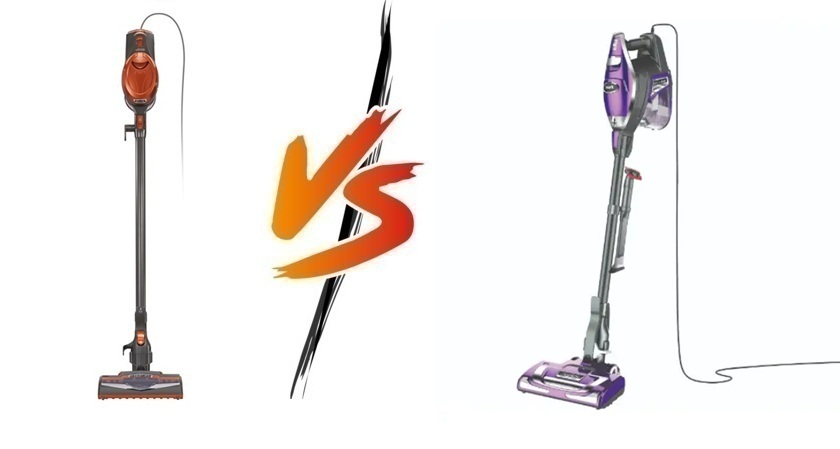
Choosing the right upright vacuum cleaner can feel surprisingly complicated, especially when two models come from the same brand and look almost identical at first glance. That’s exactly the case with the Shark Rocket HV301 and the Shark Rocket HV370. Both are corded, ultra-light upright vacuums designed for everyday cleaning, and both have built a strong reputation for solid suction at a reasonable price. But once you start using them in real homes, the differences become clearer.
The HV301 focuses on simplicity, low weight, and no-nonsense performance, making it appealing for smaller spaces and quick cleanups. The HV370, on the other hand, adds convenience features like a larger dust cup, LED headlights, and pet-specific tools that aim to make cleaning more efficient and less frustrating. In this comparison, I’ll break down how these two vacuums actually perform in daily use, where each one excels, and which type of household each model makes the most sense for.
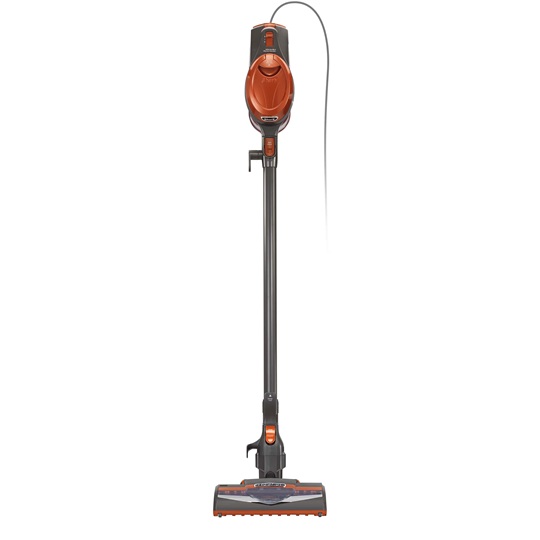
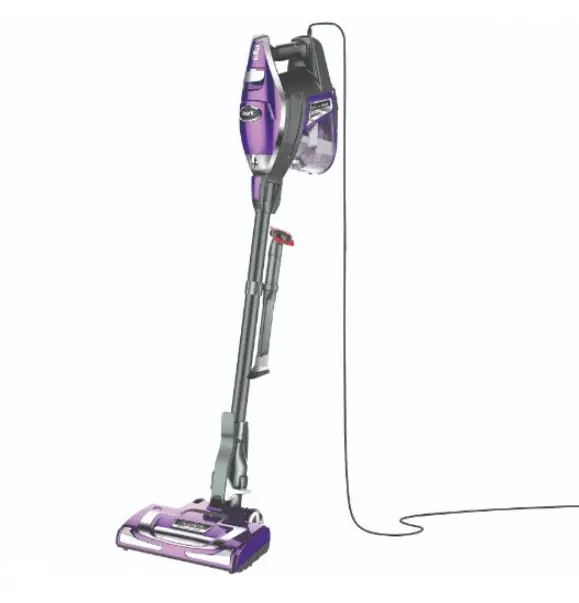
Shark Rocket HV301 vs Shark Rocket HV370 Comparison Chart
If you click the links below, under the product images, you will be redirected to Amazon.com. In case you then decide to buy anything, Amazon.com will pay me a commission. This doesn’t affect the honesty of this review in any way though.
| Specification | Shark Rocket HV301 | Shark Rocket HV370 |
|---|---|---|
 |  | |
| Check the best price on Amazon | Check the best price on Amazon | |
| Vacuum Type | Corded upright / stick vacuum | Corded upright / stick vacuum |
| Weight | Approx. 7.5–8 lbs | Approx. 8.5–12 lbs (depending on setup) |
| Power Source | Corded electric | Corded electric |
| Cord Length | Approx. 25 ft | Approx. 30 ft |
| Dust Cup Capacity | Small (frequent emptying) | Larger / XL capacity |
| Bagless | Yes | Yes |
| Filtration | Washable foam & felt filters | Washable foam & felt filters |
| Brush Roll | Motorized brush roll | Motorized brush roll |
| Floor Types | Hard floors, low- to medium-pile carpets | Hard floors, low- to medium-pile carpets |
| Deep-Pile Carpet Performance | Moderate | Moderate (slightly better stability) |
| LED Headlights | No | Yes |
| Handheld Conversion | Yes | Yes |
| Pet-Specific Tools | Limited / basic | Yes (pet-focused attachments) |
| Swivel Steering | Yes | Yes |
| Noise Level | Loud, high-pitched | Loud, slightly more balanced |
| Upright Storage | Can stand upright (less stable) | Can stand upright (more stable) |
| Best For | Small homes, light shedding, minimalists | Pet owners, larger homes, frequent cleaning |
| Overall Feel | Ultra-light, simple, no-frills | More refined, versatile, forgiving |
| My individual reviews | Shark Rocket HV301 review |
Design & Build Quality
When you first take the Shark Rocket HV301 and HV370 out of their boxes, it’s immediately clear that Shark designed both vacuums with a similar philosophy in mind: keep them light, slim, and easy to handle without drifting into the bulky territory of traditional uprights. That shared DNA makes sense, but living with each vacuum over time reveals meaningful differences in how they’re built and how those design choices affect daily use.
Starting with the Shark Rocket HV301, this model feels intentionally minimal. The body is narrow, the profile is sleek, and almost every design decision seems aimed at reducing weight. At just under eight pounds, the HV301 genuinely feels light in the hand, especially when you lift it to clean stairs or carry it from room to room. The plastic used throughout the body is thin but not flimsy. It doesn’t creak or flex excessively during normal use, and the joints feel secure when assembling the vacuum for the first time. That said, it’s very clearly a lightweight appliance, not a tank. You don’t get that dense, heavy-duty feel you might associate with older, traditional uprights.
The finish on the HV301 is practical rather than premium. The color accents and matte plastic panels do a good job of hiding fingerprints and dust, which is something you’ll appreciate after a few weeks of ownership. However, some parts, particularly the dust cup latch and accessory connectors, feel like they need a gentle hand. They work well, but they don’t inspire confidence if you’re rough with your appliances. This is a vacuum that rewards careful handling. Treated well, it holds up nicely. Treated carelessly, it might show wear sooner than expected.
The floor head design on the HV301 is compact and low-profile, which makes it excellent for getting under furniture. Beds, sofas, and low cabinets are easy to reach without having to awkwardly tilt the vacuum or switch attachments. The swivel steering is smooth and responsive, and the head doesn’t feel loose or wobbly when you change direction. That balance between flexibility and control is one of the HV301’s strongest design traits. It feels agile without feeling unstable.
One limitation of the HV301’s design is how it stands when not in use. While it can stand upright, it doesn’t feel as planted as a full-size upright vacuum. If you bump it or tug the cord accidentally, it can tip over. This isn’t a deal-breaker, but it’s something you notice quickly if you’re used to heavier machines that feel rooted to the floor.
Moving on to the Shark Rocket HV370, the overall design language is similar, but everything feels just a bit more substantial. It’s still very much a lightweight upright, but there’s a sense that Shark reinforced certain areas to support extra features and a larger dust cup. The HV370 weighs more than the HV301, and you feel that difference when lifting it, but not to the point where it becomes uncomfortable. Instead, it feels more balanced, especially when used in full upright mode.
The plastics on the HV370 feel slightly thicker and more durable, particularly around stress points like the dust cup housing and the wand connection. There’s less of that “be careful with this” feeling. You can tell it’s built to handle more frequent use, longer cleaning sessions, and the added strain of pet hair tools without complaint. It still isn’t a heavy-duty commercial vacuum, but it feels more forgiving if you’re not always gentle.
One of the most noticeable design upgrades on the HV370 is the inclusion of LED headlights on the floor nozzle and handheld unit. From a build quality perspective, these lights are well-integrated. They don’t feel like an afterthought or a fragile add-on. The housings are recessed and protected, and after repeated use, they don’t loosen or flicker. While LEDs don’t directly affect cleaning power, they do change how the vacuum feels to use. They add a subtle sense of refinement that the HV301 lacks.
The larger dust cup on the HV370 also influences its overall design. The vacuum has a slightly bulkier midsection, but Shark manages to keep it from feeling awkward. The extra capacity is well-distributed, so the vacuum doesn’t become top-heavy when the bin starts to fill. The dust cup locks into place securely, and the release mechanism feels sturdier than the one on the HV301. Emptying it feels controlled rather than fiddly, which speaks to better design tolerances.
Both vacuums convert into handheld units, and this is another area where build quality matters. On the HV301, the conversion process is simple, but the connection points feel lighter and more utilitarian. They work, but you’re aware that they’re plastic-on-plastic joints. On the HV370, the same conversion feels more solid. The components slide into place with a reassuring click, and there’s less play once everything is assembled. If you frequently switch between upright and handheld modes, the HV370’s design feels more confidence-inspiring over time.
Cord management is another subtle but important part of design. Neither vacuum has automatic cord rewind, which is typical at this price point, but the HV370’s cord hooks feel sturdier and more thoughtfully placed. Wrapping and unwrapping the cord is quicker and less annoying, while the HV301’s hooks can feel a bit tight and less forgiving.
In terms of overall durability, both models are designed for home use rather than heavy abuse. The HV301 prioritizes lightness above all else, which means accepting thinner materials and simpler construction. The HV370 strikes a better balance between light weight and perceived durability. It feels like a vacuum that can handle daily cleaning in a busy household without feeling stressed.
Visually, neither vacuum is flashy, but the HV370 looks more polished. The added features, slightly larger body, and more robust construction give it a more finished appearance. The HV301 looks functional and efficient, which some users may actually prefer.
In the end, the design and build quality differences come down to priorities. The HV301 is built to be as light and straightforward as possible, and it succeeds at that goal. The HV370 adds weight, but that weight brings stronger materials, better integration of features, and a more durable feel overall. Both are well-designed for their intended roles, but the HV370 feels like the more mature and refined product, while the HV301 feels like the purist’s lightweight option.
Performance
Performance is where expectations tend to be highest, and it’s also where small design differences become much more noticeable in day-to-day use. On paper, the Shark Rocket HV301 and HV370 look similar. Both are corded upright vacuums built around strong suction rather than battery convenience, and both aim to deliver consistent cleaning across hard floors and carpets. In practice, they share a lot of DNA, but they don’t feel identical once you put them to work in a real home.
Starting with the Shark Rocket HV301, the first thing you notice is how immediate the suction feels. There’s no ramp-up time and no fading as you move from room to room. Because it’s corded, the power stays constant from the first minute to the last, which is something battery vacuums still struggle to match. On hard floors, the HV301 performs very well. Fine dust, crumbs, sand, and pet hair are pulled in cleanly with just one or two passes. The floor head maintains good contact with the surface, and debris doesn’t scatter ahead of the nozzle, which can be an issue with lighter vacuums.
On low-pile carpets and area rugs, the HV301 continues to impress. The brush roll agitates carpet fibers effectively, lifting embedded dirt rather than just skimming the surface. You can feel a slight resistance as you push it forward, which is usually a good sign that the brush is doing real work. It’s not exhausting to use, but you’re aware that the vacuum is actively engaging with the carpet. For most everyday messes, one slow, deliberate pass is enough.
Medium-pile carpets are where the HV301 starts to show its limits. It still cleans them adequately, but you need to adjust your pace. Quick back-and-forth movements don’t give the brush enough time to pull out deeper debris. Slowing down improves results significantly. This isn’t a flaw so much as a reminder that the HV301 is a lightweight vacuum, not a deep-cleaning powerhouse designed for thick carpeting throughout a large home.
Large debris pickup is mixed. The HV301 handles dry cereal, rice, and similar messes reasonably well, but very large or irregular pieces may require a second pass or a slight tilt of the nozzle. Because the head sits low to the ground, there isn’t a lot of clearance for oversized debris. In kitchens and dining areas, it performs best when messes are broken up rather than piled.
The HV370 delivers a very similar core level of suction, but its performance feels more consistent across different surfaces, largely because of how the vacuum is configured rather than raw power. On hard floors, the cleaning experience is nearly identical to the HV301. Fine dust and hair disappear quickly, and the vacuum glides smoothly without kicking debris around. The added LED lights don’t improve suction, but they absolutely improve perceived performance by showing you exactly what’s being picked up and what’s been missed.
On carpets, especially low- to medium-pile, the HV370 feels slightly more controlled. The extra weight helps keep the brush head planted, which improves agitation and makes each pass feel more effective. You don’t need to fight the vacuum or slow down quite as much to achieve the same results. This is subtle, but noticeable if you vacuum regularly.
Deep-pile carpets are still a challenge for both models, but the HV370 handles them with a bit more confidence. It doesn’t suddenly transform into a high-end upright, but the combination of stable head contact and steady suction means fewer repeat passes. You’re still better off working in small sections and moving slowly, but the experience is less finicky than with the HV301.
Pet hair performance is one of the clearest areas where the HV370 feels like an upgrade. While both vacuums can pick up loose hair from floors and rugs, the HV370’s performance is more reliable on upholstery, stairs, and carpeted edges. Hair that tends to cling or weave itself into fibers is easier to remove, especially when using the included attachments. The suction feels more focused in handheld mode, and the vacuum doesn’t bog down as quickly when dealing with dense hair buildup.
Edge cleaning is decent on both models, though not exceptional. Dirt along baseboards and in corners often requires a couple of passes or a quick follow-up with a crevice tool. The HV370’s lighting helps here by making edge debris more visible, but the underlying suction and airflow design is similar between the two.
One area where both vacuums perform consistently well is overhead and above-floor cleaning. Converting them into handheld mode reveals how much usable suction they have. Curtains, shelves, stairs, and furniture are easy to clean without feeling like you’re sacrificing power. The HV301 feels slightly lighter and easier to maneuver in this mode, while the HV370 feels more solid and controlled, especially with attachments attached.
Neither vacuum is particularly forgiving if you try to rush. These are machines that reward deliberate, methodical cleaning. Slow passes allow the brush roll and airflow to do their job properly. If you move too fast, performance drops noticeably, especially on carpets. Once you adapt your technique, both models deliver very satisfying results.
In terms of consistency, both vacuums maintain performance well as the dust cup fills, though the HV370’s larger capacity means it holds peak performance longer during big cleaning sessions. The HV301 can start to feel slightly less efficient when the bin is nearing full, simply because airflow becomes more restricted.
Overall, the performance gap between the two isn’t dramatic, but it’s real. The HV301 performs admirably for its size and weight and is more than capable for small to medium homes with mixed flooring. The HV370 builds on that foundation with better stability, more consistent carpet engagement, and stronger pet hair handling. Neither vacuum is designed to replace a heavy, full-size upright in a carpet-heavy home, but both deliver dependable, honest performance for everyday cleaning, with the HV370 offering a smoother, more forgiving experience across a wider range of situations.
Maintenance & Cleaning
Maintenance is one of those aspects of vacuum ownership that doesn’t get much attention until something goes wrong. Filters clog, dust cups fill up faster than expected, and hair wraps itself stubbornly around brush rolls. How a vacuum handles these realities can make the difference between a product you enjoy using and one that slowly becomes a frustration. In this area, both the Shark Rocket HV301 and HV370 are fairly user-friendly, but they approach maintenance with slightly different levels of convenience and tolerance for neglect.
Starting with the Shark Rocket HV301, routine maintenance is simple and mostly intuitive. The dust cup is small, which means you’ll be emptying it often, especially if you’re cleaning a larger space or dealing with pet hair. The upside is that the emptying process itself is easy. The bottom-release mechanism works smoothly, and debris drops out cleanly with minimal shaking. As long as you empty it over a trash bin and avoid overfilling, the process stays relatively mess-free.
The downside of the smaller dust cup is that it fills up quickly with fine dust. Once it’s close to full, airflow can become restricted, and you may notice a slight drop in suction. This isn’t a defect, but it does mean the HV301 rewards users who pay attention to bin levels. If you’re the type who forgets to empty the vacuum until it’s packed tight, performance will suffer sooner rather than later.
Filter maintenance on the HV301 is straightforward. The filters are easy to access, clearly labeled, and designed to be washed and reused. Rinsing them out under water every few weeks keeps suction consistent and prevents dust from recirculating into the air. The filters dry relatively quickly, but you still need to plan ahead and allow enough drying time before reinstalling them. Running the vacuum with damp filters is not a good idea and can lead to odors or reduced airflow.
Hair and fiber buildup around the brush roll is manageable but requires regular attention, especially in homes with pets or long-haired occupants. The brush roll isn’t self-cleaning, so you’ll need to manually remove wrapped hair. Fortunately, the design makes this fairly painless. Accessing the brush roll doesn’t require tools, and once exposed, hair can be cut away and pulled free without too much effort. If you stay on top of it, it’s a quick job. If you let it go too long, it becomes a longer, messier task.
Clogs on the HV301 are relatively rare if basic maintenance is performed. Most blockages occur near the brush head or within the dust cup intake, and they’re usually easy to clear. The airflow path is fairly direct, which helps prevent deep, hard-to-reach obstructions. Still, because the vacuum is lightweight and narrow, it’s not particularly forgiving if you try to vacuum large debris or damp materials. Doing so increases the chance of a blockage.
The Shark Rocket HV370 takes many of the same maintenance concepts and makes them a little more forgiving. The most obvious improvement is the larger dust cup. With more capacity, you don’t have to empty it as often, which is a noticeable quality-of-life upgrade during longer cleaning sessions. This also means airflow remains more consistent for longer periods, as the bin takes more time to reach the point where suction begins to drop.
Emptying the HV370’s dust cup feels slightly more refined. The release mechanism is sturdier, and the bin itself feels more durable. Debris exits cleanly, and the larger opening reduces the chance of dust clinging to the sides. This doesn’t eliminate dust clouds entirely, but it does make the process feel more controlled and less fussy.
Filter maintenance on the HV370 mirrors that of the HV301 in many ways. The filters are washable, easy to remove, and simple to reinstall. Because the vacuum is often used for pet hair and heavier cleaning tasks, filters may require more frequent rinsing. However, the vacuum seems less sensitive to slightly dirty filters, likely due to better airflow tolerance and bin design. That said, neglecting filter maintenance for too long will still impact performance.
Brush roll maintenance on the HV370 is similar but slightly easier in practice. The design allows for better access, and hair seems less prone to tightly wrapping around the brush. This doesn’t mean it’s immune to buildup, but it does mean you can go longer between cleanings without seeing a noticeable drop in performance. For pet owners, this can be a meaningful advantage.
One area where the HV370 stands out is in how well it handles maintenance across different configurations. Because it’s often used with attachments in handheld mode, the airflow pathways are designed to stay clear even when suction is focused through narrower tools. Clogs can still happen, especially with thick hair or fabric fibers, but clearing them is usually straightforward. The vacuum comes apart logically, and problem areas are easy to inspect.
Cord care is another small but relevant part of maintenance. Neither vacuum has a retractable cord, so you’ll be wrapping and unwrapping it manually. The HV370’s cord hooks feel more durable and better positioned, which reduces wear over time. On the HV301, the cord system works, but it feels more delicate, and repeated aggressive wrapping can strain the hooks.
Long-term durability ties directly into maintenance habits. The HV301 will last a long time if filters are cleaned regularly, the dust cup is emptied before overfilling, and hair is removed from the brush roll consistently. Skip these steps, and the vacuum will start to feel underpowered or temperamental. The HV370 is more tolerant of missed maintenance, which makes it better suited to busy households where perfect upkeep isn’t always realistic.
Cleaning the vacuum itself is easy on both models. Wiping down the exterior, rinsing the dust cup, and checking seals takes very little time. Neither vacuum uses bags, which simplifies ownership and reduces ongoing costs. Replacement filters are affordable and easy to find, further reducing long-term hassle.
In day-to-day life, maintenance on both vacuums feels manageable rather than burdensome. The HV301 asks a bit more attention from the user, especially when it comes to bin emptying and brush roll care. The HV370 offers more breathing room, larger margins, and a slightly more polished maintenance experience overall.
Ultimately, neither vacuum is high-maintenance in a negative sense, but they cater to different habits. The HV301 suits users who are attentive and don’t mind frequent small maintenance tasks in exchange for ultra-lightweight performance. The HV370 is better for those who want a vacuum that stays effective even when maintenance isn’t done perfectly on schedule.
Energy Efficiency & Noise Levels
Energy efficiency and noise are often overlooked when shopping for a vacuum cleaner, but they have a real impact on daily life. How much power a vacuum draws, how efficiently it uses that power, and how loud it is while operating all influence whether it feels pleasant or exhausting to use. With the Shark Rocket HV301 and HV370, these factors are shaped largely by the fact that both are corded, lightweight uprights rather than battery-powered machines.
Starting with energy efficiency, both vacuums benefit from a straightforward advantage: they don’t rely on batteries. That means there’s no energy loss from charging inefficiencies, no gradual performance decline as the battery drains, and no temptation to rush cleaning before the power runs out. When you plug either vacuum in, you get full performance immediately and consistently until you unplug it. From an efficiency standpoint, this consistency is important because it allows you to clean more effectively in less time.
The Shark Rocket HV301 uses a compact motor designed to deliver strong suction without excessive power draw. In practical terms, this means it feels efficient rather than wasteful. You’re not running a massive motor just to clean a small apartment or a couple of rooms. Because the vacuum is lightweight and the airflow path is relatively direct, it doesn’t need to work as hard to maintain suction. This results in reasonable energy use for the level of cleaning it provides.
The HV370 operates on a similar principle but has to support a slightly heavier build, a larger dust cup, and additional features. Despite this, it doesn’t feel noticeably less efficient in everyday use. Cleaning sessions tend to be shorter and more thorough because the larger bin and better visibility reduce the need for repeat passes. From a real-world perspective, this can balance out any marginal increase in power consumption.
Neither vacuum offers adjustable power settings, which is common at this level. They operate at a consistent output designed to handle a range of surfaces. While adjustable suction could theoretically improve efficiency on delicate surfaces, the simplicity here helps avoid wasted energy from users selecting inappropriate settings. You turn the vacuum on, and it does its job without guesswork.
Noise levels are where personal tolerance becomes a major factor. Both the HV301 and HV370 produce a high-pitched, airflow-driven sound that’s typical of lightweight upright vacuums. This isn’t the deep, rumbling noise of older uprights, but a sharper, more concentrated sound. It’s not painfully loud, but it’s very noticeable, especially in smaller rooms or homes with hard surfaces that reflect sound.
The HV301, being lighter and slightly more compact, produces a sound that feels a bit sharper and more focused. The noise doesn’t fluctuate much during use, which can actually be a positive. There are no sudden spikes or drops in volume, so your ears adjust quickly. Still, extended cleaning sessions can feel fatiguing if you’re sensitive to higher-pitched sounds.
The HV370 produces a similar volume level, but the sound profile feels slightly more balanced. The extra mass and different airflow characteristics seem to dampen some of the sharper edges of the noise. It’s still clearly audible and not something you’d want running during a phone call or while someone is sleeping nearby, but it feels marginally less piercing over time.
Neither vacuum would be considered quiet by any stretch, but neither crosses into intolerable territory either. They sit firmly in the “normal vacuum loud” category. If you’ve used compact, high-suction vacuums before, this will feel familiar. If you’re coming from an older, heavier upright, you might even find the sound less oppressive.
One benefit of both models is that their consistent noise output makes it easier to plan cleaning sessions. You know exactly what to expect the moment you turn them on. There’s no sudden surge when switching surfaces or attachments. This predictability matters more than you might expect, especially in shared living spaces where noise management becomes part of daily routines.
In terms of vibration, both vacuums perform well. The handles don’t buzz excessively, and there’s no sense that the motor is straining or unbalanced. This contributes to a perception of quality and efficiency. A vacuum that vibrates excessively often feels louder than it actually is, and neither the HV301 nor the HV370 suffers from that problem.
Heat buildup is another indirect indicator of energy efficiency. During extended cleaning sessions, both vacuums remain relatively cool to the touch in key areas. The motor housing warms slightly, as expected, but not to an alarming degree. This suggests that energy is being converted into suction rather than wasted as heat.
For homes with pets or frequent cleaning needs, energy efficiency also ties into how often you need to vacuum. Both models are effective enough that you don’t need to run them multiple times a day to maintain cleanliness. That efficiency in cleaning performance translates to less total runtime, which in turn reduces overall energy use.
Noise perception also depends on the type of cleaning being done. On hard floors, both vacuums sound slightly louder due to sound reflection. On carpets, the noise feels a bit more muted. The HV370’s LED lights can subtly reduce the need for repeated passes, which shortens cleaning time and reduces total noise exposure.
Neither vacuum includes noise-reduction features like insulated motor housings or specialized sound dampening. At this price point and weight class, that’s expected. Adding such features would likely increase weight and cost, undermining the core appeal of the Rocket line.
From a household perspective, both vacuums are manageable in terms of noise. Pets may be startled at first but tend to adapt. Conversations need to pause during use, but that’s true of most vacuums. Early morning or late-night cleaning is possible, but you’ll want to be mindful of neighbors or sleeping family members.
Overall, energy efficiency and noise levels are well-balanced for what these vacuums are designed to do. The HV301 feels slightly sharper and more minimalist, both in sound and energy use. The HV370 feels a touch more refined, with marginally better noise balance and efficiency during longer sessions. Neither model excels dramatically in this category, but neither disappoints either. They deliver exactly what you’d expect from lightweight, corded uprights: consistent power, reasonable efficiency, and a noise level that’s noticeable but manageable.
Ergonomics & Usability
Ergonomics and usability are where a vacuum cleaner either becomes something you don’t mind using or something you quietly resent pulling out of the closet. On paper, both the Shark Rocket HV301 and HV370 promise easy handling thanks to their lightweight designs, but the way they feel during actual cleaning sessions tells a more detailed story. Small differences in balance, control placement, and overall handling add up quickly, especially if you vacuum often or for extended periods.
The Shark Rocket HV301 immediately stands out for how light it feels. Picking it up for the first time is almost surprising if you’re used to traditional uprights. This low weight has a huge impact on usability. Carrying it up and down stairs is effortless, and moving it between rooms doesn’t feel like a chore. For people with limited upper-body strength or anyone who simply wants a vacuum that doesn’t fight back, this is a major advantage.
In use, the HV301 feels nimble and responsive. The swivel steering allows the floor head to pivot smoothly around furniture legs and into tight corners. You don’t have to wrestle it into position or constantly reposition your grip. The handle angle feels natural, and the vacuum responds well to subtle wrist movements rather than requiring full arm swings. This makes it especially comfortable for quick cleanups where you’re weaving around obstacles rather than clearing an entire room.
That said, the same lightweight build that makes the HV301 easy to maneuver also makes it feel a bit less stable at times. On thicker rugs or when pulling the vacuum backward quickly, the head can feel slightly floaty. It doesn’t lose contact with the floor, but you’re more aware of the vacuum’s lightness. This can be a positive or a negative depending on personal preference. Some users love the effortless feel, while others prefer a bit more resistance to guide their movements.
Control placement on the HV301 is straightforward. The power button and surface selection controls are easy to reach and clearly marked. There’s no learning curve here. You don’t need to stop and think about which mode you’re in or whether the vacuum is set up correctly. This simplicity improves usability, especially for households where multiple people might use the vacuum.
Converting the HV301 into handheld mode is quick and intuitive. The components separate easily, and the vacuum feels well-balanced even when used off the floor. Cleaning stairs, upholstery, or shelves doesn’t strain your wrist or forearm. Because the unit is so light, overhead cleaning feels surprisingly manageable. Curtains, cobwebs, and high shelves are easier to tackle than with heavier machines.
The Shark Rocket HV370 takes a slightly different ergonomic approach. It’s still lightweight compared to traditional uprights, but it feels more grounded and substantial in use. The extra weight, while noticeable when lifting, actually improves stability during floor cleaning. The vacuum tracks straighter lines, and the head maintains better contact with the surface, which can make the cleaning experience feel more controlled.
The swivel steering on the HV370 is smooth and predictable, but it doesn’t feel quite as free-spinning as the HV301. Instead, there’s a subtle sense of resistance that helps guide the vacuum’s movement. This makes it easier to maintain consistent coverage, especially on larger open floor areas. You’re less likely to overcorrect or zigzag unintentionally.
One of the standout usability features of the HV370 is the inclusion of LED headlights. From an ergonomic perspective, this reduces mental effort. You’re not guessing where dirt might be or relying on overhead lighting alone. You can see exactly what’s in front of the vacuum head, which speeds up cleaning and reduces the need to revisit areas. This may sound minor, but over time it makes cleaning feel more efficient and less tiring.
The HV370’s handle design feels slightly more robust, with a grip that accommodates longer cleaning sessions comfortably. There’s less pressure on the wrist, and the vacuum feels well-balanced when pushing and pulling. The control layout remains simple and intuitive, with buttons placed where your thumb naturally rests.
Switching the HV370 into handheld mode feels more deliberate than with the HV301. The attachments click into place securely, and the vacuum feels solid when reconfigured. While it’s heavier in this mode, the weight distribution is good enough that it doesn’t become awkward. Cleaning stairs and upholstery feels controlled rather than cumbersome.
Cord length and management play a role in usability for both models. Neither vacuum offers automatic cord rewind, but the cords are long enough to clean multiple rooms without constantly switching outlets. The HV370’s cord hooks feel easier to use and better positioned, making setup and storage less annoying. The HV301’s cord management works fine but feels more utilitarian.
Another usability consideration is how each vacuum behaves when you pause during cleaning. The HV301 can stand upright, but it feels a bit precarious. You’re more cautious about where you leave it, especially on uneven surfaces. The HV370 stands more confidently, which makes quick interruptions less stressful.
Fatigue over longer cleaning sessions is an important ergonomic factor. The HV301 minimizes arm and shoulder strain thanks to its low weight, but the lighter build can require slightly more control to keep movements precise. The HV370 demands a bit more lifting effort but rewards you with smoother, more stable operation. Which one feels less tiring depends on whether you value lightness or stability more.
Noise and vibration also influence perceived usability. Neither vacuum vibrates excessively, and both maintain a steady sound profile. The HV370 feels marginally better damped, which can make extended use feel more comfortable.
Overall, the HV301 excels in pure ease of handling and portability. It’s the kind of vacuum you grab without thinking twice. The HV370, while slightly heavier, feels more refined and confidence-inspiring during longer, more thorough cleaning sessions.
In everyday life, both vacuums are easy to live with, but they cater to different ergonomic preferences. The HV301 is ideal for quick, frequent cleanups and users who prioritize minimal effort. The HV370 suits those who want a bit more control, stability, and convenience without sacrificing too much in terms of weight.
Pet-Friendliness
For many households, pet-friendliness isn’t a bonus feature in a vacuum cleaner, it’s the entire reason for buying one. Pet hair, dander, tracked-in dirt, and the occasional litter spill or muddy paw print create challenges that basic vacuums often struggle with. Both the Shark Rocket HV301 and HV370 are capable machines, but they handle pet-related messes in noticeably different ways, especially over time and across different surfaces.
Starting with the Shark Rocket HV301, its lightweight design makes it appealing for quick response cleaning. When a dog sheds on the couch or a cat leaves a trail of hair across the hallway, the HV301 is easy to grab and use without feeling like a commitment. This matters more than it sounds. A vacuum that’s convenient gets used more often, which is half the battle in a pet home.
On hard floors, the HV301 does a solid job picking up loose pet hair, dander, and fine debris. Hair doesn’t tend to scatter ahead of the nozzle, and most messes are handled in one or two passes. Fine fur, especially from cats or short-haired dogs, is lifted efficiently and directed cleanly into the dust cup. This makes daily or near-daily touch-ups manageable.
On low-pile rugs and carpets, the HV301 performs well as long as you take your time. Pet hair embedded in carpet fibers takes a slower pace to remove effectively. The brush roll does its job, but the vacuum’s lightweight nature means it doesn’t press as firmly into the carpet as heavier models. The result is decent but not flawless pickup. You may notice that some hair remains after a quick pass, especially in high-traffic areas where pets tend to lie down.
Medium-pile carpets present more of a challenge. The HV301 can clean them, but pet hair removal requires patience. Multiple passes from different directions usually do the trick. For homes with one or two pets and moderate shedding, this is manageable. In homes with heavy shedders or multiple animals, it can start to feel like a limitation.
Upholstery cleaning with the HV301 is functional but basic. Using the handheld mode, you can remove surface hair from couches, chairs, and pet beds, but deeply embedded hair takes effort. The suction is there, but without specialized pet tools, the vacuum relies heavily on technique. Short, controlled strokes work best, and even then, results vary depending on fabric texture.
The HV301’s small dust cup fills quickly in pet-heavy homes. Hair takes up space fast, and frequent emptying becomes part of the routine. While this isn’t difficult, it does interrupt cleaning sessions and can become tedious if you’re dealing with shedding on a daily basis. Hair also tends to wrap around the brush roll more quickly, requiring regular maintenance to keep performance consistent.
Noise is another factor for pet owners. The HV301 produces a sharp, noticeable sound that some pets may find unsettling at first. Most animals adapt over time, but timid pets may hide until the vacuum is turned off. The lighter build doesn’t dampen sound as much as heavier machines, which contributes to this effect.
The Shark Rocket HV370 feels more purpose-built for pet households. While the core suction power is similar, the overall experience is more forgiving and efficient. On hard floors, performance is excellent. Loose hair, dander, and grit are picked up quickly, and the larger dust cup means you can clean more area before needing to stop and empty it.
On carpets, especially low- and medium-pile, the HV370 shows its strengths. The extra weight and stability help the brush roll engage more deeply with carpet fibers. Pet hair that the HV301 might leave behind after a single pass is more likely to be removed on the first or second pass with the HV370. This reduces overall cleaning time and frustration.
One of the biggest advantages of the HV370 in pet homes is its included pet-focused attachments. These tools are designed to grab hair from upholstery and tight spaces more effectively than a standard nozzle. Using the vacuum in handheld mode with these attachments feels purposeful rather than improvised. Pet hair lifts more easily from couches, stairs, and fabric-covered furniture, even when it’s deeply embedded.
The LED headlights on the HV370 may not seem like a pet feature at first, but they make a real difference. Pet hair often blends into carpets and hard floors, especially in low light. Being able to see fine hair clearly helps ensure you’re actually removing it rather than just going through the motions. This improves cleaning results and reduces the need for repeat passes.
The larger dust cup on the HV370 is a major quality-of-life improvement for pet owners. Hair takes up a lot of volume, and having to empty the bin less often makes cleaning sessions smoother. It also helps maintain consistent suction, since airflow isn’t restricted as quickly by accumulated hair and dander.
Brush roll maintenance is still necessary on the HV370, but it’s slightly less demanding. Hair doesn’t wrap quite as tightly, and the vacuum maintains performance longer between cleanings. This doesn’t eliminate maintenance, but it makes it feel more manageable in a pet-heavy environment.
In terms of allergens, both vacuums handle dander reasonably well when filters are maintained properly. Regular filter cleaning is essential in pet homes, and both models make this process easy. The HV370’s larger capacity and steadier airflow help keep fine particles moving into the dust cup rather than lingering in the air.
Noise levels are similar between the two, but the HV370’s slightly more balanced sound profile may be less startling for pets over time. Combined with shorter cleaning sessions due to better efficiency, this can make a difference in how pets react to vacuuming.
Ultimately, both vacuums can work in homes with pets, but they suit different situations. The HV301 is best for lighter shedding, smaller spaces, and pet owners who prioritize quick, frequent cleanups. The HV370 is better suited to heavier shedding, multiple pets, and homes where pet hair is a constant presence rather than an occasional nuisance.
If pets are a central part of your household, the HV370 feels like the more practical and less frustrating choice. It doesn’t eliminate pet hair entirely, but it handles it more efficiently, with fewer compromises and less ongoing effort.
Conclusion
After spending time with both the Shark Rocket HV301 and the Shark Rocket HV370, it becomes clear that these two vacuums are built on the same foundation but aimed at slightly different types of users. Neither is trying to be a heavy, full-size upright designed for deep-pile carpet throughout a large house. Instead, both focus on delivering strong, consistent suction in a lightweight, easy-to-handle form. Where they differ is in how much convenience, tolerance, and refinement they offer along the way.
The HV301 is all about simplicity and lightness. It’s easy to carry, easy to maneuver, and easy to store. For small homes, apartments, or anyone who values a vacuum that feels effortless to use, it does a very respectable job. It rewards attentive maintenance and a slower, more deliberate cleaning style. If you don’t have pets or only deal with light shedding, and you want a no-frills vacuum that performs well without feeling bulky, the HV301 still makes a lot of sense.
The HV370 builds on that core experience and smooths out many of the rough edges. The larger dust cup, LED headlights, improved stability, and pet-focused attachments don’t radically change suction power, but they change how the vacuum fits into daily life. Cleaning feels more efficient, interruptions are fewer, and the vacuum is more forgiving if you don’t maintain it perfectly. For pet owners, larger homes, or anyone who wants a more complete cleaning experience without jumping to a much heavier or more expensive machine, the HV370 feels like the more balanced choice.
In the end, the decision isn’t about which vacuum is objectively better. It’s about how you clean, how often you clean, and what you’re cleaning up. Choose the HV301 for minimalism and lightness. Choose the HV370 for versatility, convenience, and a bit more breathing room in everyday use.