
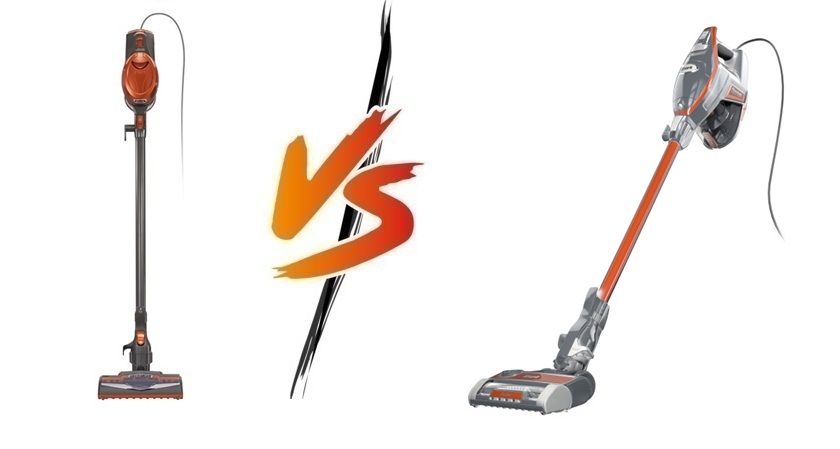
Shark’s Rocket series has built a strong reputation for offering lightweight, corded vacuums that punch above their weight. They’re designed for people who want consistent suction without the hassle of battery charging or the bulk of a full-size upright. In this comparison, we’re looking at two popular models from that lineup: the Shark Rocket HV301 and the Shark Rocket HN175 Pro.
At a glance, these two vacuums seem very similar. Both are slim, bagless, corded stick vacuums that convert into handheld units and promise strong cleaning performance for everyday messes. But once you spend real time using them, the differences start to show. The HV301 leans toward simplicity and minimalism, while the HN175 aims to refine the formula with added features like LED headlights, a larger dust cup, and odor-neutralizing technology. This review breaks down how those differences matter in real homes, on real floors, with real dirt.
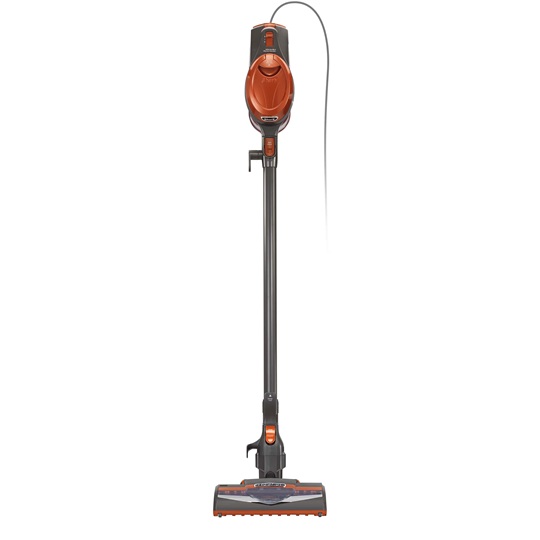
Shark Rocket HV301 vs Shark Rocket HN175 Comparison Chart
If you click the links below, under the product images, you will be redirected to Amazon.com. In case you then decide to buy anything, Amazon.com will pay me a commission. This doesn’t affect the honesty of this review in any way though.
| Specification | Shark Rocket HV301 | Shark Rocket HN175 |
|---|---|---|
 |  | |
| Check the best price on Amazon | Check the best price on Amazon | |
| Vacuum Type | Corded stick / upright convertible | Corded stick / upright convertible |
| Power Source | Corded electric | Corded electric |
| Motor Power | Approx. 500 watts | Approx. 500 watts |
| Amperage | ~4.2 amps | ~4.2 amps |
| Weight (upright mode) | ~7.5 lbs (3.4 kg) | ~8.0–8.5 lbs (3.6–3.9 kg) |
| Dust Cup Capacity | Small (~0.3 quarts) | Large / XL (~0.8 quarts) |
| Filtration | Washable foam & felt filters | Washable foam filter |
| HEPA Filtration | No sealed HEPA system | No sealed HEPA system |
| Brush Roll Type | Motorized brush roll | Motorized brush roll |
| Anti-Hair Wrap | No | No |
| Odor Control | No | Yes (odor neutralizer cartridge) |
| LED Headlights | No | Yes (floor head + handheld) |
| Swivel Steering | Yes | Yes |
| Converts to Handheld | Yes | Yes |
| Attachments Included | Crevice tool, dusting brush, upholstery tool (varies by package) | Crevice tool, dusting brush, precision duster (varies by package) |
| Cord Length | ~25 feet | ~25 feet |
| Upright Self-Standing | No | No |
| Best Floor Types | Hard floors, low-pile carpet | Hard floors, low-pile carpet |
| Pet Hair Suitability | Moderate | Good |
| Noise Profile | Higher-pitched, sharper | Slightly deeper, more controlled |
| Target Use Case | Quick cleanups, small homes | Whole-home cleaning, pet households |
| My individual reviews | Shark Rocket HV301 review |
Design & Build Quality
Design and build quality are often overlooked when shopping for a vacuum cleaner, but they matter more than most people expect. These are machines you drag across floors, bump into furniture, store in closets, and occasionally curse at when something snaps or won’t click into place. The Shark Rocket HV301 and Shark Rocket HN175 follow the same general design philosophy, but they execute it with slightly different priorities.
Overall Design Philosophy
Both models fall into the “corded stick vacuum” category, which sits somewhere between a traditional upright and a handheld vacuum. The idea is simple: keep the vacuum slim, light, and easy to maneuver, while still delivering real suction power thanks to a corded motor. Neither vacuum is meant to replace a heavy-duty upright for deep-cleaning thick carpets every week. Instead, they’re designed for frequent use, quick cleanups, and whole-home maintenance without physical strain.
Visually, both vacuums look unmistakably like Shark products. They feature a narrow central body, a long wand, a low-profile motorized floor head, and a detachable handheld unit. If you’ve seen one Rocket vacuum, you’ll immediately recognize the other.
Materials and Construction
The Shark Rocket HV301 uses lightweight plastic throughout most of its construction. This keeps the overall weight very low, which is one of its biggest selling points. The plastic doesn’t feel cheap in the sense of being brittle or flimsy, but it does feel thin. When you press on certain parts, like the dust cup or wand, there’s a bit of flex. That’s not necessarily a problem, but it does give the impression that the vacuum was designed with weight savings as the top priority.
The HN175 uses similar materials but feels slightly more substantial in hand. This is partly due to its larger dust cup and additional components, such as the LED lighting system and odor neutralizer housing. Those extra parts add a bit of heft and density, which can make the vacuum feel more solid overall. It still isn’t a “tank” by any stretch, but compared to the HV301, the HN175 feels a little more refined and less bare-bones.
Neither vacuum uses premium materials like metal tubing or reinforced joints. They are clearly consumer-grade machines designed to balance cost, weight, and durability rather than maximize ruggedness.
Weight and Structural Balance
Weight is one of the defining characteristics of the HV301. It’s extremely light for a corded vacuum, and you feel that immediately when lifting it off the floor or carrying it up stairs. This makes it especially appealing for people who struggle with heavier machines or want something they can use daily without fatigue.
However, the low weight also affects balance. When using the HV301 in upright mode, it can feel slightly top-heavy depending on how you angle it. The motor housing sits higher up, and because the vacuum doesn’t stand upright on its own, you’re always leaning it against something or laying it down when not in use. That design choice saves weight but sacrifices convenience.
The HN175, while still lightweight, feels better balanced. The larger dust cup and additional features redistribute weight more evenly along the body. When you’re pushing it forward, it feels more planted on the floor, especially on carpet. It still doesn’t stand fully upright like a traditional vacuum, but it feels less awkward when paused mid-clean.
Floor Head and Wand Design
Both vacuums use a low-profile motorized floor head designed to slide easily under furniture. This is one of the strongest points of the Rocket design in general. The floor head on both models feels nimble and responsive, especially with swivel steering. You can weave around chair legs and table bases without much effort.
The HV301’s floor head is simple and effective, but it lacks any visual aids. When cleaning darker areas, you’re relying entirely on ambient light and feel. The HN175 adds LED headlights, which may sound like a gimmick until you actually use them. They reveal fine dust, hair, and debris that would otherwise go unnoticed, especially under beds or couches. From a design standpoint, the LEDs are well-integrated and don’t feel tacked on.
The wand on both models connects securely, though the HV301’s connection points feel slightly looser over time with repeated detaching and reattaching. The HN175’s connections feel a bit tighter and more confidence-inspiring, likely due to revised locking mechanisms.
Dust Cup Design
The dust cup design is one area where the difference between these two models is immediately obvious. The HV301 has a relatively small dust cup. It’s easy to remove and empty, but you’ll be doing that often if you’re cleaning more than a couple of rooms. The clear plastic makes it easy to see when it’s full, but the small capacity can be frustrating in homes with pets or high foot traffic.
The HN175’s dust cup is significantly larger and feels better integrated into the body of the vacuum. It doesn’t protrude as awkwardly and feels more secure once locked in place. The larger size not only reduces how often you need to empty it, but it also makes the vacuum feel more “complete” as a whole-home cleaner rather than a quick-touch-up tool.
Both dust cups use bottom-release mechanisms for emptying, which are straightforward and mostly mess-free, though fine dust can still puff out if you’re not careful.
Handheld Conversion and Component Fit
Both models convert into handheld vacuums by removing the wand. This is a core part of the Rocket identity, and both do it well. The HV301’s handheld unit feels very light and easy to control, which is great for cleaning stairs, furniture, and car interiors. However, the lightweight construction can make it feel a bit toy-like in handheld mode.
The HN175’s handheld unit feels slightly more robust. The added weight actually works in its favor here, giving it a more substantial, tool-like feel. The buttons, latches, and attachment points feel more deliberate and less prone to accidental disengagement.
Durability Expectations
Neither vacuum is designed to take abuse. These are not machines you want to slam into door frames or yank by the cord. That said, with normal household use, both should hold up reasonably well. The HV301’s lighter build may show wear sooner if used daily in a large home, especially at stress points like the wand connection and dust cup latch.
The HN175, thanks to its slightly sturdier feel and improved component integration, inspires more confidence for long-term use. It still requires careful handling, but it feels better suited to frequent, whole-home cleaning.
Design Verdict
From a design and build quality perspective, the HV301 is all about minimalism. It prioritizes light weight and simplicity above everything else. The HN175 takes the same core design and refines it with added features, better balance, and a more substantial feel. Neither is perfect, but if build confidence and thoughtful design touches matter to you, the HN175 comes out ahead.
Performance
Performance is where a vacuum cleaner either earns its place in your home or ends up gathering dust in a closet. With the Shark Rocket HV301 and Shark Rocket HN175, performance is less about raw power and more about how effectively that power is delivered in everyday situations. These vacuums are designed for maintenance cleaning, not industrial-level deep cleaning, and judging them by that standard gives a clearer picture of what they do well and where they fall short.
Suction Power and Consistency
Both the HV301 and HN175 are corded, which immediately gives them an advantage over many cordless stick vacuums. There’s no battery fade, no gradual drop in suction, and no need to plan cleaning sessions around charge levels. From the moment you turn them on to the moment you switch them off, suction remains consistent.
In real-world use, the HV301 delivers surprisingly strong suction for its size. On hard floors, it pulls in fine dust, crumbs, and pet hair without needing multiple passes. On low-pile carpet, it does a respectable job lifting embedded dirt, especially when moving slowly and allowing the brush roll to agitate the fibers. You can feel the vacuum gripping the floor slightly, which is usually a good sign that suction is doing its job.
The HN175 offers very similar suction strength, and in many situations, the difference between the two is subtle rather than dramatic. Where the HN175 gains an edge is in how controlled the suction feels. The airflow seems slightly more stable, especially when the dust cup starts to fill. This means performance drops off more gradually compared to the HV301, which can feel noticeably less effective once its smaller bin gets close to full.
Performance on Hard Floors
Hard floors are where both vacuums shine. Tile, laminate, vinyl, and sealed wood surfaces are cleaned quickly and efficiently with minimal effort. The motorized brush roll helps pull debris toward the suction path rather than scattering it forward, which is a common problem with cheaper stick vacuums.
The HV301 glides easily across hard floors thanks to its light weight and swivel steering. You can clean large open areas quickly without feeling like you’re wrestling the machine. It’s particularly good at picking up fine dust along edges and baseboards, though it still benefits from using a crevice tool for tight corners.
The HN175 performs just as well on hard floors, but the LED headlights noticeably improve the experience. Dust and hair that would otherwise blend into the floor become immediately visible, especially in low-light areas. This doesn’t change the suction power, but it does improve cleaning accuracy, which in practice means fewer missed spots and fewer repeat passes.
Performance on Carpet and Rugs
On low-pile carpet and area rugs, both vacuums perform well within their design limits. The motorized brush roll agitates carpet fibers enough to lift dirt, crumbs, and hair without bogging down. Short-pile rugs are easy to clean, and the vacuums transition smoothly from hard floors to carpet without manual adjustments.
Medium-pile carpet is where you start to see limitations. The HV301 can handle it, but you need to move slowly. If you push too quickly, it tends to skim the surface rather than dig in. On thicker rugs, the vacuum may feel like it’s working harder, and pushing it forward can take more effort due to increased suction resistance.
The HN175 handles these situations slightly better. The improved balance and larger dust cup help maintain airflow, and the vacuum feels more stable when cleaning denser carpet. It’s still not a deep-clean machine for plush carpeting, but it feels more confident and controlled under load.
Neither vacuum is well-suited for high-pile or shag carpet. They can clean the surface debris, but deep dirt will remain unless you go over the area multiple times or use a more powerful upright.
Edge Cleaning and Reach
Edge cleaning is often a weak point for slim vacuums, but both Rockets do a decent job. The HV301’s narrow floor head allows it to get relatively close to walls and furniture legs, though some fine debris can still escape along baseboards.
The HN175 performs similarly, but again, the LED lights make a difference. You’re more likely to notice leftover debris and address it immediately, which improves the perceived performance even if the mechanical cleaning ability is similar.
When it comes to reach, both vacuums excel once converted into handheld mode. Cleaning stairs, shelves, curtains, and ceiling corners is easy, especially with the included attachments. The HV301’s lighter handheld unit makes overhead cleaning less tiring, while the HN175 feels more powerful and controlled when tackling stubborn debris on upholstery.
Pet Hair and Fine Debris
Pet hair performance is solid on both models, provided you manage expectations. On hard floors and low-pile carpet, both vacuums pick up hair effectively in one or two passes. The brush roll does a good job of lifting hair rather than pushing it around.
The HV301’s smaller dust cup fills quickly in homes with shedding pets, which can interrupt cleaning sessions. As the bin fills, airflow can become slightly restricted, reducing effectiveness until it’s emptied.
The HN175 handles pet hair more gracefully. The larger dust cup means fewer stops, and the suction feels more consistent as debris accumulates. The odor-neutralizing feature doesn’t affect pickup performance, but it does make cleaning pet areas more pleasant by reducing lingering smells.
Fine debris like dust, sand, and litter is also handled well by both vacuums. On hard floors, these materials are captured efficiently, though very fine dust can sometimes escape during bin emptying rather than during cleaning.
Attachments and Versatility Performance
Performance isn’t just about the main floor head. Attachments play a big role in how useful a vacuum feels day to day. Both models come with a standard set of tools, including crevice and dusting attachments.
The HV301’s attachments perform well, but suction feels strongest when the vacuum is in upright mode. In handheld mode, it’s still effective, but lighter debris is where it excels most.
The HN175 maintains stronger perceived suction in handheld mode, especially on upholstery and stairs. This makes it more versatile as a whole-home tool rather than just a floor cleaner.
Real-World Cleaning Experience
In daily use, the HV301 feels fast and efficient for short cleaning sessions. It’s the kind of vacuum you grab to clean the kitchen, hallway, or living room without thinking too much about it. Its performance is best when tasks are quick and targeted.
The HN175 feels better suited for longer cleaning sessions. It handles full-room or multi-room cleaning with fewer interruptions and less noticeable performance drop-off. The added visibility and capacity translate into a more thorough clean with less backtracking.
Performance Verdict
Both the Shark Rocket HV301 and HN175 deliver strong performance for their class. The HV301 excels in speed, agility, and simplicity, making it ideal for quick, frequent cleanups. The HN175 builds on that foundation with better sustained performance, improved visibility, and greater versatility, especially in homes with pets or mixed flooring. If performance consistency and thoroughness matter more than absolute lightness, the HN175 holds the advantage.
Maintenance & Cleaning
Maintenance is one of those aspects of vacuum ownership that rarely gets attention until something goes wrong. Filters clog, dust cups overflow, hair wraps around brush rolls, and suddenly a vacuum that once felt powerful starts to feel disappointing. How a vacuum handles routine maintenance can make the difference between a machine you enjoy using and one that becomes a chore. The Shark Rocket HV301 and Shark Rocket HN175 are both relatively easy to maintain, but their designs lead to different day-to-day experiences.
Dust Cup Capacity and Emptying
One of the most noticeable differences between these two vacuums is dust cup size. The HV301 has a fairly small dust cup, which reflects its lightweight, minimalist design. In practical terms, this means you’ll be emptying it often, especially if you have pets, carpets, or a larger living space. For quick cleanups, the size is manageable, but for whole-home cleaning sessions, frequent emptying becomes unavoidable.
Emptying the HV301’s dust cup is straightforward. You detach the cup, hold it over a bin, and release the bottom hatch. Most debris falls out easily, but fine dust can cling to the sides, requiring a gentle shake or tap. Because the cup is small, it’s easy to overfill it accidentally, which can reduce suction and push debris toward the filter.
The HN175’s larger dust cup changes this experience significantly. You can clean multiple rooms, or even an entire small home, before needing to empty it. This not only saves time but also helps maintain consistent suction throughout the cleaning session. The emptying mechanism works similarly to the HV301’s, but the larger opening allows debris to fall out more cleanly, with less residue sticking to the walls.
Filter Design and Care
Both vacuums rely on washable filters, which is a major plus for long-term ownership. You’re not locked into buying disposable bags or frequent replacement filters, as long as you’re willing to wash and dry them periodically.
The HV301 uses a foam and felt filter system that sits above the dust cup. Accessing the filters is easy, and removing them takes only a few seconds. Washing them is simple: rinse with water, squeeze out excess moisture, and let them air dry completely before reinstalling. The key here is patience. If you reinstall damp filters, performance will suffer and odors may develop.
Because the HV301’s dust cup is small, its filters tend to clog faster if you don’t empty the bin regularly. Fine dust and pet dander can build up quickly, so staying on top of filter maintenance is important to keep suction strong.
The HN175 also uses washable filters, but thanks to its larger dust cup and improved airflow, the filters don’t clog quite as quickly. This doesn’t mean you can ignore them, but it does mean less frequent maintenance overall. The filter housing feels slightly more robust and easier to access, which encourages regular cleaning rather than postponing it.
Brush Roll Maintenance
Hair wrap is one of the most common maintenance issues with vacuum cleaners, especially in homes with long hair or pets. Both the HV301 and HN175 use motorized brush rolls that do a good job lifting hair from carpets and hard floors, but neither has a fully anti-tangle system.
On the HV301, hair can wrap tightly around the brush roll over time. If you clean frequently, this buildup happens gradually, but if you let it go too long, performance will suffer. Cleaning the brush roll requires flipping the vacuum over and manually cutting away hair with scissors or a seam ripper. It’s not difficult, but it’s not particularly elegant either.
The HN175 experiences similar hair wrap, but the brush roll housing feels easier to access and clean. The slightly wider design gives you more room to work, making the process less fiddly. While it’s still a manual task, it feels less frustrating overall.
Odor Management
Odor is an often overlooked aspect of vacuum maintenance. As dust, hair, and organic debris accumulate, smells can develop, especially in homes with pets. The HV301 doesn’t have any built-in odor management, so keeping it fresh relies entirely on regular bin emptying and filter washing. If you’re diligent, odors are rarely a problem. If you’re not, smells can build up over time.
The HN175 includes an odor-neutralizing feature, which adds an extra layer of maintenance. The odor cartridge helps reduce unpleasant smells during use, making the vacuum more pleasant to operate. However, this cartridge will eventually need replacement. While it’s not a frequent expense, it’s an additional maintenance consideration that doesn’t exist with the HV301.
For some users, this tradeoff is worth it, especially in pet households. For others, it may feel like an unnecessary complication.
Cleaning the Vacuum Itself
Beyond filters and brush rolls, both vacuums occasionally need general cleaning. Dust can settle in crevices, around seals, and inside the wand over time. The HV301’s simpler design makes it easier to wipe down and inspect visually. There are fewer hidden compartments, so you can quickly see if something looks dirty or clogged.
The HN175’s added features mean there are slightly more areas where dust can collect. LED light housings and odor cartridge compartments can trap fine debris if neglected. That said, these areas are still accessible with a cloth or small brush, and routine cleaning prevents buildup.
Clogs and Airflow Maintenance
Clogs are rare in both vacuums if you avoid picking up large debris. The narrow air pathways that allow these vacuums to stay slim also mean they’re less forgiving when it comes to chunky objects. If a clog does occur, it’s usually in the wand or floor head.
The HV301’s lightweight construction makes it easy to detach components and clear blockages. The HN175 follows a similar approach, but its tighter seals can make reassembly feel more secure once the clog is removed.
Long-Term Maintenance Expectations
Over time, both vacuums will show signs of wear. Filters may need replacement after extended use, seals can loosen slightly, and plastic parts may develop scuffs. The HV301, due to its lighter build, may feel these effects sooner if used heavily. The HN175, with its slightly sturdier feel and larger capacity, tends to age more gracefully under regular use.
Maintenance Verdict
From a maintenance and cleaning standpoint, both the Shark Rocket HV301 and HN175 are manageable and user-friendly. The HV301 requires more frequent attention due to its smaller dust cup and faster filter clogging, but it rewards diligence with consistent performance. The HN175 reduces maintenance frequency through smarter design choices, offering a more relaxed ownership experience. If you prefer fewer interruptions and less hands-on upkeep, the HN175 has the advantage.
Ergonomics & Usability
Ergonomics and usability often determine whether a vacuum cleaner feels like a helpful tool or a constant annoyance. You can have great suction on paper, but if the vacuum is awkward to push, uncomfortable to hold, or frustrating to store, it won’t get used as often as it should. The Shark Rocket HV301 and Shark Rocket HN175 both aim to make cleaning easier through lightweight design and simple controls, but they approach usability in slightly different ways.
Weight and Physical Effort
The HV301’s defining ergonomic feature is its extremely low weight. From the moment you lift it, the difference compared to traditional uprights is obvious. Carrying it up and down stairs takes very little effort, and even extended handheld use doesn’t strain your arms or wrists. This makes it particularly appealing for people with limited strength, joint issues, or anyone who simply doesn’t want to wrestle with a heavy appliance.
That same lightness, however, can sometimes work against it. Because the vacuum is so light, it can feel a bit floaty on carpet. You may find yourself applying gentle downward pressure to keep the floor head fully engaged, especially on thicker rugs. This isn’t physically demanding, but it does require a bit more attention and control.
The HN175 is still lightweight by most standards, but it has a slightly heavier and more balanced feel. The extra weight is noticeable when lifting it, but not in a negative way. In use, it actually reduces the need to apply downward pressure, particularly on carpeted surfaces. The vacuum feels more planted, which can make cleaning feel smoother and more controlled over longer sessions.
Handle Design and Grip Comfort
Both vacuums use a simple handle design with an integrated power button. The HV301’s handle is slim and easy to grip, making it comfortable for short cleaning sessions. The plastic surface is smooth, which feels fine at first, but during longer use or if your hands are slightly sweaty, it can feel less secure.
The HN175’s handle feels more substantial. The grip area is slightly wider and more contoured, which helps distribute pressure across your hand. This makes a noticeable difference during extended cleaning sessions, especially when using the vacuum in handheld mode. While neither handle feels luxurious, the HN175’s design feels more intentional and comfortable over time.
Maneuverability and Steering
Maneuverability is one of the strongest points of both models. The swivel steering allows you to navigate around furniture legs, table bases, and tight corners with minimal effort. The HV301, due to its lighter weight, feels extremely nimble. Quick direction changes are easy, and the vacuum responds immediately to small wrist movements.
The downside of that responsiveness is that it can sometimes feel twitchy. If you’re not careful, the floor head can oversteer slightly, especially on smooth hard floors. This isn’t a deal-breaker, but it does take a bit of getting used to.
The HN175 offers a more controlled steering experience. The swivel action feels slightly dampened, which results in smoother turns and fewer abrupt movements. For some users, this will feel more natural and less fatiguing, particularly during longer cleaning sessions.
Control Placement and Operation
Both vacuums keep controls simple, which is a plus. The power button is easily accessible on the handle, and there are no confusing modes or settings to cycle through. You turn it on, clean, and turn it off. This simplicity makes both vacuums intuitive, even for first-time users.
Switching between upright and handheld modes is straightforward on both models. Detaching the wand requires a simple press of a release button, and attachments click into place securely. The HV301’s lighter components make this process feel effortless, while the HN175’s slightly firmer locking mechanisms provide more confidence that everything is securely attached.
Cord Management and Reach
As corded vacuums, both models eliminate battery concerns, but cord management becomes part of usability. The HV301’s cord length is adequate for small to medium spaces, but you may need to switch outlets when cleaning larger rooms or hallways. The cord wraps neatly around the hooks on the body, though the hooks themselves feel somewhat basic.
The HN175 handles cord storage similarly, but the hooks feel more robust and easier to use. The overall cord management experience is slightly better, with fewer tangles and less frustration when storing the vacuum after use.
In terms of reach, both vacuums perform well thanks to their long wands. Cleaning ceiling corners, curtains, and tall shelves is manageable without overextending your arms. The HV301’s lighter handheld unit makes overhead cleaning easier, while the HN175 offers more stability and control when reaching high or awkward angles.
Usability on Stairs and Tight Spaces
Stairs are a common pain point for vacuum cleaners, and both Rockets handle them well. The HV301’s low weight makes carrying it up and down stairs easy, and its handheld mode is ideal for spot cleaning steps. However, the small dust cup may require emptying mid-staircase if there’s a lot of debris.
The HN175 performs equally well on stairs but feels more capable for full staircases due to its larger dust cup and stronger perceived suction in handheld mode. The LED lights are particularly useful here, illuminating dust along stair edges and in corners that are easy to miss.
Storage and Everyday Practicality
Storage is one area where both vacuums show their limitations. Neither stands fully upright on its own like a traditional vacuum. The HV301, in particular, needs to be leaned against a wall or stored in a closet. This can be inconvenient if you want to pause cleaning or keep the vacuum accessible between uses.
The HN175 doesn’t fully solve this issue, but its slightly bulkier base and better balance make it easier to position securely. It still benefits from being stored in a closet or against a stable surface, but it feels less precarious when leaned.
Learning Curve and Daily Use
There’s virtually no learning curve with either vacuum. They are simple, intuitive machines that work as expected. The HV301 feels immediately approachable, especially for quick tasks. The HN175 feels just as easy to use but rewards longer sessions with less fatigue and fewer interruptions.
Ergonomics and Usability Verdict
Both the Shark Rocket HV301 and HN175 are user-friendly and thoughtfully designed for everyday cleaning. The HV301 excels in lightness and agility, making it perfect for quick cleanups and users who value minimal physical effort. The HN175 trades a bit of that lightness for better balance, comfort, and control, resulting in a more refined and comfortable cleaning experience overall.
Pet-Friendliness
Pet owners tend to judge vacuum cleaners more harshly than anyone else, and for good reason. Pet hair, dander, tracked-in dirt, and lingering odors push a vacuum far beyond light everyday dusting. A vacuum that works well in a pet-free home can quickly fall apart when faced with shedding fur, litter scatter, and the general mess that comes with animals. The Shark Rocket HV301 and Shark Rocket HN175 are both capable cleaners, but their suitability for pet households differs in important ways.
Handling Pet Hair on Hard Floors
On hard floors, both vacuums perform well with pet hair. Fur tends to clump together, making it easier for suction to pull it into the vacuum rather than scattering it across the floor. The HV301’s motorized brush roll helps guide hair into the suction path, and in most cases, a single slow pass is enough to clear visible fur.
However, because the HV301 is very lightweight, it can sometimes push lighter hair forward if you move too quickly. Slowing down solves this problem, but it does require more deliberate movement.
The HN175 feels more controlled on hard floors. The added weight helps keep the floor head grounded, and the LED headlights make pet hair highly visible, even when it blends into flooring. This visibility doesn’t improve suction, but it does help ensure a more thorough clean, especially in corners and along walls where pet hair tends to collect.
Pet Hair on Carpet and Rugs
Carpet is where pet hair becomes more challenging. Hair embeds itself into fibers, especially in high-traffic areas or places where pets like to nap. On low-pile carpet, both vacuums perform well. The brush roll agitates the fibers enough to lift hair, and suction pulls it into the dust cup with minimal effort.
The HV301 does a respectable job, but its smaller dust cup fills quickly in homes with shedding pets. This can lead to frequent stops and occasional drops in suction if you forget to empty it promptly. The brush roll also tends to accumulate hair, particularly long strands, which need to be manually removed to maintain performance.
The HN175 handles carpeted pet hair more comfortably. The larger dust cup allows you to clean more area without interruption, and airflow remains more consistent as debris accumulates. The brush roll still requires maintenance, but the overall experience feels less interrupted and more efficient.
Managing Pet Dander and Fine Particles
Pet dander is often invisible but can have a significant impact on air quality, especially for allergy sufferers. Both vacuums use filtration systems designed to capture fine particles rather than simply redistributing them into the air.
The HV301 does a good job trapping dander as long as the filters are clean. However, because its dust cup fills quickly, fine particles can build up faster, increasing the need for frequent filter maintenance. If filters are neglected, airflow can suffer, reducing effectiveness and potentially releasing odors.
The HN175 benefits from better airflow management and a larger dust cup, which helps prevent fine debris from overwhelming the filter system too quickly. While it still requires regular filter cleaning, the maintenance interval feels more forgiving, which is an advantage in busy pet households.
Odor Control and Pet Smells
One of the biggest differences between these two vacuums for pet owners is odor management. The HV301 has no built-in odor control. If you vacuum up pet hair, food crumbs, or litter, smells can linger inside the dust cup and filters if they’re not cleaned regularly. This isn’t unusual, but it does mean you need to stay on top of maintenance to keep the vacuum smelling fresh.
The HN175 includes an odor-neutralizing feature that actively helps reduce unpleasant smells during use. This can make a noticeable difference, especially in homes with multiple pets or litter boxes. While it doesn’t eliminate the need for cleaning filters and emptying the dust cup, it does make vacuuming pet-heavy areas more pleasant and less odor-prone.
Brush Roll Hair Wrap with Pets
Hair wrap is inevitable in pet households, especially with long-haired animals. Both vacuums experience hair wrap on the brush roll, and neither has a fully self-cleaning system. The HV301’s brush roll tends to collect hair more quickly, and because the housing is tighter, cleaning it can feel slightly tedious.
The HN175’s brush roll still wraps hair, but the design makes it easier to access and clean. This doesn’t eliminate maintenance, but it does reduce frustration, which matters when you’re dealing with frequent pet hair buildup.
Litter, Food, and Accidental Messes
Pets don’t just shed; they also track litter, spill food, and leave small messes around bowls and sleeping areas. Both vacuums handle dry debris like kibble and litter fairly well on hard floors. The HV301 can struggle with larger pieces if you push too fast, occasionally pushing debris forward rather than picking it up.
The HN175 feels more capable in these situations. The stronger perceived control and visibility from the LED lights help you target messes more precisely, reducing the need for multiple passes.
Usability for Frequent Pet Cleaning
Pet households tend to vacuum more often. This makes usability especially important. The HV301 is excellent for quick, frequent cleanups, such as vacuuming around feeding areas or cleaning fur off furniture. Its light weight makes it easy to grab and use for a few minutes at a time.
For more thorough cleaning sessions, the HN175 feels better suited. The larger dust cup, odor control, and more stable handling reduce interruptions and fatigue. If you’re vacuuming daily or multiple times a week because of pets, these small advantages add up.
Pet-Friendly Verdict
Both the Shark Rocket HV301 and HN175 can handle pet hair and messes, but they cater to different types of pet owners. The HV301 works well for light to moderate shedding and quick cleanups, provided you’re diligent about maintenance. The HN175 is better equipped for heavier shedding, frequent vacuuming, and odor management, making it the more pet-friendly choice overall for busy homes with animals.
Energy Efficiency & Noise Levels
Energy efficiency and noise levels don’t usually top the list when people shop for a vacuum cleaner, but they strongly influence how pleasant the vacuum is to live with. A vacuum that uses power inefficiently or produces an aggressive, high-pitched noise can make cleaning feel like a chore, especially in apartments, shared homes, or households with pets and children. The Shark Rocket HV301 and Shark Rocket HN175 are both corded stick vacuums, which shapes their energy use and sound profiles in important ways.
Corded Power and Energy Use
Both the HV301 and HN175 rely on corded electric motors rather than batteries. This has a direct impact on energy efficiency. Unlike cordless vacuums, which must balance power against battery life, corded models can deliver consistent suction without energy throttling or performance drop-off. This consistency means the motor operates in a predictable range rather than ramping up and down unpredictably.
In everyday use, both vacuums feel efficient in the sense that they get the job done quickly. You’re not running them for long periods trying to compensate for weak suction. Shorter cleaning times indirectly translate into lower overall energy consumption, even if the motor itself isn’t particularly low-wattage.
The HV301’s lightweight design helps here. Because it’s easy to maneuver and effective on hard floors and low-pile carpet, you tend to move quickly and efficiently through rooms. There’s less temptation to make repeated passes unless the area is particularly dirty.
The HN175 shares this efficiency but leans toward longer, more thorough sessions. Its larger dust cup and improved usability encourage you to clean more space in one go, which means longer runtime per session. While this uses more electricity in absolute terms, it’s also more efficient in context because you’re less likely to stop mid-clean or repeat areas later.
Power Delivery and Motor Behavior
From a practical standpoint, both vacuums deliver power smoothly. When switched on, they reach operating speed quickly without dramatic surges. This controlled startup contributes to a more predictable energy profile and avoids unnecessary stress on the motor.
The HV301’s motor feels slightly more raw. There’s a noticeable jump in sound and vibration when it starts, and while it stabilizes quickly, the overall impression is of a machine that prioritizes suction over refinement. This isn’t a flaw so much as a design choice aligned with its budget-friendly nature.
The HN175 feels a bit more controlled in its power delivery. Startup is smoother, and the motor maintains a steadier tone during use. This suggests better airflow management and internal insulation, which can contribute to both efficiency and longevity.
Heat Management and Continuous Use
Heat management is an often overlooked aspect of energy efficiency. Motors that overheat waste energy and may require forced downtime. In normal household use, both vacuums handle heat well. They’re designed for short to medium cleaning sessions, and neither shows signs of excessive heat buildup during routine operation.
The HV301 can feel warm after extended use, particularly when the dust cup is full or filters are dirty. This is a reminder that maintenance directly affects efficiency. Clean filters allow better airflow, reducing strain on the motor and keeping energy use in check.
The HN175 manages heat slightly better, likely due to improved airflow and a larger dust cup that reduces restriction. This allows it to handle longer sessions more comfortably without noticeable changes in performance or temperature.
Noise Profile and Volume
Noise is where personal tolerance plays a big role. Neither of these vacuums is quiet. They produce the kind of sound you expect from a compact, high-speed motor. However, there are differences in how that noise feels.
The HV301 produces a sharper, higher-pitched sound. It’s not painfully loud, but it’s noticeable and can feel intrusive in quiet environments. On hard floors, the sound reflects more, making it feel louder than it actually is. On carpet, the noise is slightly dampened, but the pitch remains consistent.
The HN175 has a deeper, more controlled sound profile. While the overall volume is similar, the tone is less piercing, which many people find easier to tolerate. This matters during longer cleaning sessions, where sustained noise can become tiring.
Vibration and Perceived Noise
Noise isn’t just about decibels; it’s also about vibration. The HV301’s lighter construction means vibration is more noticeable through the handle, especially on carpet. This vibration contributes to the perception of loudness, even if actual sound levels are comparable.
The HN175’s added weight and slightly sturdier build absorb vibration more effectively. As a result, it feels quieter in hand, even if measured noise levels are similar. This makes it more comfortable to use in enclosed spaces or late in the day when you’re trying not to disturb others.
Impact on Pets and Household Comfort
Pets are often more sensitive to noise than humans. The HV301’s higher-pitched sound can cause some pets to react more strongly, especially cats and smaller dogs. This doesn’t mean it’s unusable in pet households, but it may require acclimation.
The HN175’s smoother sound profile tends to be better tolerated by pets. Combined with its odor control feature, it creates a more pet-friendly cleaning environment overall.
Energy Efficiency in Daily Life
In real-world terms, neither vacuum is likely to have a noticeable impact on your electricity bill. They are used intermittently and for relatively short durations. The more important consideration is how efficiently they convert energy into cleaning results.
The HV301 excels at quick, targeted cleaning, making it efficient for spot cleaning and small homes. The HN175 excels at sustained, whole-home cleaning, making it efficient in terms of coverage and consistency.
Energy Efficiency & Noise Verdict
Both the Shark Rocket HV301 and HN175 offer reasonable energy efficiency and manageable noise levels for corded stick vacuums. The HV301 prioritizes power and lightness, resulting in a sharper noise profile and slightly higher vibration. The HN175 offers a more refined balance, with smoother power delivery, better vibration control, and a sound profile that’s easier to live with.
Conclusion
Choosing between the Shark Rocket HV301 and the Shark Rocket HN175 ultimately comes down to how you clean, how often you clean, and what kind of home you’re cleaning. Both vacuums stay true to the core Rocket idea: lightweight, corded machines that deliver consistent suction without the hassle of batteries or bulky upright designs. Neither is meant to replace a full-size, deep-cleaning upright for thick carpets, but both are very capable everyday cleaners when used within their strengths.
The HV301 feels purpose-built for simplicity. It’s light, quick to maneuver, and easy to grab for short cleaning sessions. If you live in a small apartment, have mostly hard floors, or just want a no-frills vacuum that does its job without fuss, the HV301 makes a lot of sense. Its biggest compromises are its small dust cup, higher-pitched noise, and the need for more frequent maintenance, especially in homes with pets.
The HN175 builds on the same foundation but adds refinement. The larger dust cup, LED headlights, odor-neutralizing feature, and improved balance all contribute to a more comfortable and complete cleaning experience. It feels better suited for larger spaces, mixed flooring, and households that vacuum often. While it’s slightly heavier and a bit more complex, those tradeoffs translate into fewer interruptions, better visibility, and a more pleasant day-to-day experience.
In short, the HV301 is a strong choice for lightweight convenience and budget-conscious buyers, while the HN175 is the better option if you want added comfort, pet-friendly features, and a vacuum that feels easier to live with long-term. Both are solid performers; the right one depends on how much refinement you want beyond the basics.