
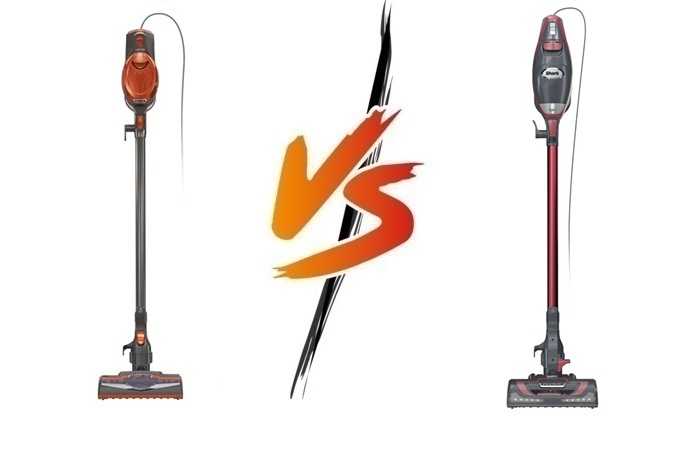
Shark’s Rocket series has been around long enough to earn a reputation for doing a lot with very little bulk. These are not massive, old-school uprights that take over your closet. They’re slim, lightweight, corded stick vacuums designed for people who want strong suction without dragging around a heavy machine. Two of the most talked-about models in this lineup are the Shark Rocket HV301 and the Shark Rocket HV322. On paper, they look very similar. Both promise powerful suction, easy conversion to a handheld vacuum, and everyday reliability at a reasonable price. But once you actually use them, the differences start to matter. Small design choices, extra features, and subtle performance changes can shape how pleasant — or frustrating — daily cleaning feels. In this comparison, I’ll break down how these two vacuums perform in real homes, not just spec sheets, so you can decide which one truly fits your floors, habits, and expectations.
Shark Rocket HV301 vs Shark Rocket HV322 Comparison Chart
If you click the links below, under the product images, you will be redirected to Amazon.com. In case you then decide to buy anything, Amazon.com will pay me a commission. This doesn’t affect the honesty of this review in any way though.
| Specification / Feature | Shark Rocket HV301 | Shark Rocket HV322 |
|---|---|---|
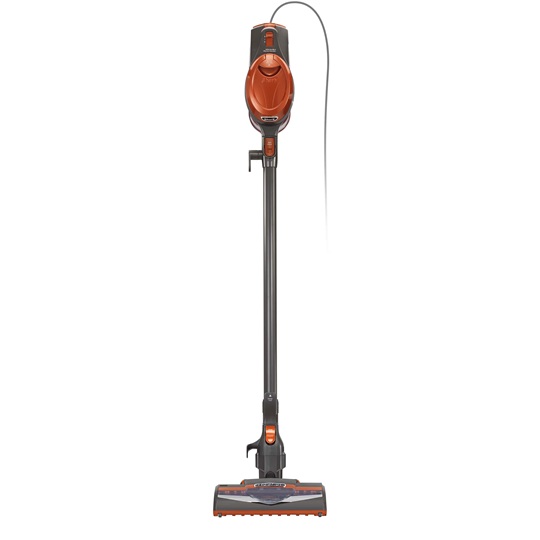 | 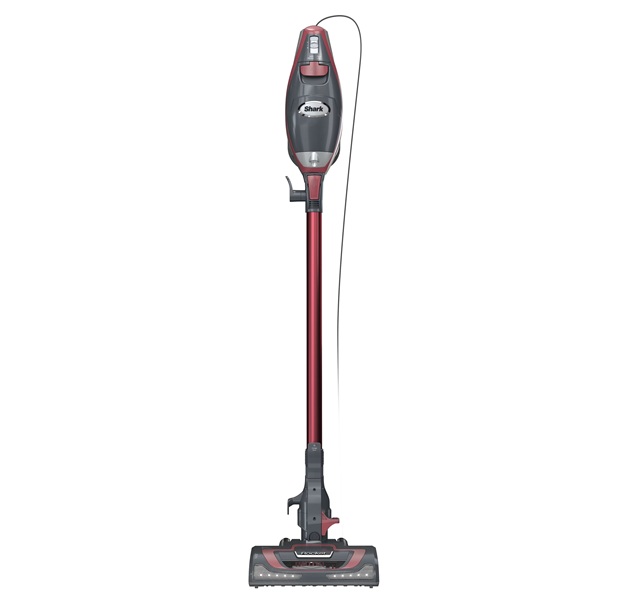 | |
| Check the best price on Amazon | Check the best price on Amazon | |
| Vacuum Type | Corded stick / upright convertible | Corded stick / upright convertible |
| Weight | Approx. 7.6 lbs | Approx. 8.2 lbs |
| Power Source | Corded electric | Corded electric |
| Cord Length | 30 feet | 30 feet |
| Suction Type | Continuous corded suction | Continuous corded suction |
| Floor Head | Motorized brush roll | Motorized brush roll with LED headlights |
| LED Headlights | No | Yes |
| Dust Cup Capacity | Smaller | Larger |
| Dust Cup Type | Bagless, bottom-release | Bagless, bottom-release |
| Filter Type | Washable foam & felt filters | Washable foam & felt filters |
| Handheld Conversion | Yes | Yes |
| Upright Self-Standing | No (leans or wall mount) | Yes |
| Swivel Steering | Yes | Yes |
| Pet-Specific Tools | No dedicated pet tools | Includes pet-focused attachments |
| Carpet Performance | Good on low-pile, fair on medium | Better on low- to medium-pile |
| Hard Floor Performance | Very good | Very good |
| Noise Level | Loud, sharper tone | Loud, slightly smoother tone |
| Maintenance Frequency | More frequent emptying & filter care | Less frequent emptying & maintenance |
| Best For | Small homes, light messes, budget buyers | Pet owners, mixed flooring, frequent cleaning |
| My individual reviews | Shark Rocket HV301 review |
Design & Build Quality
When you first take the Shark Rocket HV301 and HV322 out of the box, it’s clear they come from the same design family. Both are slim, upright stick vacuums that aim to feel light, agile, and unintimidating compared to traditional full-size uprights. That said, spending time with both reveals meaningful differences in how they’re built, how they feel in the hand, and how well they hold up to regular use.
Overall Design Philosophy
Shark designed both vacuums with one core idea in mind: make a powerful corded vacuum that doesn’t feel bulky or exhausting to use. Neither model tries to look premium in the luxury sense. Instead, they focus on practical, everyday usability. The design language is functional, clean, and slightly utilitarian. You’re not buying these for visual flair. You’re buying them because you want something that works, stores easily, and doesn’t feel like a chore to pull out.
The HV301 represents the more stripped-down interpretation of that idea. It does exactly what it needs to do and very little more. The HV322 takes the same foundation and adds refinements that improve day-to-day experience without radically changing the overall shape.
Materials and Construction
Both vacuums are built primarily from hard plastic, which is typical for stick vacuums in this price range. Neither feels fragile, but neither feels indestructible either. The plastic on both models has a slightly matte finish that resists fingerprints and scuffs better than glossy surfaces. That’s a small detail, but it helps the vacuums look cleaner over time.
The HV301’s plastic feels a bit thinner in certain areas, particularly around the wand connection and dust cup housing. It’s not flimsy, but you’re aware that this is a lightweight machine built to stay light. If you tend to be rough with appliances or frequently bump into furniture, you’ll want to be a bit mindful.
The HV322 feels slightly more solid overall. The plastics are still lightweight, but there’s a bit more rigidity, especially around the main body and floor head. The locking points feel more secure when attaching tools or switching configurations. This gives the impression that the HV322 may hold up better over several years of frequent use.
Weight and Balance
Weight is one of the most important design factors for a stick vacuum, and both models do well here. The HV301 is marginally lighter, which you notice most when lifting it off the floor or carrying it up stairs. For users who prioritize minimal strain, this can be a real advantage.
However, weight alone doesn’t tell the whole story. Balance matters just as much. The HV301 can feel slightly top-heavy when used in handheld mode, especially with certain attachments. This isn’t a dealbreaker, but it does require a firmer grip and more wrist engagement.
The HV322, while slightly heavier, feels better balanced. The distribution of weight between the handle, motor, and attachments feels more deliberate. In handheld mode, it’s easier to control and feels less likely to tip or twist in your hand. Over longer cleaning sessions, this improved balance reduces fatigue more than the small difference in total weight would suggest.
Floor Head and Wand Design
The floor heads on both vacuums are compact and designed to fit under furniture more easily than bulky uprights. The HV301’s floor head is simpler, with a straightforward motorized brush and no additional visual aids. It does the job, but it relies entirely on feel and repeated passes to ensure you’ve picked everything up.
The HV322’s floor head feels more refined. It’s slightly wider and includes built-in LED headlights. From a design standpoint, these lights are more than a gimmick. They’re well-positioned and genuinely helpful for spotting dust and hair in low-light areas. This makes the cleaning experience feel more intentional and precise, especially under couches and beds.
Both models use a slim wand that detaches easily for above-floor cleaning. The wand material on the HV322 feels marginally sturdier, with less flex when applying pressure. This improves confidence when reaching high shelves or cleaning curtains.
Dust Cup Design and Integration
The dust cup is another area where design choices impact everyday use. The HV301’s dust cup is smaller and more compact. This helps keep the overall profile slim but requires more frequent emptying. The release mechanism is simple and generally mess-free, but the smaller opening can occasionally trap debris around the edges.
The HV322’s dust cup is larger and feels better integrated into the body of the vacuum. It opens wider, which makes emptying quicker and cleaner. The latch mechanism feels more secure, reducing the chance of accidental openings. From a build quality perspective, the HV322’s dust cup feels like it was designed with long-term use in mind.
Storage and Upright Stability
One of the most noticeable design differences between the two is how they store. The HV301 does not stand fully upright on its own in a stable way. You can lean it against a wall or store it using a wall mount, but it doesn’t feel naturally self-supporting. This can be mildly annoying if you pause mid-cleaning or want to store it without drilling holes.
The HV322 improves on this significantly. It can stand upright on its own, which makes a bigger difference than it might sound. Being able to park the vacuum anywhere without worrying about it tipping over adds convenience and makes the design feel more complete. For small apartments or busy households, this alone can feel like a meaningful upgrade.
Controls and Switch Placement
Both vacuums use simple, no-nonsense controls. Power switches are placed on the handle, within easy reach of your thumb. There are no digital displays or fancy indicators, which keeps things straightforward.
The HV322’s switches feel slightly more responsive and durable. The tactile feedback is clearer, and the buttons don’t feel as shallow. Over time, this can matter, especially if you use the vacuum several times a week.
Attachment Fit and Finish
Both models come with attachments that click into place securely. However, the HV322’s attachments tend to feel better finished. The tolerances are tighter, and there’s less wobble once attached. This contributes to the overall impression that the HV322 was designed with a bit more attention to long-term durability.
The HV301’s attachments work fine, but they feel more basic. If you frequently switch between floor cleaning and handheld use, the smoother transitions on the HV322 will likely feel more satisfying.
Overall Build Quality Verdict
The HV301 feels like a vacuum designed to meet a specific goal: deliver strong performance in the lightest, simplest package possible. Its design is practical and efficient, but clearly optimized for affordability and weight.
The HV322 takes that same foundation and refines it. The materials feel slightly sturdier, the balance is better, the storage design is more convenient, and small touches like LED lights elevate the experience. Neither vacuum feels cheaply made, but the HV322 feels more thoughtfully constructed for daily, long-term use.
If design and build quality matter to you beyond just keeping things light, the HV322 has a clear edge. If you value minimalism and the lowest possible weight, the HV301 still holds its own.
Performance & Suction Power
Performance is where the differences between the Shark Rocket HV301 and HV322 become more noticeable in everyday use. On paper, both are corded stick vacuums with strong suction for their size, but how that suction translates to real floors, real messes, and real habits tells a fuller story. I’ve used both with the same expectations: quick cleanups, weekly maintenance, and the occasional deeper clean when things get out of hand.
Raw Suction and Airflow
Both vacuums deliver consistent suction thanks to their corded design. Unlike cordless models that slowly lose power as the battery drains, these Rockets maintain the same level of pull from start to finish. That consistency is one of their biggest strengths.
The HV301 has strong suction for a vacuum this lightweight. On hard floors, you feel it immediately. Dust, crumbs, and loose debris disappear with minimal effort. The airflow feels direct and focused, especially when the vacuum is freshly cleaned and the filters are dry.
The HV322 feels slightly stronger in practice, even if the difference isn’t dramatic. The suction seems better distributed across the floor head, which helps with larger debris and heavier dirt. It feels more forgiving if your filter isn’t perfectly clean or if the dust cup is getting full. Over longer sessions, that translates into more predictable performance.
Hard Floor Cleaning
On hard surfaces like hardwood, tile, or laminate, both vacuums perform very well. The motorized brush roll on each helps agitate fine dust while still being gentle enough not to scatter debris everywhere.
The HV301 excels at quick pickups. If you spill dry food, dirt from shoes, or everyday dust, it handles the mess efficiently. It’s especially good along straight paths and open areas. However, in corners and along baseboards, it can take a few passes to fully clear everything.
The HV322 handles the same situations with slightly more confidence. The wider cleaning path helps cover more ground, and the improved airflow reduces the need for repeated passes. The LED headlights also play an indirect role in performance here. Being able to see fine dust and hair you’d otherwise miss means you’re more likely to clean thoroughly on the first try.
Low-Pile and Area Rugs
Low-pile rugs and flat weaves are common in many homes, and both vacuums are well suited for them. The HV301 cleans these surfaces well, lifting surface debris and lighter embedded dirt without much trouble. Maneuverability is excellent, and the vacuum glides easily without feeling like it’s sticking to the rug.
The HV322 performs similarly but feels a bit more controlled. It maintains suction more evenly across the rug and doesn’t bog down as easily when transitioning from hard floor to rug. This makes it feel more adaptable if your home has a mix of surfaces and you don’t want to think about switching settings or slowing down.
Medium-Pile Carpets
This is where the performance gap becomes clearer. The HV301 can clean medium-pile carpet, but it works harder to do so. You’ll likely need slower passes and a bit more effort to lift dirt that’s settled deeper into the fibers. It’s not ineffective, but it doesn’t feel effortless.
The HV322 handles medium-pile carpet with noticeably more ease. The brush roll seems better tuned for carpet agitation, and the suction feels more capable of pulling debris up and into the dust cup. You still won’t get the deep, heavy clean of a full-size upright, but for a stick vacuum, the results are impressive.
High-Pile Carpet and Thick Rugs
Neither vacuum is ideal for very thick or plush carpet. That’s not really what this category is designed for. The HV301 struggles the most here. It can feel like the brush roll is fighting the carpet, and pushing the vacuum becomes more labor-intensive.
The HV322 fares slightly better. It still isn’t perfect, but the improved balance and stronger-feeling suction make it more usable on thicker rugs. You may still need multiple passes, but it feels less frustrating overall.
Pet Hair Pickup
Pet hair is a common challenge, and both vacuums can handle it to a degree. On hard floors and low-pile rugs, the HV301 does a decent job picking up loose fur. However, hair can sometimes get left behind in corners or cling to carpet fibers after the first pass.
The HV322 is more consistent with pet hair pickup. It pulls fur up more effectively from rugs and upholstery, and the suction doesn’t drop as quickly when the dust cup fills with hair. This makes it better suited for homes with shedding pets, even if neither vacuum has advanced anti-hair-wrap technology.
Above-Floor and Handheld Performance
Both vacuums convert into handheld mode, and this is an area where suction quality matters a lot. The HV301 performs well for spot cleaning furniture, stairs, and car interiors. It’s strong enough to lift crumbs and dust from upholstery, but heavier debris may require repeated passes.
The HV322 feels more confident in handheld mode. The suction seems more stable, and the vacuum handles attachments more smoothly. This makes it easier to clean awkward spaces like stairs or tight corners without constantly repositioning.
Consistency Over Time
One thing that stands out with both models is how important regular maintenance is for maintaining performance. Clean filters and an empty dust cup make a noticeable difference. That said, the HV322 appears to be slightly more forgiving when it’s not in perfect condition. Performance drops more gradually, whereas the HV301’s suction can feel less effective once the dust cup starts to fill.
Real-World Cleaning Experience
In day-to-day use, both vacuums are capable cleaners. The HV301 feels like a focused, efficient tool for quick and frequent cleanups. It shines when you want something light and fast that gets the job done without fuss.
The HV322 feels more versatile. It adapts better to different surfaces, handles heavier messes more comfortably, and requires fewer repeated passes. Over time, that difference adds up to less effort and more consistent results.
Performance Verdict
If your home is mostly hard floors and low-pile rugs, the HV301 delivers excellent performance for its size and price. It’s powerful enough for regular maintenance and quick pickups.
If you have a mix of flooring, pets, or carpets that see heavier use, the HV322’s improved suction feel, better carpet performance, and overall consistency make it the stronger performer. While neither replaces a full-size upright for deep cleaning, the HV322 comes closer and feels more capable across a wider range of real-world situations.
Maintenance & Cleaning
Maintenance is one of those things you don’t think much about when buying a vacuum, but it ends up shaping your long-term experience more than almost anything else. A vacuum that cleans well but is annoying to empty, hard to unclog, or messy to maintain quickly becomes something you avoid using. The Shark Rocket HV301 and HV322 approach maintenance in similar ways, but the small differences between them add up over time.
Dust Cup Capacity and Design
The most obvious maintenance difference between the two models is dust cup size. The HV301 has a relatively small dust cup, which keeps the vacuum light and compact but also means you’ll be emptying it often. For small apartments or quick daily cleanups, this isn’t a major issue. But if you’re cleaning multiple rooms or dealing with pet hair, you’ll notice how quickly it fills up.
The HV322’s larger dust cup makes a real difference in everyday use. You can clean longer without stopping, which keeps your workflow smooth and less frustrating. From a design standpoint, the larger cup also seems better balanced, helping prevent clogs caused by overpacked debris.
Both dust cups use a bottom-release system, which is generally clean and efficient. You hold the cup over a trash bin, pull a latch, and the debris drops out. The HV322’s wider opening makes this process quicker and reduces the chance of debris sticking to the sides.
Ease of Emptying
Emptying the HV301’s dust cup is straightforward, but because it’s smaller, debris can get compacted more easily. Fine dust and hair sometimes cling to the interior walls, especially if there’s static buildup. You may need to tap the cup or reach in to fully clear it.
The HV322 handles this better. The larger opening and smoother interior allow debris to fall out more cleanly. You’re less likely to have to touch anything, which is always a plus. Over months of use, this difference becomes noticeable, especially if you vacuum frequently.
Filter System and Cleaning
Both models rely on washable filters rather than disposable bags, which helps keep long-term costs down. The filters are easy to access and remove, and Shark clearly designed them with user maintenance in mind.
The HV301 has a simple filter setup that works well when cleaned regularly. Rinsing the filters under water and letting them air-dry restores suction effectively. However, because the dust cup is smaller, the filter tends to get dirty faster. If you skip cleanings, you’ll notice a drop in performance sooner.
The HV322 also uses washable filters, but its airflow design and larger dust cup help keep the filters cleaner for longer. This means you don’t have to rinse them quite as often to maintain strong suction. When you do clean them, the process is quick and mess-free.
Drying Time and Maintenance Routine
One important consideration with washable filters is drying time. Both vacuums require the filters to dry completely before reinserting them. This can take a full day, depending on humidity. In practice, this means planning ahead or having a backup filter set if you vacuum frequently.
The HV322’s slower filter clogging makes this less of an inconvenience. You can stretch the time between cleanings, reducing the chances of being caught with a wet filter and no vacuum.
Brush Roll Maintenance
Hair wrap is unavoidable with most motorized brush rolls, and both models are no exception. Long hair, pet fur, and threads can wrap around the brush and reduce performance over time.
The HV301’s brush roll is easier to access but tends to collect hair more quickly. Because it’s working harder on carpets, hair wrap can build up faster, especially in pet-heavy homes. Cleaning it requires cutting away hair with scissors and manually removing debris.
The HV322’s brush roll seems to resist buildup slightly better. It still needs regular cleaning, but the design makes hair less likely to wrap tightly. Accessing the brush roll is straightforward, and maintenance feels less frequent overall.
Clogs and Air Path Cleaning
Clogs are another reality of vacuum ownership. Both vacuums have fairly straight air paths, which helps reduce clogging, but it can still happen, especially with larger debris or pet hair.
The HV301 can clog if the dust cup overfills or if large debris is picked up too quickly. Clearing clogs usually involves removing the dust cup and checking the wand. It’s not difficult, but it does interrupt cleaning.
The HV322 seems more forgiving in this area. The wider air path and larger dust cup reduce the likelihood of clogs forming in the first place. When clogs do occur, access points are easier to reach, making the fix quicker and less annoying.
Tool and Attachment Cleaning
Attachments are often overlooked when it comes to maintenance. Both models include tools that can accumulate dust, hair, and debris over time. Cleaning them is simple: a quick rinse or wipe-down keeps them functioning properly.
The HV322’s attachments feel easier to maintain because they tend to clog less and are easier to disassemble if needed. This reinforces the impression that the HV322 was designed with longer-term usability in mind.
Odor Control and Cleanliness
Odors can develop in any bagless vacuum if debris sits too long. The HV301’s smaller dust cup means it fills quickly, which can actually help reduce odor buildup if you empty it regularly. However, if you forget, odors can develop faster due to the compact space.
The HV322’s larger dust cup holds more debris, so it’s important to empty it before it gets too full. When maintained properly, it stays relatively odor-free. Its better airflow also helps reduce lingering smells.
Durability and Long-Term Maintenance
Over time, maintenance also affects durability. The HV301’s simpler design means fewer parts to worry about, but the thinner plastic may show wear sooner if not handled carefully.
The HV322’s slightly sturdier build and improved maintenance features suggest better long-term reliability. Less frequent clogs, cleaner filter performance, and easier emptying all contribute to a more positive ownership experience over several years.
Real-World Maintenance Experience
In everyday use, the HV301 feels like a vacuum that requires more attention. You’ll empty it often, clean the filter regularly, and keep an eye on hair wrap. None of this is difficult, but it does demand consistency.
The HV322 feels more relaxed. You can vacuum longer, clean less often, and deal with fewer interruptions. That makes it easier to integrate into a regular cleaning routine without feeling like upkeep is a constant chore.
Maintenance Verdict
If you’re diligent about maintenance and value simplicity, the HV301 is perfectly manageable. It rewards regular care with solid performance.
If you want a vacuum that asks less of you over time, the HV322 is the better choice. Its larger dust cup, more forgiving design, and easier maintenance make it a more user-friendly option for long-term use, especially in busy or pet-friendly households.
Energy Efficiency & Noise Levels
Energy use and noise are often overlooked when shopping for a vacuum, but they play a big role in how pleasant a machine is to live with. A vacuum that cleans well but feels wasteful or painfully loud can quickly become something you put off using. The Shark Rocket HV301 and HV322 are both corded stick vacuums, which changes the conversation around efficiency and sound compared to cordless or full-size upright models.
Corded Design and Power Consistency
Because both models are corded, they draw power directly from the outlet rather than relying on a battery. From an efficiency standpoint, this has a few advantages. There’s no energy loss associated with charging and discharging a battery, and there’s no gradual drop in performance as power runs down. You get the same level of suction from the moment you start until you’re done.
In real-world terms, this means both vacuums are efficient in how they use electricity. They don’t require long charging cycles, and there’s no temptation to overcharge or leave a battery plugged in constantly. You plug in, clean, and unplug. That simplicity makes their energy use predictable and easy to manage.
Power Draw and Household Impact
Neither vacuum feels excessive in terms of power consumption. They’re designed to deliver strong suction without the heavy electrical draw of larger uprights. You can run either model without worrying about tripping breakers or overloading circuits, even in older homes.
The HV301 feels slightly more conservative in its power usage. Its smaller motor and lighter build translate into a vacuum that feels efficient and focused. The HV322, while still efficient, seems to use its power a bit more aggressively to deliver stronger and more consistent suction, especially on carpets.
For most households, the difference in energy cost between the two will be negligible. Both are suitable for frequent use without noticeably affecting electricity bills.
Runtime Considerations
With corded vacuums, runtime isn’t about battery life but about user endurance and convenience. Both models offer long cords that let you clean large areas without constantly switching outlets. This reduces stop-and-go behavior, which indirectly improves efficiency by allowing you to clean in one continuous session.
The HV322’s ability to stand upright also plays a role here. Being able to pause cleaning without unplugging or leaning the vacuum against furniture saves small but meaningful amounts of time and effort. Over months of use, those little efficiencies add up.
Noise Profile and Sound Quality
Noise level is where personal tolerance really comes into play. Neither the HV301 nor the HV322 is quiet in absolute terms. They both produce the high-pitched motor sound typical of lightweight stick vacuums. However, there are differences in how that noise feels over time.
The HV301 tends to sound sharper and slightly more piercing. The motor noise is more concentrated near the handle, which puts it closer to your ears. During short cleaning sessions, this isn’t a major problem, but during longer cleanups, the sound can become fatiguing.
The HV322 produces a slightly deeper and more even sound. It’s still loud, but it feels more balanced and less shrill. The sound seems to disperse better, which makes it more tolerable over extended use.
Perceived Loudness vs Actual Volume
It’s important to distinguish between measured loudness and perceived loudness. Even if both vacuums operate within a similar decibel range, the character of the noise matters. The HV322’s smoother sound profile makes it feel quieter, even if the actual volume difference is small.
This matters in real life. If you vacuum frequently, especially in apartments or shared living spaces, perceived noise can influence when and how often you clean. The HV322 feels more neighbor-friendly and less disruptive, even though it’s not silent by any means.
Vibration and Resonance
Another aspect of noise that often goes unnoticed is vibration. Excessive vibration can make a vacuum feel louder and more tiring to use. The HV301 transmits more vibration through the handle, especially on carpet. This contributes to the sharper noise sensation and can lead to hand fatigue over time.
The HV322 feels better dampened. Vibrations are less noticeable, and the vacuum feels more stable in use. This improves comfort and reduces the impression of noise, even if the motor is working hard.
Floor Type and Noise Variation
Noise levels also change depending on the surface you’re cleaning. On hard floors, both vacuums sound relatively consistent and controlled. On carpet, especially thicker pile, the motors work harder and the sound becomes louder.
The HV301’s noise increases more noticeably on carpet, which can make extended carpet cleaning feel tiring. The HV322 handles these transitions more smoothly, with less dramatic changes in sound level.
Household Use Scenarios
In practical terms, both vacuums are loud enough that you probably won’t want to use them late at night or early in the morning if others are sleeping. However, the HV322 is slightly more forgiving in this regard. Its sound is less likely to echo or feel harsh through walls.
If you have pets or children sensitive to noise, the HV322 may be the more comfortable choice. It’s still loud, but less startling.
Heat and Motor Stress
Energy efficiency also relates to how much heat a motor produces. Excess heat can indicate inefficiency and lead to long-term wear. Both vacuums manage heat reasonably well, even during longer cleaning sessions.
The HV301 can feel warmer near the motor housing after extended use, which is expected for a compact design. The HV322 seems to dissipate heat more evenly, suggesting slightly better airflow and motor management.
Long-Term Energy Considerations
Over years of ownership, both models are economical choices. There are no batteries to replace, no bags to buy, and no excessive power demands. The simplicity of their energy use contributes to their overall value.
The HV322’s more consistent performance even when partially full or slightly dirty filters also means you’re less likely to over-clean the same area repeatedly, indirectly saving time and energy.
Energy and Noise Verdict
Both the Shark Rocket HV301 and HV322 are efficient, practical vacuums that don’t waste power. The differences come down to comfort and refinement rather than raw efficiency.
The HV301 is efficient and straightforward but louder and sharper in sound. It’s best suited for quick cleanups and shorter sessions.
The HV322 offers a more balanced noise profile, slightly better heat management, and a more comfortable overall experience. If energy efficiency and noise comfort matter to you, especially for frequent or longer cleaning sessions, the HV322 has a noticeable edge.
Ergonomics & Usability
Ergonomics and usability are where a vacuum either fits naturally into your routine or quietly works against you. You can forgive a lot if a vacuum feels easy to grab, comfortable to use, and intuitive to operate. Both the Shark Rocket HV301 and HV322 are designed with everyday convenience in mind, but their differences become clearer the longer you use them.
Weight and Physical Strain
Both vacuums are marketed as lightweight, and that claim holds up in practice. The HV301 is slightly lighter, and you notice that most when lifting it off the floor or carrying it up and down stairs. For users with limited strength or mobility, this can make the vacuum feel less intimidating.
However, lighter doesn’t always mean more comfortable. The HV301’s weight distribution puts more strain on your wrist and forearm, especially in handheld mode. Over time, this can lead to fatigue, even though the vacuum itself is light.
The HV322 is a bit heavier, but the added weight is distributed more evenly. This results in a vacuum that feels more stable and easier to control during longer cleaning sessions. The improved balance reduces strain on your wrist and makes the vacuum feel more cooperative rather than something you’re constantly adjusting.
Handle Design and Grip Comfort
The handle on the HV301 is functional but basic. It’s shaped well enough to grip comfortably for short sessions, but the material feels slightly harder and less forgiving over time. There’s minimal padding or contouring, which can become noticeable during extended use.
The HV322’s handle feels more refined. It has a more ergonomic shape that fits naturally in the hand. The grip texture offers better traction without feeling abrasive, which helps when your hands are sweaty or you’re cleaning for longer periods. This subtle improvement makes the vacuum feel easier to live with day after day.
Maneuverability and Steering
Both vacuums feature swivel steering, which is one of the Rocket series’ strengths. Navigating around table legs, chairs, and tight spaces feels smooth and intuitive on both models.
The HV301 turns easily but can feel slightly twitchy at times, especially on carpet. You may find yourself making small corrections to keep it moving in a straight line.
The HV322 feels more controlled. Its slightly wider floor head and better balance give it a more planted feel. This makes it easier to guide with one hand and reduces the need for constant steering adjustments. In cluttered rooms, this difference becomes especially noticeable.
Transitioning Between Surfaces
Moving from hard floors to rugs and carpet is a common part of everyday cleaning. Both vacuums handle transitions well, but the HV322 does so more smoothly. It adapts better without needing you to slow down or adjust your technique.
The HV301 sometimes requires a bit more attention when moving onto thicker surfaces. You may need to change your pace or angle slightly to keep it moving comfortably.
Handheld Conversion
Both vacuums convert into handheld units, which is a major usability advantage. This allows you to clean stairs, furniture, shelves, and car interiors without switching machines.
The HV301 converts quickly, but once in handheld mode, it can feel awkwardly weighted. The motor’s position makes it feel top-heavy, which can strain your wrist during longer tasks.
The HV322 feels more natural in handheld mode. The balance is better, and the vacuum feels more stable when using attachments. This makes tasks like stair cleaning or upholstery work less tiring and more precise.
Attachment Changes and Storage
Switching attachments is easy on both models, but the HV322 feels more polished in this area. Attachments click into place more securely and release smoothly. This gives you confidence that everything is properly connected without having to double-check.
The HV301’s attachments work well but can feel slightly looser. They stay in place, but the fit doesn’t feel quite as solid.
Storage also plays a role in usability. The HV301 typically needs to be leaned against a wall or stored using a mount. This works, but it’s not always convenient.
The HV322’s ability to stand upright on its own makes a big difference. You can pause mid-clean, answer the door, or move furniture without worrying about the vacuum tipping over. This small feature improves usability far more than you might expect.
Controls and Ease of Operation
Both vacuums keep controls simple. Power switches are easy to reach and require minimal effort to operate. There’s no learning curve, and you can start cleaning almost immediately.
The HV322’s controls feel slightly more responsive and durable. The buttons have clearer feedback, which makes them easier to use without looking.
Reach and Cord Management
Both models come with long power cords that provide good reach. This reduces the need to switch outlets frequently and allows you to clean multiple rooms in one go.
Cord management is similar on both, though neither is perfect. You’ll still need to be mindful of the cord while cleaning to avoid tangling. The HV322’s upright stability makes managing the cord slightly easier, as you can stop and reposition without fuss.
Comfort During Extended Use
Over longer cleaning sessions, the ergonomic differences become more apparent. The HV301 starts to feel less comfortable due to its balance and handle design. It’s best suited for quick, frequent cleanups rather than extended whole-house cleaning.
The HV322 remains comfortable for longer periods. The reduced vibration, better grip, and improved balance make it easier to use without feeling worn out.
Accessibility and User Range
Both vacuums are accessible to a wide range of users, including those who find traditional uprights too heavy. The HV301’s lighter weight may appeal to some users, but the HV322’s overall comfort and ease of use make it more universally friendly.
Ergonomics and Usability Verdict
The HV301 prioritizes minimal weight and simplicity. It’s easy to pick up and use, but its ergonomics show their limits during longer or more demanding sessions.
The HV322 feels more thoughtfully designed. Its balance, grip comfort, upright storage, and smoother handling make it easier and more pleasant to use day after day. If ergonomics and usability are high on your list, the HV322 offers a more refined and user-friendly experience.
Pet-Friendliness
If you live with pets, a vacuum cleaner stops being just a cleaning tool and becomes part of daily survival. Fur, dander, tracked-in dirt, and the occasional litter or food spill change how a vacuum is judged. The Shark Rocket HV301 and HV322 can both handle pet-related messes, but they do so with different levels of ease and consistency. Over time, those differences really matter.
Everyday Pet Hair on Hard Floors
On hard floors, both vacuums perform well with pet hair. Loose fur tends to clump together, making it relatively easy to collect. The HV301 can pull up visible hair quickly, especially during short, frequent cleanups. If your home has mostly hardwood or tile, this vacuum can keep floors looking tidy without much effort.
The HV322 handles the same task with slightly more confidence. The suction feels more even, which helps lift hair without scattering it across the floor. The LED headlights also make a surprising difference. Pet hair is often hard to see on certain floor colors, and being able to spot it clearly helps ensure a more thorough clean.
Pet Hair on Rugs and Carpets
Carpeted areas are where pet hair becomes more challenging. Hair works its way into fibers, especially on medium-pile carpets. The HV301 can clean these surfaces, but it often takes multiple passes to fully remove hair. You may find yourself going over the same area several times, especially in high-traffic zones where pets like to lounge.
The HV322 performs better on carpets. Its brush roll and suction seem better suited to pulling hair from deeper in the pile. While it still won’t match the deep-cleaning power of a full-size upright, it requires fewer passes and less effort. Over time, this makes daily maintenance feel more manageable.
Upholstery and Furniture Cleaning
Pets don’t limit their shedding to floors. Couches, chairs, pet beds, and blankets all collect fur. Both vacuums convert into handheld units, which is essential for tackling these areas.
The HV301 can remove surface hair from upholstery, but it struggles more with embedded fur. You may need to use slower, repeated motions to get acceptable results. It works, but it can feel labor-intensive.
The HV322 is noticeably more effective here, especially when paired with its pet-focused attachments. These tools are designed to agitate fabric and pull hair loose, making cleanup faster and more satisfying. For households with pets that spend a lot of time on furniture, this is a major advantage.
Pet-Specific Attachments
This is one of the clearest differences between the two models. The HV301 comes with basic attachments that can handle general cleaning tasks but aren’t tailored for pet hair.
The HV322 includes pet-specific tools that make a real difference. These attachments are shaped and powered in ways that help lift stubborn hair from upholstery, stairs, and tight corners. They’re especially helpful on pet beds and fabric surfaces where hair tends to cling.
Having the right tool doesn’t just improve performance. It reduces frustration and shortens cleaning time, which matters when pet messes are frequent.
Hair Wrap and Brush Roll Maintenance
Pet hair doesn’t just end up in the dust cup. It also wraps around the brush roll, which can reduce performance over time. Neither vacuum has advanced anti-hair-wrap technology, so maintenance is part of the deal.
The HV301 tends to collect hair more quickly around the brush roll. Long pet hair can wrap tightly, requiring regular cutting and removal. If you skip this maintenance, suction and agitation suffer noticeably.
The HV322 also experiences hair wrap, but it seems slightly less prone to heavy buildup. Cleaning the brush roll still takes effort, but you’ll likely need to do it less often. This difference becomes more important the more pets you have.
Dander and Fine Particles
Pet dander is smaller and harder to see than fur, but it’s just as important to remove, especially for allergy sufferers. Both vacuums use filters that capture fine particles, but performance depends heavily on maintenance.
The HV301 can capture dander effectively when filters are clean. However, because the dust cup fills quickly with hair, airflow can drop faster, reducing its ability to capture fine particles consistently.
The HV322’s larger dust cup and better airflow help maintain suction for longer. This makes it more reliable at capturing dander throughout a cleaning session. While neither vacuum replaces a dedicated air purifier, the HV322 does a better job of keeping pet-related dust under control.
Odor Management
Pets can bring odors along with hair and dirt. A vacuum that traps debris without letting smells build up is important. Both vacuums can develop odors if not maintained properly, but their designs influence how quickly this happens.
The HV301’s smaller dust cup means it fills faster, encouraging more frequent emptying. This can help prevent odor buildup if you stay on top of it. However, if you forget, odors can become noticeable quickly due to the compact space.
The HV322’s larger dust cup holds more debris, so it’s important not to let it sit too long. When emptied regularly, it stays relatively fresh and odor-free. Its airflow design also helps reduce lingering smells.
Cleaning Pet Accidents and Debris
While neither vacuum is designed for wet messes, they both handle dry pet-related debris well. Litter, kibble, and tracked-in dirt are common in pet households.
The HV301 can pick up these items, but larger pieces may require slower passes to avoid scattering.
The HV322 handles heavier debris more confidently. Its suction and airflow make it easier to collect litter and food without leaving residue behind.
Noise and Pet Sensitivity
Pets can be sensitive to loud noises. Both vacuums are loud enough to startle animals at first, but the HV322’s smoother sound profile makes it slightly less jarring. This can make cleaning less stressful for pets over time.
Long-Term Pet Household Experience
Living with pets means cleaning often. A vacuum that makes this routine easier quickly becomes a favorite. The HV301 can keep up with light to moderate pet hair if you’re diligent with maintenance.
The HV322 feels better suited to heavy shedding and frequent cleaning. Its stronger performance, better tools, and easier maintenance make it less of a chore to stay on top of pet messes.
Pet-Friendliness Verdict
If you have one pet and mostly hard floors, the HV301 can do the job with regular upkeep.
If you have multiple pets, carpets, or furniture that attracts fur, the HV322 is clearly the more pet-friendly choice. It handles hair more effectively, requires less effort, and makes daily cleaning feel more manageable rather than overwhelming.
Conclusion
Choosing between the Shark Rocket HV301 and the Shark Rocket HV322 ultimately comes down to how you clean, how often you clean, and what kind of home you live in. Both vacuums are capable, reliable machines that deliver strong suction in a lightweight, easy-to-store format. They share the same core strengths: consistent corded power, slim design, and the flexibility to convert into handheld cleaners for above-floor tasks. Neither feels cheaply made, and both can handle everyday dirt without much fuss.
That said, the HV301 feels like the more minimalist option. It’s lighter, simpler, and usually more affordable. For smaller homes, apartments, or households with mostly hard floors and light carpet, it does exactly what it promises. It’s a good fit if you value portability and don’t mind more frequent emptying or maintenance.
The HV322, however, feels like the more complete vacuum. The larger dust cup, improved balance, LED headlights, better carpet performance, and pet-focused tools all contribute to a smoother, more forgiving experience. These aren’t flashy upgrades, but they make daily cleaning easier and less tiring over time. If you have pets, mixed flooring, or simply want a vacuum that requires less attention and effort, the HV322 justifies its higher price.
Neither vacuum replaces a heavy-duty upright for deep carpet cleaning, but as versatile, everyday machines, both perform well. If convenience, comfort, and long-term usability matter most, the HV322 is the better all-around choice.