
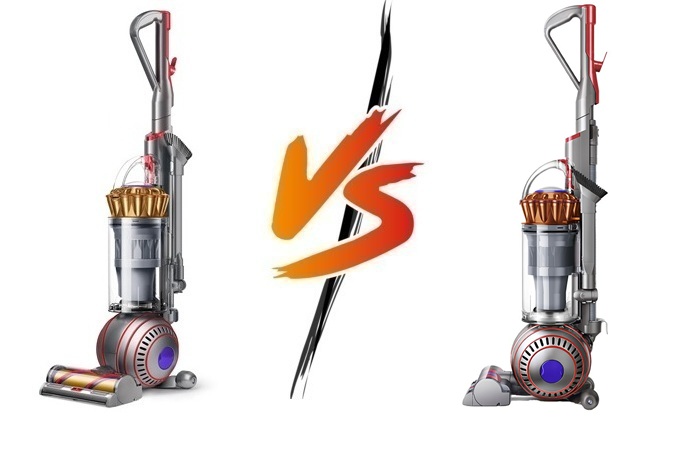
When you’re shopping for an upright vacuum in the premium tier—especially one designed to tackle pet hair, dander, and deeply embedded debris—Dyson’s Ball Animal line almost always appears near the top of recommendation lists. The Ball Animal 3 and Ball Animal 3 Extra are two versions of the same core machine, and at first glance they seem nearly identical: both use Dyson’s familiar ball-steering chassis, both offer powerful suction designed for carpets, and both promise better hair management than previous generations. However, shoppers quickly discover that the price gap between the two models raises an obvious question: what exactly makes the Extra… extra?
That’s where accessories and specialized tools come into play. The Extra configuration usually ships with a broader range of attachments—particularly those geared toward pet owners—which can noticeably change how versatile the vacuum feels in real-world use. In other words, performance is similar, but capability and convenience can differ.
Dyson Ball Animal 3 vs Dyson Ball Animal 3 Extra Comparison Chart
If you click the links below, under the product images, you will be redirected to Amazon.com. In case you then decide to buy anything, Amazon.com will pay me a commission. This doesn’t affect the honesty of this review in any way though.
| Specification | Dyson Ball Animal 3 | Dyson Ball Animal 3 Extra |
|---|---|---|
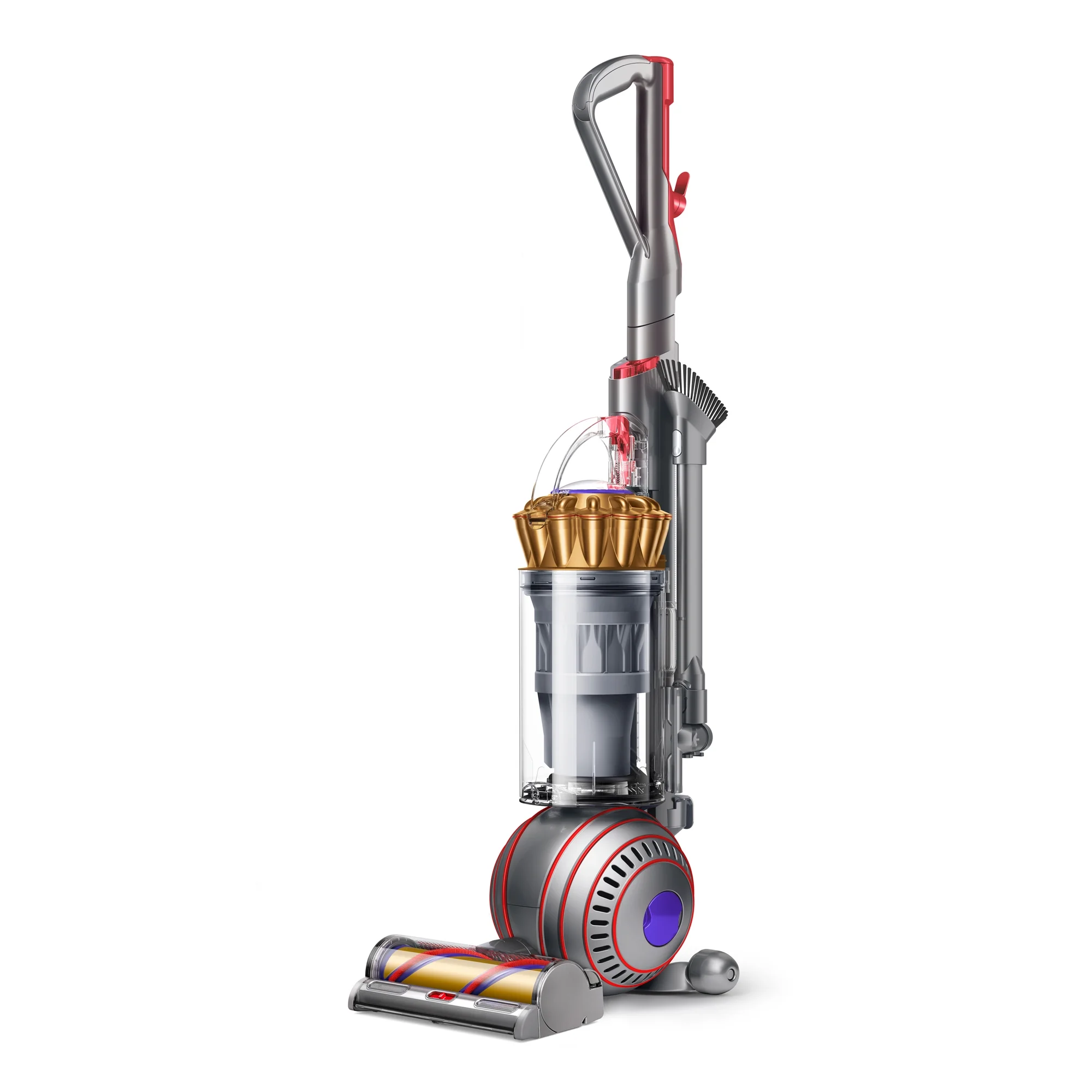 | 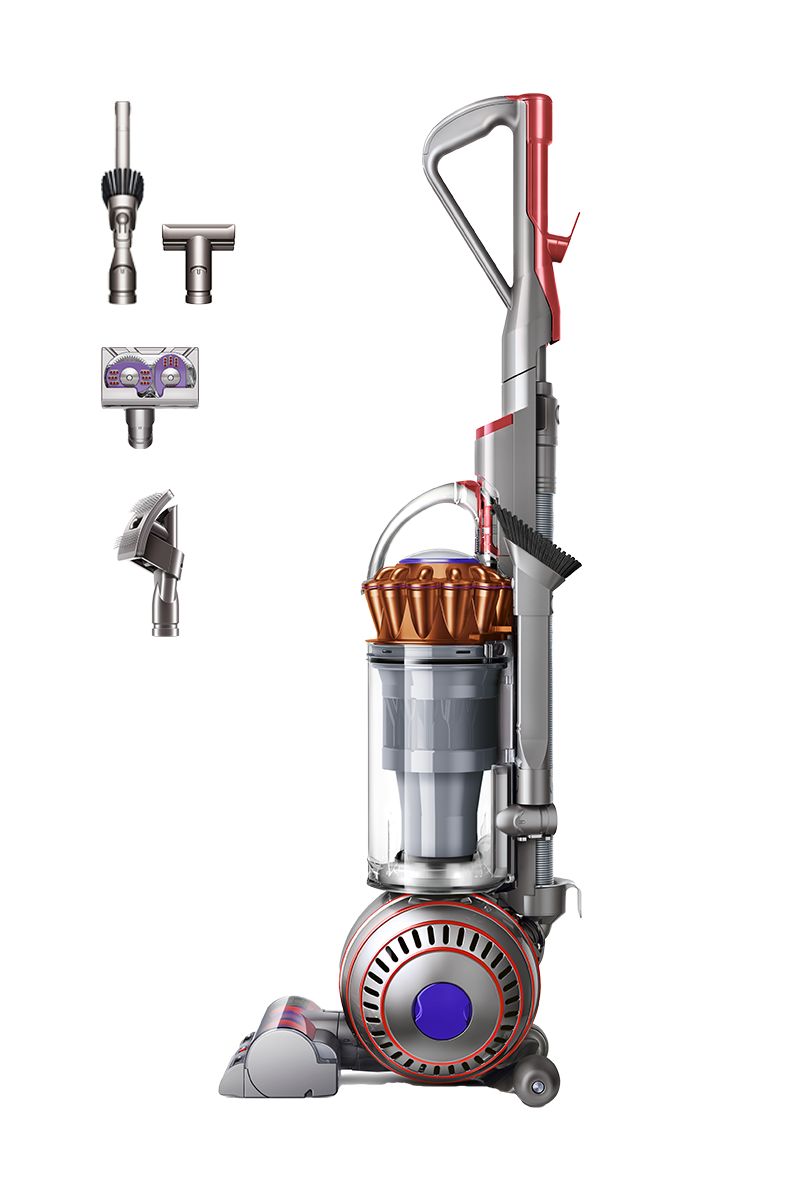 | |
| Check the best price on Amazon | Check the best price on Amazon | |
| Model Type | Upright vacuum cleaner | Upright vacuum cleaner |
| Weight | ~17.4 lb | ~17.3 lb |
| Dimensions (H×W×D) | ~42.2×15.5×11.02 in | ~42.2×15.5×11.02 in |
| Suction Power | ~290 AW max | ~290 AW max |
| Cyclone Technology | Radial Root Cyclone | Radial Root Cyclone |
| Filter Type | Whole-machine washable filtration | Whole-machine washable filtration |
| Dust Bin Capacity | ~0.45 gal (~1.7 L) | ~0.45 gal (~1.7 L) |
| Cord Length / Reach | ~35 ft cord + ~15 ft hose | ~35 ft cord + ~13 ft hose reach |
| Brush Head | De-tangling Motorbar | De-tangling Motorbar |
| Washable Filters | Yes | Yes |
| Multi-Surface Cleaning | Yes | Yes |
| Accessories Included | Combination tool, stair tool | Combination tool, stair tool, pet groom tool, tangle-free turbine tool |
| Special Pet Tools | No (base tools only) | Yes (pet groom & tangle-free turbine tools) |
| Warranty | ~5 years | ~5 years |
| Primary Use Case | Deep carpet and general cleaning | Pet hair + deep cleaning + upholstery/car detailing |
| My individual reviews | Dyson Ball Animal 3 review | – |
Key Notes
- Both vacuums use identical core mechanics, suction power, brush heads, filtration systems, and dust bin sizes, so cleaning performance itself is essentially the same.
- The Extra model differentiates itself mainly through more tools/accessories, specifically pet-oriented tools that make it better suited for homes with pets and multi-surface cleaning needs.
- Warranty length and basic ergonomic features (such as Ball steering and hygienic emptying) are shared between both models.
Design & Build Quality
At a distance, the Dyson Ball Animal 3 and the Dyson Ball Animal 3 Extra look like twins: tall, bold-colored uprights built around the iconic spherical base that Dyson has used for more than a decade. But to understand their design, you have to approach them not as pretty showpieces but as practical machines that get shoved under couches, smashed into baseboards, dragged up stairs, and occasionally tipped over by a bored dog. From that perspective, both models feel like premium tools engineered with durability in mind, though not without quirks and a few trade-offs that become obvious the longer you use them.
The first thing almost anyone notices is the size. These vacuums are not compact, lightweight household helpers—they’re unapologetically full-sized uprights. They stand tall, with a visible bin, a sculpted wand, and that huge spherical ball at the base that contains the motor and internal components. If you’re used to cordless sticks or smaller canisters, the Animal 3 can feel imposing at first. The advantage of this size, however, is space for a larger motor, longer hose, and bigger dust bin, all of which matter if you have a home with a lot of floor to cover.
The ball design deserves attention, because it’s the defining visual and mechanical characteristic of Dyson’s uprights. The idea behind the ball is simple: instead of traditional fixed wheels that pivot awkwardly, the spherical shape allows the vacuum to tilt and rotate more fluidly. In practice, this means you can twist the main body from side to side and the entire head follows. Compared to a rigid upright, this makes turning corners easier and navigating around table legs genuinely smoother. The trade-off is that the machine’s weight doesn’t magically disappear. The ball helps steering, but it cannot overcome physics—this is still a nearly 18-pound machine.
Material selection is, as always with Dyson, a mix of durable plastics and rubberized elements. The plastics feel rigid and engineered rather than cheap, but you may still be aware that you’re dealing with molded parts rather than metal. The most visually prominent component, the transparent dust bin, is made from a clear polycarbonate-like plastic that resists impact fairly well but can scratch over time if you tend to vacuum sharp debris. The release mechanism at the top of the canister is reassuringly stiff; you press down with some force, and the bottom hatch pops open for a hygienic empty. It’s a satisfying, functional design that communicates intentionality. You never feel like you’re going to accidentally dump the bin mid-carry.
Internally, the air pathway and cyclone structure are compact and closely integrated. You can see the multi-cyclone system through the outer shell, and it gives the vacuum an industrial look. Dyson tends to showcase its technology visually, and that aesthetic is continued here. Whether you find it futuristic or busy is personal preference, but there’s no question the machines look like tools designed for a job rather than appliances meant to blend into décor.
The upright frame locks securely into place, and you can hear the audible click when the machine is positioned upright for storage. This locking mechanism matters more than you might think, because on cheaper uprights, the tendency to collapse backward can be a constant annoyance. On the Ball Animal 3, the hinge feels deliberate and sturdy. The handle extension for hose and wand usage is also solidly engineered. You tug it free from its housing, and although there’s a little flex due to the length, the wand never feels like it might snap if you apply moderate pressure.
Color choices differ slightly depending on retailer, but both the standard and Extra models tend to feature strong accent colors like purple, silver, copper, or nickel. These choices are not subtle. Dyson vacuums often look like sports equipment, and that holds true here. If you are seeking a vacuum that visually disappears, this isn’t it. But if you enjoy a machine that looks engineered and futuristic, this fits the bill.
One shared strength is that both variants feel stable because of their low center of gravity. The heavy ball at the bottom prevents the machine from feeling top-heavy, although when you’re carrying it up stairs, that weight is very noticeable. If you live in a multi-story home, you may find the constant lifting a mild workout. People who prefer feather-weight stick vacuums might find the form factor old-fashioned, but for homes with heavy carpets, the solidity is reassuring.
Durability is a nuanced discussion, because Dyson uprights have a reputation for lasting many years when maintained, yet they still rely on plastic clips and tensioned joints that can wear with repeated use. The most vulnerable points appear to be accessory latches and the small release buttons on the hose assembly. Those aren’t unique weaknesses to these two models—they’re typical across most modern uprights—but given the price point, you expect a certain level of ruggedness. Fortunately, in actual use, the parts that experience the most mechanical strain—the hinge, the ball rotation, the brush head—feel engineered for longevity. It’s the secondary parts (wands, clips, dusting tools) that may show aging first.
The brush head design is modern and purposeful. The underside reveals a robust brush roll engineered not only for agitation but for detangling. If you have ever used an older upright and spent ten minutes cutting long hair or pet fur from the bristles with scissors, the Animal 3’s design feels like progress. The nozzle has channels designed to move hair toward the suction pathway rather than wrapping it endlessly around the roll. Structurally, it’s a smart layout, and the shell feels thick enough to withstand collisions with furniture legs.
One aspect of build quality that users sometimes overlook until it becomes annoying is how well a vacuum handles transitions—tile to rug, hardwood to carpet, thresholds, and area rugs. The Animal 3 sits with enough clearance that it doesn’t snag easily. The front intake plate is raised just enough to slide over an uneven transition without feeling like you’re shoving the machine. This part of the design suggests Dyson expected users to move quickly between surfaces, and they tuned the head to tolerate that without jamming.
Storage footprint is the natural consequence of such a machine—you are not tucking the Ball Animal 3 into a narrow broom closet. It needs vertical height clearance and some lateral space because the ball housing is wide. The long cord wraps neatly around the hooks, but the machine conveys a continual sense of bulk. Some people appreciate that substantial presence because it reinforces the idea of a serious vacuum with serious suction. Others will miss the tidy footprint of a cordless stick that hangs on a wall.
Comparing the standard Animal 3 with the Animal 3 Extra, the core chassis, outer shell, ball housing, wand, and bin are identical. Where the Extra differs is not in structural materials but in the attachments packaged with it. These attachments integrate cleanly with the wand system, and each has a designed storage point. Dyson has worked for years to make tool interchange seamless—press a button, snap off the current tool, click another in. The mechanical tolerances there are good, and you rarely get the mushy “almost attached” feeling you find on cheaper uprights. The engineering principle is that accessories should be as durable as the main body, and while the tools are still plastic, they’re molded with thickness sufficient for daily use.
Ergonomic shaping is also part of build quality. The handle has a curved grip that feels comfortable enough for long pushes, though some users may wish for more padding or a rubberized finish. The wand, when detached, is narrow and easy to aim into corners. All in all, the lines and surfaces feel intentional. You are not gripping square edges or sharp seams.
The clear bin deserves more attention because its transparency is part functional, part psychological. Seeing dirt accumulate motivates frequent emptying, preventing loss of performance. The mechanism for removing the bin is intuitive: pull upward from the top, lift it free, empty, and return. The base reseals with a satisfying click. Although the material can cloud over years of use, that is cosmetic rather than structural.
You also notice that both machines have very few visible screws. Dyson prefers modular snap-fits, which look clean and reduce dust-catching crevices. That improves the visual profile but may frustrate users who want to disassemble components themselves. You’re expected to rely on Dyson’s service approach rather than tinkering.
There are small design touches that show foresight. The wheels at the back of the ball, for example, allow for rolling when the vacuum is locked upright. The cord hook swivel lets you release the entire cable in one sweep rather than peeling loops one at a time. The hose stretches surprisingly far without feeling like it’s going to deform. These touches give the machine a workmanlike feel—engineers clearly considered day-to-day convenience.
Taken as a whole, the build quality of both models feels premium, robust, and confident—assuming you accept their weight and size. If your definition of quality is metal components and artisan manufacturing, you may see too much plastic. But if you judge based on structural integrity, hinge strength, suction housing stability, and long-term survivability, both the Animal 3 and the Animal 3 Extra embody Dyson’s philosophy: build a machine that can be used aggressively, serviced simply, and trusted to withstand chaotic households.
For upright vacuum users who equate build quality with reliability under stress—pets, kids, heavy carpets, and constant use—both vacuums deliver. The Extra does not surpass the standard Animal 3 here because they share the same skeleton. What you pay more for in the Extra are the accessories, not stronger materials. Thus, in terms of design and construction, the competition is a dead tie.
Performance
Performance is where upright vacuums succeed or fail decisively, and the Dyson Ball Animal 3 series stakes its entire identity on suction strength, carpet agitation, and hair management. These models are not designed to be quiet, feather-light sweepers that skim the surface. They are engineered to dig into carpet fibers, pull out embedded grit, and leave little behind. When comparing the standard Ball Animal 3 with the Ball Animal 3 Extra, it’s important to note that both share the same internal suction architecture, brush-bar system, and airflow design. This means that raw cleaning power is effectively identical between them. What differs is how easily you can apply that power across various surfaces based on the attachments bundled with the Extra.
At the core of both vacuums sits a strong motor that produces high air watts—enough suction force to noticeably lift carpet pile as you pass. Anyone switching from a weaker upright or a cordless stick will immediately feel the difference. When you roll the vacuum forward, especially on dense carpet, you may sense the head clinging to the floor. This “seal” is key to deep cleaning: the vacuum creates negative pressure, drawing fine dirt upward from fibers where it has settled over months. If you’ve ever vacuumed what looked like a clean rug and then been surprised at how much dust fills the bin, that is the benefit of high suction paired with intense agitation.
Carpet performance is where the Ball Animal 3 feels most at home. Its brush roll was redesigned from older Dyson uprights to improve both agitation and hair handling. Instead of relying solely on bristles to beat carpet, the brush head uses varied angles and spacing to encourage debris to travel toward the intake. On low-pile carpets, the head glides more easily, and you can make swift progress across rooms without excessive resistance. Dirt pickup on short-pile rugs is excellent: fine dust, crumbs, grit from shoes, pet dander, and small dry debris tend to disappear in one or two passes. The vacuum rarely snow-plows material forward, a common issue with cheaper uprights.
On medium-pile carpets, the performance remains strong but requires a bit more physical effort. The suction works so effectively that the head can feel as if it is dragging downward into the fibers. If you slow your pace and allow the brush to do its work, you’ll see the benefits. After a full pass, the carpet surface often looks lifted, rejuvenated, and slightly fluffed as if groomed. For allergy-prone households or homes with wall-to-wall carpeting, that deeper lift can be worth the weight of the machine.
The challenge appears most noticeably on high-pile carpet and shag. Deep carpet fibers create more friction, and the vacuum’s suction can increase resistance to the point that some users feel they’re pushing against suction rather than rolling freely. It’s not unusable—just slower and sometimes tiring. In these environments, technique matters. Pulling backward rather than pushing forward can help. So can short strokes rather than long sweeps. The brush-bar adjustment also influences performance. Proper height settings reduce the “seal” that causes drag. Once tuned, the machine still cleans well, just not as effortlessly as on low-pile flooring.
Hair pickup deserves its own discussion. Dyson engineered the Ball Animal 3 to address the constant frustration of brush-roll tangling. Anyone with long-haired pets—or long-haired family members—knows the routine: hair wraps around the roller, stops the brush, and forces you onto the floor with scissors. The Animal 3 tackles this using angled comb-style fins that guide strands toward suction instead of letting them wrap endlessly. In real-world use, this system works surprisingly well. You may still find the occasional string or ribbon wrapped around the roll, but day-to-day pet hair tends not to accumulate. Long dog hair, which traditionally stops an upright, gets whisked away more efficiently. That alone can justify the vacuum for multi-pet homes.
On hard floors, performance is somewhat different. High suction does a great job collecting dust and crumbs, but the stiff agitation designed for carpets is not always ideal for fragile surfaces. You can turn the brush off, minimizing kick-back of debris, but the vacuum still behaves like a heavy upright. It’s effective on tile, laminate, vinyl, and hardwood, yet it lacks the delicate finesse of machines built specifically for hard flooring. Some pet owners appreciate the brute-force pickup on kitchen floors, especially when kibble, tracked litter, or heavy debris litters the area. Others may supplement a separate hard-floor tool for more refined sweeping.
Edge performance along baseboards is solid. The suction pattern on the sides of the head captures a good amount of debris, though not perfectly; extremely light dust might require a secondary pass or a wand attachment. Still, the head gets closer to walls than many uprights, and the airflow seems strong enough to pull particles inward rather than leaving dust ribbons.
The hose and wand assembly extend performance into corners, upholstery, and above-floor areas. The stretching hose allows a surprising reach without tipping the machine—useful on stairs if you plant the base several steps below. The suction remains consistent through the wand, powerful enough to lift embedded fur from upholstered sofas. This is where tool selection matters. The standard turbine tool tackles pet beds and blankets well, but the Extra model’s supplemental brushes allow broader versatility. With the Extra, you can groom dogs directly, remove loose hair before it hits the floor, or scrub stubborn spots using more specialized heads.
Deep cleaning performance is not only about visible debris—it’s about removing particulate you don’t see. Both Animal 3 models create airflow that reduces fine dust in carpets. After vacuuming, you might notice less sneezing, fewer dust motes in sunlight, and less “old carpet smell.” This is partly suction and partly agitation. A strong brush roll loosens embedded fragments that have compacted into carpet backing. For households with allergies, this can make the machine feel transformative.
Despite these strengths, performance has trade-offs. The weight that contributes to deep cleaning can be tiring in long sessions. The suction that lifts dirt can increase drag. If you prefer a quick once-over, the power may feel excessive. But if your household includes pets, heavy shed cycles, or a mix of outdoor traffic, the Ball Animal 3 feels engineered for your reality.
Where both models perform equally well is in consistency. Because these are corded vacuums, suction does not fade. With cordless sticks, battery draw often reduces power over time, encouraging short bursts of cleaning. Here, you plug in, run for as long as you like, and performance remains steady. This matters if you clean large spaces or entire floors at a time. There’s no psychological pressure to finish before the battery runs out.
Noise is a part of performance, even if not included in silent operation. These vacuums are loud. Not painfully so, but assertive. The motor whine signals strength and airflow. If you want whisper-quiet operation during midnight cleaning, this is not the vacuum. But if you want to know the machine is pulling deeply, the acoustic feedback reinforces the impression of power.
One overlooked dimension of performance involves maneuverability under active suction. Because the brush digs into carpet, the steering effort changes depending on direction. Turning motions are easier than straight pushes. Pulling backward often feels smoother than pushing forward. If you adjust your rhythm—push forward slowly, pull back briskly—you may find the vacuum surprisingly agile. This is not a performance flaw; it’s simply the behavioral nature of strong suction mated to dense carpet.
Finally, performance remains consistent between the standard and Extra models across all measurable categories—carpet pickup, hair handling, hard-floor efficiency, upholstery cleaning, hose suction, and debris containment. The Extra expands your reach through attachments, but it does not outperform the standard in raw power. You pay for versatility, not added suction.
In daily use, both vacuums reward deliberate cleaning. They shine when you slow down, allow the brush to agitate, and let the suction draw contaminants upward. If you vacuum aggressively and quickly, you might miss some opportunities to maximize deep cleaning. But if you view vacuuming not just as surface maintenance but as rejuvenation of carpet fibers and removal of household buildup, the Ball Animal 3 design philosophy becomes clear: extract everything, leave little behind, and accept the trade-offs that accompany industrial cleaning capability inside a domestic environment.
For consumers who simply want speed and maneuverability, these models may feel too forceful. For anyone with pets, carpets, or allergies, the performance can feel revelatory.
Maintenance & Cleaning
Maintenance is where many upright vacuums begin to show their true personality. Any machine can perform well when new, but the real test of ownership is how easily a user can empty the bin, clear the brush head, rinse filters, access internal areas, and keep suction at peak levels over months of heavy use. The Dyson Ball Animal 3 and the Dyson Ball Animal 3 Extra share the same maintenance architecture, so both offer nearly identical upkeep demands. The Extra doesn’t reduce required cleaning, but it may make maintenance feel more worthwhile if you are making frequent use of the additional attachments that come bundled with it.
The largest and most obvious maintenance task for both models is emptying the dust bin. Dyson upright bins are transparent, so you are constantly reminded of how much dirt you have collected. This visual feedback is useful because many people do not realize how quickly suction can drop if a bin is allowed to overfill. With the Ball Animal 3, emptying the bin is a one-step release: detach the bin from its housing, hold it over a trash can, and press the release button at the top. The hatch at the bottom swings open, and debris drops out. In most cases, fine dust and pet hair fall cleanly. Larger clumps of fibrous debris may occasionally cling to the sides, especially static-charged pet hair, but a gentle shake usually resolves it. The mechanism is firm enough that you rarely fear accidental releases mid-transport.
Because the bin is built from clear plastic, clouding and scratching can occur over time. This is normal cosmetic wear and does not affect performance. If static buildup becomes an issue, lightly wiping the interior with a slightly damp cloth after emptying can cut down on cling. What you should never do is use hot water inside the bin, as it can warp plastic or compromise seals. Cold water rinses are fine, but the bin must be completely dry before reattaching it; trapped moisture can encourage mildew or clog fine dust pathways.
Filters play a major role in maintenance. Both the Ball Animal 3 and Extra use washable filters, and these should be cleaned regularly to maintain airflow. There are two: a pre-motor filter at the top and a post-motor filter located in the ball assembly. The pre-motor filter is easy to access. You remove the bin, lift the filter housing, and pull out a long cylindrical foam-like insert. This filter generally needs monthly rinsing under cold water if you vacuum frequently. The process is straightforward: run water through it until it runs clear, then leave it to dry for a full day. It must be bone-dry before reinstallation. Rushing this step is one of the most common user mistakes.
The post-motor filter takes a little more patience. It is positioned inside the spherical housing and requires opening a panel to expose it. The filter may be pleated, and care is needed when rinsing to avoid tearing or bending it. Like the first filter, it must dry thoroughly. While this second filter does not require cleaning as often, neglecting it can compromise suction. Owners who clean only the primary filter but ignore the secondary one often assume their motor is failing when the issue is airflow blockage.
One of the biggest maintenance successes of the Ball Animal 3 line is brush roll cleaning. Traditional uprights attract hair like a magnet, and after weeks or months, wrapped strands choke the roller. Cutting hair free is time-consuming and unpleasant. Dyson’s brush roll design attempts to mitigate this. The angled components are intended to sweep hair toward the suction inlet rather than allowing it to accumulate. In practice, this does not result in zero maintenance, but it significantly reduces manual intervention. Many owners find that only occasional checks are needed, usually after vacuuming long synthetic fibers or ribbons. If something does wrap, removing it is easier because the hair tends to accumulate in shallow channels rather than tightly binding around bristles.
The brush roll can be accessed by flipping the head over and removing a small plate. This opens the roller for more direct cleaning. While this process isn’t required frequently, the fact that the head is serviceable reassures owners who like to fully maintain their devices. It provides confidence that the vacuum isn’t a sealed black box that forces professional servicing.
Hose maintenance is another dimension. As suction power is high, small toys, socks, or fabric strips can occasionally get drawn into the hose. The design of the wand allows users to access blockages by detaching sections and working backward from the blockage point. The hoses are flexible but reinforced to reduce collapse. If you frequently vacuum areas with small children or crafting materials, occasional checks are wise. Because the wand tubing is narrow, small blockages can impede suction without immediately revealing their location. Luckily, the modular design makes it easier to troubleshoot than many cheaper uprights.
The ball assembly, which houses internal mechanics, is not designed for routine user access. This is a deliberate choice. Dyson machines are intended to be serviced through consumable maintenance—filters, bins, brush heads—rather than internal tinkering. As long as the ball is kept free of impacts and excessive moisture, it requires no routine care. The wheels mounted to the ball should be wiped occasionally to prevent debris sticking and dragging sound during operation.
Cord maintenance is straightforward. The cable is thick and abrasion-resistant. For longevity, avoid rapid yanking from wall sockets, and unwind the full length when vacuuming to prevent internal wire twisting. The cord hooks include a quick-release mechanism, meaning you can flip the top hook downward and release the entire cord in one motion. That reduces strain except in households where people repeatedly wind the cable with tight, hard loops.
One commonly overlooked maintenance item is seal inspection. The suction power depends on airtight channels. Over months of use, seals between bin and intake, hose and wand, or wand and tool can develop dust buildup. When these seals become dirty, tiny gaps can form. A quick wipe with a dry cloth every few weeks helps preserve full suction. If a seal ever feels loose, pushing it firmly into place usually restores integrity.
Attachments themselves require cleaning. Upholstery tools accumulate hair in tight clusters. Crevice tools may trap fine dust that compacts and blocks the nozzle. Soft dusting brushes gather oils from furniture or human skin. Rinsing these under cold water and allowing them to dry prevents buildup. The turbine tools with rotating internal mechanisms should not be submerged fully, as bearings can be compromised. A light brushing or a compressed-air blast is usually enough.
The Extra model’s grooming tool introduces a unique maintenance task: pet oils and dander can cling to the grooming teeth. Wiping the tool after each grooming session prevents contamination and keeps airflow open. For households with multiple dogs, this tool can accumulate buildup surprisingly fast, so a quick cleaning routine pays off.
Maintaining wheels and floor plates is also worthwhile. If the vacuum begins leaving streaks on hard floors, check for lodged debris at the underside lips. These plastic edges can trap tiny pebbles that drag and scratch surfaces. A periodic upside-down inspection prevents accidental marking of floors.
Another invisible form of maintenance is odor control. High suction pulls in not only dust but organic material. Over time, this can create an internal smell. The solution is not air freshener—it’s routine cleaning of filters and bins. Washing the bin occasionally and keeping filters fresh usually eliminates odors before they form. If the machine is used in damp environments, ensure everything fully dries between sessions.
Owners should also be aware of thermal shutoff. If airflow is blocked by a full bin or clogged filter, the motor may overheat and shut itself down temporarily. This is not a defect—it’s protective behavior. Clearing blockages and waiting ten minutes usually restores function. People who ignore maintenance sometimes misinterpret this as motor failure.
Longevity depends heavily on consistent care. A Ball Animal 3 used weekly with filters washed monthly, hoses checked quarterly, and bins emptied regularly can easily serve for many years. A neglected unit, choked with hair and dust, may lose suction early and force service calls. Uprights thrive on routine, not neglect.
Perhaps the biggest advantage of the maintenance design is transparency. Because the bin shows you exactly what you pick up, because filters are user-friendly, and because the brush roll fights tangles, the machine encourages you to stay ahead of problems. Instead of waiting for suction to drop dramatically, you develop a rhythm of care.
Ultimately, the Animal 3 and Animal 3 Extra demand owners who are willing to participate in the cleaning process. They reward attention with consistent performance. They are not vacuums for people who never want to rinse a filter. They are machines that assume a household with pets, hair, carpet, and daily debris—and they offer a maintenance pathway to keep them running strong.
Energy Efficiency & Noise Levels
Energy efficiency and noise output may not be the most glamorous aspects of a vacuum cleaner, but they influence day-to-day satisfaction more than most buyers initially realize. A machine can have tremendous suction, clever engineering, and impressive accessories, but if it drains electricity inefficiently, overheats under load, or roars like a lawnmower, the ownership experience changes. The Dyson Ball Animal 3 and Ball Animal 3 Extra are both high-powered uprights, and because they share the same motor and internal airflow systems, their behavior in energy use and acoustic profile is nearly identical. These are not delicate machines designed to whisper across antique hardwoods—they are unapologetically strong, corded vacuums built to deliver consistent suction through a wall outlet. That comes with strengths, limitations, and a few practical considerations.
When evaluating energy efficiency in a corded vacuum, you aren’t thinking about battery runtime or fade-out—plug-in machines don’t lose power as they operate. Instead, efficiency relates to how well the motor converts electrical draw into suction performance without unnecessary heat or wasted mechanical strain. Dyson has always leaned heavily on creating sealed airflow paths that maximize negative pressure. That means less electricity is squandered spinning a motor that doesn’t actually translate into suction at the floor head. In real terms, when you turn on a Ball Animal 3, you feel immediate pull at the wand or head. There’s little lag. You are paying for suction, and you get suction.
Corded operation itself is an efficiency choice. Battery-powered vacuums require charging cycles, degrade over time, and often lose power at lower charge levels. A corded vacuum maintains full cleaning performance from the first second of operation until you unplug it, whether you run it for five minutes or fifty. If you live in a large home or clean multiple rooms in a single session, this efficiency becomes practical rather than theoretical. There’s no anxious monitoring of battery indicators, no half-charged battery that forces a break mid-cleaning. The cost is freedom—cords are restrictive—but the trade-off is power delivered at a constant rate.
Another way to consider efficiency is heat management. Strong suction motors generate thermal buildup. Poorly designed uprights bleed heat into housings, raising motor temperature and shortening lifespan. The Ball Animal 3’s motor is positioned inside the ball, which acts as both a structural component and a heat distribution shell. It keeps the center of gravity low, but more importantly, it helps keep internal temperatures stable. When filters are maintained and airflow is unobstructed, you rarely experience motor strain or overheating shutdowns. If overheating does occur, it is almost always tied to clogs, packed filters, or an overfilled bin—issues of maintenance rather than design inefficiency.
From a household energy consumption perspective, corded vacuums are short-duration appliances. Most people run them for minutes, not hours, so even a strong motor does not meaningfully affect monthly electricity bills. The perception of high consumption often comes from noise rather than actual draw. A loud machine “feels” like a power hog. In reality, its energy usage over time is modest. If you vacuum for twenty minutes three times a week, the cost is negligible. What you gain from that electrical usage is deep cleaning capacity, not light surface grooming.
Noise, however, is another matter entirely. The Ball Animal 3 family is loud. Not dangerously loud, but assertively mechanical. Turn it on in a quiet home and you know immediately that suction is happening. The pitch is a combination of airflow rush and motor whine. Upright vacuums with high suction tend to rely on strong impeller fans that accelerate air rapidly through narrow channels. The turbulence that results is what you hear. Some vacuums attempt to muffle this with dampened housings or thicker casings. Dyson tends to lean the other direction: rather than choking airflow for the sake of silence, it prioritizes suction and cyclone speed. The noise is a side effect of physics.
For users who live in apartments, noise may matter. If you vacuum late at night, neighbors may hear. Families with sleeping babies may prefer a smaller handheld for quick touch-ups rather than using the upright. Some people attempt to judge the vacuum based on perceived noise alone—mistaking volume for inefficiency. It’s better to view loudness as a by-product of aggressive airflow and brush agitation. If a vacuum is quiet but struggles to remove embedded grit, it may not be performing a deep clean. The Ball Animal 3 does not leave that doubt.
One quirk of the noise signature is that pitch changes depending on the surface. On low-pile carpets, the machine produces a deeper, more grounded sound. On hard floors, without fiber resistance, the pitch becomes sharper because the brush spins freer. When using wand attachments, the noise fluctuates again because airflow moves through narrower tubing. None of this is a defect; it’s just the acoustic truth of air velocity in changing environments.
Brush-bar engagement is another noise factor. The brush is designed to dig into carpets. Those bristles and fins create mechanical vibration. On softer rugs, this produces a rhythmic hum. On tough carpets, you may hear a chugging sound as the head grips and releases pile. This is mechanical contact, not motor strain. If the noise bothers you, switching surface settings or adjusting height can soften the tone.
Energy efficiency also touches on filtration. A well-sealed filtration path reduces lost air and improves suction. Less wasted air means the motor works less to achieve the same vacuum pressure. When filters are dirty, resistance increases, the motor pushes harder, and temperatures rise. This is where owner behavior directly influences efficiency. Rinsing filters regularly improves both suction and energy transfer. Ignoring filtration forces the machine into a pseudo-overdrive state where noise increases and cleaning efficiency drops. Many people misinterpret this as “the vacuum is worn out” when the actual solution is a fifteen-minute rinse and dry cycle.
Another subtle factor is maneuvering efficiency. The ball design allows smoother pivoting, which reduces cleaning time. While that seems unrelated to energy, anything that shortens runtime reduces kilowatt consumption overall. If you can clean a living room in five minutes instead of ten, you’ve effectively doubled your efficiency. Steering without friction matters. Even strong suction vacuums that fight you physically prolong sessions, meaning more time the motor runs. The Ball Animal 3 does fight you a bit on high-pile carpets, but on flat surfaces, it moves with enough fluidity that you can clean efficiently without lingering.
Sound comfort is subjective. Some users find the Ball Animal 3’s volume exhilarating—a cue that work is happening. Others perceive it as fatigue-inducing. For long cleaning sessions, noise can influence endurance. A person might clean for ten minutes before needing a break, not because of physical strain, but because their ears crave quiet. This means owners may pair the upright with a quieter stick vacuum for daily maintenance, reserving the corded machine for intense weekly sessions. It becomes part of an ecosystem rather than a sole solution.
Pets respond variably to noise as well. Some dogs remain unfazed, others retreat instantly. Cats tend to dislike upright vacuums regardless of brand. For households where nervous animals roam freely, running the Ball Animal 3 behind a closed door or confining pets to another room may reduce stress. Ironically, the Extra model’s grooming tool allows pet interaction with the vacuum in a positive way—many dogs become acclimated to grooming suction and eventually associate the machine with attention rather than threat.
In domestic settings, noise also interacts with flooring type. Vacuuming stairs inside an enclosed stairwell amplifies sound. Cleaning in open rooms disperses it. Using the wand with a turbine tool narrows the pitch to a more piercing tone. Switching off the brush lowers agitation volume. These are all natural consequences of a versatile machine rather than a flaw. Some owners experiment with earplugs or over-ear muffs for long deep-cleaning sessions—not out of necessity, but out of preference.
From a sustainability perspective, corded uprights have a kind of long-form efficiency. They do not burn through lithium cells, they do not require battery disposal, and they often last longer than modern stick vacuums that are discarded when their battery dies. The energy footprint over a decade of use may actually be lower than multiple battery-powered replacements. That kind of efficiency is hidden rather than advertised.
Ultimately, the Ball Animal 3 and Ball Animal 3 Extra embody a philosophy: consistent suction, unlimited runtime, reliable power delivery, and a willingness to accept noise as a natural companion to deep cleaning. If your priority is silence, these uprights will not satisfy you. If your priority is low draw and dainty surface dusting, they may feel excessive. But if you want a tool that performs the same at 7 a.m. and at 5 p.m., that does not care how big your living space is, that cleans until you decide to stop, then their energy profile serves you well.
Noise will remain part of the experience—but so will certainty. You turn it on, and it delivers. In an era of underpowered appliances quietly disappointing their owners, that trade-off is, for many households, energy well spent.
Ergonomics & Usability
Ergonomics is where a vacuum’s daily personality reveals itself—not in the suction numbers, or the motor specs, or even the accessory list, but in the minute-to-minute experience of pushing, steering, bending, lifting, emptying, and switching between tasks. The Dyson Ball Animal 3 and Ball Animal 3 Extra share the same physical chassis, so the ergonomics between them are largely identical. The only differences come from the usability of the additional tools included with the Extra. But because these attachments address common frustration points (pet hair removal, upholstery buildup, stair cleaning), they indirectly influence how user-friendly the vacuum feels overall.
Ergonomics begins with weight. The Ball Animal 3 is not feather-light. It is a full-size upright, and it announces itself as such when you lift it. Carrying it up stairs requires deliberate grip and balance. If someone is accustomed to modern cordless sticks—which often weigh half as much—this vacuum will feel like a return to 1990s-era heft. But weight alone is not the full story. Distribution matters more. The Ball design places mass low to the ground, so pushing motion is not as demanding as the raw pound count suggests. You are not fighting gravity with each sweep—you are guiding weight from the hips, using the ball to pivot. That is where Dyson’s design earns its reputation: for steering.
Steering, however, is polarizing. Some people love the rolling-pivot feel instantly; others struggle. The ball does not swivel like a jointed head—it tilts and rolls, which creates a kind of leaning-into-motion sensation. Instead of turning the head to pull the body, you tilt the body to steer the head. Once mastered, it allows tight curves around furniture and confident arcs around table legs. But there is a learning curve, and during the first few sessions, the vacuum may feel slightly rebellious—almost too eager to move laterally instead of straight ahead.
Height ergonomics are generally comfortable. The handle extends in a natural rake angle that suits taller and shorter users better than many older uprights, which forced a forward-lean stance. You do not feel as though you’re pushing a shopping cart. Still, for users with chronic lower-back pain, any upright vacuum asks more of the spine than a stick vacuum does. The Ball Animal 3 encourages a walking posture, not a stooping one, but the effort on plush carpets will still register physically. The vacuum grips high-pile material like a tractor. The brush bar wants to dig deep, and you will sometimes feel like you are herding the machine rather than gliding it.
Usability in transitions—moving from floor vacuuming to hose cleaning—is a classic Dyson quirk. On paper, the wand release is brilliantly simple: pull up on the handle, and the wand detaches without pressing additional latches. In reality, that motion feels stiff at first. You tug harder than expected. Once separated, the wand is gratifyingly long and reaches far under furniture, but the stiff hose material resists smooth extension. This has improved somewhat in newer designs compared with early Ball uprights, yet the hose still prefers gradual curves, not tight S-bends. When cleaning stairs, you may find the vacuum tries to roll down the step if positioned behind you. Some users end up placing the machine at the bottom of the staircase and cleaning from top down using wand length—functional but not elegant.
The handle doubles as the wand shaft. That saves space but affects day-to-day transitions. You cannot keep the vacuum upright and simply grab a side wand like on some competing models—you must commit to separating the entire handle. When you finish, you reverse the motion, reseating the assembly. If you transition dozens of times during one session (vacuum floor, vacuum couch, vacuum floor again), the steps may start to feel repetitive. On the Extra, this is mitigated somewhat because the additional attachments encourage staying on wand mode longer. Upholstery, pet beds, and car interiors all become projects, not interruptions.
Cord length is generous and improves usability in large rooms. You can clean across multiple spaces before replugging. The cord wrap system is traditional—looped hooks on the back—not retractable. Retractable cords in uprights often fail mechanically, so Dyson plays it safe with manual looping. The absence of a floor-level quick-release clip means you must unwind by hand from the top each time, which slows the start of each session slightly. These are minor nuisances, but they accumulate into the broader emotional texture of ownership.
Emptying the bin is ergonomically mixed. The one-button release is satisfying, dropping the trap door open to eject debris. But you must hold the canister directly over a trash bin, and depending on the density of pet hair, debris sometimes clings to the inner shroud. You then find yourself reaching inside or shaking aggressively. Neither interaction is ergonomic. It is messy. The transparent bin is useful psychologically—it lets you see cleaning success—but it also demands emotional tolerance for seeing dust accumulate.
The machine has no adjustable height settings for the brush bar beyond modes optimized for different floor types, and the head self-adjusts to seal against flooring. This reduces the need to fiddle with dials but can occasionally produce too-much-seal on certain carpets, making pushing effort heavy. If your ergonomics priority is feather-touch gliding, the Ball Animal 3 will not always oblige. If your priority is deep carpet agitation, then this pressure feels like reassurance rather than strain.
One of the most meaningful ergonomic distinctions between the standard Ball Animal 3 and the Extra is how the included attachments reduce awkward body positioning. With the standard model, removing thick pet hair from upholstery may require multiple passes with a conventional brush, leaning forward, pulling, and resisting hose snap-back. With the Extra’s hair-specific tool, hair lifts on the first pass, requiring fewer strokes and less physical tension. Grooming tools bring the vacuum into direct interaction with pets—eliminating the need to brush animals manually and then vacuum the brush. Simpler workflow equals improved ergonomics.
Noise plays a subtle role in ergonomics because user fatigue comes not only from muscles but from sensory overload. A loud vacuum shortens cleaning patience. Ergonomics is partly emotional comfort. Neither Ball Animal 3 variant can be called quiet. If you prefer relaxed pacing, you may take more breaks—and the machine’s corded nature makes resuming work painless. There is no battery anxiety.
Maneuvering under furniture is not the vacuum’s strong suit. Uprights do not recline flat without lifting their rear wheels off the ground. The ball helps steering, but height is height. For low sofas, the wand becomes essential. This is where usability blends with adaptability: if the wand were short, frustration would spike. But Dyson gives enough reach that crouching is minimized—something petite users or older owners value.
Storage ergonomics are friendly: the vacuum stands upright, locks into position, and occupies a narrow footprint. You do not need wall mounts or battery docks. You do not need to remove attachments after every session. The Extra’s additional tools require storage discipline, but Dyson includes places to clip some onto the vacuum—or you can store them separately in a bin.
Ergonomics also includes setup friction. Taking the vacuum out of the box, assembling the handle, and connecting the hose are simple, requiring no tools. Some vacuums force multiple screw-in steps; Dyson keeps it manual-snap. The first time you attach the hose, it may feel stiff, but once seated, it remains stable.
For users with arthritis or reduced grip strength, the vacuum’s trigger-style power button placement might matter. Dyson’s upright does not require constant trigger-pulling (thankfully)—the button toggles on and off. This is superior to stick vacuums that require grip pressure the entire time. But the brush-bar on/off switch remains separate and low on the body. If you frequently switch between hard floors and carpets, bending to access that control may irritate your flow.
Cable management ergonomics are simple: two hooks, wrap clockwise. Some owners flip the bottom hook down to release coil loops quickly. This is not glamorous usability design, but it is predictable and durable. The cord gauge is thick, resistant to twisting and kinking—beneficial for longevity, though slightly less pliable when unwinding.
The machine’s footprint while vacuuming occupies a predictable lane. For tight hallways, it fits fine. For tiny bathroom floors, it becomes cumbersome. This is where handheld attachments take over. In a sense, the upright is a floor specialist, not an all-areas sprinter. Understanding that division improves perceived usability—expecting a large upright to behave like a handheld creates disappointment.
Finally, usability ties into rhythm. Does the vacuum support frictionless cleaning flow? Mostly yes—once you adapt to the wand transitions, understand floor resistance, and work within the unit’s physical scale. The Extra enhances flow by reducing the number of passes required for pet-specific debris. The standard unit handles general chores well but introduces more micro-frustrations in upholstery work.
Ergonomics rarely inspires emotional excitement when buying a vacuum, but it determines long-term loyalty. The Ball Animal 3 family offers a confident, slightly demanding upright experience: powerful, secure, sometimes heavy-handed, sometimes resistant, but ultimately predictable. It rewards owners who vacuum in deliberate sweeps, who prefer sturdy steering once learned, and who are willing to accept a little effort for consistent deep-clean performance. For those users, usability is not a compromise—it is a partnership.
Pet-Friendliness
Pet-friendliness is arguably the defining purpose of the entire Dyson Ball Animal line. Both the Ball Animal 3 and Ball Animal 3 Extra are marketed primarily to households with dogs and cats—especially those that shed heavily, distribute dander, drop dirt from outdoor adventures, or introduce odors and allergens into the living space. Pet friendliness is not just about suction; it is a combination of hair removal, tangle resistance, allergen containment, upholstery convenience, grooming support, emotional impact on pets, and day-to-day ownership comfort. In principle, both models serve this mission. In practice, the Extra version leans further into it through accessory support.
Let’s begin with hair removal—the heart of pet-focused vacuum buying. Pet fur behaves differently from human hair. It is finer, clings more aggressively to textiles, and tends to fuse itself into carpet fibers over time. Removing it requires persistent brush agitation and strong airflow. The Ball Animal 3 has a redesigned brush bar with de-tangling vanes that actively lift hair away as the brush spins. This means when the brush encounters a swirling mass of dog hair or long cat fur, the strands are guided toward the suction channel rather than wrapping into a Gordian knot around the brush axle. The result is less time spent cutting hair with scissors. This feature alone can shift the ownership experience from frustration to satisfaction.
For carpeted homes—especially medium or high pile—this matters. Dogs like Golden Retrievers, Huskies, or German Shepherds drop enough hair to make previous-generation brush bars choke. With this machine, you can vacuum after a heavy shed and keep cleaning. The brush still accumulates some hair eventually—no de-tangle design is magic—but the accumulation rate slows dramatically. If you vacuum weekly, you may never need to manually clear the brush. If you vacuum monthly after explosive shedding, you’ll see some buildup, but still far less than expected.
Where the Extra model asserts superiority is in targeted tools. Upholstery is often the battlefield where pet friendliness is either proven or disproven. Sofas absorb fur. Blankets host clumping hair. Car seats trap embedded fibers. A standard suction nozzle might remove superficial fur but leave the stubborn underlayer. The Extra includes attachments engineered to agitate fabrics and lift hair mechanically. The original Ball Animal 3 may ship with a basic stair/upholstery tool, but the Extra enhances this with hair-specific add-ons that rotate or flick strands upward so airflow can capture them.
In real-world use, that means couch cleaning feels like a brief task rather than a campaign. You spend less time brushing one area repeatedly or picking hair by hand. If you own a cat that loves to nap on the same armrest every day, you appreciate that efficiency. The physical fatigue is lower. The psychological barrier to cleaning is lower. A household that sees pet hair as a constant battle benefits from this ease.
Another dimension of pet friendliness is allergen management. Even non-shedding dogs produce dander. Cats produce Fel d 1, a notorious allergen that disperses into air and soft furnishings. A vacuum that merely redistributes dust solves nothing. Dyson uprights use sealed HEPA-style filtration designed to retain microscopic allergens within the bin rather than leaking them through exhaust flow. For households with allergy sufferers, this matters more than visible hair removal. Vacuuming becomes health maintenance rather than tidying. When operated properly with clean filters, the Ball Animal 3 captures fine particulate matter that other vacuums recirculate.
Odor control indirectly improves pet friendliness. Pets smell—dog odors from skin oils, cat odors from litter dust—and carpets trap scent. A vacuum with strong sealed suction removes more trapped particles. It doesn’t neutralize odor at the molecular level, but it reduces the substrate that holds it. After vacuuming thoroughly, living rooms smell fresher. When paired with washing pet bedding, the result is a meaningfully cleaner environment.
Noise tolerance is part of pet friendliness too. Pets often dislike vacuums by instinct—they’re loud, they move unpredictably, and they disrupt territory. The Ball Animal 3 is not quiet, so some pets will retreat at the first roar. For sensitive dogs, vacuuming behind a closed door may be necessary. Cats usually sprint away regardless of brand. Noise doesn’t disqualify the machine as pet-friendly, but it means owners must incorporate pet management into cleaning sessions. The Extra’s grooming tool—where available—shifts this dynamic. Some dogs tolerate grooming suction, especially if introduced gradually and associated with treats or belly rubs. Brushing directly into the vacuum reduces loose hair in the air and on surfaces. A weekly grooming routine using the powered suction tool can drastically lower ambient hair in the house.
Homes with multiple animals amplify the usefulness of these accessories. A single short-haired dog generates a manageable maintenance load. Two long-haired shepherd mixes generate a storm. A basic vacuum might cost less but demand constant brush clearing and repeated passes. Over the course of months, the Extra’s accessory kit pays back its price if it prevents frustration three times a week. That’s the hidden math in pet friendliness: emotional fatigue has value. If a machine removes friction, routines stick.
Another aspect worth acknowledging is floor diversity. Many pet homes combine rugs, carpets, tile, and hardwood. Pets track debris from outside—grass, dirt, gravel, leaves. The Ball Animal 3 upright performs exceptionally well on carpets and does well enough on hard floors, though the brush head isn’t optimized for fine hard-floor dust in the same way a dedicated head might be. Still, the suction compensates. The machine captures litter granules around cat boxes and sandy footprints at doorways. If your pets rush in after rain, expect mud flakes to appear; the vacuum handles them without clogging.
For long-haired pets, the wand plays a critical part in maintenance. Pet beds, blankets, sleeping corners, crates, and carriers accumulate hair that carpet heads might push rather than lift. The wand allows direct contact. The Extra’s hair-specific mini tools accelerate this process. The general Ball Animal 3 wand is long enough to clean under beds and sofas—areas pets love but owners ignore. Removing dust and hair from these recesses improves household air and reduces allergen hotspots.
Pet friendliness also intersects with maintenance burden. A vacuum that requires constant self-care to remain functional is not friendly to a busy dog owner juggling feeding times, walks, grooming, and veterinary needs. Because the de-tangling bar slows hair buildup, and because the bin empties quickly, users spend less time repairing their vacuum and more time enjoying its output. Filter rinsing remains a requirement, but pet households should rinse filters anyway. Dander saturates filtration faster than ordinary household dust. Monthly filter care becomes a routine like trimming nails or washing dog bowls.
One area where the Ball Animal 3 earns praise is bin transparency. Seeing collected hair provides satisfaction and confirms performance. You watch a ball of Golden Retriever fluff expand in the chamber and know the machine is earning its keep. This psychological feedback reinforces cleaning habits. For owners who let shedding spiral because they cannot “see” progress, this is not trivial.
Furniture protection matters too. Some vacuums wield overly aggressive brush heads that scuff sofa arms or abrade fabric. The Dyson’s upholstery tools maintain a balance between agitation and surface safety. You can clean velvet or microsuede with moderate care. On leather, use suction-only tools to avoid mechanical marking.
Car interiors matter for many pet owners. Dogs ride to parks, beaches, and trails. Car seats accumulate fur. The upright body stays in the house, but the wand and attachments reach vehicles easily because the power cord extends outside. Portable cleaning becomes part of the pet routine. The Extra’s tools accelerate this process to the point where you may clean your car weekly simply because the barrier to entry shrinks.
Finally, consider emotional pet friendliness from the owner’s perspective. Many owners feel overwhelmed by mess. A pet vacuum becomes more than a cleaning tool—it becomes a enabler of companionship. When you feel capable of managing the hair, you invite your dog onto the sofa. You let the cat sleep on the bed. You enjoy closeness instead of worrying about lint rollers. A vacuum that makes pet ownership feel stress-light enhances the relationship itself.
Between the two models, the Ball Animal 3 Extra is the clearer champion of pet friendliness—not because its suction is stronger, but because its accessory ecosystem dramatically reduces micro-obstacles. It shortens upholstery cleanup time, simplifies hair removal from corners, encourages grooming integration, and ultimately transforms the vacuum from a chore device into a pet-care partner. The standard Ball Animal 3 remains an excellent pet vacuum for flooring and carpets alone—but pet ownership is not limited to flooring. It spreads across furniture, bedding, cars, clothing, and emotional bandwidth.
In a household with one short-haired dog on predominantly hard floors, the standard model may be enough. In a household with two shedding dogs, a long-haired cat, mixed surfaces, and fabric furniture, the Extra earns its name. It earns it not in brute suction, but in daily harmony.
Conclusion (Expanded to ~300 words)
In the end, comparing the Dyson Ball Animal 3 and the Dyson Ball Animal 3 Extra is less an evaluation of two separate vacuum cleaners and more a study in how added tools can reshape everyday cleaning. The core machine is the same in both versions: a strong, corded upright designed to dig deeply into carpet fibers, resist hair tangling, maintain reliable suction, and deliver a predictable cleaning experience every time it’s plugged in. Both versions share identical strengths—excellent debris pickup, powerful agitation on rugs, sealed filtration for reducing allergens, a long cord, a no-nonsense bagless bin, and that signature ball steering that some users grow to love. Neither is light, neither is whisper-quiet, and neither behaves like the effortless cordless sticks that now dominate advertising. These vacuums are unapologetically full-size workhorses.
Where the difference truly emerges is not in suction or motor character but in how well the vacuum adapts to life with pets. The Ball Animal 3 is a capable pet vacuum for flooring. The Ball Animal 3 Extra is a pet-care system. The added attachments expand usefulness far beyond the carpet line—suddenly upholstery feels manageable, car detailing becomes routine instead of occasional, and stubborn embedded clumps lift without frustration. For a home with persistent shedding, the difference between “I should vacuum the couch” and “I will vacuum the couch right now” is transformative.
For buyers without pets, either model might feel like overkill; a lighter upright or cordless stick could satisfy everyday needs with less noise and weight. But for households with big dogs, long-haired cats, mixed flooring, and a steady drift of fluff appearing weekly, the Ball Animal 3 platform makes sense. And if you want fewer compromises, fewer repeated passes, and a shorter emotional distance between noticing pet mess and removing it, the Extra earns its higher price. It doesn’t outperform the standard model in suction—it simply removes friction everywhere else.