
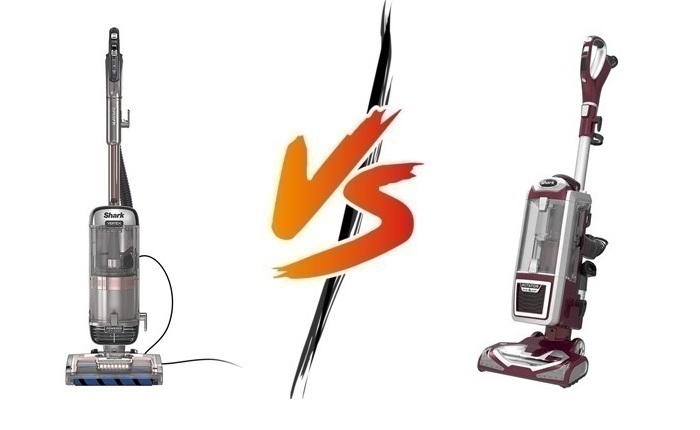
Choosing the right upright vacuum can feel like picking a teammate for the long haul. You want power that does not fade, a design that does not fight you, and features that actually make cleaning easier instead of adding more frustration. That is why the comparison between the Shark Vertex AZ2002 and the Shark NV752 matters. Both come from Shark’s Lift Away family and both have strong followings, but they serve slightly different needs. The Vertex represents Shark’s newer, performance-focused vision with upgraded brush technology, stronger suction, and a more modern build. The NV752 comes from the Rotator line, known for maneuverability, reliability, and solid day-to-day cleaning. I have used uprights from both eras, and the differences are noticeable the moment you start pushing them across carpet or tile. This review breaks down those differences with real-world context so you can confidently decide which vacuum fits your home.
Shark Vertex AZ2002 vs Shark NV752 Comparison Chart
If you click the links below, under the product images, you will be redirected to Amazon.com. In case you then decide to buy anything, Amazon.com will pay me a commission. This doesn’t affect the honesty of this review in any way though.
| Specification | Shark Vertex AZ2002 | Shark NV752 |
|---|---|---|
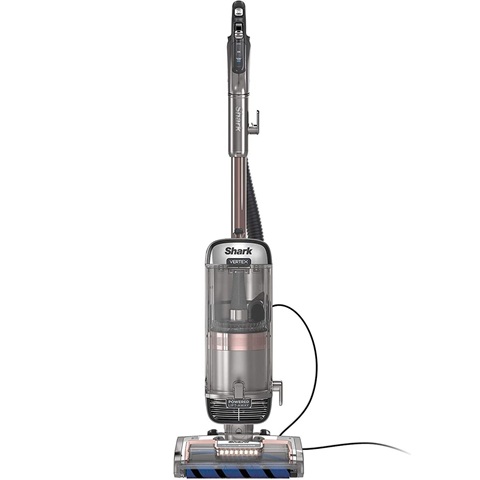 | 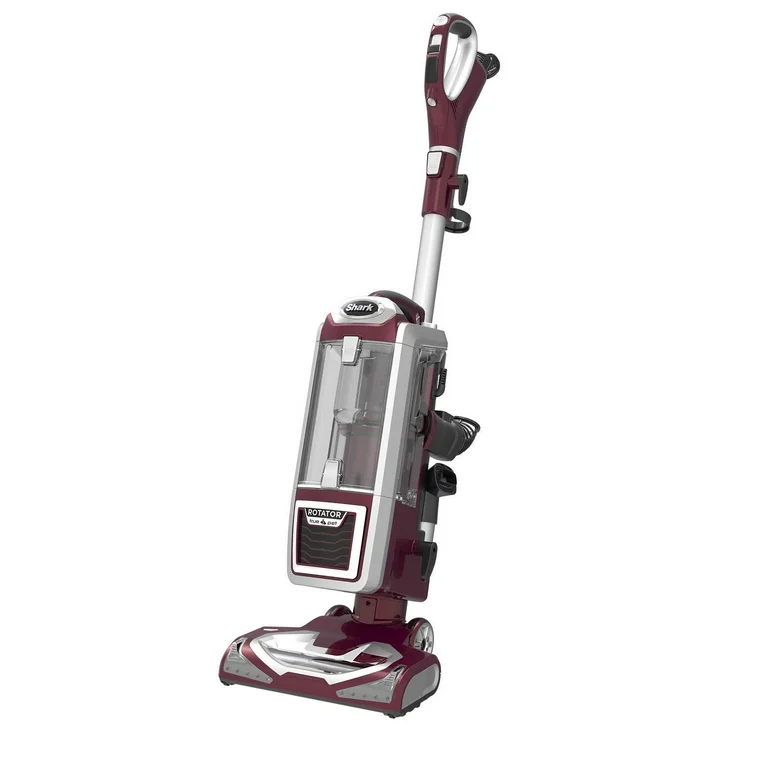 | |
| Check the best price on Amazon | Check the best price on Amazon | |
| Vacuum Type | Upright with Powered Lift-Away | Upright with Powered Lift-Away |
| Weight | Approx. 16.4 lbs | Approx. 15.6 lbs |
| Dustbin Capacity | 1.0 quart | 0.88 quart |
| Cord Length | 30 ft | 30 ft |
| Hose Length | 5.5 ft | 6 ft |
| Brushroll System | DuoClean PowerFins (soft roller + flexible fins) | Traditional bristle brushroll |
| Anti-Hair Wrap Technology | Yes (self-cleaning brushroll) | No |
| Motor Power | 1344 watts (approx. 11.8 amps) | 1150 watts (approx. 9.5 amps) |
| Filtration | HEPA + Complete Seal | HEPA + Complete Seal |
| LED Headlights | Yes (floor nozzle and handle) | Yes (floor nozzle only) |
| Noise Level | Moderate; smoother tone | Moderate; sharper pitch under load |
| Onboard Tools | Crevice tool, pet multi-tool, self-cleaning pet power brush | Crevice tool, dusting brush, TruePet motorized pet tool |
| Lift-Away Mode | Powered Lift-Away (brushroll stays active) | Powered Lift-Away |
| Swivel Steering | Yes | Yes |
| Floor Types Supported | Carpets, rugs, hard floors | Carpets, rugs, hard floors |
| Carpet Performance | Excellent deep cleaning | Very good deep cleaning |
| Hard Floor Performance | Excellent with soft roller | Good; may scatter fine debris |
| Allergen Control | Strong due to improved sealing | Good but slightly older design |
| Pet Hair Handling | Excellent with self-cleaning brushroll | Very good with TruePet tool |
| Warranty | 5 years | 5 years |
| My individual reviews | Shark AZ2002 review | Shark NV752 review |
Design & Build Quality
When you compare the Shark Vertex AZ2002 and the Shark NV752 side by side, the first thing you notice is how differently they express Shark’s design evolution. Both are unmistakably Shark uprights with the signature Lift Away design, but the way each vacuum feels in your hands and behaves under stress tells two different stories. One leans modern and muscular, the other classic and utilitarian. To understand how they differ, it helps to look at their physical construction, their engineering choices, and the way each model communicates its purpose through design.
The Shark Vertex AZ2002 is built with a heavier, more grounded presence. You feel its intention the moment you pick it up: this is a machine engineered to push air hard, dig into fibers, and deal with demanding environments. The plastics are thicker, the locking mechanisms click with more authority, and the overall finish has the “flagship” polish Shark wants you to associate with its premium line. The weight distribution reflects that philosophy. When you tilt it back to push across carpet, the head sinks down with stability rather than floating lightly. That added heft is not accidental. The Vertex’s cleaning head houses advanced brush technology and a more robust motor system, which demands a sturdier chassis to handle long-term vibration and torque.
A recurring theme with the Vertex is maturity in design. Instead of feeling like multiple features were layered onto an existing upright, it feels like the entire body was built around the newer brushroll system and higher airflow. The DuoClean/PowerFins head is physically larger and more enclosed. This closed design helps the vacuum maintain suction efficiency, especially on deeper carpets or uneven flooring. The seams between its panels are better controlled. Controls sit where your hand naturally lands. The dustbin attaches with a clean visual line, and the release button is placed so you can operate it without juggling the machine.
By contrast, the Shark NV752 belongs to the era just before Shark fully unified its designs. The NV752 has more exposed contours along the body, more visible vents, and more segmented hinges. Nothing feels cheap, but it feels more modular. The Lift Away pod looks like a piece clipped onto an upright frame rather than fully integrated into it. If you appreciate products that show their mechanical workings, that transparency can be appealing. But compared with the Vertex, the NV752 can feel a little busier and less sculpted.
The NV752’s lighter body and earlier-generation build give it a slightly different character in daily use. When you push the NV752 across the floor, you immediately notice its swivel steering. The vacuum almost wants to pivot with your wrist movements. This agility comes from the Rotator head’s geometry and joint design, which prioritize maneuverability over mass. While the Vertex glides with purpose and weight, the NV752 moves with quick responsiveness. The trade-off is that the NV752 can sometimes feel top-heavy when pulled too quickly or when transitioning from carpet to hard flooring.
Weight is another area where you see the generational difference. The Vertex is heavier overall, and its weight sits lower in the head. This makes it feel stable but also more tiring on marathon cleaning sessions. The NV752 shifts some of that load closer to the torso of the vacuum, making its head feel slightly lighter, though its overall upright mass is still substantial. Neither vacuum feels featherweight. These are full-size uprights designed for serious cleaning, not light stick vac replacements.
The materials chosen for each vacuum also show their era. The NV752 uses durable plastics that have proven themselves over years of home use, but they lack the reinforced, almost rubberized quality that the Vertex incorporates in high-stress zones. The Vertex has a more refined texture across its handle, bin, and body. Where the NV752 sometimes uses glossy panels, the Vertex leans into matte surfaces that hide scuffs better and feel more secure when gripped with slightly wet or dusty hands.
Storage behavior differs as well. Both vacuums stand upright securely, but the Vertex feels more planted, as if its weight locks it into position. The NV752 stands fine but feels more delicate when bumped, partly due to the swivel steering joint. In practical terms, if you store your vacuum in a high-traffic closet where it might be nudged, the Vertex may give you more confidence that it will stay put.
Both vacuums rely heavily on Shark’s Lift Away feature, but the way each model handles that transformation differs. On the NV752, the Lift Away pod detaches quickly and feels lighter, which makes it easier to carry during stair cleaning. The connections, while secure, feel more mechanical and segmented. On the Vertex, the Lift Away detachment feels more fluid. The pod is heavier, yes, but the release and reattachment feel smoother. The internal routing of hoses and wiring also seems more integrated, giving the Vertex a more streamlined impression when you’re switching modes.
Speaking of hoses and connections, the Vertex seems to have learned from earlier Lift Away experiences. The hose on the Vertex has a tougher exterior that resists kinking. The wand locks into the body with a firm engagement, and you rarely have to wiggle it to ensure a complete seal. The NV752 hose works well but has more give, which can lead to slight airflow inefficiencies if you’re not careful about making sure everything is properly clicked into place.
If there is one area where the NV752’s design still holds a strong advantage, it is in its slimmer profile around obstacles. The Rotator head is not as tall or deep as the Vertex’s PowerFins-equipped head. That means the NV752 slips under cabinets and low furniture more easily. The Vertex’s bigger head can block entry in some tight spaces unless you switch to attachments. For homes with a lot of under-furniture cleaning, this matters.
Another difference is bin design. The Vertex’s dustbin is larger and sturdier, with a bottom-release door that feels reinforced. The hinge and latch operate with more resistance, which makes accidental openings far less likely. The NV752 bin is functional but smaller. Its hinge movement is looser, and the door snaps open with less resistance, which can sometimes cause dust to spill if you’re not emptying it carefully.
In terms of pure build quality, the Vertex is clearly the more advanced and more solidly constructed machine. Everything about it feels purpose-driven and ready for demanding cleaning environments. The NV752 is still well-built, but you can feel its earlier design roots. It is a practical, slightly more utilitarian upright that values maneuverability and straightforward function over the “refined powerhouse” feel of the Vertex.
In short, the Vertex emphasizes strength, integrated engineering, and premium durability, while the NV752 emphasizes maneuverability, familiarity, and proven reliability. Both approaches work, but the right one depends on what you value more in day-to-day use.
Performance
Performance is where upright vacuums earn their keep. You can forgive a vacuum for being bulky or loud if it removes dirt in one sweep and leaves floors looking refreshed. The Shark Vertex AZ2002 and Shark NV752 both have reputations for strong cleaning, but they take different paths to get there. Their motors, brushrolls, floor heads, and airflow systems define how they behave on carpet, hard floors, area rugs, and upholstery. When you compare them closely, the contrast becomes clear. One is built to pull every last bit of debris out of carpet with authority, while the other focuses on balanced, predictable cleaning that suits a wide range of homes.
The Shark Vertex AZ2002 approaches cleaning with a level of force that is hard to ignore. When you roll it forward on carpet, the suction feels deep and grounded, almost as if the vacuum is trying to lift the fibers themselves. This sense comes from a combination of higher airflow, a stronger motor, and a brushroll system that was built for aggressive contact. The DuoClean head paired with the PowerFins system gives the Vertex more surface engagement. Instead of relying only on bristles spaced widely around a roll, the PowerFins create continuous contact across the floor. This increases agitation and helps the vacuum pick up small debris that often escapes older designs.
On carpets, the Vertex excels in deep cleaning. It pulls embedded grit from medium and high pile carpets with fewer passes than previous Shark uprights. When you push it across a heavily trafficked hallway or a living room rug that collects outdoor dust, you can feel the head gripping the surface. It lifts fine dirt that tends to settle at the base of carpet fibers. Long hairs and thread lift more easily as well. While it is not completely immune to hair wrapping, the self cleaning brush system noticeably cuts down on the amount of hair you need to remove manually. After a full cleaning session, you may see some strands on the ends of the roll, but you rarely get the thick wraps that older systems produce.
On hard floors, the Vertex continues to perform at a high level. The DuoClean system includes a soft roller at the front, which helps with fine dust, crumbs, and even sticky particles like flour. The soft roller pulls debris directly into the airflow path rather than pushing it ahead. The vacuum does not snowplow big debris the way many uprights do. This makes it especially good in kitchens, hallways, and places where you constantly deal with crumbs or pet food. Since the Vertex maintains strong seal and suction across different surfaces, transitions from tile to hardwood feel smooth and require no adjustments beyond switching the floor type.
Area rugs can be tricky for high power vacuums, but the Vertex handles them well when you get used to its suction. On very lightweight rugs, the strong airflow can cause slight lifting, but the brushroll settings help tone that down. Once you understand the right setting for each rug, the Vertex clears debris efficiently without dragging or stalling.
The Shark NV752 takes a gentler approach. It still cleans well, but the motor and brushroll design are from an earlier generation. Its suction is solid and steady, and its Rotator brushroll agitates debris effectively on low and medium pile carpets. On day to day cleaning, the NV752 handles most household tasks without complaint. Dust, crumbs, pet hair, and routine dirt lift cleanly. Where it begins to show its age is in deep carpet cleaning. If you press the NV752 into high pile or densely woven carpets, you sometimes need extra passes to remove embedded grit. The suction is simply not as forceful, and the older brushroll design does not maintain as much contact with the carpet surface.
Hair pickup is mixed on the NV752. It collects surface hair well, but long strands tend to wrap around the brushroll. For homes with moderate shedding, this is manageable, but for heavy shedding pets the difference between the NV752 and Vertex becomes noticeable. You may find yourself cutting away hair more often, which affects both cleaning performance and maintenance.
On hard floors, the NV752 performs surprisingly well for its age. The Rotator head has good suction channeling, and debris is pulled in efficiently. It does not have a soft roller system, so it relies on airflow and bristle agitation rather than direct front contact. This works for most hard floors, but very fine dust sometimes scatters before being picked up. When you clean in kitchens or workshops where fine debris is common, the NV752 needs a slightly slower pass to avoid kicking dust around.
Area rugs are easier for the NV752 than they are for the Vertex. Its suction level does not overpower light rugs, which makes maneuvering simple. The Rotator steering also gives the NV752 an agile feel when cleaning around chair legs or corners. The vacuum changes direction with only small wrist movements, which makes performance feel lighter despite having solid cleaning power.
Edge cleaning varies between the two. The Vertex, with its modern head design, tends to reach directly into corners and along baseboards with better precision. The NV752 does a decent job but sometimes leaves a thin trace of dust near walls on hard floors. A quick pass with the hose or another angle usually clears that easily, but if you want a vacuum that nails corners in one pass, the Vertex has the advantage.
When it comes to above floor cleaning using the wand and attachments, the Vertex again shows more force. Suction at the hose is stronger, so upholstery, stairs, and fabric surfaces gain more lift. The NV752 still works well with attachments, especially the powered pet tool that comes with some bundles, but the airflow is milder. On upholstery with heavy pet hair, the Vertex removes debris faster. On delicate fabrics, the NV752 can actually be easier to control.
Performance on stairs depends on your cleaning style. If you want the fastest results, the Vertex’s higher power wins. It removes embedded dirt from carpeted stairs very quickly. If you prefer a lighter feel while cleaning, the NV752’s Lift Away pod is easier to hold for long periods, even if it takes a few extra passes.
One subtle performance factor is how each vacuum handles the push and pull on dense carpet. The Vertex’s strong suction can make it feel anchored, especially on plush sections. Some people appreciate that grip because it signals deep cleaning. Others find it tiring if they prefer a more relaxed glide. The NV752 moves more freely on plush carpet, which feels easier but does not clean as aggressively.
Overall, performance comes down to priorities. The Vertex is the stronger, faster, more modern cleaner across nearly every surface. It is built for homes that challenge a vacuum. The NV752 is steadier, more approachable, and better suited for routine cleaning in homes that do not demand industrial strength suction. Both deliver reliable day to day results, but the Vertex stands out if you care about deep cleaning power, pet hair management, and efficiency across different flooring types.
Maintenance & Cleaning
Maintenance is one of the most important parts of owning any upright vacuum. Even the most powerful machine will lose performance if filters get clogged, brushrolls collect hair, or dustbins aren’t emptied properly. The Shark Vertex AZ2002 and Shark NV752 approach maintenance in different ways. Both are designed for regular household use, but the Vertex reflects newer engineering meant to cut down on user frustration, while the NV752 carries older habits that require a bit more hands-on effort. Understanding these differences will help you decide how much time and attention you are comfortable giving your vacuum over months and years of use.
The Shark Vertex AZ2002 is built with maintenance in mind. You can tell when handling the dustbin. It is larger than the one on the NV752, and the bottom-release door feels reinforced enough to open without bending or twisting. The latch requires a firm press, which reduces the chance of accidental releases while carrying the vacuum. Inside the bin, the plastic has smoother contours with fewer edges for hair or fine dust to cling to. That means when you empty it, debris falls out more cleanly instead of clinging to corners. For people who frequently vacuum fine dust, pet litter, or powders, this smooth interior is especially helpful.
Filters on the Vertex are easy to access. Shark gives you a set of washable filters that include foam, felt, and a post-motor HEPA filter depending on the model variant. The filter compartments open without tools, and the foam-and-felt stack lifts out together. Washing them takes only a few minutes. Because the Vertex uses stronger suction, keeping the filters clean has a more noticeable effect on long-term performance. Dirty filters can cut airflow quickly in a high-powered vacuum, so the ease of access here matters. The Vertex also gives clearer visual cues for when the filters need attention. Dirt stands out against the lighter foam and felt. Even the HEPA housing is easy to remove if you ever need to replace the cartridge.
Brushroll maintenance on the Vertex is where many owners appreciate the upgrade. The anti hair wrap design actively reduces how much hair winds around the central roll. Instead of letting hair bind tightly around bristles, the system directs strands toward a channel that pulls them through and breaks them down as they vacuum. It is not perfect. Long human hair or thick pet hair can still wrap occasionally, especially at the ends of the brushroll. But compared with older Shark designs, the difference is significant. Instead of needing to cut away handfuls of wrapped hair every week, you may find yourself trimming a few strands every few cleaning cycles. The Vertex also has easier access to the brushroll compartment. The top plate lifts with less effort, giving you space to remove any debris stuck inside.
The Shark NV752, being from an earlier generation, requires more active maintenance. Its dustbin is smaller, and it fills quickly if you vacuum larger areas or homes with pets. The bottom-release door works fine, but the hinge moves more loosely. It can swing open a bit too fast if you press the latch with force. Inside the bin, the walls are not as smooth or spacious as those in the Vertex. Fine dust often collects in the corners, which can lead to occasional tapping on the trash can to shake it loose. This is not a major problem, but if you dislike dealing with dust clouds, the Vertex’s bin design is noticeably cleaner.
Filter care on the NV752 is straightforward. It also uses washable foam and felt filters plus a post-motor option. Accessing them requires slightly more effort because of how the compartments are shaped, but the process is still user friendly. The main difference is how often you will need to clean them. Since the NV752 has a less optimized airflow system, its filters tend to trap more dust, and its suction drops more quickly when they become dirty. Regular cleaning is essential to keep it running at full strength. If you use the NV752 in a home with pets or heavy foot traffic, expect to wash the filters more frequently than you would with the Vertex.
Brushroll maintenance is where the NV752 shows its age most clearly. It lacks the self cleaning technology that modern Shark uprights use. Long hair, especially human hair, wraps around the brushroll easily. If you vacuum after people with long hair or use the vacuum in rooms where pet hair collects, you will almost certainly find yourself cutting away tangles every week or two. This maintenance is not difficult, but it takes time, and it is something you must remember to do if you want to keep the vacuum running smoothly. The brushroll compartment is accessible, although it is slightly narrower and has more small parts than the Vertex, which makes cleaning a bit slower.
Another part of vacuum maintenance that often gets overlooked is hose and wand care. Hoses can clog with large debris, wrappers, or accumulated dust. The Vertex has a more robust hose with a tougher outer shell that resists kinking. The interior diameter feels optimized to keep airflow smooth even when using attachments. Unclogging the hose is easy because the ends disconnect cleanly, and the hose tends to stay clear longer due to the stronger suction constantly pulling debris through.
The NV752 hose is still functional but softer and more flexible. That flexibility helps when reaching around corners, but it also means the hose can pinch if you bend it tightly. Over time, that can lead to minor restrictions in airflow. The possibility of small clogs forming is higher, especially if you vacuum debris like cereal, craft scraps, or larger crumbs. Clearing the NV752 hose is simple, but you will likely need to do it more often than with the Vertex.
Maintenance also includes checking seals and joints. On the Vertex, the connections between the hose, wand, and body feel tighter. The seals are designed to maintain strong suction, so they hold up well even after repeated disassembly for cleaning. On the NV752, the connections work fine but can loosen slightly with age. This is not a defect, but the design relies more on friction fit than reinforced sealing. As the vacuum gets older, you may need to ensure everything is clicked in properly before starting a session.
One area both vacuums handle well is user replaceable parts. You can easily find new filters, brushrolls, belts, and hoses for either model. The Vertex parts may cost a bit more due to being newer, but availability is strong for both. In practical terms, both vacuums are fully maintainable without needing a technician.
When it comes to long term upkeep, the Vertex is the easier machine to live with. The larger bin, smoother interior, more accessible filters, and reduced hair wrapping make maintenance feel like a quick routine rather than a chore. The NV752 is still easy enough for most people to maintain, but it demands more frequent hands on attention.
In simple terms, the Vertex rewards you with less frustration over time, while the NV752 relies on traditional maintenance habits that require consistency. If you want a vacuum that handles most of its own mess and needs minimal upkeep, the Vertex is the better choice. If you don’t mind a bit more hands on involvement in exchange for a lower cost machine that still performs well, the NV752 fits that role comfortably.
Energy Efficiency & Noise Levels
Energy efficiency and noise levels often get overlooked because people tend to focus on suction power, attachments, or pet hair performance. But these two areas shape the daily experience more than you might expect. A vacuum that sounds like a jet engine or draws more power than necessary quickly becomes a machine you avoid using. The Shark Vertex AZ2002 and Shark NV752 differ in how they handle power consumption and sound, and those differences play a noticeable role in long term satisfaction.
When you look at energy efficiency, both models land in a similar range because they run on comparable motor sizes typical of upright vacuums. Uprights are not known for sipping electricity lightly. They rely on strong motors to create the airflow needed to lift dirt deep from carpet fibers. Even so, the Vertex uses its power more intelligently thanks to the updated brushroll design and refined airflow path. Shark improved how air moves through the housing, which reduces wasted energy caused by turbulence and internal resistance. This means the motor does not have to work as hard to produce the same suction. Over time, this can make a small difference in electricity consumption, especially in homes where vacuuming happens several times a week.
The NV752 uses a more traditional airflow layout. It still works effectively, but the design is not quite as efficient. The airflow bends at sharper angles in some areas, and the interior pathways have a slightly more restrictive feel. When a vacuum has more internal resistance, the motor has to push harder to maintain suction, which can lead to modestly higher energy use. This difference is not drastic. You will not notice a spike on your electricity bill because of it, but if you are looking at the machines from an engineering standpoint, the Vertex has the edge in energy optimization.
Brushroll efficiency also plays a part. The Vertex uses a dual brushroll system, which may seem like it would require more power, but it actually works in its favor. The soft roller in front helps pick up fine debris and maintain strong contact with the floor, letting the primary brushroll focus on deep cleaning. Since neither roll is forced to handle both fine and heavy debris alone, the overall system runs more smoothly. The NV752 uses a single brushroll that takes on every type of debris. When that brushroll deals with mixed material, the motor compensates by increasing torque, which can draw more power.
Now let’s talk noise. Noise is subjective, but certain vacuums cross a line where the sound becomes tiring. Uprights, especially ones with strong suction, are not quiet machines, but the way the noise is shaped matters. The Vertex AZ2002 produces a deeper, more controlled sound profile. You still hear the motor, but it feels more contained, almost like the vacuum is pushing sound downward rather than outward. The soft roller also helps dampen some of the harsh floor vibration you get when a stiff bristle brush hits hard surfaces. This gives the Vertex a calmer feel on tile, vinyl, and hardwood.
On carpet, the sound shifts slightly, but it remains steady. You do not get the high pitched whine that some uprights develop when airflow tightens. Shark did a good job with insulation around the motor housing. Even on max suction, the Vertex avoids that shrill tone some vacuums produce, especially aging models.
The NV752, on the other hand, has a brighter and slightly sharper sound. It is not an excessively loud vacuum. You can still run it without waking the entire house, but the pitch is higher and more noticeable in smaller rooms. When moving from carpet to hard floors, the NV752 can sound a bit rattly because the single brushroll makes direct contact with the surface. Hard floors amplify vibration, which contributes to overall noise. On carpet, the sound softens, but the motor hum remains a bit more pronounced compared with the Vertex.
Another factor is noise consistency. The Vertex maintains even sound levels as you push it forward and backward. Some vacuums change pitch depending on the angle of the hose or how much debris is being sucked up, but the Vertex stays controlled. The NV752 sometimes wavers in pitch when switching angles or engaging the hose. This is not a performance issue, but it affects how smooth the vacuum feels in use.
Hose use deserves its own mention because noise changes dramatically depending on whether you are using the upright mode or handheld mode. The Vertex stays surprisingly quiet when you switch to the hose because the motor is insulated from more directions. The NV752 becomes noticeably louder in hose mode because the sound escapes through the back of the unit more freely.
Cooling systems also play a role. Both vacuums rely on airflow to cool the motor, but the Vertex’s design reduces whistling and vent noise. The NV752 has a more traditional vent style that can create a slight hiss or whoosh depending on the angle.
In terms of energy efficiency and sound together, the Vertex feels like a more refined machine. It uses its power intelligently, avoids wasting energy through inefficient airflow, and produces a calmer, more controlled sound profile. The NV752 is perfectly serviceable and not excessive in either category, but it carries design habits from an earlier era. It runs slightly louder, uses power in a more straightforward way, and delivers a sound profile that is fine but does not stand out for comfort.
If you value quiet operation and the sense that the machine is working efficiently, the Vertex wins comfortably. If you are more focused on simple reliability and do not mind a bit more noise and a touch less efficiency, the NV752 still performs well.
Ergonomics & Usability
Ergonomics and usability determine whether a vacuum becomes a tool you use without thinking or a chore you avoid until the last minute. Raw power and bright packaging do not matter much if the machine feels heavy, awkward, or tiring after ten minutes. The Shark Vertex AZ2002 and Shark NV752 approach ergonomics from two different generations of design. Both are workable for most households, but their differences become clear once you start navigating corners, switching modes, and carrying them around the house.
The first thing you notice with the Vertex AZ2002 is the handle and weight distribution. It has a solid but refined feel. The handle is shaped to let your wrist stay straighter while pushing, reducing that subtle twisting strain many uprights create. The angle of the handle gives you more leverage with less effort, which is especially noticeable when turning the vacuum. Because Shark balanced the weight closer to the floor, the Vertex glides more naturally. You do not feel like you’re dragging the body behind you. On thick carpet, the brushroll pulls itself forward slightly, giving you a small assist. That pull is not so strong that you lose control, but it does shave off effort.
The NV752 has a more traditional upright handle that feels serviceable but not optimized. It has a thicker grip, and depending on hand size, it can feel a bit blocky. The wrist angle is more upright, which is fine for short cleaning sessions but less ideal for long ones. The NV752 also carries more of its weight higher on the frame. This makes it feel heavier in motion even if the actual weight difference is minor. On carpet, the NV752 pushes smoothly enough, but you can feel the vacuum working harder because it lacks the soft roller that helps the Vertex glide. If you have a lot of high pile carpet, this difference is even more noticeable.
Steering is arguably the biggest ergonomic contrast between the two machines. The Vertex has smoother swivel steering. You can turn it with slight handle movements, and the head follows closely, making it easy to navigate around furniture legs or tight hallways. Shark refined the pivot joint on the Vertex so it reacts quickly while remaining stable. When you angle the handle downward to reach under beds or couches, the vacuum stays balanced instead of wobbling.
The NV752 also has swivel steering, but it feels stiffer and more mechanical. You have to put more wrist and shoulder movement into each turn. On open floors, this is not an issue. The vacuum tracks well in straight lines and wide arcs. The challenge comes in tighter spaces, where the NV752 needs more repositioning to get the angle right. The pivot joint has a more rigid feel, which helps stability but costs maneuverability. Under low furniture, the NV752 can reach but does not flatten as gracefully as the Vertex.
Mode switching is another area where usability shows itself. Both vacuums have Lift Away capability, meaning you can lift the canister off the base to use the hose and wand more freely. On the Vertex, switching to Lift Away mode is seamless. You press the release button, lift the canister, and continue cleaning. The handle balances well with the canister removed, giving you control without feeling like you’re carrying a heavy jug. The power button and suction controls are positioned within reach of your thumb even in canister mode, which helps with quick adjustments.
On the NV752, Lift Away mode works but feels bulkier. The canister is slightly awkward to grip, and the weight is more rear loaded. You can still carry it comfortably, but it feels less streamlined. The power controls are not quite as conveniently placed when switching modes, so you may need to pause for an extra second to make adjustments. None of this is difficult, but it adds to the overall sense that the NV752 operates on an older ergonomic template.
Attachments and accessory usage also highlight differences. The Vertex’s attachment points are sturdy and click into place with a reassuring fit. The wand is lightweight and extends cleanly, with minimal resistance. When switching from floor mode to above-floor cleaning, the Vertex feels like it was designed with that transition in mind. The suction remains consistent, and the wand stays steady without flexing.
The NV752’s wand is still reliable but slightly heavier and less refined. It extends with a bit more friction, and the attachments sometimes require a firmer push to lock in. The hose on the NV752 is softer and more flexible, which can help in tight corners, but it also has a tendency to recoil or pull back toward the base. When you’re standing on a step ladder or reaching overhead, this recoil is noticeable because it tugs at your hand more than the Vertex hose does.
Carrying the vacuum up and down stairs is another important ergonomic consideration, especially for multi-level homes. The Vertex’s weight distribution helps it feel lighter than it technically is. The handle placement makes it easy to grasp the vacuum at its balance point, so the weight stays centered. This matters when you’re climbing stairs and need to maintain good footing.
The NV752 is not excessively heavy, but its balance point sits slightly higher. When you lift it, you feel the top of the vacuum pulling backward. Over time, that adds more strain to your arm and shoulder. For short staircases, this is not a problem, but for tall ones, you notice the difference.
Usability also includes how intuitive the controls feel. On the Vertex, the floor-type selector sits in a natural position on the handle, allowing you to switch from hard floor to carpet without interrupting your flow. The LED lights on the floor head are bright, which helps illuminate dust lines on darker flooring. The NV752 has LEDs as well, but they are not as bright or precise. Control placement is serviceable but less fluid than on the Vertex. Some users may need to look down briefly to switch modes.
Cord management is another small but meaningful factor. The Vertex cord wraps cleanly on wide hooks that feel sturdy. The NV752 uses a more traditional wrap that works fine but is less smooth. The Vertex also has a slightly longer cord, which reduces the number of times you need to switch outlets in larger rooms.
Finally, the overall feel during long cleaning sessions matters. The Vertex stays comfortable longer because it requires less effort to push, turn, lift, and switch modes. It encourages steady movement. The NV752 remains functional and reliable, but its older ergonomics show their age. You can use it for long sessions, but you will feel more wrist, arm, and shoulder fatigue, especially when navigating tight areas or switching between modes frequently.
In short, the Vertex AZ2002 is the more ergonomic and user friendly machine. It moves smoother, turns easier, and adapts better to mixed cleaning tasks. The NV752 is perfectly workable but demands more physical effort. If usability and comfort matter to you, the Vertex makes everyday cleaning feel more fluid and less tiring.
Pet-Friendliness
Pet friendliness covers more than just picking up hair. A vacuum that handles pet life well needs to manage dander, odor, embedded fur, scattered litter, accidents, and the general mess that comes with dogs, cats, and every furry creature in between. It also has to do all this without clogging, overheating, or forcing constant maintenance. The Shark Vertex AZ2002 and the Shark NV752 both appeal to pet owners, but they serve that role in different ways. One is built with newer self cleaning technology, the other relies on traditional pet attachments and strong suction. Both can handle pet households, but the experience of using each one is distinct.
The Shark Vertex AZ2002 immediately stands out because of its brushroll system. Pet owners know the battle against hair wrapping never ends. Long human hair and pet hair behave the same way inside a vacuum. They coil around the brushroll, build up fast, and choke performance until you cut them off with scissors. The Vertex takes this pain point and reduces it dramatically. Its anti hair wrap technology is not a gimmick. Most of the hair that would normally wind up tightly wrapped gets redirected and broken down during cleaning. The soft roller in front helps sweep strands upward before they have a chance to tangle, while the primary roll channels hair away from the axle.
This means you spend far less time maintaining the brushroll. If you have dogs that shed constantly or cats with long undercoats, the Vertex’s design pays off quickly. You can vacuum several times a week and find only a minor amount of hair wrapped around the ends instead of the dense, rope like build up that older models often collect. For busy pet owners, especially households with multiple animals, this is a major advantage.
The NV752 does not have that self cleaning feature. It uses a traditional bristle brushroll. The suction is strong enough to pull embedded hair from carpets, but once that hair reaches the brush, it wraps. If your home has pets that shed heavily, you will spend time cutting hair off the roll. In a one pet home with a moderate shedder, you might be able to get away with weekly maintenance. In a multi pet home, you may find yourself cleaning the roll after every few sessions. This is not a fault in the vacuum; it simply reflects the technology of its generation. But compared with the Vertex, the difference in upkeep is clear.
Pet friendliness also includes how well a vacuum handles dander and fine debris. Dander is lighter than dust, tends to scatter, and embeds itself into carpet fibers. The Vertex excels here because of the dual brushroll system. The soft roller grabs fine particles before the main roll lifts them, creating a one two effect that pulls dander efficiently from both hard floors and carpet. In homes with allergies, this matters. Cleaner floors result in less airborne dander, which makes rooms feel fresher.
The NV752 is no slouch in this area, but without the soft roller, it relies purely on suction and bristle agitation. It still performs well on carpets because the bristles dig deep, but on hard floors, dander sometimes gets pushed forward before being sucked up. You may need to make extra passes on tile or wood when dealing with very fine pet dust.
Then there are odors. Pet owners often deal with smells that come from fur, accidents, damp paws, or litter boxes. Odor control in vacuums depends heavily on filtration. The Vertex uses an advanced sealed system designed to trap more particles within the vacuum body, which helps reduce the release of pet smells back into the room. The HEPA level filtration means fewer allergens escape during use. When you combine this with strong airflow and faster debris transport through the vacuum, you get less lingering smell inside the vacuum body.
The NV752 also uses HEPA filtration, which helps with allergens, but the older sealing system means it is not quite as tight as the Vertex. This does not mean the NV752 leaks dust, but you may notice more subtle odor over time, especially if you go too long between filter cleanings. Homes with large dogs or multiple animals might sense this difference more clearly.
Next, let’s look at above floor cleaning. Pets do not limit their shedding to floors. They leave hair on couches, stairs, curtains, and car interiors. The Vertex Lift Away feature makes above floor cleaning feel smooth. The canister is lighter in Lift Away mode, and the hose maintains strong suction even when extended. When you use the pet attachment on upholstery, the vacuum pulls hair up quickly without needing repeated passes. The self cleaning floor head still handles hair well, but the attachments are more direct for furniture.
The NV752 has one major advantage in this area. Some versions come with a motorized pet tool, which is excellent for lifting hair from upholstery. The motorized tool has a small rotating brush that digs into fibers more effectively than passive tools. On couches, cat trees, or car seats, this tool can outperform the Vertex’s non motorized pet hair attachments. That said, the NV752’s main drawback is the reduction in suction when using the hose, which is more noticeable compared with the Vertex.
Another pet related concern is scattered debris. Cat litter, small kibble pieces, hay from small animals, shredded toy fluff, and similar messes require a vacuum that can pick up both large and fine debris without clogging. The Vertex does this extremely well. The soft roller grabs fine particles while the large intake path swallows chunkier debris without pushing it forward or scattering it. Litter especially benefits from the soft roller because it prevents the bouncing that bristle only heads sometimes cause.
The NV752 handles large debris fine on carpet, but on hard floors, it tends to push heavier particles forward before suction engages. You may need to approach piles of debris more slowly or angle the vacuum slightly. It will still clean the mess, but it takes a bit more technique.
Pet friendly homes also bring challenges like long fur stuck along baseboards or hidden in corners. The Vertex’s edge performance is strong, and the swivel steering helps you push the head right along trim without leaving a thin line of hair. The NV752 can reach edges too, but the wider head shape sometimes makes you adjust your angles more often.
Noise is another factor for pets. Some animals are skittish. The Vertex has a deeper, smoother sound profile that tends to bother pets less. It is still a vacuum. Most cats will leave the room, but it doesn’t produce many sudden high pitched notes. The NV752 has a brighter, sharper hum. Nervous pets may react more strongly to it.
Finally, let’s talk about long term durability in pet homes. Pet hair is rough on vacuums. It clogs filters faster, fills bins more quickly, and strains airflow pathways. The Vertex’s larger dustbin and better airflow help it keep performance stable even when dealing with heavy shedding seasons. The NV752 handles it too, but its smaller bin means you are emptying it more often, and its filters need cleaning sooner.
In summary, the Vertex AZ2002 is the stronger choice for multi pet households or homes with heavy shedders. It reduces brushroll maintenance, controls odors better, handles fine and large debris well, and remains easier to use across different surfaces. The NV752 is still pet capable and offers strong value, especially with its motorized pet tool, but it demands more frequent cleaning and technique. If pet friendliness is one of your top priorities, the Vertex pulls ahead clearly.
Filtration & Allergy Handling
Filtration and allergy handling matter more than most people realize. You can have all the suction in the world, but if a vacuum blows microscopic dust, dander, and allergens back into the air, you are taking two steps forward and one step back. This becomes even more important in homes with asthma, seasonal allergies, pets, or children who are sensitive to airborne particles. The Shark Vertex AZ2002 and Shark NV752 both advertise strong filtration, but the execution differs in higher level ways that only become clear when you live with each machine day after day.
The Vertex AZ2002 approaches filtration with a modern sealed system. A sealed system is more than a marketing term. It means the air passing through the vacuum is forced to move through the filters before exiting the machine. There are no gaps around the cyclone assembly, the dustbin, the pre motor compartment, or the exhaust area where dirty air can leak. The idea is simple: the dirt stays in the vacuum until you empty it. In real world use, you feel the difference because the vacuum does not produce that faint “dusty” smell some older uprights give off after weeks of heavy cleaning. The air coming out of the Vertex feels cleaner, especially when vacuuming high traffic areas or rooms where pets spend a lot of time.
Inside the Vertex, you get a full multistage filtration layout that includes washable foam and felt filters, a cyclone system that removes heavier debris before it reaches the filters, and a HEPA exhaust filter. HEPA filtration is important because it captures extremely small particles, including many of the triggers that irritate allergy sufferers. The Vertex pairs the HEPA filter with a tighter sealing structure so it can retain more particles and hold them for longer without releasing them back into the air. This is one of the reasons the Vertex is popular among allergy prone households. Even during long sessions, it does not leave the room feeling dusty.
Airflow also affects filtration. The Vertex’s refined airflow path improves how effectively dust is separated inside the dustbin before it even reaches the filters. Better air separation means less buildup on the filters, which keeps suction stronger over time. This indirectly benefits allergy control because filters that clog quickly tend to release more odors and accumulate allergens on their surface. When filters stay cleaner longer, the vacuum works more efficiently and releases cleaner exhaust air.
The NV752 also includes HEPA filtration, which is a significant plus. Many vacuums at its price point lack true HEPA filters, so the NV752’s filtration system is above average for its age and class. It uses a similar mix of foam, felt, and HEPA filters, and these are all washable or replaceable. The main difference lies in the sealing. The NV752 has a sealed system, but it relies on older engineering. The seals around the dustbin and filter housings are not as tight or refined as those in the Vertex. This does not mean the NV752 leaks dust visibly. For most people, especially those without allergies, the filtration feels completely adequate. But if you are sensitive to airborne particles, the NV752 can feel slightly less clean in its exhaust.
The NV752 relies more heavily on the filters themselves to contain particles because its airflow separation is not as efficient as the Vertex’s cyclone design. This leads to faster filter buildup, especially in homes with fine dust, pet dander, or high foot traffic. When filters become saturated sooner, airflow drops and the vacuum has to work harder to maintain suction. This creates more strain on the filtration system and may result in slight odor or a faint dusty smell after heavy use if you have not cleaned the filters recently.
Another area where filtration shows up in daily life is dustbin emptying. When you open the dustbin of a vacuum, you release a small burst of the dust collected inside. The Vertex has a smoother dustbin interior and a larger capacity, which reduces the amount of time you spend shaking or tapping it to release debris. Because the bin empties cleanly, there is less dust agitation and a smaller chance of inhaling particles during emptying. For allergy sufferers, this matters. Emptying a poorly designed dustbin can make symptoms flare even if the vacuum itself uses strong filtration.
The NV752’s dustbin works fine, but its tighter corners and smaller capacity mean debris sometimes sticks to the walls. Fine dust and dander can cling, forcing you to bang the bin or reach inside. Doing this shakes particles into the air. It is not a deal breaker, but if allergies are a concern, you feel the difference.
Let’s talk about how each vacuum handles carpet versus hard floors from an allergy standpoint. Carpets hold allergens like a sponge. They trap pollen, dust mites, dander, and hair. A vacuum needs strong suction, deep agitation, and controlled airflow to remove these particles efficiently. The Vertex’s dual brushroll system helps loosen and lift embedded allergens more thoroughly, especially fine dust that settles deep within fibers. When a vacuum can pull up more of that buried debris, the result is not only cleaner carpets but also fewer allergens that get kicked into the air when people walk across the room.
The NV752 still performs well on carpets because its bristle brush digs deep, but it does not reach the same level of fine particle removal as the Vertex. It can leave behind micro debris that is not immediately visible but contributes to allergen buildup. Over time, this difference matters. If you vacuum several times a week, the Vertex tends to keep carpeted rooms feeling fresher.
On hard floors, allergy handling favors vacuums that capture fine dust without scattering it. The Vertex’s soft roller picks up tiny particles instead of kicking them around. This is especially important for homes with asthma, as airborne fine dust is one of the most irritating triggers. The NV752 performs solidly on hard floors, but its bristle only system can push lightweight particles ahead of the cleaning path, which increases how much dust becomes airborne during cleaning.
Another key part of allergy control is how well a vacuum maintains performance as the filters fill. The Vertex stays stable longer because its cyclone design removes heavier particles early. The NV752 begins to show a reduction in airflow sooner if you do not keep up with filter cleanings. This means that allergy sufferers using the NV752 need to follow a more frequent filter maintenance schedule to keep the vacuum performing at its best. If you forget or put it off, the NV752 starts circulating slightly dustier air.
There is also the matter of odor control. Pet owners, in particular, worry about the smell of dander, natural oils, and whatever outdoor debris their animals drag inside. The Vertex’s sealed system helps trap these odors, and because the filters stay cleaner longer, the machine releases fewer scents into the air. The NV752 controls odor reasonably well, but its filters saturate faster, and once they do, the vacuum develops a mild musty smell until the filters are washed or replaced.
For households with allergy prone individuals, the Vertex is clearly the stronger performer. It keeps more dust inside the machine, manages airflow more efficiently, empties cleaner, and maintains suction longer. The NV752 is still a good vacuum with real HEPA filtration, making it better than many uprights in its class, but it simply cannot match the modern sealing and airflow design of the Vertex.
In short, if allergens, sensitivities, or indoor air quality matter to you, the Vertex provides a more complete and reliable filtration experience, while the NV752 delivers adequate performance that works best with diligent filter maintenance and regular cleaning habits.
Conclusion
Choosing between the Shark Vertex AZ2002 and the Shark NV752 comes down to what you expect from an upright vacuum and how much convenience you want built into your daily cleaning routine. Both models are capable machines, both deliver strong suction, and both can handle mixed flooring without hesitation. But after spending time with each, the differences become clear enough that most buyers will lean confidently in one direction.
The Vertex AZ2002 feels like the more mature, refined design. It moves smoother, needs less maintenance, controls hair far better, and handles fine dust with a level of precision that stands out. Its filtration system is tighter, its noise profile is calmer, and its overall ease of use makes vacuuming feel less like a chore and more like a quick, predictable task. Pet owners, allergy sufferers, and anyone with lots of carpet or high traffic areas will notice these advantages every time they clean.
The NV752 earns respect for its reliability and value. It still handles difficult debris and pet hair well, especially with its motorized pet tool. For smaller homes, lighter shedding, or buyers who want strong cleaning performance without paying for newer technology, the NV752 remains a solid choice.
If you want a vacuum that minimizes frustration and maximizes efficiency, the Vertex is the better long term partner. If you prefer a more budget friendly upright that still packs real suction and dependable cleaning power, the NV752 holds its ground. Both machines get the job done. The difference lies in how much ease, comfort, and refinement you want wrapped into that job.